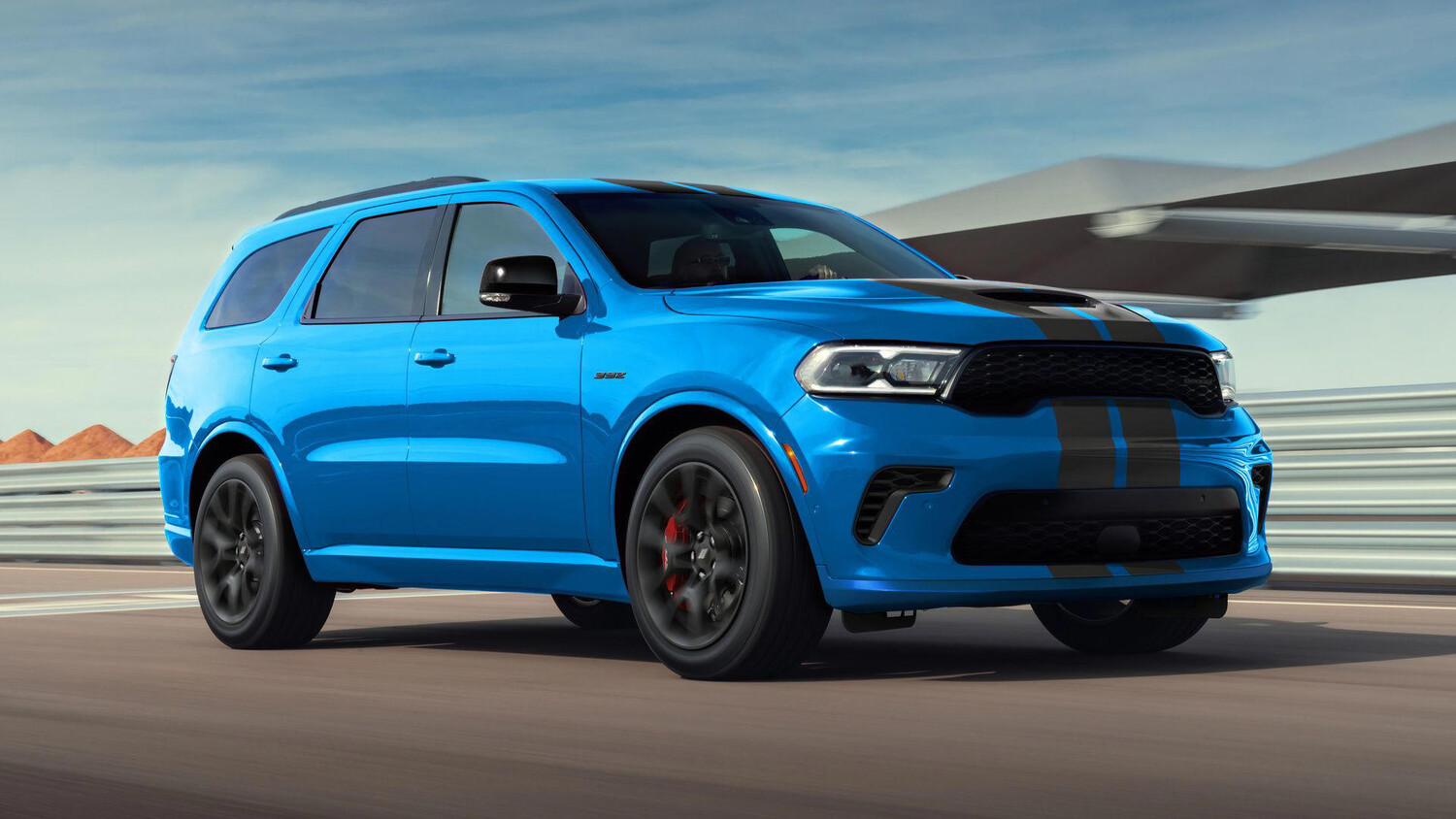
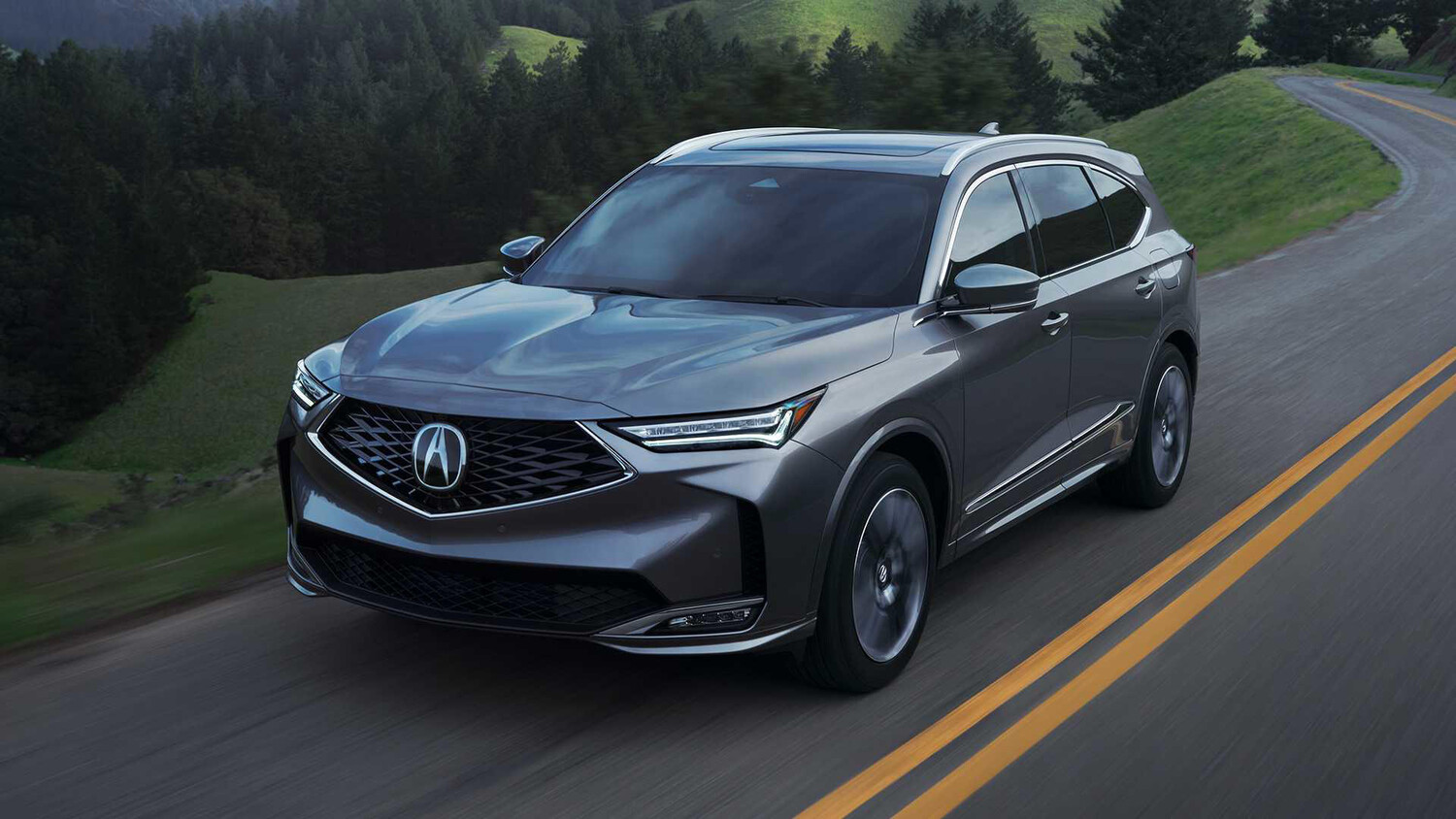
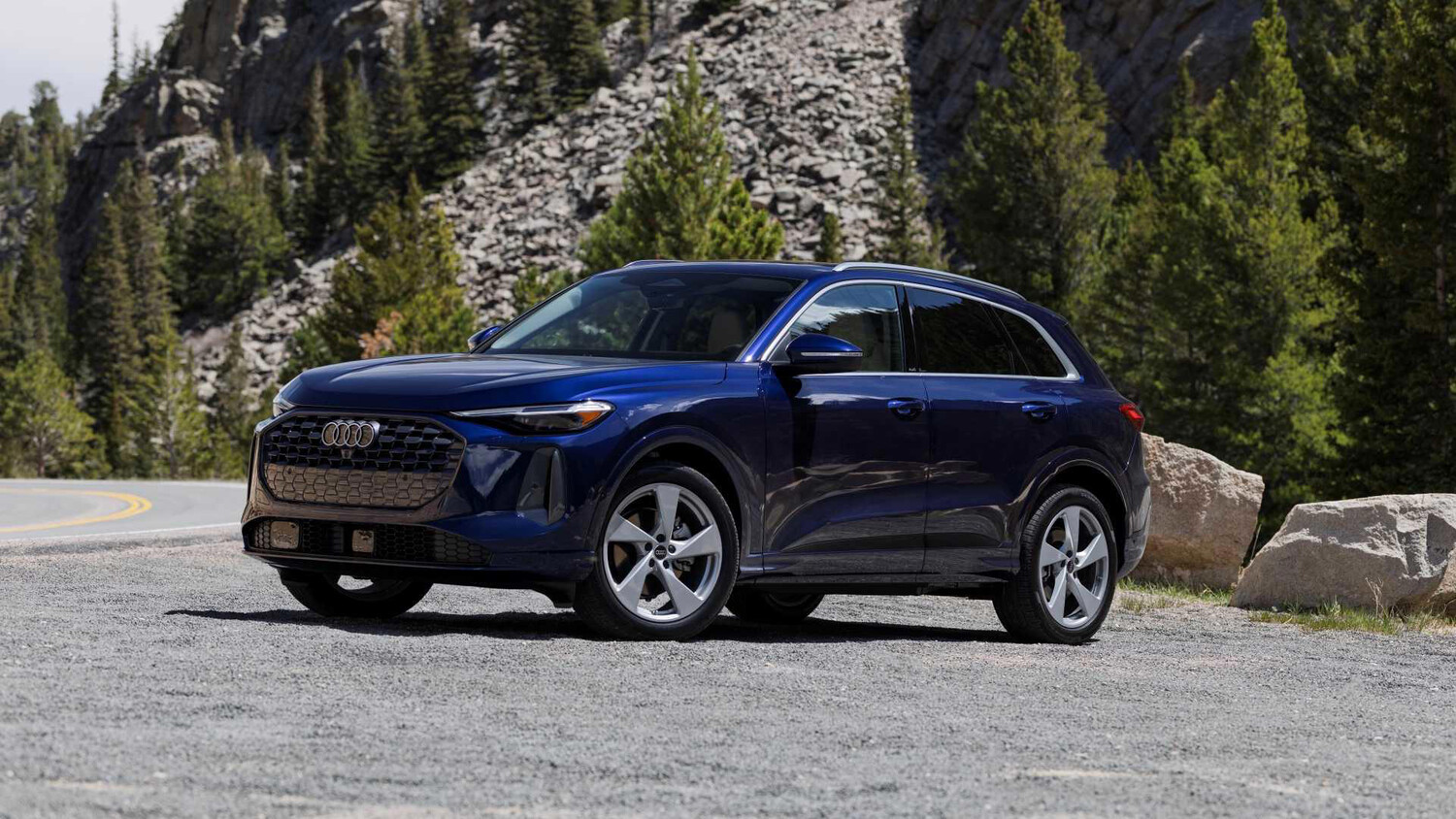
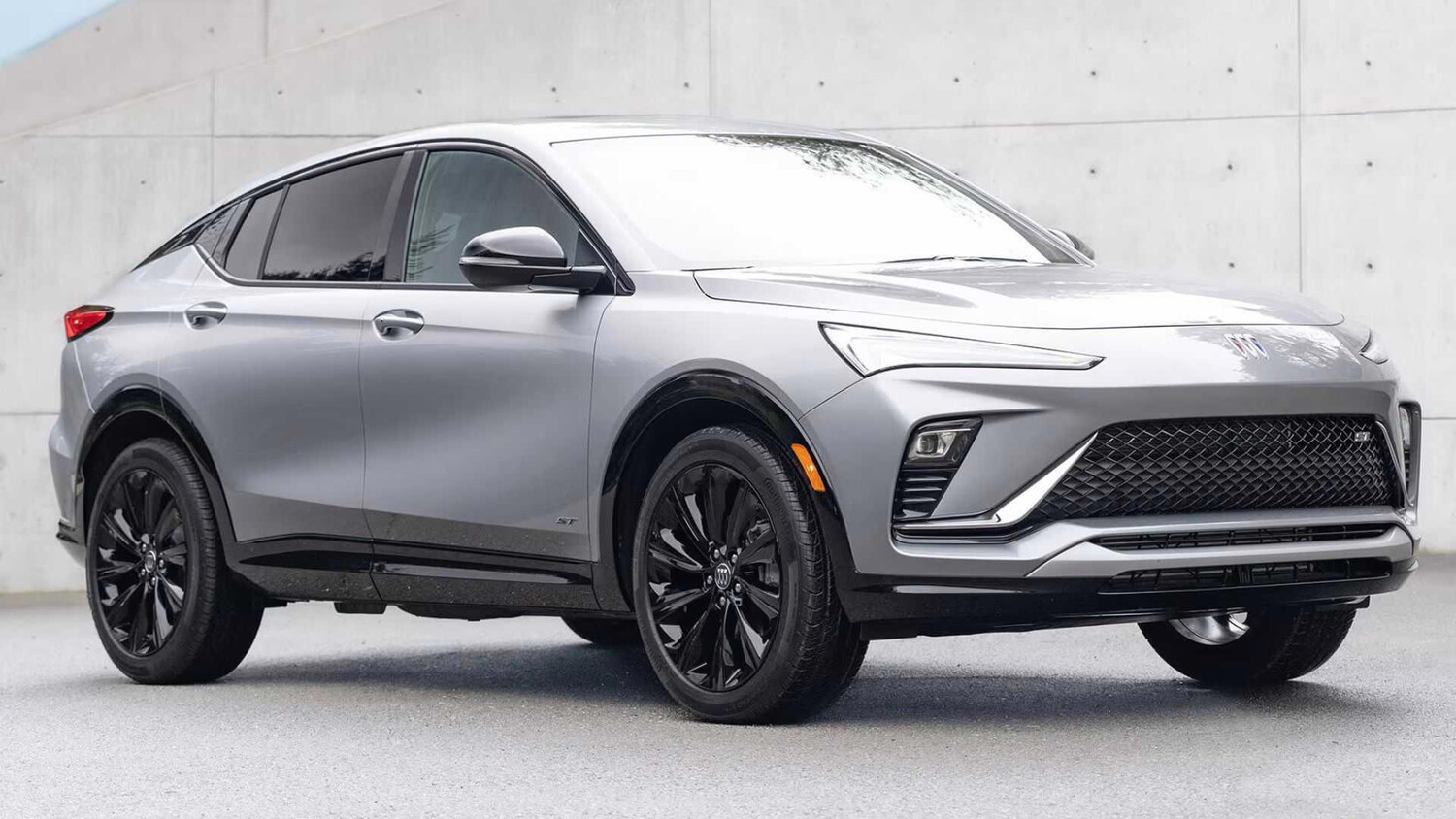
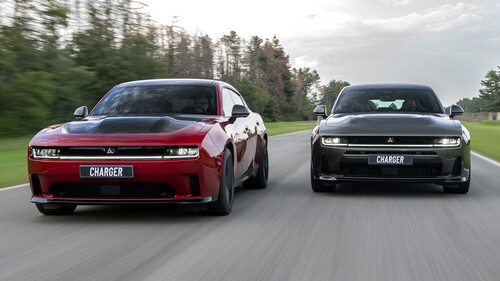
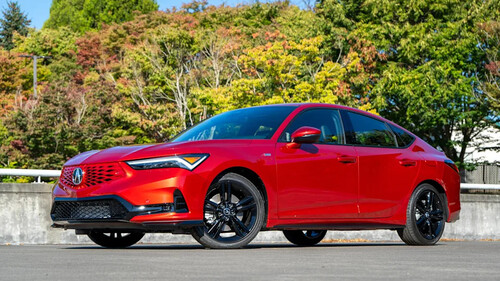
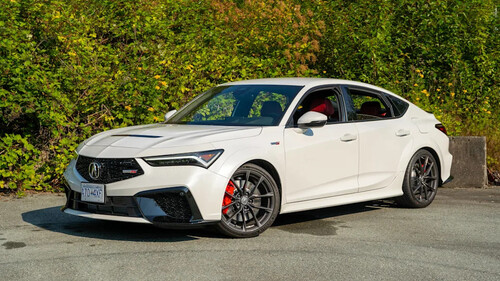
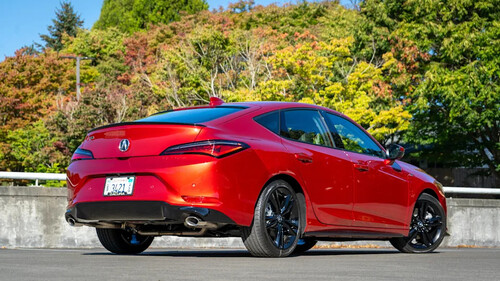
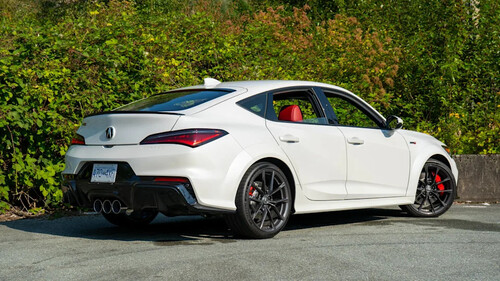
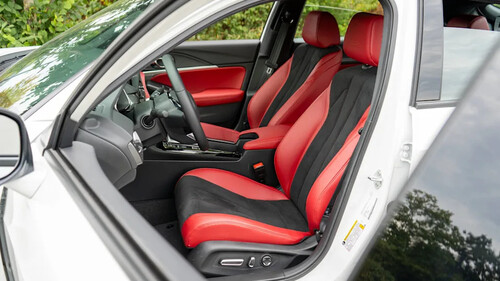
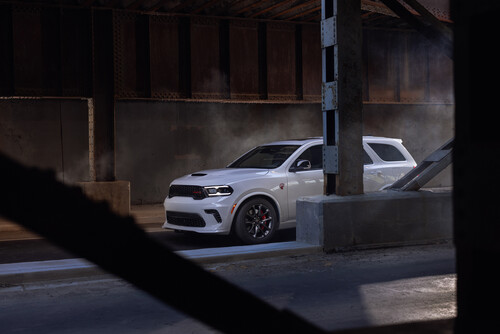
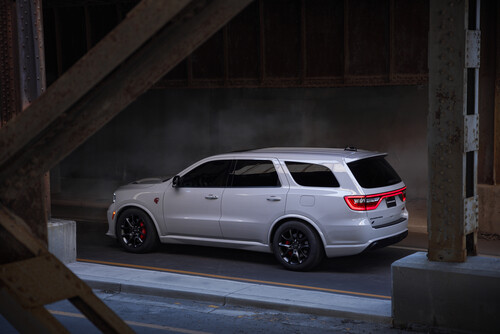
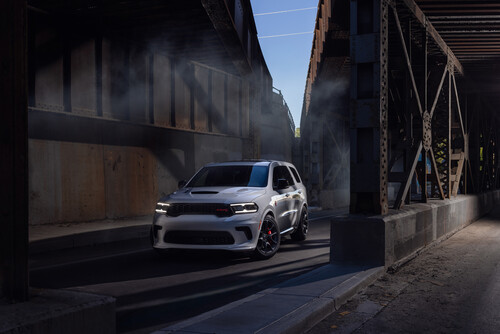
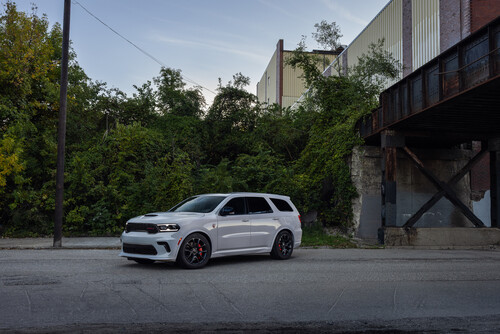
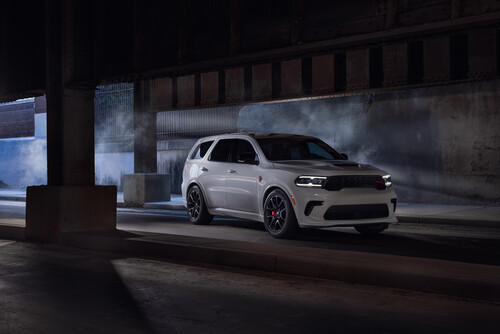
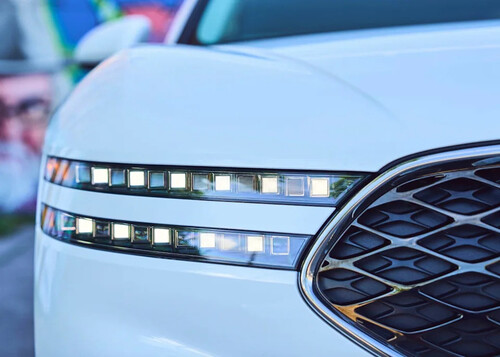
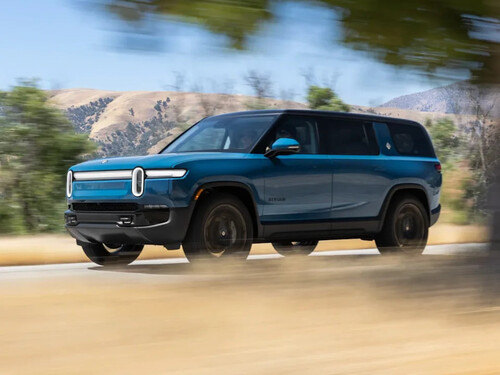
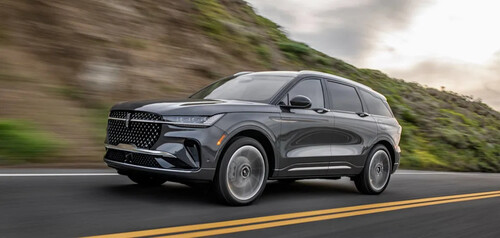
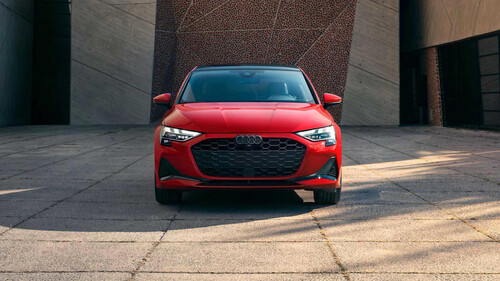
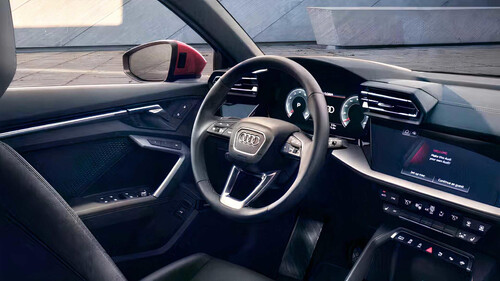
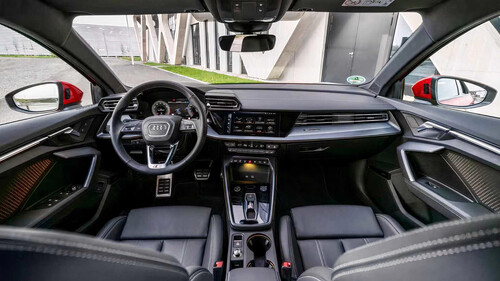
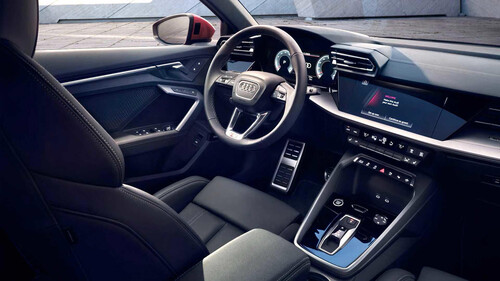
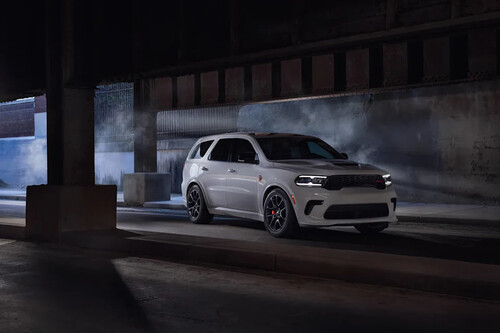
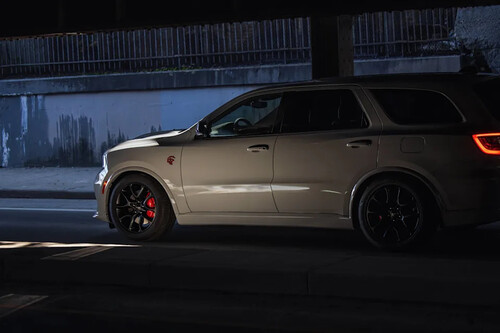
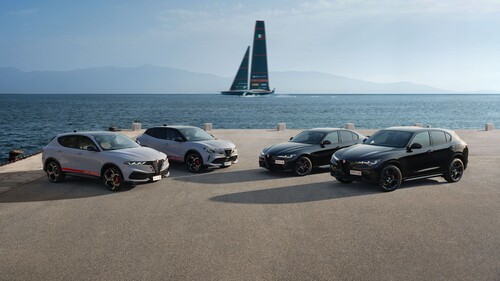
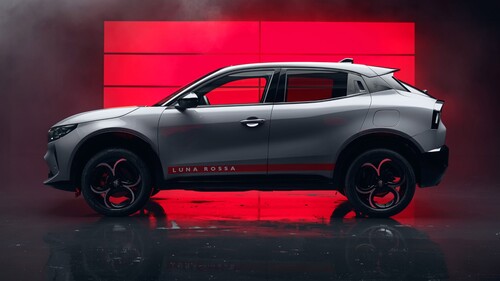
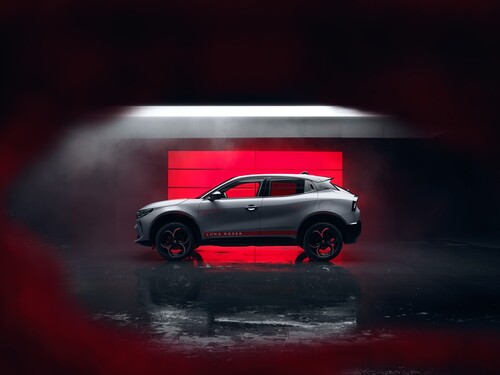
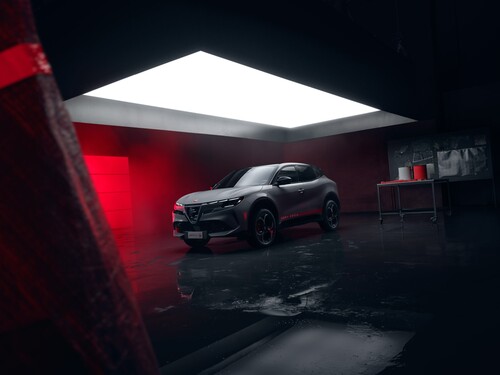
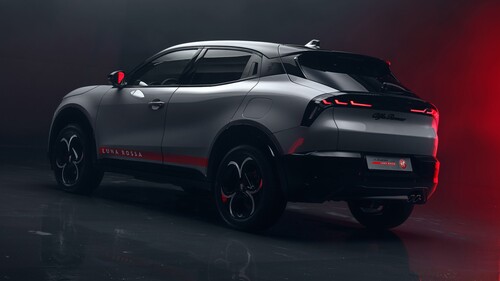
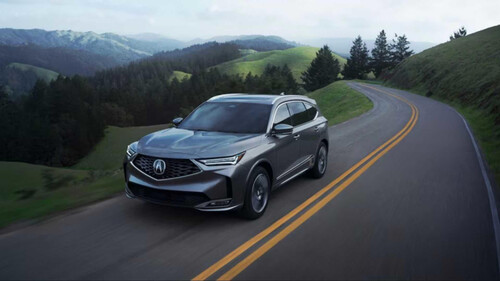
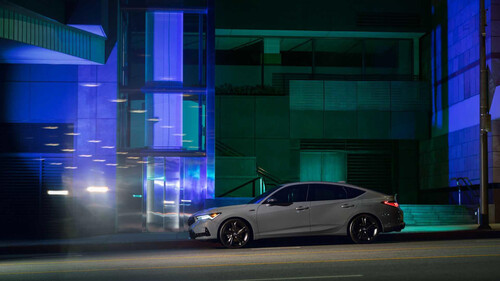
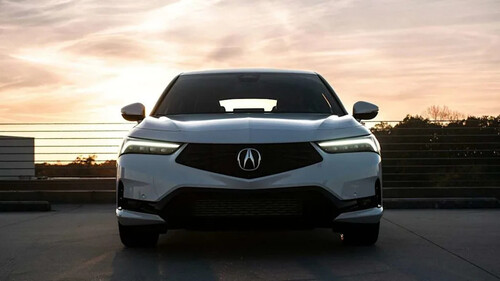
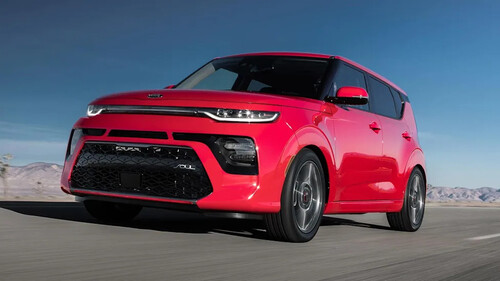
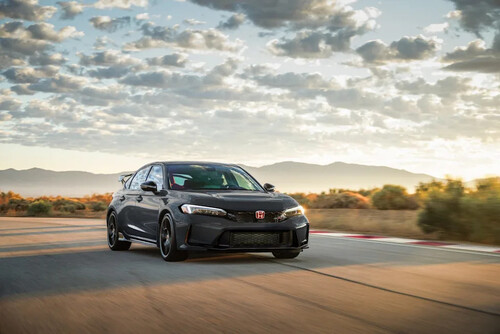
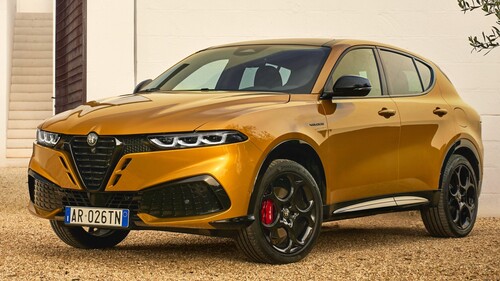
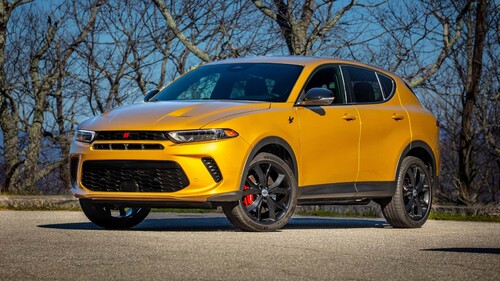
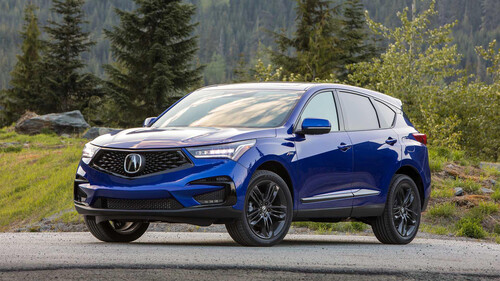
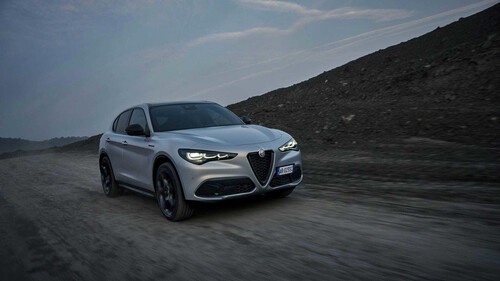
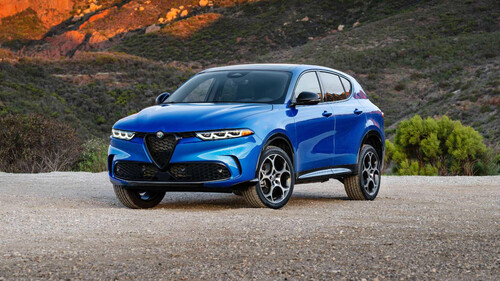
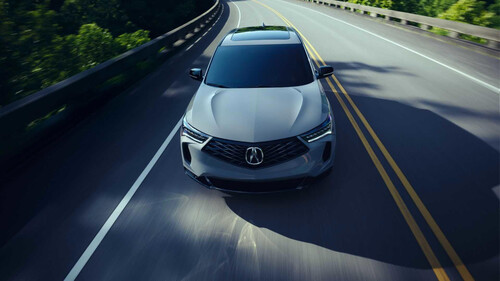
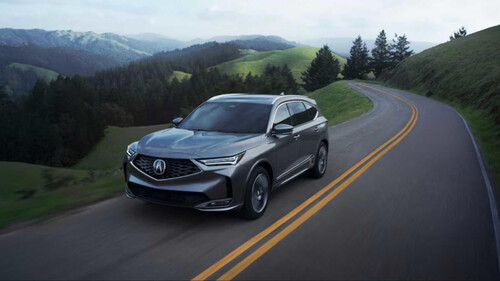
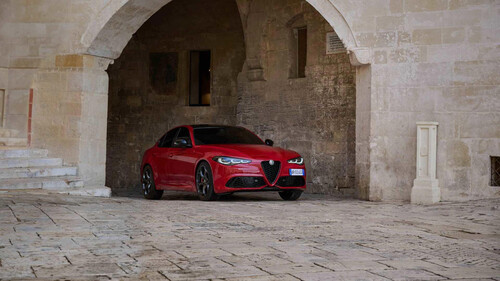
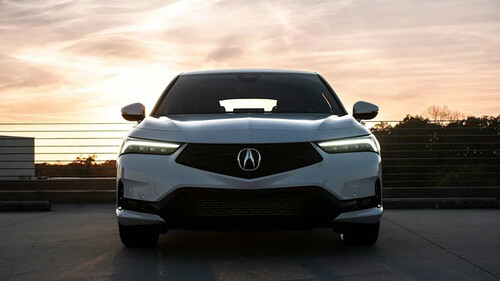
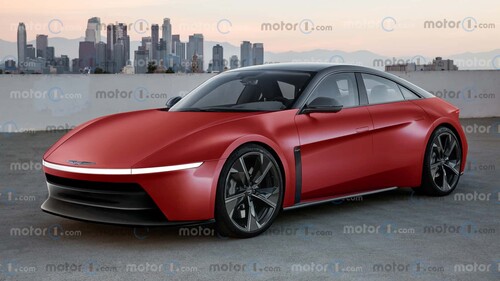
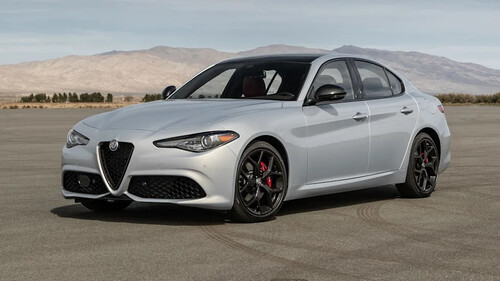
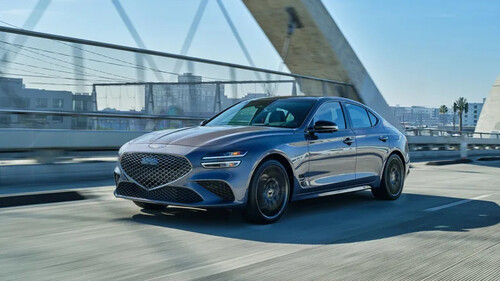
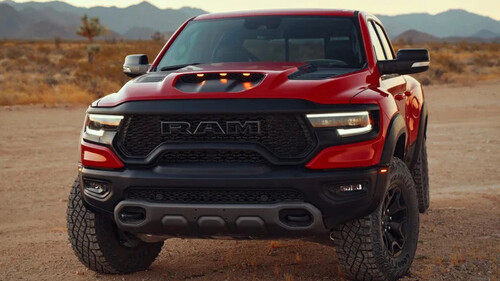
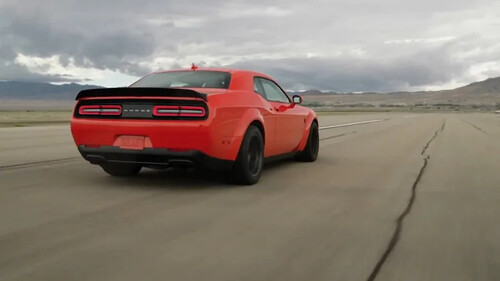
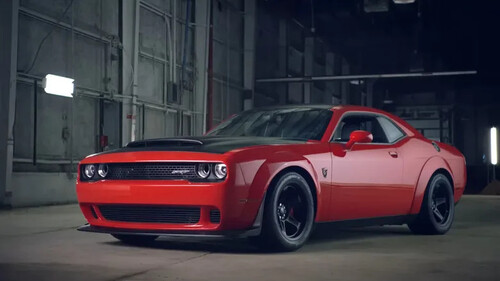
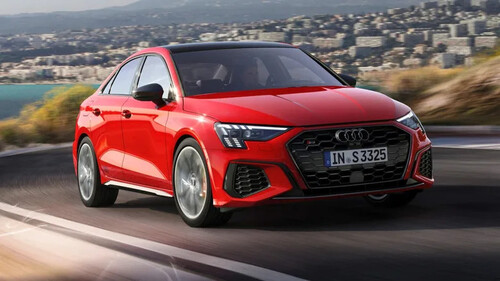
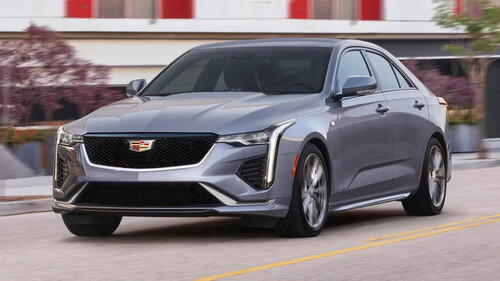
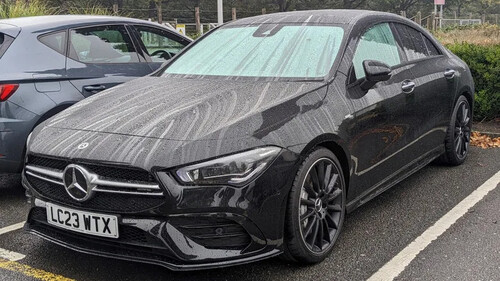
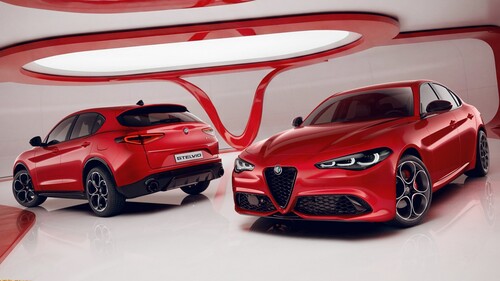
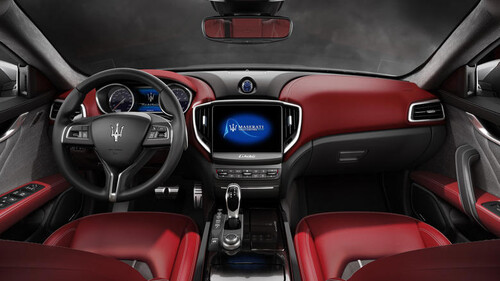
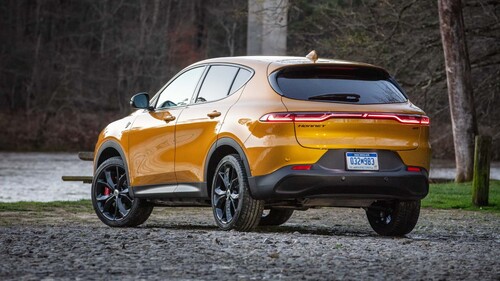
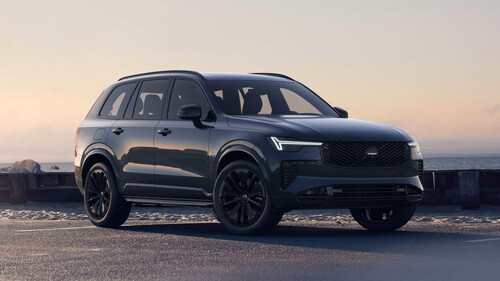
The auto industry is one of the toughest markets to compete in. Not only is it one of the most valuable segments in the global economy, it employs tens of millions of people in manufacturing, sales, aftermarket supporters, and other relevant areas of supplying cars to the masses. One of the ways companies are stacked against each other is via overall sales, though the signs of a healthy business are found in boring press memos and LinkedIn posts.Overall, quarterly or annual growth figures won’t appear on billboards, but those numbers tell us which automakers are doing well, and which ones have some catching up to do. With the first quarter results of 2026 officially in the books, we wanted to see which mainstream manufacturers were faring better or worse this year compared to 2025. These are the top five manufacturers at the top and bottom of the charts in terms of sales growth. These are the brands that saw strong gains compared to Q1 sales from 2025. Winners These are the brands that saw strong gains compared to Q1 sales from 2025. Fifth Place: Dodge 2026 Dodge Durango R/T 392 Launch Edition front three-quarterDespite offering just two nameplates for 2026, the Charger and Durango, models like the Hornet still show up on the books, which helped Dodge sell 22,693 new cars, nearly 4.4% more than Q1 2025. Almost 90% of the brand’s sales were owed to the Durango which saw 20,300 sales for Q1 2026. Less than 1,000 Hornets were sold, along with just a handful of Charger Daytona models and leftover Challengers. 1,672 Chargers left dealerships with customers as well. Fourth Place: Mercedes-Benz Mercedes-Benz UKMercedes-Benz sold a combined 78,500 vehicles between its passenger cars and van offerings this quarter (excluding a few thousand fleet sales), translating to a roughly 4.5% boost in sales over the first three months of 2025. Mercedes is suffering from steep tariffs, but volume sellers like the GLE and GLS SUVs are produced in Tuscaloosa, Alabama, with others being sourced from Germany and, in the case of the GLB, Mexico.The brand specifically mentions sales of the GLC, GLE, and GLS being up 22% compared to Q1 2025, along with props given to the G-Class, SL, and Mercedes-Maybach models without disclosing any individual sales figures. Third Place: Genesis GenesisAs much as we’d love to attribute Genesis’ continued success to its G90 Wingback concept, that car still hasn’t made its way into production – if it ever reaches that stage. Sales for the young brand are up over four percent from Q1 2025 with 18,317 vehicles finding new homes. The brand still offers vehicles like the G90 full-size luxury sedan, a segment that’s been abandoned by Cadillac, Lincoln, Infiniti, and soon Lexus.The brand has generated a lot of excitement around concepts and future products through its Magma performance concepts, which Genesis used to tease the X Gran Berlinetta Vision Gran Turismo and a hopped-up GV60 Magma. Other eye-catching and drool-inducing concepts revealed by the brand more recently have been the G90 Wingback wagon, X Gran Coupe, and X Convertible concepts. It seems Genesis won’t bring these to market, but plans to build them via its bespoke One of One program might be in the works. Second Place: Acura AcuraThe biggest driving force that boosted Acura’s sales up five percent was the addition of the ADX, which became the second bestselling vehicle in Acura’s lineup behind the MDX. Since crossovers and SUVs are the bread-and-butter of all mainstream brands, the axing of the TLX had no effect on sales whatsoever. In fact, for every TLX sold in Q1 of 2025, Acura sold three Integra hatchbacks. This year, it was nearly 6-to-1 Integra to TLX sales.Plans for the ZDX’s replacement, the RSX EV, were canned after fuel economy standards for the next few years were altered and EV sales subsequently fell across the board. Acura sold just 73 ZDX models this quarter, down roughly 99% compared to 2025’s Q1 totals. Acura currently has no hybrids in its lineup, a stark contrast to Honda’s lineup which offers five hybrid vehicles and is continuing to sell the Prologue EV through 2026. First Place: Ram RamRam saw major gains this quarter with a 20% increase in sales over last year’s Q1 results. The brand moved over 112,000 vehicles from January to March, with the 1500 continuing to top the charts as its bestselling model. Compared to other trucks, Ram is posting strong upward movement whereas Ford is down this quarter at a 16% decline over last year, while General Motors is ahead with Chevrolet Silverado 1500 sales rising by less than one percent. Sales of mid-size pickups like the Toyota Tacoma and Ford Ranger are up significantly compared to full-size trucks: 15.8% and 47.9% respectively.To break down why sales of the Ram 1500 are up, the return of the Hemi V8 to the engine lineup certainly didn’t hurt. Ram brand CEO Tim Kuniskis was adamant about listening to the customer base and reviving the V8, something we’re sure played a major role in boosting overall sales. Ram also offers the most competitive warranty for its trucks. A limited 10-year/100,000-mile warranty comes with every new truck on top of the standard three-year/36,000-mile warranty and five-year/60,000-mile powertrain warranty. Losers These are the brands that took hits compared to Q1 sales from 2025. Fifth Place: Audi AudiThe four rings took a big hit this quarter compared to 2025, with only 29,886 Audis finding homes. That’s down 30% compared to last year. New models like the redesigned Q5 and A5 came as the A4 was dropped from the lineup, with the A5 seeing better sales this time around now that it’s really two-models-in-one. The A3 and A6 also fared better this quarter than in Q1 of 2025, with everything else seeing a steep drop in popularity.We liked both the A5 and S5, when it debuted. Editor-at-Large Jared Rosenholtz had almost zero complaints during his Colorado jaunt from Denver to Aspen, save for some suspension qualms and interior nitpicking. Thankfully, more buyers opted for the A5 over the Q3, something we’re always happy to see. Fourth Place: Volvo VolvoVolvo sold 22,651 new cars in Q1 of 2026, down 32% over the brand’s 33,285 cars sold in the same time frame last year. Of those vehicles, 5,762 were PHEVs and EVs, with the remainder containing mild-hybrid ICE powertrains.Sales of specific models were down across the board, but the strongest sellers were still the XC60 and XC90. Well behind the two was the XC40, with the rest selling less than 1,000 examples each. With a refreshed and updated XC90, the company’s most popular vehicle has strong legs to stand on going into the rest of the year. Third Place: Buick BuickLike Volvo, Buick didn’t see any specific model sell better than last year, with 41,654 cars going home with customers. The brand saw a loss of 32.6% of sales compared to 2025, but unlike any other brand listed, its cheapest model, the Envista garnered the most sales.Behind the Envista was the Encore GX, the second cheapest, followed by the three-row Encore and then the Envision. Compared with Chevrolet, the Equinox was the most popular crossover, with the Trax (which shares its platform with the Envista) slotting behind it. Second Place: Alfa Romeo Alfa RomeoLess than 1,000 new Alfa Romeos were sold in Q1 of this year, marking a 53% decrease in sales compared to last year. With just three models available in the US, the brand doesn’t offer the Junior subcompact crossover, which slots below the Tonale, nor does it offer base trims of the Giulia and Stelvio like it does in Europe and other markets. In order of sales, it's Stelvio, Giulia, then Tonale.No fully-electric models are currently sold in the US by Alfa Romeo, but the Junior is sold in European and other markets as both a hybrid and a fully electric vehicle. We thought there was a chance of this nameplate coming to our shores, but plans changed and Alfa backed away from any further plans to bring EVs to market. First Place: Maserati Maserati Just 600 new Maseratis sold in the US this past quarter, officially making it the biggest loser for Q1 2026. The brand is down nearly 65% compared to last year with models like the Levante and Grecale posting the strongest numbers, with the last true “car” being the GranTurismo coupe. Gone are the Ghibli and Quattroporte sedans. Maserati has no current plans to revive either, though talks of an electric replacement for the Ghibli surfaced for a short period of time.While expensive, and not likely to draw any sales away from Porsche, the GranTurismo 2+2 coupe won’t save the brand (same goes for the MC20), but at least Maserati still knows how to build great-looking cars. At a standstill, they look like they’re effortlessly flowing through the Italian countryside. A sexy Italian grand tourer, unfortunately, won't be enough to turn the ship around.Sources: Acura, Alfa Romeo, Audi, Buick, Dodge, Genesis, Maserati, Mercedes-Benz, Ram, Volvo