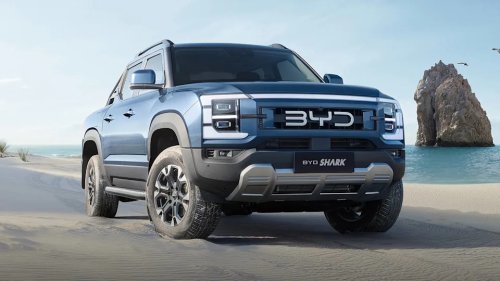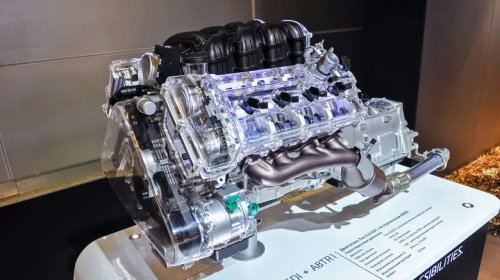

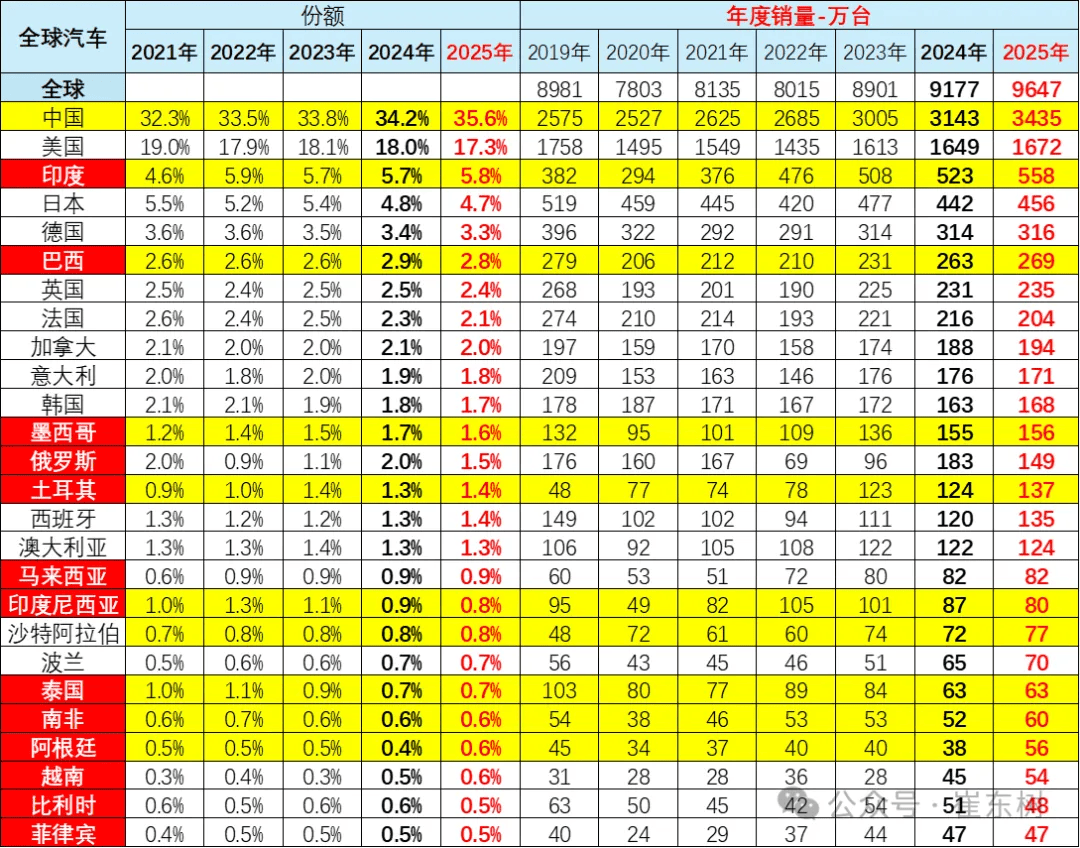



















Ford CEO Jim Farley on Monday warned against allowing Chinese automakers to enter the US market in an interview with “Fox & Friends,” according to Business Insider. Farley acknowledged that China’s auto industry has developed significant capacity and competitiveness, stating it is “enough to supply all of the US vehicle manufacturing needs and sales.” He argued that opening the market to Chinese imports could undermine the US manufacturing base. “Manufacturing’s the heart and soul of our country, and for us to lose that to those exports would be devastating for our country.” he said. Ford CEO Jim Farley in an interview with “Fox & Friends” Beyond industrial concerns, Farley also pointed to data security risks. He noted that modern smart vehicles are equipped with extensive sensors and cameras capable of collecting large volumes of data, which in his view raises questions about fair competition. In recent years, Farley has repeatedly highlighted the strength of Chinese competitors, noting that companies such as BYD, Geely, and NIO are expanding into overseas markets including Europe, South America, and Canada. In 2024, Farley revealed in a podcast interview that he had been driving Xiaomi’s SU7 electric vehicle for six months and did not want to switch to another car. Xiaomi SU7 He has also stated on multiple occasions that Chinese electric vehicles are “far superior” to Western counterparts in certain areas, adding that companies such as Tesla, General Motors, and Ford lack direct competitiveness in some segments. In January this year, Ford unveiled the racing engine it will supply to the Red Bull Formula One team. Following the event, Farley told Bloomberg that the development process provided valuable insights into optimizing vehicle software, which he sees as critical to competing with Chinese automakers. Currently, Chinese electric vehicles are not permitted to enter the US market. During the Biden administration, tariffs on Chinese EVs were raised to 100%, and at one point approached nearly 250% amid escalating trade tensions, effectively blocking vehicle exports. Global auto sales across different countries in 2025 CPCA data shows that global auto sales reached 96.47 million units in 2025, with China accounting for 34.35 million units, or 35.6% of the global market, compared with 17.3% for the United States. The gap is even more pronounced in electric vehicles. According to BMI data, global EV sales reached 20.7 million units last year, with China contributing 12.9 million units, or 62%, while North America accounted for just 8.7%.