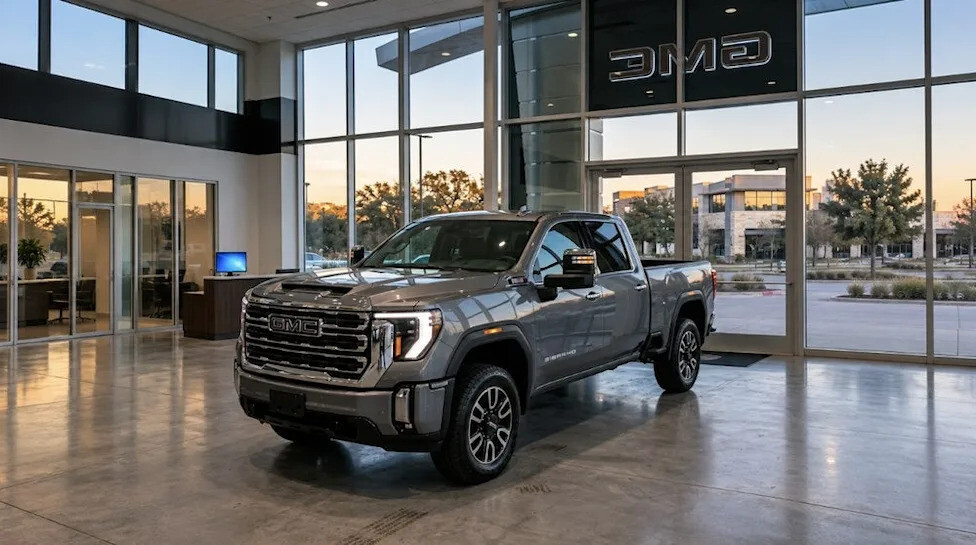
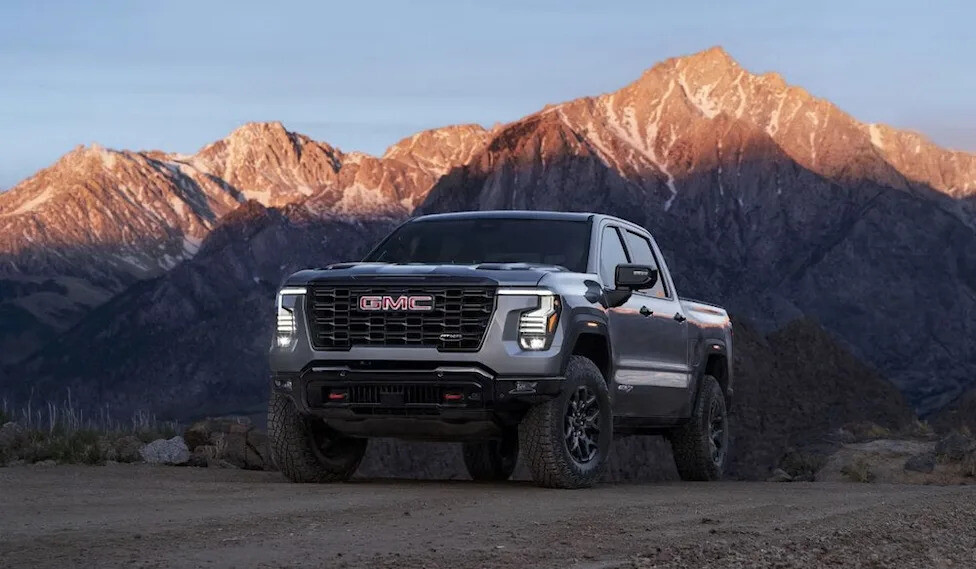
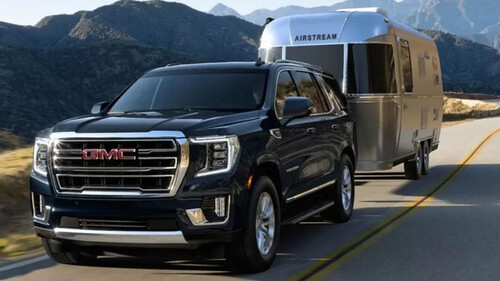
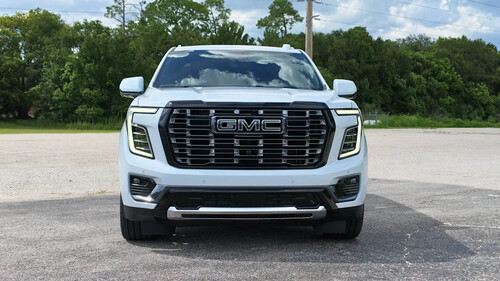
Some stories make it seem like the only words that auto warranty providers know are "denied" and "no." At least that’s the impression given by the tale of a man who recently bought a 2020 GMC Yukon XL. Texas-based builder and contractor Joseph Szpak says that the Yukon’s engine failed about three months after he bought it from Carvana. In a TikTok about his experience, Szpak (@josephszpak) says that he’d gone just past the initial 4,000-mile warranty included on the purchase, but should’ve been covered anyway for the roughly $14,000 cost of getting a new GMC motor installed—plus four weeks of rental car expenses—under the extended warranty that he bought through SilverRock. He says, however, that getting any kind of cooperation has been an ongoing struggle. "SilverRock is in the business to deny claims. I understand. I have all the warranty. Maybe there's a discrepancy of a mile or so, but this is a $20,000 issue," he said in the clip that’s been viewed more than 64,000 times. "They didn't want to warranty anything, and the solution that everybody had was, ‘well, screw the money you put down. Basically, give the car back, destroy your credit, and that's the name of the game. Or wait the six months, hire attorneys." Why Did His Warranty Claim Get Denied? It's at this point that the story hinges on a detail that, depending on how you look at it, is either very minor or changes the entire situation. Tell us what you think! View Comments Szpak says the vehicle was still within Carvana’s 100-day limited warranty window when the engine failed, but just barely outside the mileage cap. "I was over by three miles," he told Motor1 in a phone interview. He claims those three miles became the dividing line between a covered repair and a five-figure expense. What followed wasn't a single denial but an unending chain of them. Szpak described a process that moves through multiple companies tied to the purchase. Carvana handled the sale. Bridgecrest Acceptance Corporation oversees the loan and collects payments. SilverRock administers the warranty. When the claim was filed, he said each entity pointed elsewhere. "Carvana basically says it’s not their problem, they sold the car," he said. "BridgeCrest… they don’t care. You either default… or you pay. SilverRock… nobody wants to deal with the warranty." Szpak said the end result is a loop with no clear resolution, as his own financial reality is becoming tougher to ignore each day. The current state of things is that Szpak says he still owes roughly $40,000 on the loan for the Yukon, even after spending about another $20,000 out of pocket to get it back on the road. That total includes the cost of a new long-block engine, installation at a shop within the warranty network, and his rental car expenses. Complicating things further, he said he's still being charged monthly for the extended warranty tied to the vehicle, for coverage he says wasn't honored. Since he travels frequently for construction work, Szpak says the months-long timeline for disputing the claim left him with little choice but to pay for the repair himself and pursue reimbursement later. As much as the cost was a gut punch, he says he's also bothered by the sense that once something goes wrong, responsibility can become difficult to pin down even when there's a warranty in place. Who Should Be Responsible For The Repair? In the comments section of the video, viewers were more than happy to debate where the responsibility should fall, including whether Szpak’s experience accurately reflects broader issues in how such transactions are structured. "You are letting Carvana off the hook way too easily," one commenter wrote, pushing back on his insistence that the problem lies primarily with the warranty provider. Others focused on how the warranty itself was handled. "They chose that company for the warranty, Carvana should pick a better one," another user added, while a separate commenter argued that the lines between the companies may not be as clear as they appear: "Drivetime and Carvana own Bridgecrest. They probably also own the warranty company." (SilverRock is owned by Turnbridge Equities.) There were also simpler takeaways from viewers who saw a pretty straightforward cautionary tale about Carvana, which they think people should avoid. Accountability is a sticky issue in such transactions because many modern, tech-enabled car purchases involve multiple companies handling different, complex parts of the deal. For Szpak, the outcome is more concrete, if deflating. The Yukon is back on the road with a new engine, and he said the vehicle is running as expected. However, the financial end of things remains murky at best. He's still making payments on the loan and being charged for the extended warranty, while also weighing legal options to recover at least part of his out-of-pocket costs. As a whole, the experience has left him with a much narrower and dimmer view of what a warranty actually guarantees, and what steps need to be taken when the office drones in charge deliver the almost inevitable "no." Motor1 reached out to Carvana and to Turnbridge Equities, parent company of SilverRock, via email. We’ll update this if either responds. We want your opinion! What would you like to see on Motor1.com? Take our 3 minute survey. - The Motor1.com Team