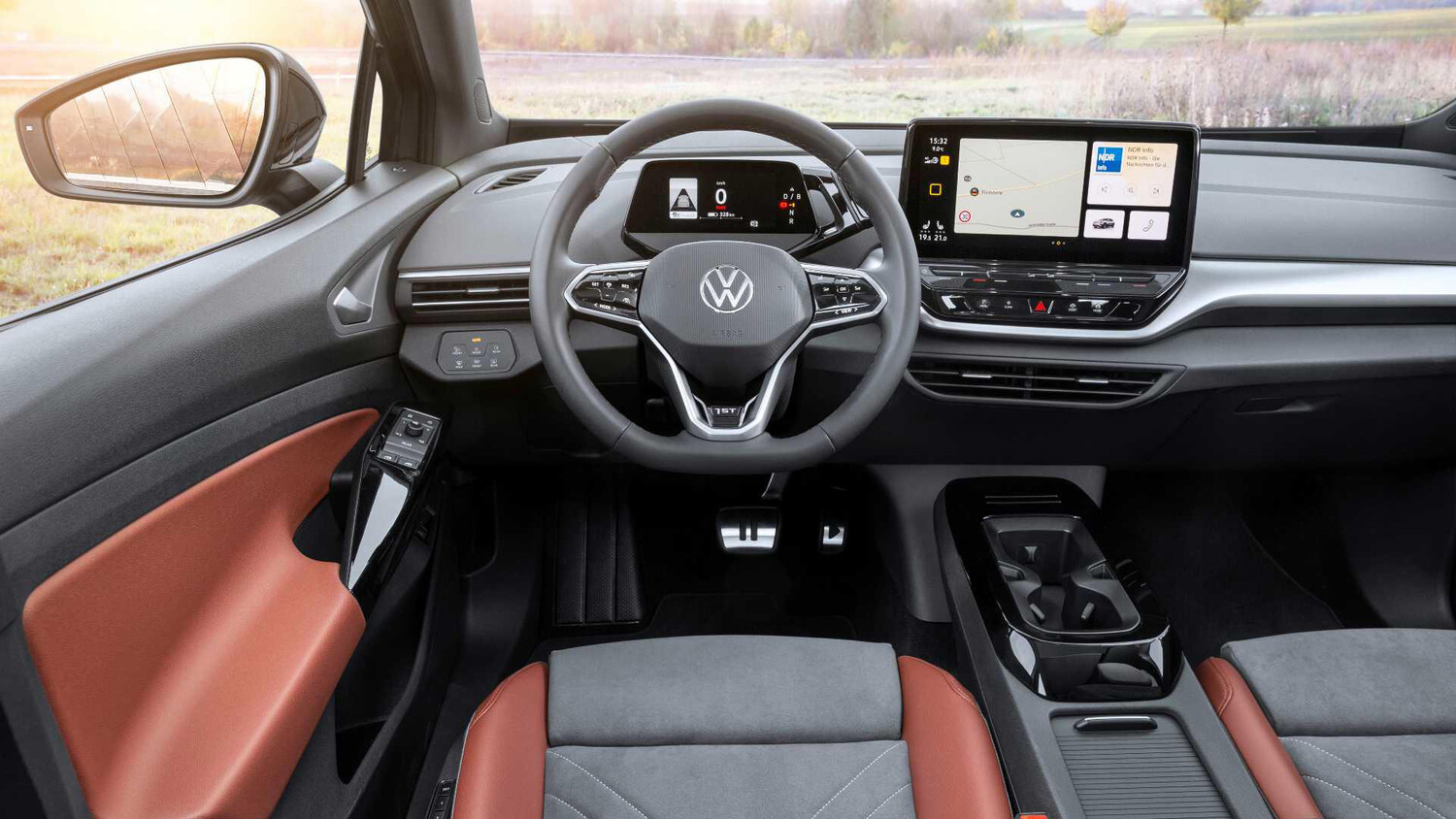
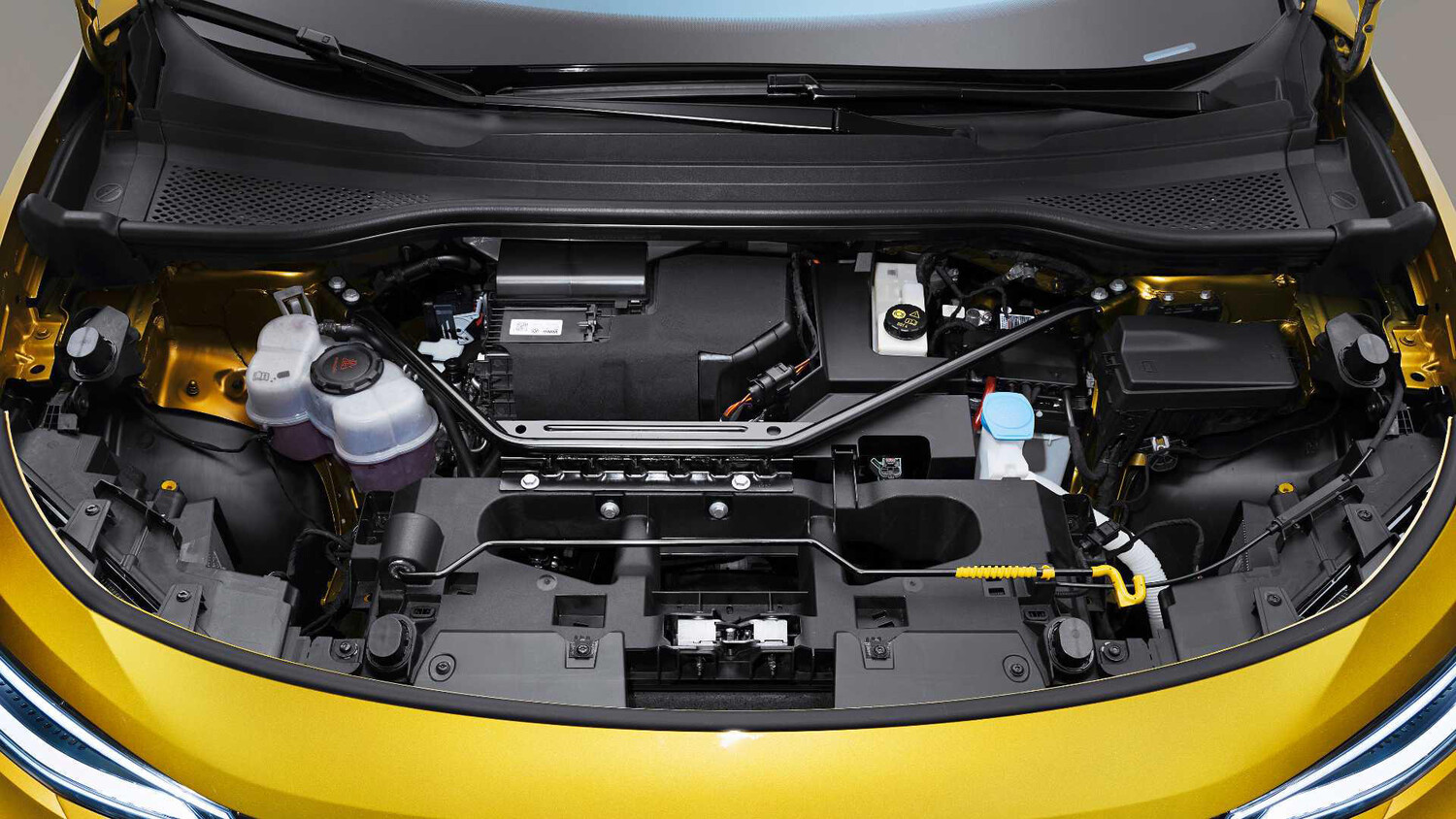
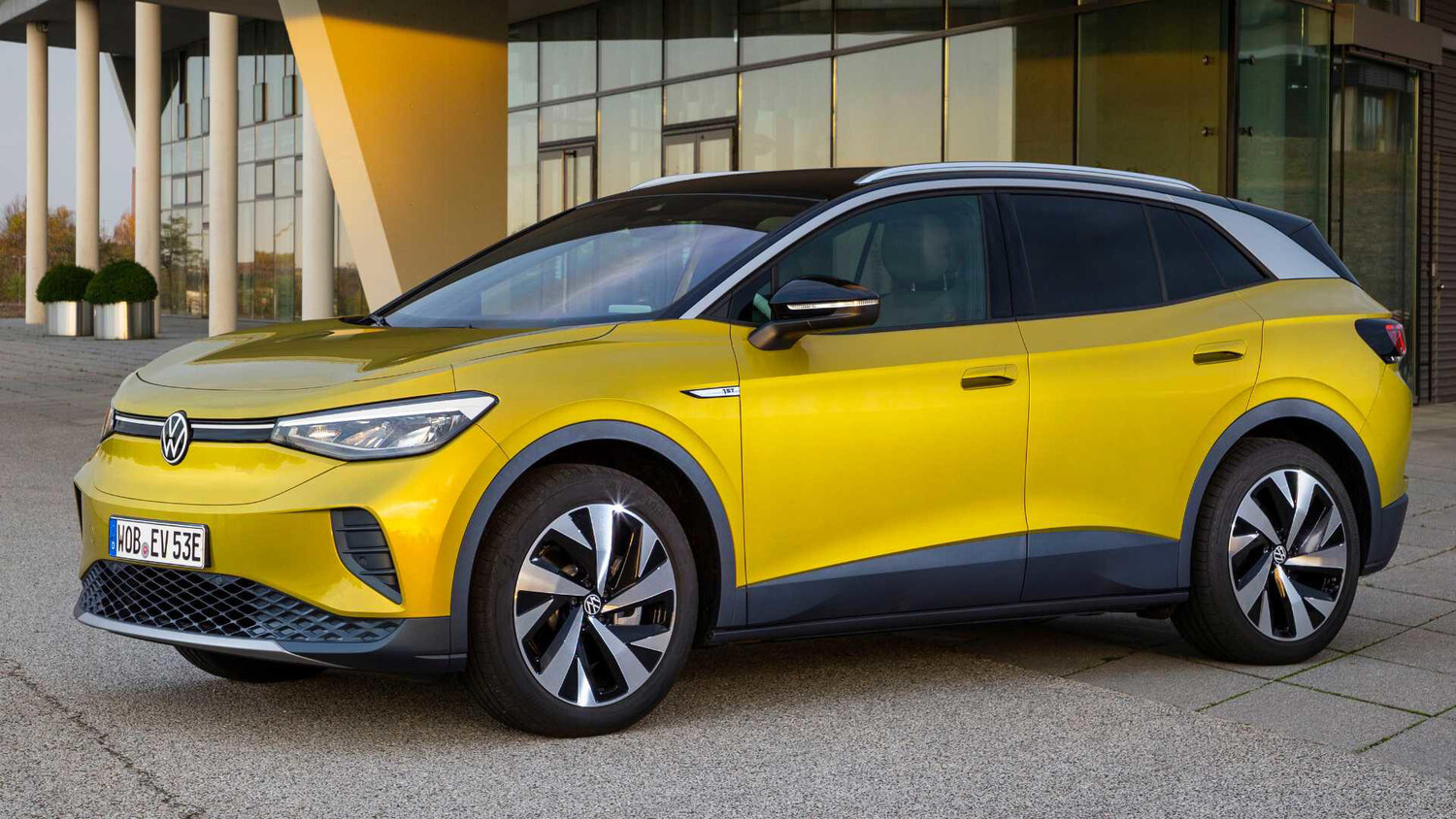
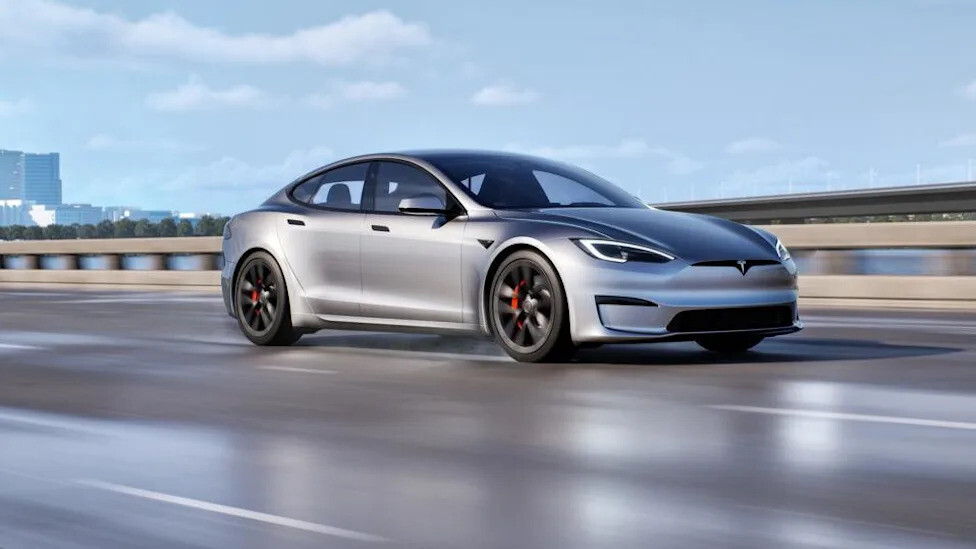
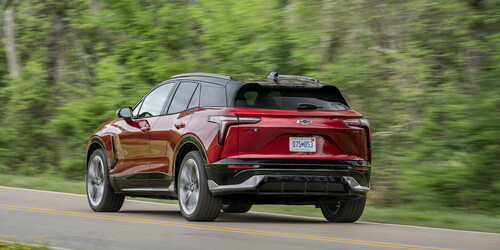
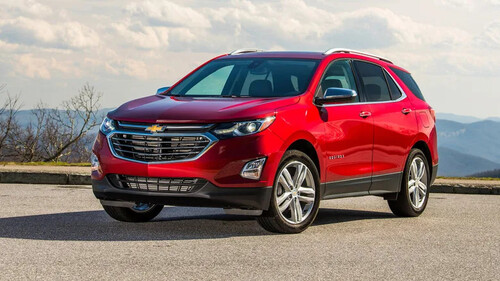
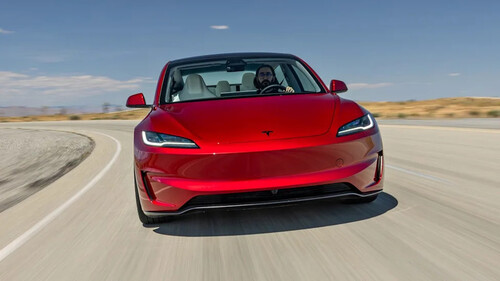
Electric cars depreciate faster than almost anything else on the road. While older studies suggested a 49% loss, current 2026 market analysis from Cox Automotive shows the average EV now loses between 58% and 63% of its value within five years—nearly 20% more than the gasoline market average. That sounds like terrible news if you bought one new. But an opportunity if you are shopping for used electric cars.The catch is that cheap and worth buying are not the same thing. Some used EVs are priced low because the battery is degraded, the software never got fixed, or the manufacturer quietly moved on from the platform. Buying the wrong one means inheriting someone else's expensive experiment.But there is one model on the used car market right now that has lost more than half its original value for reasons that have almost nothing to do with the car itself. It is not the one most people would name first, and that is precisely what makes it worth paying attention to. The Obvious Choices That Don't Quite Fit Chevrolet Start with the Chevrolet Bolt EV, because it will come up in every conversation about affordable used EVs and deserves a direct answer. Yes, it is the cheapest used EV you can find. No, that alone does not make it the right call.The Bolt runs on an aging platform, carries the baggage of GM's uneven EV track record, and went through a disorienting stretch of being discontinued and then brought back. For buyers with very tight budgets it may still make sense. But at any price, you are taking on a level of uncertainty that better alternatives do not ask of you.Tesla The Tesla Model 3 is the next logical EV on the list, and in many ways it earns that position. Strong range, excellent software, a charging network that actually works, and a resale market deep enough that finding a clean example is never hard. The problem is that everyone already knows this. Used Model 3 prices reflect that demand directly, which means the deal is rarely as compelling as it first appears.What actually makes a cheap used EV worth buying comes down to three things. It needs to have depreciated far enough to be genuinely affordable. It needs to be solid enough to own without anxiety. And it needs to feel current enough that living with it every day does not feel like a compromise. The Electric SUV That Lost Half Its Value for the Wrong Reasons VolkswagenThe car that clears all three bars is the Volkswagen ID.4. This VW arrived in the US for the 2021 model year as their first serious attempt at a mass-market electric SUV. It was priced like a premium product at launch. It is not priced that way anymore.Used ID.4s on Edmunds currently range from $11,708 to $24,341, with an average transaction price of $19,616. The 2026 Volkswagen ID.4 Pro starts at $45,095 new. A 2022 example at around $20,000 represents a drop of 55 to 60% from original sticker, on a car that is less than five years old.That kind of depreciation creates a real opening for used car buyers. You are getting a modern electric SUV, with meaningful range and a refined interior, at a price that was unthinkable when the car was new. The reasons it fell this far have very little to do with what the ID.4 actually is, and everything to do with when it arrived and how the market treated it. What Actually Drove The Price Down Volkswagen Mainstream EVs have lost around 60% of their MSRP after five years on average, compared to roughly 45% for all vehicles. Non-Tesla EVs have generally fared worse than that average, not better.The ID.4 actually sits at the steeper end of this trend, with early 2021 and 2022 models frequently seeing a five-year depreciation rate of 62% to 65%. This is steep even by EV standards, but it is perfectly consistent with where the broader non-Tesla market ended up after the massive inventory influx of 2025. VW-specific factors made the slide steeper: early software issues and a high volume of off-lease returns hitting the market simultaneously.Volkswagen VW-specific factors made the slide steeper. The early ID.4's software issues got significant media coverage, and that coverage shaped used-buyer perception far more than the actual frequency of problems justified. Add a large volume of off-lease returns hitting the used market at the same time, and prices had nowhere to go but down.The key point is that the ID.4 did not depreciate because it is a bad car. It depreciated because the market was treating every non-Tesla EV with suspicion during an unusually uncertain period, and the ID.4 absorbed more than its fair share of that skepticism. For a buyer in 2026, that distinction is where the value lives. What $20,000 Actually Buys You With A 2022 Volkswagen ID.4 VolkswagenThe first thing worth knowing is that the range holds up. A 2022 ID.4 was rated at 245 to 275 miles of EPA range when new depending on trim, and well-maintained examples typically show degradation of just 5 to 10% after three to four years. That puts realistic daily range somewhere between 220 and 260 miles, more than enough for most people's daily lives.The powertrain lineup is straightforward. The standard model runs rear-wheel drive with a single motor, and AWD is available on the Pro S and AWD Pro trims with a dual motor setup. Both versions are smooth and quiet in a way that suits daily driving far better than anything sporty or twitchy.Volkswagen The interior punches above its current price point. The cabin is genuinely spacious, the materials feel more considered than the used price suggests, and the driving character is relaxed in a way that makes long commutes easy rather than draining. It is not trying to be exciting. It is trying to be useful, and it succeeds at that.The battery warranty is a meaningful part of the ownership equation. Every US-market ID.4 carries an 8-year / 100,000-mile high-voltage battery warranty guaranteeing at least 70% of original usable capacity, and a 2022 model bought today still has real runway left on that coverage. Independent testing suggests most packs stay comfortably above the 70% floor even past 100,000 miles, which means the warranty is a safety net you are unlikely to need, but you'll be glad to have.Volkswagen The early software issues that earned the ID.4 a rough reputation have largely been addressed through over-the-air updates. The car you are buying in 2026 is meaningfully better software-wise than the one reviewers drove in 2021, and that matters when you are evaluating a used purchase against headlines that are now several years old. The Pre-Purchase Checklist For A Used VW ID.4 Electric SUV VolkswagenThat said, you still need to go in with your eyes open. The 2022 model alone had seven recall campaigns, most of them software or electronics related, and the known trouble areas are consistent across owner reports: charging behavior that cuts out unexpectedly, infotainment freezes, and occasional 12-volt battery failures. Before you buy any used ID.4, verify that all open recall campaigns have been closed.Volkswagen Target a 2022 or 2023 model year if you can. The worst of the early software instability had been addressed by then, and these years represent the best balance of age, price, and day-to-day reliability. A 2021 is not necessarily a bad car, but it carries more early-build risk than the years that followed.Battery health is the single most important check. Request a battery health report or have it pulled at a VW dealer before committing. Anything above 80% state of health is workable, and above 85% is a genuinely good result for the age. Also look into charging history where you can: cars that have relied almost exclusively on DC fast charging age their batteries faster than those charged primarily at home overnight. The Best Used EV Deal In 2026 Volkswagen A 2022 Volkswagen ID.4 with 30,000 to 40,000 miles, bought at or near the average price of around $19,000, is one of the most rational used car purchases available right now. You are getting a modern electric SUV with meaningful range, a comfortable interior, and a substantial battery warranty, for roughly the price of a basic new compact vehicle.It is not the cheapest used EV on the market, the Bolt still wins that race. It is not the most desirable, the Model 3 or the Model Y holds that ground without much competition. But it sits in a more interesting position than either of them, in the gap between what the car actually delivers and what the market currently thinks of it.Volkswagen The ID.4 depreciated because of timing, market sentiment, and a rough launch period that got more attention for the wrong reasons that have been addressed. None of those things affect how the car drives, how much it can carry, or how far it can go on a charge. The first owner absorbed the loss. The second owner gets the car.Sources: Cox Automotive, Recharged, Edmunds, Consumer Reports