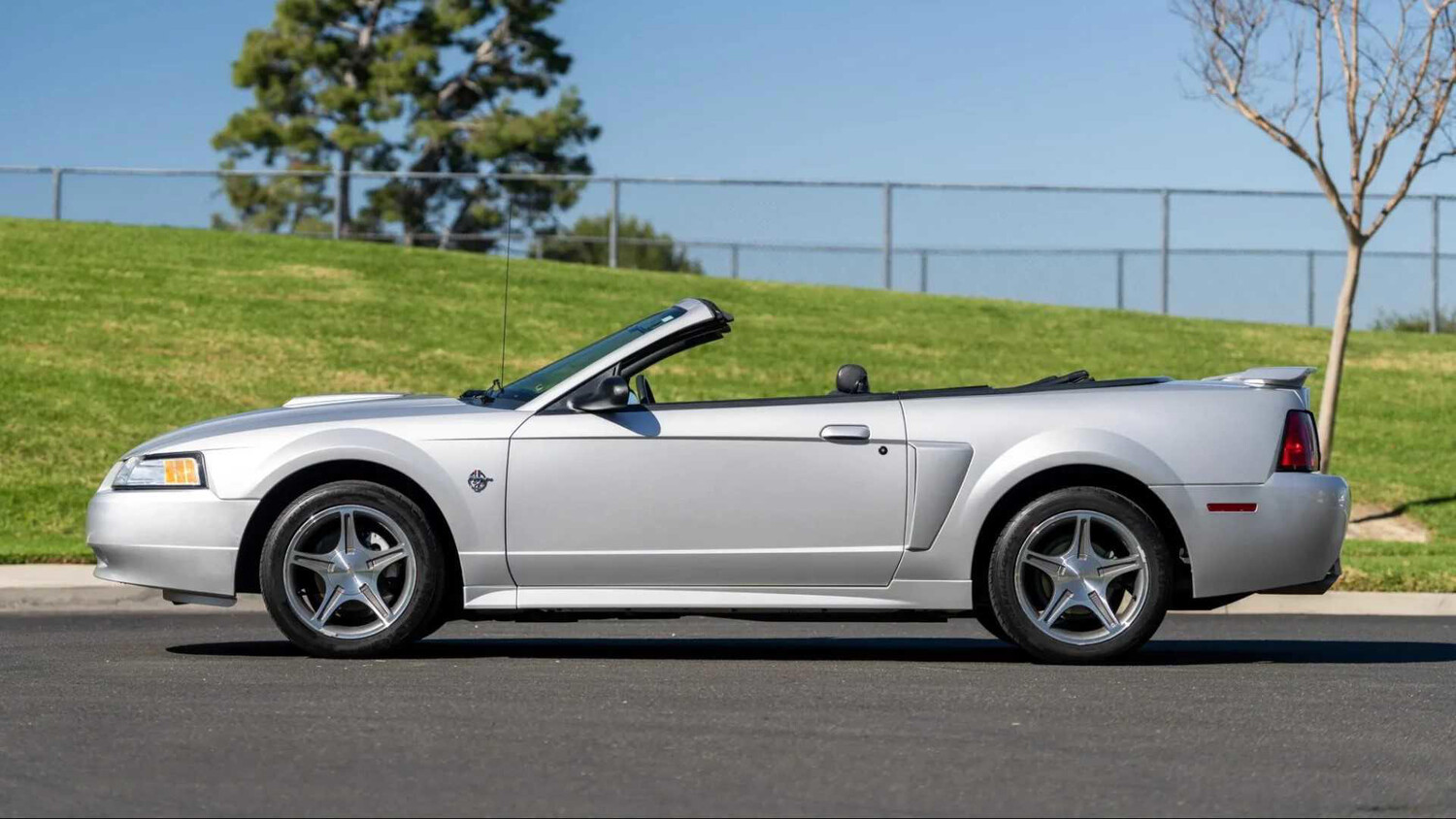
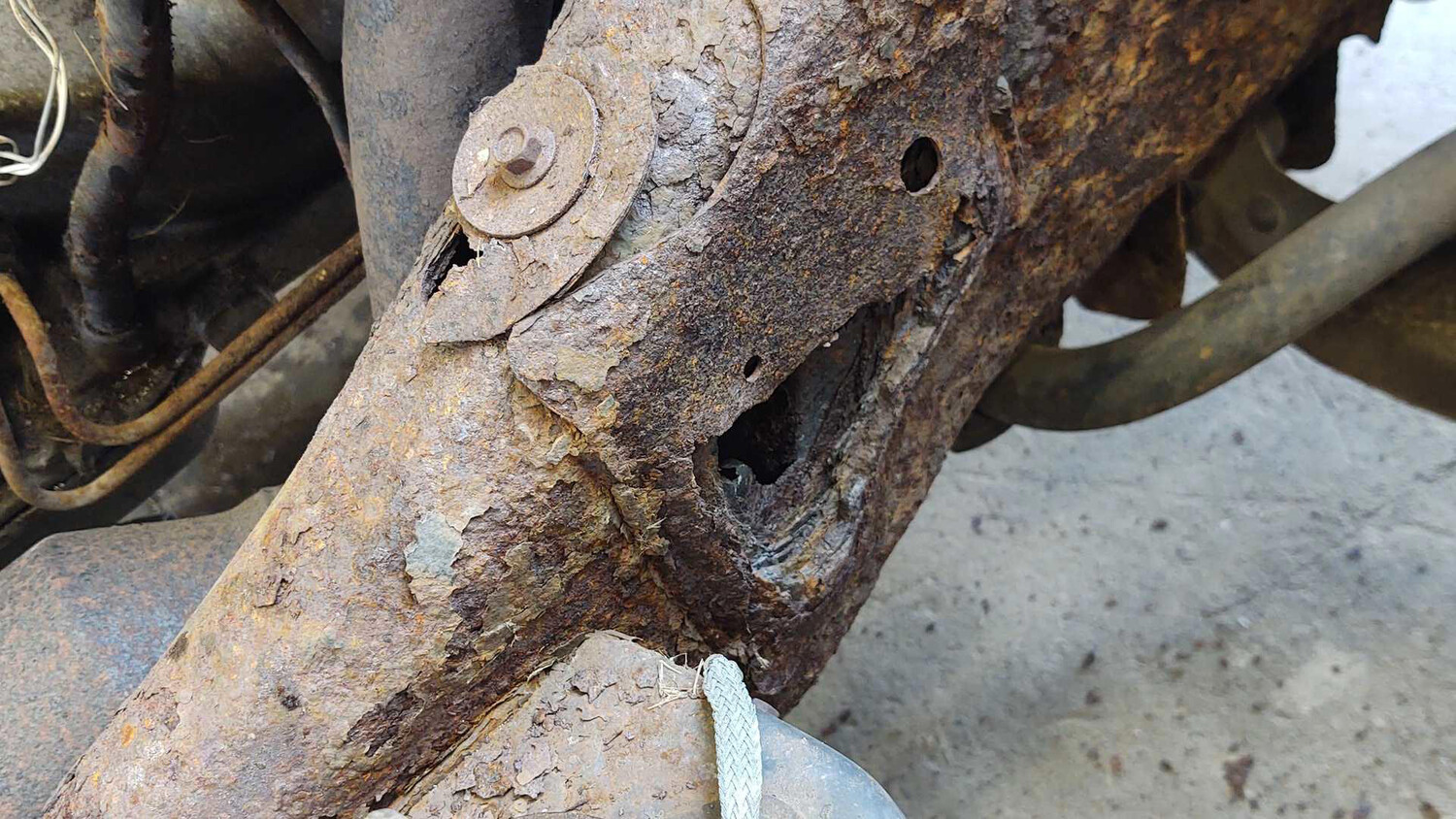
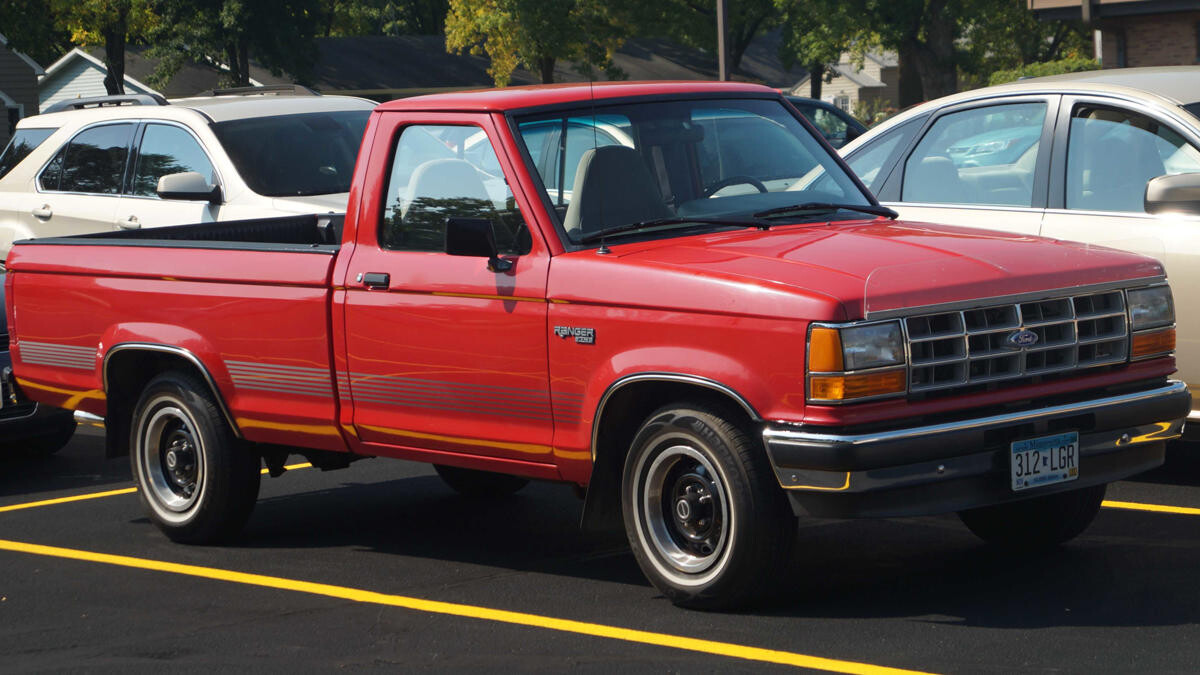
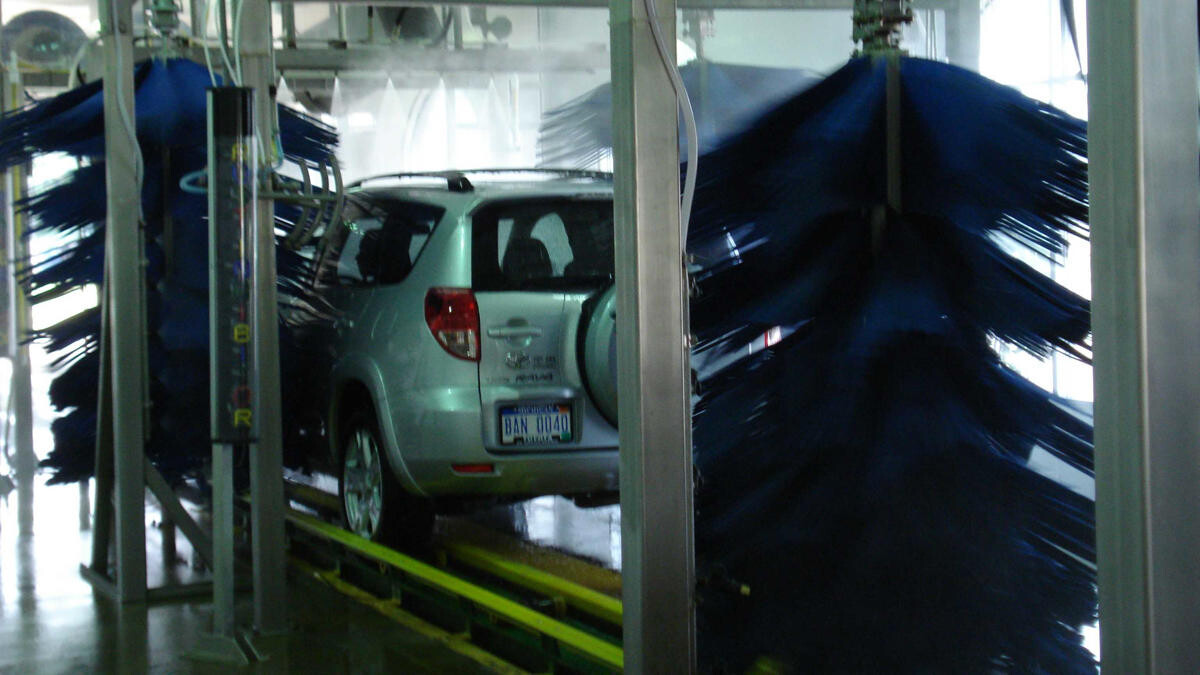
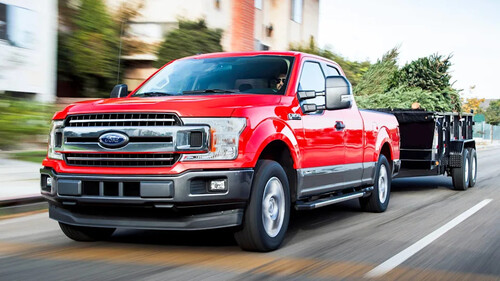
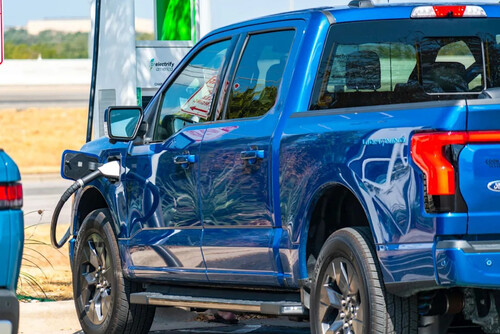
Jump LinksAlso Known As The Salt BeltA Rust Belt Reality: Biggest RisksLook Twice, Buy OnceRust-proofing And UndercoatingBuy A Winter BeaterPurchase A Car Wash MembershipIs It Possible To Find A Decent Vehicle In The Rust Belt?America's Rust Belt, once known as the nation's center of heavy industry, also carries a second reputation. This region is both a proud symbol of American ingenuity and manufacturing heritage, but also, during the winter months, it's a harsh and unforgiving environment of bitter cold temperatures and often unsafe road conditions. Brutal winters, combined with the extensive use of rock salt, and other deicing agents, wage constant war on cars and trucks. Even a clean-looking late-model vehicle such as a Ford F-150 can hide some serious frame and under body rust. This makes buying a vehicle from the Rust Belt a gamble, and owning one a whole new experience of preventative maintenance, as this region is known to rot cars from the inside out.If you're looking to purchase a vehicle from the Rust Belt region, it's a good idea to have it thoroughly inspected by a qualified automotive technician to make sure you're buying a safe, structurally sound vehicle. What Is The Rust Belt? Also Known As The Salt Belt Wikimedia Commons: Public Domain The Rust Belt is a term that refers to the Northeastern and Midwestern parts of the United States. The states that would be considered definitive of the Rust Belt are northern Illinois, Indiana, Michigan, upstate New York, Ohio, and Pennsylvania. This area was, at one time, the industrial heartland of the United States. It was home to many steel production facilities, coal mining operations, automotive manufacturing plants, and facilities that dealt with the processing of raw materials. After peaking as a percentage of GDP in 1953, these heavy industries began to see a decline, shortly thereafter, ultimately seeing a 34% decrease in manufacturing jobs by 1980. This decline was due to the United States having less reliance on coal, foreign competition bringing cheaper steel, and the 1973 oil crisis led to a demand for more fuel-efficient, imported cars. The term "Rust Belt" is a double entendre, with a literal meaning referring to the chemical reaction of metal oxidation, otherwise known as rust, but also a reference to the socially corrosive effects of economic decline.Bring A Trailer For an automotive enthusiast or perhaps just someone shopping for a car, it takes on a whole new, third meaning. The Rust Belt is the region where it's difficult to own or purchase a rust-free vehicle. The reason for this rolling chemistry experiment, is that the car Rust Belt commonly uses rock salt, brine, or magnesium chloride to combat ice forming on the roads during the heavy, bitter cold, and sometimes downright bleak winter months that are experienced in the region. This is why you also might often hear people refer to the Rust Belt as the Salt Belt. Car Shopping In A Minefield A Rust Belt Reality: Biggest Risks Aaron Bersée/CarBuzz/Valnet For months, the states that reside in the Rust Belt are pummeled by snow, ice and bitter cold temperatures. Consequently, states and municipalities dump hundreds of tons of rock salt, among other deicing agents, for people to safely travel in their vehicles. These agents find their way all over cars or trucks, from the broadsides of the body to the deepest recesses and channels in the chassis. Even with extensive washing, it's nearly impossible to clean off exposed and vulnerable areas. This is why hidden structural damage is rampant on vehicles that are operated in this region. Rocker panels, floor pans, wheel wells, suspension mounts, brake lines and even the frame itself can all rot from the inside out. Extreme frame deterioration is seen more on some vehicles than others, and can be worse on those with fully boxed or hydro-formed frames. The eleventh-generation (2004–2008) Ford F-150 is notorious for this widespread problem. Due to the loss of structural integrity, this becomes a major safety concern, often deeming vehicles with rotten frames to be unroadworthy. Look Twice, Buy Once Bring A TrailerLooks can be deceiving as a clean body can mask serious structural issues from severe rust. It is of the utmost importance that, when looking to purchase a vehicle that has spent its life in the Rust Belt, a thorough inspection is performed. A good rule of thumb for rust is that if you see some in one location, you can almost guarantee that there is more hiding in less visible areas. Opening all the doors and inspecting door seams, door jambs, and rocker panels is a good place to look. If the vehicle has trim pieces, or flares in the wheel openings, pay close attention and look for any bubbling. It's also important to try to see behind the trim or the flare, as water and salt are easily trapped in those small areas.Via: Stellantis As stated earlier, looks can be deceiving. The body of a vehicle can be in great shape, but the underside tells a different story. If possible, try getting a good look under the vehicle and check for excessive rust on the chassis itself, but also all the suspension parts. A lot of heavy rust presence could be indicative of how well this vehicle was maintained. The most important item to inspect is the vehicles' frame. Some vehicles are more prone to excessive frame rust than others, but it's never a bad idea to get a good look. At this point, a quick search on the internet will explain key areas that a particular car or truck model may struggle with. It's very important to look at any cars for sale in the Rust Belt. Armed with this information, no time is wasted, and you will know exactly where to look for rust. Protect Your Investment Rust-proofing And Undercoating Bring A Trailer This is a great way to stave off rust. The key to rust-proofing and undercoating is to apply them to a vehicle that is already rust free. If there is any rust present, it's highly advisable not to coat the rust until it has been hit with either a rust converter or ground out with a good wire wheel or a grinder. If coated over, the rust can still slowly corrode metal, eventually bubbling up under the applied coating. This is indicative of impending rust holes in thinner sheet metal. Having rust-proofing or undercoating professionally applied does avoid the tedious and messy job of doing it yourself, and will likely include some sort of warranty.Aaron Bersée/CarBuzz/Valnet However, with prices ranging from $1,200 to $1,800, it's not an inexpensive option. For all the DIYers, there are many products available that require varying degrees prep-work to the surface and complexity to apply. Rust-proofing is one of those jobs where it's really up to you how thorough of an undercoating you want to apply. Products like Fluid Film Black, select versions of Woolwax typically only require a spray-on application via a rattle can after the surface has been properly prepared. Other products, like POR15, require a bit more time and labor to apply, typically brushing it on after de-scaling and sanding. Buy A Winter Beater Greg Gjerdingen/Wikimedia Commons Rust is persistent, and preventing it can be constant and expensive. The ultimate, bulletproof way to avoid rust from road salt is to avoid driving the vehicle altogether during the harsh winter months. However, that means having an auxiliary vehicle that you don't mind rusting away over time. These special winter-use vehicles are affectionately referred to as "winter beaters." The obvious downfall of owning a car dedicated to use during inclement weather is the upfront purchase and insurance. Something else to keep in mind is the potentially high maintenance and repair costs associated with a vehicle that is always exposed to the elements and goes virtually undriven in the warmer months. Purchase A Car Wash Membership Wikimedia Commons Having a membership to a car wash is beneficial year round. Everyone enjoys a clean-looking car, especially during the summer months when a single wash can last for a few days before the vehicle looks dirty again. However, having a membership that allows for daily visits is instrumental in keeping the rust away. Most importantly is keeping the undercarriage clean, which means frequent visits to the car wash. The average monthly cost of a membership to a reputable car wash in the Rust Belt hovers between $25–$35 per month. This price is for a good mid-tier unlimited wash that includes wheels, a spot-free rinse, a wax or sealant and most importantly, an undercarriage spray. It should be noted that many basic plans may be a few dollars cheaper per month, but they do not include the undercarriage spray. It's also important to find a car wash that is well established with numerous facilities (even out of state), keeps its equipment clean, does not allow work trucks or heavily dirt-saturated vehicles through, but also has the ability to make quick repairs to their equipment. Conclusion Is It Possible To Find A Decent Vehicle In The Rust Belt? Cars & BidsAlthough this article may present the grim reality for most cars that have spent their lives in the Rust Belt, it does not speak for all of them. Finding a clean, rust-free vehicle in the Rust Belt market of used vehicles may be more challenging than finding one down south, but there are some factors to consider. Among things to keep in mind, first is the vehicles' age. Obviously, newer cars haven't had as much time to rust as older vehicles have. Secondly, how well did the previous owner take care of the vehicle? This will be pretty self-evident upon a somewhat thorough inspection. Lastly, the vehicles price. This more pertains to older or perhaps more desired vehicles. If the asking price is high, in many cases this price is set because the car has lower miles or is in superb condition. Either way, with the right amount of patience and due diligence, finding a rust-free vehicle in the Rust Belt can be done.