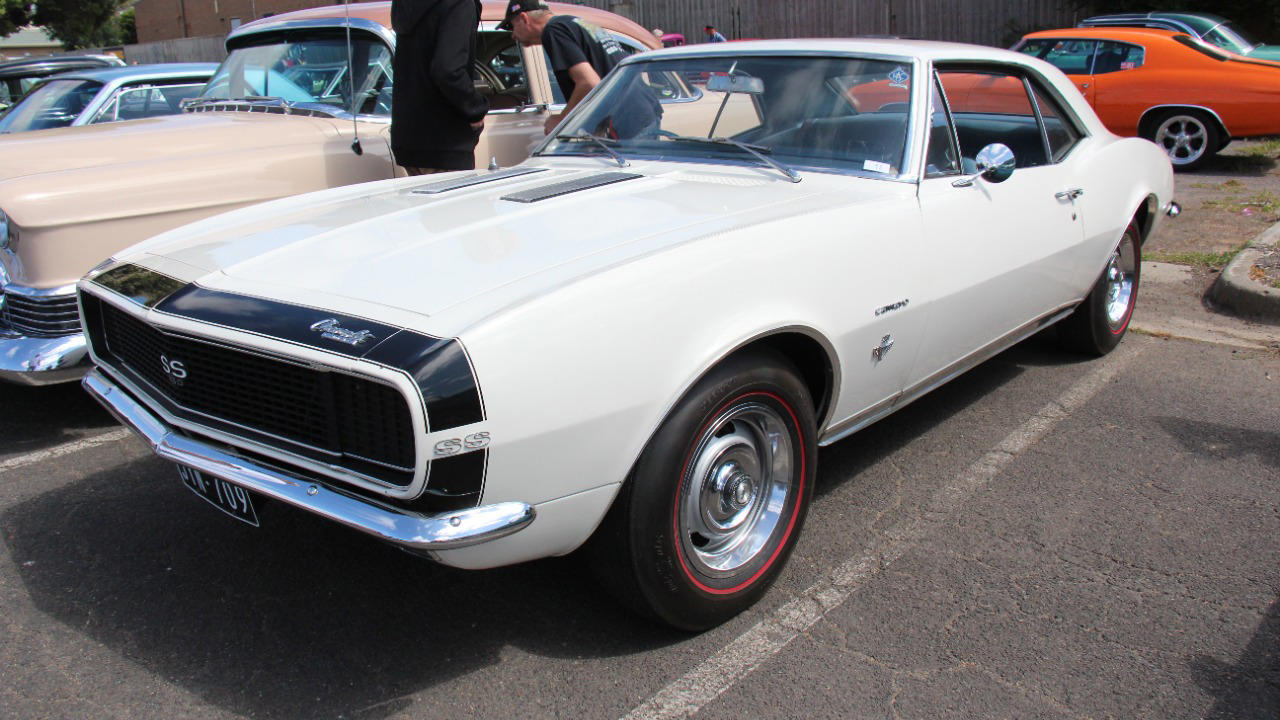
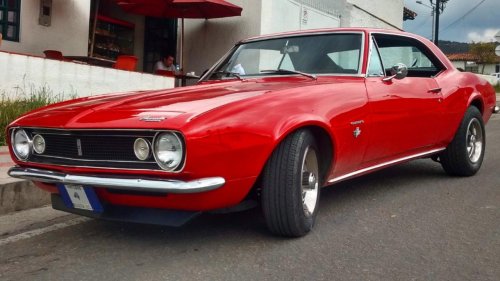
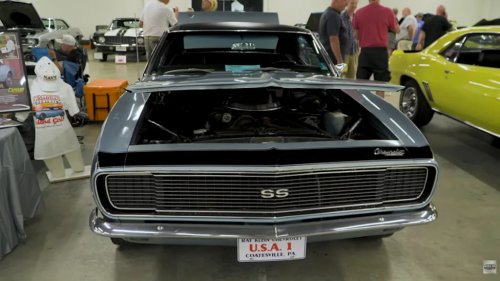
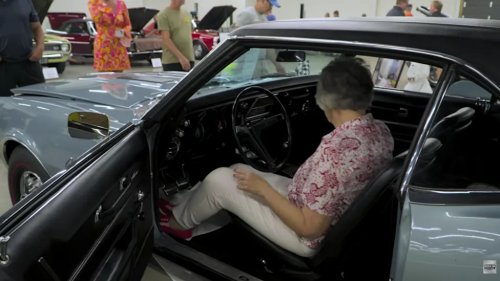
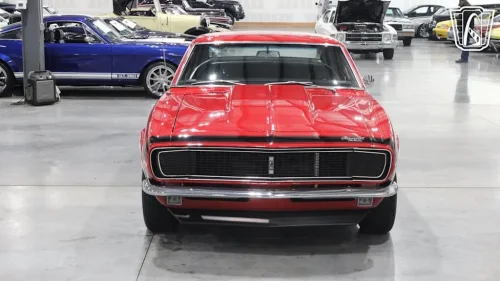
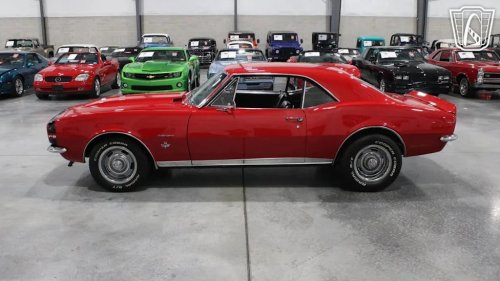
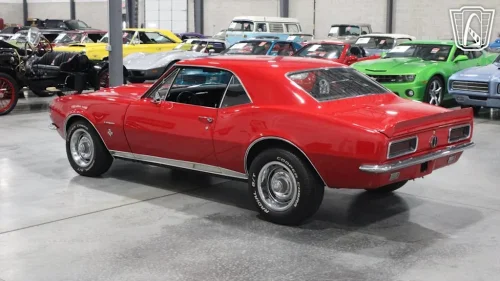
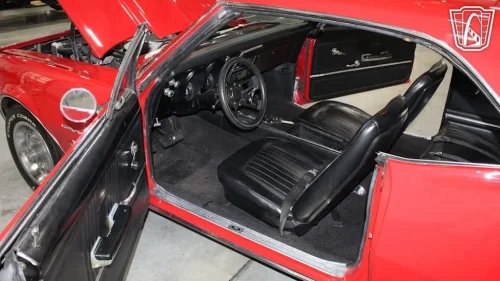
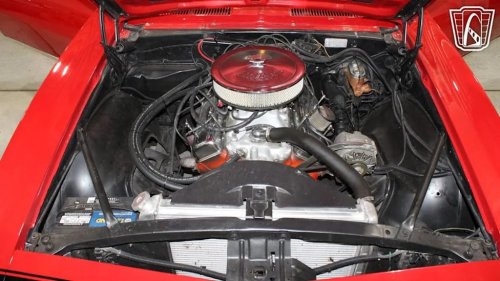
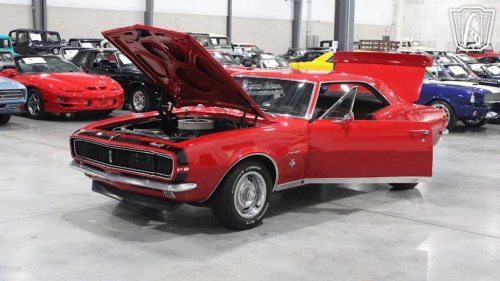
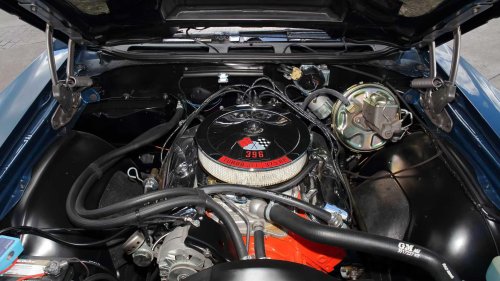
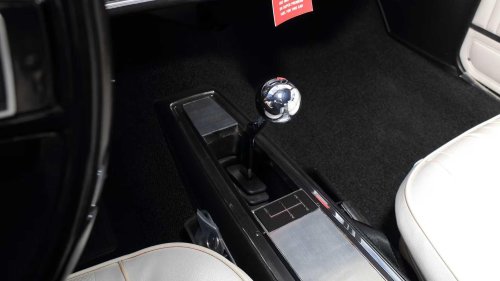
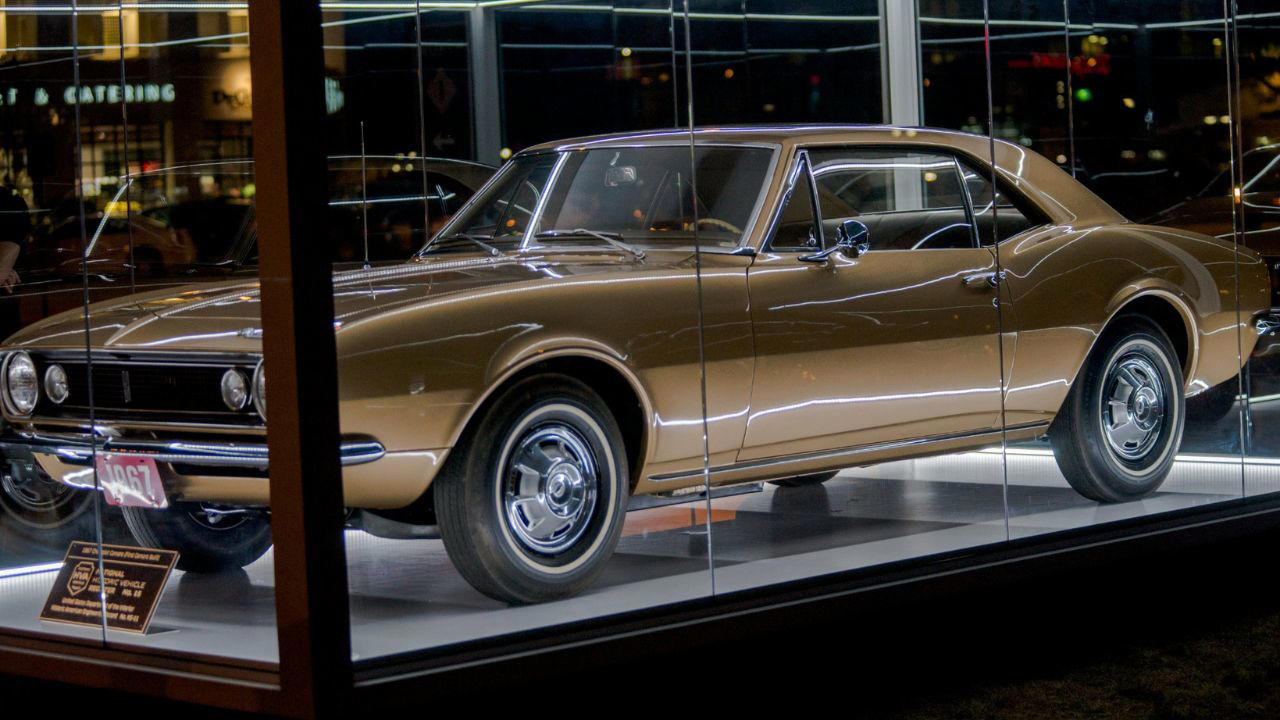
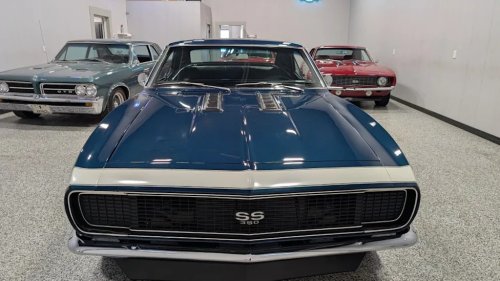
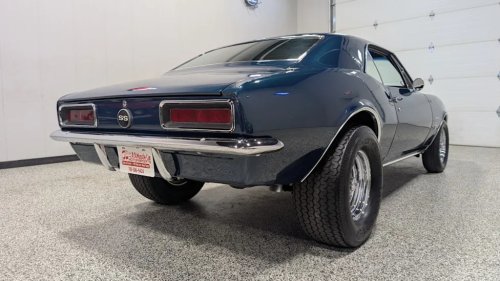
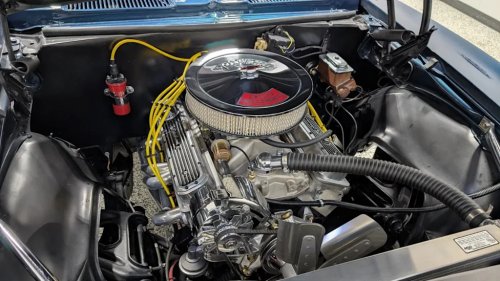
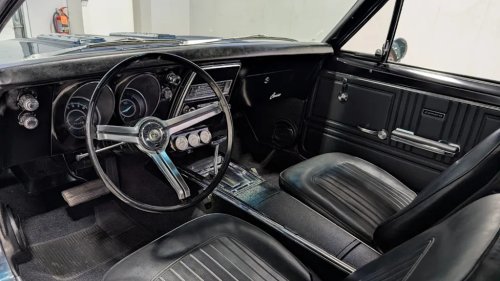
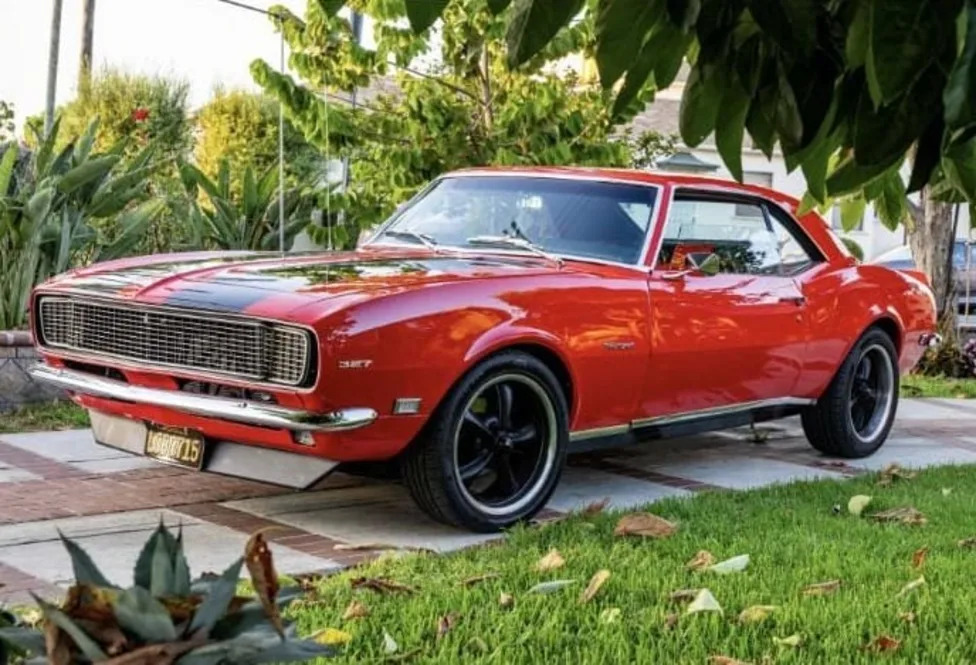
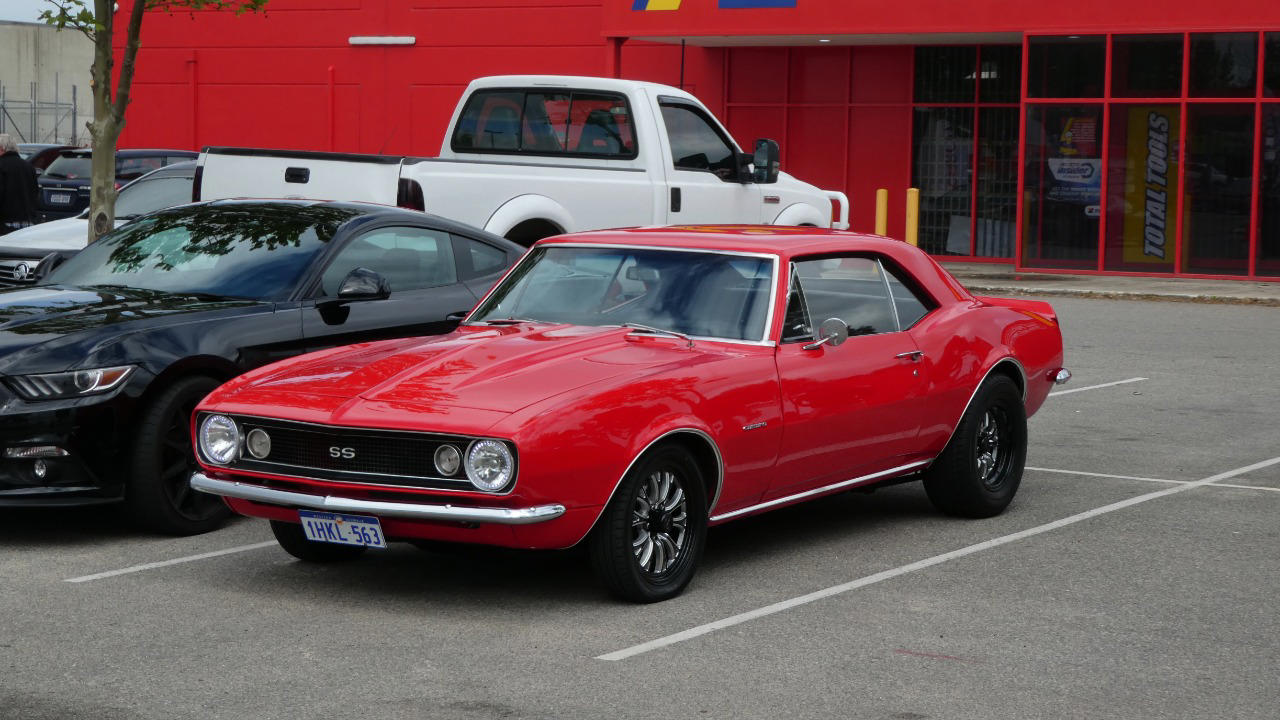
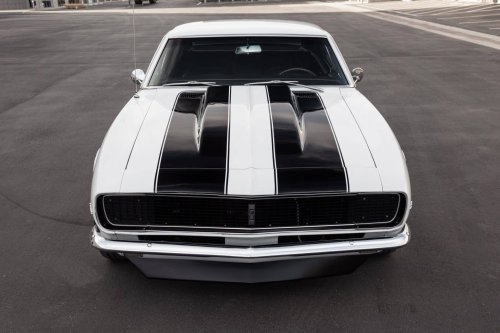
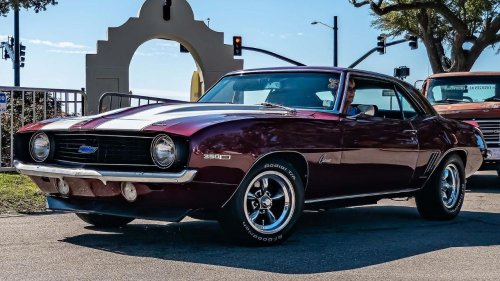
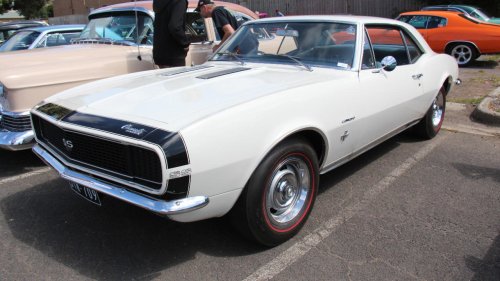
More than styling the 1967 Camaro RS/SS hid details most never noticedThe 1967 Camaro RS/SS is remembered for its bold stripes, hidden headlights and Super Sport swagger, yet the most interesting parts of the car were often the ones no one saw. Beneath the surface styling, Chevrolet packed the first-year Camaro with obscure identifiers, layered option packages and clever hardware that still trip up even seasoned enthusiasts. Look closely and the RS/SS reveals a car that was as much a lesson in quiet engineering detail as it was a statement piece for the muscle era. The first-year Camaro that tried on “all the hats” The original Camaro arrived as a flexible platform that Chevrolet could dress as anything from a basic commuter to an aggressive Super Sport. One detailed account of a 1967 Chevrolet Camaro RS/SS describes how Mar was frustrated as a kid by the difficulty of decoding trim and options on early cars because the exterior gave away so little about what was underneath, a problem that becomes clear when the same car wears Rally Sport, Super Sport and luxury cues at once in a single Camaro RS/SS package. In that sense, the RS/SS combination effectively let the car, as that account puts it, try on “all the hats” at once. The RS package added hidden headlights, revised taillights and trim, while the SS package brought performance hardware and badging. A single car could therefore look like a style leader, a drag-strip threat and a refined cruiser depending on which angle a viewer saw first. That layered identity is a major reason collectors still gravitate to the model, but it also hid a maze of small details that only careful inspection reveals. Styling that signaled more than it seemed To most people, the first impression of a 1967 Chevrolet Camaro RS is pure style. A community description of the car calls it “sleek, stylish, and undeniably cool” and highlights how the Chevrolet Camaro RS captured first-generation muscle car charm with an extra dose of refinement that separated it from bare-bones rivals. That sense of refinement came from subtle touches like bright trim around the grille and windows, special taillight lenses and RS-specific badging that made the car feel more upscale than a basic coupe, even when the underlying structure was the same. Those same styling elements also quietly telegraphed deeper mechanical and option differences. The RS grille, for example, was not just cosmetic. It had to accommodate the hideaway headlight doors and their electric motor system, which meant different brackets, wiring and service quirks that only become obvious when the front end is apart. The result was a car that looked simple from a distance but contained a surprising level of engineering complexity just to maintain that clean face. Hidden headlights and the hardware nobody sees Nothing defined the 1967 Camaro RS more than its hideaway headlights. From the sidewalk, they read as a neat party trick, the kind of dramatic reveal that made the car feel futuristic compared with fixed-lamp competitors. A close-up hidden headlight demonstration shows the doors sliding open under power, a sequence that looks simple until the viewer notices the wiring, relays and motor effort involved. Enthusiasts on a Camaro RS discussion thread explain that the 1967 Camaro RS used an electric motor system to operate those hideaway headlights. For 1968, Chevrolet switched the Rally Sport setup to use engine vacuum instead, a change that speaks volumes about how complex the original electric hardware was to build and maintain. The 1967 arrangement required motors, limit switches and alignment that had to work in all weather and still keep the grille doors flush when closed, a tall order for a mass-market pony car. On restored examples, such as a 1967 Chevrolet Camaro SS/RS featured in a walk-around from Skyway Classics, the headlight doors glide open smoothly, yet the video hints at how much work sits behind that moment. The presenter on the Skyway Classics channel, which introduces the car as a RAR 1967 model, points out the quality of the front fascia and the alignment of the doors, details that only come right when the underlying brackets and motors are dialed in. That same clip, accessible through a Skyway Classics link, underlines how much of the RS magic lives behind the grille where casual observers never look. RS versus SS: the quiet clues The RS/SS badge combination can confuse even experienced fans because Rally Sport and Super Sport changed different parts of the car. A long-time owner named Phil Kahler, identified as a Previous District Service Manager for Honda and Subaru, describes on a Camaro discussion that he owned a 67 RS/SS Camaro convertible and had to learn which elements belonged to each package. In his explanation, RS mostly affected appearance items such as the hideaway headlights and trim, while SS focused on performance pieces like the engine, suspension and specific badging. Ground-up restoration guides back this up by listing the 1967 Camaro as available in configurations that ranged from a plain Jane sport coupe to an asphalt eating Super Sport. The Jane reference captures how stripped a base car could be, while Super Sport signaled beefier engines, upgraded brakes and unique exterior identifiers. When the two packages overlapped, a single RS/SS could carry RS grille doors, SS hood louvers, special striping and interior upgrades, which made it challenging to identify at a glance what was factory-correct and what was added later. That complexity is part of why Mar, in the detailed RS/SS profile, recalls struggling as a kid to decode early Camaro trim. The car in that account wears multiple identity cues at once, yet the true story of its equipment lives in body tags, drivetrain codes and hidden identifiers that require more than a walk-around to interpret. Hidden VINs and the under-the-skin identifiers Beyond visible options, the 1967 Camaro RS/SS hid some of its most important information where no casual viewer would ever look. A video on hidden VIN locations for first-generation Firebird or Camaro models shows how General Motors stamped identification numbers in concealed spots on the body to help track stolen or re-bodied cars. The host from VVG explains that these hidden VIN stamps can be found under trim or near structural areas and demonstrates how they confirm whether a car’s visible tags match its original shell. Those secret VIN locations matter especially for a high-value RS/SS, where the difference between a genuine car and a clone can translate into a large price gap. The video’s focus on quick, simple checks highlights how a few concealed stamps can carry more weight than any amount of exterior badging. For buyers, learning where those numbers sit is as critical as recognizing an RS grille or SS striping. Walk-arounds that spotlight the overlooked Modern walk-around videos have become one of the clearest windows into the hidden details of the 1967 Camaro RS/SS. In one detailed presentation, Tony Fleming from Fleming’s Ultimate Garage guides viewers around a restored example and repeatedly calls the car Amazing, yet the real insight comes when the camera lingers on door gaps, trunk seams and under-hood wiring that rarely show up in glossy photos. The video, reached through a separate Ultimate Garage link, reveals how cleanly the RS/SS design hides its structural joints under bright trim and paint. Another feature clip labeled 1967 CHEVROLET CAMARO RS/SS walks through a different car and spends time on details like the interior stitching, gauge layout and undercarriage. The presenter notes that they have “one heck of a car” to show and proceeds to highlight features such as the console, steering wheel and suspension pieces that are easy to miss when the eye is drawn only to the stripes and wheels. That tour, accessible via a focused RS/SS walk-around, reinforces how much craftsmanship hides in the cabin and chassis of a well-sorted example. Still images from enthusiast groups add another layer. A set of photos discovered through a Chevrolet Camaro RS pool on Flickr, tied back to Identification Issues, shows close-ups of emblems, grille fitment and rear valance details. Each frame, cataloged under Identification Issues, captures a small piece of the RS/SS puzzle, from the angle of the Rally Sport script to the spacing of the Super Sport letters on the tail panel. From original muscle to modernized RS/SS builds The first-year Camaro RS/SS has also become a favorite canvas for restomod builders who want classic lines with modern performance. One high-profile listing describes a 1967 Chevrolet Camaro RS/SS that underwent a frame-off restoration and now carries a 525 hp LS 6.2 liter V8 with a Tremec Transmissions 6 speed manual. The description emphasizes that from its 1967 Chevrolet Camaro RS/SS striking exterior to its 1967 Chevrolet Camaro RS/SS meticulously crafted details, the car blends old-school presence with contemporary hardware, and refers again to the Chevrolet Camaro RS identity in that context. The same listing notes a TMI interior, Dakota Digital gauges, a Pioneer stereo and power windows, all tucked inside a shell that still reads as a classic RS/SS from the curb. The phrase 1967 Chevrolet Camaro RS/SS bold and aggressive stance is used to capture how the car looks, yet the real transformation lies under the skin where the modern drivetrain and electronics live. To a casual observer at an auction, it might appear to be a well-restored original, but a closer look reveals a thoroughly updated machine. Another auction highlight celebrates a beautiful 1967 Camaro SS and describes it as where American muscle meets timeless elegance. That listing praises the Camaro SS 396/375 HP V8, aggressive styling and signature SS badging, and frames the car as As the first-year model of Chevy’s legendary performance line. In that context, Chevy is not just a brand label but shorthand for a design language that enthusiasts can recognize even without seeing the VIN or build sheet. How other pony cars show similar hidden thinking The Camaro was not alone in hiding important details behind its styling. A short feature on classic Mustang trivia points out that 1968 Ford Mustangs did not come standard with a passenger side mirror. That mirror was a separate option that buyers had to order from the factory or have installed later by a dealer, which is why many original cars still have only one mirror and why some passenger mirrors today sit in slightly different spots. The clip frames this as a Fun fact, but it also illustrates how small equipment decisions can leave lasting clues about a car’s history. Just as Ford Mustangs used mirror placement to hint at original equipment, the Camaro RS/SS used items like taillight lenses, backup light positions and even trunk lock bezels to signal trim level. For restorers, these minor components often become the most reliable guides when paperwork is missing or incomplete. They are also the pieces most likely to be swapped or modified over decades, which makes surviving original examples particularly valuable as reference points. More from Fast Lane Only Unboxing the WWII Jeep in a Crate 15 rare Chevys collectors are quietly buying 10 underrated V8s still worth hunting down Police notice this before you even roll window down