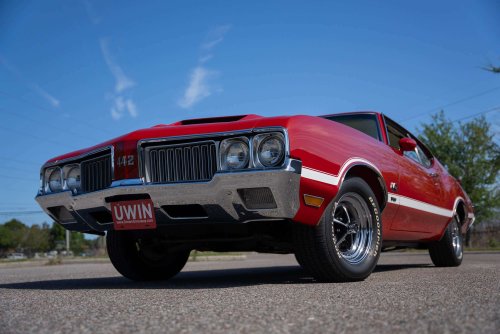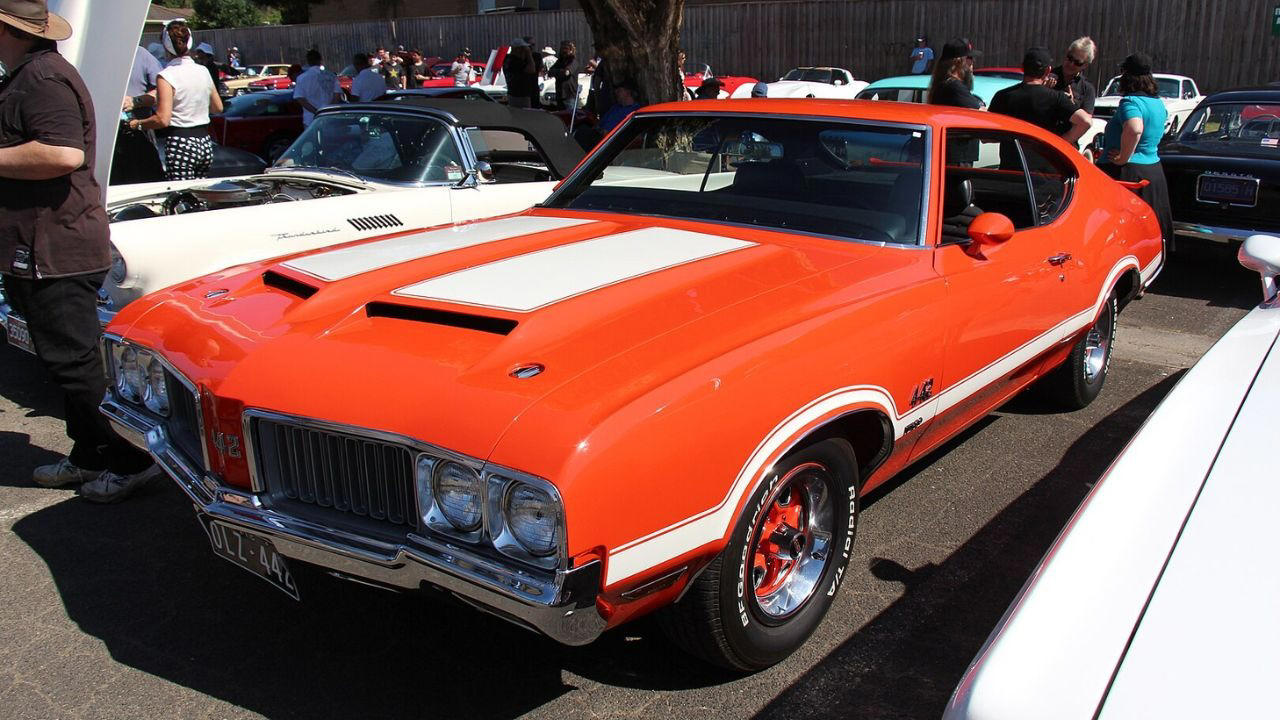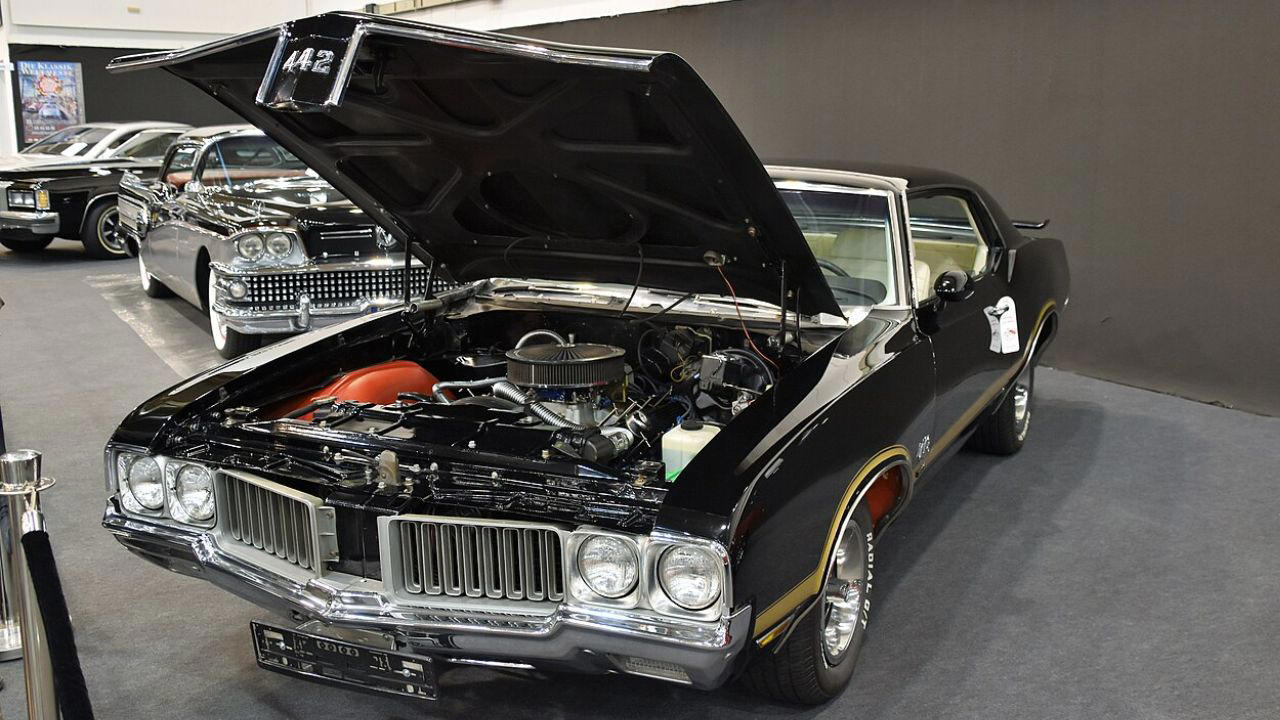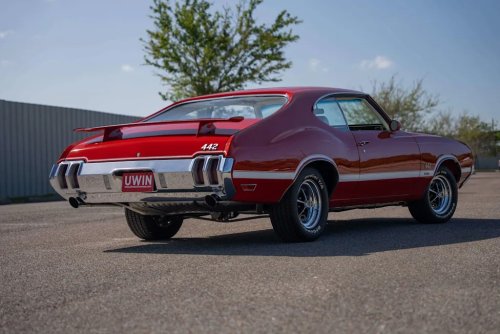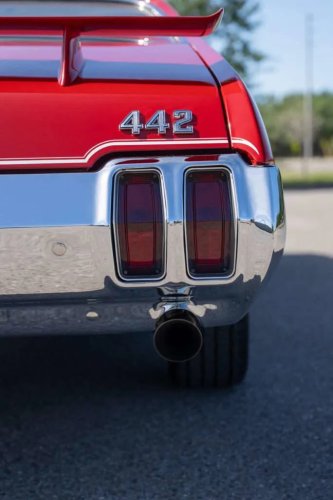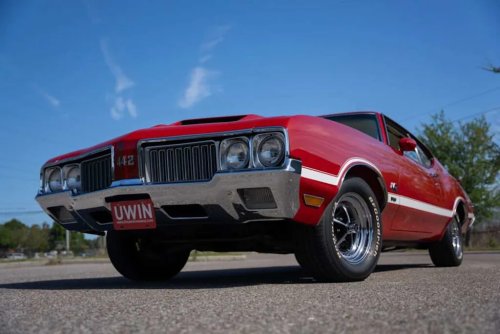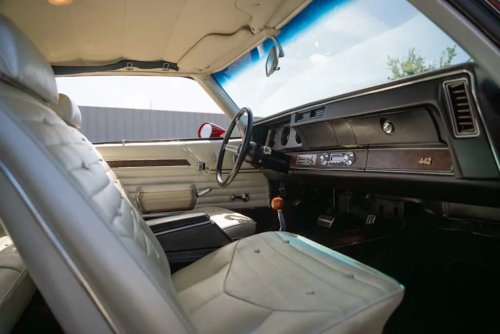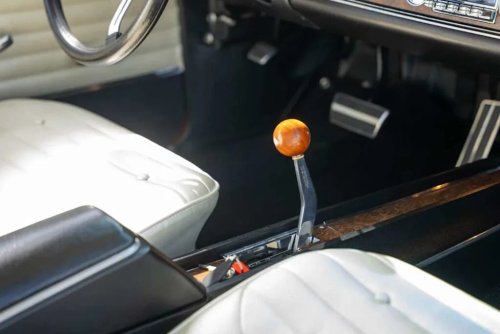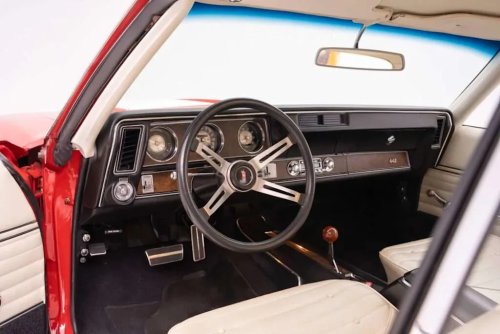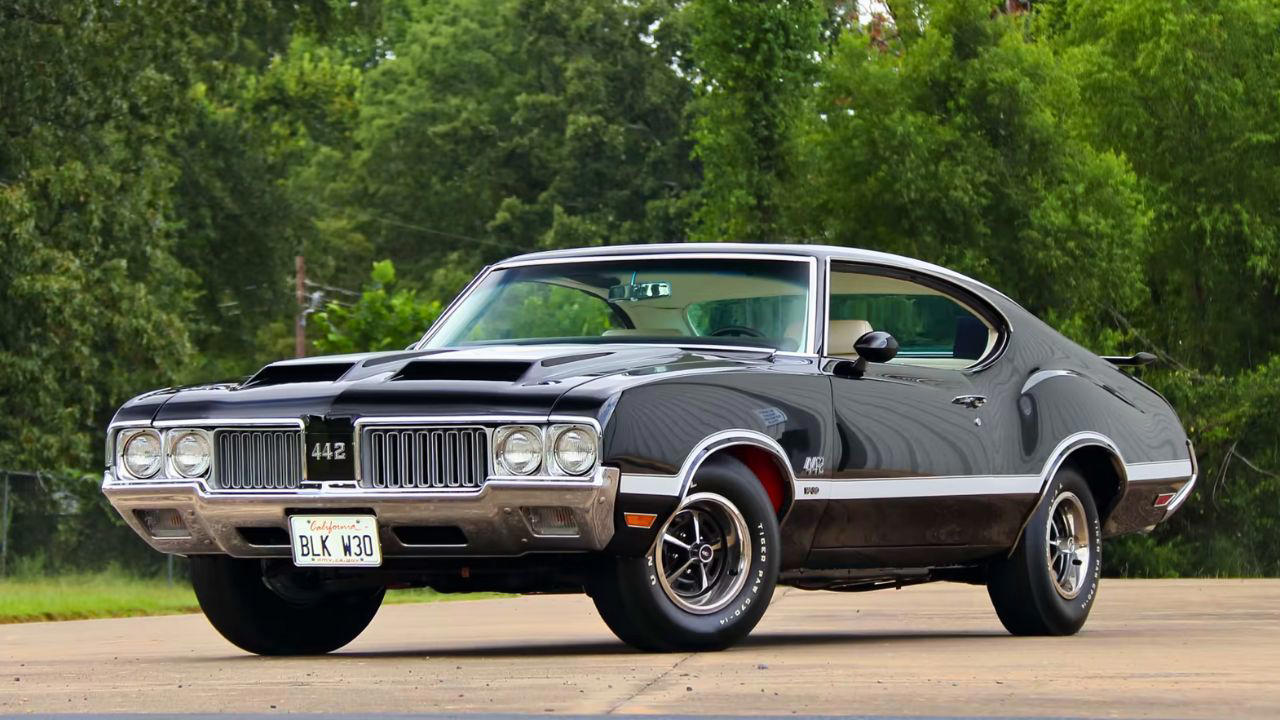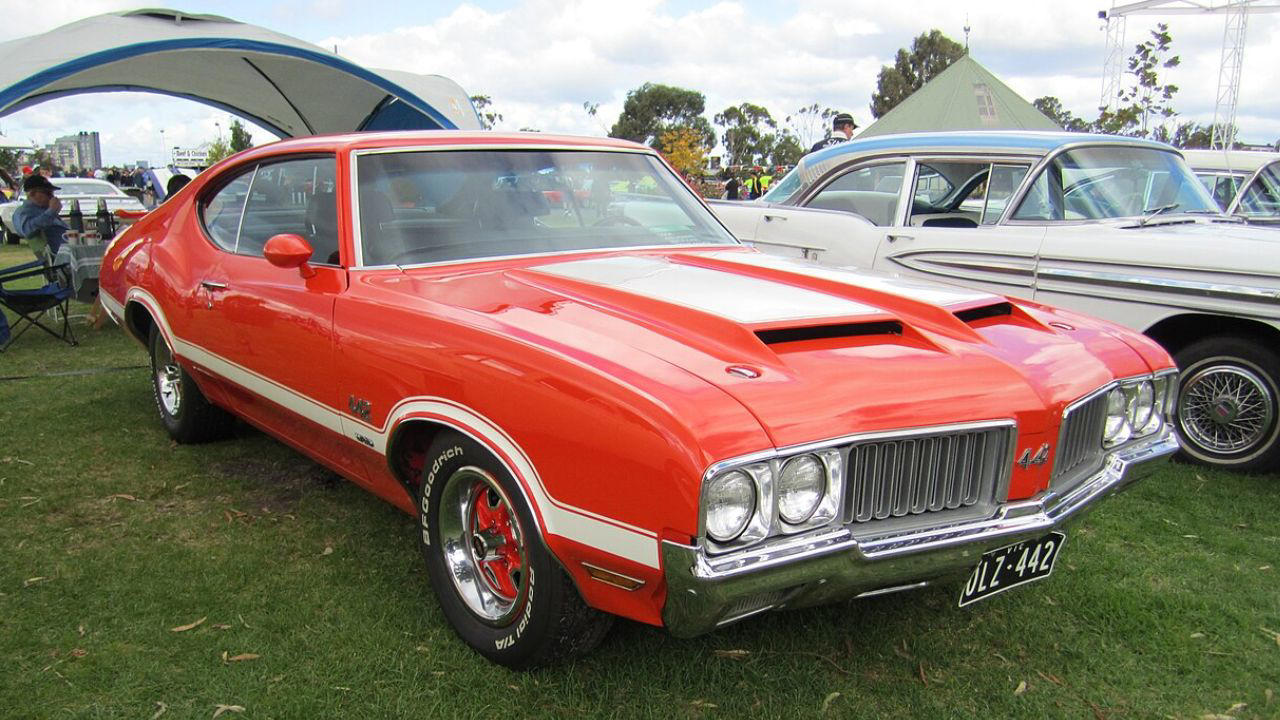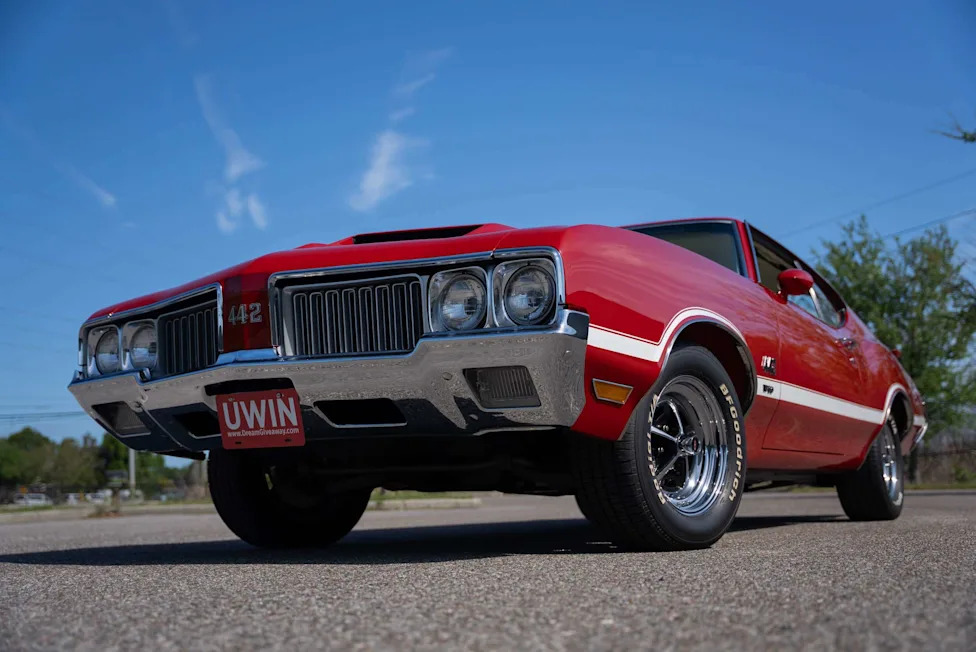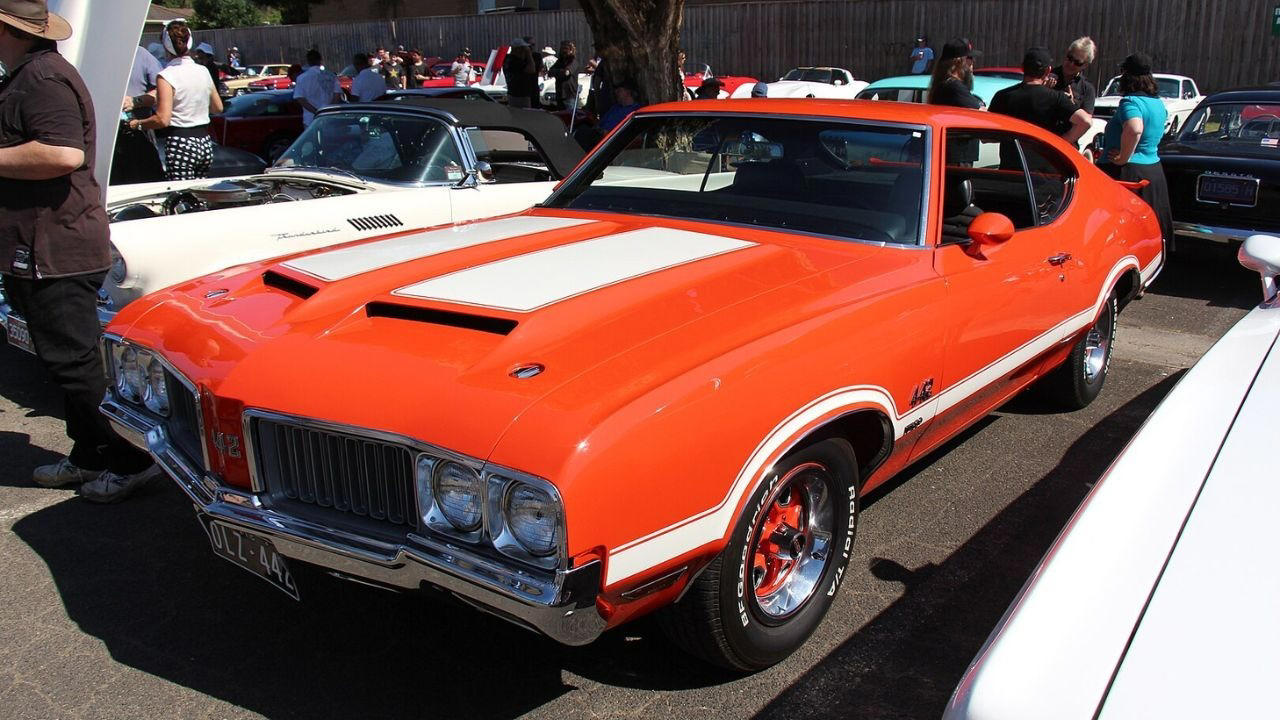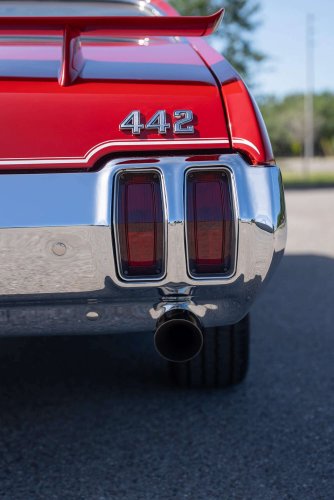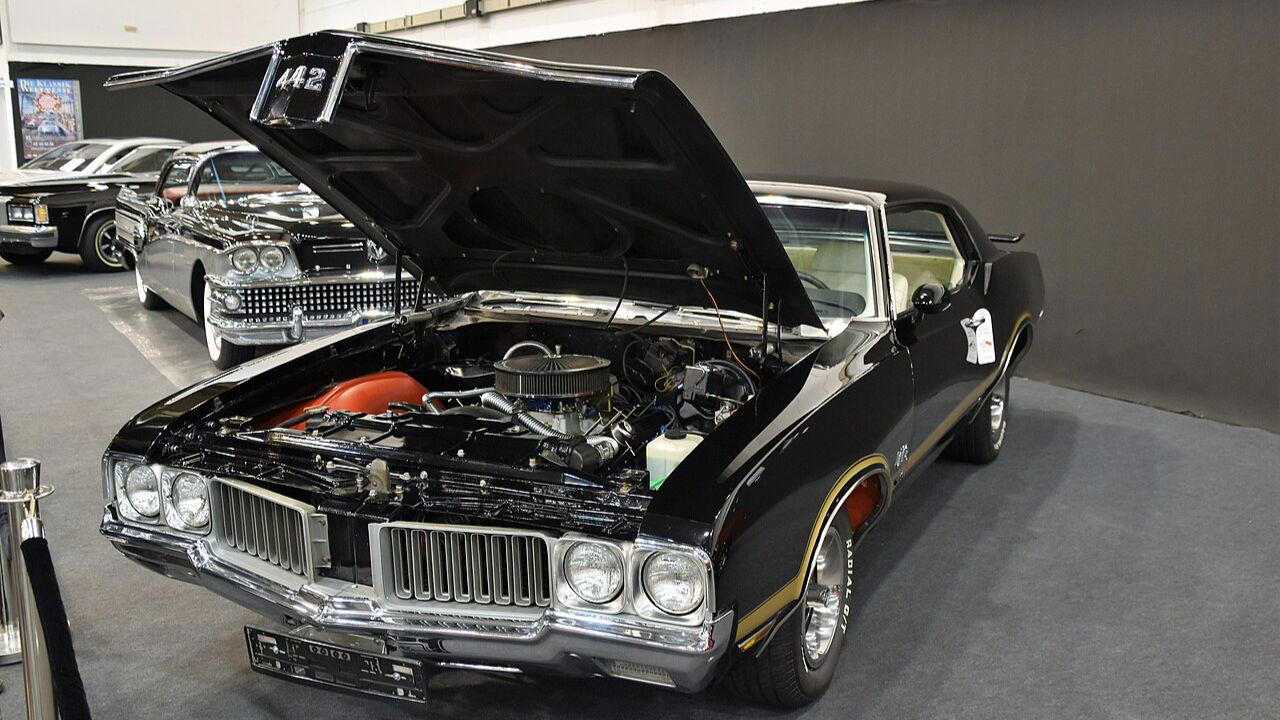



















The Oldsmobile 442 W-30 looked like a gentleman’s muscle car, but its most effective weapons were buried in part numbers, casting codes, and airflow tricks that most buyers never spotted. Engineers quietly turned a comfortable intermediate into a 13-second quarter-mile threat by changing where the air came in, how the camshaft breathed, and even which bumper brackets held up the front of the car. On the street, it appeared to be a nicely trimmed Oldsmobile with tasteful stripes and a functional hood scoop. Underneath, the W-30 package stacked details that targeted rivals like the Pontiac GTO and Chevel, using subtle hardware changes that only dedicated code readers and drag racers fully appreciated. The refined muscle car that hid its intent Oldsmobile built the 442 as a more upscale alternative to rougher muscle machines, and the W-30 option sharpened that formula without shouting about it. Period descriptions of the 4-4-2’s styling called it Detroit Heavy, with a front grille that one test described as having a mouth full of chrome fangs. It looked imposing yet still carried the restrained lines and high-quality trim that Oldsmobile buyers expected. The name 442 originally signaled a four-barrel carburetor, four-speed transmission, and dual exhaust, and that basic formula carried into the W-30 years. By 1969, the W-30 package added a 400 cubic-inch V8, a special camshaft, high-flow intake, lightweight components, and functional ram air. Contemporary descriptions of the 1969 Oldsmobile 442 W-30 stress that this combination delivered strong acceleration while keeping the car smooth and mature, unlike some competitors that felt crude at the limit. Video walkarounds of surviving cars highlight how the 442 W-30 mixed class and big horsepower in a way that made it an icon of its era, often comparing it with rivals like the GTO and Chevelle, while emphasizing how understated the Oldsmobile looked next to louder designs. One such overview by Jan points out how easy it is to underestimate the car if a viewer focuses only on the styling and not on the engineering hidden beneath the skin, a point that fits the W-30 story perfectly. W-30 as a targeted performance weapon The W-30 story really starts when Oldsmobile decided to go after the GTO directly. For 1966, the division created what one detailed feature calls a performance option that turned the 442 into a focused street and strip package. That early W-30 used a 400 cubic-inch engine with revised internals and a carefully tuned induction system, and it was marketed as a limited-production weapon aimed at Pontiac’s halo car. The 1966 package set the pattern that later W-30 cars would refine. Rather than bolt on wild bodywork, Oldsmobile engineers changed the way the engine breathed and how the car put power to the ground. That meant special cylinder heads, hotter cam profiles, and dedicated carburetor and distributor calibrations, all bundled in a way that looked nearly stock to a casual observer. By 1970, the corporate engine-size cap that had limited A-body intermediates to 400 cubic inches finally fell away. Reports on that change explain how GM relaxed its internal “no more than 400 cubes” rule and allowed divisions to drop their big blocks into mid-size cars. Olds responded with a 455 cubic-inch V8 that turned the W-30 into a serious threat to Hemi and LS6 rivals. One analysis of this shift describes the Olds 455 as a “Hemi-killing” engine, a reflection of how hard the new combination hit once traction was sorted. Ram air that did more than look cool Many muscle cars wore hood scoops that were little more than styling flourishes. The W-30 system was different. Its twin hood scoops were functional and tied into a sealed fiberglass airbox that fed cold air directly to the carburetor. The system relied on a special under-hood duct and ring that clamped around the air cleaner, creating a high-pressure path from the front of the car straight into the intake. Period descriptions of the W-30 emphasize that this specialized factory air induction helped transform the refined 442 into a 13-second quarter-mile car. One detailed breakdown notes that the W-30 package turned the 442 into a 13-second quarter-mile weapon with specialized factory air induction, while still balancing comfort and refinement. That dual character is part of what made the engineering so clever, since the system worked at the drag strip but did not demand race-car compromises in daily driving. On the outside, the only obvious clues were the scoops themselves and the red inner fender liners that became a W-30 signature. To an average buyer, those liners looked like a styling touch. In reality, they were part of a weight and airflow strategy that worked with the rest of the package. Hidden weight savings and chassis tweaks Oldsmobile engineers went beyond the engine bay to make the W-30 quicker. They trimmed weight in places few customers would ever notice. The use of aluminum intake manifolds, lighter front bumper brackets, and those distinctive fiberglass inner fenders all contributed to a small but meaningful reduction in mass over the front axle. Descriptions of the 1970 Oldsmobile 442 W-30 highlight how the car was equipped with performance hardware like a heavy-duty suspension, quick steering, and specific gearing, yet still rode with more polish than many rivals. That balance came from careful spring and shock tuning rather than simply bolting on the stiffest parts available. The lighter front end helped the car respond faster to steering inputs while also improving weight transfer off the line. Transmission choices were similarly tuned to the package. Buyers could choose a Hurst-managed four-speed with 3.42:1 gears or a performance-calibrated TurboHydra-matic 400 with a Hurst Dual-Gate shifter and 3.42:1 rear gears. A detailed feature on the 1970 Oldsmobile 4-4-2 W-30 spells out those options and underscores how the combination of a 3.42 rear axle and the strong 400 series automatic gave the car both punch and relaxed highway manners. Camshafts, heads, and the art of subtle part numbers The most telling W-30 tricks lived inside the engine. Enthusiast breakdowns of the 1969 W-30 point out that it used unique cylinder heads identified as Letter D with casting number 400370, a distinctive camshaft with 328/328 duration, and a specially calibrated distributor. None of that was obvious from the driver’s seat, but it made a real difference in how the engine pulled through the rev range. These parts allowed Oldsmobile to keep official horsepower ratings conservative while delivering much stronger real-world performance. A feature on a rare 1970 4-4-2 W-30 project car notes that the W-30’s rating was only 5 horsepower higher than the base 4-4-2’s 365 figure, even though the package was clearly quicker at the drag strip. That gap between the brochure and the stopwatch is where the hidden engineering paid off. Specialists who authenticate these cars today spend much of their time chasing those details. One expert describes how Dec inspections of a supposed W-30 begin with the block and its Julian codes, then move to the heads and intake manifold. The guidance is specific: You look at the head castings, the intake, and the date codes to verify that the engine matches what Oldsmobile installed at the factory. Without that knowledge, a casual observer could easily miss or misunderstand the significance of those parts. Quarter-mile numbers that outpaced the brochure Performance testing from the era shows how effective these hidden upgrades were. A well-documented road test of a 1970 442 W-30 with a 455 cubic-inch V8, functional hood scoop, and dual exhausts describes the car as packing a mighty punch that belied its formal styling. Another contemporary evaluation of a similar 4-4-2 with a 3.42:1 rear axle ratio and Hydramatic recorded 0 to 60 miles per hour in 7.0 seconds and strong quarter-mile numbers, impressive for a relatively heavy intermediate with full interior trim. Later enthusiast analysis highlights that the W-30 package in particular could push the 442 into the 13-second bracket in the quarter-mile when driven well, a figure that put it among the serious factory muscle contenders of its day. A social media breakdown of the W-30 combination explicitly describes how the package transformed the refined 442 into a 13-second quarter-mile car through specialized air induction and engine tuning, while still retaining the comfort and maturity that defined Oldsmobile’s image. On paper, the horsepower difference between a standard 4-4-2 and a W-30 seemed modest. In practice, the sharper cam, better breathing, and weight savings meant the W-30 pulled harder from midrange revs and held that surge longer. Owners who lined up against big-block Chevrolets and Hemi Mopars discovered that the Olds could run with the best of them, even if the spec sheet looked tame. How the W-30 stayed under the radar Part of the reason the 442 W-30 is still called underrated is that its engineering tricks were not obvious showroom bait. Oldsmobile marketed the car as a refined performance machine, not a bare-knuckle drag special. The division’s advertising leaned into comfort, quality, and a touch of luxury, which meant that only the most attentive buyers noticed the red fender liners, the functional hood scoops, or the subtle W-30 badges. Modern video tours by channels like Jan and other presenters walk viewers around surviving W-30s and point out details that period buyers might have overlooked, from the specific carburetor tags to the routing of ram-air ductwork. Another presentation by Skyway Classics shows how stock the engine bay appears at first glance, then zooms in on the fiberglass airbox and coded components that distinguish a real W-30 from a standard 442. Even among enthusiasts, debates still flare over which parts are unique to the W-30 and how to verify them. One discussion about the 1970 Oldsmobile 442 W-30 centers on how the 455 engine, hood scoop, and dual exhausts were combined, and who is correct about specific details of that setup. Another thread on the 1969 cars focuses on the Letter D heads and the 328 duration cam, arguing about what truly separates a W-30 from other 442 variants. The expert culture that grew around W-30 secrets Because the differences are so subtle, an entire subculture of experts has grown up around decoding W-30 cars. One widely cited specialist, featured in a detailed breakdown of Oldsmobile W-30 and W-31 models, describes a methodical process that starts with the engine block, then moves through Julian date codes, head castings, and intake manifolds. The advice is clear: if the parts do not line up with what Oldsmobile built for that specific year and plant, the car is not a genuine W-30. That same feature highlights how many owners and even dealers never fully understood what made a W-30 special. Some cars lost their original engines early in life, replaced with generic service blocks that erased the very codes experts now chase. Others were cloned from standard 442s using reproduction badges and scoops, which means that careful inspection is the only way to separate authentic cars from lookalikes. More from Fast Lane Only Unboxing the WWII Jeep in a Crate 15 rare Chevys collectors are quietly buying 10 underrated V8s still worth hunting down Police notice this before you even roll window down