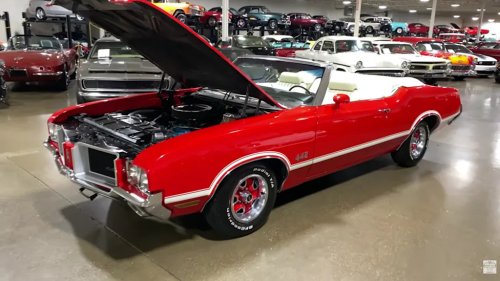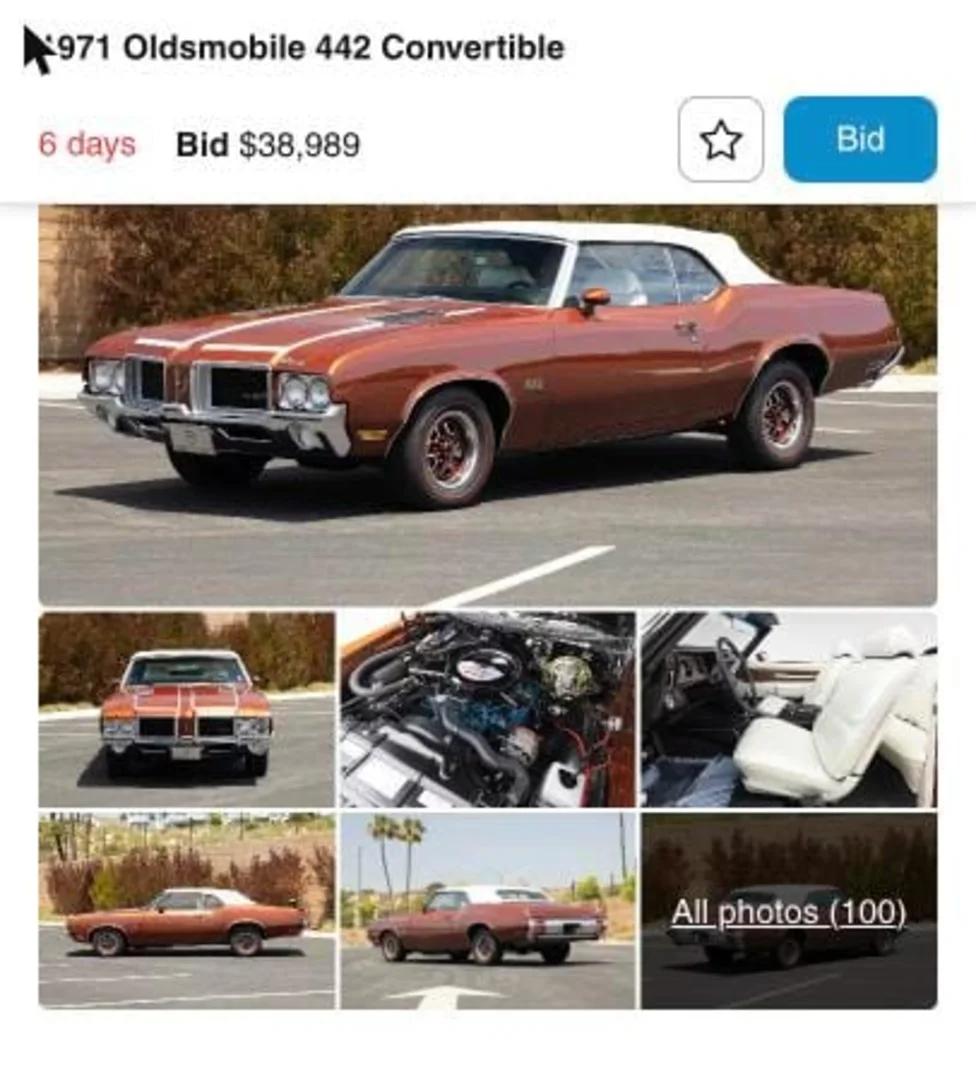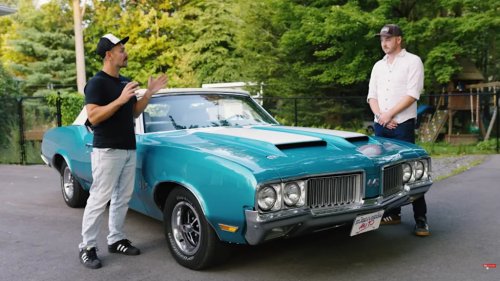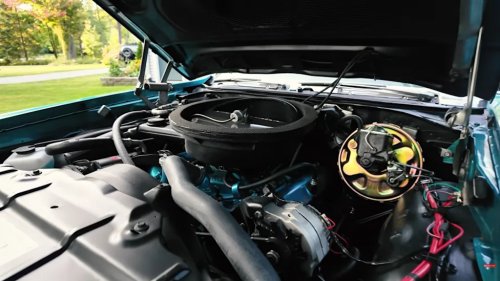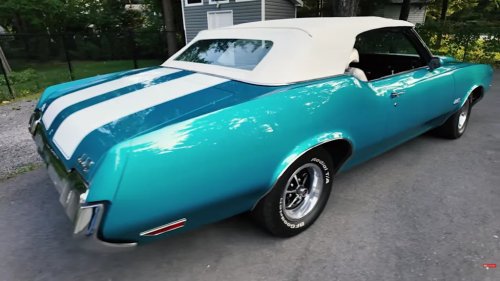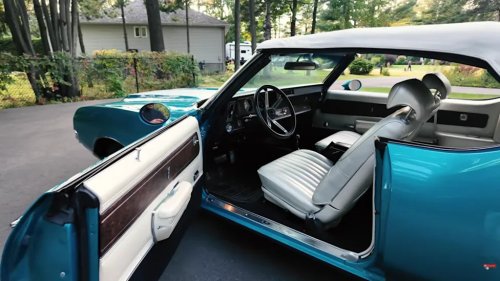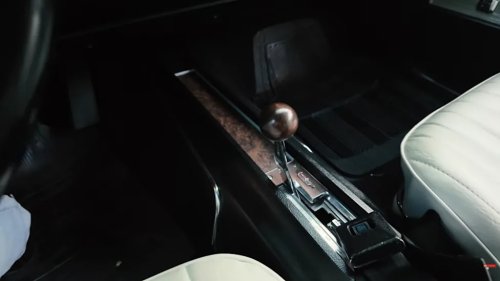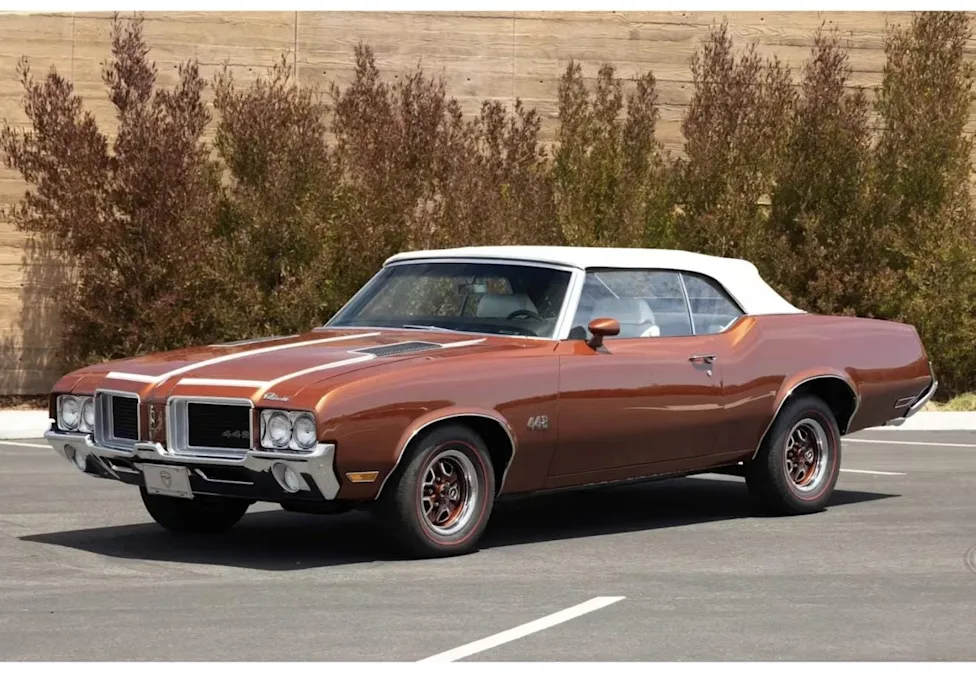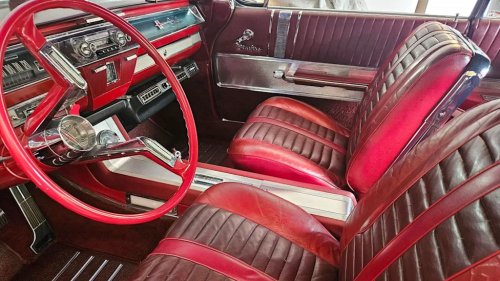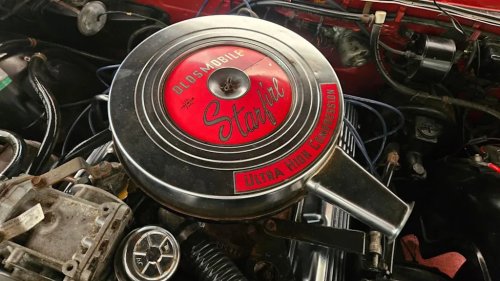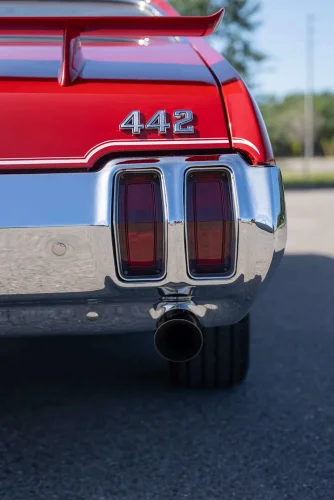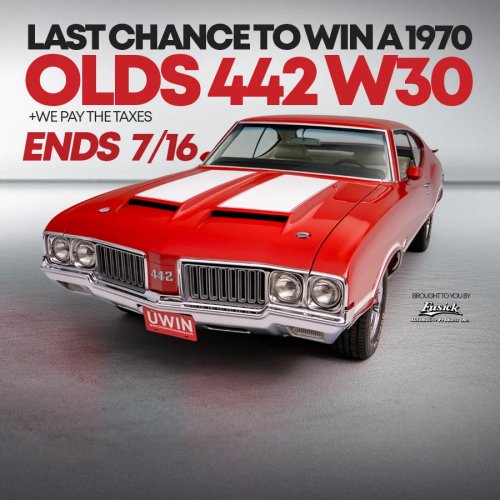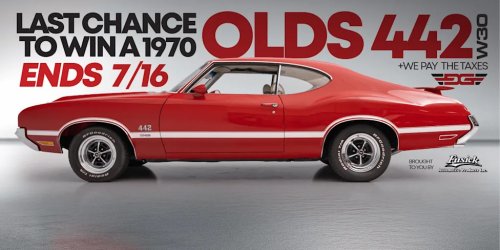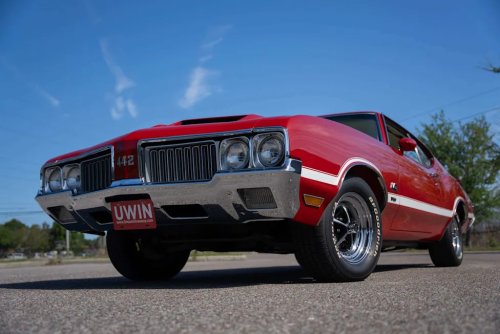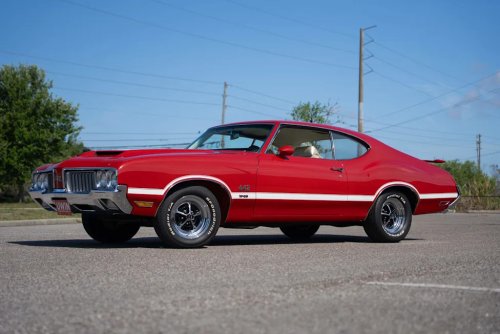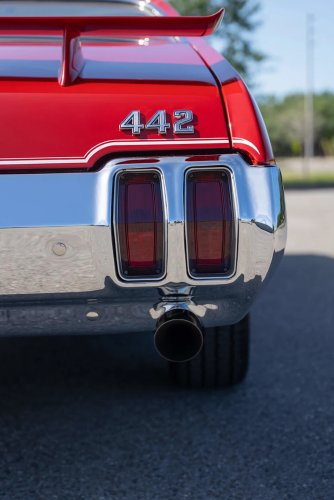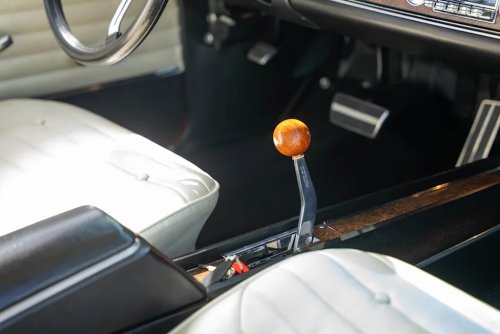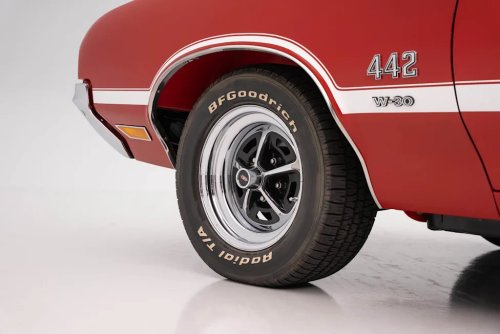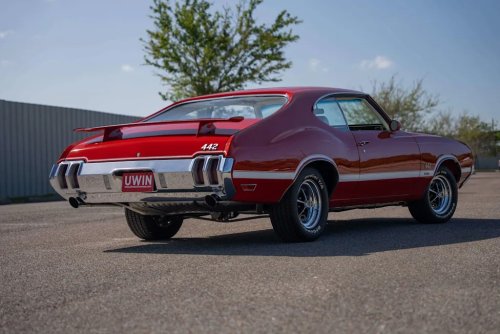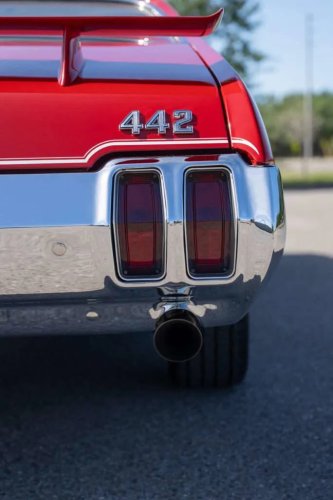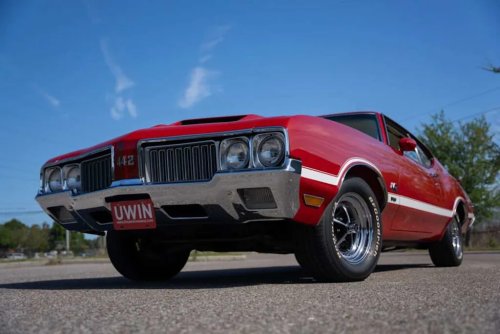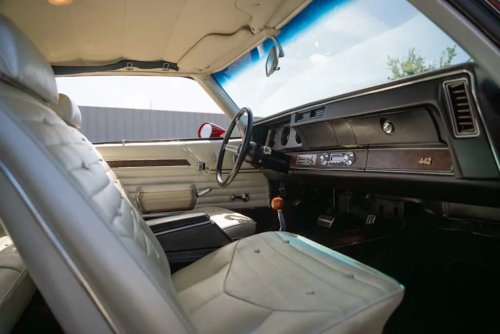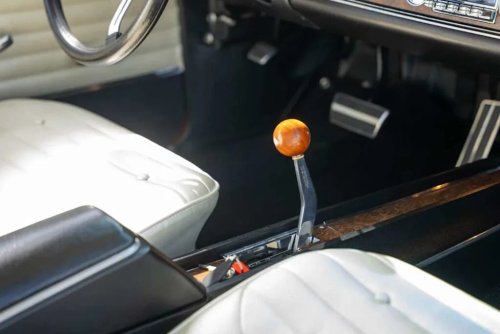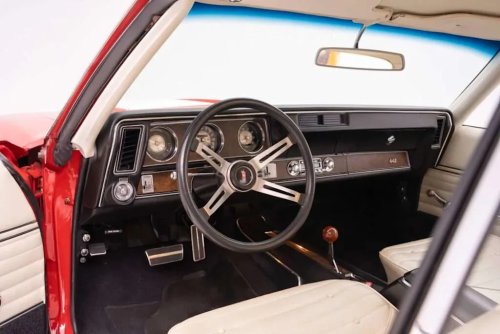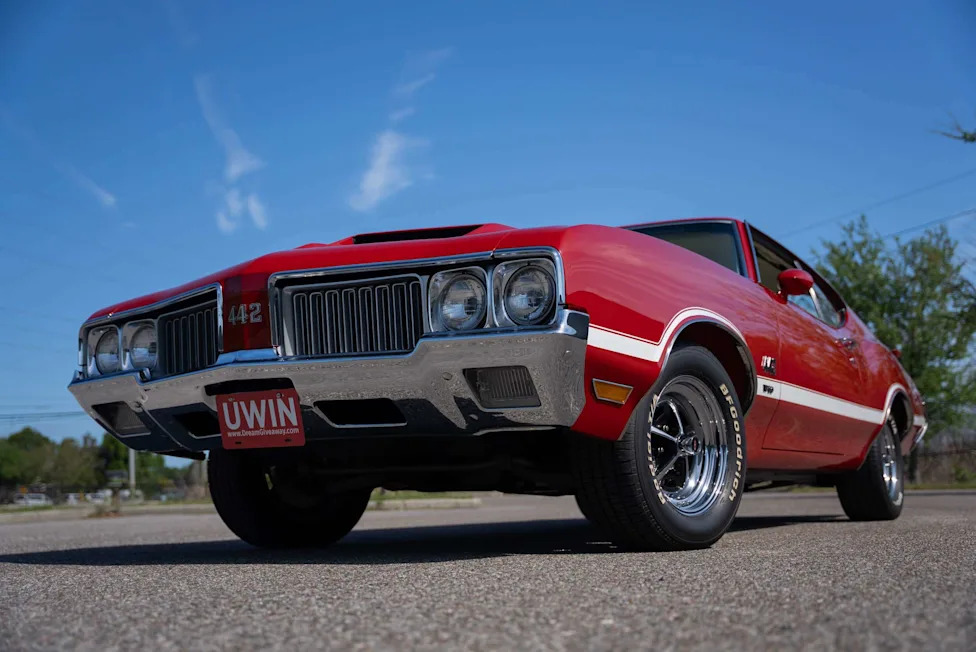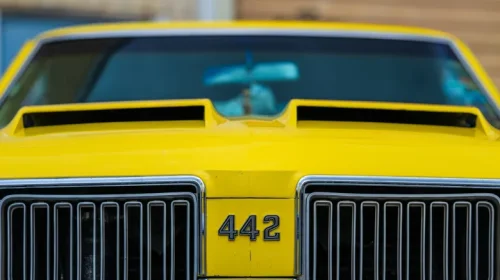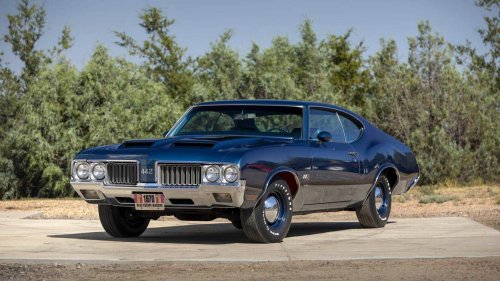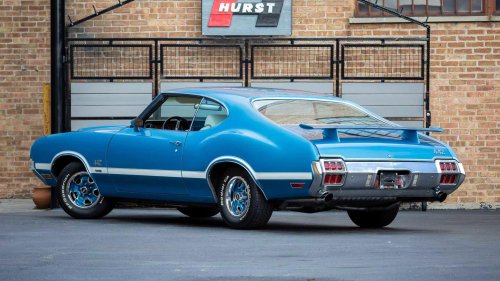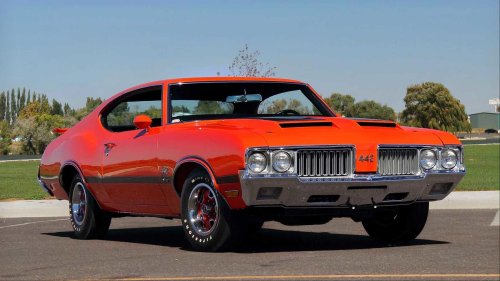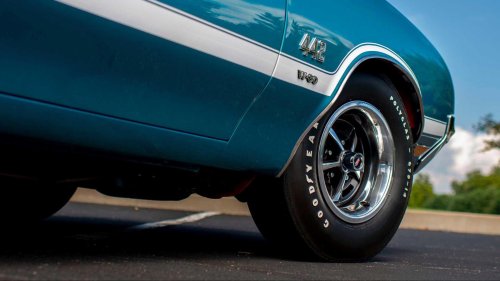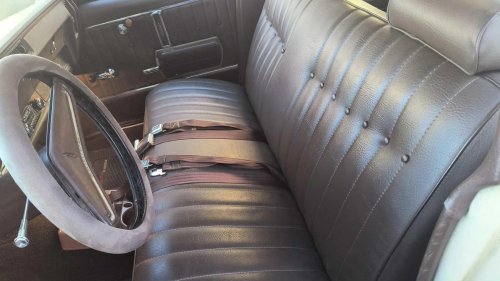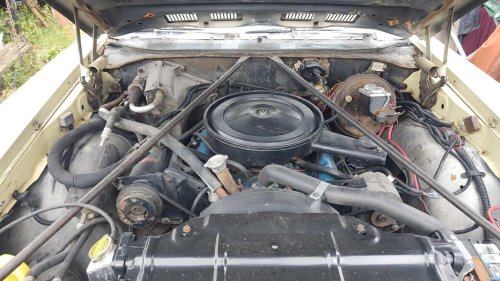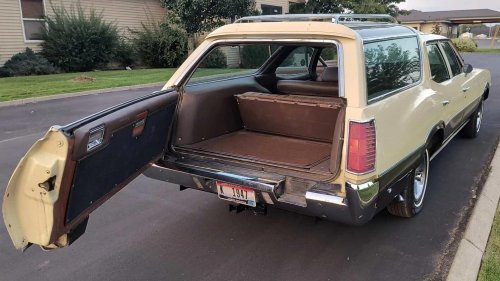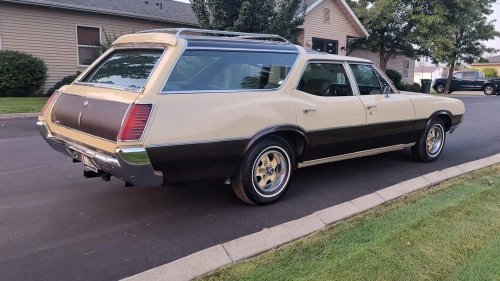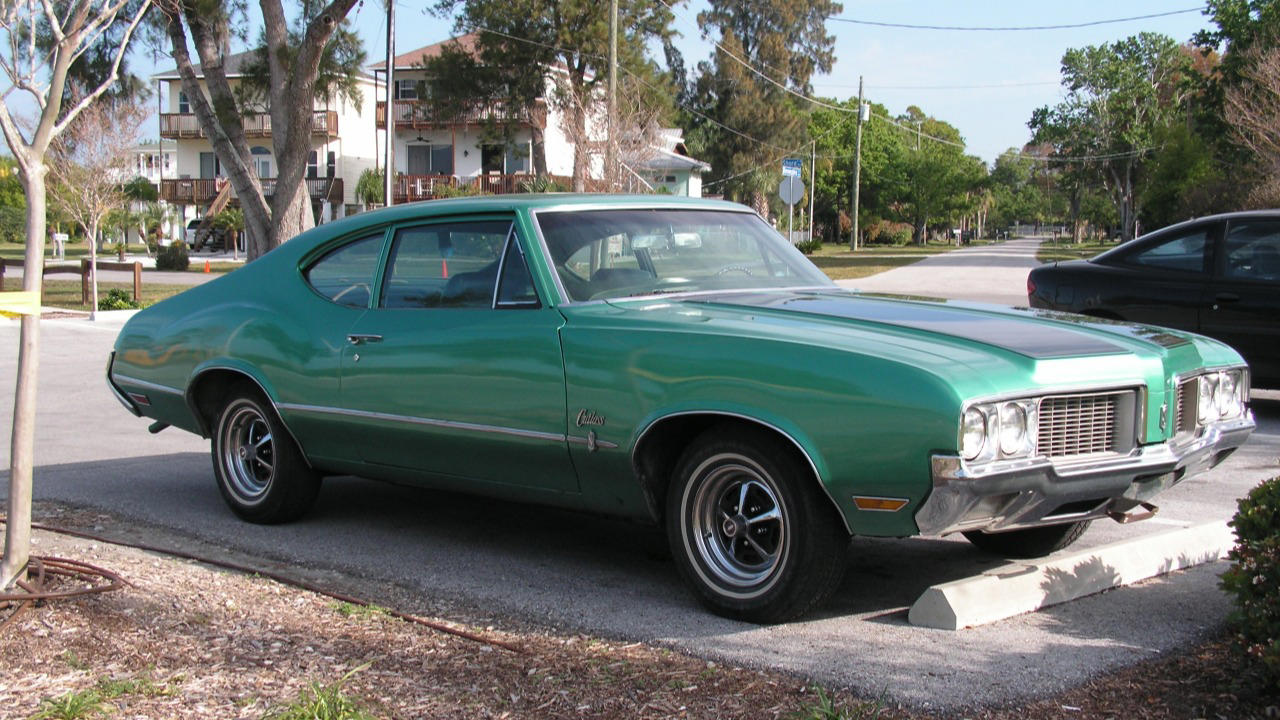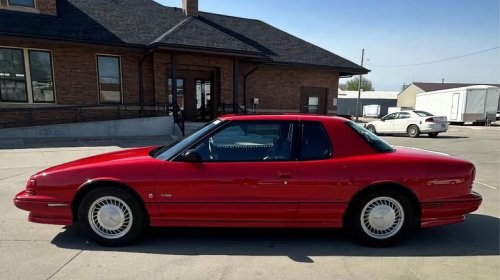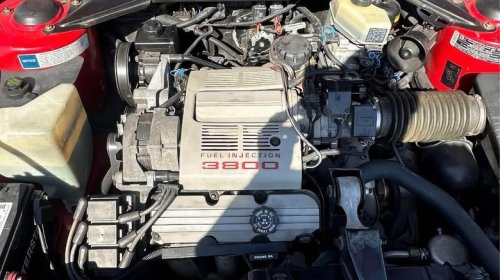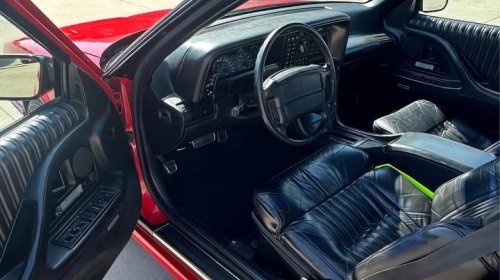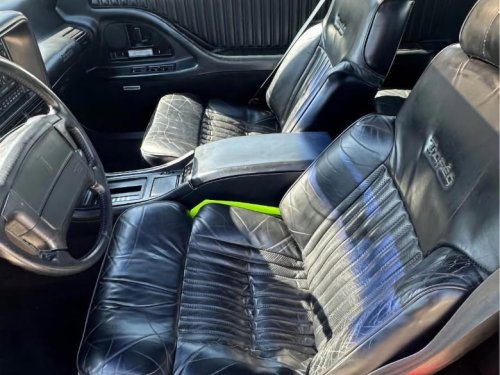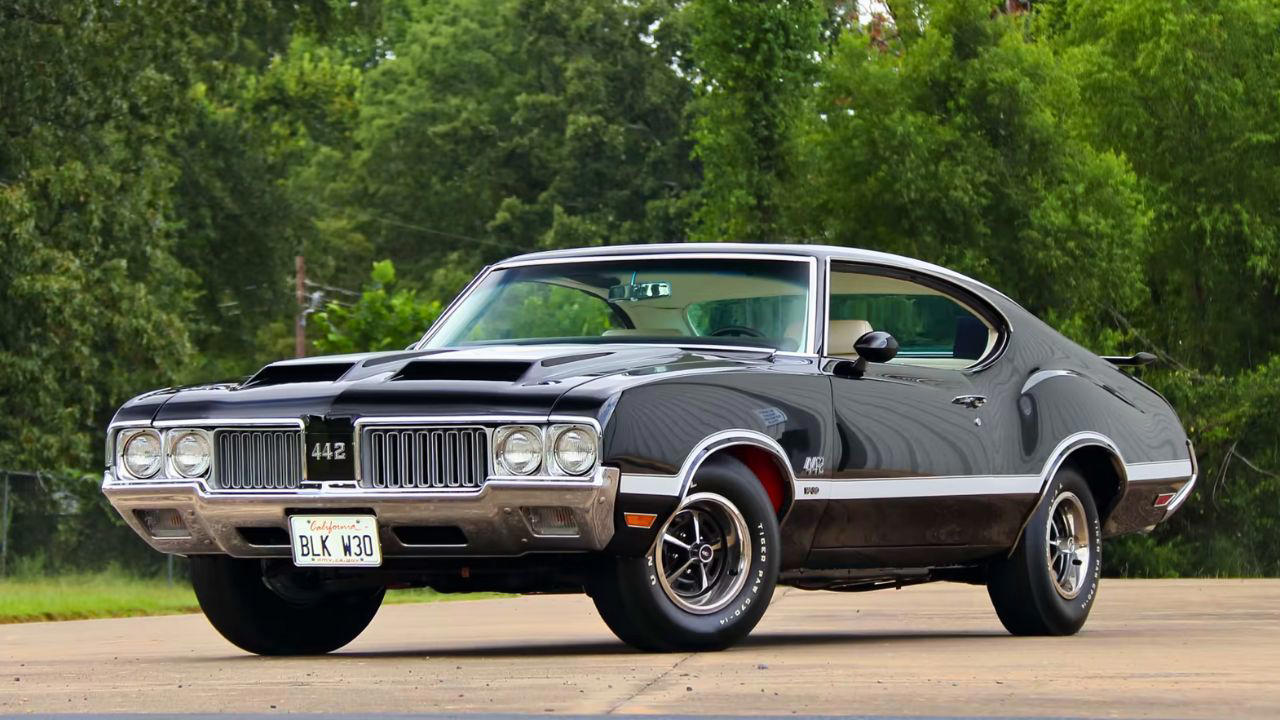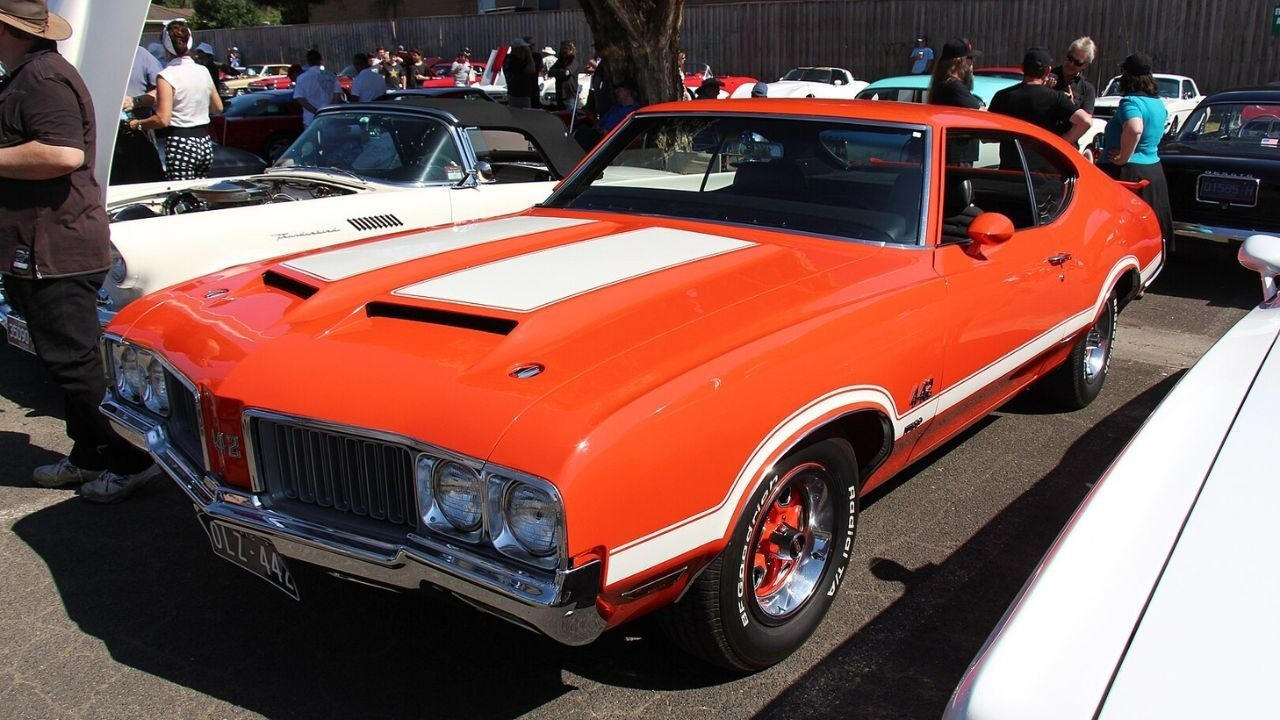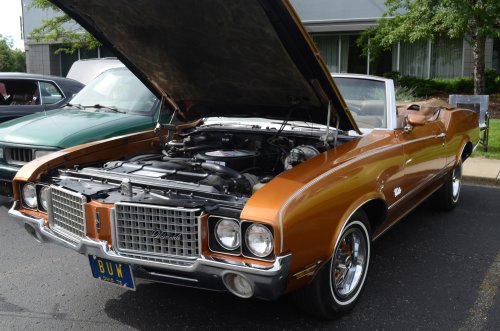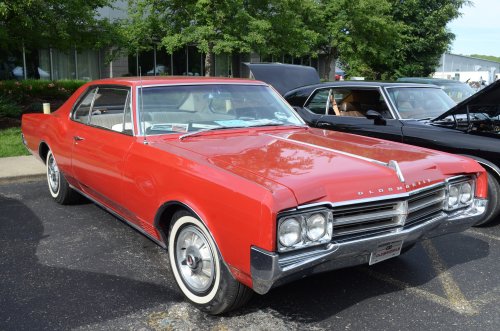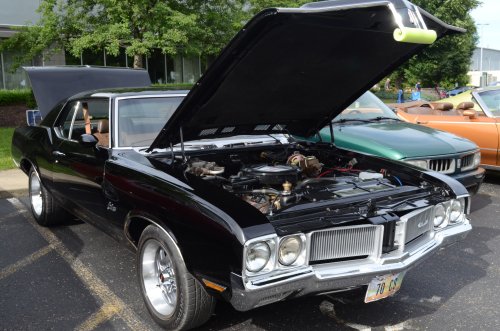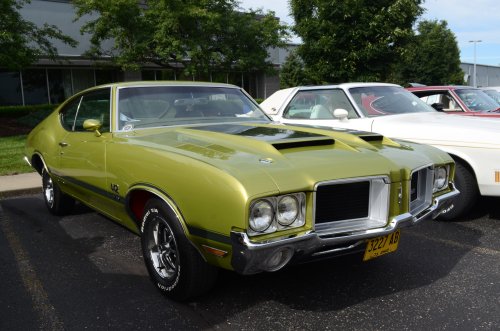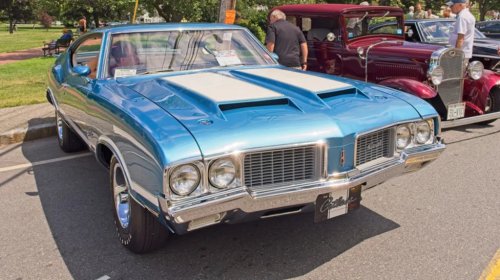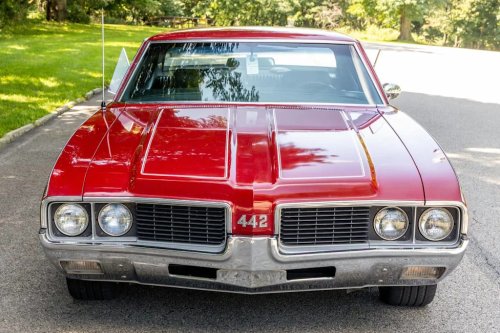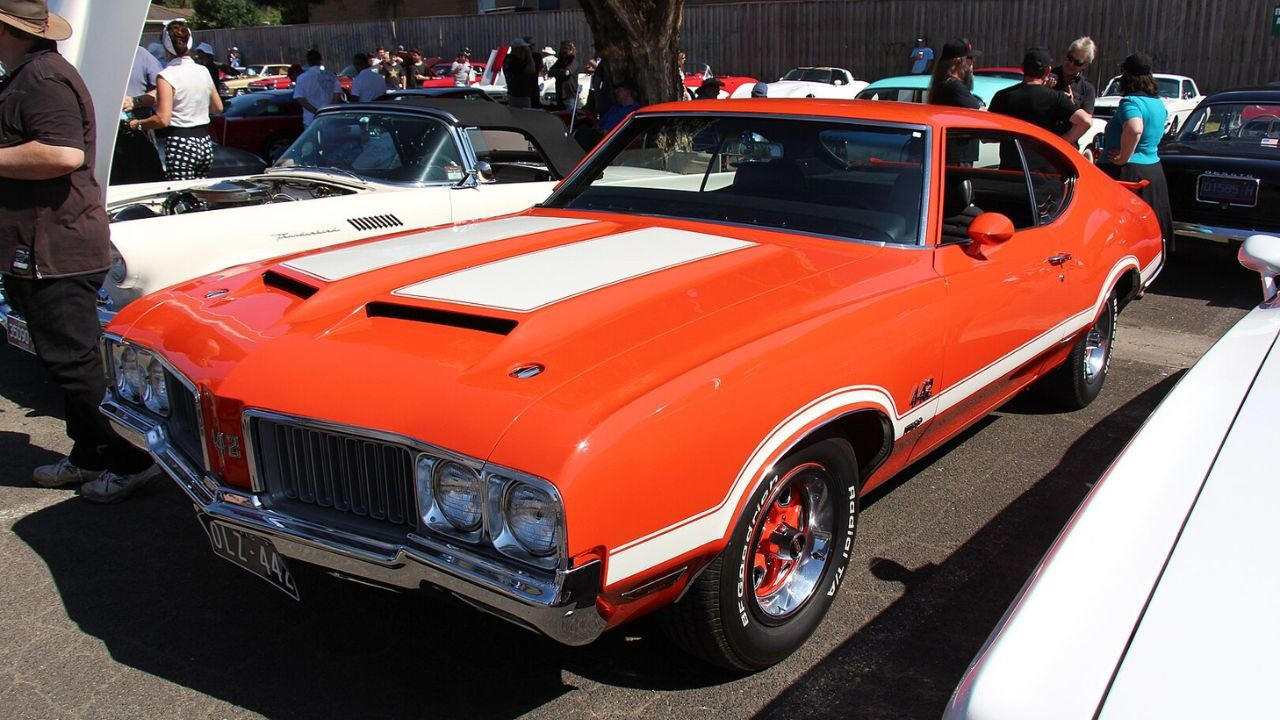



















It wasn’t just a badge the 1970 Oldsmobile 442 W-30 proved its worthThe 1970 Oldsmobile 442 W-30 arrived at the peak of the muscle car era and carried a reputation that could have rested on its badges alone. Instead, Oldsmobile engineered a package that backed up the emblems with real speed, rare hardware, and a level of refinement that made the car more than a quarter-mile party trick. Half a century later, collectors and historians still point to this W-30 as proof that Oldsmobile could build a brutal performer without sacrificing brains or polish. Rather than a mere marketing exercise, the 1970 442 W-30 combined a huge 455 cubic inch V8, serious suspension and driveline upgrades, and distinctive visual cues that turned a Cutlass-based coupe into one of the most coveted muscle cars of its time. Surviving examples, especially well-documented cars, now trade hands at premium prices precisely because the model lived up to its legend. The meaning behind 442 and W-30 By 1970, the 442 badge had evolved into a standalone identity within the Oldsmobile lineup, yet its name still pointed back to its hardware. Period descriptions of the car explain that the 442 designation indicated a four-barrel carburetor, a four-speed manual transmission, and dual exhausts. That shorthand captured the essence of a factory performance package at a glance, something buyers could decode right on the showroom floor. The W-30 suffix signaled a more focused step beyond the standard 442. As the high-performance variant of Oldsmobile’s Cutlass line, the 442 already sat at the top of the brand’s muscle offerings, and contemporary coverage explains that As the high-performance model it used that 442 formula of carburetor, four-speed manual transmission, and dual exhaust as a baseline. The W-30 option then layered on a hotter engine, more aggressive induction, and specific chassis and appearance parts that turned the car into something closer to a factory-built street racer. Big-block firepower and serious numbers The 1970 model year arrived just after General Motors ended its internal cap on engine size, which had previously limited intermediates to 400 cubic inches. Reports on the car emphasize that Following the General decision to lift the ban on engines larger than 400 cubic inches, Oldsmobile dropped a much larger V8 into the 4-4-2. One account of the car’s development notes that in 1970 GM’s ban on engines over 400 cubic inches was lifted, which allowed Oldsmobile to introduce a 455 cubic inch V8 in the 442, giving the car a clear power advantage over many rivals. Under the hood of the W-30 sat that 7.5-liter big block in its most aggressive street form. Technical writeups describe how hood lies a (455 cubic inch) V8 producing 370 horsepower and 500 lb-ft of torque. A separate breakdown of the package reinforces that hood was a cubic inch V8, massive even by muscle car standards, rated at 370 hp and 500 lb-ft of torque, and that this engine ranked among the most torque-rich powerplants of its era. Independent performance testing of the 4-4-2 W-30 recorded strong acceleration figures that matched the spec sheet. One period evaluation lists Representative Performance numbers that include a 0 to 60 m sprint in 5.7 seconds, along with a base price of $4,180 for the package and output figures of 380 horsepower at 5000 rpm and 500 lb-ft of Torque at 3200 rpm. That same test work showed quarter-mile times in the low 14 second range, more than enough to keep pace with contemporary big-block Chevrolets and Mopars. Track-focused coverage of the W-30 option recorded specific runs that underline how consistent the car could be. One road test notes that the W-30 ran 14.10 seconds at 100.55 mph in full dress, with a follow-up pass at virtually the same 100.78 mph, and later delivered a 14.62 quarter mile after changes in conditions. Another account of an Olds 4-4-2 W-30 with a four-speed and 3.91 g rear gears reports that the car turned a 14.2 at 102 m mph, and that the same combination reportedly ran a 13.7 with Oldsmobile engineers behind the wheel. How the W-30 package sharpened the 442 The W-30 option did more than bolt on a big carburetor. It was a coordinated parts bundle designed to improve breathing, reduce weight, and keep the car hooked up. Technical descriptions explain that the package added a fiberglass W-25 hood, a low-restriction air cleaner, functional air ducts, a revised manifold, better heads, a reworked cam, and an upgraded distributor, all working together with the W-25 factory fiberglass hood to feed the big 455. Another summary of the equipment lists performance upgrades like hotter cams, improved heads, functional cold-air induction, and low-restriction exhaust, which gave the W-30 a clear edge over the standard 442 tune. The engine itself drew on Oldsmobile’s established big-block family. One retrospective on the brand’s performance history points out that at the heart of the 1970 Oldsmobile 442 W-30 was the massive 455 cubic inch Rocket V8, officially rated at 370 horsepower, with additional tweaks such as a hotter cam and a specially tuned carburetor that separated it from lesser versions. That combination of displacement and careful factory tuning is why enthusiasts still refer to the W-30 as one of the most serious street packages Oldsmobile ever sold. Styling cues that meant business Visual details helped set the W-30 apart even before the hood was opened. Coverage of the car’s design highlights that it featured aggressive styling elements like red inner fender wells, a functional fiberglass hood with air scoops, and bold W30 badging, and that relatively few of these cars were made, which has pushed their value higher today. Another description of the model’s appearance notes distinctive features that included a fiberglass hood with functional air scoops, red inner fender wells, and lightweight aluminum intake components, all of which communicated that this was not a basic Cutlass. Inside, the 1970 W-30 continued Oldsmobile’s tradition of blending comfort with performance. Contemporary assessments state that Oldsmobile’s 1970 W-30s blended a plush bucket-seat cabin with athletic road manners and vivid acceleration, and that the car represented a thinking-man’s approach to muscle cars rather than a stripped-out drag special. Even the interior trim carried specific identifiers, with reproduction parts sellers today offering a 1970 to 72 Oldsmobile W-30, Cutlass, 442 Glove Box, Dash Board Emblem as the highest quality 442 piece on the market, underscoring how much attention owners still pay to correct details. On the outside, surviving examples often still wear the small but meaningful emblems that defined the model. Replacement parts catalogs describe how one listing Includes one brand new “W-30” front fender emblem that Fits left or right side, with notes that Please compare to your original emblem for proper interchange. These small metal badges carried real weight among enthusiasts because they signaled a factory-built car with the most aggressive specification available. From showroom to strip: verified speed Period testing and later enthusiast reports converge around the idea that the 1970 442 W-30 was genuinely fast for a full-size intermediate. One social media account focused on barn finds and survivor cars recounts how rumor has it that the 1970 Oldsmobile could run a 13.7-second quarter mile, at least that is what Oldsmobile’s own engineers would have Jul enthusiasts believe, a claim that aligns with other reports of factory-backed testing. Video features on surviving cars reinforce how the specification translated into real-world performance. One modern review of the model, filmed with a car that still tips the scales at around 3800 pounds and is 55 years old, reiterates that the 442 nameplate still stands for the original 442 formula and that the W30 package elevated its performance beyond that baseline. The combination of big torque, relatively short gearing, and functional cold-air induction meant that even as emissions rules began to tighten, the 1970 W-30 remained a standout. More formal performance compilations put hard numbers behind those impressions. One widely cited specification sheet lists 0 to 60 m in 5.7 seconds and quarter-mile times that often hovered in the mid-14 second range for showroom-stock cars, with trap speeds in the 100 mph bracket. Against the backdrop of the early 1970s, those figures placed the W-30 among the quickest factory muscle cars on the street, especially considering that its official horsepower ratings were often viewed as conservative. Production rarity and collector appeal Part of the W-30 mystique today comes from how few were built. Auction previews and collector car specialists emphasize that Only 3,100 W30 models were produced in 1970, with just 2,574 built as Holiday Coupes, which makes surviving documented examples extremely desirable among collectors. That low production volume, combined with the car’s performance reputation, has pushed prices steadily higher for original and correctly restored cars. The market for high-quality examples is illustrated by individual listings that surface through major auction houses and private sales. One prominent sale description for a 1970 Oldsmobile 442 W30 notes that for buyers wanting even more than the standard 442, the W30 package included a more powerful engine, performance suspension, and distinctive styling cues that gave the cars a look to match the performance. Another feature on a particularly original 442 W-30 describes it as a muscle car time capsule and highlights how the car’s low mileage and unmodified condition make it one of the most pristine examples known. Even outside the high-end auction world, the model’s desirability is evident. Online marketplaces host listings for restored and driver-quality cars, such as a 1970 442 that shows the level of detail owners pursue in paint, stripes, and interior trim, or another W-30 project that still carries its core drivetrain and badges. These cars often come with thick folders of documentation, build sheets, and restoration receipts, reflecting how carefully the current generation of caretakers treats them. Specialized dealers have even turned individual W-30s into headline lots. A recent video preview from a classic car seller shows a 1970 Oldsmobile 442 W30 that will be selling with no reserve, and reiterates that Only 3,100 W30 models were produced in 1970 and that 2,574 of those were Holiday Coupes, framing the car as a rare opportunity for collectors who want a documented example. Comfort, civility, and the “thinking man’s” muscle car What separated the 1970 442 W-30 from many of its rivals was its ability to combine raw power with everyday usability. Contemporary accounts describe how Oldsmobile’s 1970 W-30s blended a plush bucket-seat interior with athletic road manners and vivid acceleration, presenting the car as a thinking-man’s muscle choice for buyers who wanted both speed and comfort. Power steering, power brakes, and available air conditioning made the W-30 realistic as a daily driver even with its aggressive cam and high-flow exhaust. That balance extended to the chassis and braking hardware. Factory literature and later technical writeups stress that the W-30 package included performance suspension tuning and upgraded disc brakes that helped the car handle and stop better than many straight-line focused competitors. While the 442 W-30 could dominate a drag strip on Sunday, it was equally capable of covering long highway stretches in quiet, high-torque surges, something that endeared it to mature buyers who might have otherwise chosen a Toronado or Delta 88. More from Fast Lane Only Unboxing the WWII Jeep in a Crate 15 rare Chevys collectors are quietly buying 10 underrated V8s still worth hunting down Police notice this before you even roll window down