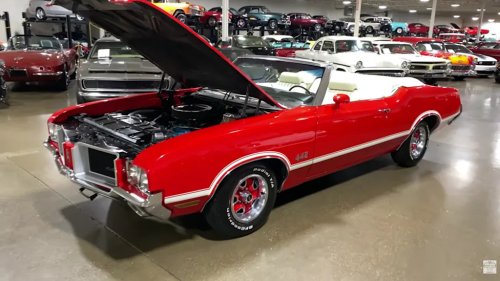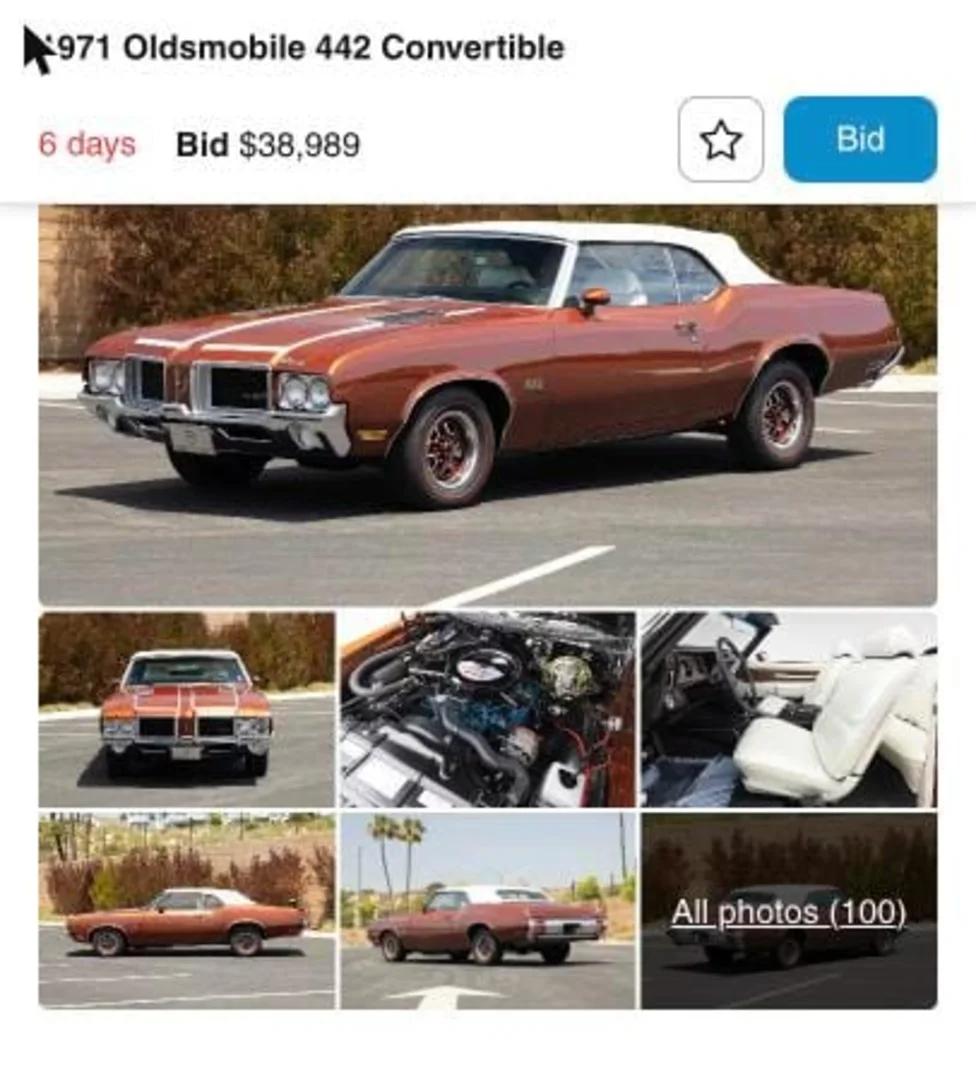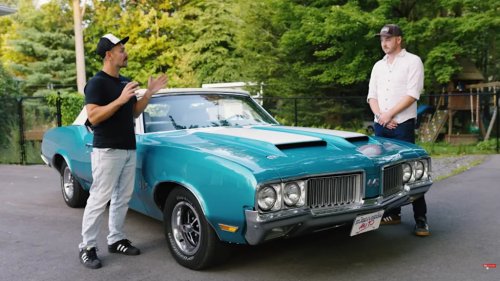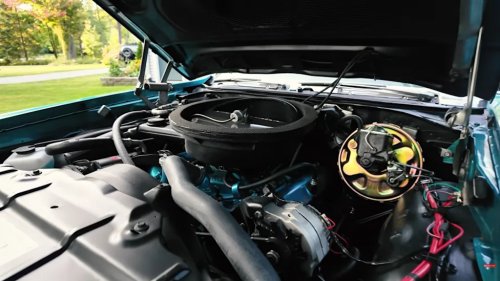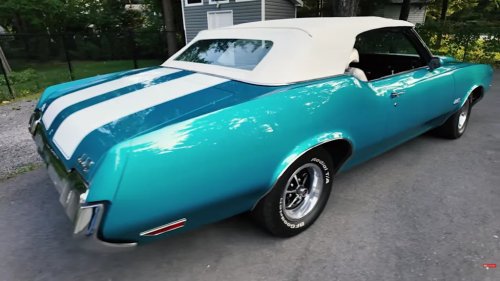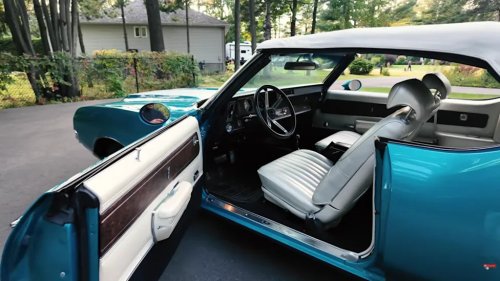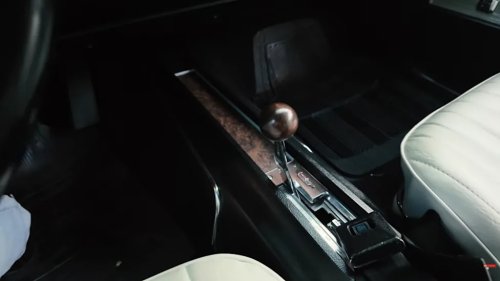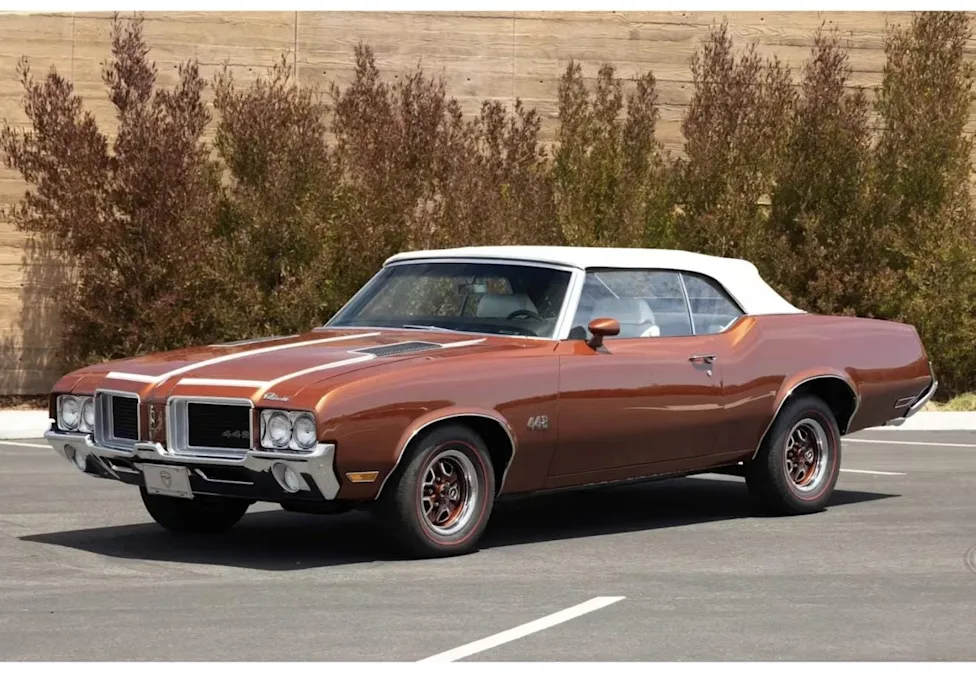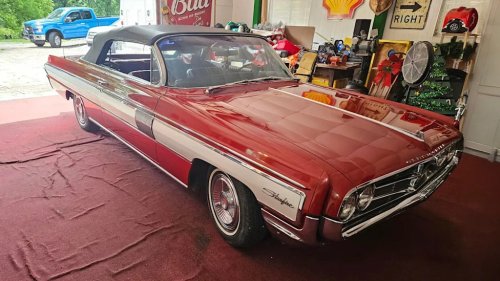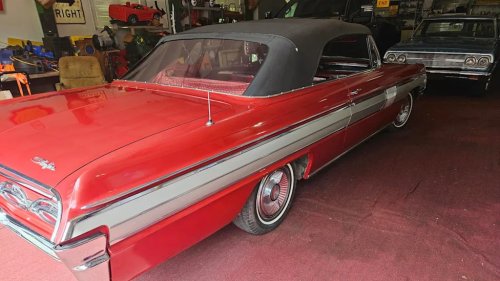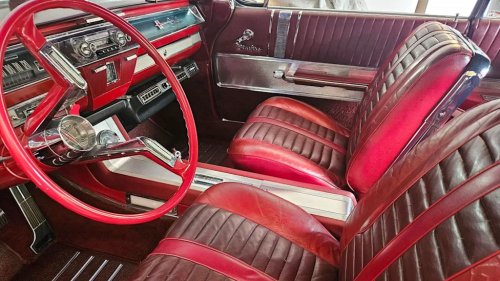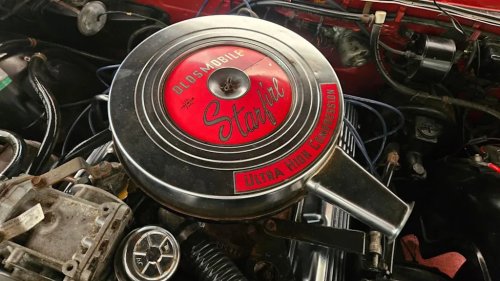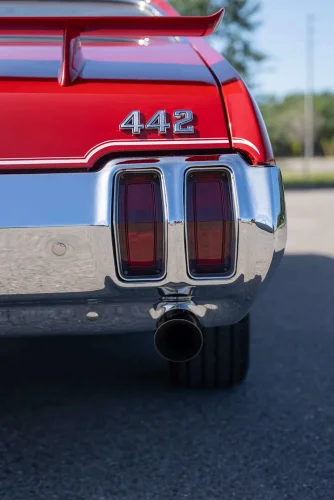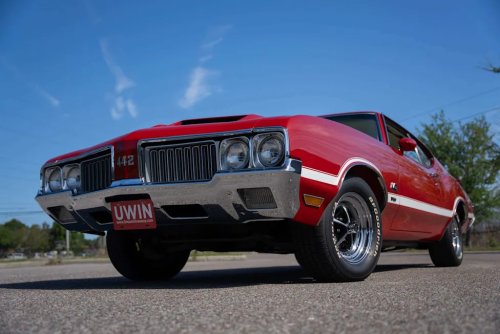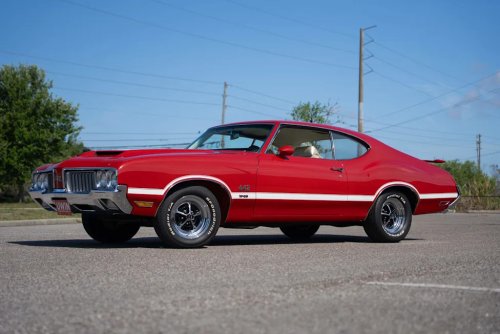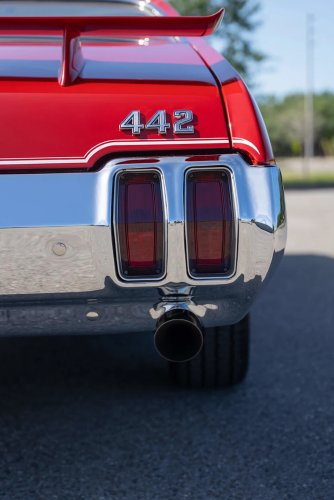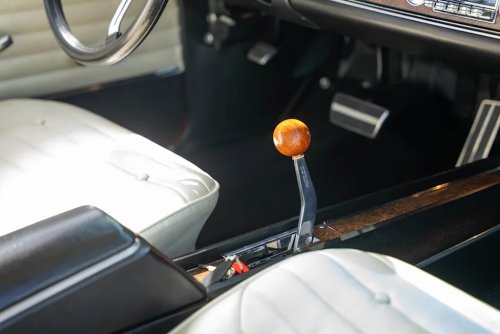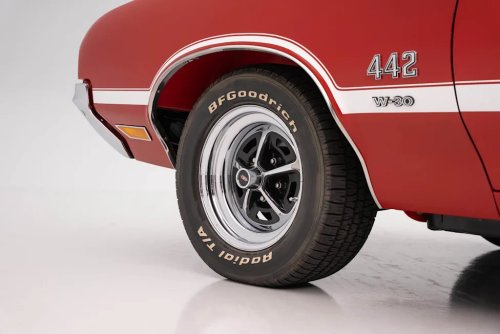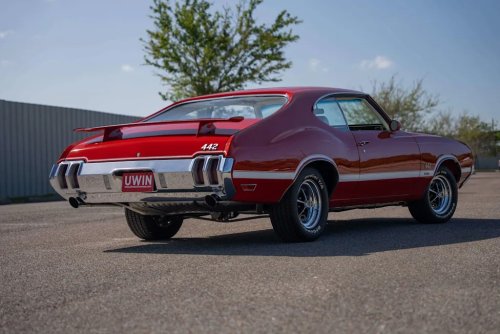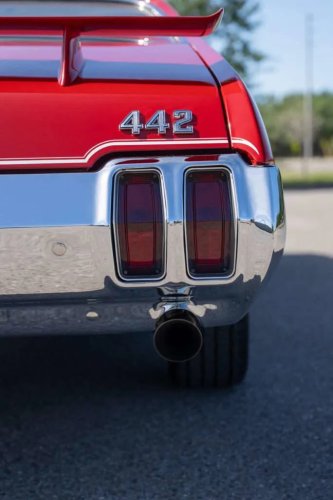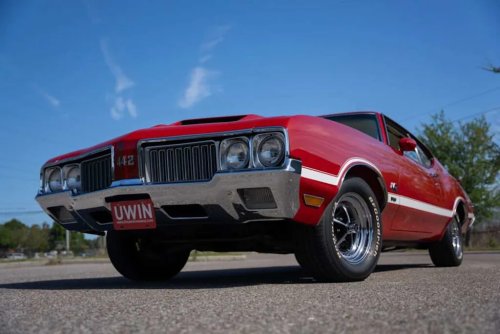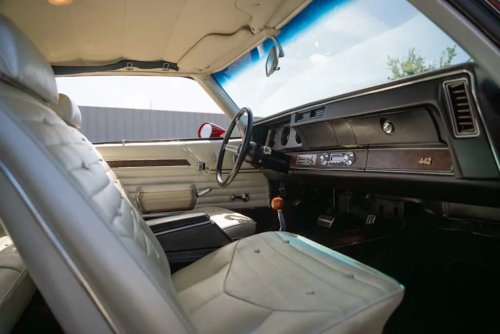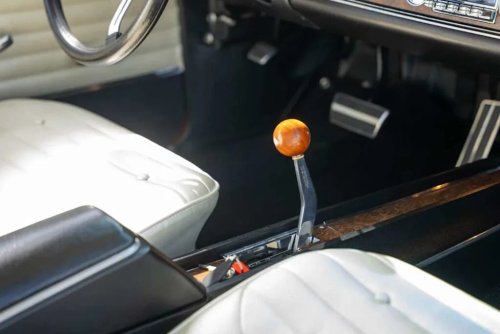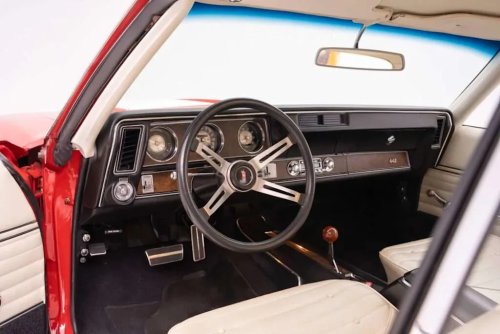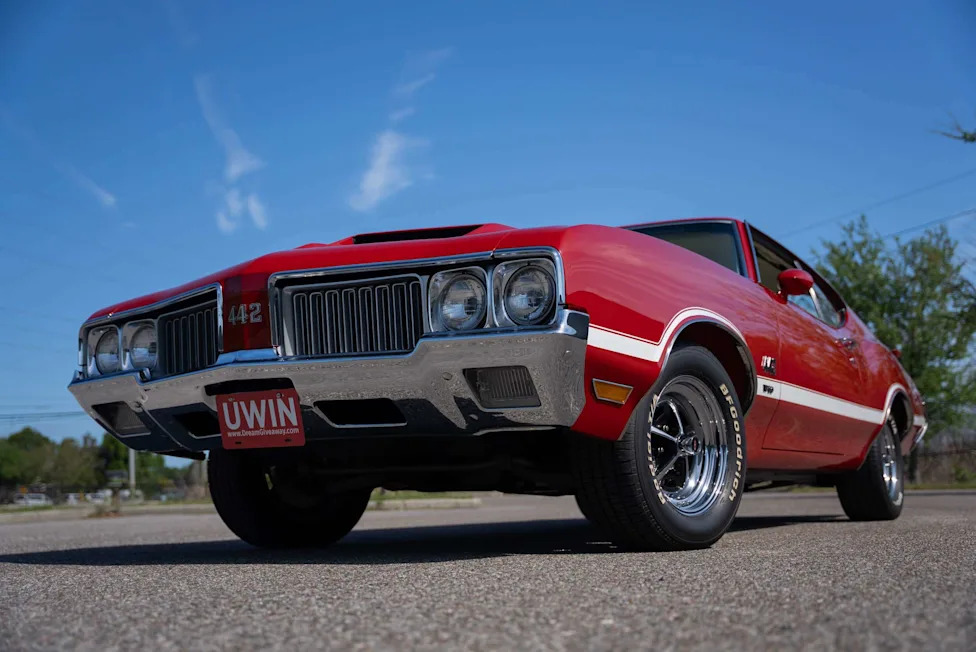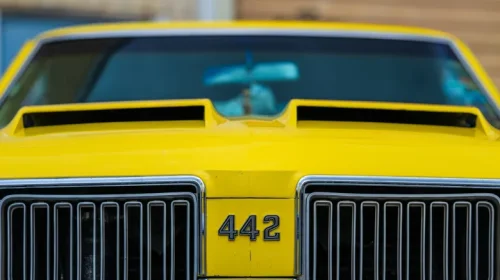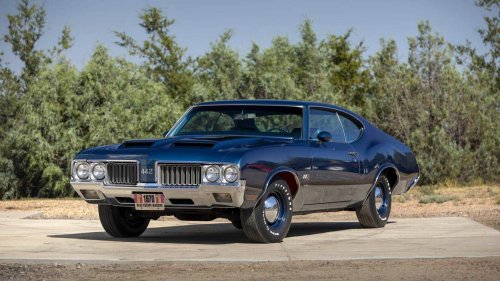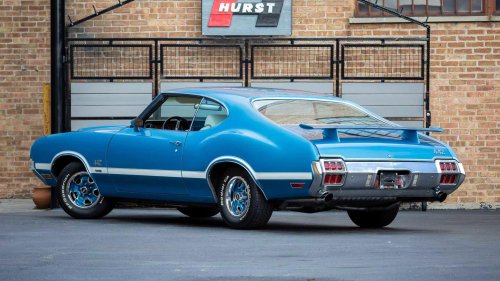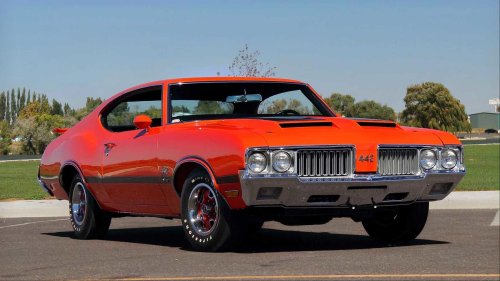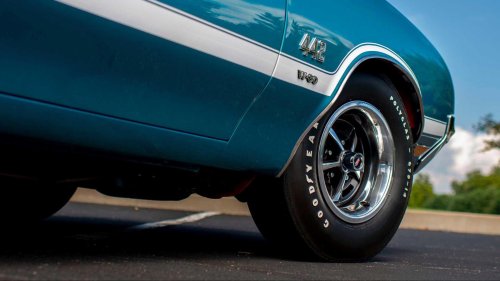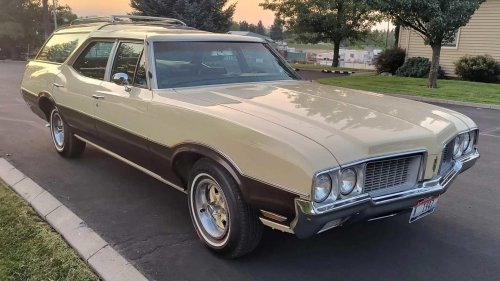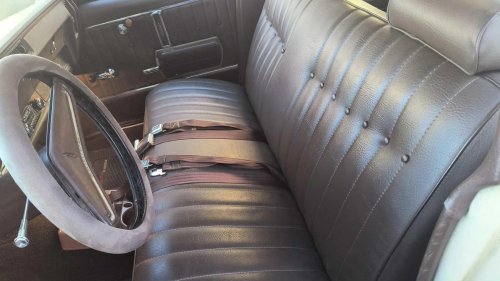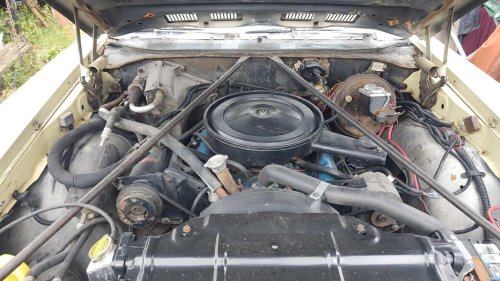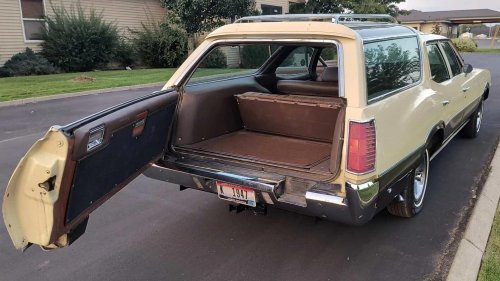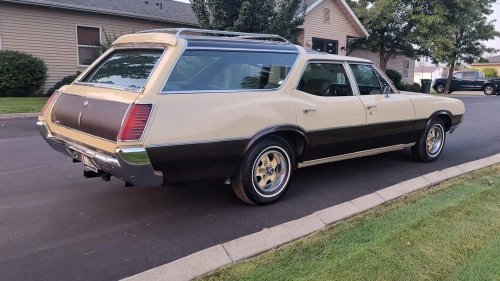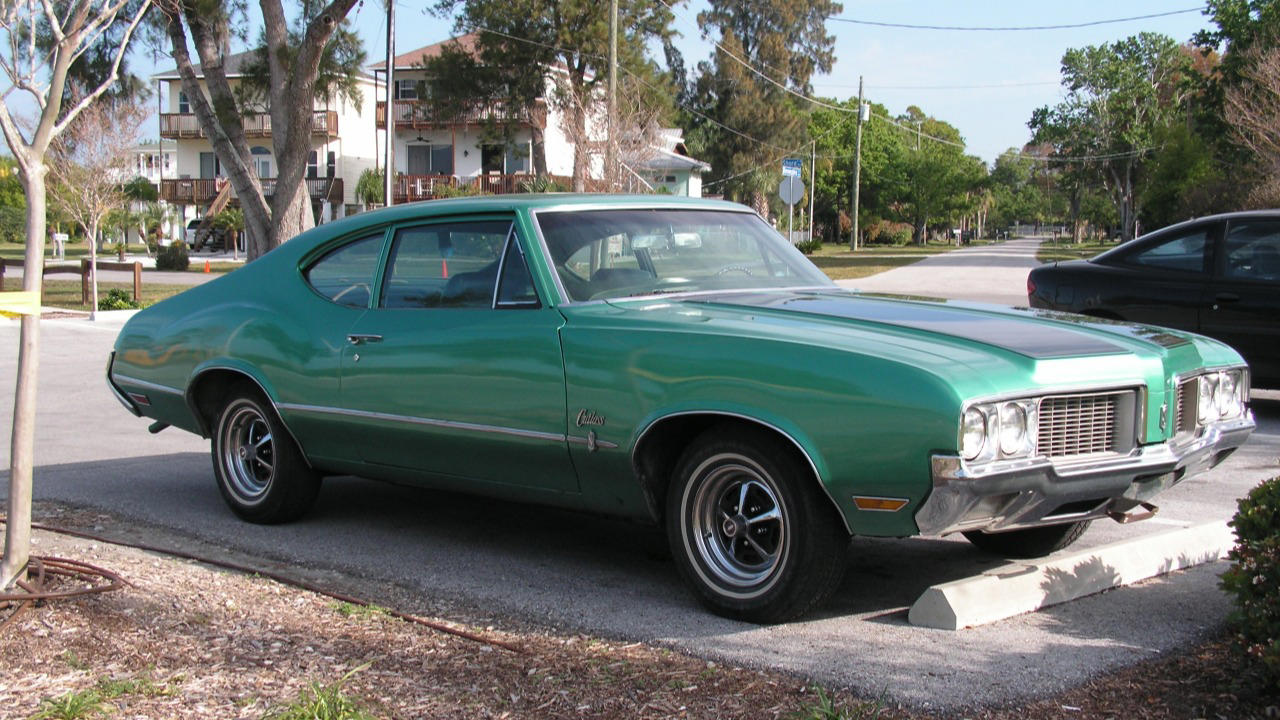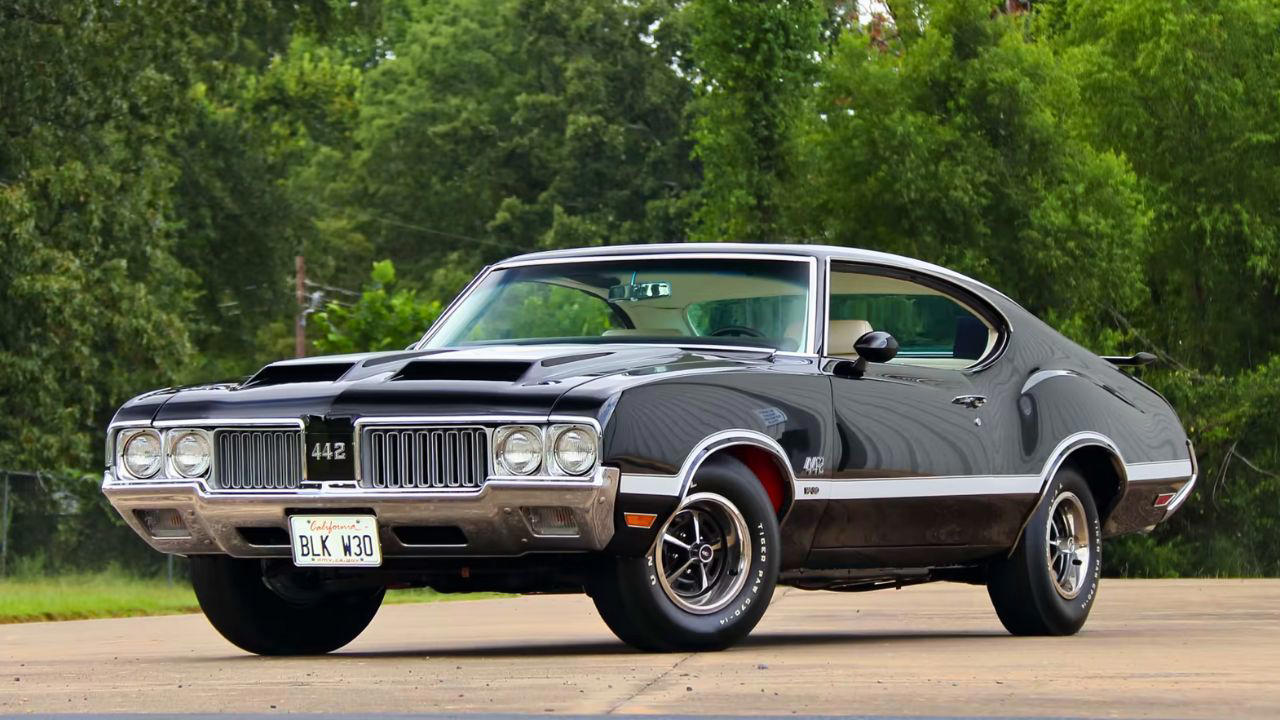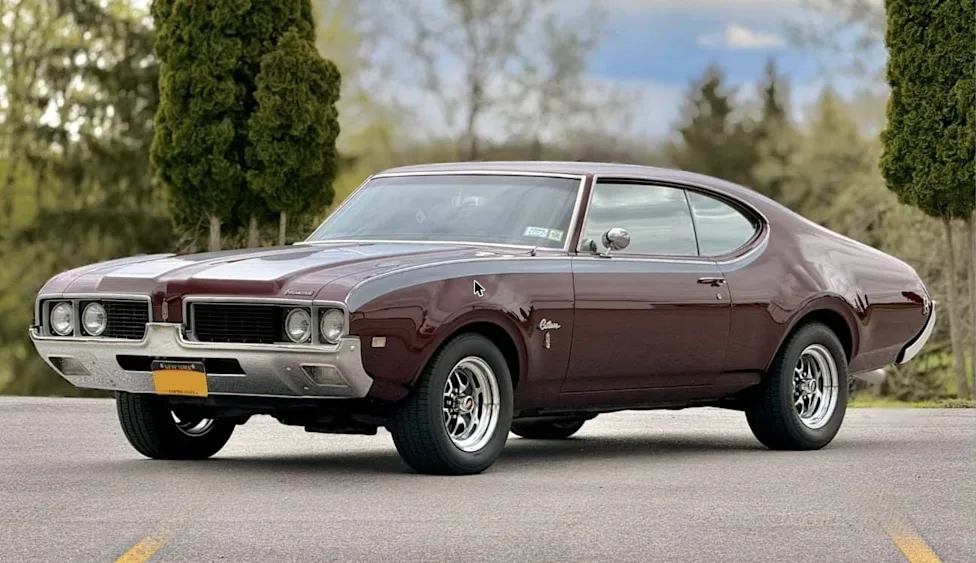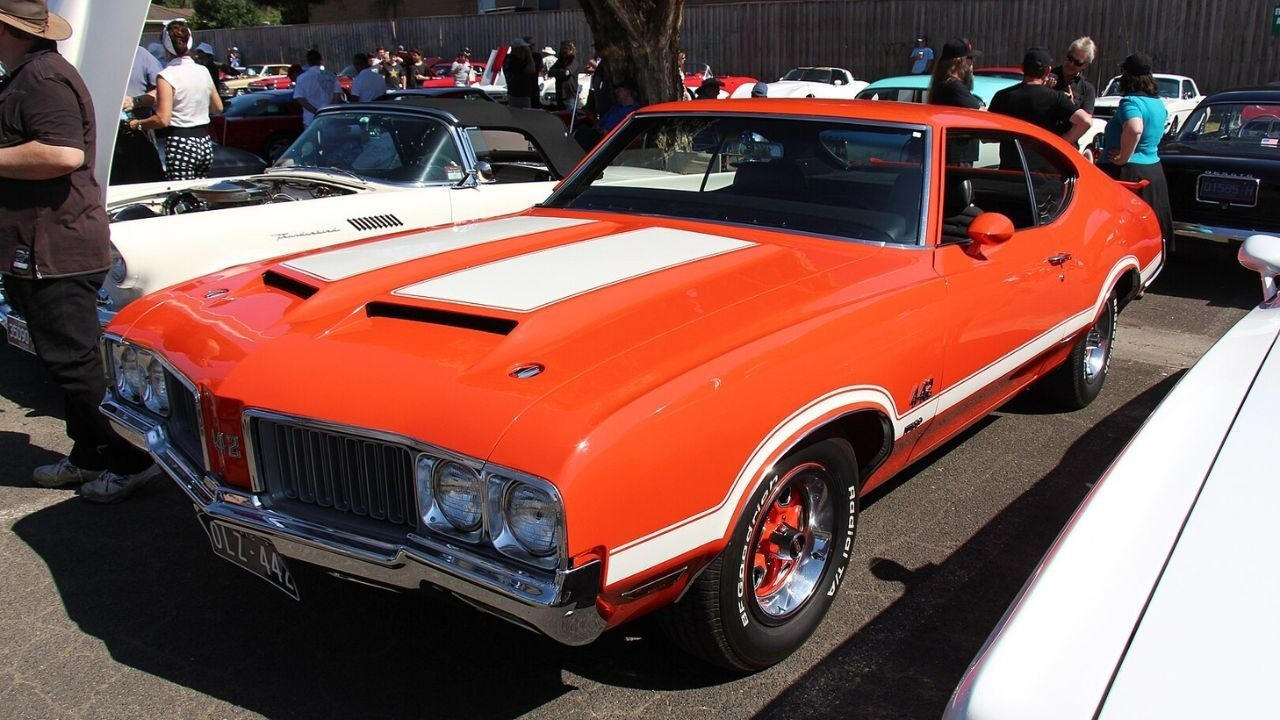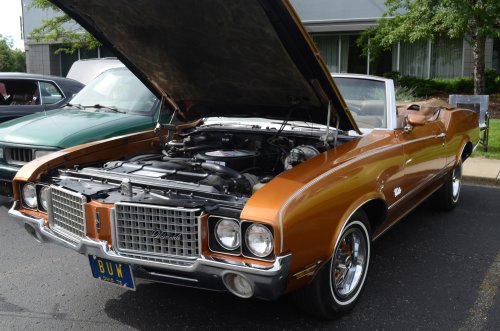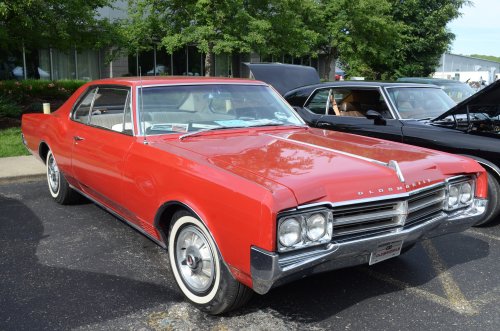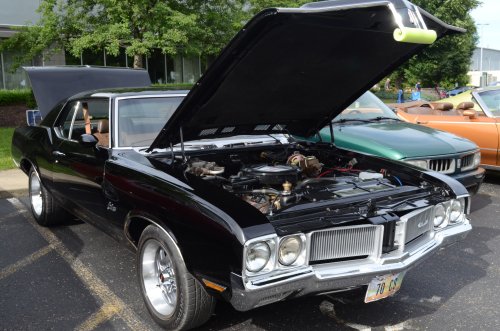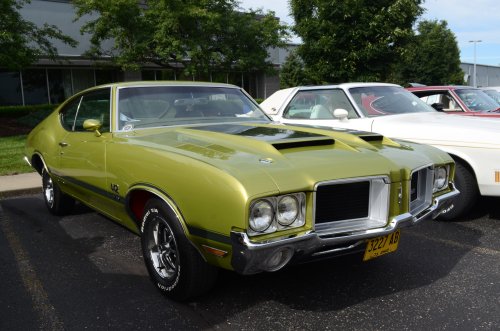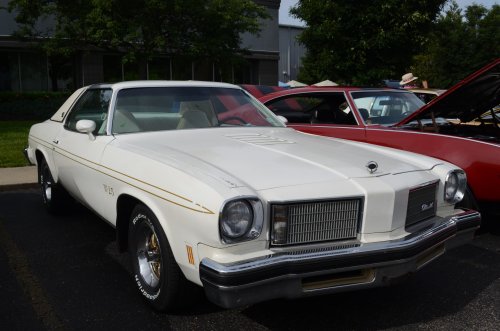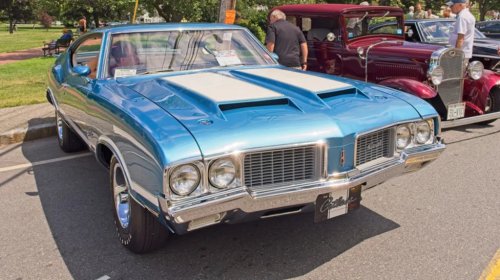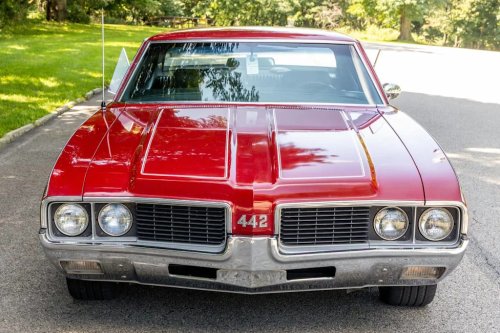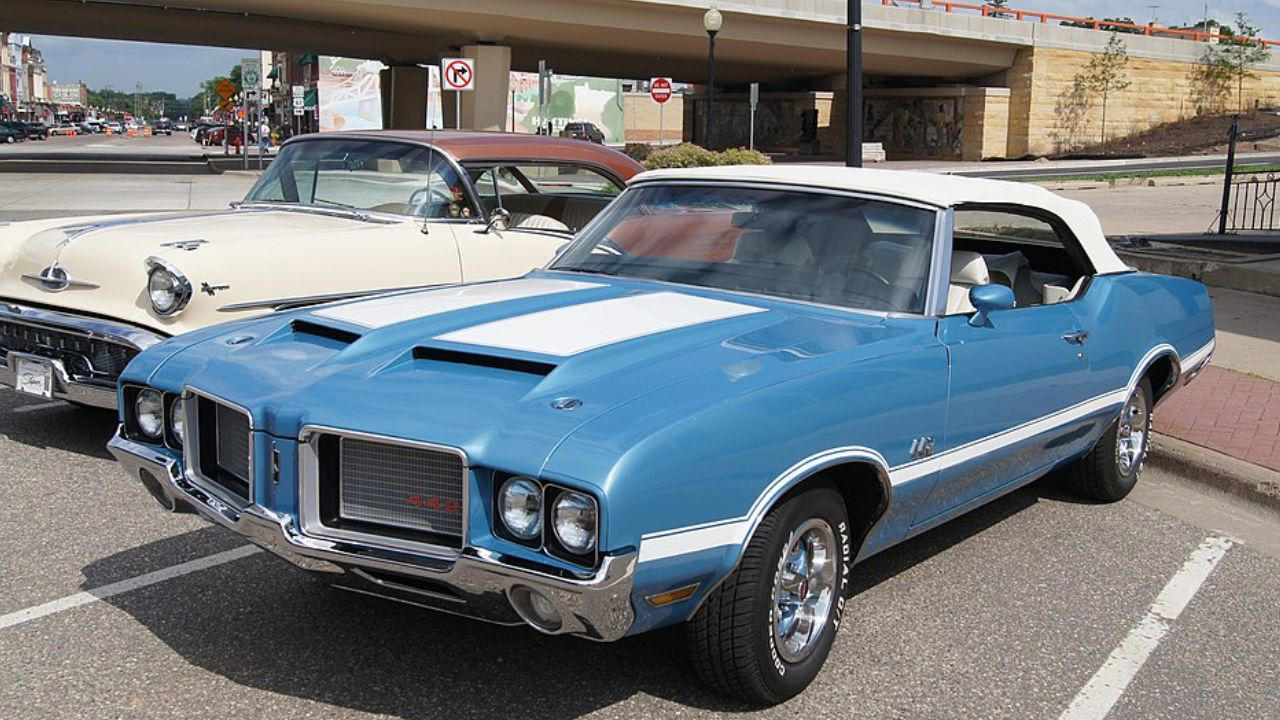


















By 1972 the Oldsmobile 442 W-30 marked the end of something biggerThe 1972 Oldsmobile 442 W-30 arrived just as the original muscle car formula was running out of road. It still carried big-cube power and aggressive styling, yet it had to live inside a new world of insurance surcharges, unleaded fuel, and looming emissions rules. By the time this version of the 442 W-30 left showrooms, it quietly marked the end of something larger than a single model year: the last moment when Detroit could sell a factory street fighter without apology. The final year as a standalone 442 By 1972 the Oldsmobile 442 had already traveled a long arc from option package to full-fledged model and back again. Enthusiasts trace the name to the original 4-4-2 option on the Cutlass and F-85, a package that eventually grew into its own badge before Oldsmobile folded it back into the Cutlass line at the start of the 1970s. Contemporary owners and historians point out that the 1972 Oldsmobile 442 was the last year this icon was offered as a separate series in the catalog, a turning point that collectors describe as the end of an era for Oldsmobile muscle. That sense of finality is baked into how fans talk about the car. In enthusiast circles the 1972 Oldsmobile 442 is often described with the shorthand figure 442 m, a nod both to the badge and to a specific way owners catalog production. One group of long-time Oldsmobile fans notes that the 1972 Oldsmobile 442 marked the end of an era for this model and that the 442 m designation has become part of how they document surviving cars, reinforcing how closely this single year is tied to the idea of a finale. W-30 as the last true factory hot rod If the 442 badge signaled heritage, the W-30 code still meant business. The W-30 package had been Oldsmobile’s way of turning a strong street car into something closer to a factory race piece. By 1972, that package arrived in a market that was already cooling, yet it remained a serious performance statement. Period data for earlier W-30 cars shows that standard output was 365 bhp, while the W-30 version was rated at 370 bhp and a massive 500 lb ft of torque, figures that underline how far Oldsmobile had pushed its big-block formula in the years leading up to 1972. Even as compression ratios and advertised horsepower numbers were sliding across Detroit, the W-30 option still brought hardware that separated it from ordinary 442 examples. Enthusiast documentation of 1972 Oldsmobile 442 V Code production lists features like Forced air induction, a Special camshaft and higher compression, and the distinctive Red inner fenders that had become a visual signature of W-30 models. Those details show that Oldsmobile did not simply apply a sticker package; the W-30 remained a carefully engineered upgrade aimed at buyers who still wanted a serious muscle car. Collectors today often treat the 1972 W-30 as the last of the true muscle warriors. One detailed account of the 1972 Oldsmobile 442 W-30 describes it as a high performance car that marked the end of an era, and emphasizes that Despite the changing regulatory climate it still delivered the kind of acceleration and presence that defined late 1960s muscle. That blend of old-school specification and new-world compromise is what gives the 1972 W-30 its particular weight in hindsight. Styling that looked back while the market looked forward Visually, the 1972 442 tried to maintain the swagger that had made the name famous. Owners describe Distinctive Styling cues that carried over from the peak years, including a prominent hood scoop, dual exhaust tips, and detailed striping and badging that left no doubt about the car’s intent. One enthusiast summary of the 1972 Oldsmobile 442 highlights how the 442 badge, still proudly displayed on the grille and rear panel, remained a central part of the car’s identity even as its environment shifted. The broader 1972 Oldsmobile mid-size range also received subtle updates that framed the 442’s look. A factory fact sheet notes that Distinctively, the primary changes to the 1972 Cutlass were the front grille and the tail lights, while the straight six engine was dropped from the lineup. That meant the 442 and W-30 variants sat within a cleaner, more focused Cutlass family, where even base cars now leaned more heavily on V8 power. Against that backdrop, the 442’s scoops, stripes, and wider wheels read as a final flourish of the late 1960s style language. Inside, the 442 still gave buyers a choice between practicality and flash. Enthusiast breakdowns of Interior Options for the 1972 442 describe configurations that ranged from basic bench seats to upgraded bucket seats with console shifters, along with optional gauges and trim packages that could push the cabin closer to a luxury coupe. That flexibility hinted at where Oldsmobile and its rivals were headed: toward personal luxury coupes that borrowed some muscle cues but prioritized comfort and image. Mechanicals under pressure from new rules Under the skin, the 1972 Oldsmobile 442 W-30 sat at the intersection of performance tradition and new constraints. While exact 1972 horsepower figures are often debated because of the industry’s shift from gross to net ratings, the hardware list tells a clear story. The W-30 cars continued to use a large displacement V8 with that Forced air induction setup, a Special camshaft, and higher compression than standard 442 engines, all designed to keep the car competitive even as emissions and fuel regulations tightened. Transmission and axle choices also reflected an effort to preserve performance while acknowledging a changing buyer base. A detailed buyer’s guide for the 1972 Oldsmobile 4-4-2 notes that a Hurst-shifted three-speed manual was standard with 350 cubic-inch engines, while 455-equipped cars required either the heavy-duty four-speed or an automatic. The guide emphasizes TRANSMISSION and AXLE options that allowed owners to choose between a more aggressive rear gear ratio for acceleration or a taller gear for highway cruising, a balance that echoed the growing tension between performance and practicality. Specialized dealers that handle surviving 1972 Oldsmobile 442 W30 examples underline how these cars were specified. One listing for a 1972 Oldsmobile Cutlass Supreme 442 W30 Convertible notes that, While tightening emissions regulations and rising insurance costs were reshaping the market, Oldsmobile still offered this combination of big-block power, open-air body style, and W-30 hardware. That combination would soon disappear, replaced by smaller engines and more comfort-oriented packages. Insurance, emissions, and the shrinking muscle market By the early 1970s, the pressures on cars like the 442 W-30 were coming from every direction. Insurers had started to treat high-compression, big-displacement models as high-risk, which translated into steep premiums for the young buyers who had once been the core muscle car audience. At the same time, federal emissions standards and the shift to unleaded fuel pushed manufacturers to lower compression ratios and rethink camshaft profiles, changes that inevitably cut peak output. Enthusiast histories of the 1972 Oldsmobile 442 describe how rising insurance costs and new regulations reshaped Oldsmobile’s strategy. One account of the 442 m era explains that the 1972 model year marked the end of the golden muscle era for Oldsmobile, and that the 442 m designation has become shorthand among collectors for that final moment before the brand fully pivoted toward luxury and efficiency. The same source ties the car’s decline to a broader market trend where performance nameplates either disappeared or were repurposed as appearance packages. Broader muscle car retrospectives echo that view. Analyses of early 1970s convertibles, including 1972 Oldsmobile 442 W-30 examples, describe the year as the tail end of the golden era for muscle cars, when Some previously virile models would start to display issues related to emissions equipment and detuned engines. The 442 W-30 sits squarely in that narrative: still fast and loud, but already carrying the compromises that would define the mid-1970s malaise period. From street fighter to collectible artifact The shift from new-car showroom draw to cherished collectible did not happen overnight. For years, 1972 442s and W-30s were simply used cars, often driven hard and modified. Over time, however, their status as the last of the traditional big-block Oldsmobile muscle machines gave them a distinct place in the collector hierarchy. One detailed look at a one-owner 1972 Olds Cutlass S 442 W30 notes that the 4-4-2 option had originally been offered on the Cutlass and F-85, and that by the end of the 1970s Oldsmobile muscle would continue only until the end of 1976. That timeline frames the 1972 W-30 as a midpoint between the wildest late 1960s cars and the softer, more cosmetic performance packages that followed. Surviving cars with original drivetrains and documentation now command a premium because they capture that transitional moment. Rarity also plays a role. Discussions among owners of 1972 Oldsmobile 442 V Code cars highlight how limited production was for certain engine and transmission combinations. The focus on V Code engines, along with the Forced air induction and Red inner fenders that identify W-30 cars, has turned these details into key markers for authenticity. Collectors seeking a true W-30 now scrutinize cowl tags, engine codes, and even the shade of the inner fenders to confirm that a car is not simply a cosmetic clone. Clones, YouTube culture, and modern enthusiasm The scarcity of original W-30 cars has helped fuel a parallel culture of clones and tributes. In-depth video walkarounds of 1972 Oldsmobile W30 Clone builds show how owners recreate the look and feel of the package using standard Cutlass or 442 shells. One such video, shared in late Nov, features a host who spends time Tracing the 442’s Journey With a 1972 Oldsmobile W30 Clone, inviting viewers to weigh in on authenticity details and driving impressions. That kind of content has turned the W-30 into a touchstone for a new generation that may never have seen one in period. The same video culture has driven enthusiasts to official technical resources. A citation trail from that clone discussion leads directly to an official developer resource at YouTube, where Discovered references to 442 and a project labeled Tracing the Journey With Oldsmobile Clone material show how creators lean on platform tools to document builds. The connection between a 1972 option code and a modern digital platform highlights how deeply the 442 W-30 has embedded itself in car culture lore. Online communities also keep the story alive. Dedicated Oldsmobile groups share production data, restoration tips, and period photos of 1972 cars. One such group focuses specifically on the 1972 Oldsmobile 442 and treats it as a case study in how a nameplate can both thrive and fade. Another group, centered on the broader legacy of Oldsmobile performance, uses the 1972 442 as a reference point when discussing later models and the eventual end of Oldsmobile itself. More from Fast Lane Only Unboxing the WWII Jeep in a Crate 15 rare Chevys collectors are quietly buying 10 underrated V8s still worth hunting down Police notice this before you even roll window down