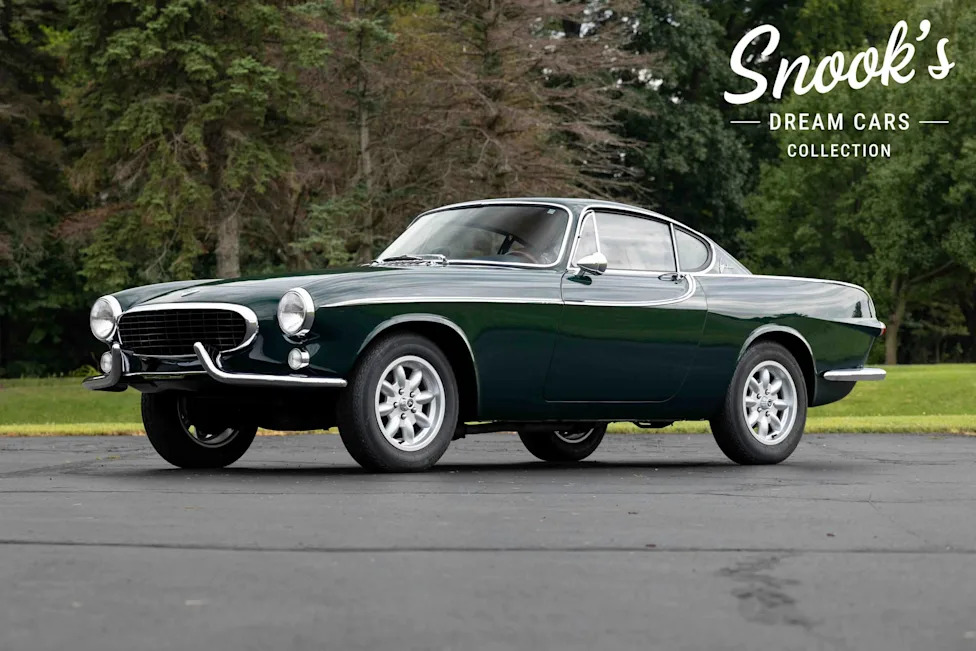
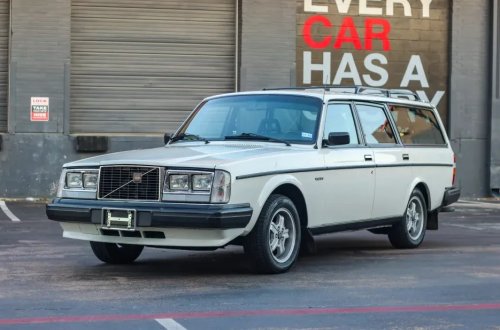
Not flashy but effective the 1967 Volvo Amazon proved lasting durabilityThe 1967 Volvo Amazon did not win drag races or poster space on teenage bedroom walls, yet it quietly built a reputation that has outlasted many flashier contemporaries. With sturdy engineering, calm Scandinavian styling and an obsession with safety, it became the kind of car that families kept for decades and that enthusiasts still drive hard today. Its durability was not an accident of overengineering but a deliberate choice that turned an unassuming sedan into a long‑lived icon. At a distance, the Amazon looks modest, even plain. Up close, especially in 1967 122S trim, it reveals a careful blend of strength, practicality and subtle style that helps explain why so many survive, from the streets of Sweden to club meets across North America. The story of this car is less about spectacle and more about how thoughtful design can quietly outlast fashion. The Swedish Icon of Strength and Style By the late 1960s Volvo had already built a reputation for sturdy family cars, and the Amazon, sold in 122S form in 1967, captured that identity in metal. One enthusiast page describes the 1967 Volvo Amazon 122S as “The Swedish Icon of Strength and Style,” highlighting how its timeless Scandinavian design balances clean lines with a solid, almost architectural stance, a look that still resonates with fans of Scandinavian aesthetics. The car’s slightly rounded fenders, upright greenhouse and restrained chrome details avoid the excess of American fins or Italian flourishes, yet it never appears anonymous. Inside, that understated exterior framed a cabin designed for real daily use. Large glass areas delivered excellent visibility in bad weather, a priority for a company building cars for Nordic climates. The seats were broad and supportive rather than sporty, and the dashboard was simple enough that drivers could operate the controls with gloved hands. This focus on clarity and comfort gave the Amazon a sense of calm competence that matched its visual restraint and helped it age gracefully. From 1956 Workhorse to Near 70‑Year Icon The Amazon did not arrive overnight as a cult classic. Volvo introduced the model in the late summer of 1956 as a practical family car that would sit above the smaller PV series. Company retrospectives describe the Volvo Amazon as a spacious successor that quickly became central to the brand’s identity. Production ran from 1956 to 1970, a long life in an era when model cycles were often shorter, and over that span the car was offered as a two‑door sedan, four‑door sedan and five‑door wagon, giving buyers multiple body styles on the same durable platform. Later histories note that the Amazon was manufactured from 1956 to 1970 in those three configurations, which meant families, tradespeople and long‑distance commuters all had a version that suited their needs. Nearly 70 years after that first launch, one recent anniversary piece describes the Volvo Amazon: A, underlining how a car designed for sensible transport has become a touchstone for the brand’s heritage. Engineering for Harsh Climates and Long Lives Durability was baked into the Amazon’s engineering. Owners still point out that Volvos have always been built for cold climates, and a widely shared account from Sweden notes that there are over 25,000 Amazons still registered in the country. That same discussion highlights how the 120 series body and chassis, often referred to as the 120 series, were designed to shrug off winter use that would quickly wear out less protected cars. Under the hood, the Amazon used Volvo’s B18 engine, a four‑cylinder unit that became famous for its longevity. Enthusiast descriptions of the 1967 Volvo 122S talk about a spirited B18 that might not be fast by modern standards but feels eager and uncomplaining, especially when paired with the car’s relatively low weight. A later twin‑carburetor 1.8‑litre version is described as giving the Amazon performance that felt like a 1.8-litre Ferrari for the price of Volvo, capturing how its modest displacement could still deliver satisfying pace. Transmission options also showed careful attention to real‑world use. Historical overviews explain that for the Volvo 122S twin carburetor sports models, the M40 and M41 four speed gearboxes were offered, with the M40 described as a four speed all synchromesh unit that made shifting smoother and more forgiving in everyday driving. Enthusiast histories of the Volvo Amazon often highlight these gearboxes as part of the car’s appeal, since they combine durability with a relaxed highway gait, especially in overdrive form. Safety First, Long Before It Was Fashionable Volvo’s reputation for safety did not start with modern crash test videos, and the Amazon played a central role in that story. Company archives record that in 1959 the Amazon became the world’s first car model to feature factory‑installed three‑point seatbelts, a feature that is now universal but was radical at the time. The Volvo Amazon: A section on safety emphasizes that this belt design was engineered to protect both upper and lower body in a collision, a significant advance over lap belts. Later retrospectives on the brand’s classic models describe these Amazons as safety leaders that were also famously long‑lived. One profile of older Volvos notes that about the only thing that will kill off a Volvo is rust, quoting Mark Bredesen of Herndon import‑repair shop Autosca, who sees these cars regularly. That assessment of About the only thing that ends their life highlights how the underlying mechanicals often outlast the bodywork, especially in salted climates. Global Reach from Sweden to Halifax Although the Amazon is closely associated with Swedish roads and snowbanks, it had a surprisingly international footprint. Historical summaries point out that the Amazon was the first Volvo to be built outside of Sweden at the company’s plant in Halifax, Canada, a move that expanded the brand’s presence in North America and reduced shipping distances for local buyers. That fact is often cited in discussions of how Volvo transitioned from a regional player into a global manufacturer. Specialist parts suppliers add that some USA examples of the Amazon have been seen as early as 1956, even though the model’s official North American debut came later at a major international auto show. One long‑running catalog describes how the USA market received both sedans and wagons, which helped cement the car’s reputation as a practical import alternative to domestic iron. The fact that a Swedish family car could feel at home on Canadian and American highways speaks to its flexible design. Not Fast, But Always Capable Performance figures were never the Amazon’s headline, yet owners and testers often describe it as more than adequate in real traffic. A period‑style evaluation of a 1967 Volvo Amazon notes that, while not fast cars, these sedans are surprisingly composed at speed and feel stable in crosswinds, a trait that matters more on long journeys than raw acceleration. One enthusiast review of a Total Image Car points out that the Amazon’s balanced chassis and direct steering allow it to be hustled along a back road with confidence, even if it will never outrun contemporary sports cars. This balance between modest power and secure handling made the Amazon a favorite for rallying in some markets, where reliability and predictability often mattered more than outright speed. The twin‑carburetor versions, especially in 122S trim, delivered enough punch to keep up with traffic while still returning respectable fuel economy. For many owners, the key appeal was that the car felt unflappable: it started on cold mornings, tracked straight on rough roads and rarely surprised the driver with sudden breakaway. Everyday Workhorse, From Suburban Wagons to College Cars The Amazon’s wagon variant shows how that solid engineering translated into daily practicality. An online listing for a 1967 wagon refers to it as a rugged suburban workhorse, praising its “Solid Underneath” structure and reminding readers that these old Volvos are informally known as “Amazons,” a name taken from the Greek mythological race of warlike women. That description of Amazons as tough and capable fits the way many owners used the cars, loading them with tools, groceries and camping gear without fear. The same durability that appealed to families also made the Amazon a favorite hand‑me‑down for students. Commentators on classic Volvos recall seeing these cars serve as college vehicles and even sleeping quarters at music festivals, relying on the fact that they would start after long neglect. That ability to survive hard use and minimal maintenance is a recurring theme in owner stories, and it helps explain why so many Amazons remain on the road decades after their final production year. Timeless Design, Boxy Charm Visually, the Amazon occupies an interesting space between rounded 1950s forms and the sharper 1970s boxes that came later. Enthusiast groups describe the 1967 Volvo Amazon as a classic Swedish car that combines sturdy design with reliable performance, known for its boxy yet stylish profile and simple, honest detailing. One fan page sums it up by saying the Volvo Amazon is one of those cars that feels timeless, neither aggressively retro nor tied to a single fashion moment. Another enthusiast post on classic cars calls the 1967 Volvo 122S an example of Scandinavian Strength & Simplicity Timeless design, praising its clean surfaces and lack of unnecessary trim. The same source highlights how the Vol 122S, also known as the Amazon, relies on proportion and stance rather than decoration, which is part of why it still looks coherent alongside modern traffic. That design philosophy, often summarized as Scandinavian Strength and Simplicity Timeless, has aged far better than more ornate contemporaries. Special Editions and Enthusiast Culture Within the broader Amazon family, certain variants have taken on near‑mythic status among enthusiasts. The Volvo 123 GT, for instance, was a special top‑of‑the‑line version of the already established Volvo 120 series, colloquially called the Amazon in many markets. Detailed histories of the 123 G explain how it combined performance upgrades with additional equipment, creating a factory hot version that still retained the underlying car’s durability. Enthusiast sites that chronicle the Amazon’s story often highlight how this model has become a favorite subject for photographers, restorers and club events. One longform feature on the Quick History Of describes how the car’s mix of reliability and character makes it especially attractive to younger classic‑car fans who want something they can actually drive. Social media is full of images of Amazons on road trips, rally stages and city streets, proof that the car’s appeal extends well beyond nostalgia. From Showroom Staple to Online Search Term Decades after the last Amazon left the factory, its name lives on in an unexpected place. The rise of a global e‑commerce platform has made “Amazon” synonymous with online shopping, and enthusiasts occasionally joke about how difficult it can be to search for parts or cars without being flooded by unrelated results. Yet the original automotive Amazon still has a presence there, with classic‑car books, scale models and even vintage brochures available through Amazon listings for collectors. More from Fast Lane Only Unboxing the WWII Jeep in a Crate 15 rare Chevys collectors are quietly buying 10 underrated V8s still worth hunting down Police notice this before you even roll window down