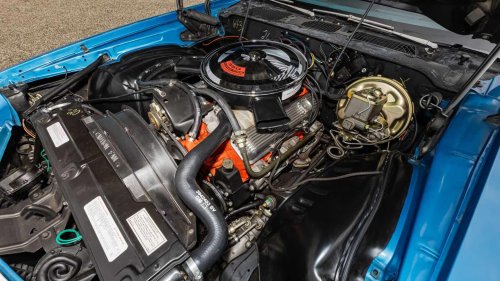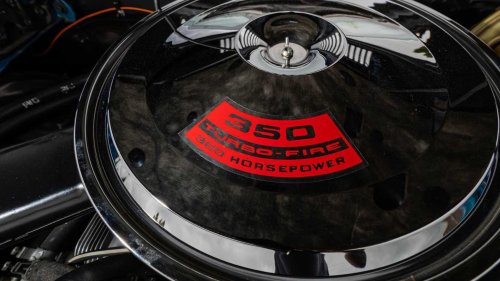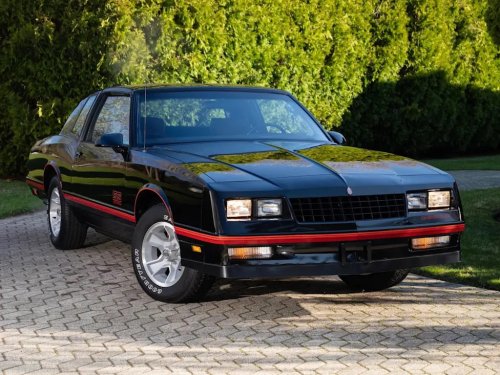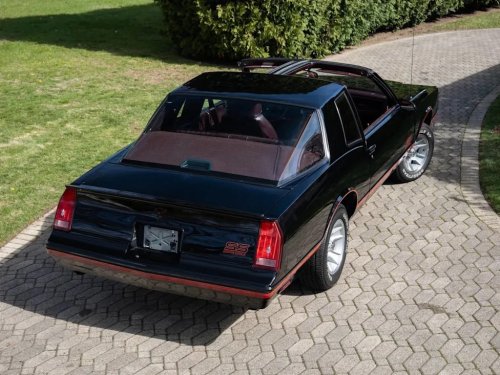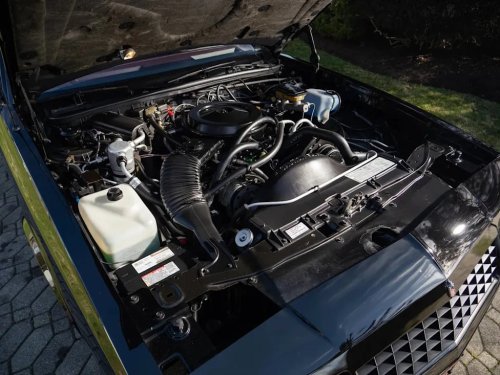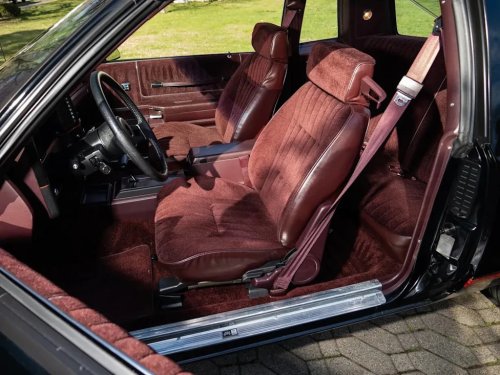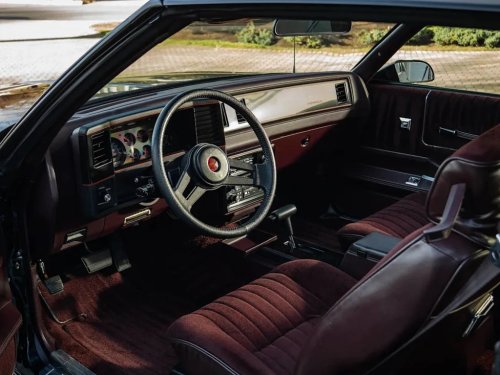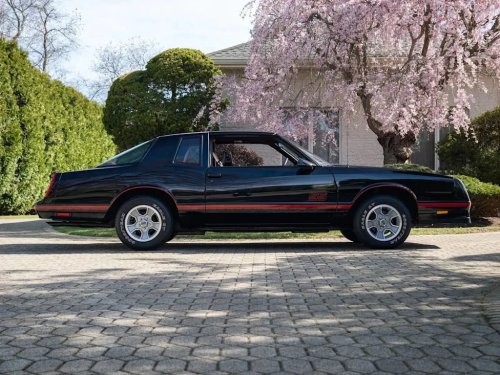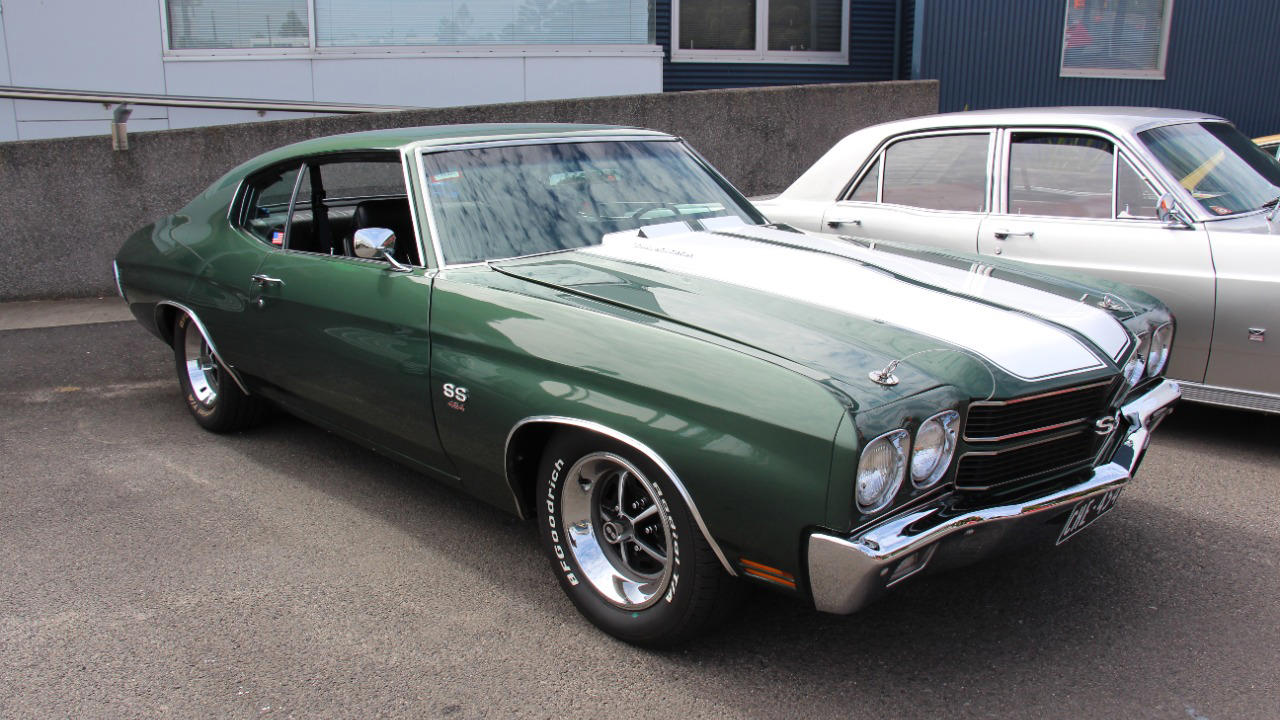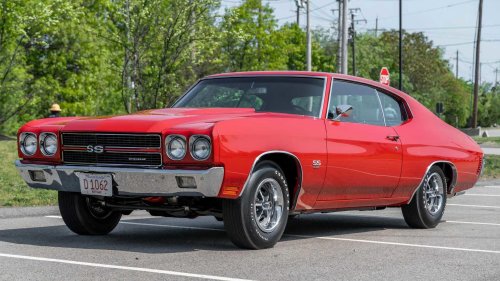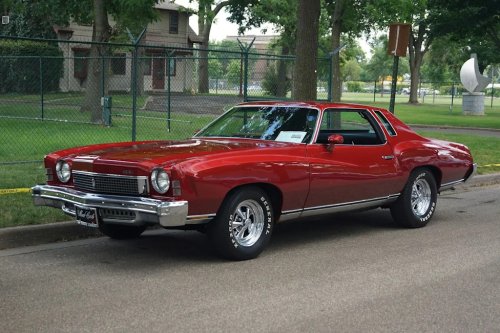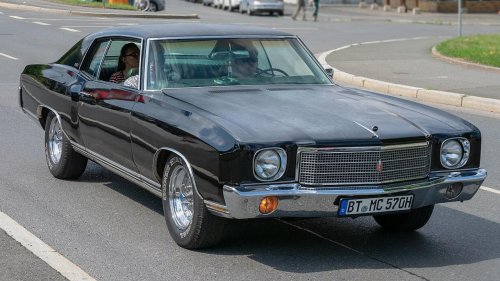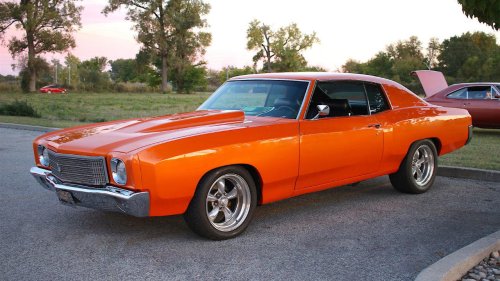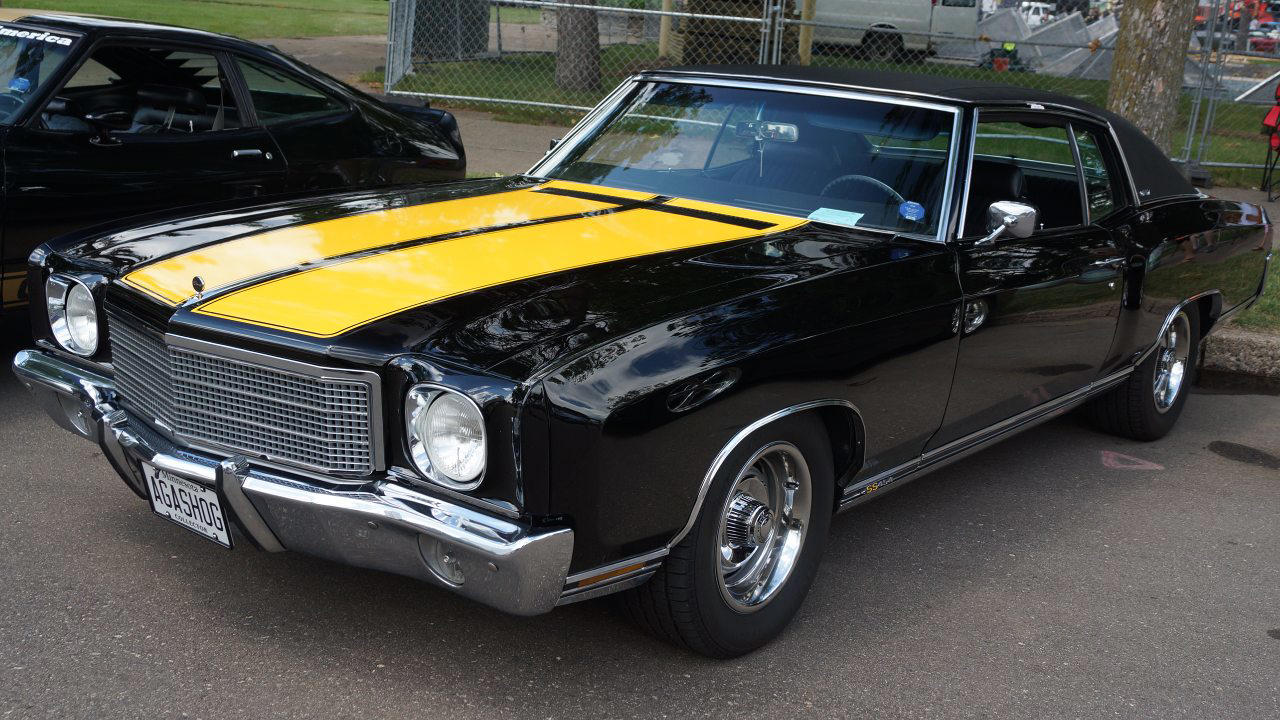



















When the 1970 Monte Carlo proved muscle could dress wellThe 1970 Chevrolet Monte Carlo arrived at a moment when American performance cars were loud, brash, and often rough around the edges, then calmly suggested that muscle could wear a tailored suit. With its long hood, formal roofline, and restrained brightwork, it promised the comfort and image of a personal luxury coupe while quietly packing serious V8 firepower. In its first model year, the Monte Carlo proved that style and speed did not have to live in separate showrooms, and that a muscle car could be as much about presence as quarter-mile times. That balance of elegance and aggression did more than create a new nameplate. It helped define a new niche, one where a driver could enjoy thick carpeting, wood-grain trim, and a powerful big block in the same package. The 1970 Monte Carlo showed that performance buyers were ready for a more mature expression of muscle, and that Chevrolet could deliver it without sacrificing the drama enthusiasts expected. A luxury coupe with Chevelle bones From the start, the Monte Carlo was engineered as a bridge between Chevrolet’s mid-size muscle and the emerging personal luxury class. The car shared its basic A-body architecture with the Chevelle, but it rode on a stretched wheelbase that matched the four-door version, which gave designers room for that signature long hood and more formal proportions. Contemporary reporting describes it as “a Chevelle for those wanting” a more upscale image, a car that borrowed proven underpinnings yet wore entirely different sheetmetal and attitude. That strategy allowed Chevrolet to control costs while presenting the Monte Carlo as a distinct, almost bespoke offering. The coupe body was the only configuration for 1970, reinforcing its role as a focused, image-driven model rather than a family workhorse. Underneath, the familiar A-body layout meant the Monte Carlo could accept the same range of V8 engines and transmissions as its muscle siblings, which ensured that the elegant exterior did not come at the expense of performance capability. Chevrolet’s first personal luxury muscle experiment Chevrolet positioned the 1970 Monte Carlo as its first true personal luxury car, a response to rivals that had already discovered the appeal of combining comfort and status with V8 power. The brand aimed the new coupe directly at established players like the Ford Thunderbird, framing it as a more athletic alternative that still delivered the plush ride and upscale interior buyers expected in this segment. Period descriptions emphasize that the Chevrolet Monte Carlo was the division’s initial step into this market, a calculated move to capture drivers who wanted more refinement than a Chevelle SS but were not ready to abandon performance. That intent was clear in the standard equipment and marketing language. The Monte Carlo arrived with features and trim that went beyond typical mid-size coupes, including richer interior materials and a more formal roofline that visually separated it from Chevrolet’s mainstream models. At the same time, the car’s mechanical options and chassis tuning made it clear that this was not a soft boulevard cruiser alone. The Monte Carlo was designed to cruise in comfort, yet it carried the mechanical DNA of Chevrolet’s muscle lineup, creating a new kind of “luxury muscle” that blended both worlds. Design: long hood, crisp lines, and quiet confidence Visually, the 1970 Monte Carlo signaled its ambitions before the engine ever turned over. The car’s defining feature was its extended hood, which stretched out ahead of a formal roofline and short rear deck to create a classic long-hood, short-deck profile. Crisp character lines along the flanks and carefully placed chrome accents gave the coupe a tailored look, more akin to a European grand tourer than a typical American muscle car. Contemporary descriptions highlight how its long hood and clean surfaces projected understated confidence rather than overt aggression. The front end carried a narrow grille framed by quad headlamps, with bright trim that emphasized width without resorting to excessive ornamentation. Inside, the Monte Carlo continued the theme with wood-grain accents, deep carpeting, and supportive seating that underscored its personal luxury mission. Even details like the pillar treatment and rear window shape contributed to a more formal, almost “gentleman’s club” atmosphere. The result was a car that looked at home in front of a country club yet still hinted, through its stance and proportions, that it could move with authority when asked. Engines that backed up the attitude Beneath the refined styling, the Monte Carlo’s engine lineup confirmed that Chevrolet had not forgotten its performance roots. Standard equipment on many early cars included a 250-hp, 2-barrel 350-cid V-8, paired with a three-speed synchromesh column-shift transmission, a combination that delivered smooth, usable power for everyday driving. Buyers could step up to more potent small-blocks and, crucially, to big-block options that transformed the elegant coupe into a serious straight-line performer. The centerpiece of that performance story was the SS 454 package, which installed a 454 cubic inch big block under the Monte Carlo’s long hood. Reports describe this configuration as where luxury met true muscle, with the massive V8 capable of overwhelming the rear tires if provoked. The SS 454 was built on the same basic A-body platform as Chevrolet’s more overt muscle cars, but it wrapped that capability in a quieter, more sophisticated shell. In this form, the Monte Carlo embodied the idea that a car could be “built for muscle, dressed for dinner,” hiding formidable power behind a reserved exterior. Sales success and a new kind of status symbol The market quickly validated Chevrolet’s gamble on this new blend of luxury and performance. In its early tests, the Monte Carlo was compared directly with rivals like the Ford Thunderbird, and it emerged as a strong contender that offered a compelling mix of price, performance, and refinement. Sales figures reflected that appeal, with first-year production reaching into the hundreds of thousands and establishing the Monte Carlo as a significant player in the personal luxury field rather than a niche experiment. That success reshaped what a status car could look like for American buyers. Instead of choosing between a stripped, noisy muscle coupe and a soft, detached luxury car, drivers could have a Monte Carlo that did both jobs with minimal compromise. The model’s strong first-year performance encouraged Chevrolet to continue refining the formula in subsequent generations, and it helped cement the idea that a personal luxury coupe could legitimately carry muscle credentials. The 1970 Monte Carlo thus became not only a commercial success but also a template for a new kind of aspirational car. More from Fast Lane Only Unboxing the WWII Jeep in a Crate 15 rare Chevys collectors are quietly buying 10 underrated V8s still worth hunting down Police notice this before you even roll window down