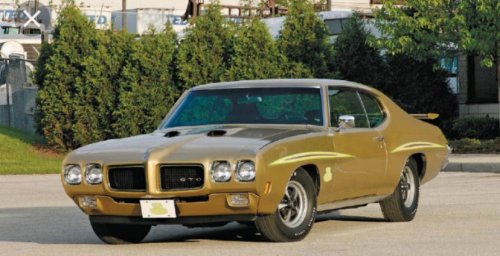
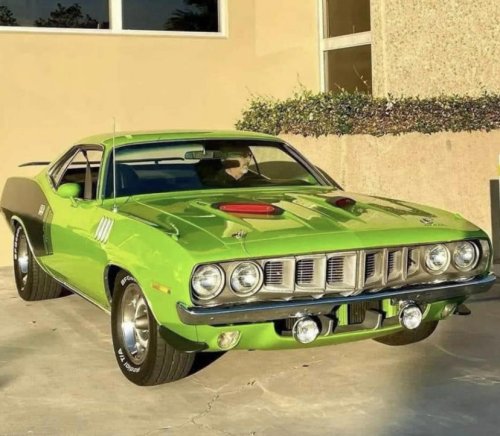
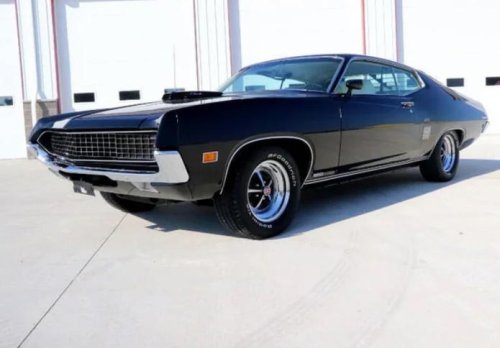
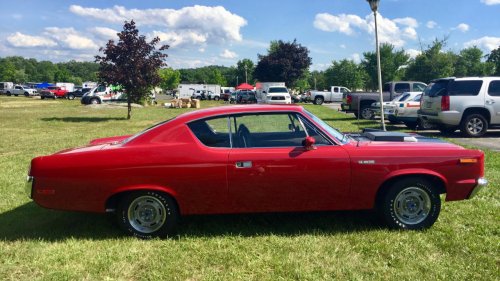
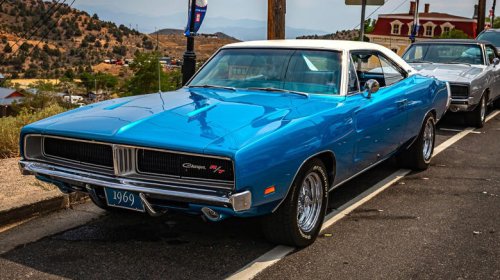
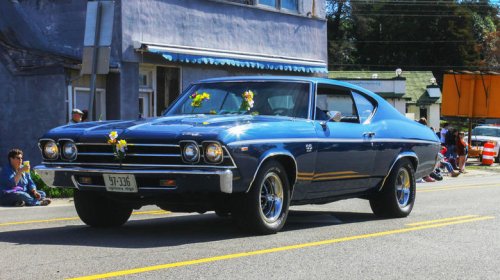
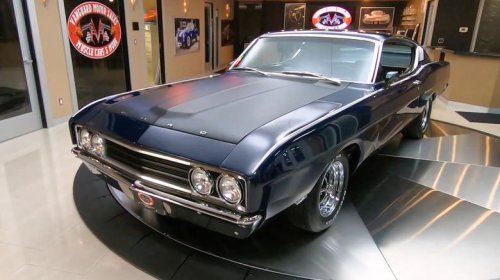
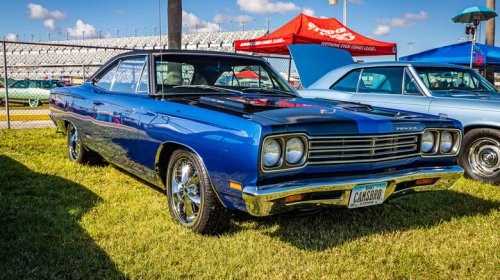
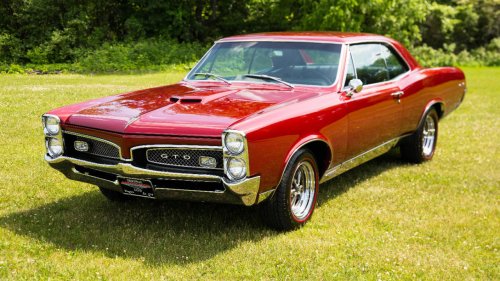
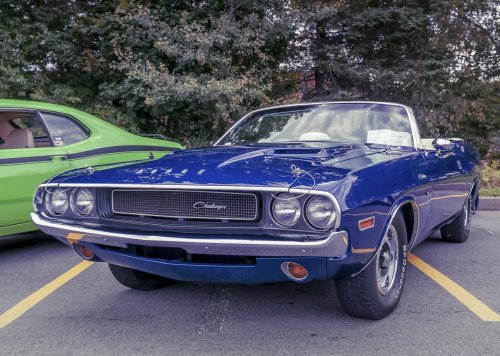
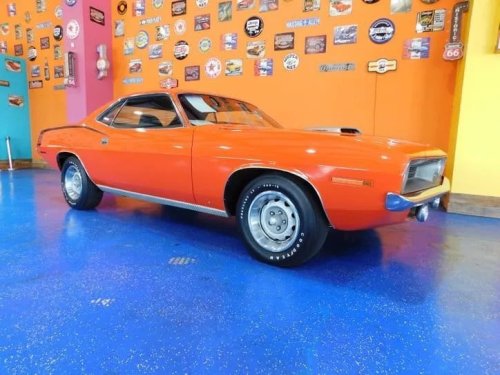
For much of the 1960s, the formula for speed was simple: long hoods, rear-wheel drive, and a V8 under the steel. Muscle cars like the GTO, the Charger, and the Fairlane were locked in a horsepower arms race, and the idea of putting that kind of power to the front wheels was considered almost heretical. But deep in the design studios at General Motors, one division quietly went rogue.This wasn’t a project aimed at high school parking lots or drag strips behind burger joints. It was bold, almost experimental. It aimed to change what Americans expected from a personal luxury coupe—fusing space-age design with serious grunt under the hood. And somehow, against all odds, it worked. The '68 Oldsmobile Toronado Was A FWD Torque Monster 1968 Oldsmobile Toronado 1When Oldsmobile unveiled the Toronado in 1966, it immediately turned heads for one very specific reason—it sent all of its torque through the front wheels. At a time when front-wheel drive was mostly a curiosity in European city cars, Olds took that configuration and bolted it to a 400+ horsepower V8. By 1968, the Toronado was even better refined, still packing all that torque and attitude into a design that was anything but conventional.The 1968 model year saw the debut of a brand-new 455-cubic-inch Rocket V8. This engine replaced the outgoing 425 and brought even more torque to the table—an absurd 510 lb-ft, to be exact. The car rode on GM’s massive E-body platform, shared with the Cadillac Eldorado. But unlike the Caddy’s plusher intentions, the Toronado wanted to move. It used a chain-driven THM-425 transmission—a rugged modification of the TH400—flipped around and mated to the front of the engine. This unique setup allowed the big-block Olds to sit longitudinally while still driving the front wheels.Performance wasn’t just decent—it was legitimately quick for its size and layout. It reportedly clocked a 0-60 time of around 7.5 seconds. That made it quicker than most full-size coupes of the day and enough to hang with base versions of the Mustang and Camaro. And thanks to its low 3.07 final drive, it could cruise comfortably at high speeds, topping out near 135 mph. So yes, it was a front-wheel-drive car. But no, it wasn’t messing around. The Toronado's Styling Cues Were Based Off Of The Cord Bring A TrailerThe Toronado didn’t just flip the drivetrain formula; it completely rewrote the visual rulebook too. When the first generation hit the road, it looked like a spaceship. And by 1968, with refreshed sheet metal and tweaks to the grille and rear deck, it had evolved into something even more futuristic.The design influence came from a legend of the pre-war era—the Cord 810. That car, also front-wheel drive, had been a design icon back in the '30s with its hidden headlights, long hood, and flowing fastback lines. Oldsmobile's design chief, David North, paid homage to the Cord’s spirit with the Toronado’s sweeping curves, hidden headlights, and massive front overhang.In an era where most muscle cars and personal coupes looked either slab-sided or overtly aggressive, the Toronado had restraint. It was elegant, even avant-garde. The pronounced fender arches, smooth rear quarters, and nearly seamless roofline gave it a muscular stance without resorting to scoops or stripes. Key Design Highlights Hidden flip-up headlights with a clamshell design A massive single-piece grille stretching the front fascia A sloping fastback roofline with a short rear deck Deeply recessed rear window for a cockpit-style feel Minimal chrome trim—just enough to look upscale, not flashy Inside, the Toronado was just as dramatic. A wraparound dashboard, floor-mounted shifter, and optional woodgrain details gave it a cockpit-like feel. Even the speedometer was a rotating drum—fittingly space-age for the late ’60s. The Toronado's 455 V8 Gave It Massive Speed Bring A Trailer 1968 Oldsmobile Toronado Key Specs Source: UltimatespecsUnder the hood of the 1968 Toronado sat Oldsmobile’s all-new 455 cubic-inch Rocket V8. Rated at 375 horsepower and an earth-moving 510 lb-ft of torque, it was one of the most powerful engines in GM’s arsenal—and unlike the muscle cars it often surprised; this engine didn’t need high revs to deliver the goods.This was low-end torque at its finest. Step on the gas, and the nose lifted with a grunt while the front tires clawed for grip. The engine’s 10.5:1 compression ratio meant it needed premium fuel, but the payoff was effortless acceleration in virtually any gear. Speed And Refinement Unlike Any Other While the muscle cars of the day were tuned for short bursts between lights, the Toronado was built for sustained speed. Thanks to its tall gearing and impressive aerodynamics for such a large car, it could comfortably cruise at triple-digit speeds. On the highway, it was nearly unstoppable, pulling like a freight train well past 100 mph.That kind of speed put it in the same arena as many ‘real’ muscle cars of the time. But the difference was that the Toronado could do it with front-wheel-drive composure and a level of refinement its competitors lacked. Toronado Values Today Are Very Reasonable Bring A TrailerFor all its innovation and brute power, the 1968 Toronado has somehow remained under the radar in today’s collector market. While muscle car prices have skyrocketed, the Toronado is still shockingly affordable—making it a smart buy for gearheads who appreciate oddball engineering with real performance cred.According to Classic.com, the average market price for a 1968 Oldsmobile Toronado in good condition sits around $14,000–$25,000. Well-preserved examples with low mileage and documentation can fetch over $30,000, but they’re still far cheaper than similarly performing rear-drive muscle cars of the same era. Hagerty Values Concours (#1): $34,100 Excellent (#2): $24,800 Good (#3): $16,300 Fair (#4): $10,000 Even better? The Toronado isn’t plagued with hard-to-find parts or impossible restoration hurdles. Mechanical components are shared with other GM models, and its unique FWD system, while complex, has proven durable over time with the right maintenance. The Toronado Dared To Be Different—And It Paid Off Bring A TrailerMost cars that tried to rewrite the rulebook in the 1960s faded into obscurity—or at least became niche players. But the Toronado wasn’t just different for the sake of it. It was fast. It was composed. It was unapologetically weird. And it got the job done.Oldsmobile could’ve played it safe, sticking to the usual V8/rear-drive combo like the rest of Detroit. Instead, it doubled down on innovation and proved that a big, burly coupe didn’t need to follow the same formula to go fast. The Toronado wasn’t trying to beat Mustangs at the drag strip—it was trying to pass them at 120 mph on the highway.Today, it stands as one of the great American “what if” cars. What if front-wheel drive had caught on with more Performance Cars? What if more brands took risks like this? What if we stopped underestimating the engineers at Oldsmobile? It didn’t just outrun muscle cars—it outran expectations.
























 +48 others