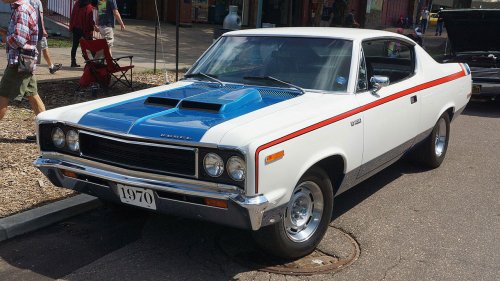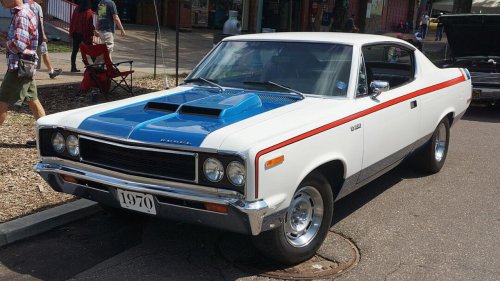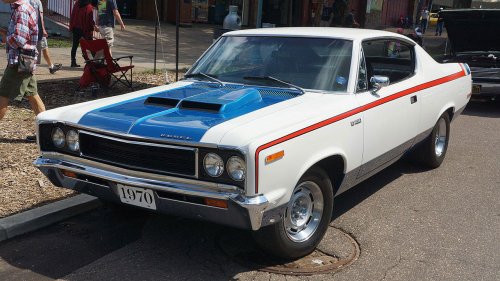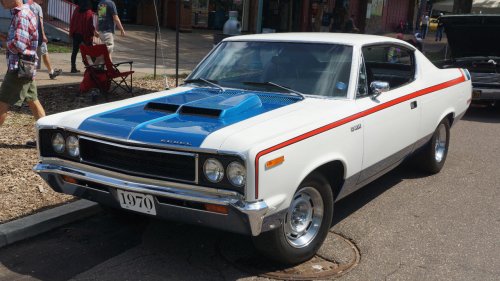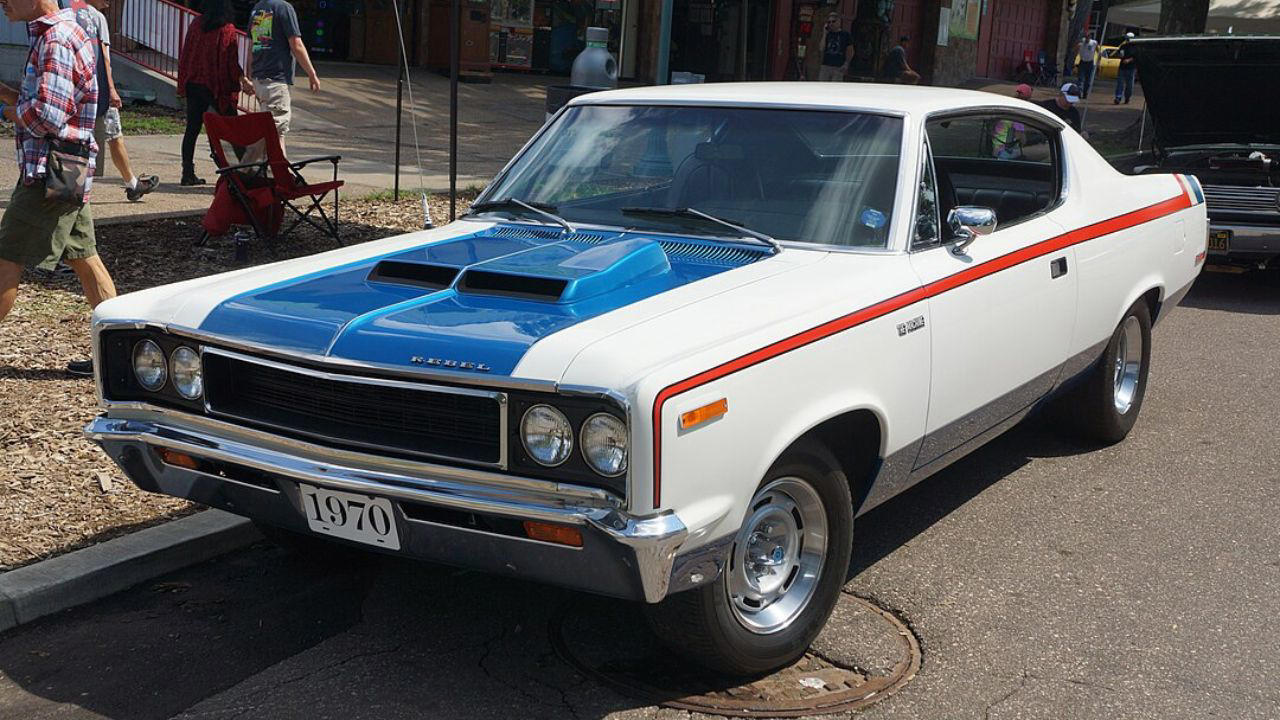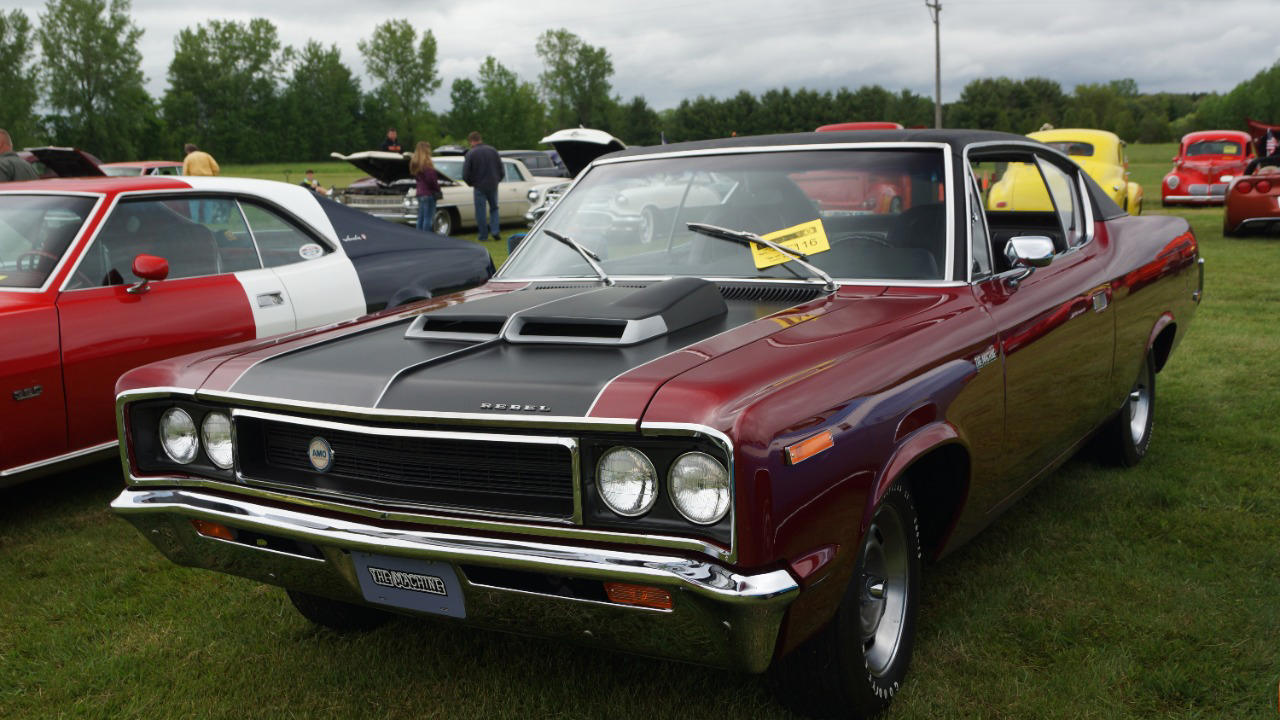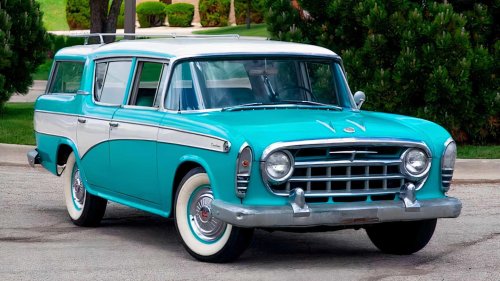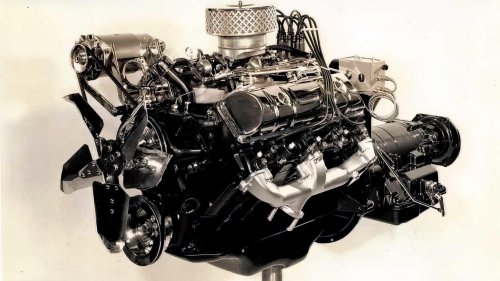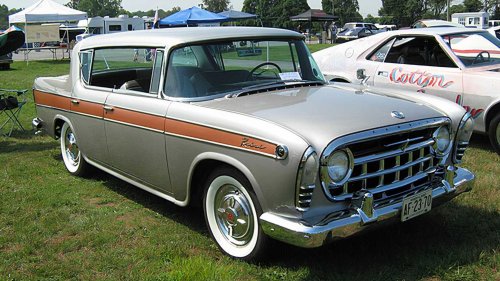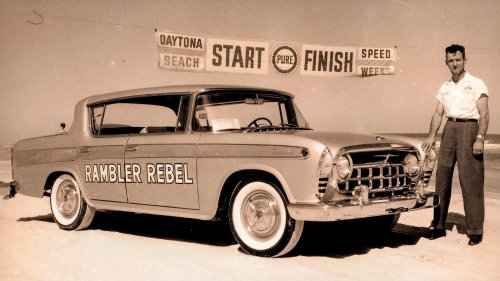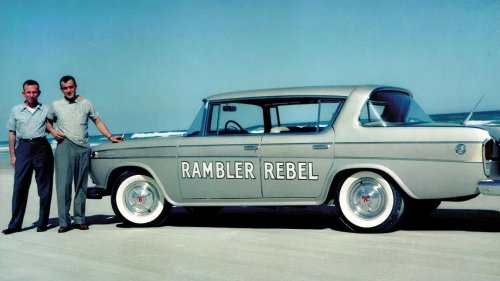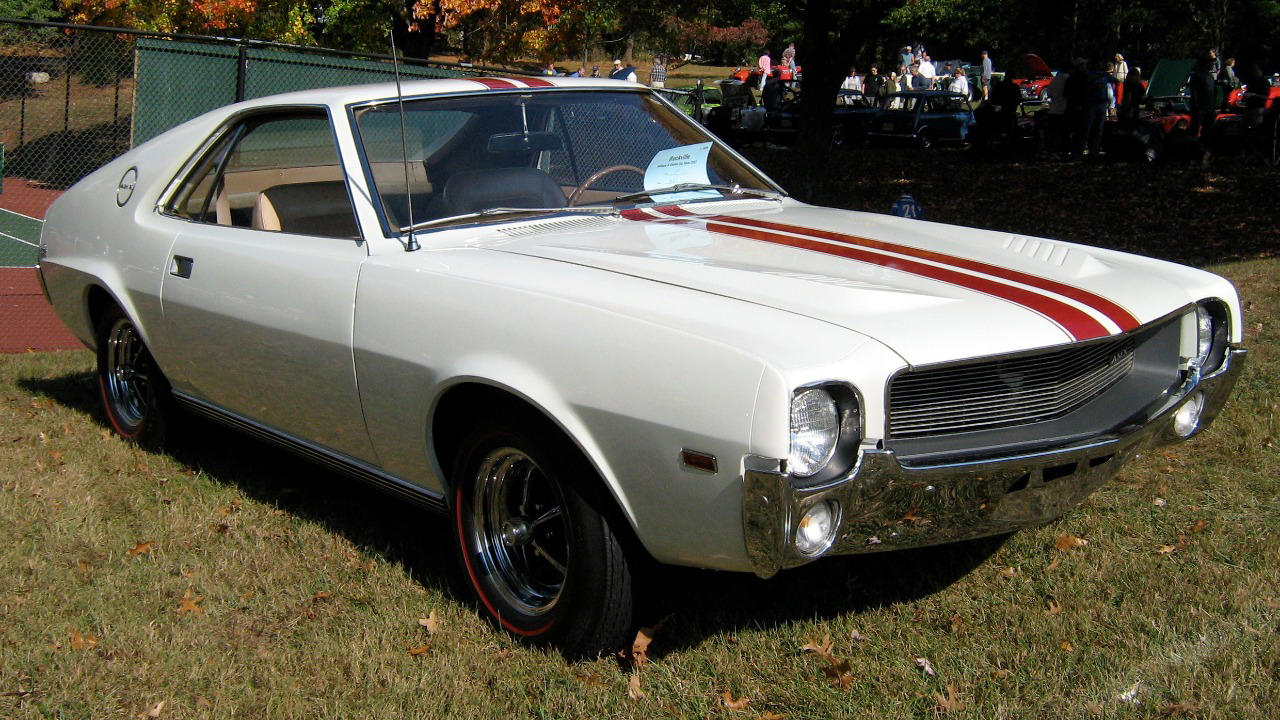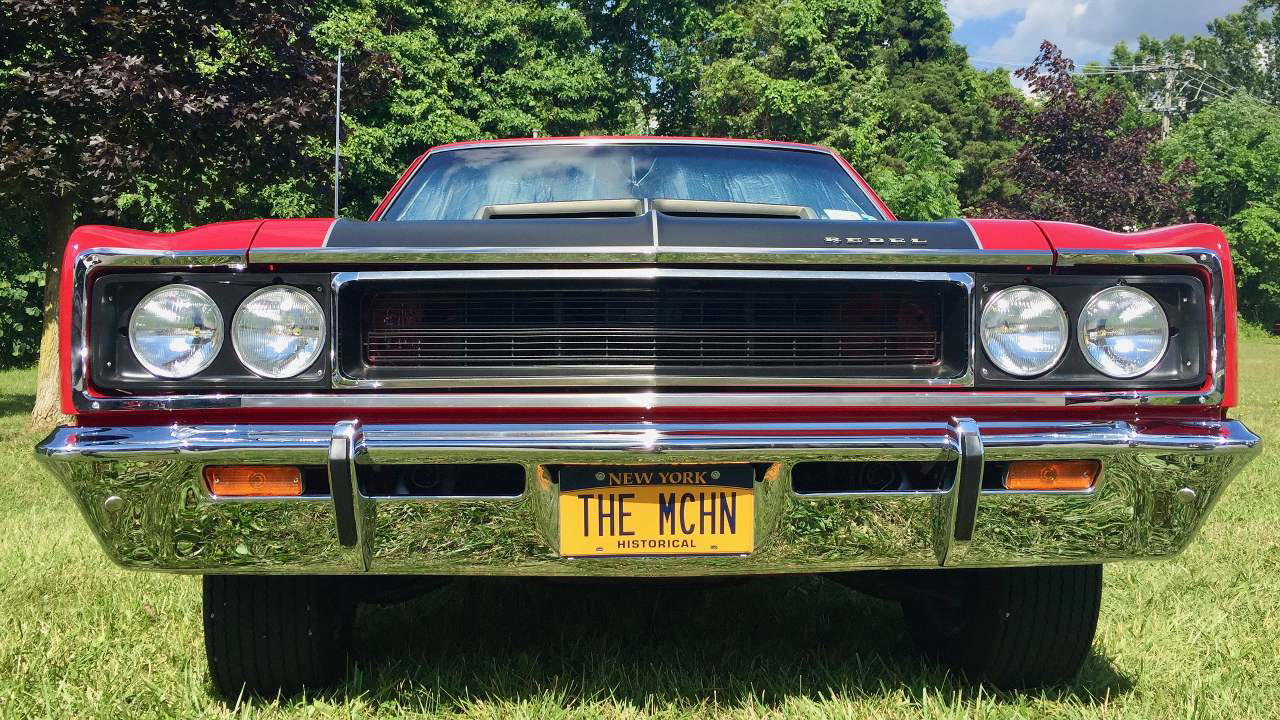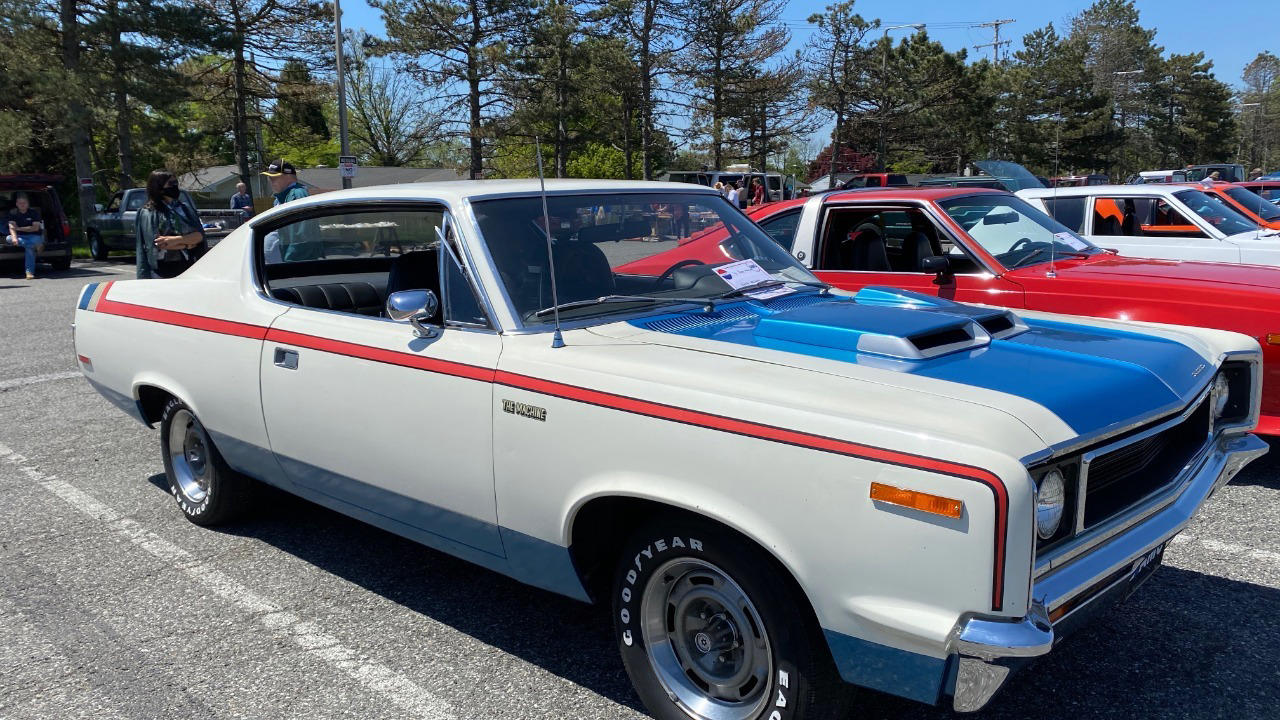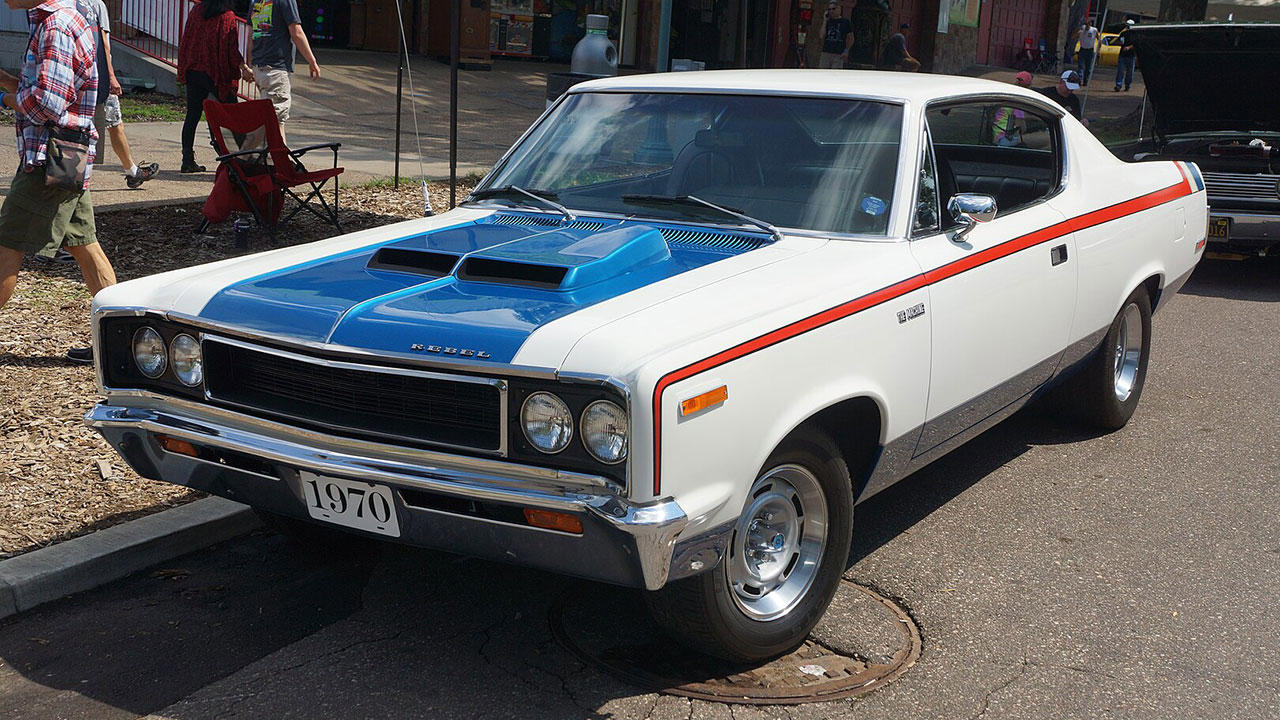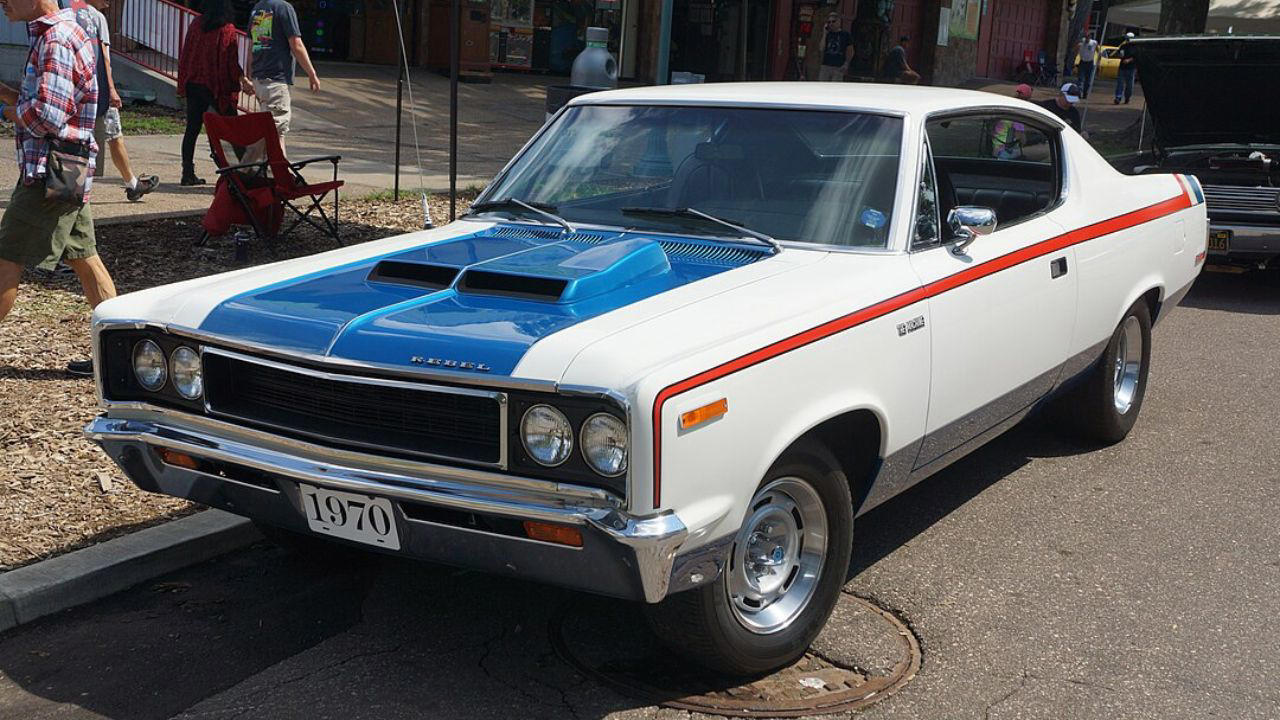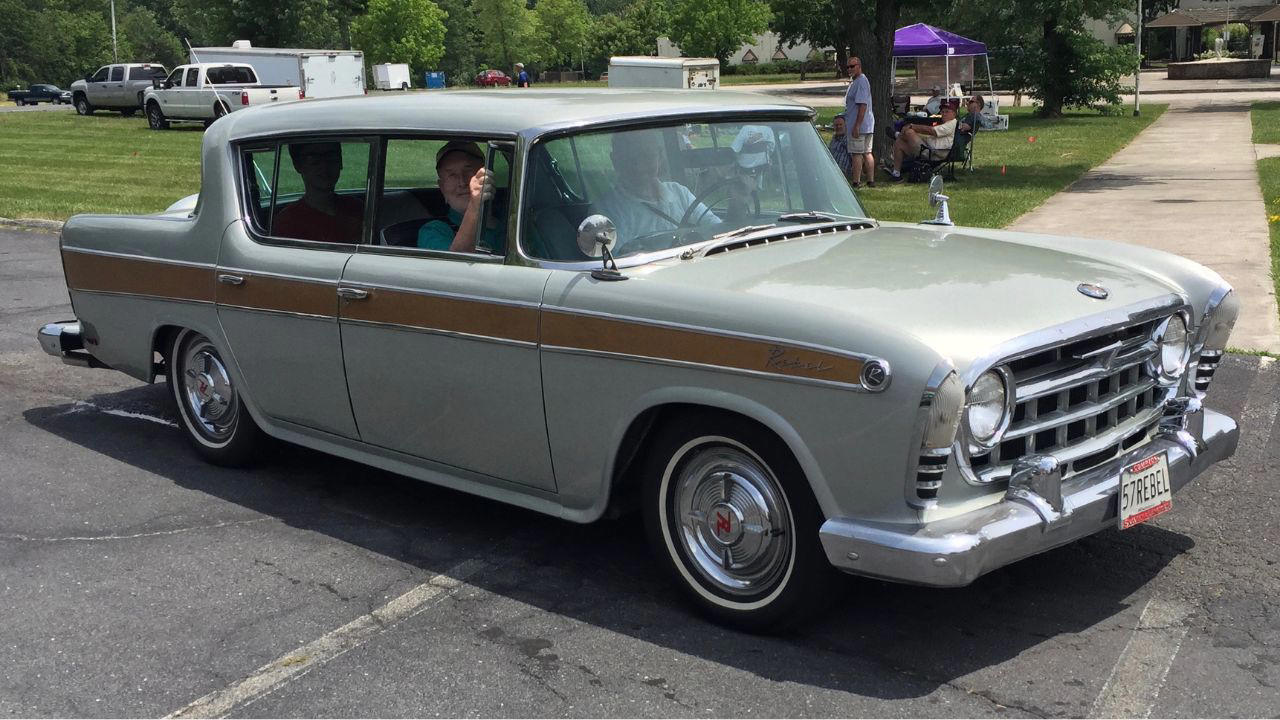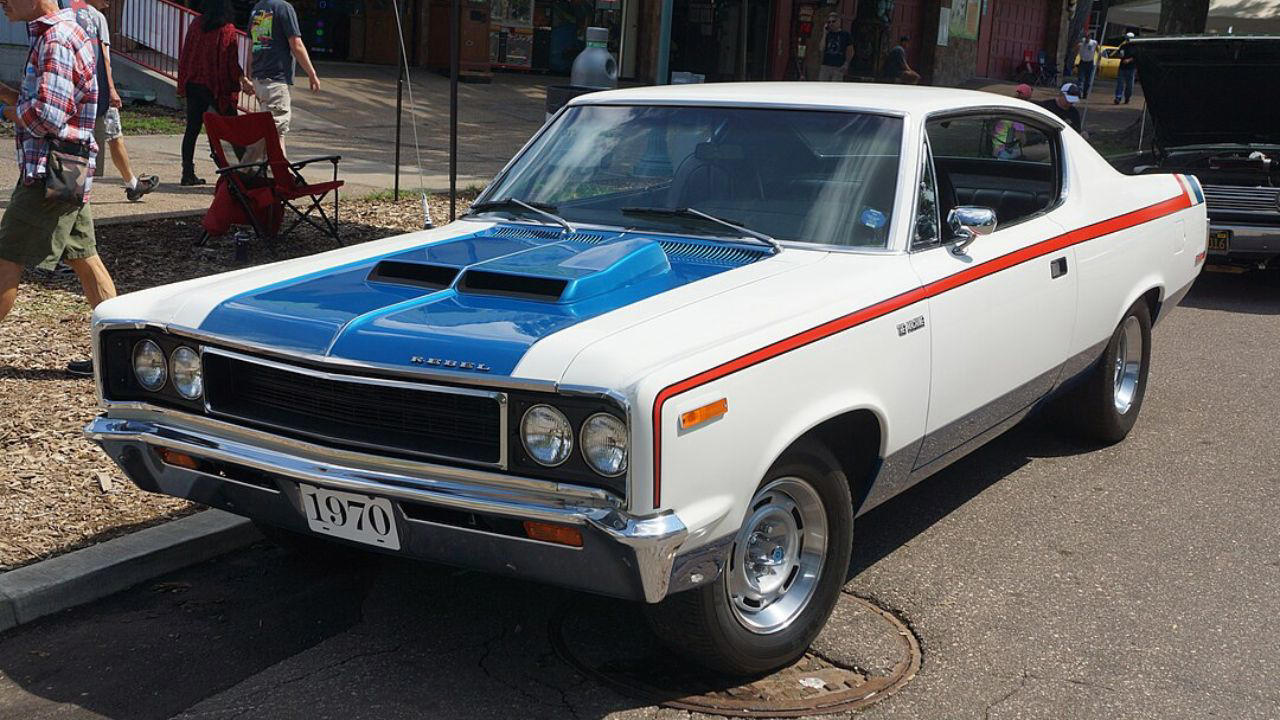


















The 1970 AMC Rebel Machine made a statement but narrowed its audienceThe 1970 AMC Rebel Machine arrived as a loud, patriotic thunderclap in a crowded muscle car field, yet it never quite reached the buyers it needed. Its red, white and blue paint, drag-strip hardware and limited production made a statement, but those same choices narrowed its audience then and turned it into a cult favorite now. Today, the car sits at an odd intersection of obscurity and reverence. Among enthusiasts, it is praised as one of the most underrated muscle machines of its era, while the broader public often has no idea it exists. That disconnect traces back to how American Motors positioned the Rebel Machine and who it really spoke to. The Rebel that went racing To understand the Rebel Machine, it helps to start with the basic AMC Rebel itself. The Rebel was AMC’s midsize line, the kind of family car that could be ordered as a sedan, wagon or sporty 770 trim and that usually blended into commuter traffic. It was practical Detroit iron from a smaller company that had to fight for attention against Chevrolet, Ford and Chrysler. American Motors wanted a halo car that could pull younger buyers into showrooms, so it took that workaday Rebel and turned it into a dedicated street-and-strip weapon. The company leaned on the same formula that had already worked elsewhere in its lineup: a big engine, bright graphics and a name that promised trouble. Earlier, AMC had already flirted with performance by putting serious power into the Rambler Rebel, and enthusiasts on one classic car forum argue that AMC, with the 57 Rambler Rebel, had effectively outlined the muscle car recipe long before the term became mainstream. By 1970 the company was ready to push harder. The Rebel Machine became a one-year, high-impact showcase that took the midsize platform and aimed it squarely at the National Hot Rod Association crowd. Patriotic paint and drag strip stance Visually, the Rebel Machine did not whisper. The most famous version wore a factory red, white and blue finish that turned the entire body into a rolling flag. Period photos and modern coverage of the 1970 AMC Rebel show a white base with bold red and blue striping, plus contrasting graphics that made sure no one mistook it for a regular Rebel in 770 trim. The car sat low and aggressive, with a hood scoop that looked borrowed from the pits. That scoop was more than decoration. In promotional material and modern technical write-ups, the Rebel Machine’s scoop is described as a functional piece that helped feed the big V 8 and signaled the car’s drag-strip intentions at a glance. Inside, the changes were subtler, but the focus stayed on performance. Bucket seats, a floor shifter and performance gauges made the otherwise conventional interior feel closer to a weekend race car than a family sedan. The Machine Hardtop One body style, highlighted in a dedicated Rebel Machine history and tech discussion, gave the car a cleaner profile that suited its straight-line mission. Engine specs that meant business Under the hood, AMC gave the Rebel Machine serious hardware. Enthusiast documentation and period-style spec sheets list the car’s Engine as a 390 cubic inch V 8, rated at 340 horsepower at 5,100 rpm and 430 pound-feet of torque at 3,600 rpm. One performance feature breakdown presents those figures in a compact table under the heading Rebel Machine Specs, with separate callouts for Engine, Drivetrain, and Brakes, and repeats the key numbers as 340 horsepower, 5,100 rpm, 430 pound feet, and 3,600 rpm. Those same numbers appear again in community posts that describe the 1970 AMC Machine Hardtop One as a one-year-only red, white, and blue 1970 AMC Rebel Machine, powered by a 390 / 340 HP / 430 FT / LB engine that had been comprehensively rebuilt in the modern era. The precise trio of figures, 390, 340, and 430, has become shorthand among fans for the car’s core identity. Other enthusiast research ties the Rebel Machine’s powerplant to the company’s broader performance program. One discussion of American Motors Rebel production numbers notes that all of the cars were based on AMC Rebels in SST trim with the AMX prepped 390, and that this collaboration involved HURST Performance as a key partner. That link to HURST, spelled out as a cool partnership with HURST Performance, reinforced the idea that AMC was serious about quarter-mile bragging rights. Built for the strip, not the boulevard The way AMC introduced the Rebel Machine underlined that focus. In a video essay that promises 13 Shocking Facts About the 340HP 1970 AMC Rebel, the narrator opens by placing the car at an NHRA event in Dallas, Texas, the National Hot Rod Association, framed as a moment when American Motors tried to change everything for its image. That same video is linked through a Shocking Facts About clip that highlights how the company used the drag strip as its stage. Another short video, promoted as The LEGEND They Never Wanted You to Know About, calls the Rebel Machine a full production 390 cubic inch monster and stresses that it was not a concept and not a prototype. That emphasis on full production versus prototype shows how AMC wanted the car to be seen as a legitimate showroom offering, even if its personality was pure race car. The focus on the strip had real consequences for how the car drove. Period-style tests and modern retellings describe a stiff ride, heavy steering, and gearing that favored launches over relaxed highway cruising. For a dedicated enthusiast, those traits were part of the charm. For a typical buyer who needed to commute during the week and only occasionally visit the local track, they could feel like compromises. Flash that filtered the audience If the powertrain and chassis set the Rebel Machine’s capabilities, the styling set its social life. The red, white and blue paint package was unforgettable, but it also limited who felt comfortable parking one in the driveway. Some buyers opted for more subdued colors, yet the car’s reputation remained tied to that patriotic livery. Modern coverage that calls the 1970 AMC Rebel Machine arguably the most underrated muscle car of all time notes that the car’s extroverted graphics and aggressive stance made it a favorite at shows but a tough sell to conservative shoppers. For drivers who already leaned toward Chevrolet Chevelle SS or Plymouth Road Runner, AMC’s entry had to overcome not only brand loyalty but also a louder, more polarizing look. That visual intensity shows up even more starkly in social media. A recent Instagram reel featuring a Rebel Machine in full patriotic trim leans into the car’s shock value, with quick cuts that emphasize the scoop, stripes and stance. The comments around clips like this often split between awe and disbelief that a factory car ever looked like that, which mirrors the split it created at dealerships decades earlier. Limited numbers, limited impact Production figures tell the story of how sharply the Rebel Machine’s appeal was focused. A detailed feature on a surviving example explains that all the flash and dash produced sales that led to the production of only 2,326 cars, and that this low volume made the Rebel Machine a one-year wonder. The word Sadly opens that reflection, a nod to how enthusiasts feel about the car’s short run, and the specific figure of 2,326 has become a key data point in any discussion of the model. That same feature traces what happened next. After the Rebel Machine’s brief moment, AMC shifted its performance focus to the SC / 360 and renamed the Rebel the Matador, effectively closing the chapter on the Machine as a dedicated sub model. The decision suggests that the strategy of pairing extreme styling with hardcore hardware had not translated into the kind of sales the company needed. In hindsight, the production total of 2,326 cars looks like both a missed commercial opportunity and the foundation of the car’s modern mystique. Scarcity helps drive collector interest, but it also means the Rebel Machine never had a chance to become a mass market icon on the level of a GTO or Charger. AMC’s muscle legacy and the Machine’s place in it The Rebel Machine did not appear in a vacuum. AMC had already experimented with performance in the Rambler Rebel and in the smaller AMX, and some enthusiasts argue that the company’s early work on the AMC Rebel line gave it a unique perspective on how to blend practicality with speed. The Wikipedia-style overview of the Rebel family lists variants like the 1968 AMC Rebel 770 station wagon, which shows how far the platform stretched from grocery getter to drag car. In that context, the Machine looks like AMC’s most aggressive attempt to claim a piece of the late 1960s and early 1970s horsepower wars. It took the lessons from the 57 Rambler Rebel, the AMX-prepped 390, and the company’s partnerships with HURST Performance and applied them to a midsize chassis that could, in theory, appeal to families and racers alike. Yet the execution leaned so hard into the racing side that the family angle almost disappeared. Where a Chevelle SS or Torino Cobra could be ordered in relatively quiet colors and trims that blended in during the week, the Rebel Machine’s signature presentation shouted its intentions. The company’s decision to center marketing around drag strip imagery and NHRA events, as highlighted in the Dallas, Texas, National Hot Rod Association references, reinforced that narrow focus. From forgotten to cult favorite For years after production ended, the Rebel Machine slipped into the background of muscle car history. It lacked the movie roles and pop culture exposure that kept some rivals in the spotlight, and AMC’s eventual disappearance as an independent automaker further blurred its legacy. Enthusiast media and online communities have slowly changed that. Articles that revisit the car’s specs and history increasingly describe it as unfairly forgotten or underrated. One short video that calls it the most unfairly forgotten muscle car of all time insists that the 390 cubic inch monster deserves the same respect as better-known big blocks, and stresses again that it was full production, not a prototype curiosity. Why did it stay niche Brand visibility: AMC never had the marketing reach of the Big Three. Even with a bold paint scheme and NHRA tie-ins, the Machine had to fight for basic awareness. Styling risk: The patriotic livery, while iconic, filtered out buyers who wanted something less conspicuous. More subtle colors existed, but the car’s image was already fixed. Single year run: With only the 1970 model year and 2,326 units, there was little time for word of mouth to build or for incremental improvements to broaden appeal. Focused tuning: The chassis and gearing favored straight-line performance, which thrilled a subset of drivers but did not necessarily fit daily use. More from Fast Lane Only Unboxing the WWII Jeep in a Crate 15 rare Chevys collectors are quietly buying 10 underrated V8s still worth hunting down Police notice this before you even roll window down