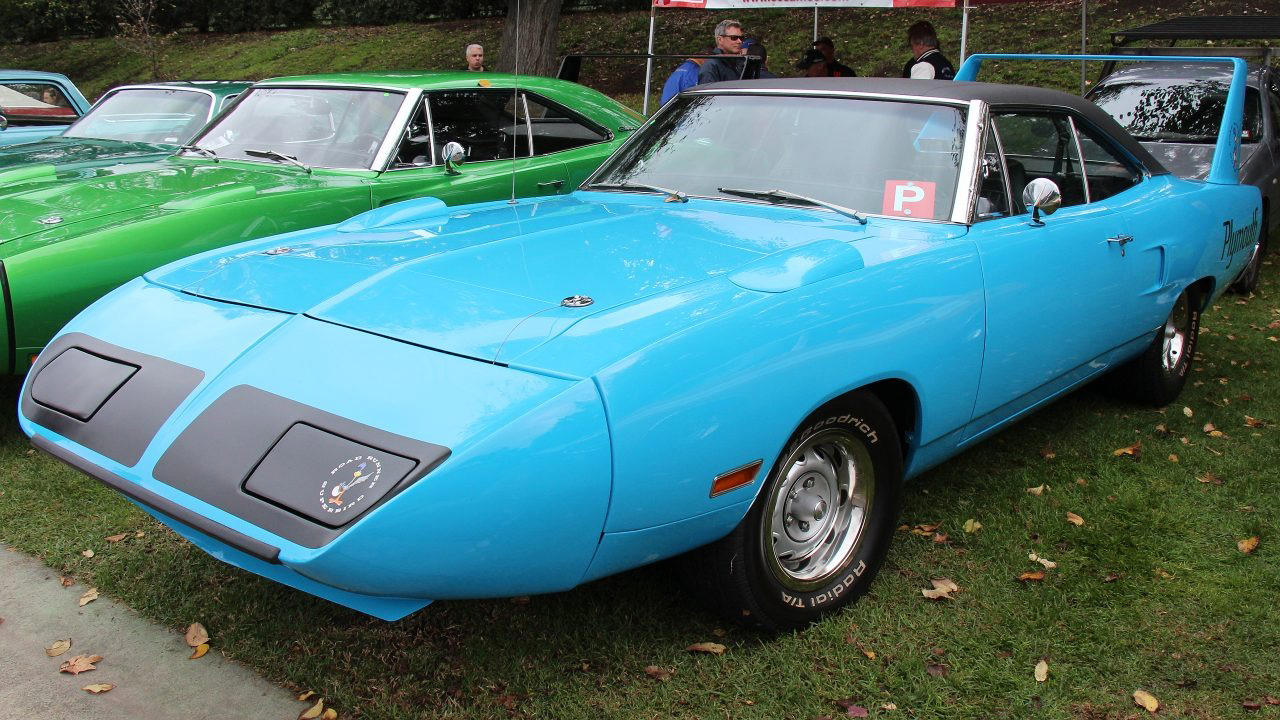
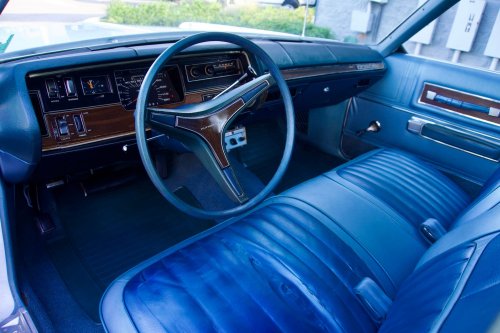
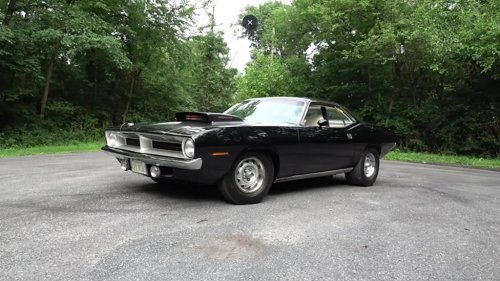
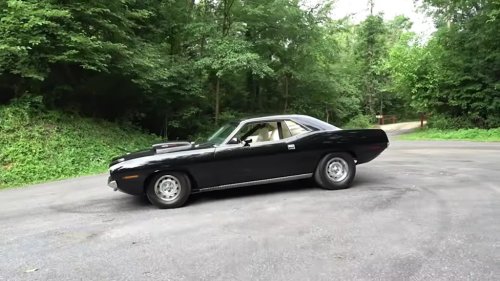
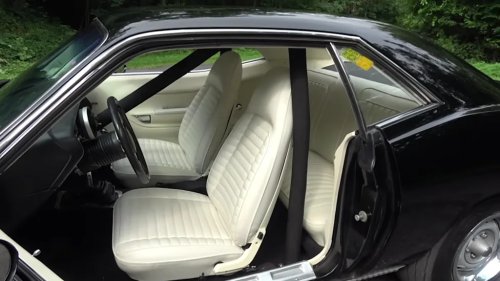
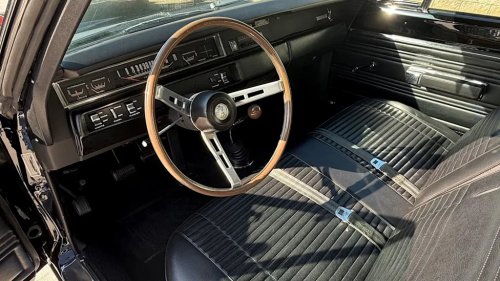
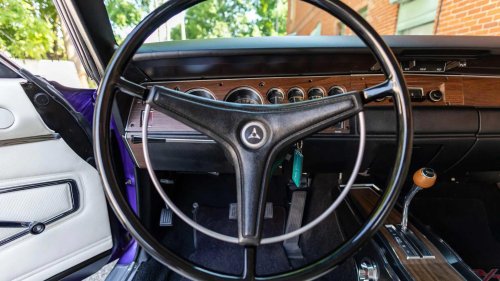
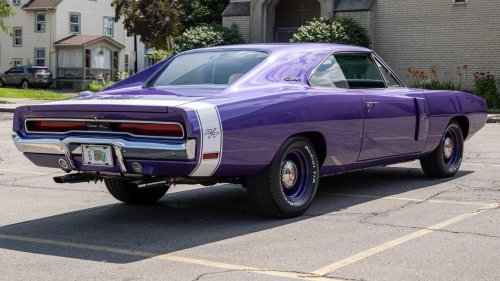
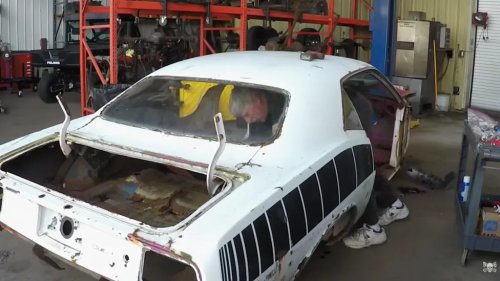
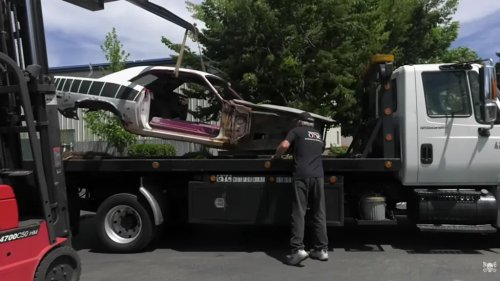
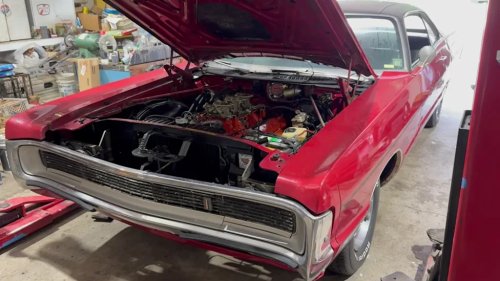
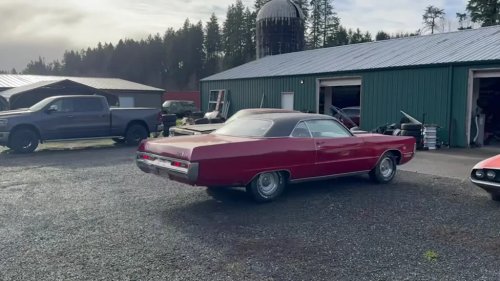
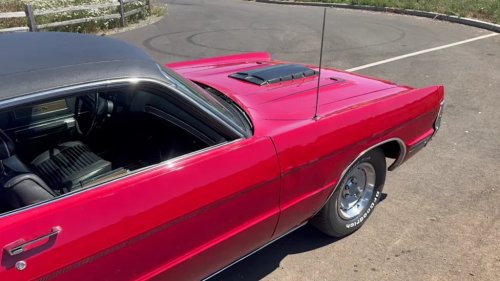
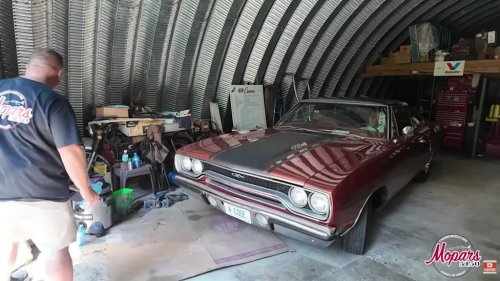
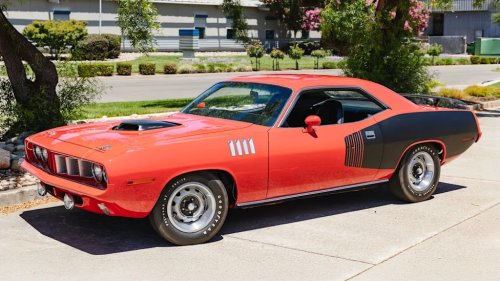
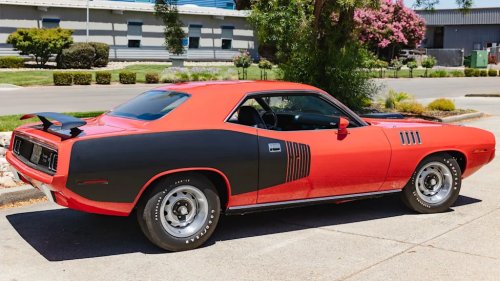
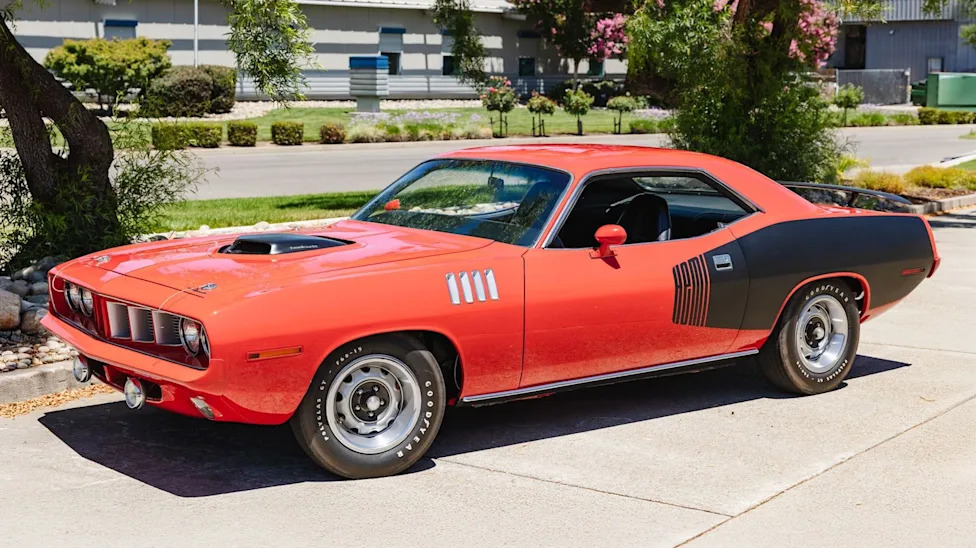
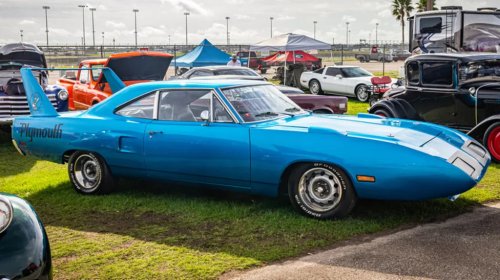
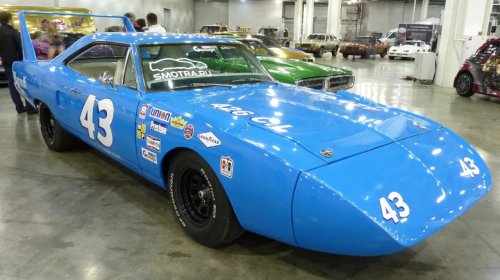
Built for speed the 1970 Plymouth Superbird pushed design to the limitThe 1970 Plymouth Superbird looked less like a showroom coupe and more like a prototype that had escaped the wind tunnel. With its needle nose and skyscraper rear wing, it was a road-legal experiment in pure speed, built to push stock car design right up against the limits of what racing rules and buyers would tolerate. In a single model year, it turned NASCAR into an aerodynamic arms race and left a silhouette that still feels outrageous more than half a century later. Born out of NASCAR’s aero wars The Plymouth Superbird did not begin as a styling exercise. It began as a problem. Plymouth needed a weapon for NASCAR’s high-banked ovals, where rivals were chasing higher speeds with slippery shapes and race-bred engineering. The Superbird emerged as a highly modified version of the Road Runner, a purpose-built machine aimed squarely at stock car dominance rather than everyday commuting. At the time, NASCAR rules demanded that race cars be based on production models sold to the public. Homologation requirements pushed Plymouth to build a limited run of street cars that mirrored its radical race design. The result was a car that looked like a cartoon exaggeration of a muscle coupe but was in fact a carefully engineered response to the need for stability and speed at well over 190 miles per hour. The Superbird was one of the legendary four Aero Warriors that turned NASCAR into a contest of drag coefficients as much as horsepower. Those rules are why the Superbird’s story is so compressed. Its vehicular life lasted a single production year, 1970, with exactly 1,935 units built, according to The Superbird coverage. That figure reflects how tightly the car was tied to racing regulations rather than long-term showroom strategy. The outrageous shape that made it famous Even among muscle cars, the Plymouth Superbird looked radical. The front end was stretched with a wind-cheating nose cone that replaced the blunt Road Runner grille. At the back, a tall aluminum wing towered over the trunk, high enough that the trunk lid could open underneath it and positioned to catch clean airflow for maximum downforce. Period images and later analysis describe the Superbird as one of the first American cars to be extensively Wind Tunnel Tested to refine its shape. The car’s profile was not accidental. The nose reduced drag and helped the car slice through the air on long straights. The rear wing, often mocked by casual observers, was designed to generate clean-air downforce and keep the rear end planted at racing speeds. One later analysis of the aero program notes that the Superbird was engineered to maintain stability on ovals exceeding 200 m, with its towering spoiler tuned to work in that extreme environment. Visually, the Superbird leaned into its Road Runner heritage. It carried distinctive graphics, including playful Road Runner Superbird decals on the spoiler and cartoon Road Runner imagery that undercut the serious engineering with a wink. The contrast between the whimsical branding and the purposeful aero hardware helped cement the car’s legend. Engineering for speed, not comfort Under the wild bodywork, the Superbird remained a serious Mopar muscle car. Buyers could choose from big block V8 engines that provided the power needed to exploit the slippery shape. The combination of high output engines and low drag made the Superbird one of the quickest factory cars of its time. Contemporary and modern reviews describe a car that felt raw and focused. Suspension and chassis tuning were aimed at high-speed stability rather than cushy ride quality. The long nose and extended front overhang demanded respect in tight parking lots but came alive on open highway where the aero design began to work. One modern video review of a survivor car notes that people might have thought it was ugly when new, but by current standards it has become a “proper thumbs up mobile,” a machine that draws admiration wherever it appears, as seen in the Jan review. The Superbird’s engineering story also includes a heavy dose of myth and correction. Enthusiast breakdowns such as the 1970 Superbird fact versus fiction videos highlight how many legends have grown around the car, from supposed unsold dealer stock to exaggerated performance claims. What remains clear is that the car was built with racing in mind first, showroom appeal second. Richard Petty and the blue Superbird No figure is more closely associated with the Plymouth Superbird than Richard Petty. The NASCAR legend, known as “The King,” had a complicated relationship with Plymouth in the late 1960s, including a period when he stepped away from the brand. The Superbird was designed in part to lure him back to the fold. Accounts of that period describe how the arrival of the radical Plymouth Superbird helped bring Richard Petty back into the Plymouth camp. His return to Ply in the 1970 season, in a blue Superbird with the iconic number 43, became a defining image of NASCAR’s aero era. Later retrospectives from Richard Petty branded content emphasize how closely the driver’s legacy is tied to that wedge-shaped car. Race results from that year show why. The 1970 Plymouth Superbird became one of the most legendary muscle cars in NASCAR history thanks in large part to Richard Petty, whose performances in the car cemented its reputation as more than just a visual stunt. Coverage of the period notes that NASCAR followers remember the Plymouth Superbird not only for its outlandish looks but also for its dominating performances on the track. Homologation headaches and showroom reality For all its success on the oval, the Superbird faced a different reception on dealer lots. NASCAR’s homologation rules meant Plymouth had to build and sell a significant number of these aero specials to the public. The figure of 1,935 units reflects that obligation and also hints at the challenge of moving such a wild-looking car in regular showrooms. Period anecdotes and later dealership stories suggest that some buyers were put off by the extreme styling. The long nose made parking more difficult, the tall wing attracted attention that not every customer wanted, and insurance rates for big block muscle cars were rising. Some dealers reportedly removed the nose cones or wings to make the cars easier to sell, while others discounted inventory that lingered. Modern market analysis, such as the overview of History of the, contrasts that lukewarm early reception with the car’s current status as a blue-chip collectible. What once seemed like a sales problem has become a selling point, with originality and intact aero pieces commanding a premium at auctions and private sales. From misunderstood oddity to auction star The Superbird’s journey from misunderstood oddball to collector darling mirrors the broader reassessment of late 1960s and early 1970s muscle cars. For years, it was overshadowed by more conventional icons such as the Buick GSX or the Boss 429 Mustang and other high horsepower legends that were easier to live with day to day. A later video feature that teases those models as “crazy cars” before revealing the Superbird as even wilder, in a Plymouth Superbird story and torture test, captures how enthusiasts now rank the aero Plymouth at the extreme end of the muscle spectrum. Modern auction houses treat the Superbird as a headline car. Listings tracked through marketplaces such as Mecum show strong demand for well-documented examples, especially those with original drivetrains and factory colors. The combination of limited production, direct NASCAR connection, and unmistakable styling has turned the car into a rolling investment as much as a performance machine. Social media clips underscore how the Superbird’s presence plays in the current era. A short video asking whether a driver would race or freeze if a Plymouth Superbird The pulled up at a red light captures the mix of awe and intimidation the car still inspires. Another reel highlights how the 1970 Plymouth Superbird became one of the most legendary muscle cars in NASCAR history thanks to Richard Petty, reinforcing that the car’s value is as much about story as sheet metal. Fact versus fiction around the winged warrior With rarity and myth come persistent stories that do not always match the record. Enthusiast channels have spent years sorting fact from fiction around the Superbird. Some of the most common myths involve claims that huge numbers of unsold cars were scrapped or that the wing’s height was dictated by trunk lid clearance alone. Detailed breakdowns, such as the Feb Mopar analysis, explain that while trunk access did influence the design, the wing’s position was primarily chosen to sit in clean airflow for better downforce. Museums and collections have also weighed in. A post from the Simeone Automotive Museum describes the 1970 Plymouth Superbird as one of the most extreme and recognizable muscle cars ever built and emphasizes that it was Designed specifically for NASCAR domination, pushing back against the idea that it was a mere marketing gimmick. That perspective aligns with technical accounts that stress the extensive aerodynamic testing behind the car. Another persistent story involves how quickly the cars sold and how dealers handled them. While some anecdotal evidence points to nose cones being removed or wings being cut down, careful historical work has tried to separate isolated cases from widespread practice. The available sources do not fully quantify how often such modifications happened, so any sweeping claims in that area remain Unverified based on available sources. Inside the cabin of an aero experiment For all its wild exterior, the Superbird’s interior was relatively conventional. Period photos show a typical late 1960s Plymouth dashboard, bench or bucket seats depending on specification, and familiar Mopar switchgear. The contrast between the everyday cabin and the radical bodywork reinforced that this was still a production car, not a prototype. Modern video tours, such as the 1970 Plymouth Superbird walkarounds, highlight small details that distinguish the model, including unique badging and trim. Owners and restorers often focus on authenticity, down to decals and paint codes, because the value of these cars is so tightly linked to how closely they match original factory specification. Despite the relatively ordinary interior, driving impressions from enthusiasts stress that the Superbird feels different from other muscle cars of its era once speeds rise. The long nose and planted rear give it a sense of directional stability that fits its NASCAR mission. At the same time, the aero bodywork can create visibility quirks and a sense of size that drivers must adapt to in modern traffic. Aero wars in context The Superbird did not exist in isolation. It was part of a broader competition among manufacturers to exploit aerodynamics within NASCAR’s rulebook. Historical overviews of NASCAR’s age of aero wars place the Plymouth alongside other winged and streamlined machines that pushed speeds higher and forced the sanctioning body to reconsider its regulations. More from Fast Lane Only Unboxing the WWII Jeep in a Crate 15 rare Chevys collectors are quietly buying 10 underrated V8s still worth hunting down Police notice this before you even roll window down