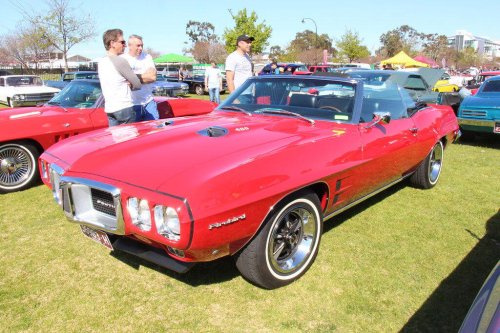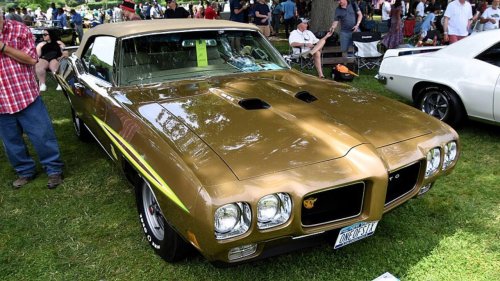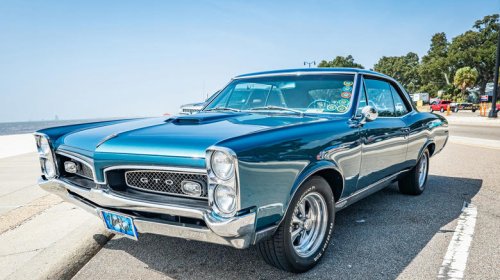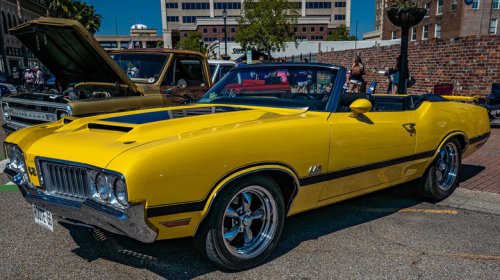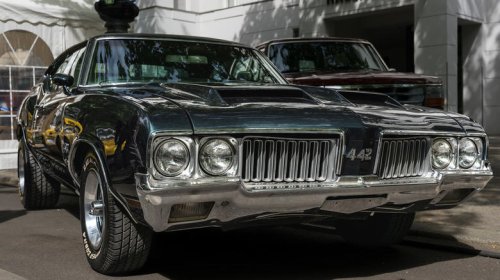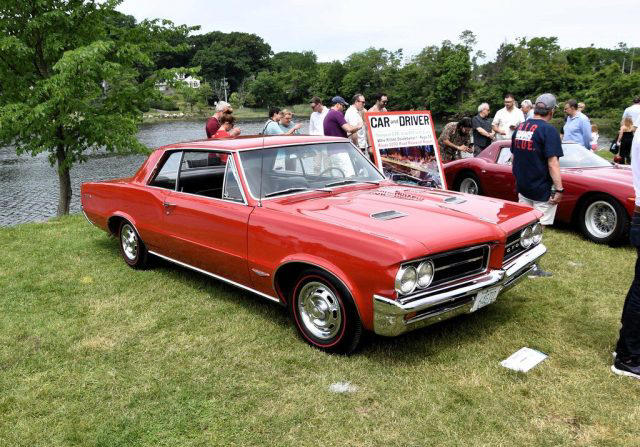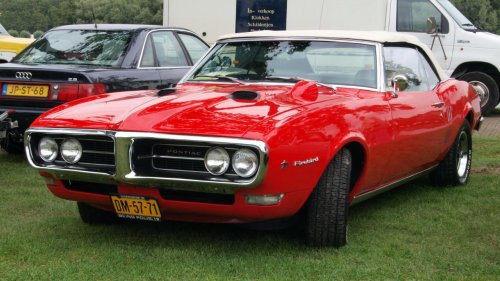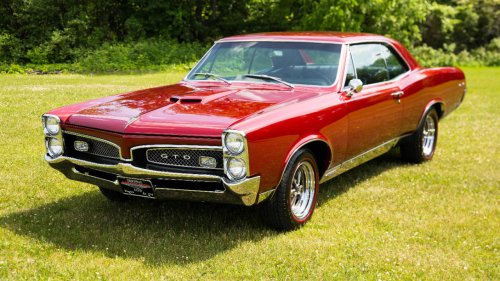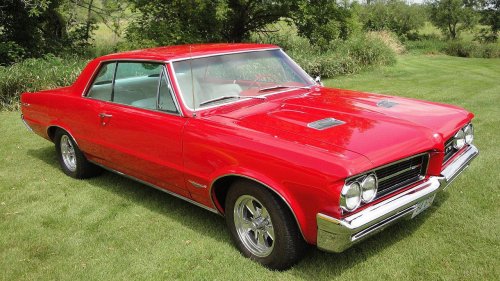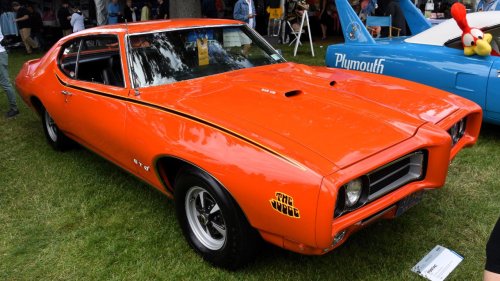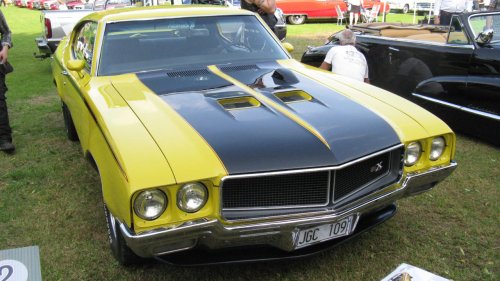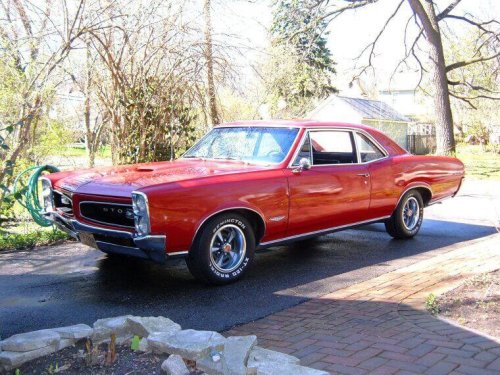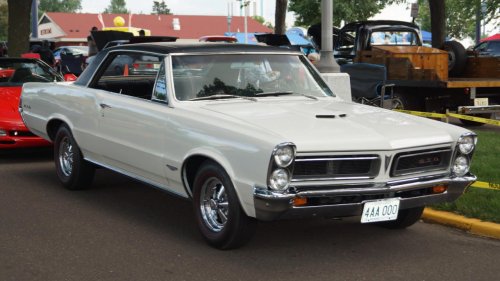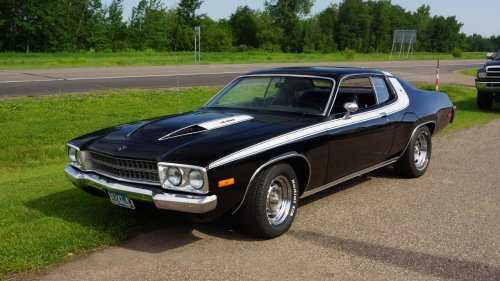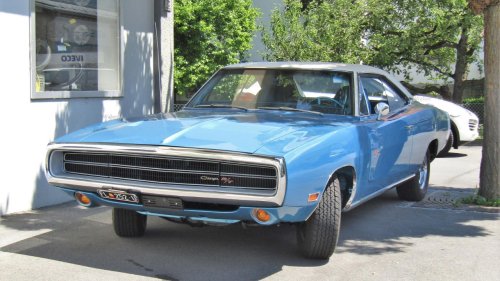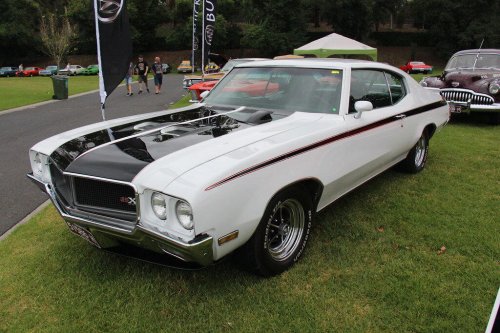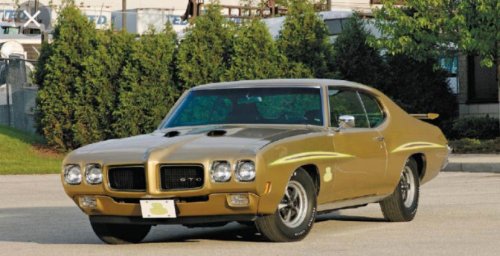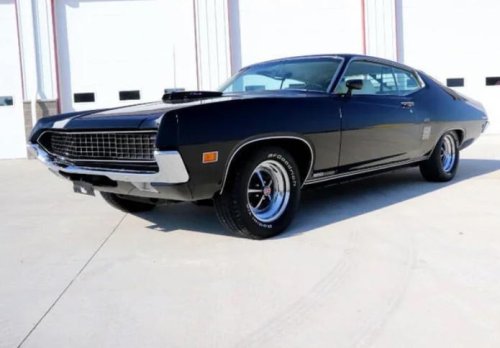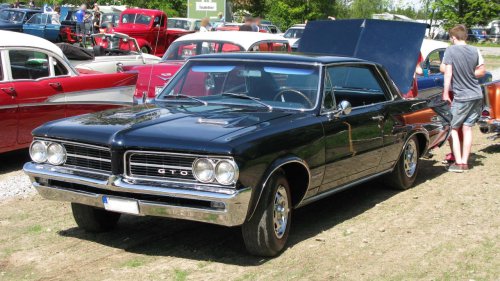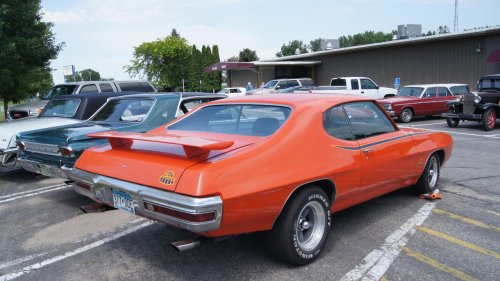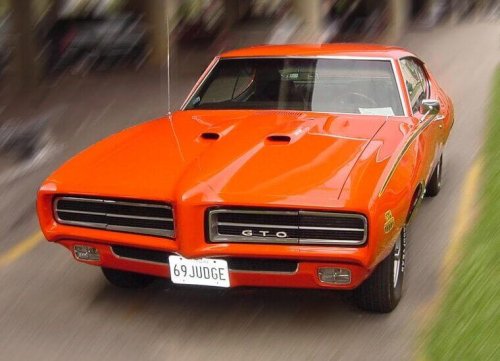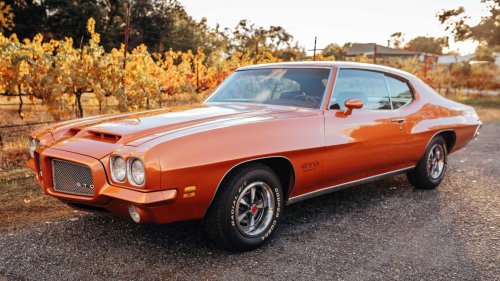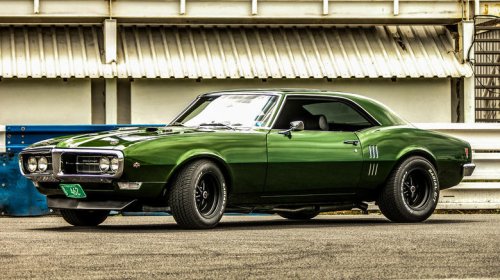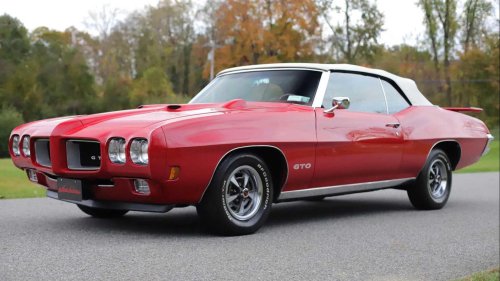
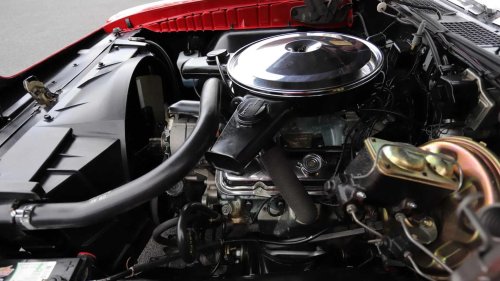


























In traffic, it looked like any other early ’70s American muscle car as it idled quietly. It featured chrome bumpers, it wasn't loud or flashy. But then the light changed. The driver could flip a small switch under the dash, which transformed this muscle car completely. The exhaust roared louder, the throttle sharpened, and within seconds, it disappeared in a blur of tire smoke and V8 noise.This wasn’t some backyard mod or post-title modification. This was a rare, factory-approved setup, available for a short time. Built during an era when GM’s corporate policy strictly discouraged racing and overt high-performance features, the system made it into production anyway. It bypassed mufflers on command, increased flow, and gave drivers a tactical advantage.It was only available for a single model year for this iconic muscle car. The system was simple, smart, and, importantly, effective. But it didn’t last long, as once upper management caught wind of what it actually did, they immediately and quietly pulled the plug.To most onlookers, this car never gave itself away. But for the few who knew what that switch did, it wasn’t just a novelty. It was a weapon. Hidden performance built into a production car, sold right off the lot, and then erased just as fast. The 1970 Pontiac GTO With VOE Was GM Defiance In Disguise Via; Bring a Trailer The 1964 Pontiac GTO quietly triggered the muscle car movement. At a time when GM had internal restrictions against promoting performance in its intermediate cars, Pontiac found a loophole. Instead of creating an entirely new vehicle, they packaged a high-performance option into the existing Tempest platform. Officially, the GTO was just an option code. In reality, it was a blueprint for nearly every muscle car that followed.Under the hood, Pontiac used a 6.4-liter (389 cubic-inch) V8. In standard form, it made 325 hp and 428 lb-ft of torque. But the real standout was the optional Tri-Power setup with three 2-barrel carburetors working in sequence. At light throttle, only the center carb operated, keeping fuel consumption and drivability in check. Push harder, and vacuum actuated the outer two carbs, flooding the intake with air and fuel to reach a peak output of 348 hp.Via; Bring a Trailer With a curb weight around 3,300 lbs and a manual gearbox, the GTO could sprint from 0 to 60 mph in under 6.6 seconds. That performance figure made it quicker than some Corvettes of the time.Pontiac kept styling clean, avoiding aggressive graphics or loud cues. This car didn’t shout. It just moved really fast. And that was the point. They built it for buyers who wanted performance without drawing too much attention. The Tri-Power GTO offered muscle with restraint, and that balance became its signature. Secret Weapon: Dealers Added Vacuum-Operated Exhaust Cutouts To The GTO Via: Bring a Trailer In early 1970, Pontiac quietly released an option that gave drivers control over their exhaust system without touching a wrench. It was called VOE (or Vacuum Operated Exhaust) and it let the driver flip a switch under the dash to reroute exhaust gases through a pair of vacuum-actuated mufflers. At idle or cruising speeds, the system stayed quiet. But with the switch engaged, the baffles inside the mufflers opened up, giving the car a louder, throatier tone and reduced back pressure. The change in sound was instant, and performance felt sharper off the line, although Pontiac never officially quoted gains in hp or torque.Via; Bring a Trailer VOE wasn’t just a gimmick. According to Hagerty, internal Pontiac tests showed the freer-flowing exhaust could trim around three-tenths of a second in the quarter-mile. The system was part of a broader push by engineers, led by people like John DeLorean, to sneak performance past GM’s growing corporate restrictions on street racing and high-performance advertising.Via; Bring a Trailer But VOE didn’t last, and it was only offered for the first few months of 1970, available only on the GTO. Fewer than 250 units of the 1970 GTO left the factory with the VOE option. Hagerty cites 233 as the accepted number, which aligns with documents added to listings on Bring a Trailer. The feature might have gone unnoticed if not for a national TV ad known as The Humbler.Via: Hagerty The commercial showed a VOE-equipped GTO prowling the streets at night, ambushing other cars with a flip of the switch. GM executives weren’t amused. The ad was pulled, the option was killed, and VOE became another short-lived muscle car experiment that never got a second chance. Why GM Killed The VOE After Just One Year Getty Images GM killed the Vacuum Operated Exhaust (VOE) option, as some believe it embarrassed the boardroom. Since 1963, GM enforced a strict internal ban on motorsports involvement and limited how its divisions could promote performance cars. The company wanted to project a clean-cut corporate image, not one built on street racing or horsepower wars. That didn’t sit well with Pontiac’s leadership, especially John DeLorean, who ran the division like a rebel skunkworks operation.The VOE system itself may have slipped through initially, but it was The Humbler ad that blew it wide open. Broadcast during the Super Bowl, the commercial showed a 1970 GTO prowling city streets, flipping the VOE switch to unleash its full roar before leaving challengers in the dust. The ad was brash and aggressive, hinting at illegal street racing. It clashed with everything GM’s corporate policy wanted to disassociate with.Executives shut it down almost immediately. Not just the commercial, but the entire VOE program. Production ended after a few short months, and Pontiac never offered it again. DeLorean had again tested how far he could bend GM’s rules, and this time, he overreached. By 1973, he left General Motors to start the "DeLorean Motor Company" or DMC.The VOE saga was one more example of the constant push-pull between Detroit’s engineers and executives during the muscle car era. Performance-minded teams worked around regulations in clever ways. Things like stuffing big engines into midsize frames or burying options deep in order sheets, while the higher-ups tried to keep liability and optics in check. VOE was too obvious, too loud, and too public, so GM had no option but to pull the plug. How The VOE System Compares To Modern Exhaust Tech Via; Bring a TrailerThe VOE system on the 1970 Pontiac GTO laid the groundwork for something enthusiasts now take for granted: driver-controlled exhaust tuning. Today, active exhaust systems come standard on many high-performance cars. Brands like Dodge use electronically controlled valves to switch between quiet and track-ready volume. BMW’s M cars let you choose exhaust tone and throttle response with configurable drive modes. Even aftermarket companies offer remote-operated cutouts for track use. But back in 1970, Pontiac pioneered it mechanically, with vacuum-actuated valves.The VOE worked using butterfly valves inside special mufflers, operated by engine vacuum and toggled from a switch under the dash. In normal mode, the car stayed within federal noise limits. Flip the switch, and the valves opened up, freeing the exhaust path and giving the 6.6-liter V8 a deeper, louder tone. While Pontiac never published exact performance gains, less backpressure likely improved throttle response, especially at higher rpm.Legally, this kind of switchable setup couldn’t last in that era. Federal and state regulations around noise emissions tightened during the 1970s, and the visual boldness of VOE, paired with the “Humbler” ad campaign, drew the wrong kind of attention.Today’s systems do the same job with more sophistication. Electronic valves respond to driving mode, load, and speed, often tied into emissions systems to stay compliant. But in spirit, the VOE wasn’t just a gimmick. It gave drivers control over their car’s personality, decades before configurable drive modes became standard. With Only 233 Units With The VOE, The 1970 GTO Is Valued At $33,810 1970 Pontiac GTO Convertible - Profile Top UpOnly 233 Pontiac GTOs left the factory in 1970 with the rare Vacuum Operated Exhaust system. Today, far fewer survive with the original setup intact and functional. That scarcity keeps VOE-equipped GTOs on the radar of serious collectors, even if values haven’t skyrocketed yet. However, a well-documented 1970 GTO convertible with the VOE option sold for $177,500 on Bring a Trailer.According to Hagerty, a base 1970 GTO coupe with the 400-cubic-inch V8 and manual transmission holds an average value of around $33,810 in good condition. Well-restored, VOE-equipped models can go higher, but sales are rare. Most VOE cars traded hands quietly, and few show up at auctions with documentation. Restoration isn’t easy. Original mufflers and vacuum actuators are nearly impossible to find, and retrofitting the system requires detailed knowledge of the original routing and dash switch setup.Still, the VOE GTO represents something unique: factory-tuned dual personalities before that became common. It’s not the flashiest collector car, but its backstory and mechanical curiosity give it staying power with informed enthusiasts who value rarity, over hype.