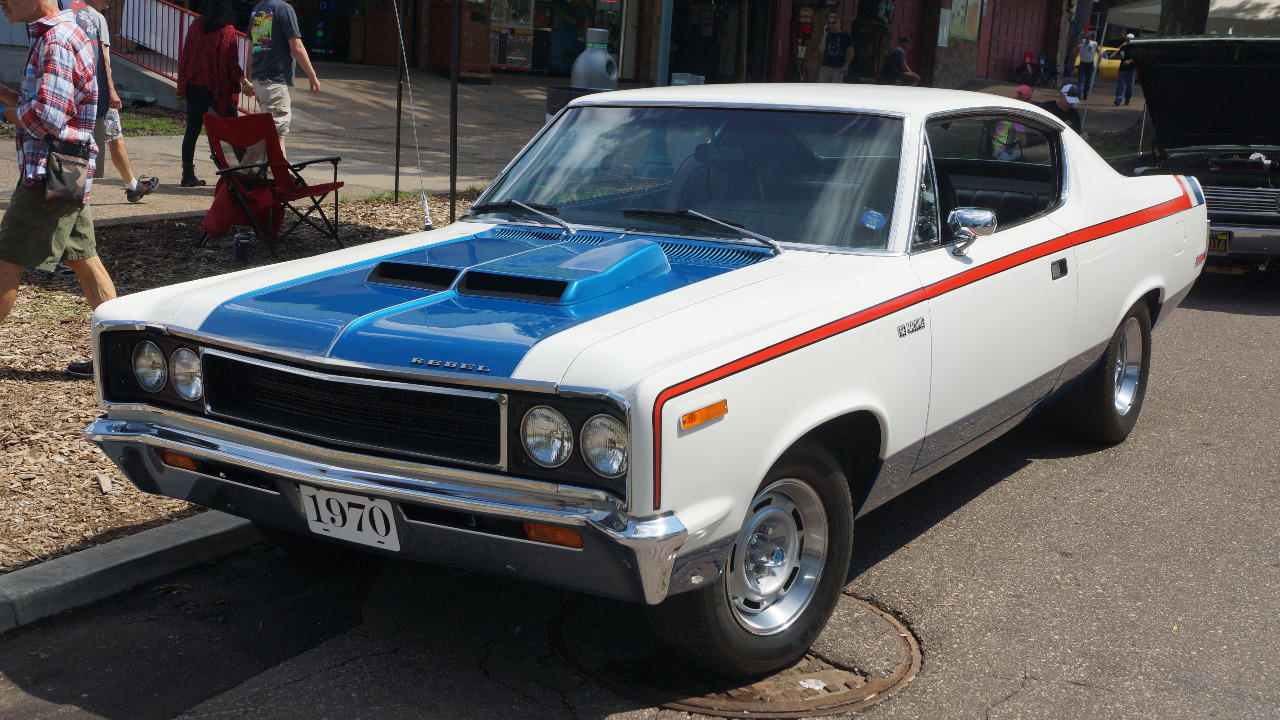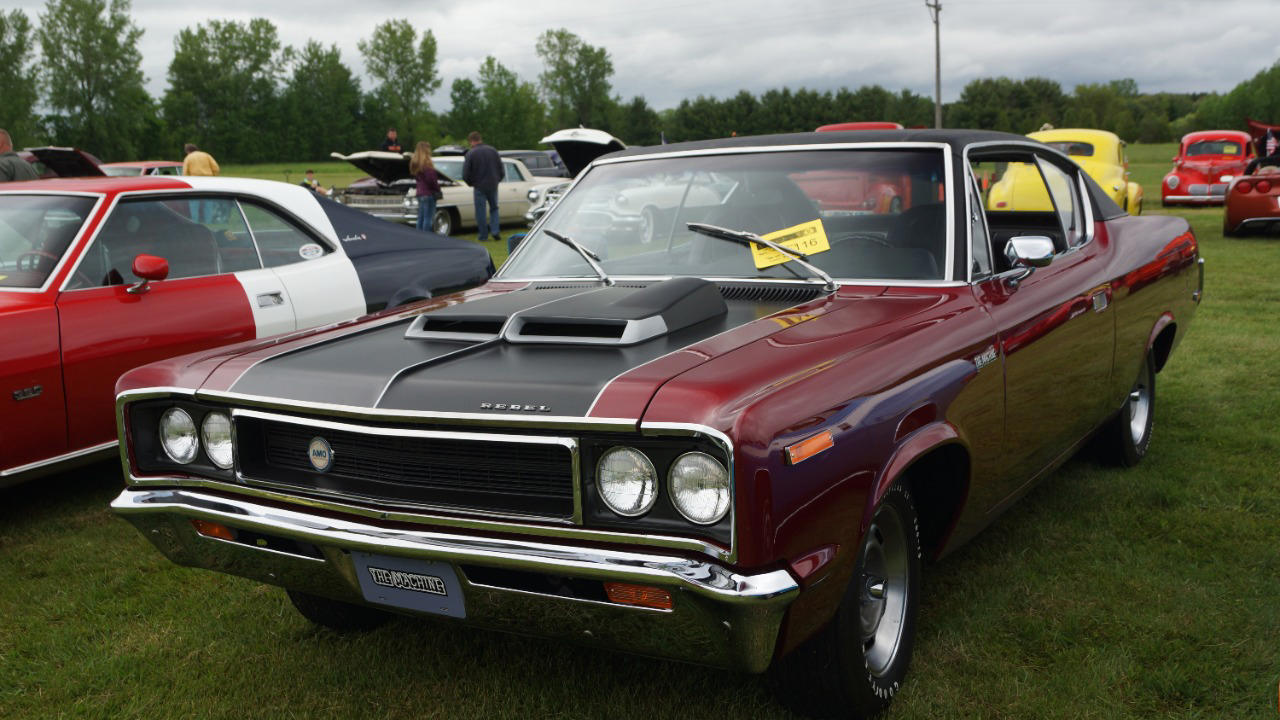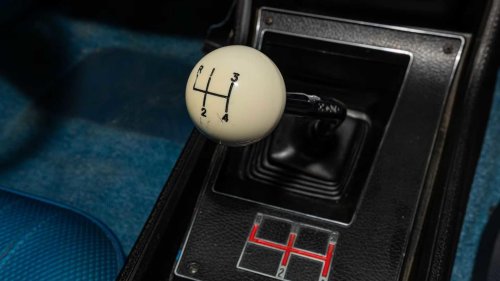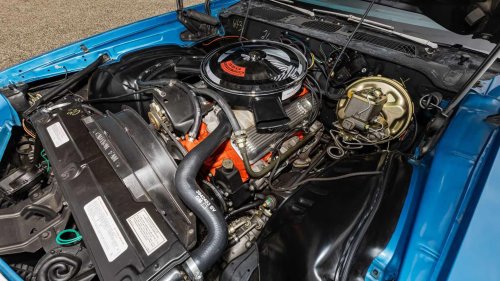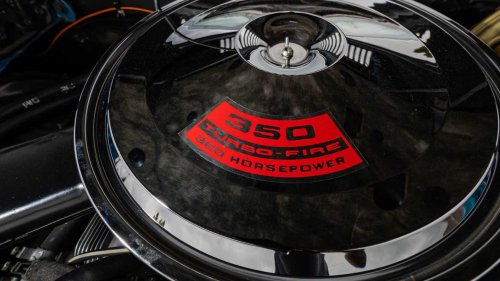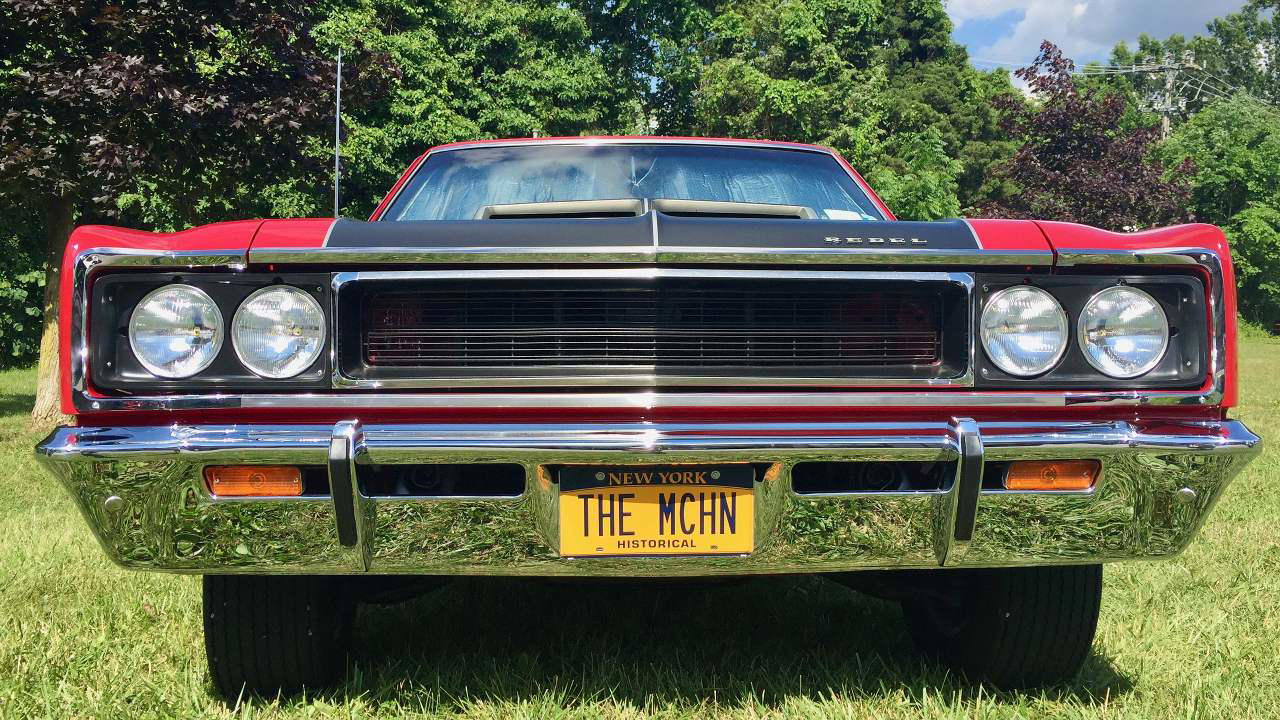


















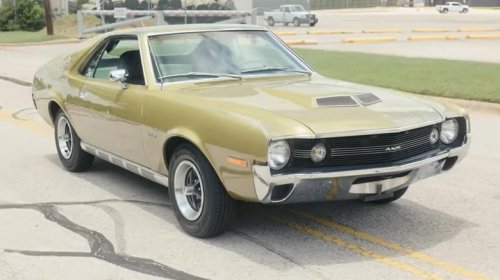
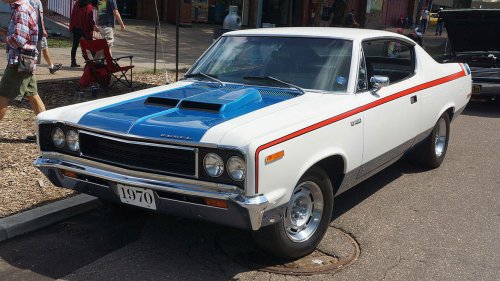
Bold stripes and attitude made the 1970 AMC Rebel Machine impossible to ignoreThe 1970 AMC Rebel Machine arrived with a paint scheme that shouted as loudly as its exhaust, a red, white and blue billboard for a company that refused to blend into Detroit’s background. Bold stripes, a towering hood scoop and a hard-edged stance turned a midsize sedan into a rolling challenge to better funded rivals. Beneath the patriotic graphics, the Rebel Machine backed up its attitude with serious hardware, including a 390-cubic inch V8 tuned for 340 horsepower and a chassis set up for straight-line punishment. It lasted just a single model year, yet that brief run cemented its status as one of the most distinctive muscle cars of its era. American Motors decides to get loud American Motors Corporation had already dipped a toe into performance with cars like the AMX and the SC/Scrambler, but the Rebel Machine represented a louder statement from AMC. Company engineers took the midsize Rebel platform and created what enthusiasts now recognize as the AMC Rebel Machine, a factory hot rod aimed directly at the muscle car mainstream. Several accounts describe how American Motors used an event in Dallas Texas the National Hot Rod Associ to showcase the car, positioning the Rebel Machine as a serious quarter-mile player rather than a mere appearance package. A video that revisits those origins frames it as a moment when American Motors decided to stop playing polite and start picking fights with bigger brands through a car that changed everything for the company, as seen in a detailed walk-through of the 340HP 1970 Rebel. Within AMC, the Rebel Machine also carried marketing weight. The name itself, The Machine, signaled a no-nonsense attitude. Later commentary on enthusiast forums and social media consistently refers to the 1970 AMC Rebel, particularly known as The Machine, as a high-performance muscle car produced by American Motors Corporation, which shows how firmly that identity has stuck to the car. One model year, lasting reputation Part of the Rebel Machine’s mystique comes from its limited run. Multiple sources describe the 1970 AMC Rebel Machine as a one-year performance model based on the Rebel, and enthusiasts often stress that it was produced only for the 1970 model year. A short ownership profile even opens with the line that it was a one-year muscle car from AMC, underlining how quickly it appeared and disappeared from showrooms. Collectors and historians frequently point out that the first 1,000 cars in the Rebel Machine’s production run received a distinctive factory paint treatment, which gave those early examples added cachet. Later builds could be ordered in more subdued colors, but the patriotic launch cars are the ones that etched themselves into public memory. That short lifespan, combined with modest production numbers, helps explain why more recent coverage describes the Rebel Machine as a rare and sought-after collector’s item. One detailed overview even labels it The Rebel Machine in a section called Rebel Machine Highlights, and singles out Rarity as a core trait, reinforcing how scarcity has become part of its appeal. Patriotic paint and a hood scoop with attitude The styling of the Rebel Machine remains its calling card. Contemporary and modern descriptions alike emphasize the flamboyant red, white and blue paint scheme that wrapped the body and drew a straight line between the car and American Motors’ underdog image. One recent feature on performance cars in gaming calls out a flamboyant red, white, and blue paint scheme that made as much of statement as its 340-horsepower V8, and notes that Featuring a 390-cubic inch V8 engine, The Machine delivered impressive horsepower and acceleration, with Its striking appearance making the AMC Rebel The Machine instantly recognizable. On the street, the most obvious functional cue was the tall hood scoop that fed the ram air system. Enthusiast breakdowns compare the setup directly to the AMX hardware, explaining that The Machine used the AMX’s ram-air 390-cid V-8, newly souped to 34 more horses than earlier versions. That scoop, combined with the striping and graphics, turned the car into a visual shout in an era already crowded with bold designs. Owners today still wrestle with preserving that look. One profile of a surviving car recounts how an example in Florida and the harsh Florida sun faded and cracked the original striping, which had been applied with 3M reflective tape. Restoring those details has become a specialized task, since the reflective material and exact patterns are part of what defines the model. Under the hood: 390 cubes and real muscle The Rebel Machine’s personality started with its engine. Period specifications and later technical write-ups agree that the car used a 390-ci V-8 that was the most aggressive powerplant in AMC’s lineup at the time. One detailed spec sheet lists the Engine as 390ci V-8, rated at 340 hp @ 5,100 rpm and 430 lb-ft @ 3,600 rpm, figures that place it squarely in the heart of the muscle car class. Another technical breakdown describes the ENGINE as a 390-cu.-in. V8 with a 4.17-in. bore x 3.57-in. stroke and repeats the 340 horsepower and 430 Ibs.-ft. torque ratings, along with a 10.0:1 compression ratio. Those numbers aligned with the marketing narrative. A short video segment even introduces the car as a full production 390 cubic inch monster, underlining how central displacement was to its image. Another enthusiast description from the gaming world uses the phrase Featuring a 390-cubic inch V8 engine to describe The Machine, again highlighting how that figure remains a shorthand for its performance identity. Performance writers looking back at the model describe it as a pretty good performer and emphasize that, like the SC/Scrambler, it used the AMX’s ram-air 390-cid V-8. The mention that it was newly souped to 34 extra units of output compared with earlier versions gives a sense of how AMC refined existing hardware rather than starting from scratch. Drivetrain, shifter and street manners Power alone did not define the Rebel Machine. Period specifications and later enthusiast coverage describe a well matched drivetrain that helped the car make the most of its 390. One feature lists Rebel Machine Specs that include the Engine figures and then outline the Drivetrain and Brakes, noting that AMC paired the big V8 with heavy-duty components from suppliers like Bendix for stopping power. A separate breakdown of the car’s best features explains that the 1970 AMC Rebel Machine was Ready, Set, POWER and that the engine was mated to a 4-speed Borg-Warner T10 gearbox with a floor-mounted Hurst shifter. That combination gave drivers both durability and a direct, mechanical feel, which remains a key part of the car’s appeal among enthusiasts who value engagement as much as raw speed. Later retrospectives argue that AMC’s Rebel Machine was not the supercar it could have been, pointing out that gearing, weight and marketing choices may have limited its ultimate performance potential. Even within those critiques, the same sources acknowledge the strength of the underlying ENGINE package and the solid 390-cu architecture that powered the car. From strip to street: how it was sold American Motors pitched the Rebel Machine as a car that could go from showroom to strip with minimal changes. One video presentation that revisits the car’s launch in Dallas Texas the National Hot Rod Associ context describes how American Motors wanted to associate the Rebel Machine with sanctioned drag racing, using the NHRA stage to signal credibility. Another enthusiast narrative, framed as The Machine Turned The Rebel Up To 11, explains that For the final year of the Rebel, AMC introduced the Machine. Based on the recently refreshed Rebel, the performance version was meant to smoke better known rivals in straight-line contests and give dealers a headline-grabbing halo car. That same analysis notes that AMC built the Machine on the Rebel platform, reinforcing the idea that this was an evolution of an existing midsize rather than a clean-sheet design. Social media communities focused on AMC history echo that framing, repeatedly describing the 1970 AMC Rebel, particularly known as The Machine, as a high-performance muscle car produced by American Motors Corporation. Those descriptions often sit alongside period advertising images that show the car in its full striped regalia, parked at drag strips or posed with timing lights to emphasize its intended habitat. Hurst collaboration and development story The Rebel Machine did not emerge in isolation. One detailed historical feature states that the 1970 AMC Rebel Machine was Arguably the Most Underrated Muscle Car of All Time and notes that it was Developed alongside Hurst Performance Research. That collaboration helped AMC refine both the functional hardware and the attention grabbing visuals, drawing on Hurst’s experience with shifters and special editions for other manufacturers. Earlier AMC projects like the SC/Scrambler had already involved Hurst in a prominent way, and the Rebel Machine can be seen as a continuation of that relationship. The same historical overview that mentions Hurst Performance Research also stresses that the car was Arguably the Most Underrated Muscle Car of All Time, a phrase that has been repeated across enthusiast circles and has shaped how modern fans talk about the car. Short-form video commentary reinforces that perception. One clip introduces the car with the declaration that this is the most unfairly forgotten muscle car of all time, and stresses that it was not a concept, not a prototype, but a full production 390 cubic inch monster. That insistence on production status reflects how some enthusiasts feel the car has been overlooked compared with more heavily promoted rivals. Living with The Machine today For owners who keep Rebel Machines on the road today, the car is as much about personality as performance. A feature on a surviving example recounts how a car that was in Florida and the sun there damaged its original 3M reflective tape stripes, forcing the owner to track down accurate replacements. The same profile notes how the owner sought parts and advice through communities linked to Car of the Week coverage of the AMC Rebel Machine, including social channels such as Car of the and related groups. Another enthusiast video, titled around an Extremely Rare 1970 AMC Rebel The Machine, walks viewers around a surviving car and stresses how few remain in original specification. The presenter, in a segment available from Mar 6 footage, invites viewers to appreciate the details that separate a true Machine from a regular Rebel, including the hood scoop, badging and interior cues. Personal stories add further color. In a segment introduced by Bud Wilkinson, a Bristol area owner explains how his 1970 Rebel that was called the Machine has stayed in his life and how it represents a one-year muscle car from AMC. That narrative, captured in a video available at My Ride, puts a human face on a model that can otherwise feel like a footnote in muscle car history. Why collectors call it underrated Modern commentators often group the Rebel Machine with other second-tier muscle cars that lacked the marketing budgets of Detroit’s giants. One detailed analysis labels the 1970 AMC Rebel Machine as Arguably the Most Underrated Muscle Car of All Time, arguing that its performance, rarity and visual drama should place it higher in enthusiast rankings. More from Fast Lane Only Unboxing the WWII Jeep in a Crate 15 rare Chevys collectors are quietly buying 10 underrated V8s still worth hunting down Police notice this before you even roll window down