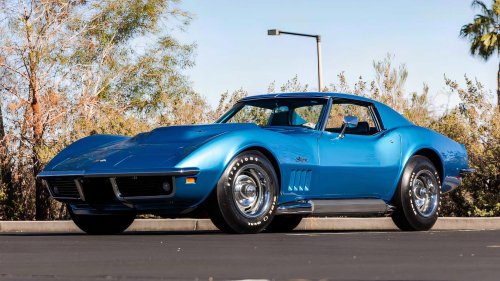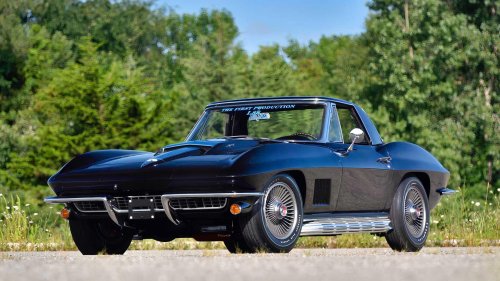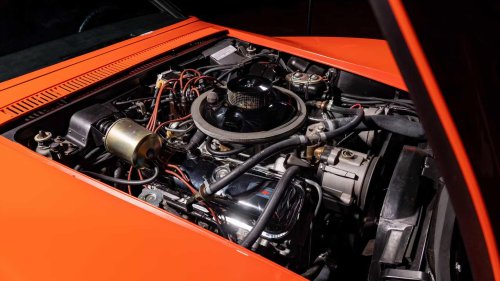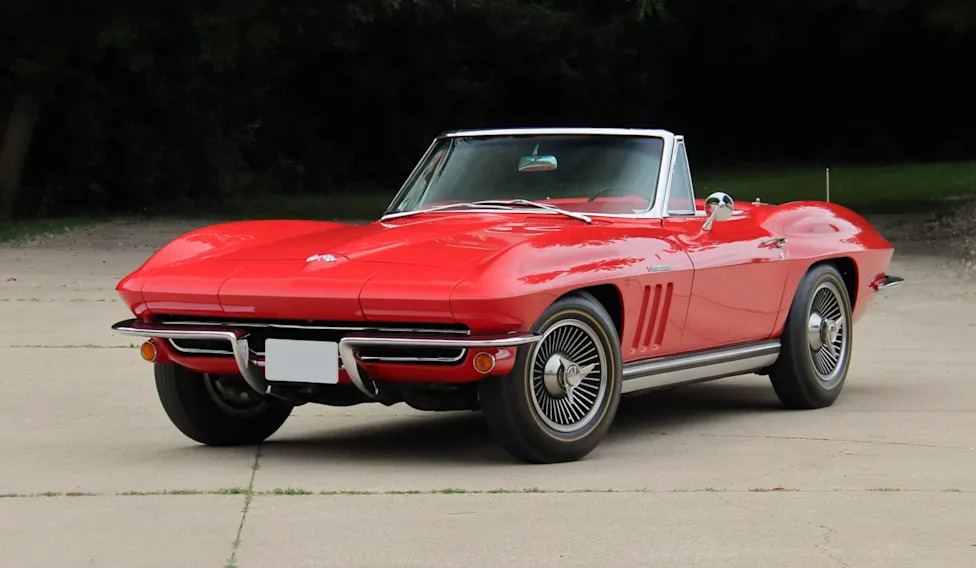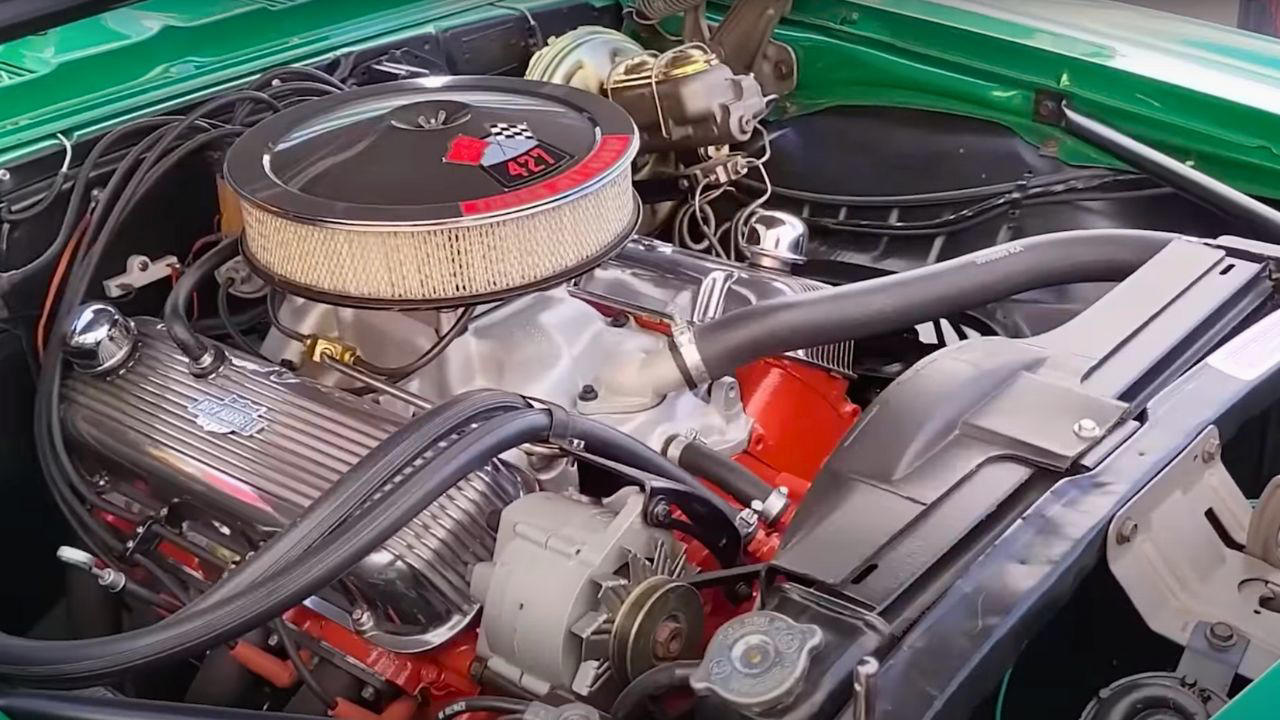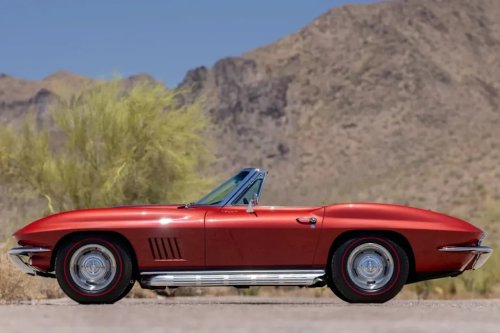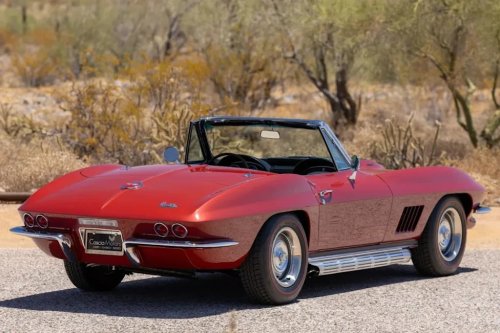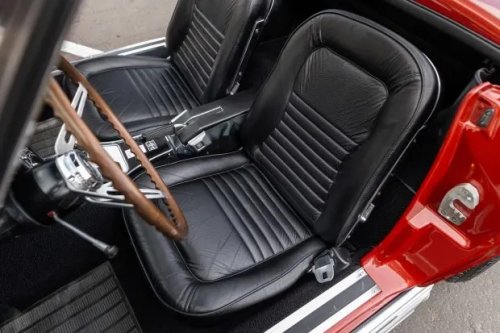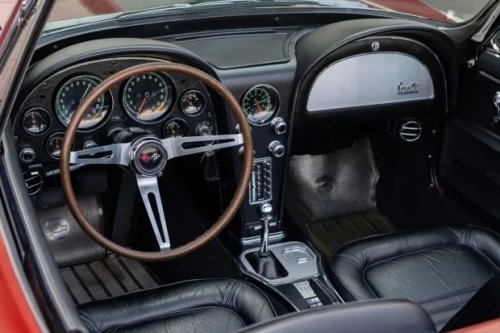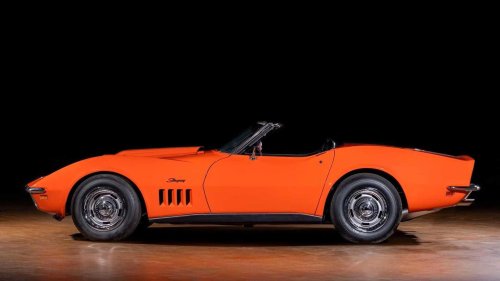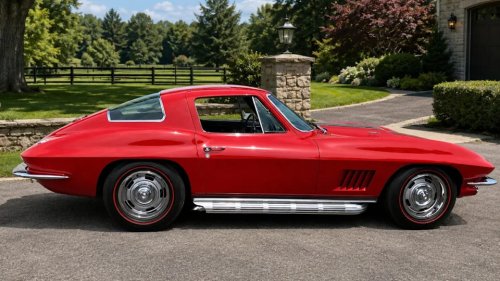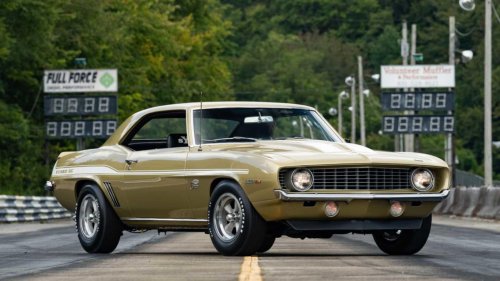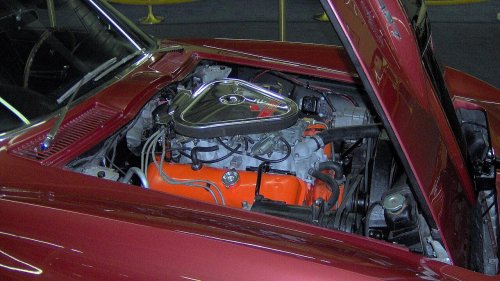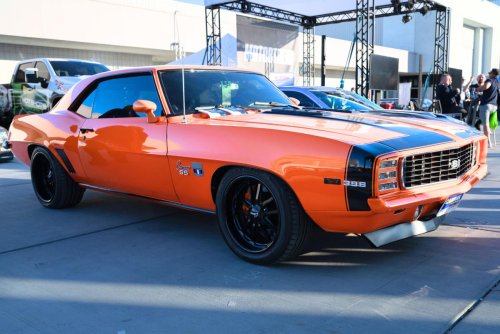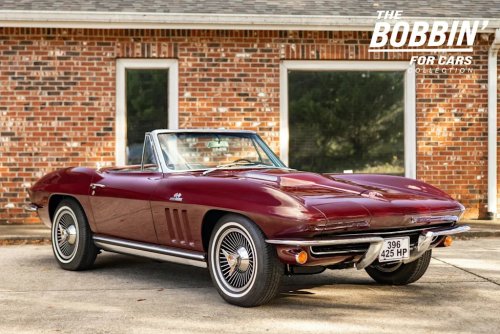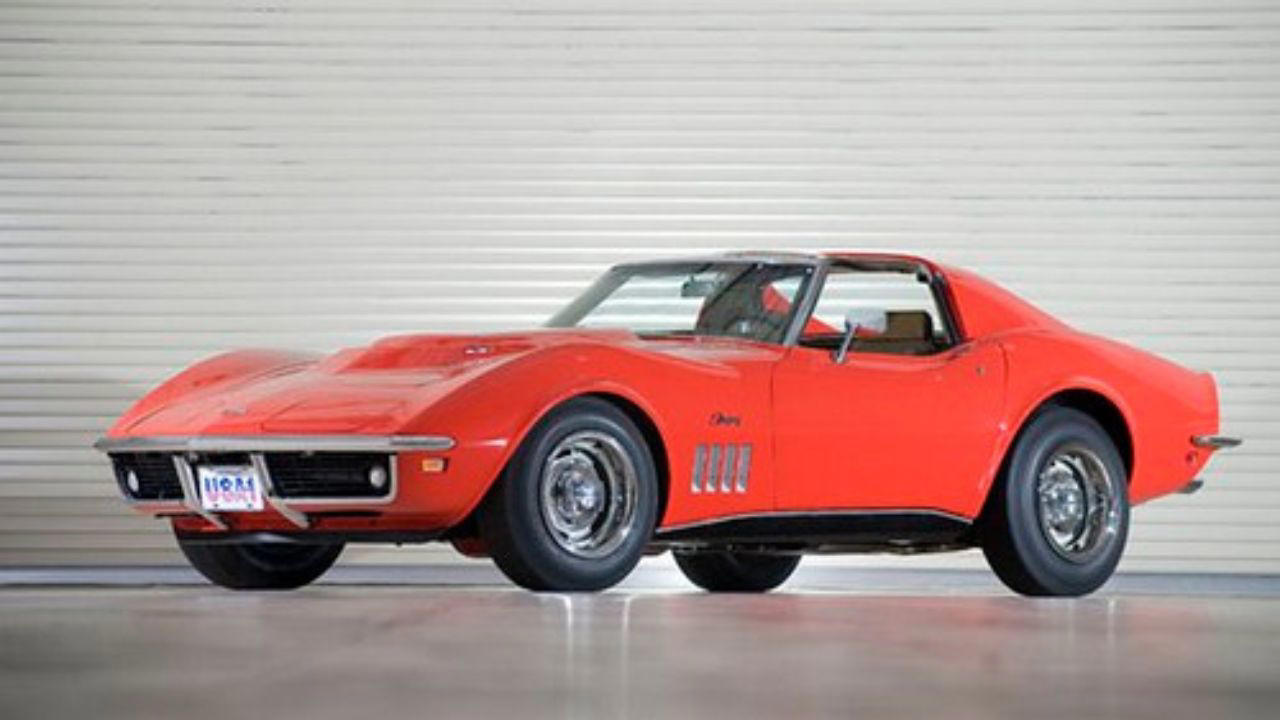



















Rarity alone makes the 1969 Corvette L88 impossible to ignoreThe 1969 Corvette L88 sits at the sharpest edge of American muscle: a purpose-built racing weapon wrapped in Stingray curves and produced in vanishingly small numbers. Its rarity, combined with brutal performance and a no-frills spec sheet, has turned this option code into one of the most obsessively tracked legends in the collector world. Even among big-block Corvettes, the L88 occupies its own orbit. Chevrolet built it for competition first and road use second, then quietly capped production so that only a small circle of buyers could tap its potential. Decades later, that strategy has created a car whose scarcity, auction prices, and mythology are almost impossible to ignore. The numbers that define rarity Any conversation about the 1969 L88 starts with a simple figure: Only 216 L88 left the factory between 1967 and 1969. Production broke down to 20 in 1967, 80 in 1968, and 116 in 1969, which means the final model year was both the most common and still extremely scarce. Other accounts describe the 1969 run slightly differently. One detailed breakdown of an unrestored car notes that only 116 examples of the L88 were built in 1969, while another account of a long-hidden car states that Only 118 L88s were produced that year and highlights one of seventeen fitted with the M20 Hydra Matic transmission. Even with those minor discrepancies, every account agrees that the total pool is tiny. Within that already narrow group, body style and transmission slice the numbers down further. One auction preview points out that of the 1969 run, only 16 were convertibles, and another video feature highlights one of 17 L88 Corvettes built with a Turbo 400 automatic. The result is a car that is rare in aggregate and, in specific configurations, almost singular. Built as a race car first The L88 option did not exist to pad sales brochures. It was conceived for professional racing purposes as part of a broader L88 package that had been offered since 1967 on the Chevrolet Corvette. One period description of the program calls it a romantic Chevrolet Corvette L88 produced for professional racing purposes with a 427 cubic inch engine, a reminder that this was a track tool first and a street car second. At the heart of the 1969 package sat an aluminum headed, race built 427 big block officially rated at 430 horsepower. A detailed technical overview lists a Massive 12.5 to 1 compression ratio and notes that this Mandatory high octane combination required fuel such as Sunoco 260. The same source reiterates the factory rating of 430 horsepower at 5,200 RPM, although that figure was widely understood to be conservative. Contemporary and modern assessments converge on a different output entirely. The National Corvette Museum notes that actual engine output was somewhere between 540 and 580 horsepower, enough for quarter mile times in the high 11 second range in race trim. Another enthusiast summary of the 69 L88 Corvette notes that the car packed a factory rated 430 horsepower 427 cubic inch V8 but soared past 500 horsepower, again reinforcing that the published figure was more sandbag than specification. Why Chevrolet tried to keep it rare Chevrolet did not simply let anyone order an L88. The option was engineered to discourage casual buyers and to steer the car toward serious racers. One breakdown of the ordering process explains that the L88 could be ordered only with certain options such as a performance suspension, while features such as a radio and A/C were not available. That same explanation, shared in an enthusiast post from Aug, underlines how far the company went to keep the car focused. A separate analysis of rare factory options adds that Choosing RPO L88 automatically bundled heavy duty suspension and cooling components while deleting common comfort features such as a radio and heater. Another look at the strategy notes that Chevrolet strategically discouraged L88 sales through high pricing and by requiring the deletion of popular options, an approach that aimed to sell the engine only to customers who understood what they were getting. The result was a Chevrolet Corvette L88 that prioritized performance over usability, reinforcing the engine’s competition focused intent. For buyers who wanted a fast but comfortable Stingray, Chevrolet already had plenty of big block choices. The L88 was something else entirely. Life with an L88: brutal, loud, uncompromising On the road, the 1969 L88 felt more like a homologated race car than a grand tourer. One detailed walkaround video of a 1969 L88 Corvette EXPOSED describes a car lacking features like power steering, air conditioning, and a radio in order to minimize weight and maximize performance. That same presentation notes that the car required the deletion of comfort equipment that most buyers took for granted. Performance figures from period style testing back up the intent. A profile of a rare 1969 Chevrolet Corvette L88 lists Performance figures that include 0 to 60 m p h in 4.8 seconds, a quarter mile time of 12.2 seconds, and a top speed of 170 miles per hour. Another guide that looks at the 1967 to 1969 L88 range cites a Performance Metric for the quarter mile with a Value of 12.2 seconds, a curb Value of 3,100 lbs, and a Value of a 4 speed manual transmission, numbers that match the car’s reputation as a brutal but effective weapon. Fuel needs were equally extreme. A technical breakdown of the earlier L88s notes that these cars required 103 octane gas and featured components like 12.5 to 1 compression, forged rods, forged pistons, hardened push rods, and a high lift cam. Combined with the already mentioned 12.5 compression ratio and the need for Sunoco 260 or equivalent, the 1969 version asked owners to treat every fill up like a race weekend. Sticker shock then, multi million prices now Even when new, the L88 was not a casual purchase. One unrestored 1969 Corvette profile notes a total sticker price of $6,839.70 when new, a figure that reflected its factory installed 430 horsepower engine, power brakes, beefy F41 suspension, and Positraction at the back. That combination made its motorsport intent innate and priced it above more ordinary Corvettes. Today, the market has turned that early sticker shock into a rounding error. A detailed market guide notes that authentic, well documented L88 Corvettes routinely sell for millions of dollars at auction, depending on year, condition, and provenance. Another valuation snapshot states that in the current edition of the Hagerty Price Guide, a museum quality 1969 L88 coupe is valued at $425,000, and that exceptional examples can trade for well over half a million dollars. Real world auction results often blast past those guide numbers. One recent sale saw a car enthusiast pay $759,000 for a 1969 Chevy Corvette L88, even though Chevy Corvettes with the L88 spec typically sell for an average price of around $434,000. That sale ranked among the most expensive C3 Corvette examples with the L88 spec ever sold at public auction. At the very top of the market, a famous 1969 L88 Convertible Race Car known as the Rebel illustrates how far the ceiling can rise. According to a detailed history of L88 top sales, that car achieved a Hammer Price of $2,860,000 at a Barrett Jackson sale, a figure that reflects both its racing history and the intense demand for the rarest L88 variants. Decoding the L88 spec sheet Beyond the headline horsepower and rarity, the L88 option reshaped the entire Corvette package. A technical overview of the engine notes that as an L88, the car features an aluminum headed, race built, high performance 427 engine officially rated at 430 horsepower, a figure widely considered understated for street use. The same analysis emphasizes that this engine was designed to be happiest at high RPM, not in traffic. Factory documentation and enthusiast breakdowns describe how the L88 option forced specific supporting hardware. The car came with heavy duty suspension, upgraded cooling, and mandatory Positraction, and could be ordered only with a close ratio 4 speed or, in a handful of cases, a Turbo 400 automatic. Power steering was typically absent, air conditioning was not available, and even a heater or radio could be deleted to save weight. One enthusiast group post from Aug explains that the L88 could be ordered only with certain options such as a performance suspension and that other features such as a radio and A/C were not available. Another technical analysis of rare factory options explains that Choosing RPO L88 automatically bundled heavy duty suspension and cooling components while deleting common comfort features. Together, these accounts show how Chevrolet used the order sheet as a filter for serious buyers. On track and in the record books The L88’s competition focus was not theoretical. Period race cars and later restorations show how effectively the package translated to the track. The National Corvette Museum notes that the 1969 Corvette L88 was a no compromise option built for one purpose, racing, and that the 427 cubic inch big block was capable of producing over 500 horsepower. In that same overview, the museum describes how the car’s quarter mile performance in the high 11 second range came from that combination of power and stripped down weight. Broader performance summaries echo those claims. A performance oriented profile of the 1967 to 1969 L88 range lists a quarter mile Value of 12.2 seconds and a curb weight of 3,100 lbs, figures that align with period drag strip reports. Another enthusiast feature on a rare 1969 L88 notes 0 to 60 m p h in 4.8 seconds and a top speed of 170 miles per hour, numbers that would still be impressive for a modern sports car, let alone one designed in the 1960s. Racing history also feeds the car’s modern cachet. The Rebel L88 Convertible Race Car mentioned earlier carried its distinctive livery through major events before eventually landing at auction. Other L88 Corvettes competed in SCCA and endurance racing, where the combination of massive power, durable internals, and heavy duty cooling made them formidable entries. Survivors, barn finds, and museum pieces Given the tiny production run and the hard life many L88s led, each surviving car carries significant historical weight. One barn find story describes an Extremely Rare 1969 L88 Chevrolet Corvette found after decades, noting that Only 118 L88s were produced in 1969 and that the featured car is one of seventeen ever fitted with the M20 Hydra Matic transmission. The long period of storage preserved details that might have been lost on a car that spent years on track. Other survivors have been pampered rather than hidden. A feature on a numbers matching 1969 Corvette L88 Corvette Convertible offers the car for sale with just 6,546 original miles on the odometer. That ultra rare, incredibly valuable example shows what the car looked and felt like when new, from its finishes to its original hardware. More from Fast Lane Only Unboxing the WWII Jeep in a Crate 15 rare Chevys collectors are quietly buying 10 underrated V8s still worth hunting down Police notice this before you even roll window down