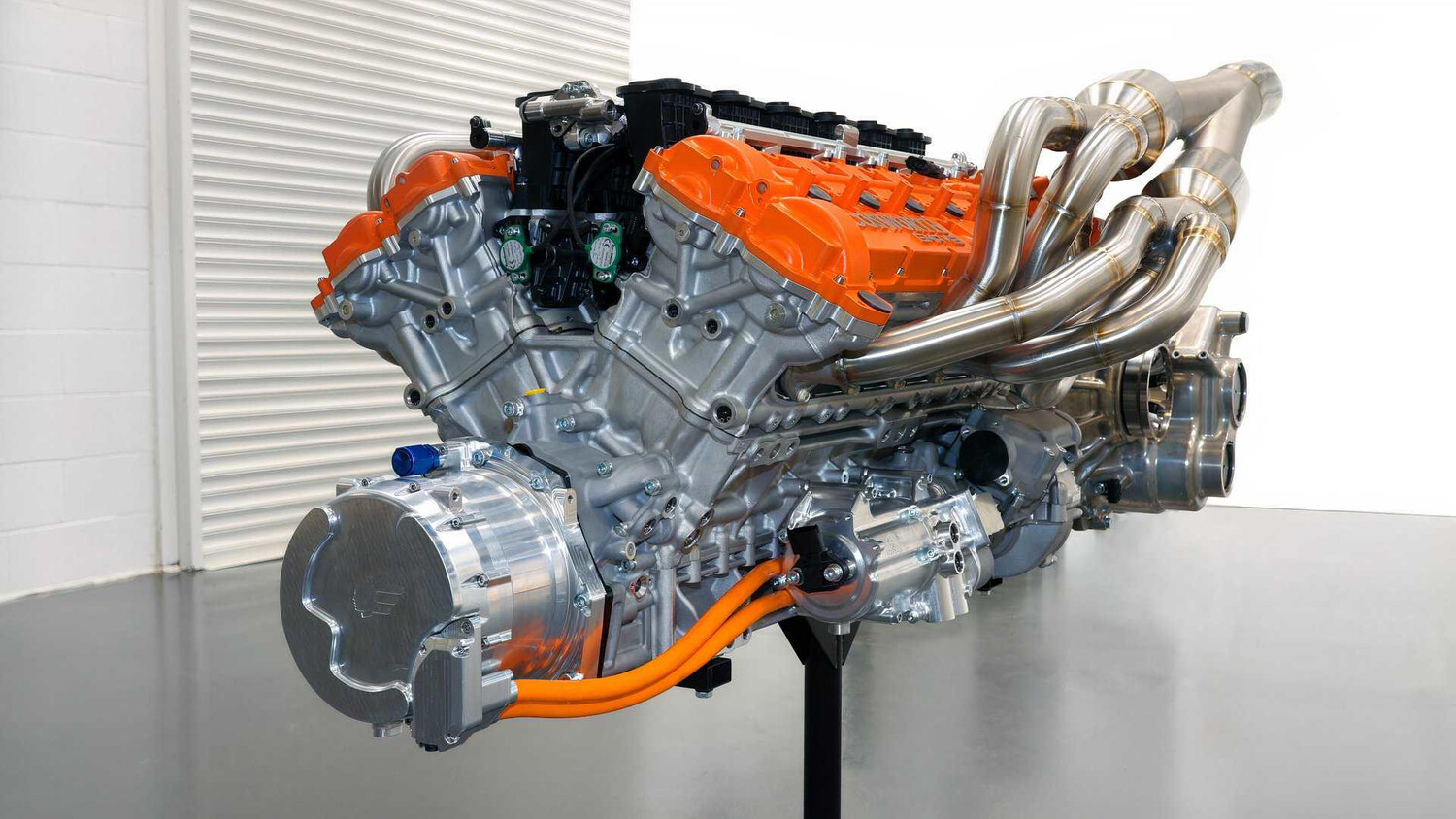
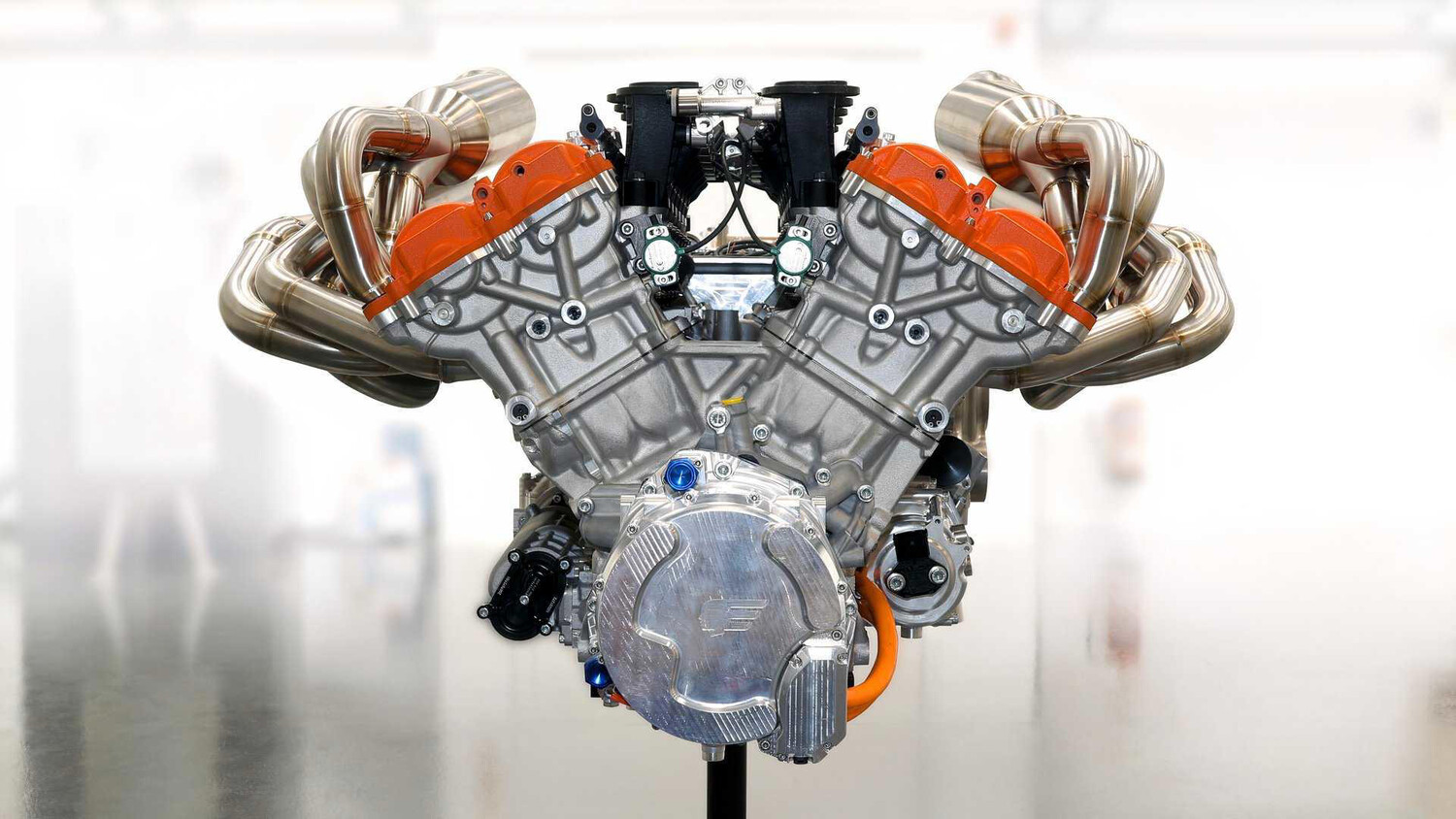
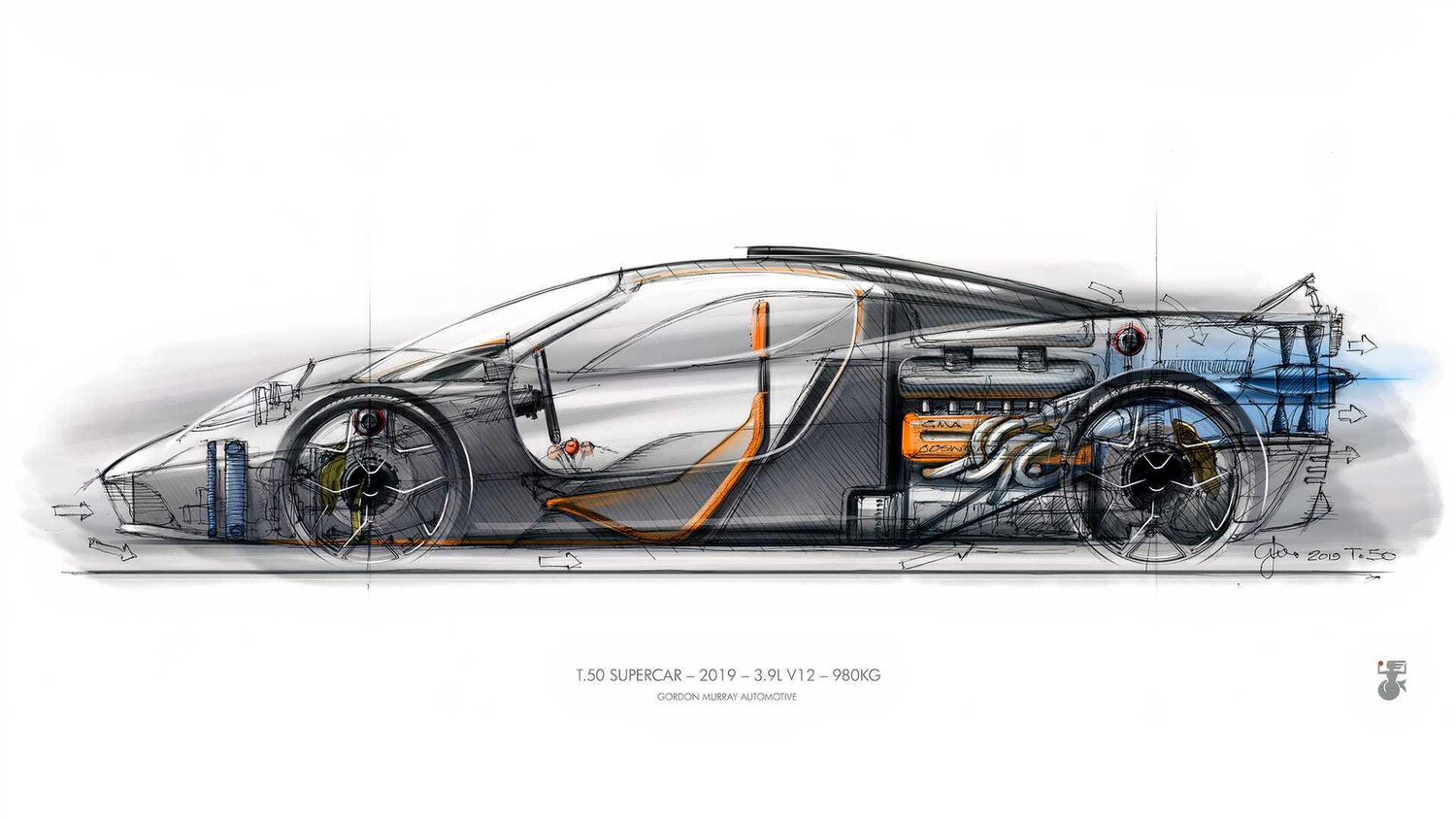
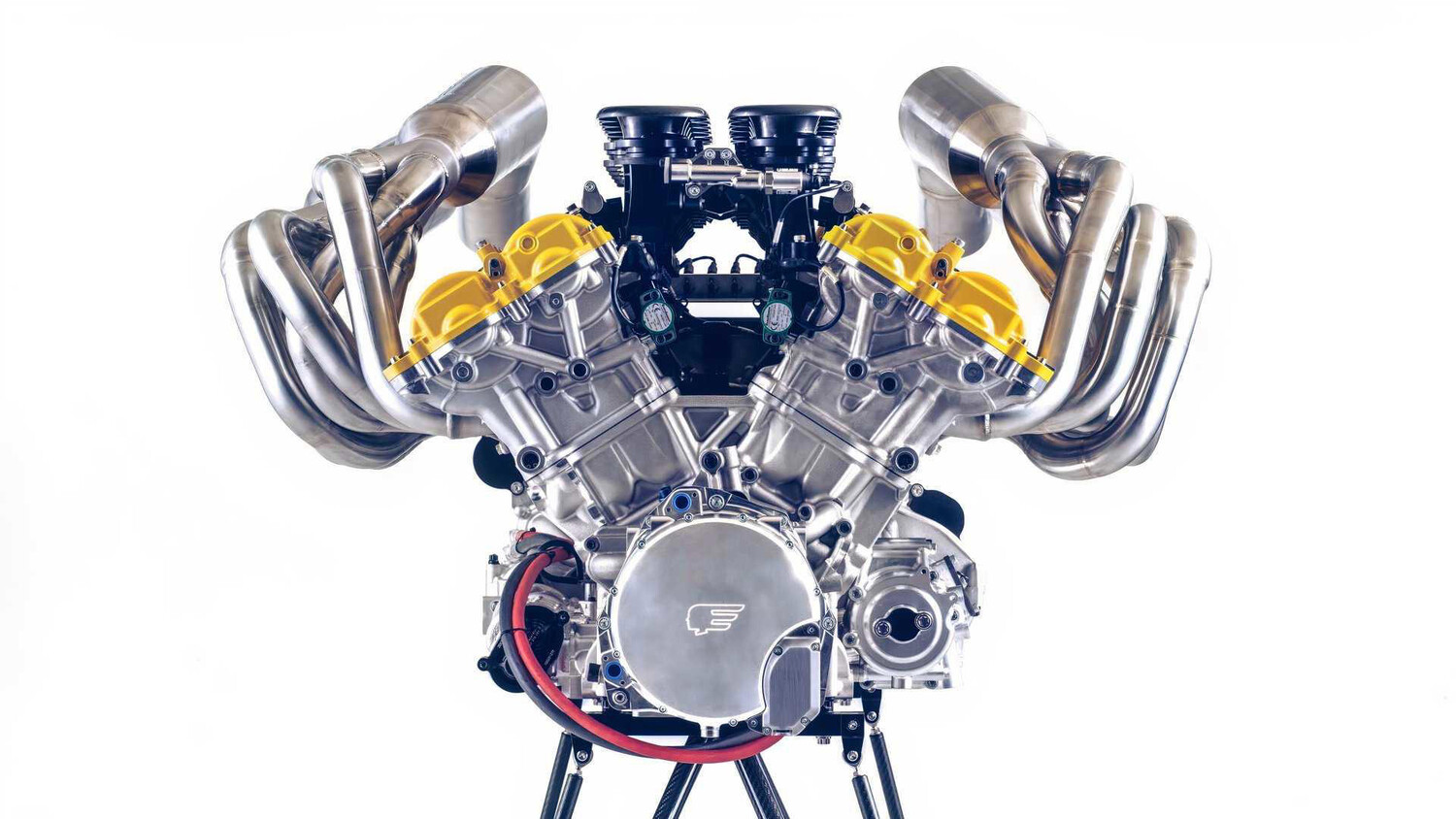
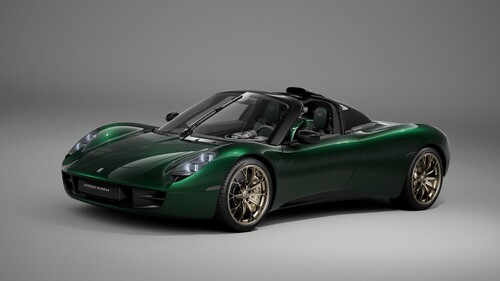
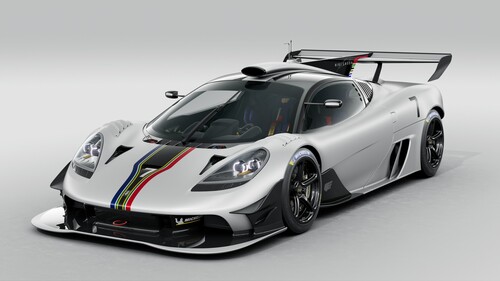
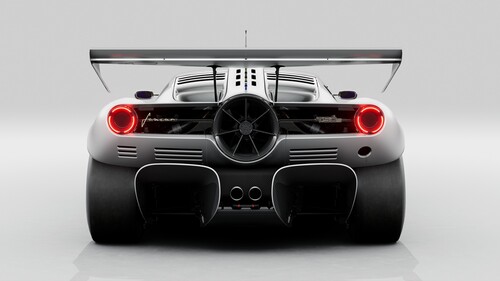
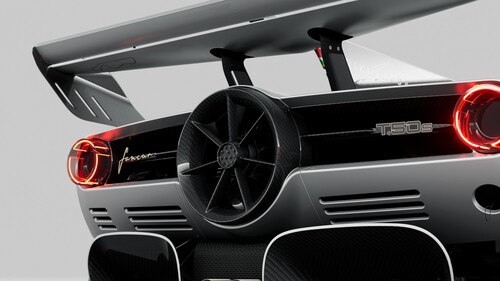
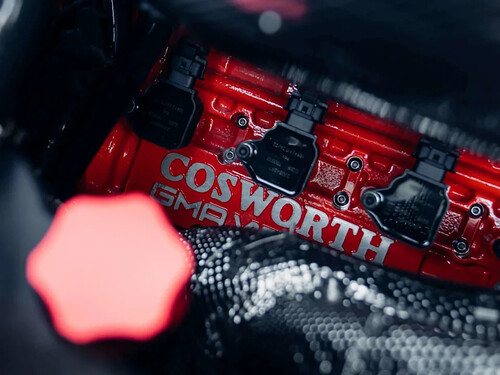
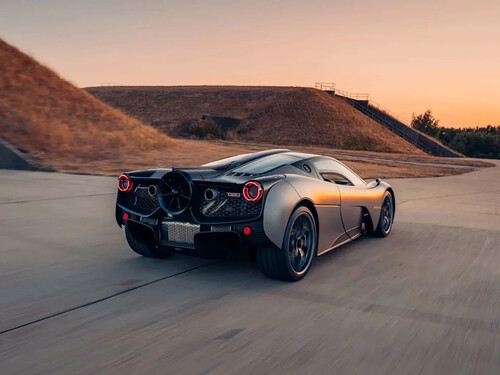
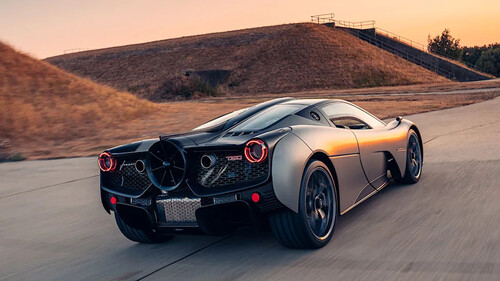
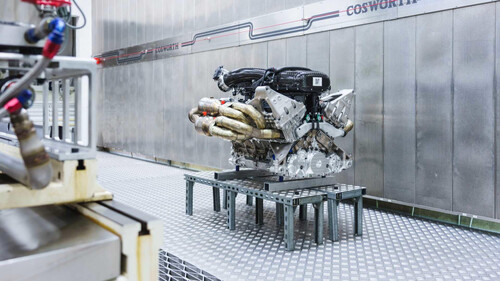
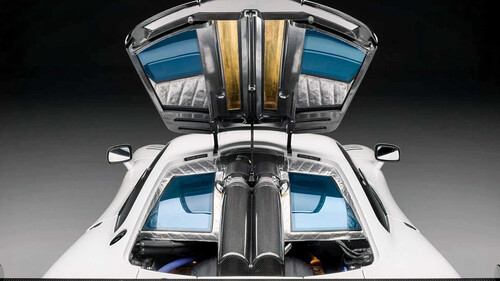
For almost as long as the automobile has been around, the V12 engine has been a staple of luxury cars and supercars, thanks to its high power and torque, smooth operation, and distinctive sound. These qualities have made it the ideal power source for such high-end vehicles.While the pre-World War II period was the most prolific for the V12 engine, with more than a dozen manufacturers offering at least one V12 in their lineups, the era from the 1960s through the 1990s saw some of the most spectacular V12 engines being launched, with brands like Ferrari, Lamborghini, Jaguar, BMW, Mercedes-Benz and Aston Martin battling each other for V12 supremacy.BMW’s S70/2 V12 engine, for example, is probably the most iconic naturally aspirated V12 as it powered the McLaren F1, widely considered the world’s first true hypercar. But there’s another strong contender for naturally aspirated V12 greatness, and it comes at a time when only a handful of V12 engines are still available. The Cosworth GMA Is The Pinnacle Of Naturally Aspirated V12 Engines Gordon Murray Automotive We’re talking about the Cosworth GMA V12 engine, a 4.0-liter naturally aspirated motor commissioned by Gordon Murray, the father of the McLaren F1, for his Gordon Murray Automotive T.50 hypercar, described as the spiritual successor to the F1.The Cosworth GMA V12 is the smallest and lightest modern V12 engine, with a displacement of just 3,994 cc (243.7 cubic inches) and a dry weight of 392 lbs—little more than your average 2.0-liter turbo four-cylinder gas engine. It's also the highest-revving and most power-dense production V12, with a redline of 12,100 rpm and a power density of 170 horsepower per liter.Gordon Murray Automotive The GMA V12 is a featherweight when compared to other V12 engines like Ferrari's F140 6.5-liter motor that delivers 819 horsepower in the 12Cilindri, Lamborghini's 6.5-liter V12 that makes 814 horsepower in the Revuelto without its PHEV system, and Aston Martin's 6.5-liter V12 that makes 1,000 horsepower without its electric hybrid system. The Hard Numbers: Hard To Believe They Are Real Gordon Murray AutomotiveYou would think that a small V12 engine like the Cosworth GMA V12 cannot compete with its larger Ferrari or Lamborghini counterparts on power and torque alone, and you’d be right.The GMA T.50's 4.0-liter V12 engine delivers 661 horsepower at 11,500 rpm and 353 pound-feet of torque at 9,000 rpm. It’s worth noting that 71% of the max torque figure is available at 2,500 rpm for enhanced drivability. These figures may not seem impressive on their own, but if you factor in the vehicle’s dry weight of just 2,198 lbs, the performance enabled by the GMA V12 is absolutely stunning.GMA prioritizes driving experience over raw stats, which is why the T.50 does not have official 0-60 mph and quarter-mile times. However, the hypercar is estimated to reach 60 mph from a standstill in around 2.8 seconds and cover the quarter-mile in around 10.6 seconds. It does have an official top speed of 226 mph, making it one of the fastest production hypercars available. The acceleration figures are quite remarkable, seeing as the T.50 features a 6-speed Xtrac H-pattern manual transmission.Gordon Murray Automotive There are other impressive numbers, such as the fact that it reaches the 12,100-rpm redline in just 0.3 seconds at a rate of 28,400 revs per second. This is so hard to imagine, let alone make possible, yet Cosworth engineers somehow managed to make it. A Gem Of An Engine With Real Gold Around It Via: Gordon Murray Automotive How is that possible? Well, the engine design and materials used for its components make these impressive specifications possible. For example, the engine block and cylinder heads are made of high-strength aluminum alloy, while the connecting rods, valves, and clutch housing are made of titanium; the titanium valves are a key enabler of the 12,100-rpm redline.Furthermore, the crankshaft is made of high-strength steel, making it the lightest in the world for a V12 engine at just 28.7 lbs, while the pistons are built from metal matrix composite (MMC) and the exhaust system features titanium and inconel (an alloy of nickel containing chromium and iron, resistant to corrosion at high temperatures).Gordon Murray Automotive You may recall that the McLaren F1 also uses inconel for its exhaust system and catalytic converter casings, but the GMA T.50 offers another throwback to the legendary F1 by using gold and gold foil heat shielding in the engine bay.Why gold, though? Well, the precious metal is the best natural reflector of infrared radiation, preventing extreme heat generated by the engine from damaging the surrounding carbon fiber bodywork and components. This technique was pioneered by Gordon Murray in the McLaren F1 to achieve superior thermal management, and now it’s being taken to the next level by the GMA T.50. Cosworth Actually Built Two Versions Of The V12 For GMA Via: Gordon Murray Automotive What makes the GMA V12 engine story even more remarkable is that Cosworth built two versions of it, a more extreme one for the T.50 dubbed GMA, and a more road-focused one in the T.33, known as the GMA.2. The latter has lower power—609 horsepower at 10,500 rpm and 333 pound-feet of torque at 6,750 rpm—and a lower redline of 11,100 rpm.Gordon Murray Automotive Basically, the engine has been reworked for more accessible performance, delivering more low-down torque – 75% of max torque is available at 2,500 rpm. The GMA.2 engine features new heads, cams, mapping, and direct engine-mounted induction – as opposed to the T.50’s roof-mounted induction that forms part of the monocoque chassis.Gordon Murray Automotive Like the T.50, the T.33 features a 6-speed Xtrac H-pattern manual transmission that drives the rear wheels through a rear limited-slip differential. The 0-60 mph time is estimated at under 3 seconds, and the official top speed is 208 mph. While the T.33 is slightly slower than the T.50, it’s still a very fast supercar and one of the few of its kind to feature a manual transmission. Gordon Murray’s Expectations Vs Cosworth’s Reality Via: Gordon Murray Automotive When Gordon Murray set out to build the T.50, the brief for the V12 engine that would power it was quite straightforward. He wanted the T.50 to have the “greatest naturally aspirated road car engine ever.” Murray wanted the engine to be very light and compact so that it wouldn’t affect the mid-engine T.50’s weight distribution, and naturally aspirated for instant linear response. He was also looking for an exceptional soundtrack and mechanical beauty.How did he end up picking Cosworth for the job? Murray was impressed with the work Cosworth did on the Aston Martin Valkyrie’s RA V12 engine and decided to give them a shot. He would later congratulate himself for making that call, as Cosworth not only ticked all the design brief boxes but also exceeded some of them. The legendary engine builder exceeded the original power targets and achieved an unprecedented level of responsiveness and drivability at low speeds, despite the engine’s extreme high-revving nature. Cosworth did that by developing an innovative system using only 4 throttle bodies (compared to 12 in the McLaren F1 engine).Gordon Murray AutomotiveMurray toldCarbuzz that Cosworth’s V12 actually blew his mind, and he had to apologize after he insisted that Cosworth give the engine two driving modes: one for high power at high rpms and one for low-down torque. Upon driving the first prototype, he realized Cosworth was right to dismiss his request as the engine had plenty of power and torque as it was.Needless to say, Cosworth also exceeded the engine weight and power density targets, setting a record for both categories. So next time you ask yourself why the GMA T.50 cost around $3 million at launch, just think about the work and money that went into developing this sensational engine alone.Source: Gordon Murray Automotive.