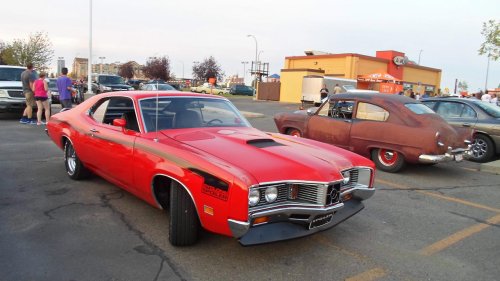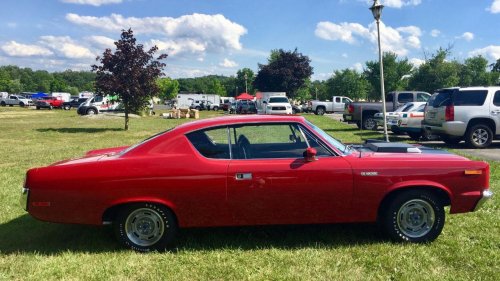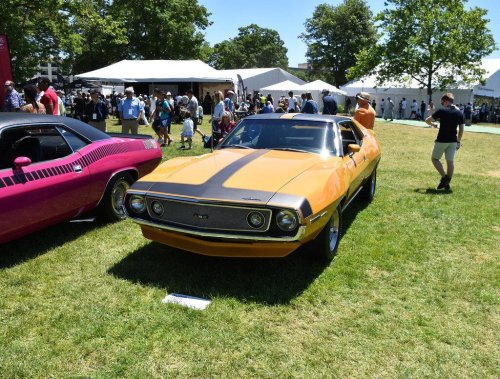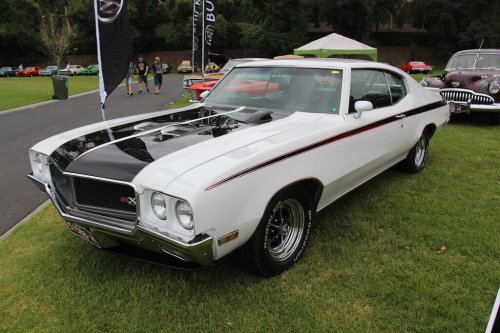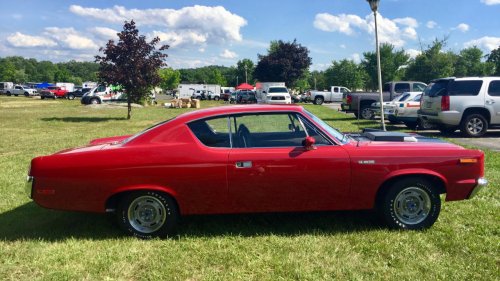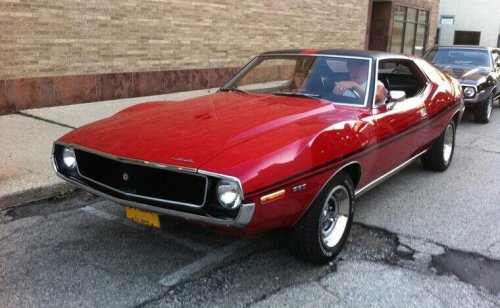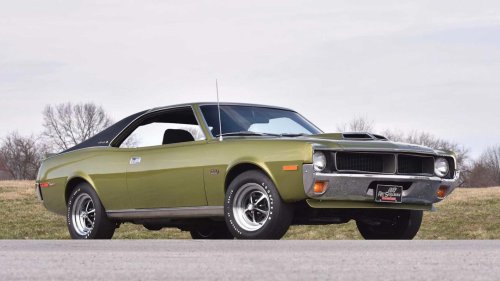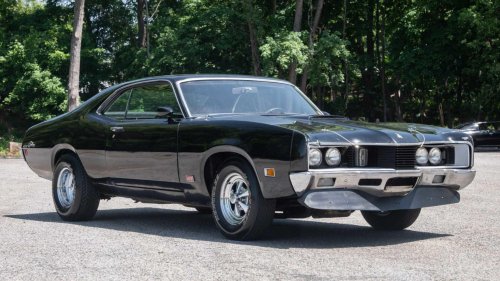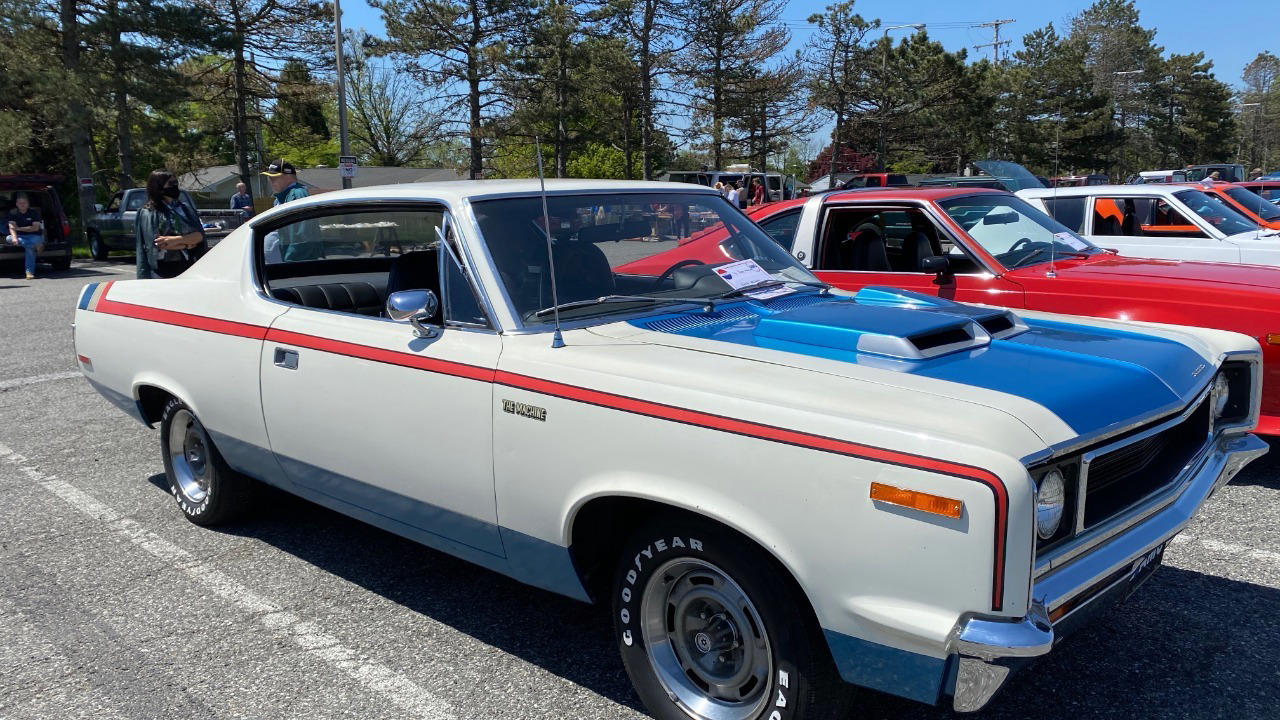



















A 1970 AMC Rebel Machine proved muscle cars didn’t follow one formulaThe 1970 AMC Rebel Machine arrived at the height of Detroit’s horsepower wars and refused to play by the established script. Instead of mimicking the Big Three, American Motors built a one-year special that mixed drag-strip numbers, oddball engineering choices, and a defiantly offbeat image. The result was a muscle car that proved there was never just one formula for going fast in America. More than half a century later, the Rebel Machine still looks like a rolling argument against conformity. Its short production run, wild paint, and unconventional hardware have turned it into a cult favorite that challenges the idea that only Ford, Chevy, and Chrysler wrote the rules of the muscle era. The night American Motors crashed the party By late 1969, American Motors was tired of watching other brands dominate the drag strip. At a National Hot Rod Association event in Dallas Texas the National Hot Rod Association became the stage for a bold announcement, as American Motors rolled out a factory Rebel that would soon be known simply as The Machine. Period accounts describe the car as a statement piece from American Motors, a company that had long been seen as the sensible alternative rather than the wild one. That Dallas Texas the National Hot Rod Associ debut mattered because it put AMC on the same track as the giants it wanted to chase. The company did not have the budget or dealer network of the Big Three, yet it still chose to meet them on their home turf, the quarter mile. The reveal signaled that AMC was ready to move beyond economy cars and compact commuters and into the arena where bragging rights were measured in elapsed time slips. The Machine’s very name was a declaration. Instead of leaning on an animal, a myth, or a racetrack, AMC picked a blunt, industrial label that fit the car’s no-nonsense intent. The Machine was not trying to be pretty or graceful. It was trying to be fast, and to look unapologetically aggressive while doing it. One model year, maximum impact The Rebel Machine was never meant to be a long-running series. From the get-go, internal planning at American Motors treated it as a one-year-and-done project, tied to the final stretch of the Rebel line itself. Compressing the entire experiment into a single model year gave the car an intensity that few rivals matched. Quick Facts About The AMC Rebel The Machine show that it was Produced only for the 1970 model year. In an era when rivals like the Chevelle SS and Road Runner evolved through multiple seasons, AMC chose to pour its effort into a short, sharp burst. That compressed schedule helped cement the Machine’s later rarity, but it also shaped how the company equipped the car from day one. Rather than starting mild and adding performance later, American Motors launched The Machine already armed with its most serious hardware. There was no slow build, no incremental power bump. The company effectively said that if buyers wanted a Rebel with attitude, this was the moment to step up. The heart of The Machine: AMC’s strongest V8 Under the hood, the Rebel Machine carried American Motors’ most potent production engine. Quick Facts About The AMC Rebel The Machine note that it Featured AMC’s most powerful V8 ever, and period specifications describe a 390 cubic inch block that enthusiasts still recognize. One later video profile even calls it a full production 390 cubic inch monster, with the figure 390 becoming shorthand among fans for the car’s identity. Factory data for Rebel Machine Specs list the Engine as a 390ci V-8 producing 340 hp @ 5,100 rpm and 430 lb-ft @ 3,600 rpm. Those precise figures, 340, 5,100, 430, 3,600, place the car squarely in the thick of the muscle pack. The output did not just look good on paper, it translated into a strong power-to-weight ratio and serious straight-line performance. Unlike some rivals that offered multiple big-block choices, AMC essentially built the Rebel Machine around this single powerplant. That focus simplified the lineup and reinforced the idea that this car existed for one primary purpose. The tall deck design, aggressive cam, and deep-breathing induction combined to give the Machine a personality that was more brutal than refined, yet that was exactly what buyers in this segment expected. Drivetrain, suspension and the hardware to back it up Power alone would not have been enough to change perceptions of American Motors. Engineers therefore equipped The Machine with supporting hardware that moved it beyond simple straight-line bragging. Contemporary descriptions of Rebel Machine Specs list the Drivetrain configuration and the Brakes supplied by Bendix, emphasizing that the car was built to stop and turn as well as accelerate. Suspension consisted of independent unequal control arms in the front and a solid rear axle with heavy-duty components, combined with a raked, funny car stance that gave the Rebel a distinctive posture. That stance was more than a styling trick. It shifted weight rearward under launch and helped the tall deck V8 put its torque to the pavement. Transmission choices further underline how AMC balanced accessibility and performance. Enthusiast coverage of The Machine notes that a four-speed manual was the core offering, while an automatic was optionally available for buyers who wanted speed without the constant clutch work. This dual approach mirrored the broader muscle market, yet in AMC’s case it also allowed the company to keep the options list relatively tight while still satisfying different types of drivers. Red, white and anything but subtle If the mechanical package made The Machine credible, the styling made it unforgettable. Early cars wore a wild patriotic paint scheme that wrapped the Rebel’s midsize body in red, white and blue. At a Glance, the car looked like nothing else in a dealer showroom, with striping that ran across the hood and down the flanks, backed up by a functional hood scoop that fed the Engine. The scoop itself became one of the Machine’s signatures. Period descriptions of Rebel Machine Specs point to the scoop’s role in channeling cool air to the carburetor, an approach that mirrored the cowl and ram-air systems used by the Big Three. Yet the AMC piece had its own visual language, with blocky lettering and a presence that dominated the front view. Inside, the Rebel Machine was less flamboyant. The cabin reflected AMC’s budget-conscious roots, with straightforward gauges and trim. The contrast between the almost workmanlike interior and the extroverted exterior only reinforced how differently American Motors approached the muscle brief. The company spent its money on the parts that made the car faster and on the visual statement that would grab attention at a stoplight. Running with the Big Three, on AMC terms Contemporary marketing pitched the 1970 Rebel Machine as AMC’s no-nonsense response to the Big Three at the time, specifically Ford, Chevy and Chrysler. That framing captured both the ambition and the constraints behind the project. American Motors could not match the sheer variety of performance models those brands offered, but it could field one car that could run with the big dogs of the muscle era. Drag strip tests from the period, along with more recent driving impressions, describe the Machine as quick enough to surprise owners of more famous nameplates. One video review notes that the power is enough to wipe the grin off plenty of faces, with drivers feeling the force through the wheel, the pavement and their spine. That sensory description matches the raw numbers and reinforces that the Rebel was not just a marketing exercise. Where the Big Three often leaned on racing programs and large dealer networks to build hype, AMC relied on the shock value of seeing a Rebel in full patriotic colors storming down the quarter mile. The car’s combination of 390 cubic inches, 340 hp @,100 rpm and 430 lb-ft @ 3,600 rpm gave it the credibility it needed to stand on the same stage, even if production volumes never came close. An underdog with a different kind of following Because the Rebel Machine existed for only one model year, it never had the chance to build the kind of mainstream recognition that attaches to names like GTO or Charger. Yet that brevity has helped create a different kind of loyalty. Owners and fans often describe the car as the most unfairly forgotten muscle car of all time, a sentiment repeated in modern video features that highlight how rarely one appears at local shows. One enthusiast clip simply introduces an Extremely Rare 1970 AMC Rebel The Machine, with the presenter pausing on the details that set it apart from the crowd. Another segment titled My Ride follows Bud Wilkinson as he profiles a Bristol man’s 1970 Rebel that was called the Machine, emphasizing how personal these cars have become for the few who own them. Those stories give the car a human dimension that spec sheets alone cannot capture. At modern events, a Rebel Machine often draws a different crowd than a Chevelle or Mustang. Younger visitors are curious because they have never seen one in person. Older enthusiasts remember advertisements where American Motors tried to shake off its staid image. The car functions as both conversation starter and history lesson, a reminder that the muscle era included more than the usual suspects. Why the Machine disappeared so quickly Given the car’s performance and personality, the obvious question is why it vanished after a single season. Internal planning around the Rebel line provides part of the answer. From the start, The Machine was tied to a platform that American Motors already intended to retire. From the get-go, the company knew that the Rebel would conclude at the end of that cycle, which meant the Machine could not easily continue without a major redesign. Economic pressure added another layer. By the early 1970s, insurance costs for high-horsepower cars were rising and public sentiment was starting to shift. A later analysis of why the 1970 AMC Rebel Machine was killed off despite its strengths points to the combination of limited marketing resources, changing buyer priorities and the company’s need to focus on more profitable segments. In other words, the Machine was a victim of timing as much as anything else. It arrived near the peak of the muscle boom, then disappeared just as that boom began to fade. The car never had the chance to evolve into a second or third generation that might have cemented its place in popular memory. How the Rebel Machine broke the muscle-car mold Looking back, the 1970 AMC Rebel Machine stands out not just for what it was, but for how it challenged assumptions about what a muscle car had to be. It proved that a company known for compact commuters could build a 390 cubic inch monster that held its own on the strip. It showed that patriotic paint and a blunt name could grab attention as effectively as animal badges or racetrack references. More from Fast Lane Only Unboxing the WWII Jeep in a Crate 15 rare Chevys collectors are quietly buying 10 underrated V8s still worth hunting down Police notice this before you even roll window down