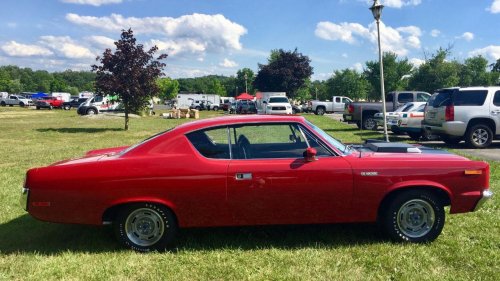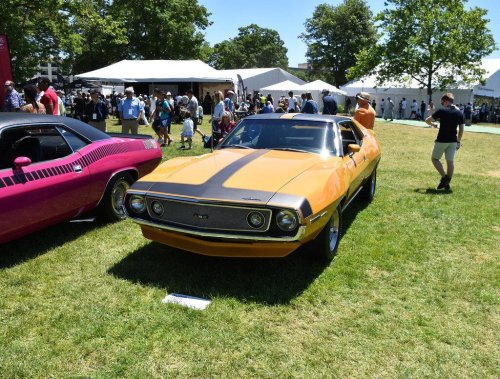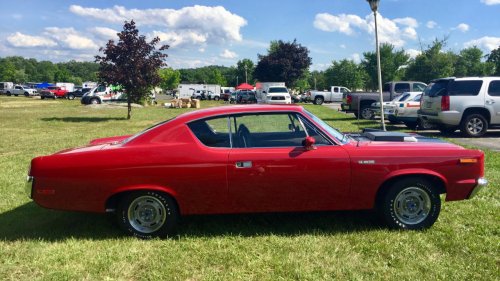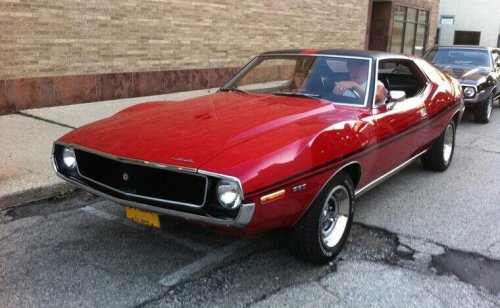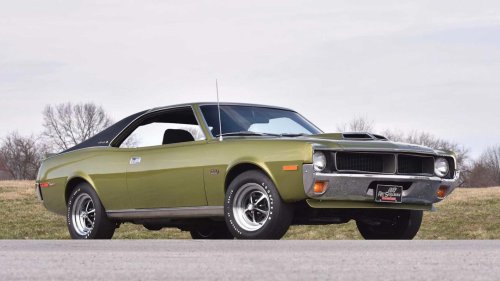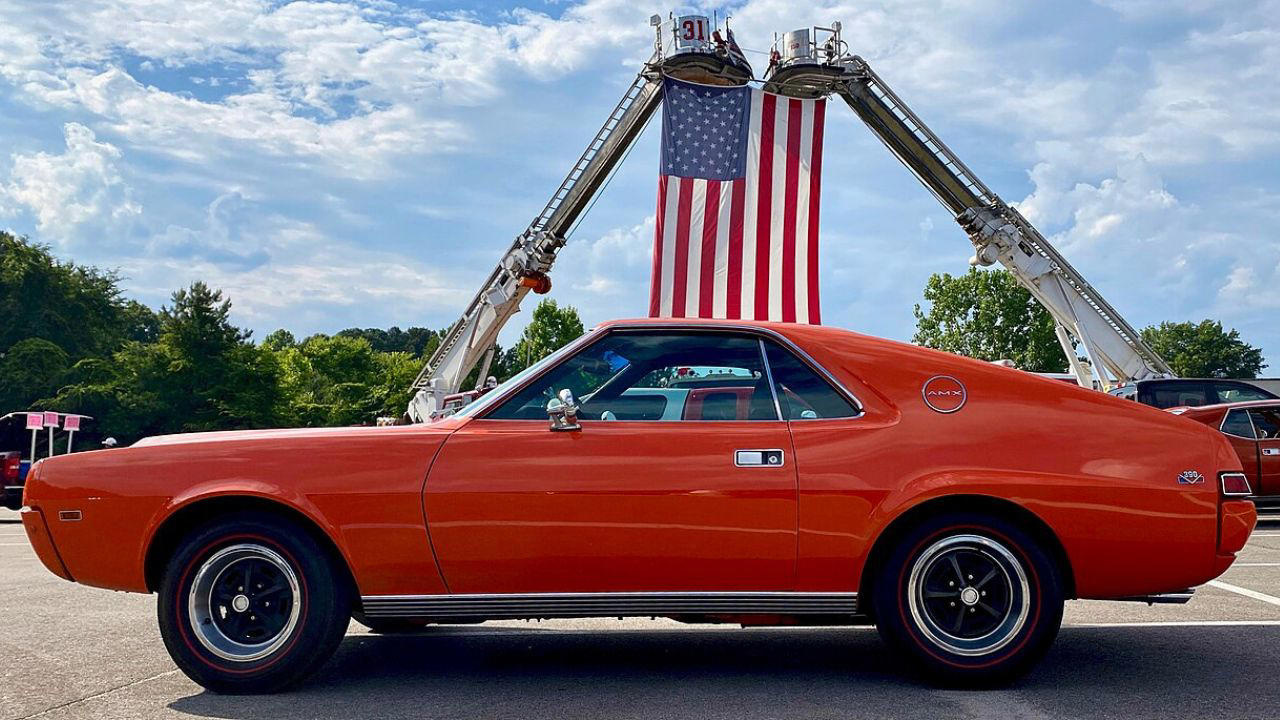



















The AMX proved muscle cars didn’t need four seats to make a statementAmong Detroit’s late‑sixties heavy hitters, one car broke a quiet rule. The AMC AMX arrived as a factory two‑seater with full muscle‑car firepower, proving that a short wheelbase and a missing rear bench could still deliver serious performance and presence. At a time when rivals sold speed by the family‑friendly bucketful, American Motors Corporation used the AMX to argue that muscle did not need four seats to matter. Today, that argument looks prescient. The AMX’s compact footprint, bold styling, and limited production numbers now read like a blueprint for modern performance specials, and collectors are finally treating it as more than a quirky footnote. The two-seat gamble from the smallest Detroit player The AMX was built by American Motors Corporation, a company that spent the muscle era fighting for attention against much larger rivals. While Ford, Chevrolet, and Chrysler could flood showrooms with Mustangs, Camaros, and Chargers, AMC had to stand out with something different. Its answer was a compact, two‑seat GT that shared some structure with the Javelin but threw out the back seat in favor of a shorter, more purposeful body. According to period descriptions, the AMC AMX was a two‑seat GT‑style muscle car produced by American Motors Corporation between 1968 and 1970. It arrived in a market that associated two seats with expensive sports cars like the Corvette, not with value‑priced American muscle. By removing the rear bench, AMC created one of only two American‑built two‑seat production cars of its time, instantly separating the AMX from the pack. That decision was more than a styling flourish. With less sheet metal behind the doors and a shorter wheelbase than the Javelin, the AMX had a tighter, more aggressive stance that made it feel like a factory hot rod rather than a sporty coupe with extra room. From the Vignale concept to the production street fighter The AMX did not appear out of thin air. Earlier in the decade, AMC showed a Vignale‑bodied AMX concept that previewed a dramatic two‑seat halo car. While Evans, a key figure in AMC design, was fond of that Vignale concept, it remained closer to a Corvette‑style showpiece than a realistic showroom product. The production AMX kept the idea of a two‑seat, short‑wheelbase performance car but wrapped it in more conventional steel that could be built in volume. As one retrospective puts it, enter the AMX as a car that translated that exotic concept into a relatively affordable muscle machine. The production model delivered a similar sense of purpose without the cost and complexity of a full‑blown supercar project. That balance between ambition and pragmatism would define the AMX’s role in the market. Controversy has long surrounded the car’s relationship to the Javelin. Some enthusiasts argue that the AMX was not simply a sectioned Javelin, pointing to differences in structure and proportions. A detailed reader analysis of AMX history pushes back on the idea that AMC just trimmed an existing car, arguing instead that the two‑seat model deserved recognition as its own engineering effort within American Motors. Specs that backed up the attitude Styling alone would not have saved the AMX if the mechanical package had been timid. AMC instead gave buyers a menu of V8 engines that lined up well against the era’s best. Period material on the 1968 model highlights that the car combined a two‑door sports coupe body with serious power, with the short wheelbase helping it feel lively and responsive. By 1969, the AMX’s performance credentials were firmly in place. A detailed enthusiast post on the 1969 AMX notes that the car offered a range of powerful V8 engines, with the top option being a 390 cubic‑inch V8 that delivered strong output for its class. Under the hood, that 390 gave the compact two‑seater the kind of straight‑line speed buyers expected from much larger machines. Performance figures from period tests show that when paired with a 4‑speed manual or automatic transmission, the AMX could hit 0 to 60 in around six seconds. One enthusiast account on a muscle car forum states that the 1968 AMX, when paired with a, reached 60 in that six‑second window, which placed it among the quicker American street cars of its day. The combination of a relatively light body, short wheelbase, and big‑block power gave the AMX a punchy, almost impatient character that matched its visual aggression. Contemporary driving impressions underline how focused the car felt. A MotorWeek feature on a 1969 example recalls that there was no power steering, no power brakes, and not much in the way of accessories. That stripped‑down approach, described in a modern reprint that notes there is no, framed the AMX as a driver’s car rather than a luxury cruiser. Racing credibility and the S/S legend For any muscle car, track success mattered almost as much as showroom appeal. AMC understood that the AMX needed to prove itself where it counted, so the company supported racing efforts and special variants. The 1969 AMC AMX S/S program targeted drag racing, putting factory‑backed cars into the hands of dealers and racers who could demonstrate what the platform could do. A detailed history of the 1969 AMC AMX recalls that once dealerships began taking the S/S models they had sitting on their lots and proving the car’s worth on the track, seasoned racers started to take notice. Those cars helped shift perceptions of AMC from a conservative, economy‑car brand to a legitimate performance player. Video retrospectives on the AMX’s competition record describe it as an underdog that could punch above its weight. One documentary calls the AMX the ultimate of its time, designed to deliver supercar‑style performance at a fraction of the cost. Another track‑focused feature from Between the Wheels, titled Perfect Muscle For, frames the 1968 AMX as a machine that could hold its own when set up correctly, even as younger buyers drifted toward more modern imports. Design details that made the AMX feel special Visually, the AMX walked a line between familiar muscle cues and sports‑car minimalism. The long hood, short deck, and fastback roofline connected it to the broader pony‑car movement, but the truncated rear quarters and two‑seat cabin gave it a more focused profile. Enthusiast descriptions on a dedicated AMC group describe the 1968 AMX as a unique American muscle car that combined power with a short wheelbase sports coupe design, with a two‑seat layout that made the interior feel intimate and cockpit‑like. A later evolution in 1970 slightly altered that formula. A video breakdown of the 1970 AMX notes that although the car kept the same wheelbase, a subtle stretch in overall body length of about 2 inches gave the AMX a more muscular stance and tougher appearance. That change helped the final‑year model look more planted without sacrificing the basic proportions that defined the car. Inside, the absence of a rear seat changed the atmosphere. Instead of a family‑friendly cabin, the AMX offered deep front buckets, a simple dashboard, and a parcel shelf where passengers might expect cushions. That layout reinforced the idea that the driver and a single companion were the priority. For buyers who wanted to bring friends along, AMC still offered the Javelin. The AMX was for those who preferred a more selfish kind of speed. Production numbers, rarity, and collector appeal The AMX’s three‑year production run keeps it relatively rare today, especially compared with the hundreds of thousands of Mustangs and Camaros built in the same period. According to a detailed breakdown of final‑year numbers, only 4,116 units of the 1970 AMX were built, making that model year the rarest of the three. AMC discontinued the two‑seat AMX after 1970, which turned those final‑year cars into especially desirable targets among collectors. Modern market analyses emphasize that the AMX was more successful than many remember, both in period and as a collectible. A detailed value guide on rare AMX history notes how limited production, strong performance, and the car’s distinctive two‑seat configuration have combined to lift prices, particularly for high‑spec 390 cars and well‑documented S/S variants. The AMX may not command the same money as a big‑block Chevelle or Hemi Charger, but its values have climbed as enthusiasts look beyond the usual suspects. That rising interest extends beyond English‑language coverage. International entries on AMC AMX history, including German, Spanish, Italian, and Japanese pages, show that the car’s appeal has crossed borders. Each of those references treats the AMX as a distinct model, not just a trim line, reflecting the way collectors now see it. How the AMX fits into AMC’s broader strategy For American Motors, the AMX was not an isolated experiment. It sat within a broader push to present AMC as an American performance brand, capable of building cars that could run with the giants. A community post on AMX emphasizes that from 1968 to 1970 it served as a halo product, one of only two American two‑seat production models of the period. That status gave AMC something to showcase in advertising, racing, and showroom displays. At the same time, AMC continued to sell more practical models like the Concord and Spirit, later offering performance‑oriented trims such as the Spirit AMX. The original AMX, however, remained the purest expression of the idea that the company could build a dedicated sports machine. Reference entries on the AMC AMX clarify that later AMX‑badged versions of the Concord and Spirit were distinct from the 1968 to 1970 two‑seater, which helps explain why collectors treat the early cars as a separate chapter. Period debates over whether AMC should have extended the AMX concept into a longer run, or perhaps offered a more luxurious variant, still surface among enthusiasts. Some argue that the car arrived slightly ahead of the market, while others believe that American Motors simply lacked the resources to keep refining such a niche product in the face of tightening emissions rules and insurance pressures. Why the two-seat formula mattered In the context of late‑sixties America, choosing a two‑seat layout for a muscle car was a bold statement. The typical buyer wanted a car that could serve as daily transport, date night cruiser, and occasional family hauler. By deleting the rear seat, AMC effectively told customers that the AMX was about personal enjoyment first and practicality second. That message resonated with a specific subset of drivers who valued individuality and performance over convenience. A Facebook group dedicated to the 1968 AMX describes how the car’s short wheelbase and two‑seat layout made it feel more like a European sports coupe than a traditional American muscle car. In an era when muscle cars were growing in size and weight, the AMX’s compact footprint and focused cabin felt refreshing. Modern commentators often compare the AMX to later niche performance models that sacrificed practicality for character, from two‑seat Japanese sports cars to limited‑run American specials. The idea that a mainstream manufacturer would build a relatively affordable, two‑seat V8 coupe now seems less radical, but in the late sixties, it marked AMC as a company willing to take risks. More from Fast Lane Only Unboxing the WWII Jeep in a Crate 15 rare Chevys collectors are quietly buying 10 underrated V8s still worth hunting down Police notice this before you even roll window down The post The AMX proved muscle cars didn’t need four seats to make a statement appeared first on FAST LANE ONLY.