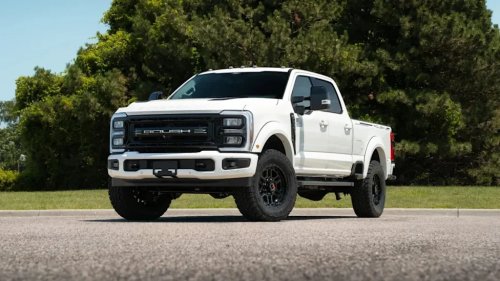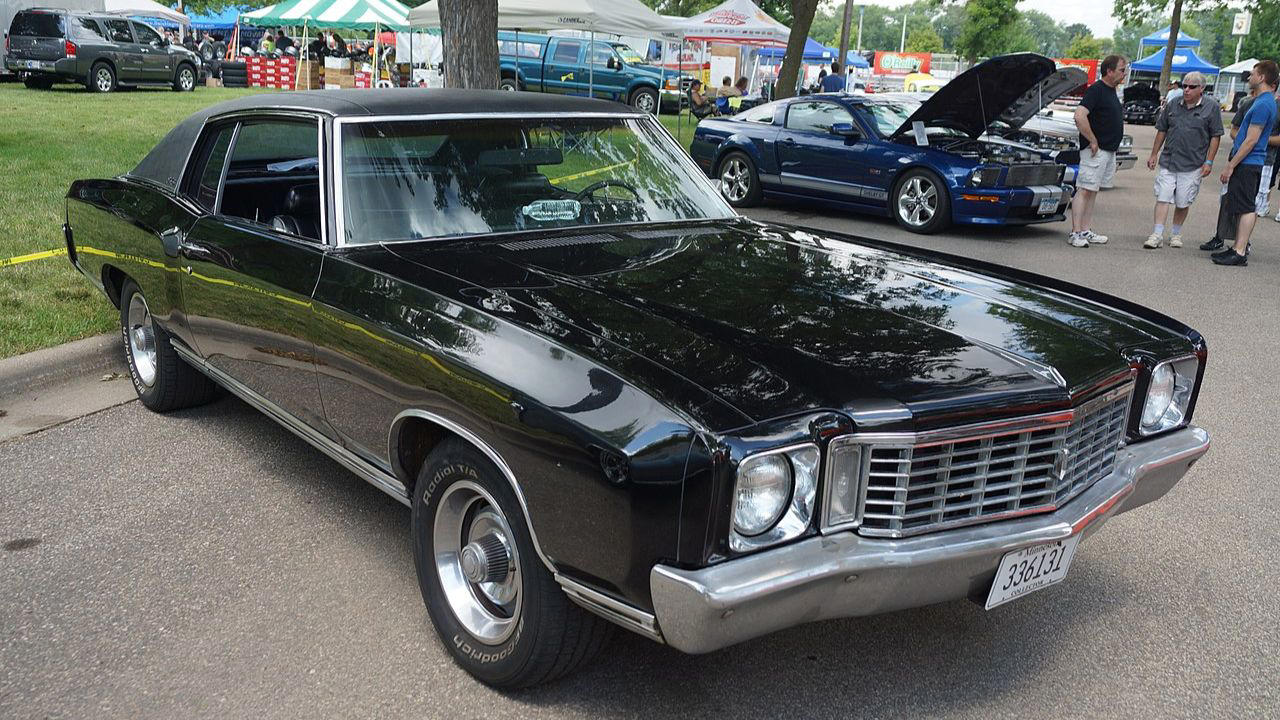



















1972 Ford Gran Torino vs 1972 Chevrolet Monte Carlo one still stands out moreThe 1972 Ford Gran Torino and the 1972 Chevrolet Monte Carlo arrived from rival Detroit camps chasing the same buyer: someone who wanted muscle car attitude wrapped in a more comfortable, stylish package. More than half a century later, both coupes still draw crowds at shows and auctions, yet one of them has quietly become the more enduring star. The Gran Torino leans on Hollywood and high-performance lore, while the Monte Carlo trades on elegance, volume, and a personal luxury image that has aged with surprising grace. Two different takes on early‑seventies desire On paper, the 1972 Ford Gran Torino and the 1972 Chevrolet Monte Carlo seem evenly matched. Each is a two door with rear wheel drive, a long hood, and a choice of V8 engines. Each targeted buyers who were outgrowing bare bones muscle cars but still wanted torque and presence. Yet their missions were not identical. Ford positioned the Gran Torino as the more overtly aggressive choice. The Gran Torino sat within the broader Torino family, which enthusiasts describe as having bold, aggressive lines and muscular engine options that helped the Torino stood tall as a true performer. Chevrolet, by contrast, pitched the Monte Carlo as a personal luxury coupe, a car that blended comfort and style with enough power to feel special on a Friday night boulevard run. The Monte Carlo concept leaned heavily on refinement. Commentators describe the 1972 Chevrolet Monte Carlo as a stylish blend of luxury and muscle, with plush interiors, sweeping lines, and a coke bottle body that projected class without arrogance. The Monte Carlo was never meant to be the rowdiest car at the drag strip. It aimed to feel like a scaled down Cadillac, with sources noting that the styling of the 1972 Monte Carlo, with its four fendered look and specific design cues, sought to evoke the feel of a smaller Cadillac El type experience. This philosophical divide, one car chasing rawer performance and the other leaning into personal luxury, still shapes how each model is remembered and collected today. Styling: Coke bottle curves versus personal luxury polish Visually, both cars wear the early seventies Coke bottle influence, but they express it in very different ways. The Gran Torino sported a bold new Coke bottle body design that gave it an aggressive, modern look. Contemporary descriptions of The Gran Torino emphasize the deeply sculpted sides and sweeping fenders that made the car look like it was moving even when parked. As part of Ford’s Torino lineup, the 1972 Gran Torino featured a completely redesigned body with a more aggressive and aerodynamic profile, a long hood, distinctive front grille, and sweeping lines that gave it a purposeful stance. The front end of the Gran Torino was especially dramatic. A guide to the Torino generations notes that the front fascia on Gran Torinomodel variants used a sizable egg crate grille set in an oval opening, paired with a unique hood that separated it from lesser trims. Those details, combined with the Coke bottle side sculpting, created a car that looked like a street fighter in a tailored suit. The Monte Carlo approached the same era trends with more restraint. The 1972 Chevrolet Monte Carlo used its own coke bottle body, but the effect was softer and more formal. Commentators describe the model as featuring plush interiors, sweeping lines, and a coke bottle body that offered class without arrogance, a blend of refinement and V8 power rather than a pure performance statement. Another analysis of the 1970 to 1972 Monte Carlo notes that its four fendered look and design cues aimed to evoke the feel of a smaller Cadillac El style luxury coupe. The front of the Monte Carlo was upright and stately, with a long hood, a formal grille, and a roofline that looked almost European in its restraint. The goal was not to intimidate at a stoplight, but to suggest that the driver had chosen a more sophisticated version of the muscle car idea. Put simply, the Gran Torino looks like a muscle car that grew up just enough to survive the insurance crisis, while the Monte Carlo looks like a luxury coupe that spent some time in the weight room. Under the hood: 429 Cobra Jet versus 454 big block Neither of these coupes is shy about displacement. Ford and Chevrolet both offered a spread of V8 engines that allowed buyers to tune their cars toward comfort, performance, or a bit of both. On the Ford side, the Gran Torino lineup included the Gran Torino Sport, which could be ordered with serious hardware. Enthusiasts point out that the Gran Torino Sport with the 429 Cobra Jet V8 was no slouch and offered impressive performance. That 429 Cobra Jet combination appears again in period comparisons of 1972 Chevy and Ford models, where the 429 Cobra Jet is described under a Performance heading as Known for its handling and straight line speed and Renowned for its raw power and acceleration. Those phrases capture how the Gran Torino Sport, when properly optioned, moved beyond boulevard cruiser status and into genuine muscle territory. More mainstream Gran Torino models could be ordered with smaller V8s. Sources describe how The Gran Torino was Available with V8s ranging from the 302 to the potent 429 Cobra Jet, which gave buyers a wide spread of power and price points. That flexibility helped Ford sell the car as both a family friendly coupe and a performance machine. The Monte Carlo catalog was just as deep. Commentators highlight that the 1972 Monte Carlo could be equipped with engine options like the 350 V8, 402 big block, and even the mighty 454, which allowed the Monte Carlo to back up its good looks with serious performance. Another description of the same car notes that under the hood it offered plenty of power, with engine options ranging from the smooth 350 small block V8 to the big, burly 454, which made it more than just a pretty face. A separate summary of the Monte Carlo reminds readers that under the hood, buyers could choose from several V8 options, including the potent 454 big block, making it a sleeper on the street. Those numbers matter. A Gran Torino Sport with a 429 Cobra Jet had the edge in Ford’s performance marketing, but a Monte Carlo with a 454 big block could deliver similar drama in a more refined wrapper. The Chevrolet Monte Carlo platform, according to enthusiasts, was Introduced in 1970 as one of the most elegant and iconic personal luxury coupes, and it blended classic American style with V8 performance and refined comfort. By 1972, the formula had been honed to balance power with daily usability. In modern collector circles, this mechanical parity means that either car can be built into a serious street machine. The difference is how that performance is packaged and perceived. Inside the cabin: muscle car cockpit or junior Cadillac Step inside a 1972 Gran Torino and the message is clear. The dashboard and seating layout lean toward a driver focused environment, but the materials still reflect Ford’s effort to move beyond bare bones muscle. Descriptions of the Torino family stress that the Torino was slightly more refined than some of its direct muscle rivals, even while remaining bolder and more modern in appearance. The Gran Torino Sport trim added bucket seats, sport instrumentation, and often bright exterior graphics, which reinforced its role as the performance oriented member of The Torino lineup. An original 1972 Ford Gran Torino Sport is often spotlighted for its bold design and strong presence in the early muscle car era, and that presence carries into the cabin with color keyed interiors and sporty detailing. The Monte Carlo, by comparison, feels like it was designed from the inside out. Commentators emphasize that the 1972 Chevrolet Monte Carlo was Known for its smooth ride and comfort, with a distinctive front end, long hood, and upscale interior that offered strong performance while blending muscle with luxury. Another description of the 1972 Chevrolet Monte Carlo notes that inside it featured a plush interior with woodgrain accents, along with conveniences such as air conditioning that turned it into a true personal cruiser of the early seventies. Analysts of the first generation Monte Carlo often describe the model as featuring plush interiors, sweeping lines, and a coke bottle body that offered class without arrogance, a car that blended refinement with the power of a V8 engine and a comfortable ride. That combination was not accidental. The Monte Carlo was engineered to evoke a smaller Cadillac El style experience, right down to the four fendered look and upscale trim choices. In the current era of classic car ownership, this difference in interior character matters. The Gran Torino offers a more traditional muscle car cockpit, especially in Sport trim, while the Monte Carlo delivers a quieter, more isolated environment that suits long highway drives and modern restomod builds. Cultural memory: Starsky & Hutch versus quiet ubiquity When enthusiasts talk about the Gran Torino, the conversation usually shifts quickly to screen fame. Whether someone knows it from Starsky & Hutch or from its own legacy, the Gran Torino stands as an undeniable symbol of American muscle and automotive prowess. The same discussion of the Torino family describes how, with its bold, aggressive lines and muscular engine options, the Torino stood tall as a true performer that shouted its presence at every turn. That television association has had real world consequences. Valuation guides for 1972 Ford Torino models note that The Torino continued through 1976, and many of the last two door hardtops have been painted in red and white Starsky and Hutch paint jobs. Even cars that did not leave the factory in that configuration are now being restored or customized to match the famous screen car, which keeps the Gran Torino in front of younger fans who may not have been alive when the model was new. Modern builds also help. A widely shared feature on a modified 1972 Ford Gran Torino describes how, as part of Ford’s Torino lineup, the 1972 Gran Torino used a completely redesigned body with an aggressive profile, long hood, distinctive front grille, and sweeping lines, then pairs that classic shape with contemporary power. Projects like that keep the Gran Torino relevant in the pro touring and restomod scene. The Monte Carlo’s cultural footprint is quieter but broader. Commentators describe the Chevrolet Monte Carlo as one of the most elegant and iconic personal luxury coupes ever produced, Introduced in 1970 to blend classic American style with V8 performance and refined comfort. Another retrospective on the 1972 Chevrolet Monte Carlo states that the car stands as a testament to the elegance and power of American automobiles during the 1970s, Introduce as a model that combined stylish design, smooth ride, and powerful performance. Unlike the Gran Torino, the Monte Carlo does not have a single defining television or film role. Instead, it shows up everywhere in period photography, from suburban driveways to drag strips. That ubiquity, combined with its personal luxury positioning, has helped the 1972 Monte Carlo age into a kind of default seventies coupe in the minds of many enthusiasts. Production, popularity, and value today One of the clearest signs that one of these cars has held onto the spotlight is how many were built and how often they still appear for sale. For the 1972 Monte Carlo, the numbers are striking. Commentators note that 1972 was the last year for the original body style that ran from 1970 to 1972, and that Total production jumped to 180,819 units, the highest of the first generation. That figure alone suggests a car that resonated strongly with buyers at the time. Enthusiast pages devoted to the model often emphasize how, to this day, the 1972 Chevrolet Monte Carlo still remains popular among many because of its stylish design, smooth ride, and powerful performance. Another description of the 1972 Chevrolet Monte Carlo highlights that it was Known for its smooth ride and comfort, and that it offered strong performance while blending muscle with luxury. That enduring reputation helps explain why so many examples survive and why the car continues to attract both restorers and modifiers. Pricing data for the 1972 Gran Torino tells a slightly different story. Analysts looking at period pricing and modern values explain that Adjusting for inflation, an entry level Gran Torino would cost around $22,746, while the Cobra Jet version would be somewhere in the area above that figure. That spread reflects the gap between basic transportation oriented Gran Torino models and high performance variants like the Gran Torino Sport with a 429 Cobra Jet. In the collector market, this hierarchy persists. Plain Gran Torino coupes remain relatively affordable, while well documented Gran Torino Sport examples, especially those with performance options, draw stronger money. A video feature Spotlighting an original 1972 Ford Gran Torino Sport emphasizes how rare it is to find an untouched example today, and how the car’s bold design and strong presence in the early muscle car era make it especially desirable. The Monte Carlo, by contrast, benefits from sheer numbers and a broader base of nostalgia. Because Chevrolet built 180,819 units of the 1972 model, there are enough survivors to support a healthy hobby ecosystem. Parts are easier to find, and buyers can choose between stock restorations and heavily modified builds. Enthusiasts often compare the 1972 Monte Carlo to other Chevrolet products of the era by saying that if the contemporary 454 Chevelle is moonshine, the Monte Carlo is bourbon, a car that offers similar power in a smoother, more refined package. Which car truly stands out now? So which 1972 coupe still stands out more today, the Ford Gran Torino or the Chevrolet Monte Carlo? The answer depends on what kind of attention matters. In terms of pure visual drama and pop culture recognition, the Gran Torino has a strong case. The car’s association with Starsky and Hutch, its bold Coke bottle body, and the availability of engines like the 429 Cobra Jet have cemented it as a symbol of American muscle. Descriptions that say the Gran Torino stands as an undeniable symbol of American muscle and automotive prowess are not exaggerating. The car looks and feels like a muscle era survivor that refused to fade quietly into the personal luxury crowd. More from Fast Lane Only Unboxing the WWII Jeep in a Crate 15 rare Chevys collectors are quietly buying 10 underrated V8s still worth hunting down Police notice this before you even roll window down