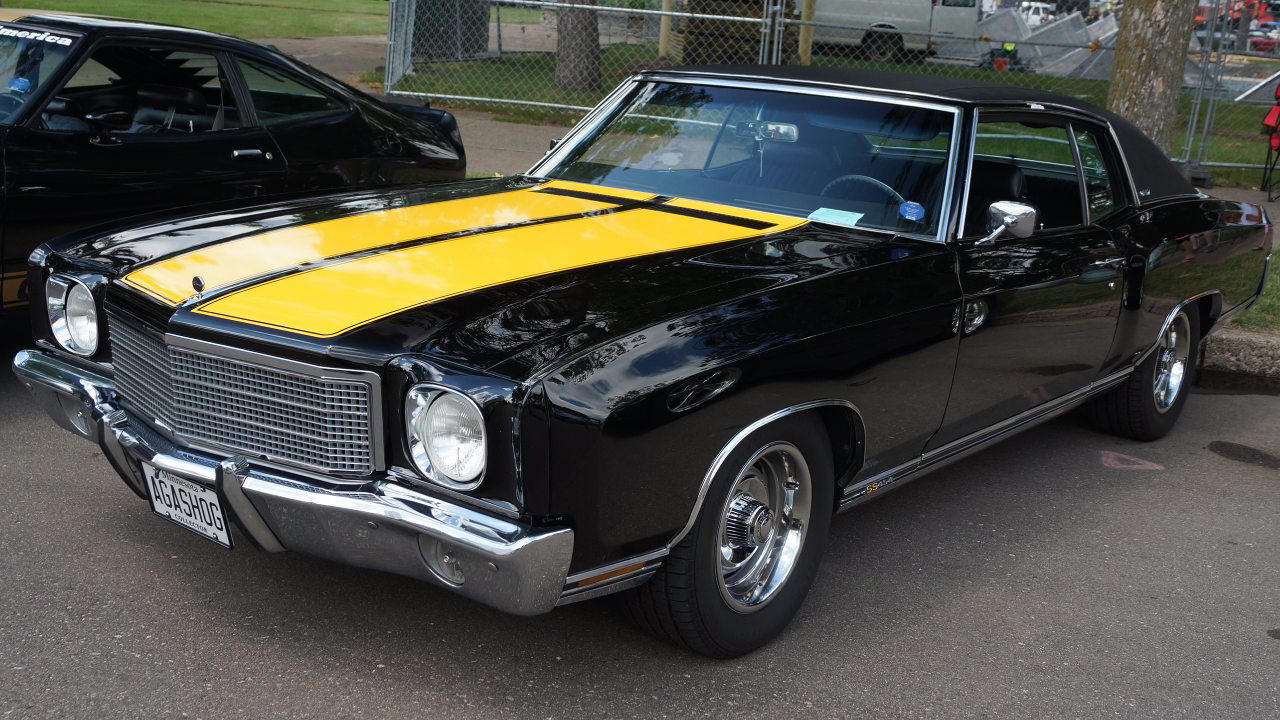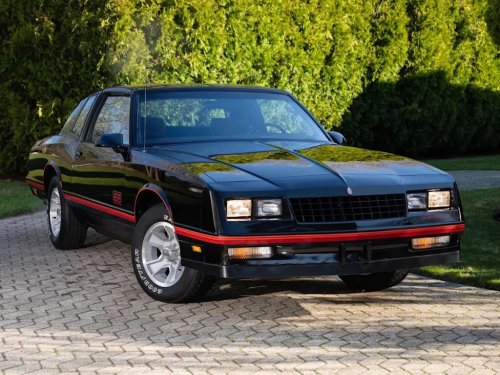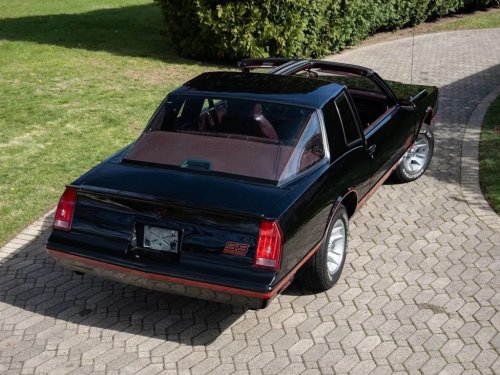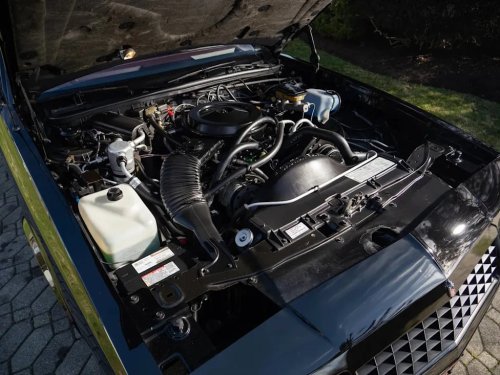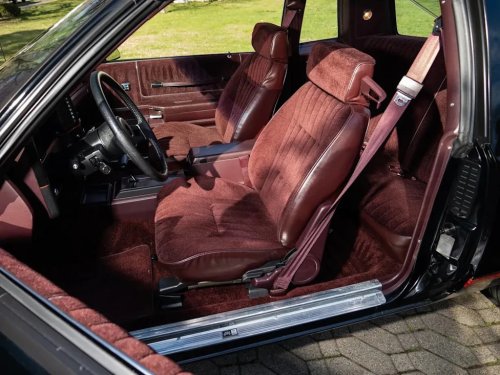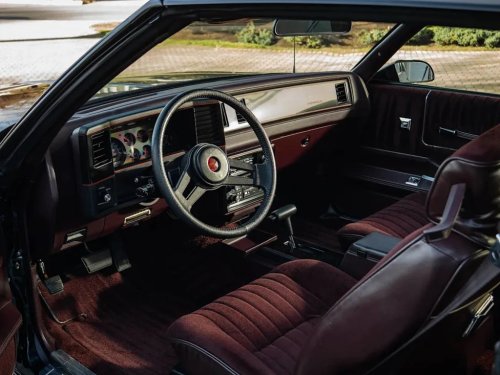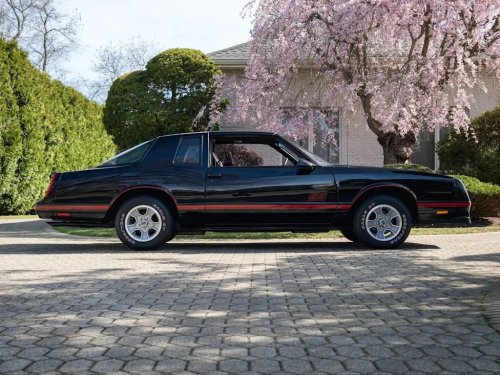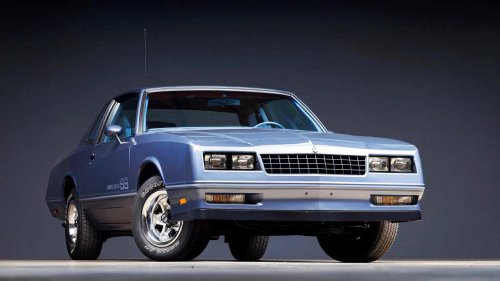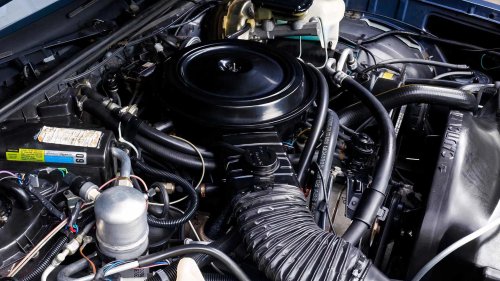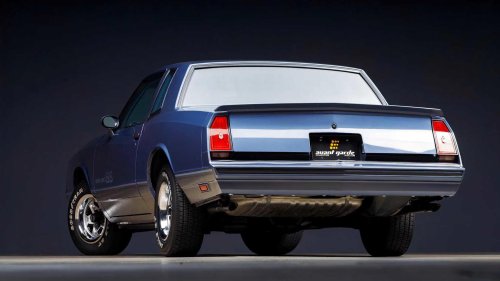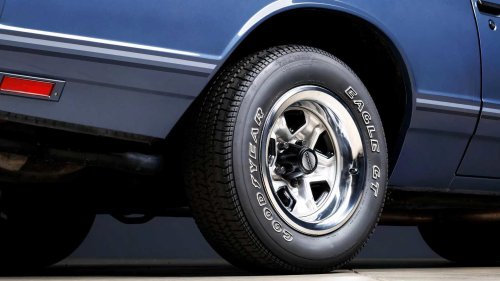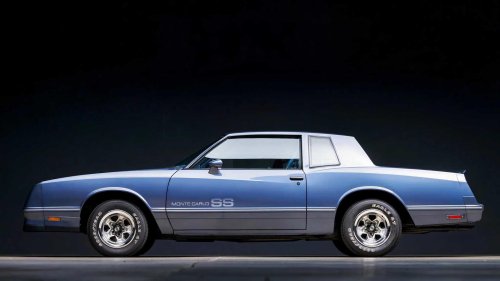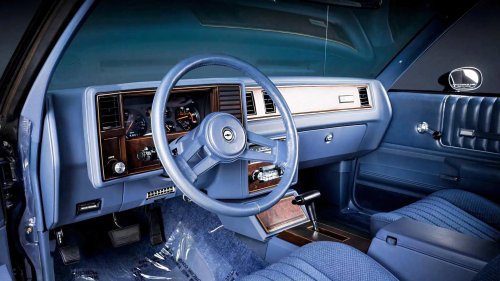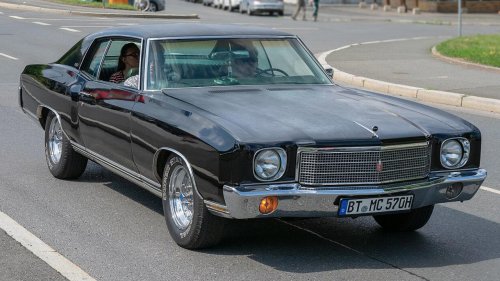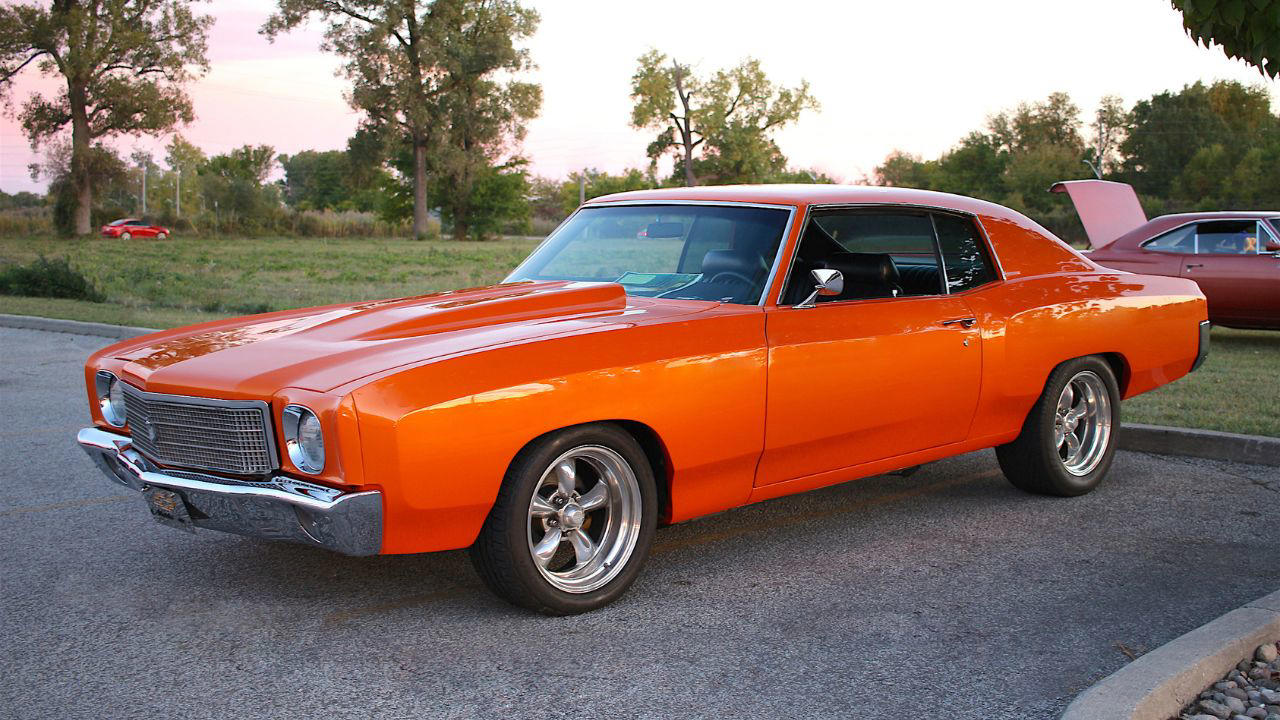




















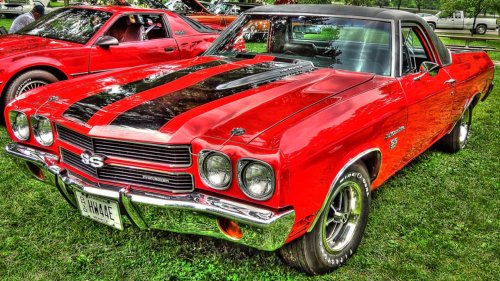
The 1970 Monte Carlo SS blended luxury and muscle in a way few didThe 1970 Monte Carlo SS arrived just as Detroit was trying to reconcile brute-force performance with rising expectations for comfort. It wrapped a big-block V8 and honest muscle car speed in a long-hood, short-deck body that looked as ready for a country club valet as for a Saturday night dragstrip. In the process, it helped define a new kind of American performance coupe that treated leather, woodgrain and quiet cabins as seriously as quarter-mile times. The personal luxury experiment Chevrolet positioned the original Monte Carlo as a personal luxury coupe, built on a modified Chevel platform but styled and marketed as something more exclusive than a mainstream midsize. Company planners wanted a car that could sit across the showroom from the Corvette Chevel and Camaro yet speak to buyers who cared as much about opera windows and vinyl roofs as they did about rear-axle ratios. The long wheelbase, stretched hood and formal roofline set the Monte Carlo apart from the rest of the Chevrolet muscle crowd. According to factory history compiled on Chevrolet Monte Carlo models, the brand treated this car as a fresh nameplate rather than a simple trim extension. It shared much of its chassis hardware with the Chevel, yet its proportions and detailing were tuned toward a richer, more tailored image. Inside, bucket seats, deep-pile carpet and thick sound insulation aimed squarely at buyers who might otherwise have considered a Buick or Oldsmobile. That strategy worked. The first-year Total Production reached 145,976 units, a figure that included 142,153 examples of the standard Sport Coupe. Those numbers, recorded by enthusiasts tracking Total Production, show how quickly Chevrolet’s new luxury coupe found an audience. Most of those cars left the factory with small-block engines and modest equipment, but the platform was clearly ready for something wilder. Enter the Monte Carlo SS 454 For buyers who wanted more than quiet composure, Chevrolet offered the Monte Carlo SS 454 package. Priced at $420 according to factory option records linked from the main Monte Carlo SS documentation, this option transformed the personal luxury coupe into a legitimate muscle machine. At its heart sat the LS5 big-block, a 454 cubic inch Turbo Jet V8 that made the car’s intentions clear every time the throttle opened. Performance coverage from period-style tests and modern retrospectives describes the LS5 454 as the centerpiece of the package. Analysis on a dedicated Performance overview highlights how that 454 cubic inch engine option cemented the Monte Carlo SS as more than a dressy cruiser. The SS package bundled heavy-duty suspension, power front disc brakes and specific trim that quietly signaled the car’s capabilities to those who knew what to look for. Production of the SS 454 was intentionally limited. Club records show that only 3,823 SS 454 units were built out of that 145,976 Total Production, with the high-performance 454 engine sitting at the top of a lineup that otherwise leaned on 250 hp Turbo Fire 350 V8 small-blocks and similar Engines. The scarcity of those 3,823 SS cars, confirmed both by enthusiast registries and sales listings that describe each example as 1 of only 3,823, helps explain why collectors treat surviving cars with such reverence today. “The Gentleman Muscle Car” image Period advertising and modern commentary frequently describe the 1970 Chevrolet Monte Carlo as The Gentleman Muscle Car The, a phrase that captures how the car straddled the line between boulevardier and bruiser. A retrospective shared on social media by performance historians calls the early Chevrolet Monte Carlo an often overlooked midsize luxury muscle entry, noting how its long hood and restrained chrome made it look more expensive than its Chevel-based structure might suggest. That dual identity was not accidental. Chevrolet wanted a car that implied exclusivity rather than raw aggression, something that could be parked next to a Cadillac without looking out of place. At the same time, the SS 454 option ensured that buyers who cared about acceleration and engine note would not feel shortchanged. The result was a coupe that could cruise quietly on the highway, then light up its rear tires when the big-block’s torque came in. Collectors and commentators now often refer to the SS 454 as a BigBlockBeauty, a label that reflects both the car’s visual presence and its mechanical specification. Where many muscle cars of the period wore stripes and spoilers, the Monte Carlo SS preferred subtle badges and a stance that hinted at power without shouting about it. How the SS 454 delivered its punch Under the surface, the Monte Carlo SS 454 combined familiar Chevrolet hardware with a few carefully chosen upgrades. The LS5 454 Turbo Jet V8 delivered the sort of low-end torque that defined big-block Performance in that era. Contemporary-style writeups on the Monte Carlo SS describe how that engine, combined with a sporty design and refined comfort, brought serious muscle to the luxury coupe world before tightening regulations and shifting tastes softened the category. Enthusiasts who drive and restore these cars today often emphasize how composed they feel at speed. The long wheelbase and relatively heavy curb weight give the Monte Carlo a planted character on the highway, while the SS suspension tuning reduces body roll without sacrificing the plush ride that personal luxury buyers expected. Power steering and power brakes were common, which made the car easier to live with in everyday traffic than some lighter, more nervous muscle coupes. Modern video reviews of surviving cars highlight how the big-block’s soundtrack dominates the experience. In one walkaround of a 1970 Chevrolet Monte Carlo SS 454, the presenter notes that the 454 Big Block V8 and NUMBERS MATCHING drivetrain make the car especially desirable, pointing again to that production figure of 3,823 as proof of its rarity. Another clip focused on a Chevy Monte Carlo similar specification underlines how the car’s smooth power delivery and quiet cabin distinguish it from more bare-bones muscle machines. Luxury appointments with real muscle The way the Monte Carlo SS blended its personalities is most obvious inside the cabin. High-back bucket seats, simulated woodgrain trim and thick door panels created an environment that felt closer to an upscale sedan than to a stripped-out drag car. Buyers could add air conditioning, power windows and other convenience options that were still far from universal in performance cars at the time. That environment is part of why some enthusiasts now argue that this might be the most underrated Chevy from the golden age of muscle cars. A popular clip on social media, created by a channel that celebrates big-blocks, contrasts the reputation of the Chevel SS with the quieter profile of the Monte Carlo. The host argues that while fans call the Chevel SS a legend, the Monte Carlo SS offers similar thrills with more comfort and less attention. The video, shared by a user under the handle therealbigblockgarage, frames the 1970 Chevrolet Monte Carlo SS 454 as a sleeper within Chevrolet’s own lineup. Viewers can see that argument in action in the Apr Chevy feature that compares the Chevel SS to its more formal cousin. Contemporary pricing data reinforces how Chevrolet positioned the SS as a premium step up. A detailed specification breakdown lists the 1970 MONTE CARLO SS 454 Specifications with a Base Price of $3,123 and a Price as profiled of $5,199 once options were added. Those figures show how quickly luxury and performance equipment could push the Monte Carlo into territory that overlapped with more prestigious nameplates, even within General Motors’ own hierarchy. Why the Monte Carlo SS stayed in the shadows Given its specification and character, the Monte Carlo SS 454 might seem destined for the same spotlight that surrounds the Chevel SS, Camaro Z/28 or Corvette. Instead, it spent decades as a secondary player in the collector market. Analysis from valuation guides argues that Part of the reason lies in the car’s original image. The Monte Carlo was not aimed directly at muscle car buyers, and its advertising implied exclusivity and personal luxury rather than raw performance. That positioning kept some younger enthusiasts away, even as older buyers appreciated the comfort and style. Another factor was price. A detailed look at period window stickers shows that, Despite the SS costing more than a comparably equipped Chevelle, the Monte Carlo SS 454 did not carry the same street reputation. Commentators who study auction results for the 1970 Chevrolet Monte Carlo SS Mecum point out that the car’s higher original cost and lower production volume did not immediately translate into higher collector values. For years, it remained a bargain relative to other big-block Chevrolets. Some enthusiasts also argue that the Monte Carlo’s design, with its formal roofline and restrained trim, made it look more mature than the average muscle car. That was exactly what Chevrolet intended, but it meant that younger buyers often gravitated toward the Chevel or Camaro instead. The result was a car that excelled at long-distance cruising and quiet speed yet rarely appeared in the same breath as the most famous street racers of its era. Reassessment in the muscle era canon In recent years, the 1970 Monte Carlo SS 454 has enjoyed a quiet reevaluation. Social media posts celebrating the car describe it as a formidable personal luxury coupe that perfectly blended performance with upscale styling. One viral post refers to the 1970 Chevrolet Monte Carlo 454 as the ultimate blend of AmericanMuscle and LuxuryAndPerformance, a phrase that neatly captures the car’s original mission. Another enthusiast page devoted to classic muscle frames the 1970 Monte Carlo SS 454 as a key example of American automotive excellence. A post about the Chevrolet Monte Carlo community describes the 1970 Monte Carlo SS 454 performance coupe as offering big-block performance with smooth, grown-up style, a combination that feels increasingly attractive as collectors look for cars that can be driven long distances without fatigue. Video channels dedicated to big-block Chevrolets have also helped raise the car’s profile. One segment titled around Chevy’s Ultimate Big Block Sleeper argues that the SS 454 Monte Carlo deserves to sit alongside the Corvette Chevel and Camaro in discussions of Chevrolet’s greatest performance cars. The host notes that while those nameplates get most of the recognition, the Monte Carlo SS 454 offers similar power in a package that attracts less attention from casual observers and sometimes from the market as well. Global and multilingual enthusiasm Interest in the first-generation Monte Carlo is not limited to English-speaking enthusiasts. Versions of the model’s history appear on Arabic, German, Spanish and Basque language pages, each linked back to the same core narrative about Chevrolet’s personal luxury experiment. These entries, such as the Discovered Arabic article or the Discovered German version, underline how the Monte Carlo’s blend of style and performance resonates beyond its original North American market. Spanish and Basque language references, such as the Discovered Spanish page and the Discovered Basque entry, repeat the core facts about the model’s origins and its place in Chevrolet’s lineup. Together with English language registries and clubs, they help sustain a global community that values both base-model Sport Coupes and the rarer SS 454 cars. More from Fast Lane Only Unboxing the WWII Jeep in a Crate 15 rare Chevys collectors are quietly buying 10 underrated V8s still worth hunting down Police notice this before you even roll window down The post The 1970 Monte Carlo SS blended luxury and muscle in a way few did appeared first on FAST LANE ONLY.