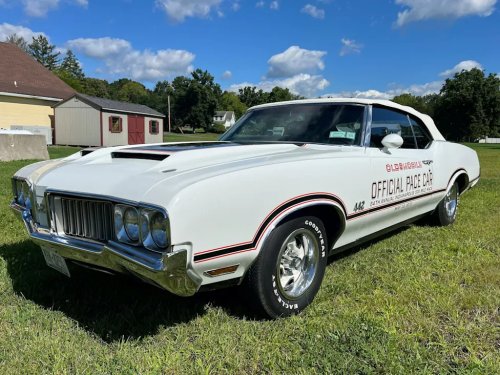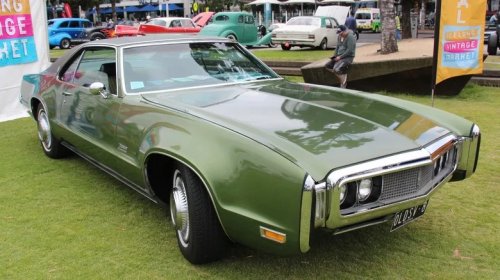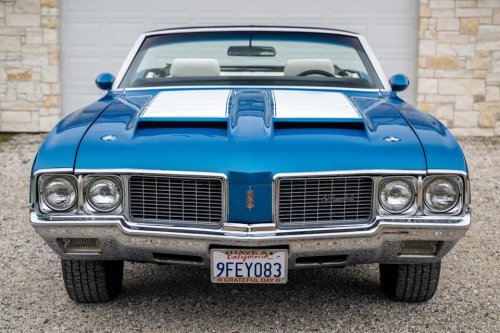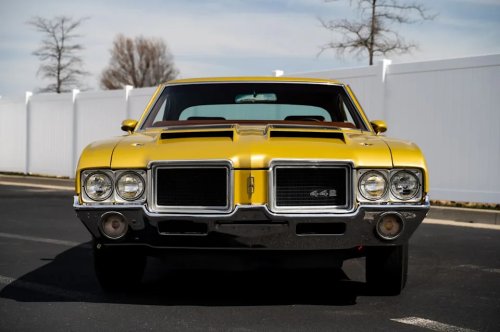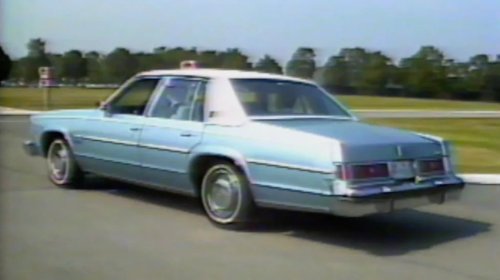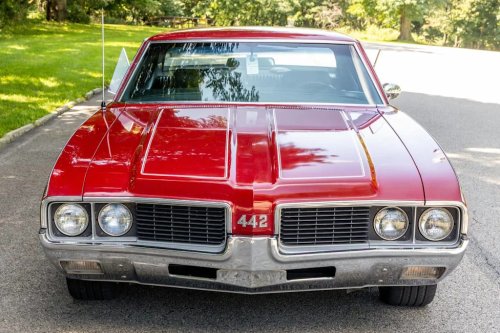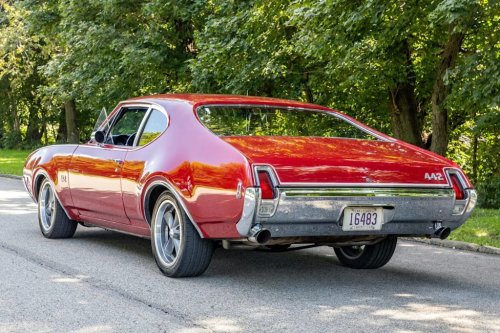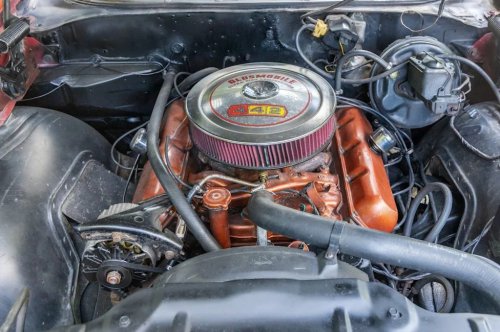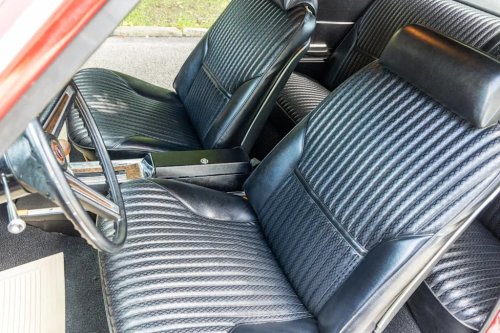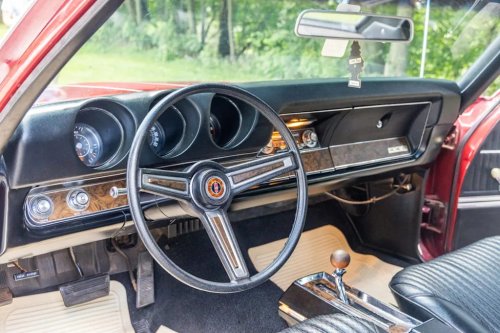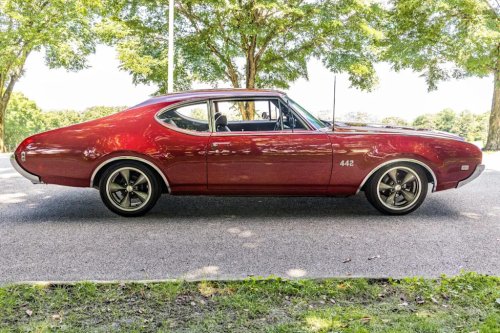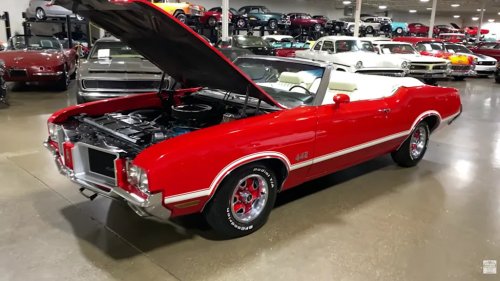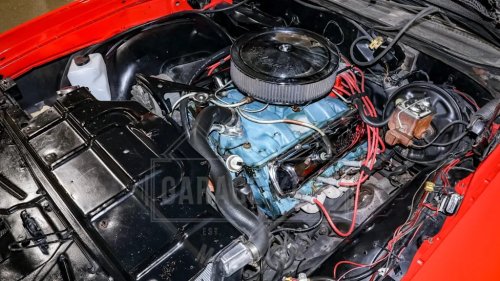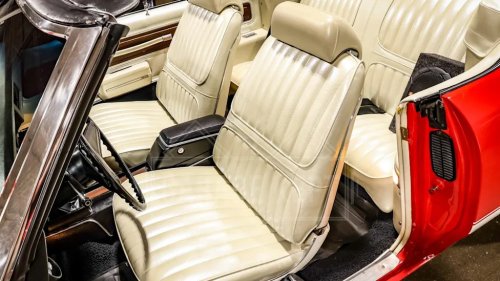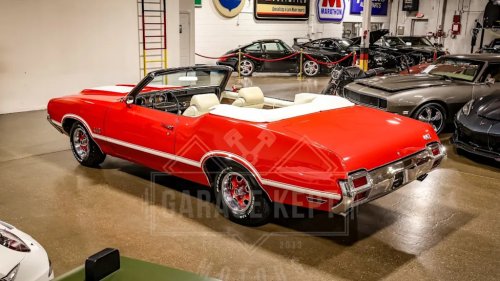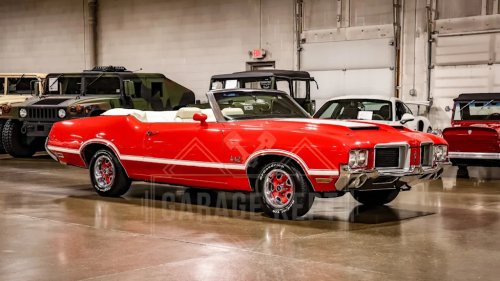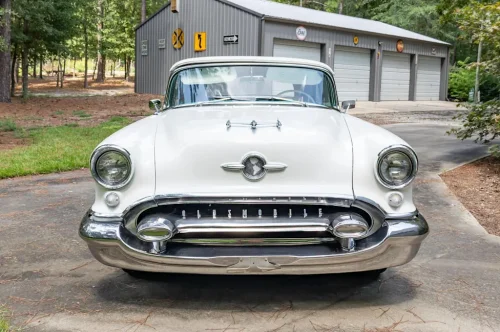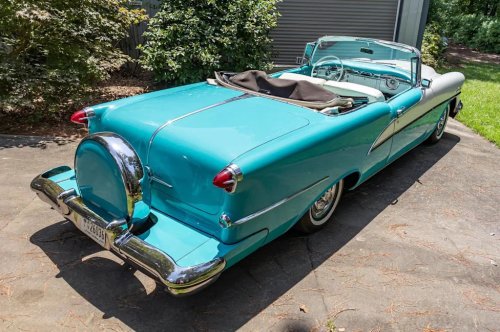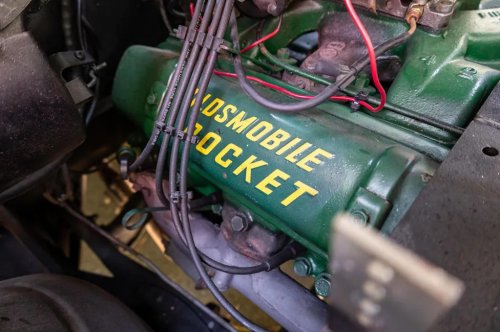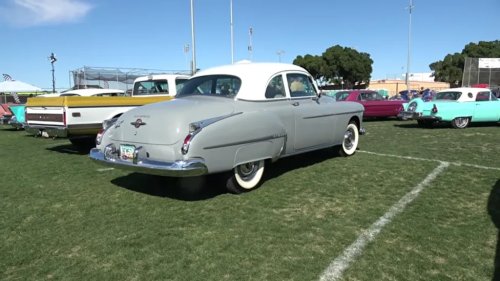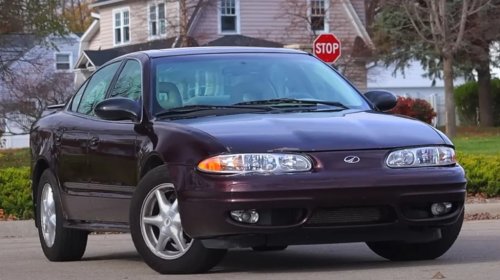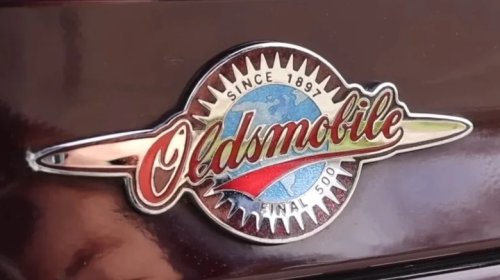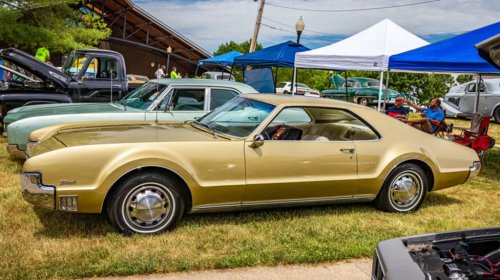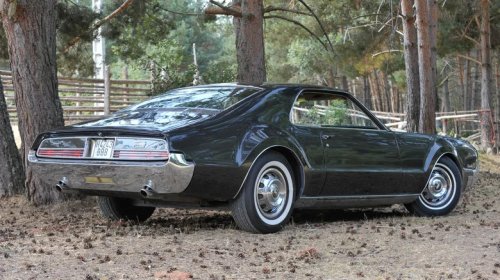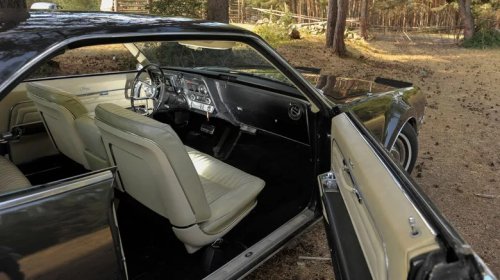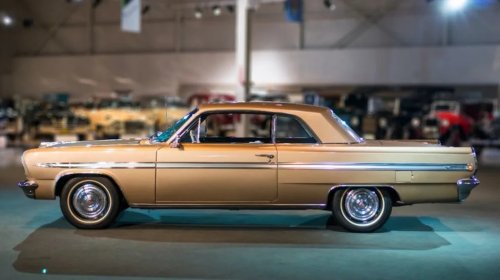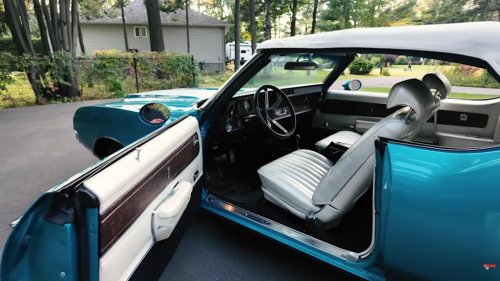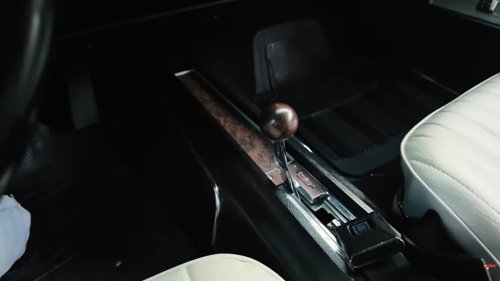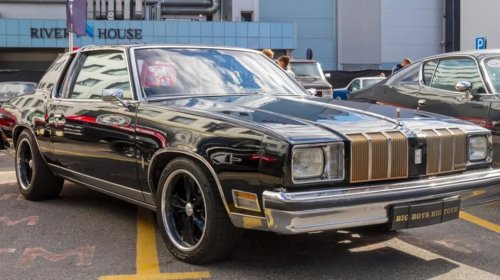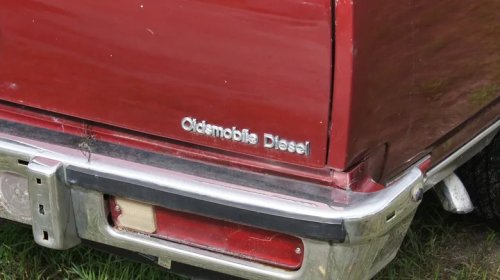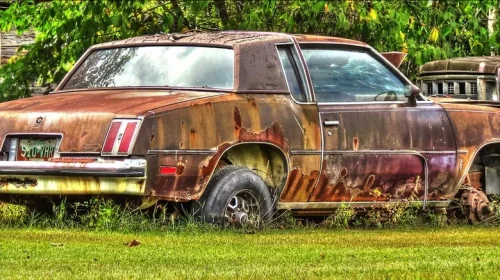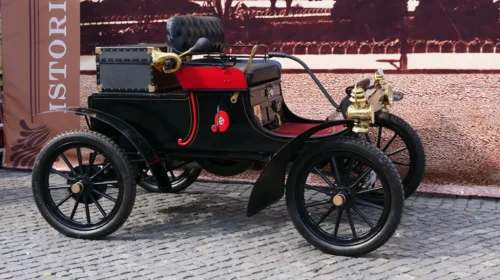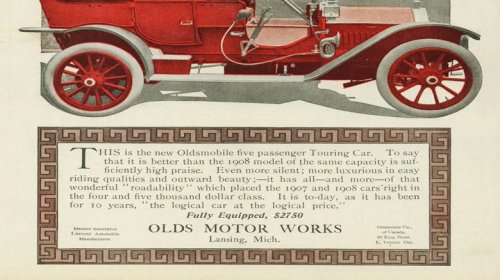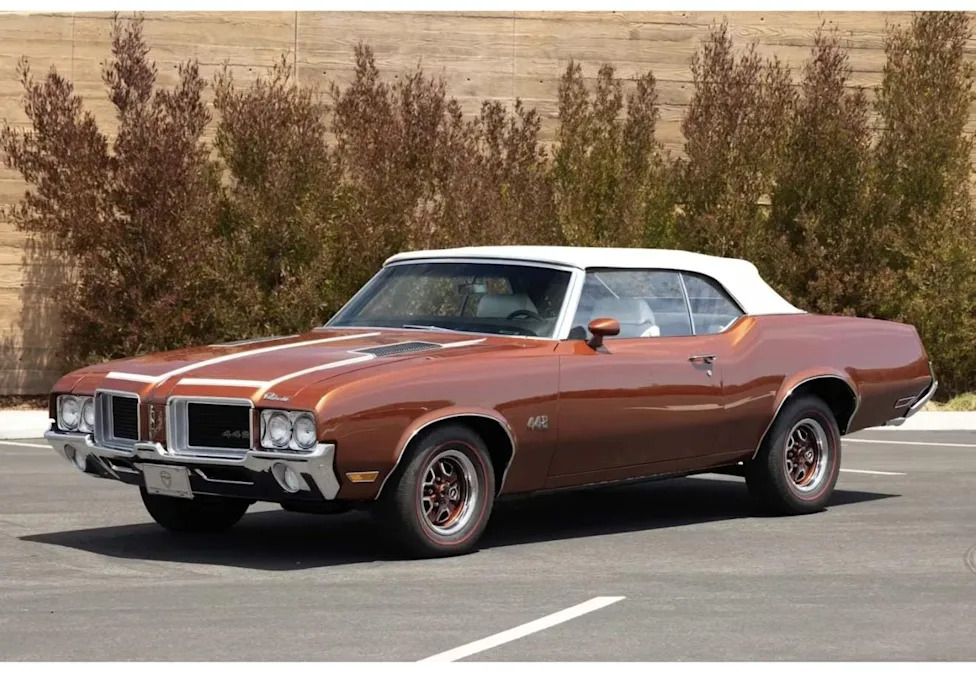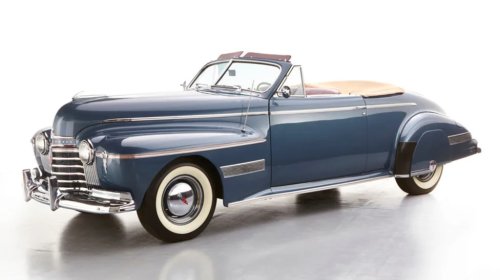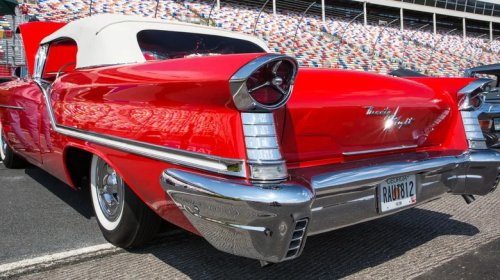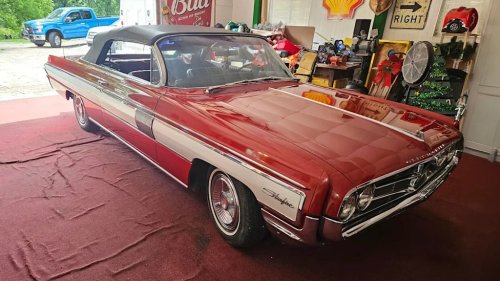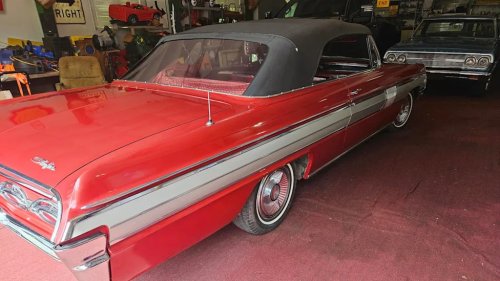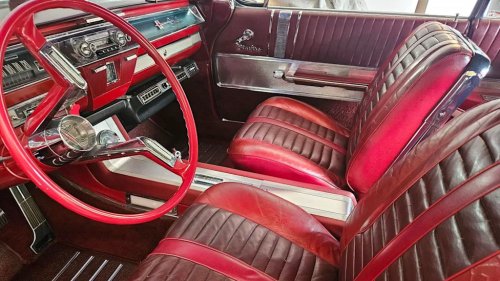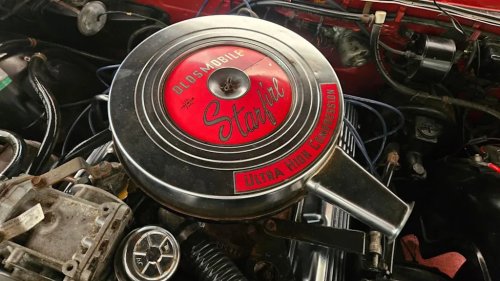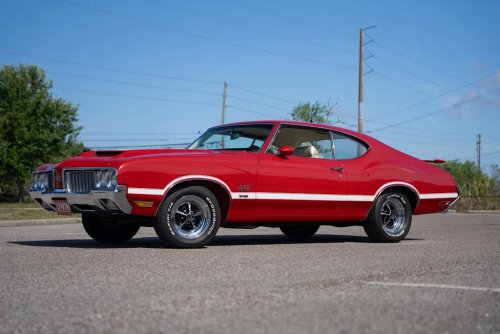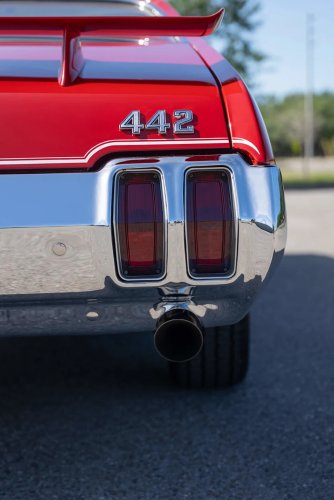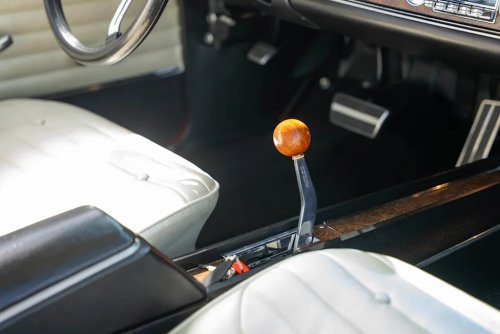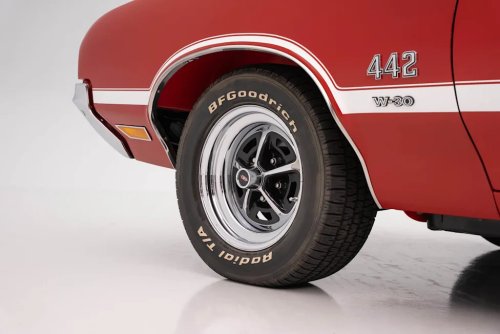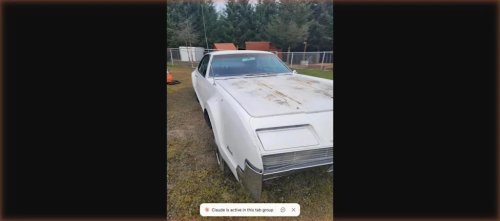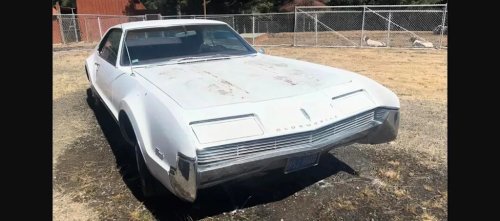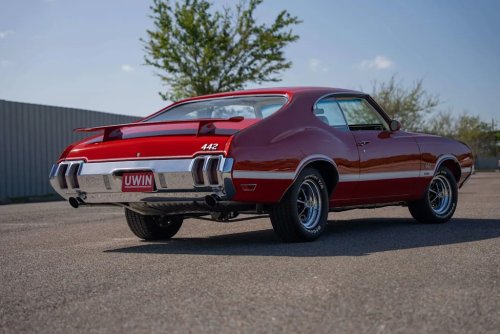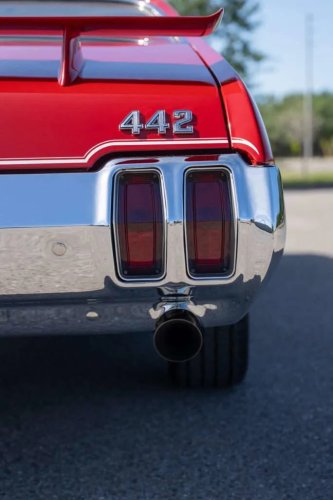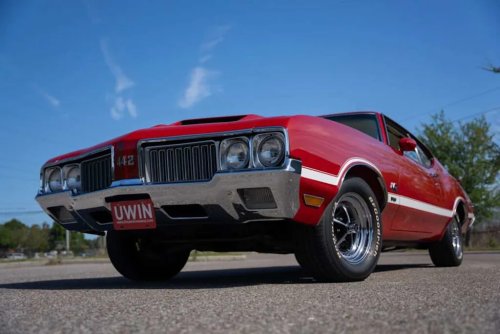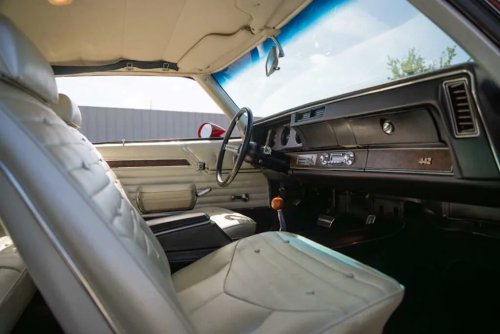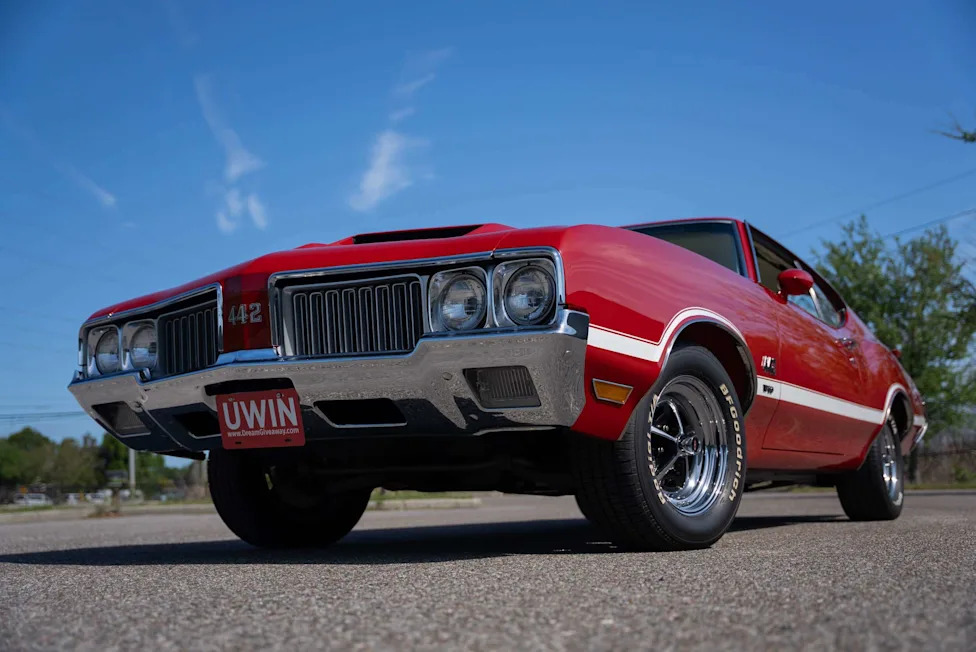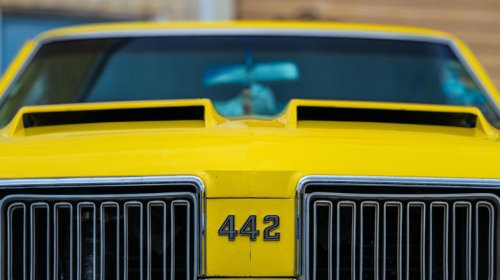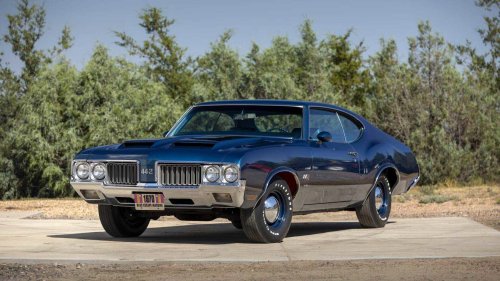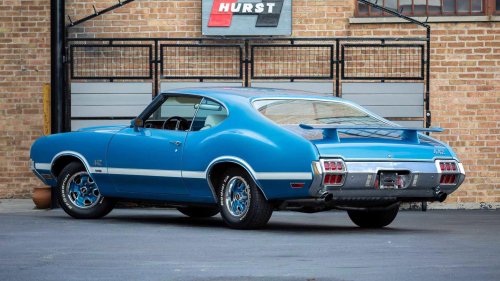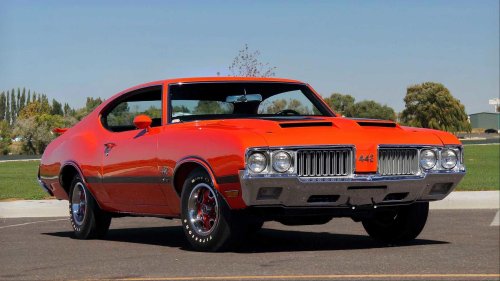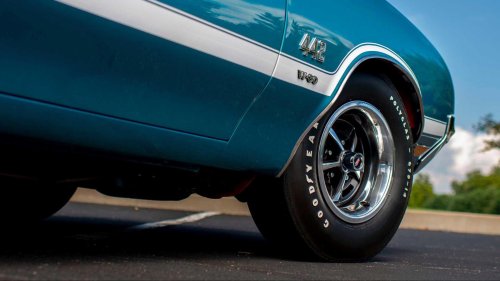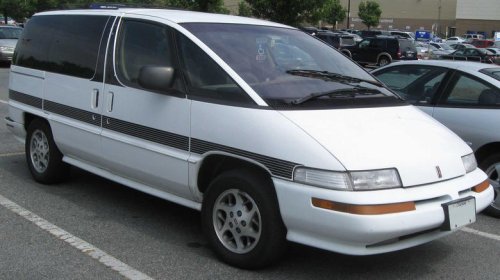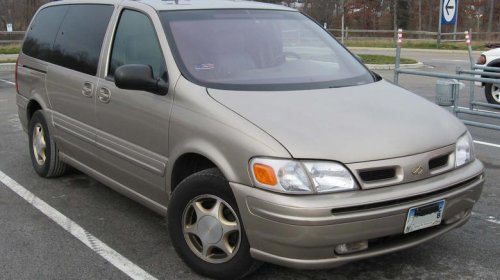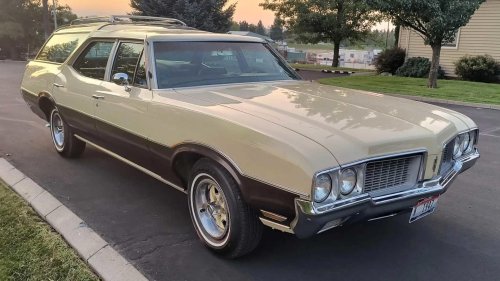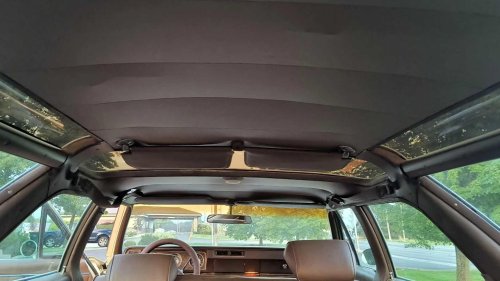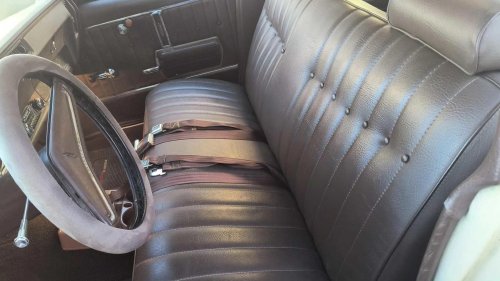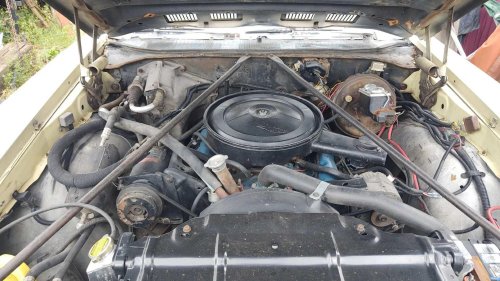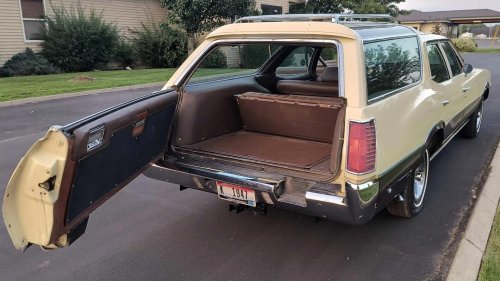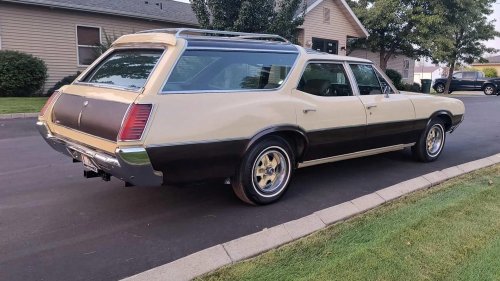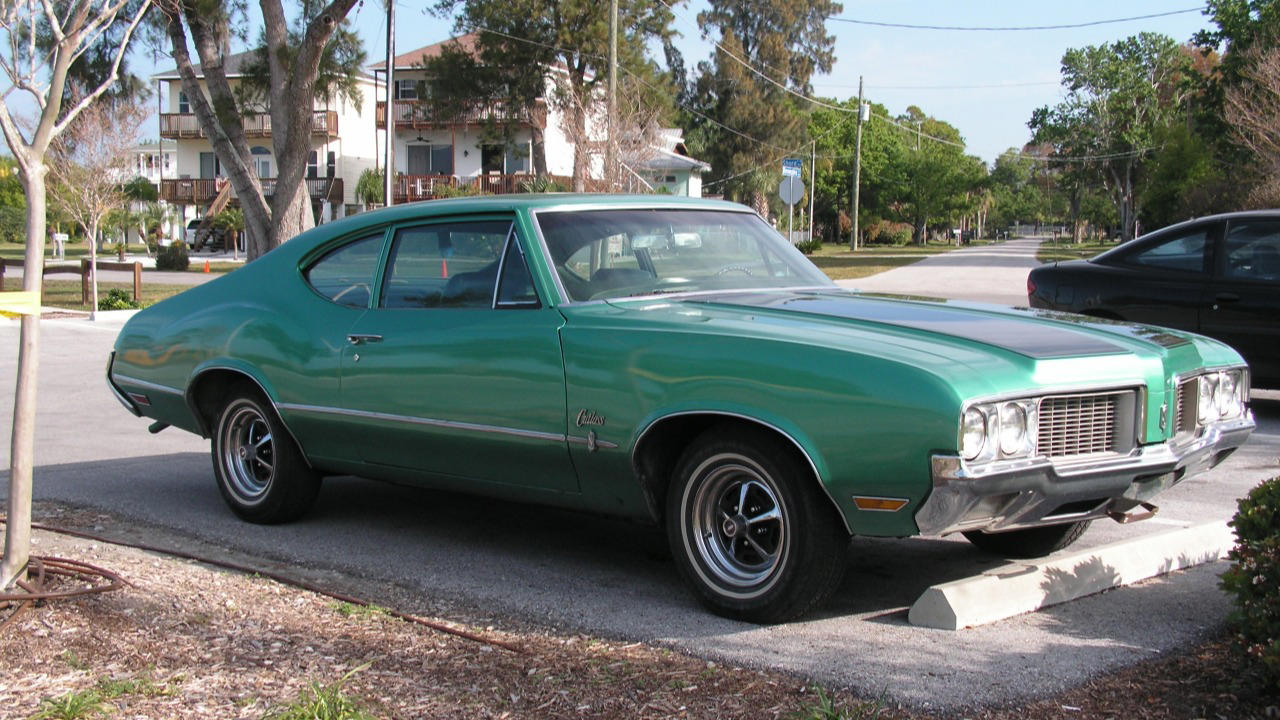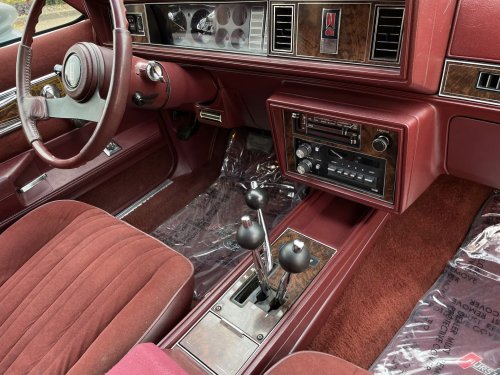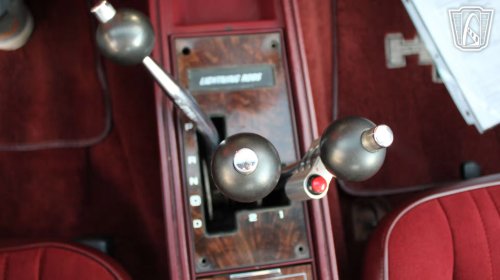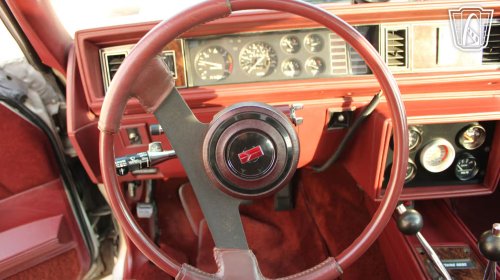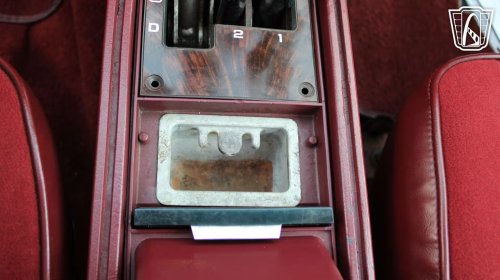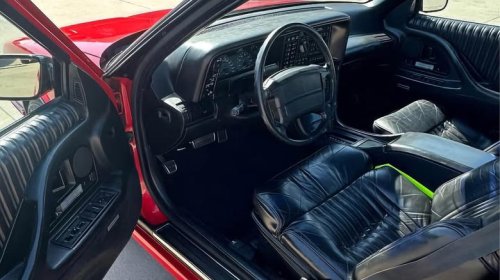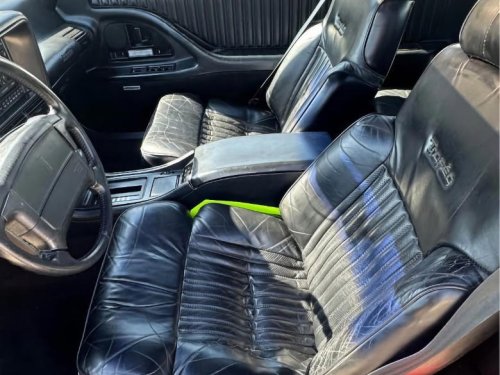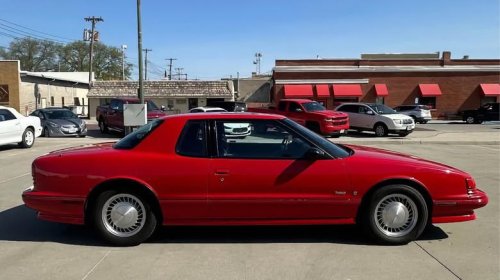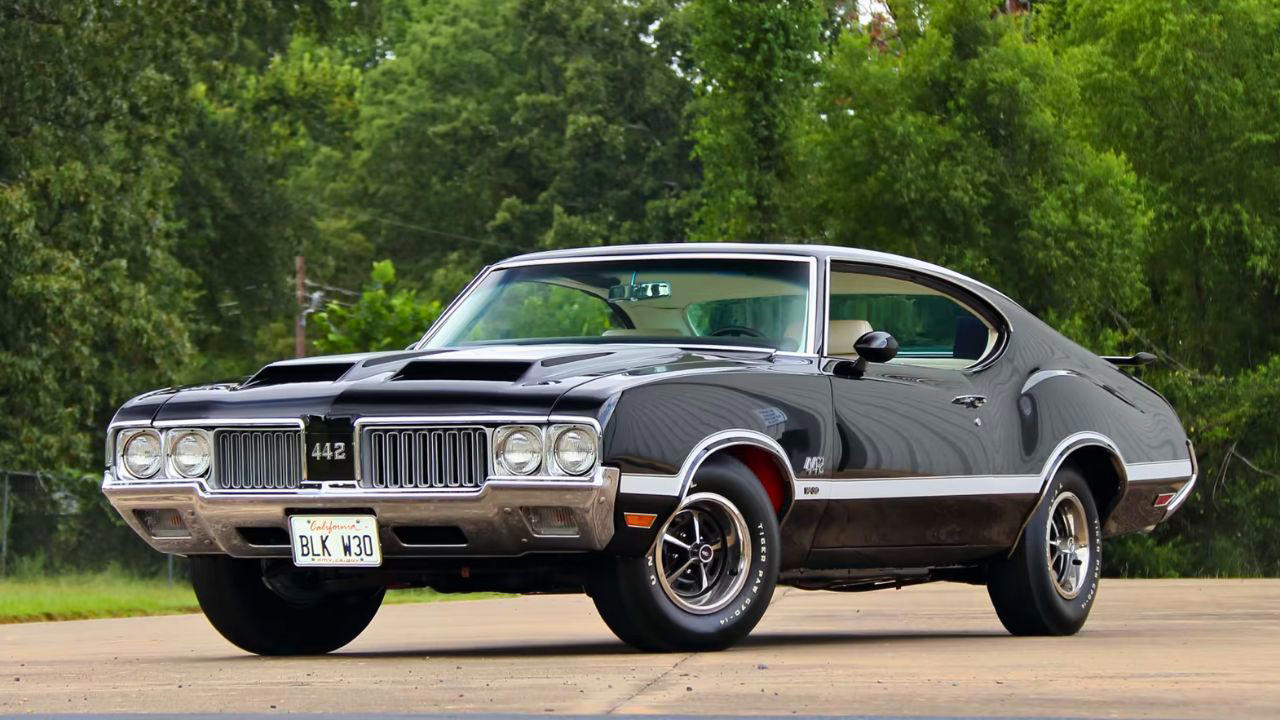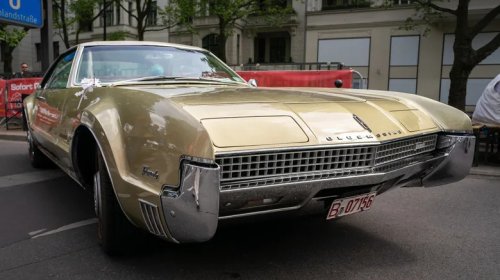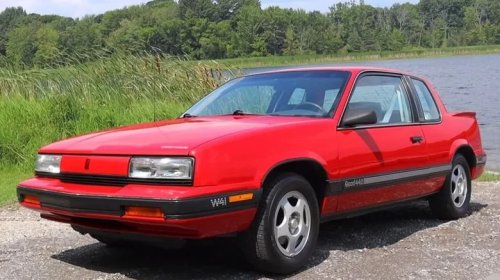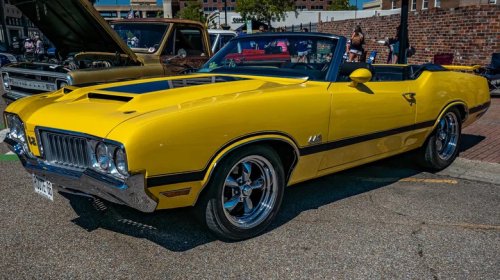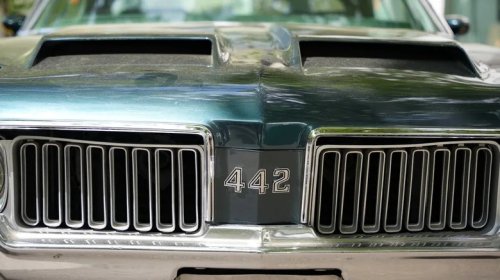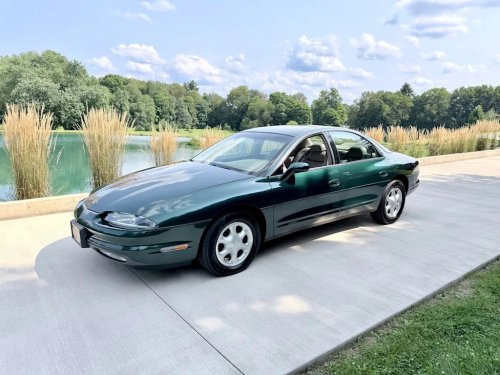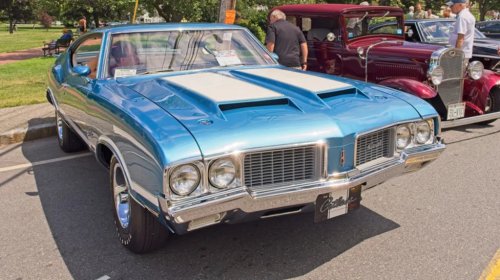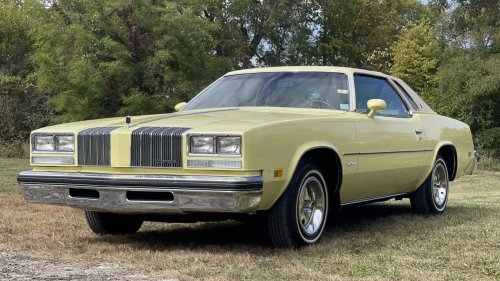
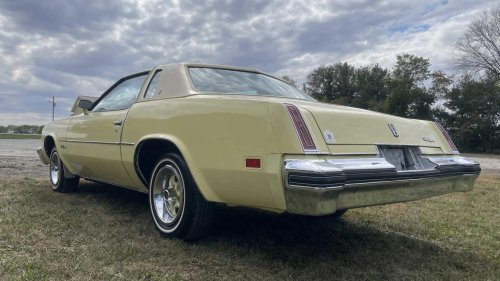
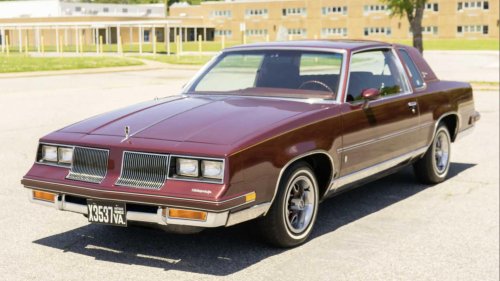
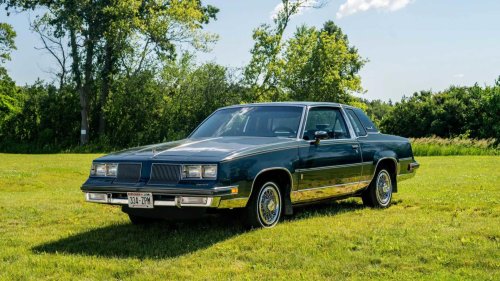
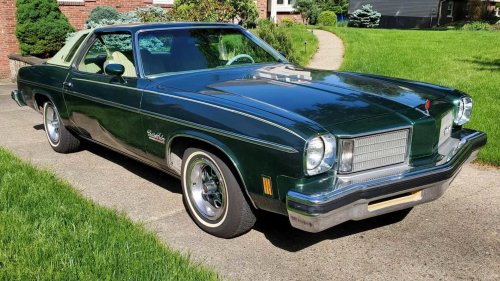
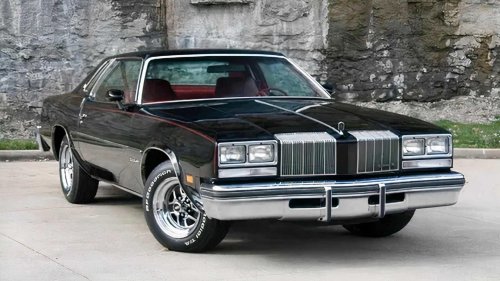
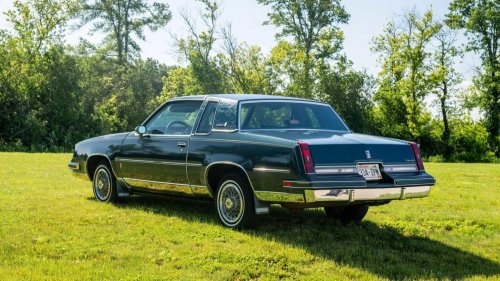
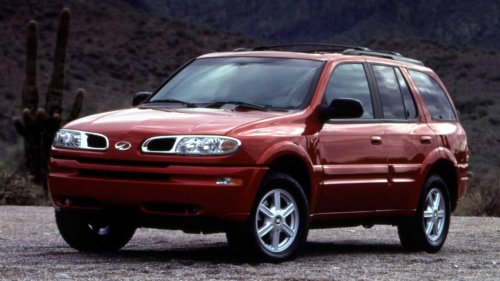

















When we think of brands that have sold more than one million cars a year, the usual suspects that come to mind are marques like Chevrolet, Ford, Toyota, and Honda. All of these brands make up some of the largest in the world, and their influence spans virtually across the globe. With names like those and the sheer amount of money and marketing backing them up, selling one million cars a year sounds like a complete cakewalk.However, there's one automaker that managed to sell over one million units per year as recently as 1986, yet it ended up going bust less than 20 years later. The brand in question is Oldsmobile, one of GM's intermediate brands that took its last breath in 2004.In its day, Oldsmobile was one of the most popular brands in the US, and it even offered a model that was the country's bestselling car for a time. Oldsmobile's demise begs the question: how did a brand that sold over one million cars in a year go bust in less than 20 years?Tables shown below denote the most powerful engine's specs offered for the specific model year. The Magic Number: 1,000,000 Oldsmobiles Sold Bring A Trailer By the mid 1970s, Oldsmobile's place in the American automotive market had already been well established. A solid streak of seven decades worth of innovation regarding automotive design and engineering were its credentials, and Oldsmobile's customer base was as lively as ever. Olds had also managed to cement itself and a venerable performance brand with models like the original Rocket V8-powered 88 from the late 1940s and early 1950s, along with the 4-4-2 muscle car.Bring A Trailer All of this success came to a head in 1977. That year, for the first time in its history, the marque surpassed the 1,000,000 cars-a-year mark. In addition, the brand also became the first GM subsidiary to sell over a million models in a year, save for Chevrolet, which first managed the feat in 1927. Notably, Pontiac came close to shifting one million units in 1968, with annual sales totaling about 910,977 that year. Sustained Success Bring A Trailer Luckily for Oldsmobile, 1977 wasn't just a one-off fluke. But it would be a few years before the brand managed to surpass the 1,000,000-unit mark for a second time, though. Come 1983, the brand posted a total sales figure of about 1,007,559 for the entire year, earning it yet another place in the million-sold club. That same year, the Cutlass – Oldsmobile's most popular model – enjoyed its final model year as America's bestselling car.Bring A Trailer The fun didn't stop in 1983, either. In 1984, sales again surpassed the one million mark and come 1985, the brand saw its best year in terms of business, with sales peaking at roughly 1,066,122. The brand also managed to grab the second-largest chunk of the mass-market that same year.1986 marked yet another one-million-car year but this would be the final time it would hit the fabled million mark, as sales would steadily decline from then on. While not over one million, Olds sales would continue to be strong well into the early 1990s, though. The Car That Helped Olds The Most While Oldsmobile's lineup was extremely strong throughout the mid 1970s and into the mid 1980s, there's one model that managed to gather the largest market share for the brand: the Cutlass. 1975 Model Year Bring A Trailer While Olds didn't smash the 1,000,000-unit mark until 1977, the 1975 Cutlass deserves a look-over due to what it managed to achieve. That year, the Cutlass became America's bestselling car for the first time, knocking the Ford Pinto off its pedestal for the 1974 model year. Despite being more expensive than its Chevrolet and Pontiac counterparts, the '75 Cutlass offered a blend of luxury, sportiness, and features that seemed to attract the largest number of buyers.A total of three engines were on offer for the 1975 Cutlass, beginning with a 250 CID inline-six engine, courtesy of Chevrolet. Moving up the powerplant totem pole, a 260 CID V8 and a 350 CID Rocket V8 stood as the mid-range options. Topping things off was a 455 CID Oldsmobile Rocket big-block V8. Handling the power was a choice between a three-speed manual transmission, four-speed floor-mounted manual, or a three-speed Turbo-Hydramatic automatic. Power steering was standard, along with a pair of front disc brakes. 1977 Model Year Bring A TrailerThe Cutlass managed to hold onto its "bestselling car in the US" title for the 1976 model year, as well. However, another notable Cutlass came about in 1977, the very car that did the most work in pushing Oldsmobile's total annual sales over 1,000,000 for the first time. Separating the 1975 and 1977 model-year Cutlass was the introduction of a quad, rectangular headlight setup, as opposed to the pair of circular ones seen on the '75 model.However, some more differences are featured, as well. One of the most glaring, apart from the headlights, was the '77 Cutlass' use of a "Waterfall" grille. The unique piece of design first debuted on the 1976 model, and was integral in setting the Cutlass apart from other GM A-Body models. Both the 260 and 350 CID V8s were still on offer, but the 250 CID inline-six was axed in favor of Buick's 231 CID V6. Oldsmobile's Rocket 455 was no longer offered, as well, with a 403 CID mill taking its place. 1986 Model Year Bring A TrailerThe final notable Cutlass produced throughout Oldsmobiles' 10-year period of resounding success was the 1986 model, which also happened to be a combination of a few different sub-models all sharing the "Cutlass" namesake. For example, there was the Cutlass Supreme, which was a rear-drive model based on GM's G-Body platform. At the same time, the Cutlass Calais was also on offer, which was a smaller, front-drive model based on the GM N-Body platform. Rounding out the Cutlass line was the Ciera, built on the redesigned A-Body platform.However, the rear-drive Supreme managed to be the most popular Cutlass iteration for the 1986 model year. By this time, only a pair of engines were available for use, those being the Buick 231 CID V6 and Oldsmobile's 307 CID V8. Either a three or four-speed automatic transmission was on offer. Only two trim levels were offered, beginning with an unnamed base level. Topping the range off was the upscale "Brougham" grade, which added features like a vinyl roof. The Fall Of Oldsmobile General MotorsBy the time the mid 1990s rolled around, Oldsmobile's time at the top was long gone. At this point, a new era of financial struggle was quickly setting in. A few key issues played into this, chief among which was a failure to attract a new generation of buyers. Those who bought Oldsmobiles in the 1960s, 70s, and 80s – who were also responsible for getting Olds to near the top of the sales runnings – were beginning to age out of car ownership. However, Oldsmobile didn't move with the times, favoring an approach that continued to cater to a market that simply wasn't there anymore.Another major issue facing Oldsmobile was a loss of brand identity. The performance-oriented luxury that the marque was well known for throughout the mid-20th century was gone, as numerous emissions restrictions and a shift in public favor towards European cars began to seriously affect Olds' ability to appeal to gearheads. In addition, models like the Cutlass Calais Quad 442, a small coupe meant to act as the brand's performance nameplate, flopped miserably in sales.By the early 2000s, Oldsmobile was in shambles. Sales had dried up, General Motors had lost interest, and the brand finally went bust in 2004, just 18 years after it managed to sell over 1,000,000 cars. Calling it a quick downfall is an understatement.