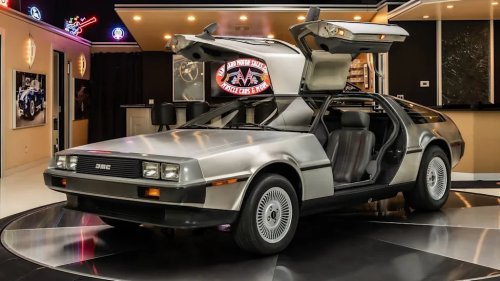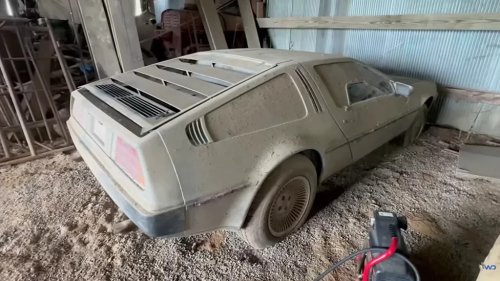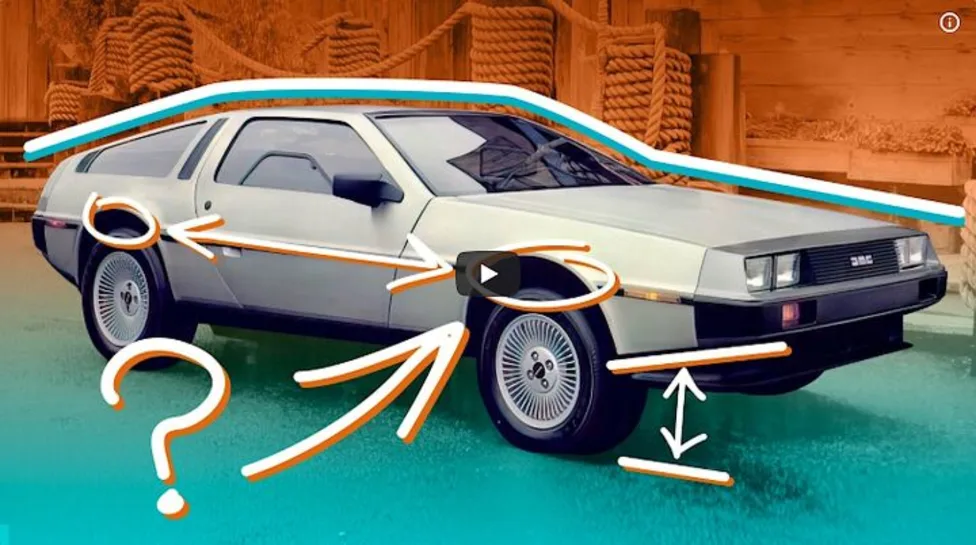



















Legendary car designer Giorgetto Giugiaro is responsible for cars ranging from the curvaceous Maserati Ghibli sports car to the futuristic DeLorean DMC-12 to the everyman's VW Golf hatchback. In this episode, designer Jason White breaks down three masterful designs by "the maestro," and we see the ways he influenced car culture forever. So, join us as we analyze some of the best vehicle styling ever and point out his most clever touches and even some curious blunders. Where we're going, we don't need roads, just an iPad and a car design expert.The TTAC Creators Series tells stories and amplifies creators from all corners of the car world, including culture, dealerships, collections, modified builds and more.AdvertisementAdvertisementAn AI-summarized transcript edited by a human staffer is below.[Image: YouTube Screenshot]Become a TTAC insider. Get the latest news, features, TTAC takes, and everything else that gets to the truth about cars first by subscribing to our newsletter.This transcript is a long-form discussion about legendary automotive designer Giorgetto Giugiaro, featuring car designer and professor Jason White. Main ThemesThe conversation explores:Why Giugiaro is considered one of the most influential car designers in historyHow automotive proportions shape emotional appealThe evolution of Giugiaro's design language over timeThe balance between beauty, practicality, and manufacturing realitiesAdvertisementAdvertisementJason White emphasizes that Giugiaro wasn't limited to one style ("folded paper" wedge-era cars), but instead adapted continuously across decades and vehicle types.Cars DiscussedMaserati GhibliThe hosts praise the Ghibli for:Elegant proportionsLong dash-to-axle ratioMuscular yet refined stanceClean, symmetrical interiorThey discuss:Chrome window trim serving both aesthetic and functional purposes (drip rails)Italian automakers' habit of reusing inexpensive parts creativelyThe car's subtle American muscle-car vibeJason gives it roughly an A-, saying some front-end details could have been simplified.AdvertisementAdvertisementDeLorean DMC-12The DeLorean segment focuses heavily on:Giugiaro's wedge-era "folded paper" stylingStainless steel body panelsExtremely low proportions and dramatic tumblehomeGullwing doors and their compromisesThe discussion also covers:Lotus engineering involvementThe rushed development processDesign flaws caused by U.S. bumper-height regulationsDifficulties matching painted plastic parts to stainless steelJason praises the overall shape but criticizes:The excessive front wheel gapSome softened details versus the original prototypeHe gives the DeLorean a B overall.Volkswagen Golf Mk1The final section argues the original Golf may actually best demonstrate Giugiaro's brilliance because it solved a massive real-world challenge:AdvertisementAdvertisementReplacing the iconic BeetleCreating a practical but stylish mass-market hatchbackKey points include:Excellent packaging and proportionsClean, timeless simplicityThoughtful details like wheel flare protection and visibility improvementsSporting character without excessJason repeatedly emphasizes how subtle design decisions elevate the Golf beyond ordinary economy cars.He ultimately gives it an A / A+, calling it a timeless industrial design success.Broader Design InsightsThroughout the discussion, several recurring ideas appear:Proportions matter more than surface detailsGood design doesn't require expensive componentsSmall details communicate quality and thoughtfulnessAutomotive design must balance aesthetics, regulation, ergonomics, and manufacturing realitiesAdvertisementAdvertisementJason also argues that Giugiaro's greatest strength was versatility - being equally effective designing supercars, sports cars, and affordable everyday vehicles.The video concludes with discussion of Jason White's sim-racing and automotive design work.