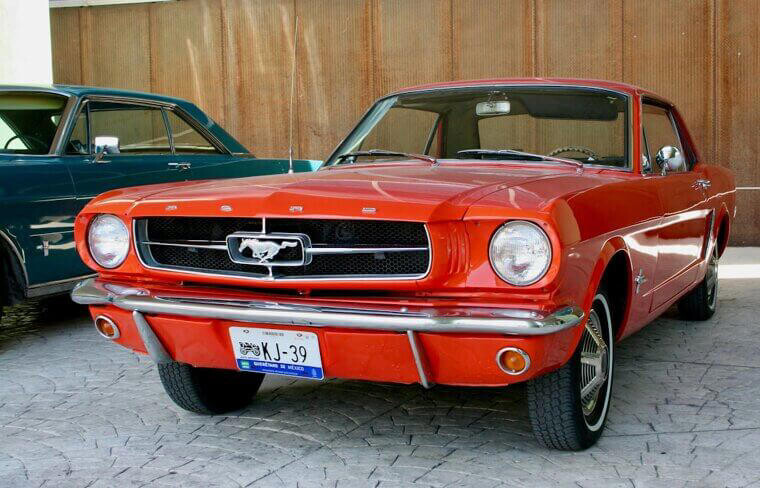
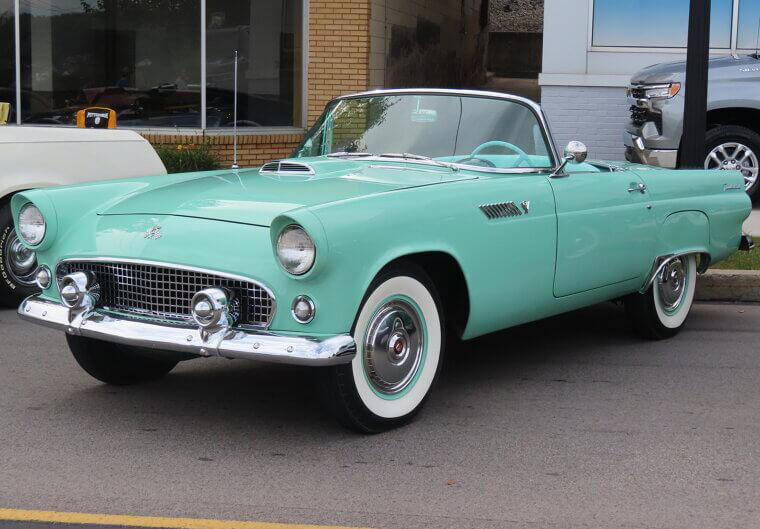
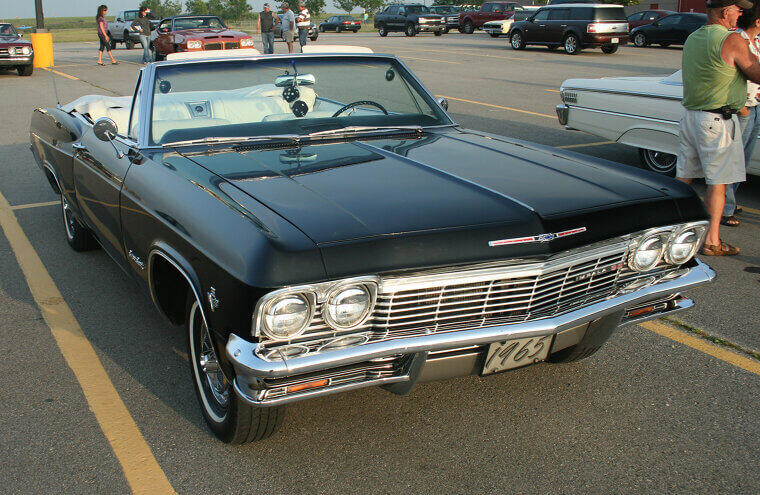
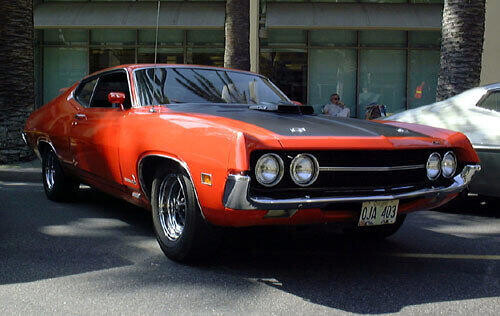
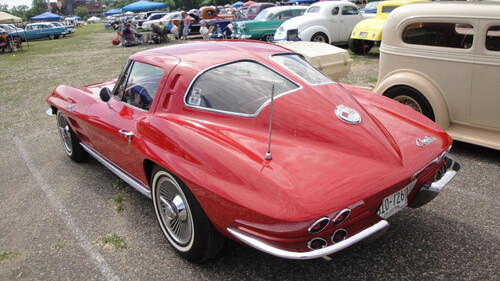
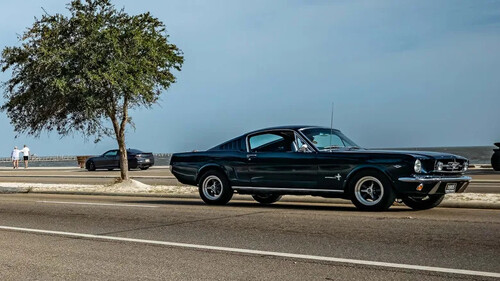
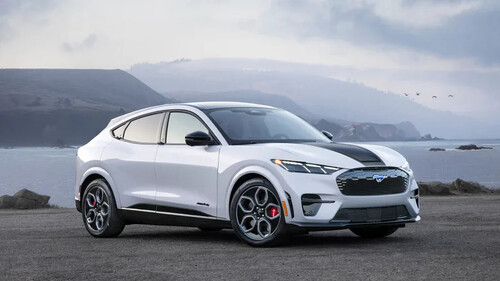
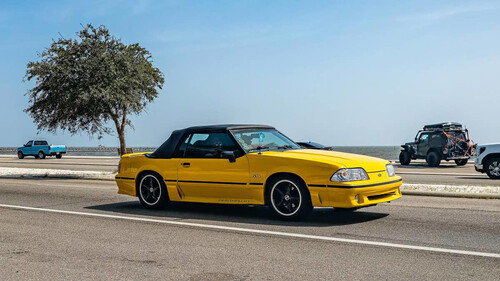
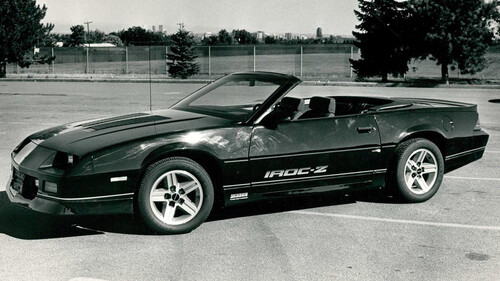
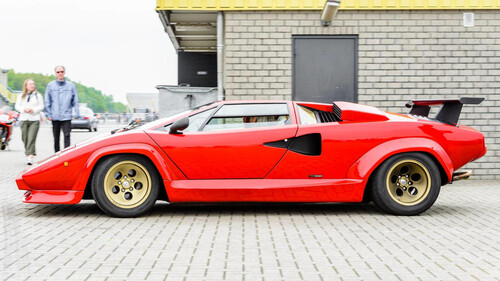
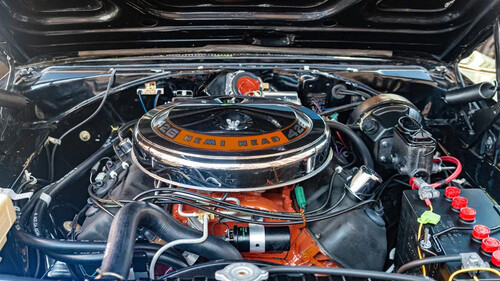
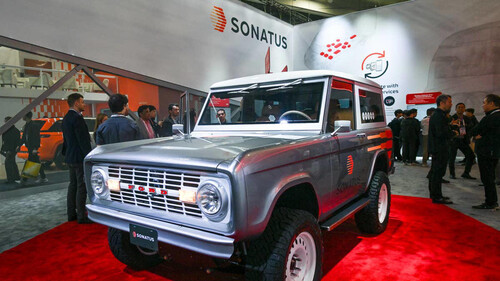
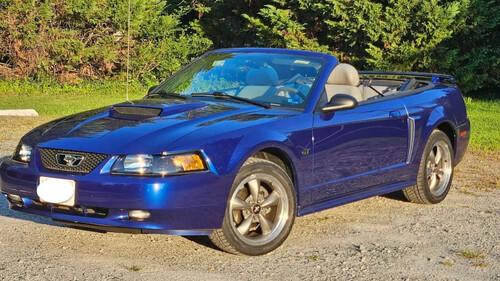
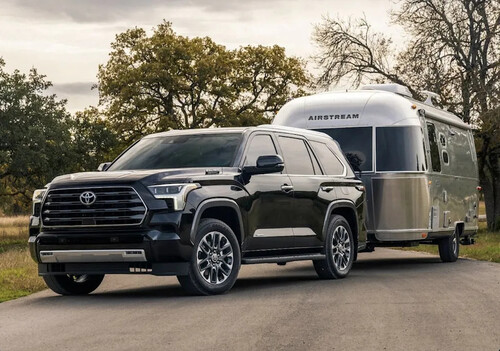
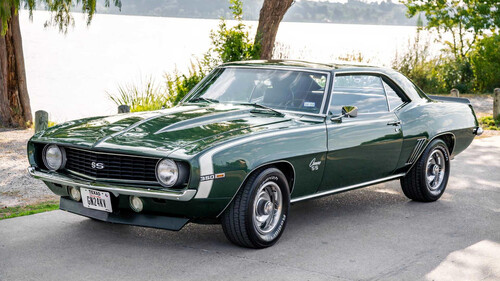
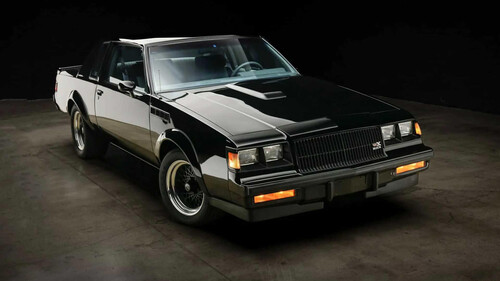
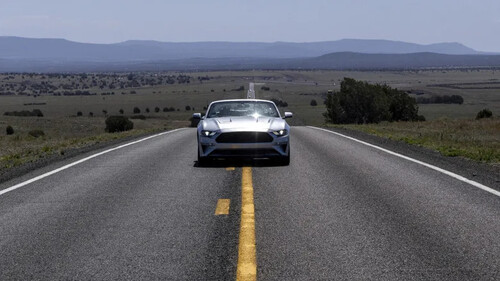
The Mustang Changed Everything in 1964It's hard to overstate what the Mustang did to the American car market when it arrived in April of 1964. Ford sold over 400,000 of them in the first year alone, a number that stunned the industry and created an entirely new vehicle category that every other manufacturer spent the next decade trying to catch up with. The price was within reach of young buyers — under $2,500 base — and the options list meant you could build anything from a mild commuter to a serious performance machine. The long hood, short deck proportions became the template for what a sporty American car was supposed to look like. Fifty years later that basic shape is still in production. Very few vehicles in automotive history can claim they permanently changed the direction of an entire industry the way the first Mustang did.Chevy's Answer Was the CamaroGeneral Motors watched the Mustang sell in numbers nobody had predicted and responded with the Camaro in 1967. It arrived with a wider stance, more aggressive proportions, and a lineup of engine options that went well beyond what Ford was offering at the same price point. The SS package with the 396 cubic inch V8 made a statement that was hard to argue with. The RS package gave buyers hidden headlights and a cleaner front end that looked expensive without costing as much as a Corvette. Chevrolet didn't just build a Mustang competitor — they built something that a lot of buyers preferred. The rivalry that started in those first few years is still going on today, with both cars still in production and both sides equally convinced they made the right choice. Some debates are worth having for decades.The F-Series That Built AmericaFord has been selling the F-Series pickup since 1948, and for decades it has been the best-selling vehicle in the United States — not just the best-selling truck, the best-selling vehicle of any kind. The reasons aren't complicated. The F-Series was designed around what working people actually needed: a strong frame, a useful bed, enough power to pull and haul without complaint, and a cab that got more comfortable with each generation. Farmers, contractors, ranchers, and tradespeople bought them because they did the job. Families bought them because they lasted. The F-100 and F-150 models from the 1960s and 1970s in particular have become serious collector pieces because they represent a era when a truck was built to work first and everything else second. That reputation took decades to build and it has never really gone away.A Corvette Nobody Could Afford to IgnoreThe C2 Corvette — the Sting Ray produced from 1963 to 1967 — is widely considered one of the most beautiful American cars ever built. The split rear window on the 1963 coupe was controversial enough that Chevrolet dropped it after one year, which makes surviving examples among the most sought-after Corvettes in existence. The independent rear suspension was a genuine engineering advancement for an American production car at the time, and the big block engine options introduced in 1965 pushed performance numbers that European sports cars at twice the price couldn't match. Zora Arkus-Duntov, the engineer who shaped the Corvette's performance identity through this era, understood that the car had to be fast enough to be taken seriously on any road in the world. The C2 achieved that and looked extraordinary doing it.Ford's Thunderbird Had a Different Kind of CoolThe original two-seat Thunderbird that Ford produced from 1955 to 1957 wasn't trying to be a sports car in the European sense. It was something more American — a personal luxury car that happened to be fast and look spectacular doing it. Ford called it a personal car rather than a sports car, and that distinction mattered. It had a softer ride, more interior comfort, and a style that was more about elegance than aggression. The 1955 and 1956 models with the removable hardtop and optional porthole windows have become some of the most recognizable cars of the entire decade. When Ford moved to a four-seat design in 1958 the purists objected, but sales tripled. The early Thunderbird remains one of the clearest expressions of what American automotive design was capable of when it wasn't trying to copy anything from overseas.The Impala Owned American StreetsFrom the late 1950s through the mid-1960s the Chevrolet Impala was the best-selling car in America for stretches that no other model could match. It was full-sized, comfortable, available in more configurations than most buyers could sort through, and priced where middle-class families could actually reach it. The 1958 introduction established the Impala as a step above the standard Bel Air, and by 1965 the model was selling over a million units a year. The SS versions with the 409 cubic inch engine became performance legends, celebrated in song before most muscle cars had even reached production. A clean 1964 or 1965 Impala SS today commands prices that would have seemed impossible thirty years ago. The Impala was never the most exotic car on the road. It was simply the one that most of America was driving.Fairlane - Ford's Forgotten Middle GroundThe Ford Fairlane occupies a strange place in automotive history — influential enough to spawn the muscle car era and overlooked enough that prices on good examples stayed reasonable long after everything around it got expensive. The 1966 Fairlane GTA with the 390 cubic inch V8 was fast enough to embarrass cars that cost significantly more, and the lighter body compared to the full-size Galaxie made it handle better than its size suggested. Ford used the Fairlane as the platform for the first mid-size muscle car, a decision that pushed General Motors and Chrysler to respond with cars that defined the entire era. Without the Fairlane there is no GTO, no Chevelle SS, no Road Runner — at least not when they arrived. It's a car that shaped American performance history from a position that history hasn't fully recognized.The Chevelle That Muscle Car Dreams Were Made OfThe 1970 Chevelle SS 454 sits at the top of almost every serious muscle car conversation, and the reasons aren't hard to find. The LS6 version of the 454 cubic inch engine produced 450 horsepower from the factory at a time when insurance companies were just beginning to make owning high-performance cars financially painful. It was one of the last truly unrestricted muscle cars before emissions regulations and rising insurance costs changed what Detroit was allowed to build. The body style was clean and aggressive without the fussiness that affected some competitors, and the SS package made the performance intent obvious without being cartoonish about it. Chevelles from this era have held their value better than almost anything from the same period, and the LS6 cars in particular have become investments as much as automobiles. That 1970 model year represented something that couldn't last, and didn't.Ford's Torino Got Overlooked and Shouldn't HaveThe Ford Torino never quite got the reputation it deserved during the muscle car era, partly because the Mustang got all the attention and partly because Chevrolet's marketing was simply more aggressive. The 1969 and 1970 Torino Cobra with the 429 cubic inch engine was a genuine performer that beat a lot of better-known cars in the quarter mile. The fastback body style on the GT and Cobra versions aged well in a way that some competitors didn't, and the Talladega variant built for NASCAR homologation is now one of the more collectible Fords of the era. Prices on good Torinos have been rising steadily as buyers who know what they're looking at recognize the value in a car that was underappreciated for decades. The Torino's obscurity kept it affordable long enough for the right people to find it.The Nova That Surprised EveryoneThe Chevrolet Nova doesn't get mentioned first in muscle car conversations, but it probably should get mentioned more than it does. The SS 396 version produced from 1968 through 1970 offered serious performance in a smaller, lighter package than the Chevelle, which meant it was quicker off the line than the numbers suggested. The price was lower too, which made it the choice for buyers who wanted performance without paying muscle car premiums. The plain appearance worked in its favor on the street — nobody saw it coming. Nova values have climbed as collectors have recognized that the performance credentials are real and the supply of unmodified original examples keeps shrinking. It's also one of the easier classic GM cars to find parts for, which makes restoration more practical than it is for some rarer models. The Nova rewarded the people who paid attention to it.Bronco - Before Off-Road Was FashionableFord introduced the original Bronco in 1966 when off-road vehicles were still a niche product bought by people who actually needed them rather than people who wanted to look like they did. The early Bronco was small, capable, and honest about what it was. The short wheelbase made it genuinely maneuverable in terrain that larger vehicles couldn't handle, and the removable top meant it converted from a utility vehicle to something resembling open-air fun without much effort. It competed directly with the Jeep CJ and held its own. The early Broncos from 1966 through 1977 have become some of the most desirable and expensive classic trucks in the country, with restored examples regularly selling for prices that would have seemed absurd twenty years ago. Ford recognized what it had and brought the nameplate back in 2021. The original remains the one that started it all.Blazer Did What No Chevy Had Done BeforeWhen Chevrolet introduced the K5 Blazer in 1969 it was responding to the early Ford Bronco, but what it produced was something that went beyond the competition. The full-width body, removable hardtop, and available four-wheel drive gave it more interior space and more on-road comfort than anything in the segment. It looked more like a proper vehicle and less like a utility box, which broadened its appeal beyond the buyers who needed off-road capability to the buyers who simply wanted it. The big block engine options made it faster than anything with a removable roof had any right to be. First generation K5 Blazers from 1969 through 1972 are now among the most sought-after classic trucks anywhere, with clean examples in original condition becoming genuinely rare. The Blazer established that an off-road capable vehicle could also be something people wanted to drive every day.Ford's Galaxie Almost Beat FerrariThe Ford Galaxie 500 might seem like an unlikely entry in any performance conversation, but at Le Mans in 1963 a team of Galaxies running the 427 cubic inch engine came close enough to the Ferrari prototype team to make the French racing establishment genuinely uncomfortable. On the NASCAR superspeedways of the early 1960s the Galaxie was dominant in a way that shaped Ford's entire performance identity for the decade that followed. The street versions with the 427 were serious machines that most buyers had no idea how to handle. The Galaxie's size worked against it in the curves, but on anything resembling a straight road it was a different conversation entirely. The racing heritage never fully translated into collector prices the way it should have, which means good Galaxie 500s still represent genuine value compared to what the performance history actually justifies.