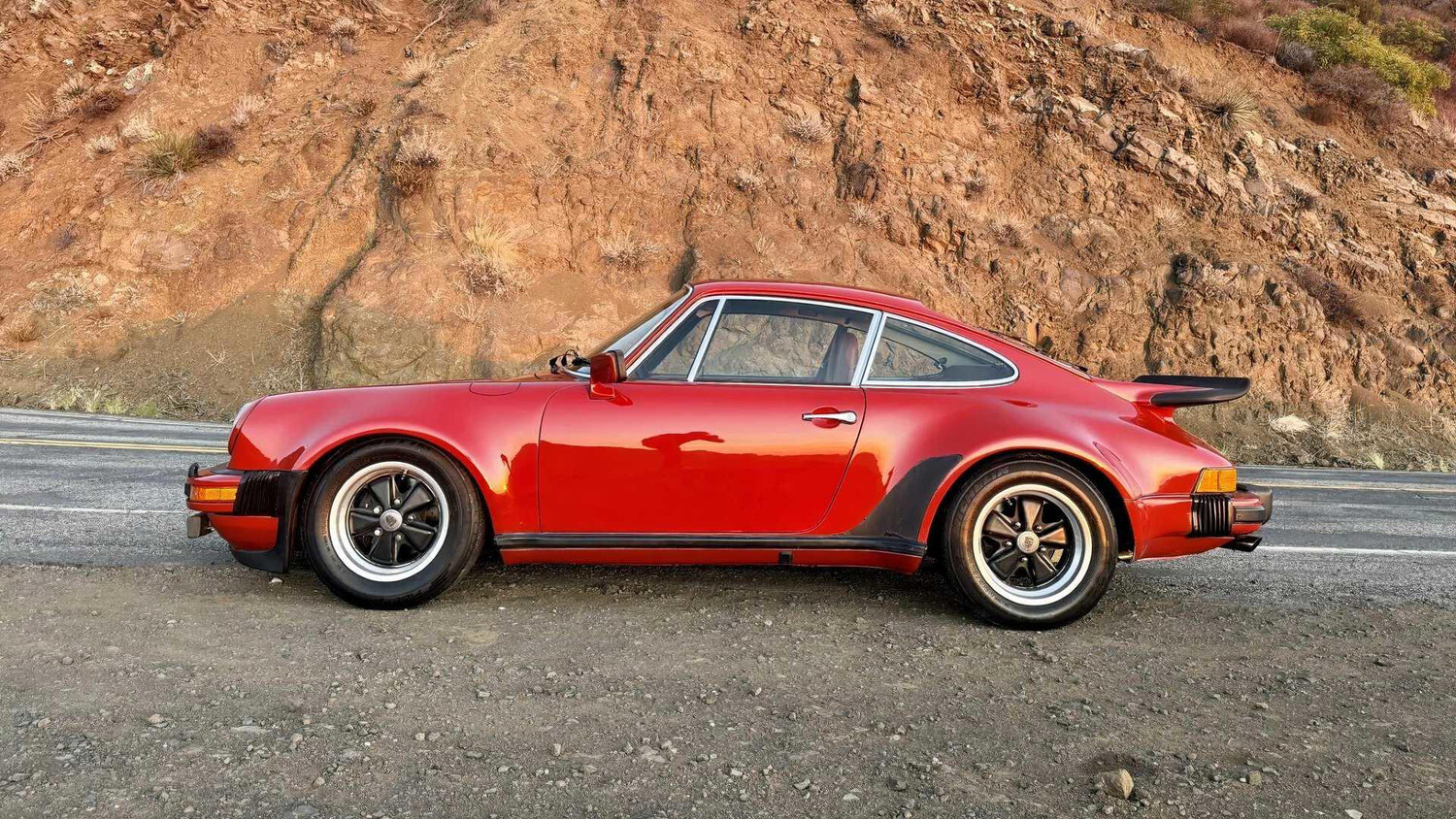
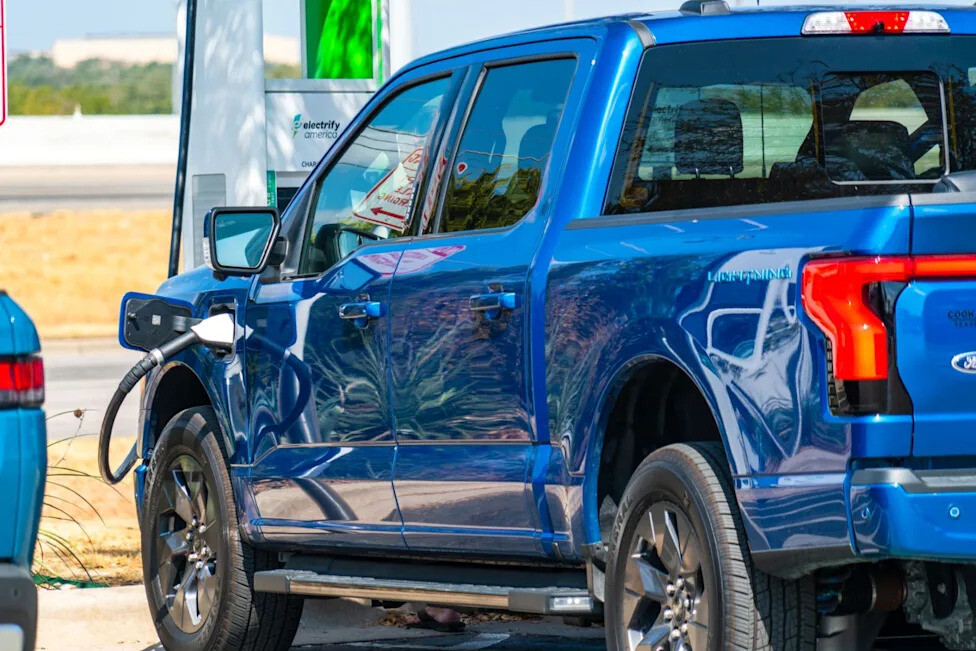
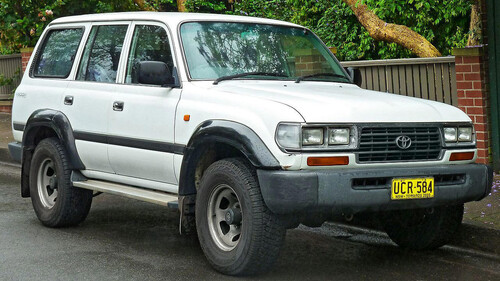
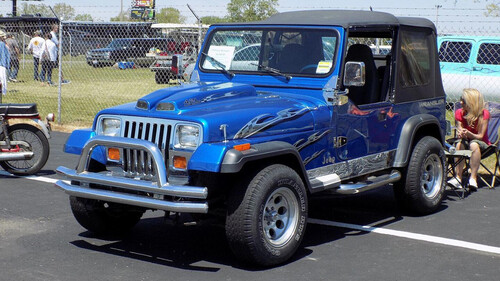
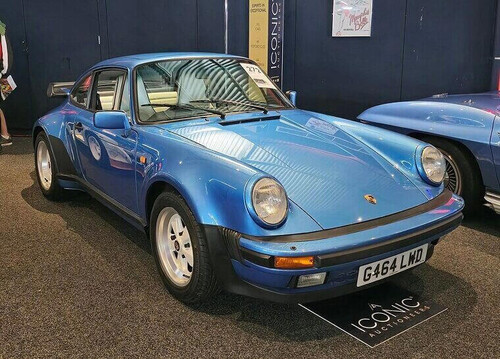
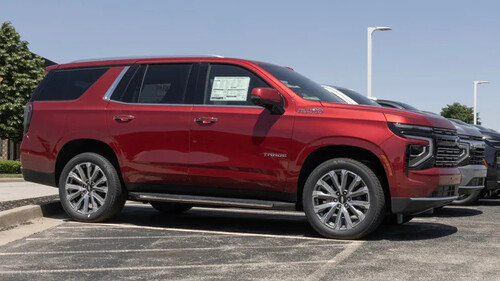
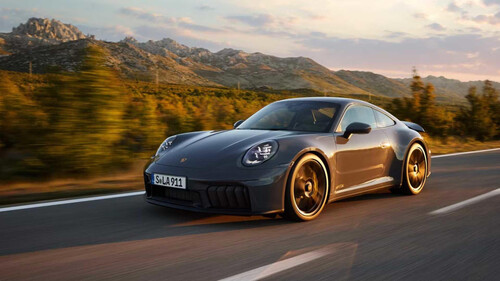
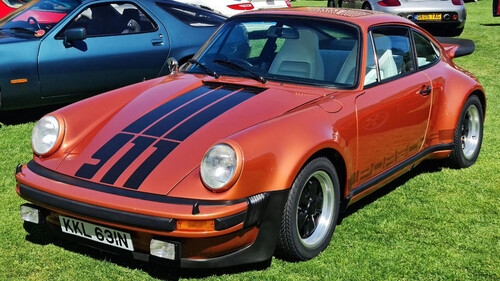
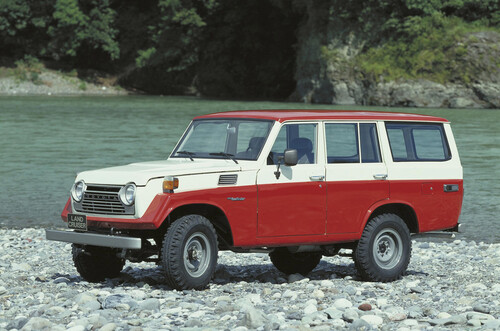
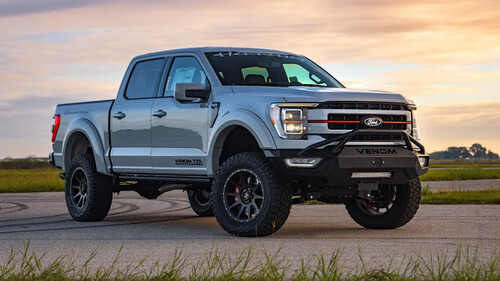
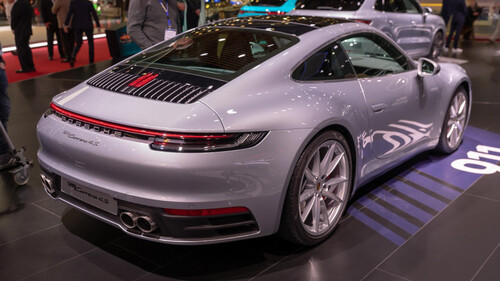
Some vehicles hold onto their names so long they blur into living legends. One such name started turning heads ninety years back. Day after day, decade after decade, it lived on. Enthusiasts know how rare that is. Most models come and go with changing tastes or new laws. But this one pressed on, through wars, through booms, through every change in how people drive. By staying in production through all that, it stood for something more than metal and wheels. It grew into a moving chapter of American life and strength.Even before the world knew the name, this vehicle did its job. It served families, businesses, law enforcement, energy workers, road crews – anyone who needed space, power, and a rock‑solid ride. Its job made sense. Over time, the body styles changed, engines advanced, interiors grew roomier. Still, its core stayed true: big, tough, useful. The Chevy Suburban Is The Longest‑Running Nameplate In The World When Chevrolet introduced the Suburban in 1935, it didn’t just release a new vehicle. It invented an entire segment. The original Suburban wasn’t a pickup or a station wagon – it was both. Built on a light truck chassis and fitted with a wagon-style body, it carried passengers and payload with equal ease. No other vehicle on the market did that quite as well or looked quite like it.As of 2025, that legacy has carried across twelve generations. While many vehicles from the 1930s faded from memory or fell to obsolescence, the Suburban rolled into every new decade with a purpose. Chevrolet kept it alive by responding to market demands. When the world needed more family haulers, the Suburban grew in comfort. When fuel prices spiked, engines got more efficient. When buyers demanded luxury, Chevrolet gave them high-end trims like the LTZ and High Country.Bring a Trailer Early generations focused on practical utility, often with no-frills interiors and rear-wheel-drive setups. But by the 1970s, the Suburban had become a staple in suburban driveways as much as on ranches and job sites. Four-wheel-drive arrived in 1957, helping it move from city streets to mountain roads. Throughout the 1980s and ’90s, it became a symbol of American bulk – big V8 engines, chrome bumpers, bench seating, and immense rear cargo space. Families used them. So did the military and Secret Service. The vehicle became a favorite of politicians and presidents for one simple reason: presence.Bring a Trailer Each generation brought a reworked look. The square-body era of the ’70s and ’80s gave way to smoother lines in the ’90s, then sharp creases in the 2000s. While the body evolved, the mission didn’t. Every model still gave buyers what they wanted most: room to haul people and gear, and power to move it all confidently.Even now, in its latest form, the Suburban remains unmistakable. Its size, stance, and silhouette signal what it is – a vehicle built to handle big tasks without flinching. Through 90 years, that mission hasn’t changed. And that’s why the nameplate still survives while others have faded. The Original Suburban Was Simple And Tough Mecum The first Suburban Carryall, released for the 1935 model year, came with a very simple goal: carry lots of people or gear, anywhere a truck could go. To meet that goal, Chevrolet used its half-ton pickup truck chassis as the foundation. This gave the Suburban a rugged backbone, something strong enough for rough roads and long hauls.Powering the first-generation Suburban was a Chevrolet “Stovebolt” 207-cubic-inch inline-six engine, producing about 60–80 horsepower depending on tuning. That engine used overhead valves – advanced for the time – and a cast-iron block. It wasn’t quick by any stretch, but it was dependable, easy to fix, and had the torque to move a full load of passengers or cargo.Mecum The transmission was a three-speed manual. Gearing was short and basic, built more for hauling than for highway speeds. Back then, speed limits were lower and road quality varied, so power delivery and durability mattered more than outright pace.The body was revolutionary for the time. Chevrolet offered all-steel construction – a major selling point when many wagons still used wood. The design offered two doors up front and a large swing-out rear door. Inside, seating ranged from two to three rows. Customers could order versions that seated eight or remove the rear benches for pure cargo use.Mecum Suspension consisted of semi-elliptic leaf springs at all four corners, supported by solid axles. That gave the vehicle a stiff ride but high durability, especially on rutted or unpaved roads. Braking was handled by mechanically operated drums, and steering was unassisted, making it a workout to park at low speeds.One of the most impressive features was its versatility. Fleet operators loved it. School districts, fire departments, and construction crews adopted it. It could haul gear, move people, or serve as a rolling workshop. The Suburban’s form followed function from day one – and enthusiasts today look back on that first generation with deep respect for getting the job done, simply and effectively. The 2025 Chevrolet Suburban Is A Vastly Different Machine Chevrolet Today’s Suburban barely resembles the 1935 model on the outside, but the original spirit still runs through it. The 2025 Chevrolet Suburban is big, powerful, and packed with technology – something its earliest designers probably couldn’t imagine.Under the hood, buyers now get a choice between a 5.3-liter V8, a 6.2-liter V8, or a 3.0-liter Duramax turbo-diesel inline-six. Power ranges from 355 to 420 horsepower, with torque figures reaching up to 460 lb-ft. All engines are paired with a 10-speed automatic transmission and either rear-wheel or four-wheel drive. The Suburban can now tow up to 8,300 pounds when properly equipped – an enormous leap from its early days.Chevrolet The current model rides on GM’s T1 platform, shared with the Silverado and Tahoe. What sets the Suburban apart is its extended wheelbase and massive third-row space. It can fit up to nine passengers depending on configuration. Cargo space tops out at over 140 cubic feet, making it one of the largest non-commercial vehicles on the market.What really sets the 2025 Suburban apart is its tech. Higher trims offer adaptive air suspension, magnetic ride control, and multi-mode drive systems that adjust throttle response, traction, and steering. Inside, there’s a 17.7-inch touchscreen, a digital driver’s display, available HUD, and rear-seat entertainment systems with streaming capabilities. Wireless Apple CarPlay and Android Auto are standard, as are multiple USB-C ports and onboard Wi-Fi.Trim levels include LS, LT, Z71, RST, Premier, and High Country, each bringing different flavors of luxury, capability, and off-road focus. The Z71 adds skid plates and off-road tires, while the High Country adds real wood trim, massaging seats, and a panoramic sunroof.Despite all the luxury, the Suburban is still about work. It hauls trailers, carries teams, and survives long drives. Enthusiasts respect it for staying relevant in a world of crossovers and EVs. Its blend of tradition and innovation makes it one of the few large SUVs with true staying power. There are whispers of an electric Suburban arriving soon – another evolution that could carry the nameplate deeper into its second century. Other Long-Running Nameplates The Chevrolet Suburban leads the longevity race, but it’s not alone in its endurance. A few other vehicles have carved out lasting names by sticking to what they do best. Ford F-Series Mecum Auctions First sold in 1948, the Ford F-Series pickup is a close runner-up. The F-150 in particular has become America’s best-selling vehicle for decades. From basic work trucks to off-road monsters like the Raptor and electric variants like the Lightning, the F-Series has proven itself adaptable. What keeps it alive is Ford’s ability to pivot – offering V6 turbo engines, V8, hybrid options, and cab sizes that suit everyone from ranchers to urban families. Jeep Wrangler Jeep The CJ series started in 1945, growing from the military Willys Jeep used in WWII. Over time, the CJ evolved into the Wrangler, which kept the essence of the original – ssolid axles, removable roof, and a go-anywhere spirit. While the name has shifted, its bones are still recognizably linked to its roots. Enthusiasts often compare current Wranglers to classic CJs because the off-road DNA hasn’t disappeared. Toyota Land Cruiser Land Cruiser Heritage Museum Launched in 1951, the Land Cruiser started life as a utilitarian 4x4 but became an icon of global durability. From safari trucks to family SUVs, the Land Cruiser earned a reputation for reliability in extreme conditions. Even when sales dipped in the U.S., global demand kept it alive. Toyota recently brought it back with a retro-modern look and hybrid tech – an echo of the Suburban’s evolution. Porsche 911 Bring A Trailer Though not as old as the Suburban, the Porsche 911 deserves a mention. Introduced in 1964, the 911 has never missed a model year. It has shifted from air-cooled to water-cooled, manual to dual-clutch, rear-drive to all-wheel-drive. And yet, every 911 still looks and feels like a 911. Porsche knows its audience and rarely strays far from what made the car great to begin with.Source: Chevrolet