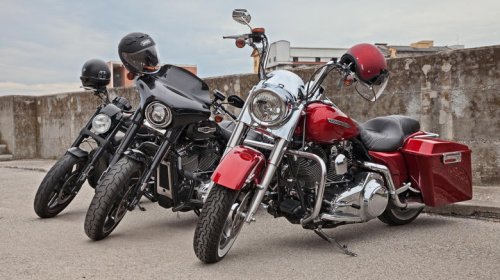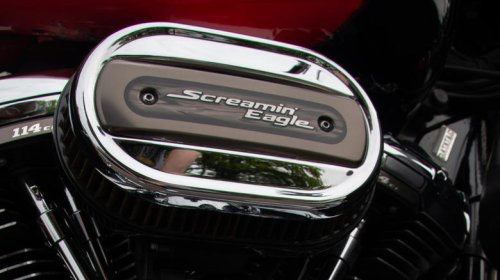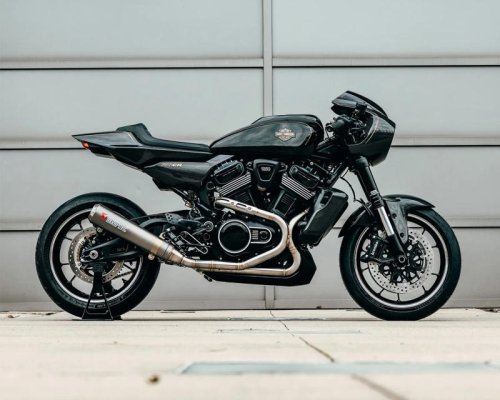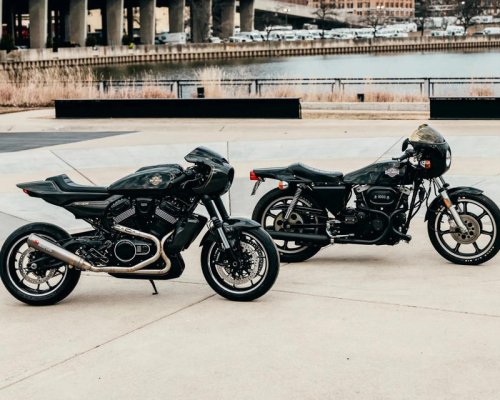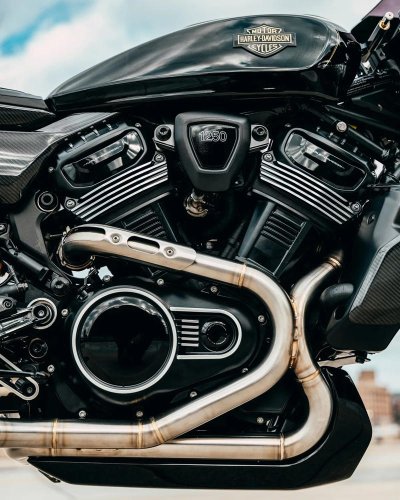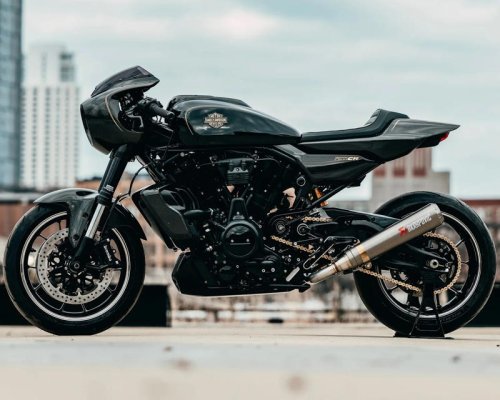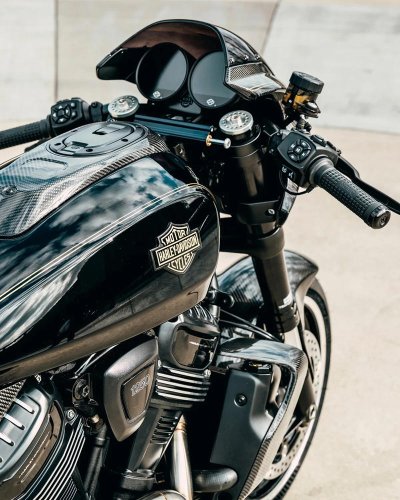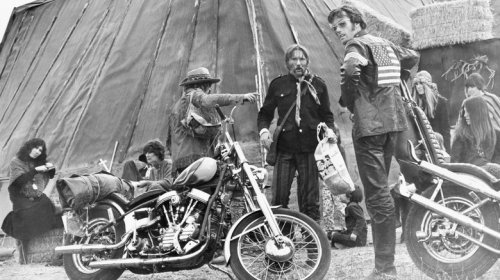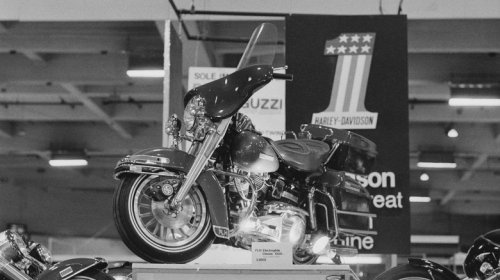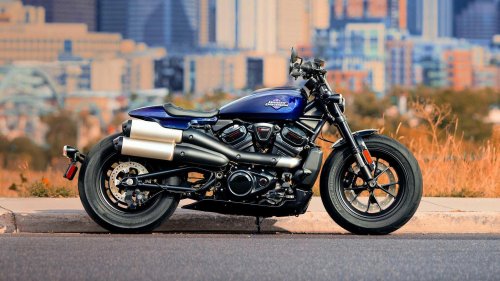
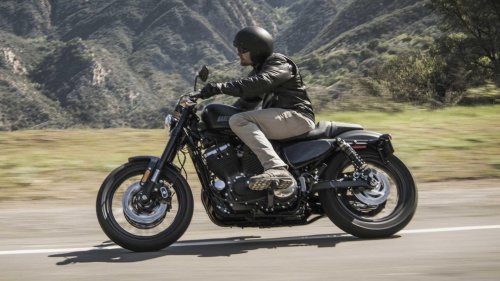
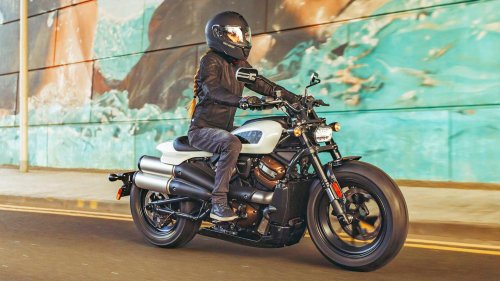
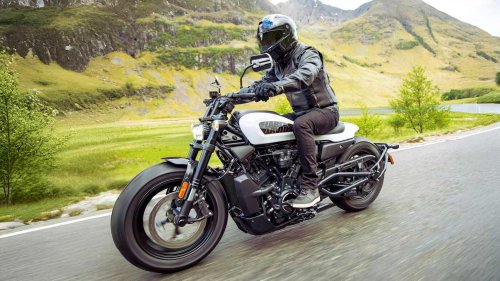















When you’ve been building bikes as long as Harley-Davidson, you’ve seen your share of hits and misses, but the Sportster family stands out as one of the company’s biggest successes. From humble beginnings in the 1950s, the Sportster grew into alegend in its own right, achieving performance and popularity disproportionate to its size. It’s also Harley’s oldest continuously produced model family, guiding countless riders through their first taste of the open road. Affordable, approachable, and non-threatening, the Sportster has remained the gateway to the Harley experience for generations of new riders.To give you the most up-to-date and accurate information possible, the data used to compile this article was sourced from Harley-Davidson and from my experience as a certified Harley-Davidson mechanic. The information provided is current as of the time of this writing. Where The Sportster Story Really Began The 1952 K-Model’s innovative unitized drivetrain set the stage for the Sportster’s rise and its 70-year reign The Sportster name was first used in 1957, but the Sportster's story actually begins in 1952 with the K-Model that preceded it. It wasn't a Sportster, not yet, but it tested some market strategies in an effort to compete with the imports, which tended to be smaller and sportier than their American-made counterparts. At its core, the drivetrain was the real difference between the Sporties and the rest of the H-D models. It was a “post-unit” drive that housed the transmission within a common casting with the engine. This did three things: it made the engine-transmission combo compact, made them easier to install, and made vehicle alignment much easier to perform.The K-Models were powered by flathead engines, but the '57 Sportsters would mount Ironhead engines with overhead valves under a Shovelhead-type rocker-box cover. This would continue until 1985, because in 1986 the Evolution Sportster drivetrain joined its Evo Big-Twin siblings in the lineup, where it would remain through 2022 before being replaced by the newest generation of mid-size American bikes that really put the sport in Sportsters. The Sportster S carries the torch now with its modern drivetrain and emphasis on performance, leaving all Sportsters that came before shrinking in the mirrors. Your Granddad’s Sportster Never Dreamed Of This Much Power What began as a nimble 42-horsepower bike now has triple-digit ponies and cutting-edge control systems Harley-Davidson To keep things in perspective, the original 1957 was a sports bike for its time. It rolled with 42 ponies and 48 pounds o' grunt with decent acceleration and a top speed around the 100 MPH mark, leaving it both quicker and more nimble than its heavier, big-boned Big-Twin counterparts. The drivetrain may be compact, but it's still relatively tall, so early Sportsters could be taxing for riders with shorter inseams. Once the Evolution Sportster 883 came on the scene, riders could expect to see numbers more like 40 horsepower and 63 pound-feet of torque, while the Sportster 1200 cranked out 50 horsepower and about the same amount of grunt.The early Sporties had modest performance, though the combination of low-displacement engines and compact bodywork was a lot of fun to ride. However, that's not the case now. The flagship for the family is the Sportster S, and this isn't your Granddad's Sporty. The liquid-cooled, short-stroke engine cranks out a generous 121 horsepower with 93 pound-feet of torque on tap, and that's on a 500-pound bike, so it's loads more exciting than any other production Sportster in history. Additionally, it features all the best rider-safety systems H-D has to offer, elevating it to the same level as the best of the Big-Twin models. Sportster, Then And Now: Engine And Performance Specifications A Frame That Evolved With The Times Decades of frame and suspension innovation turned the Sportster from a raw machine into a refined road weapon Harley-Davidson The Sportster family is characterized by a narrow frame and a skinny front end. It's XL model designator has been in use since the Sportster's inception until the Evo Sportsters were retired after the 2022 model year. For a long time, Sportsters rode on a similar framework. Sure, there were improvements in metallurgy, suspension, engine mounts, and brake components over the decades, but the basic frame structure remained the same with dual-downtube/ double-cradle construction made mainly from mild steel tubing.The earliest frame's components were slip-fit and silver-brazed, but welding and forging proved to be the better methods for strongly joining the frame's parts together. Brakes also evolved, from the early sintered-metal pads and DOT 3 fluid, to the mid-range bikes where H-D seemed to vacillate between DOT 4 and DOT 5, so it is impossible to overstate the importance of double-checking what you should use before adding fluid. Suspension has also undergone a range of technological upgrades, from humble beginnings to the fully adjustable performance and comfort of the current Sportster S.The new frames are somewhat pared down and utilize the drivetrain as a stressed member to eliminate much of the downtube/cradle section for lightness. In earlier frames, the engine is hard-bolted to the frame with no vibration isolation, and to be honest, it could be a bit “buzzy” after a while, but H-D switched to rubber engine mounts on its Sportsters around 20 years ago at this point. The modern Revolution® Max 1250T runs smoother than any Sportster engine that came before it. This leaves the Sportster S more comfortable and capable than ever before on both the open road and the superslab. Sportster, Then And Now: Chassis And Suspension Specifications Classic Style Meets Modern Muscle From peanut tanks to compact frames, Harley’s mid-size icon built a visual legacy Harley-Davidson H-D set the tone early on with the pre-Sportster K-Model, featuring elements that would persist for decades. The Sportster engine differed from the Big Twin; not only was the drivetrain an all-in-one unit, but it also utilized four separate camshafts for the valvetrain, grouped into two parallel pairs, resulting in a distinct right-side appearance. A peanut-like fuel tank rides atop the mill, with a profile that defined the family for generations to come. While the Sportster S has a more modern gas tank shape, the peanut tank and its cousin, the walnut tank, persisted until the demise of the Evo Sporty engine.The factory set out to make the Sportster a more compact machine than its usual fare in an effort to compete against mid-size cruisers from Japan and the U.K. As a result, they tend to be rather smallish compared to the Big Twins. While the various features that for so long defined the Sportster family have faded in the new Sportster S, the down-tier Nightster and Nightster Special carry flylines that are much more comparable to the bikes that came before. All bets are off with the flagship model, though. The Sportster S embodies modernity alongside its own aggressive nature, creating something never before seen in a production Harley lineup. Sportster, Then And Now: Dimensions And Capacities Oldest Harley, Newest Thrills Blending history, innovation, and raw power, the Sportster remains the ultimate mid-size Harley for today’s riders Harley-Davidson To sum it all up, from its K-Model roots to today’s Sportster S, the Harley-Davidson Sportster proves why it’s both the oldest and one of the best motorcycles in America. Over the decades, it has evolved from a modest 42-horsepower, nimble twin to a 121-horsepower modern powerhouse, blending performance, comfort, and iconic style. Classic design cues, such as the peanut tank and narrow frame, live on alongside advanced engineering, including Evo engines and the Revolution Max drivetrain. Approachable for new riders yet thrilling for veterans, the Sportster bridges generations. As Harley’s longest-running nameplate, it’s more than a motorcycle; it’s a living legend, a compact icon that continues to define what American motorcycling is all about.