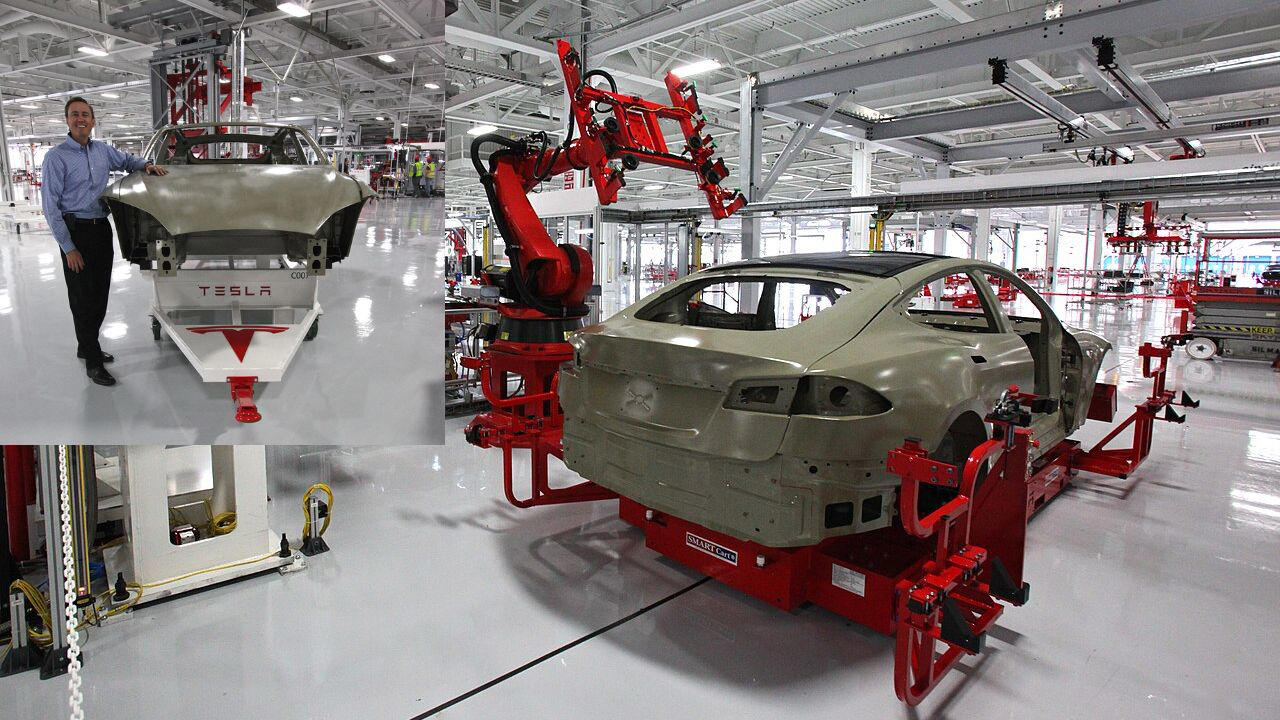
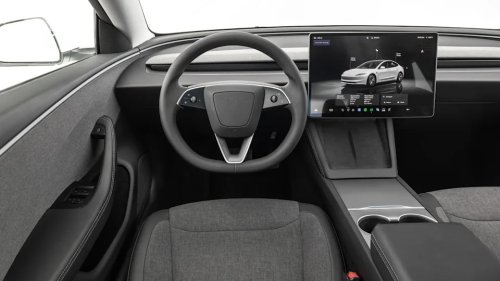
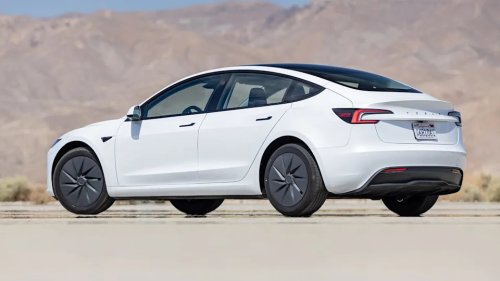
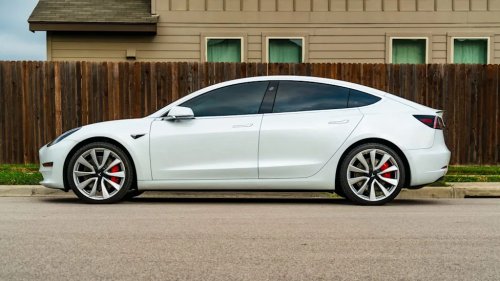
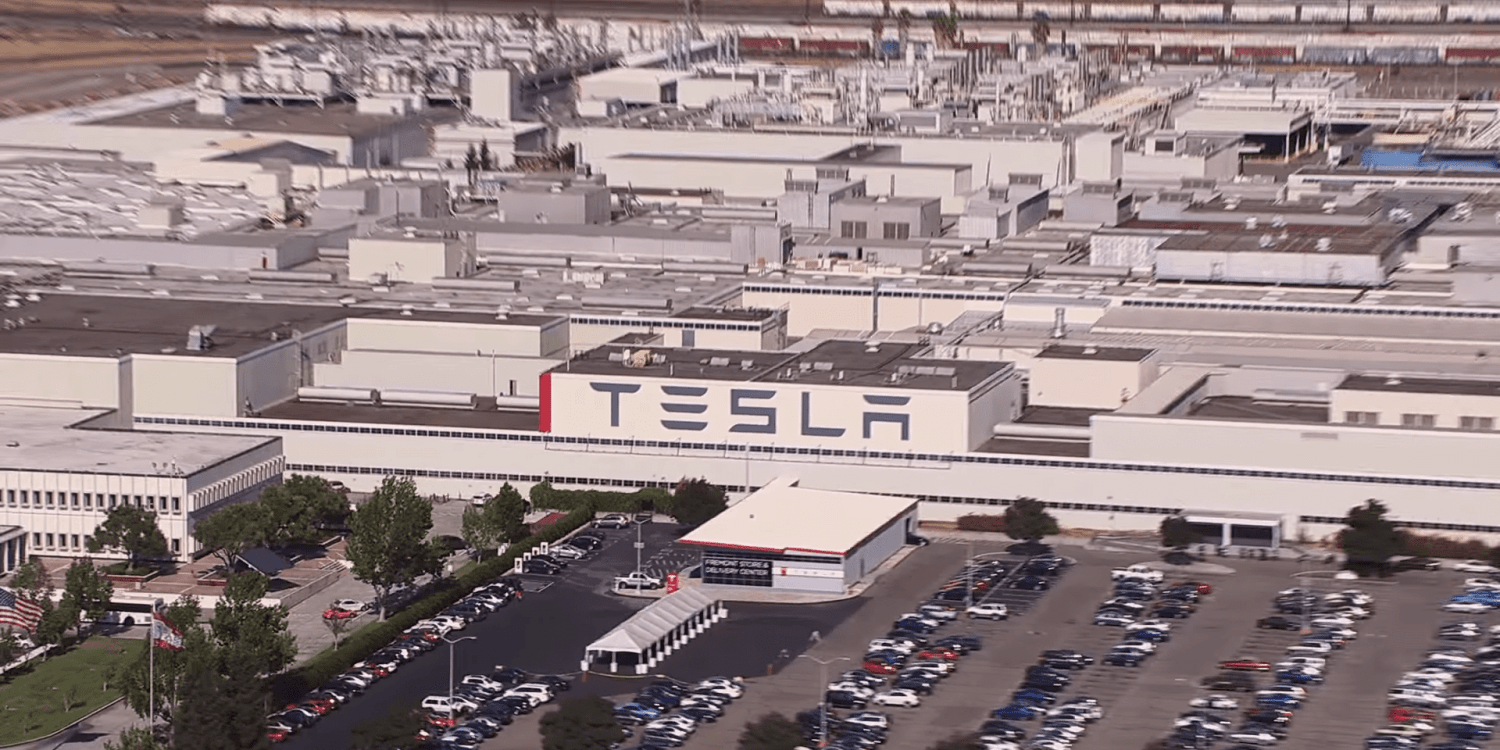
The Tesla build quality debate that keeps resurfacingTesla has spent more than a decade as both the hero and the villain of the electric car story, and nowhere is that split more visible than in arguments over build quality. Each new model year brings fresh claims that the company has finally solved its fit and finish issues, almost immediately met by photos and videos insisting the problems never left. The recurring fight over panel gaps, rattles, paint and reliability has become a kind of proxy war over what a modern car should be. For some owners, the software, performance and charging network make the trade-offs obvious and acceptable; for others, the same flaws are proof that the brand still has not met the standards long set by established manufacturers. The long memory of early flaws Among early adopters, the perception that Tesla started with a “poor level of build quality” has never entirely faded. In one exchange about overall quality, a commenter wrote that “Some will have issues, others won’t,” explaining that a personal 2018 car had “one problem” in years of ownership. The commenter acknowledged that “some people get lemons” and added that vehicles built later in a production cycle tend to be more consistent, a view echoed throughout the discussion. That comment captured a dynamic that still shapes the debate: once a brand earns a reputation for rough edges, every squeak or scuff becomes evidence that nothing has changed. Traditional quality surveys helped cement that early image. Aggregated complaint data and dependability rankings placed the company near the bottom of the industry, and even when Tesla was not formally included in some lists, analysts used available owner reports to argue that the brand’s vehicles generated more problems per hundred cars than most competitors. The firm behind these widely followed studies, JD Power, became shorthand in arguments between fans and critics; when Power Vehicle dependability results showed Tesla staying 4th from last, skeptics saw confirmation that the narrative of improvement was overstated, while supporters questioned whether legacy survey methods captured the reality of software-heavy electric cars. Owners split between “lemons” and near perfection Current owners often describe a kind of quality lottery, where some cars are nearly flawless and others arrive with a list of defects. In one exchange about whether a Tesla is actually a good car or poor quality, a commenter named Jun wrote that “Some will have issues, others won’t,” before explaining that a personal 2018 car had “one problem” in years of ownership, while acknowledging that “some people get lemons” and that vehicles built after a model has been in production for a while tend to be more consistent, a view echoed across that electric vehicle thread. Another owner in the same discussion contrasted that experience with a partner’s car that needed work on reverse camera wiring, underlining how two vehicles from the same brand can leave very different impressions. Similar divides appear in model-specific communities. Contributors in a Model Y forum have argued that people focus on cosmetic issues such as paint and body panel alignment while overlooking the absence of major mechanical failures. One user in an August discussion stated that, aside from a few trim issues, the car had been trouble-free. Others countered that even minor cosmetic flaws matter on a premium-priced vehicle and that owners should not have to accept panel gaps as the price of cutting-edge software, a view that aligns with long-running complaints that Much of the criticism of the Tesla Model S originally centered on interior fit and finish. When premium pricing meets rough edges The tension becomes sharper when prices climb into six figures. In one detailed video review, an owner of a 2021 Tesla Model S Plaid noted that the car cost $150,000 when new and highlighted squeaks, rattles, and trim flaws that did not align with that price. The reviewer argued that the vehicle did not feel like a traditional luxury sedan at that level. The point was not simply that imperfections existed, but that the expectation for a $150,000 product is fundamentally different from that of a mid-priced family EV, and that the gap between performance and perceived craftsmanship can be jarring. At the same time, some owners insist that recent cars feel far more solid than early examples and compare favorably with rivals. A Model 3 interior review on Facebook described the cabin as “miles ahead” of an older premium compact SUV and praised the simplicity of the layout, with one commenter named Sherif Abdel Hamid calling it “Way ahead” of what had been expected from Tesla. In another thread in a high-mileage owners group, Tesla drivers described their friends as high-horsepower gasoline enthusiasts yet reported more than 92,000 problem-free miles, suggesting that for some households the ownership experience outweighs cosmetic complaints. Signs of progress, and why the argument will not die There is evidence that manufacturing consistency has improved, even if not uniformly. A detailed comparison of Fremont- and Austin-built Model Y refresh vehicles examined panel gaps, paint, and underbody components. The presenter in April highlighted how the vehicles were assembled and concluded that the newer factory’s output appeared more consistent. Another detailing-focused review reported that June 2025 production vehicles showed tighter tolerances and fewer visible exterior defects, while acknowledging that the company has improved build quality but has not yet matched the industry’s top performers. More from Fast Lane Only Unboxing the WWII Jeep in a Crate 15 rare Chevys collectors are quietly buying 10 underrated V8s still worth hunting down Police notice this before you even roll window down