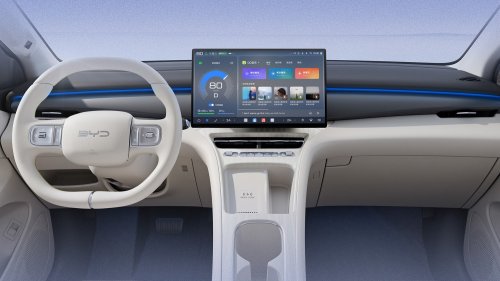
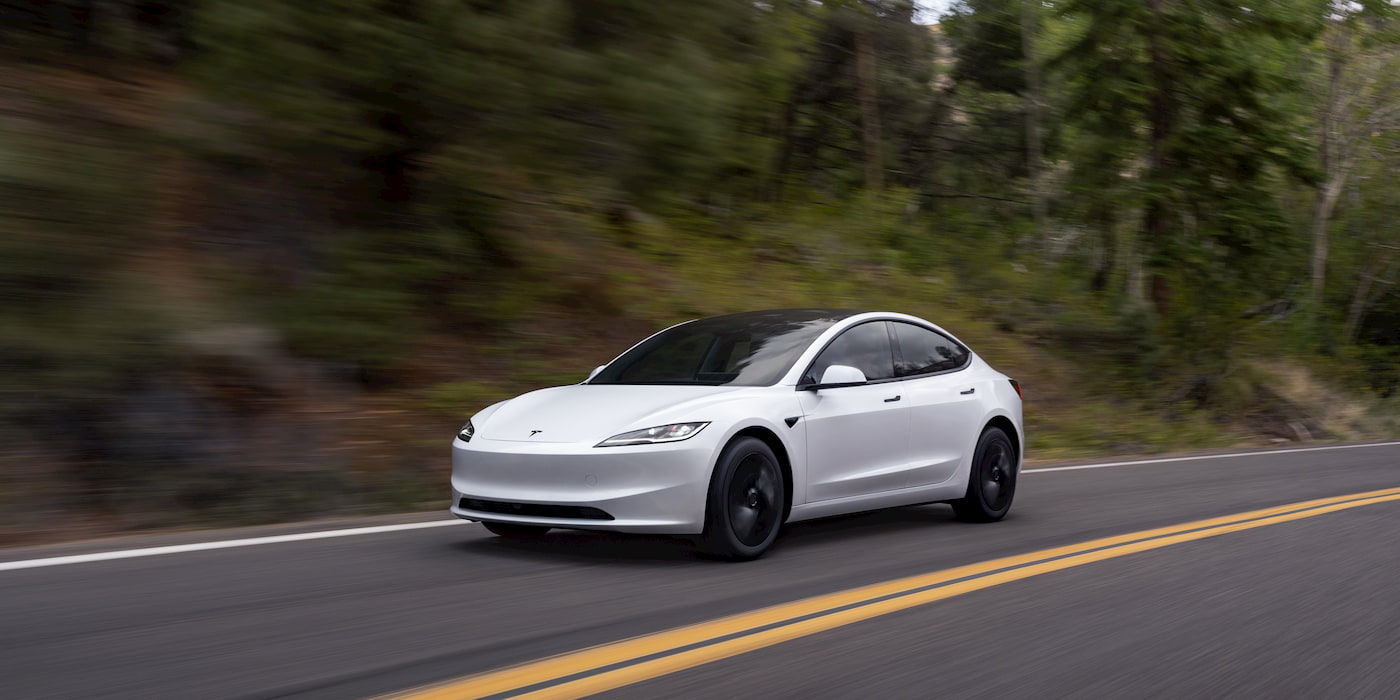
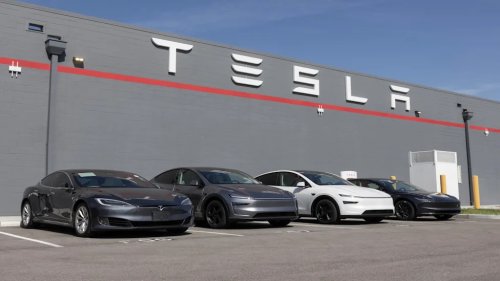
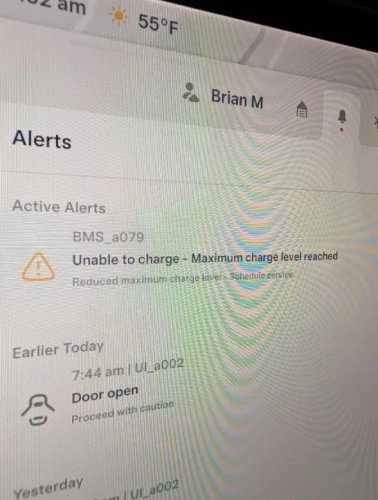
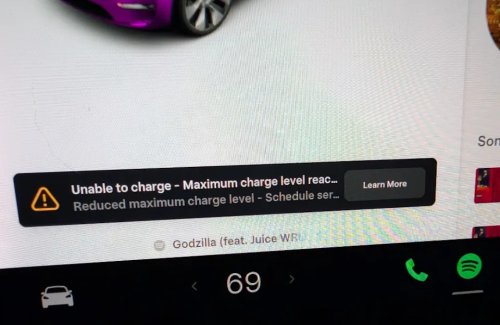
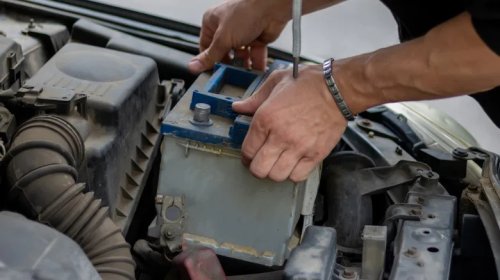
Photo Credit: iStockA growing uproar over electric vehicle "battery locking" in China is putting some of the world's biggest electric car brands under scrutiny, even as Tesla, BYD, Xpeng, Li Auto, Nio, Aito, Zeekr, and GAC Aion deny reports that they were summoned by regulators over the issue.According to Digital Alphabet, at the center of the controversy is a troubling allegation: that automakers have used over-the-air software updates to quietly limit battery charging or performance, potentially reducing fire risks while leaving drivers with less than they paid for.What happened?The dispute intensified after CCTV News said complaints about OTA battery locking on China's 12315 platform rose past 12,000 in March, up 273% from a year earlier, per Digital Alphabet.AdvertisementAdvertisementAccording to the original CCTV report, regulators had called in eight automakers, with three facing probes over alleged violations. It also reported that two companies pulled the contested update packages and said they would restore vehicle performance.CCTV later said that, since 2020, eight companies had been contacted over several matters — including abnormal acceleration, battery fires, and OTA update practices — rather than only battery locking.All eight automakers then publicly rejected the latest claims. Liu Yan of the China Association of Automobile Manufacturers, who serves as deputy secretary-general, said the association's inquiries with regulators and the companies had included no enforcement steps, such as summonses or legal filings. He said online rumors lacked official backing and conflicted with verified facts.Even with the confusion around the regulatory angle, the complaints themselves are harder to dismiss. According to Digital Alphabet, battery locking has remained a recurring source of driver complaints, with about 280 active cases on Sina's Heimao platform and nearly 45,700 reports on the vehicle quality site Chezhiwang.AdvertisementAdvertisementIn simple terms, battery locking refers to software-based limits on charging or discharging that can reduce an EV's usable battery performance. Critics say that when those limits are imposed without clear notice, they can mask deeper quality problems and leave owners paying the price.Why is battery locking concerning?For everyday drivers, the core issue is transparency.If someone buys an EV based on promised range, charging speed, or performance, and then a software update quietly reduces those capabilities, that can affect daily commuting, road trips, resale value, and overall trust in the product. In some cases, experts warn that it may also interfere with consumers' rights to information and choice.There is also a safety dimension. If a company is restricting battery performance because of a potential defect or fire risk, the appropriate response should be a recall or another clear corrective action — not a software workaround that obscures the underlying problem, said Sun Yuhao, Shanghai Haihua Yongtai Law Firm senior partner, per Digital Alphabet.AdvertisementAdvertisementThat matters beyond one market. EVs are a key tool for cutting tailpipe pollution and reducing reliance on gas-powered cars. But confidence in cleaner transportation can suffer when buyers feel they are not getting honest disclosure from manufacturers. If companies appear to be hiding defects instead of fixing them, it can make consumers more skeptical of the shift to lower-pollution vehicles.The controversy also points to a broader issue in modern cars: Software can now change how a vehicle behaves long after it leaves the dealership. That can be useful for improvements and safety fixes, but it also creates new opportunities for companies to make unpopular changes remotely.What's being done about battery locking?Chinese regulators have already moved to tighten oversight. In February, China's Ministry of Industry and Information Technology, together with the State Administration for Market Regulation, issued guidelines calling for more standardized practices and specifically barring software updates used to conceal vehicle defects or sidestep liability.Get TCD's free newsletters for easy tips, smart advice, and a chance to earn $5,000 toward home upgrades. To see more stories like this one, change your Google preferences here.



















 +51 others








![Watt's up, doc? Huddig hybrid loader gets a big battery boost [video]](https://cdn.topcarnews.net/thumb/id/aHR0cHM6Ly9pMC53cC5jb20vZWxlY3Ry-ZWsuY28vd3AtY29udGVudC91cGxvYWRz-L3NpdGVzLzMvMjAyNi8xMC9odWRkaWct-aHlicmlkX21haW4uanBnP3c9MTUwMCZh-bXA7cXVhbGl0eT04MiZhbXA7c3RyaXA9-YWxsJmFtcDtzc2w9MQ/ea51c544798341190a5eed718aab1ee3.jpg?t=20261004&post_id=67784)