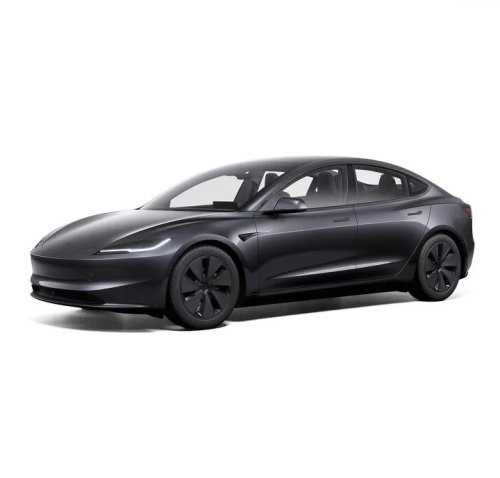
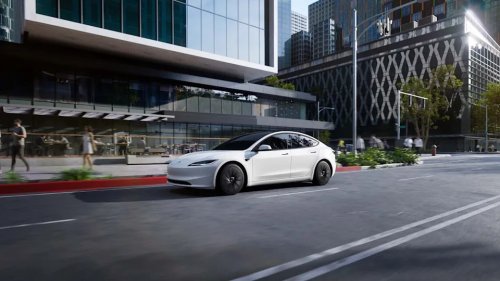
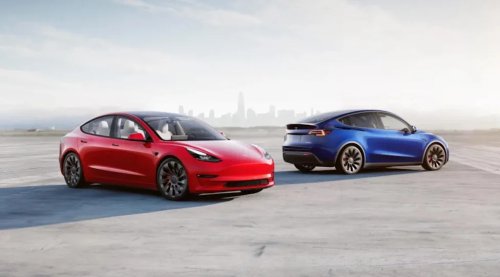
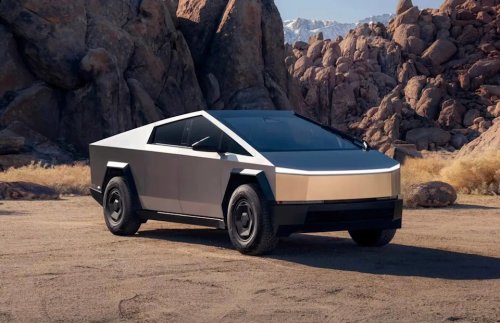
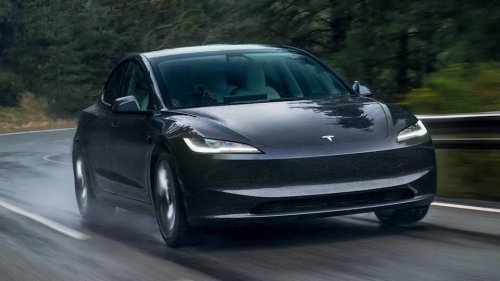
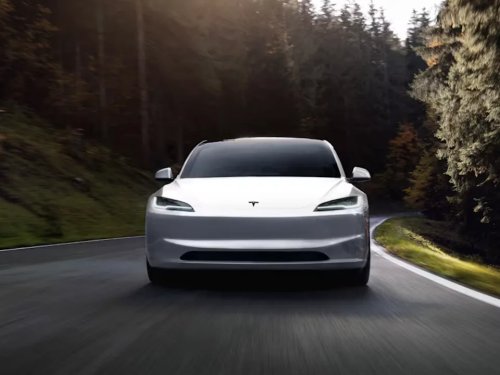
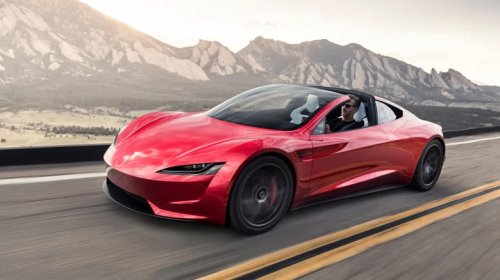
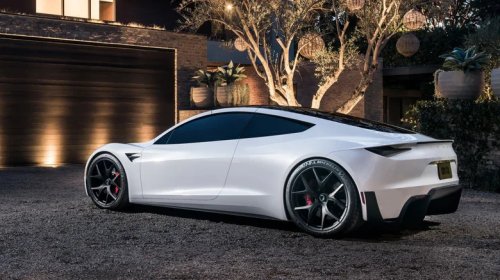
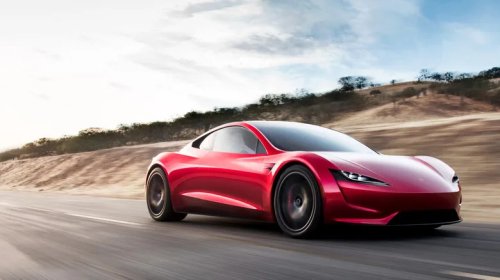
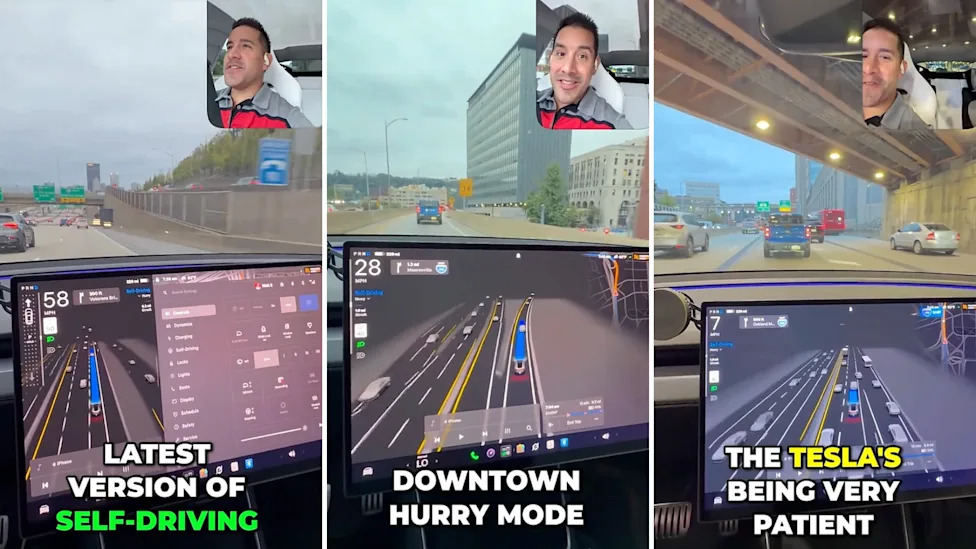
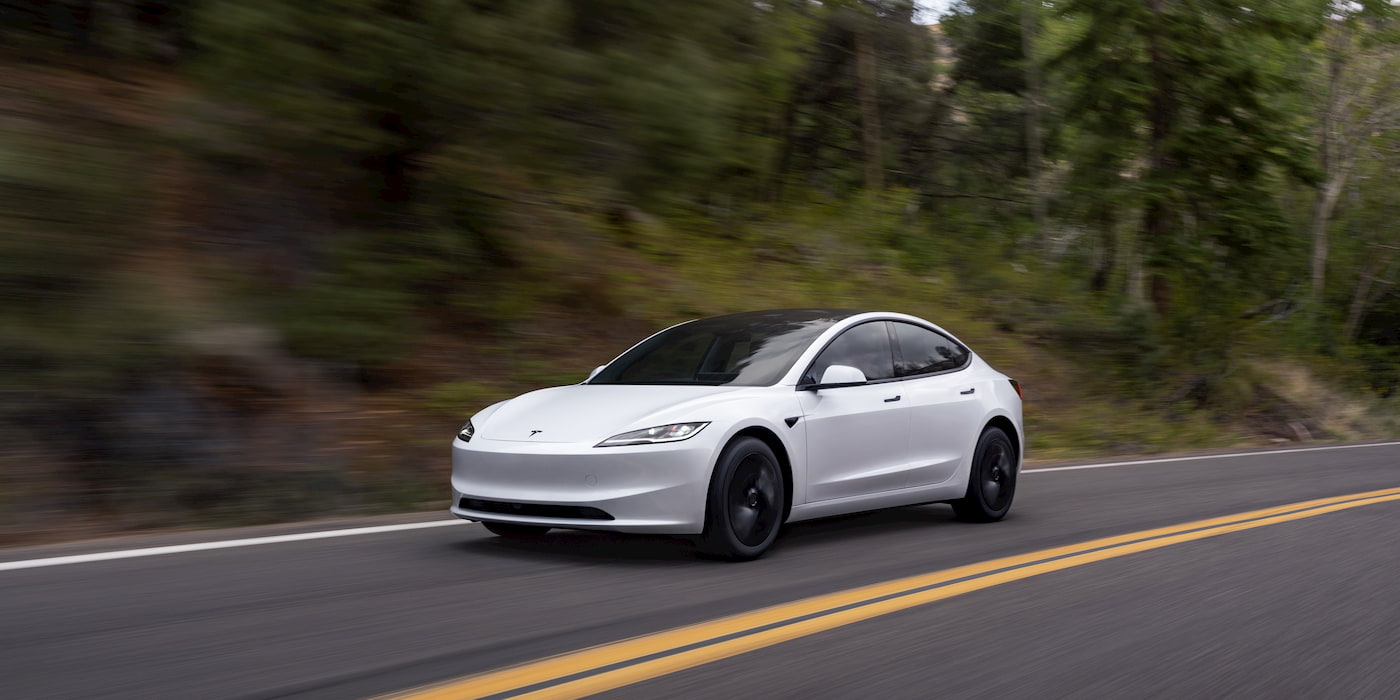
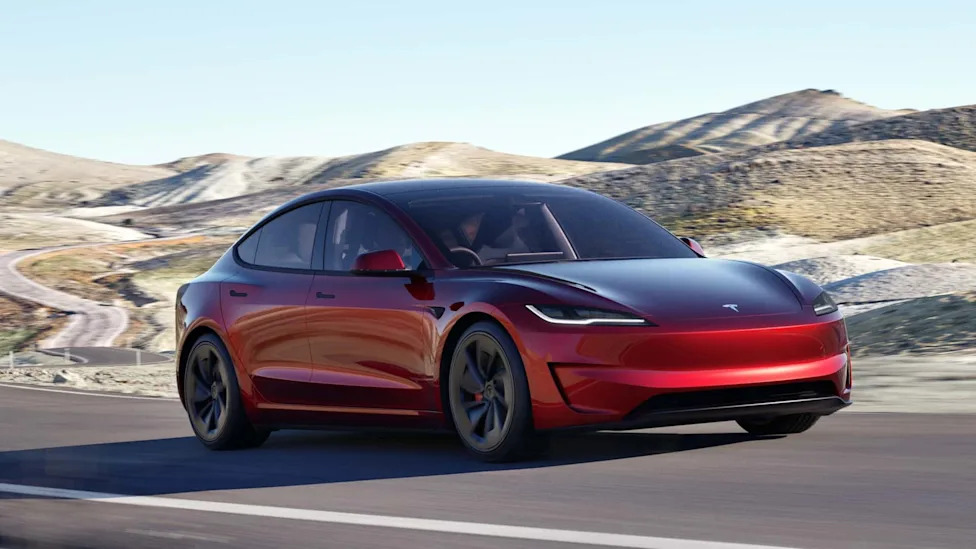
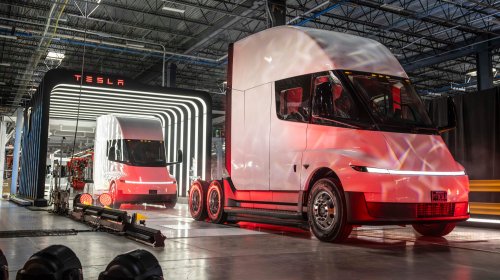
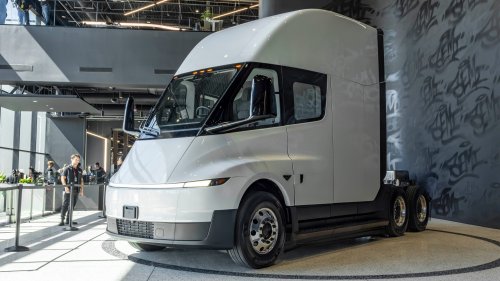
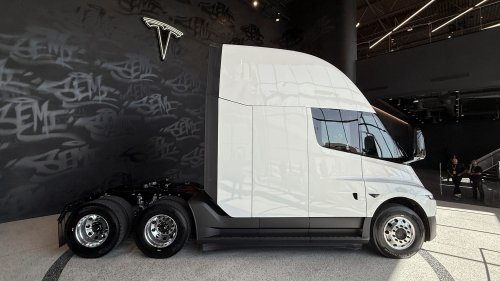
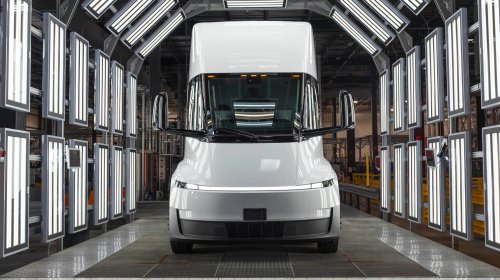
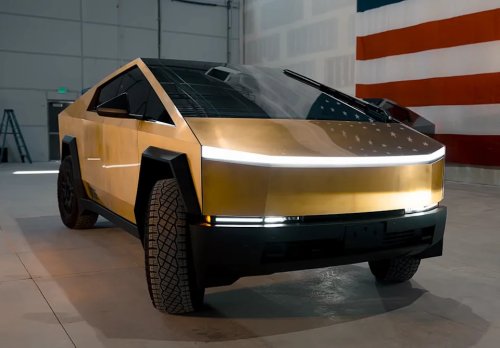
Elon Musk departed the White House last year in disgrace, but all is forgotten and forgiven now that he’s part of the Trump Beijing entourage. Speaking on behalf of US business in China, the mercurial CEO is playing games on both sides of the aisle. He’s keenly aware how Trump tariffs have wreaked havoc on the Tesla brand. But there Musk is, falling in line with Trump’s cabinet officials at the Great Hall of the People, watching respectfully as China’s leader, Xi Jinping, greets the troupe. Musk’s deference to Xi isn’t new. The Tesla Gigafactory Shanghai produces over a third of Tesla’s global car sales — it’s Tesla’s most productive factory. Tesla’s second factory in Shanghai is a $200-million plant focused on producing Megapack batteries. “Nearly 40% of Tesla’s entire battery supply chain relies on Chinese companies,” Robert Reich writes on his Substack. The former Secretary of Labor boils as he describes how Tesla Shanghai circumvents US workers and has the potential to threaten US national security. “Do you think Musk cares?” Reich asks. Musk is one of the uber-wealthy executives who are supposed to be serving the interests of the US while on the China trip and, not coincidentally, advancing the interests of stockholders. Nobel-prize winning economist Paul Krugman isn’t convinced. “America’s corporations are not America,” he explains. “They really have very distinctive differences in interest from those of the general public.” Krugman adds that the stockholders of an “’American’ corporation are by no means necessarily American.” It seems that nearly 40% of US equities are owned by investors outside the US. “Maybe something for Elon Musk comes out of this,” Krugman muses, “but there’s nothing for the rest of us coming out of this essentially tributary visit to China.” So that leads us to wonder if international shareholders will continue to endorse the Tesla brand, no matter what changes Elon Musk enacts. Or will they abandon the once-all-electric-car company for other horizons? How are significant Tesla mission statement changes affecting brand loyalty, which has a correlative impact on future investments? Musk has been Busy Since his Ouster from the Trump Administration Tesla led the way to the global embrace of electric vehicles starting in the 2010s. But two of the company’s iconic battery electric models have since been discontinued: the last Model S and Model X vehicles have departed the assembly line in Fremont, California. The Tesla brand now relies on the Model 3 and Model Y vehicles as the company’s most popular EVs, with the Cybertruck continuing to spark controversy and the Semi long haul vehicle a rare sight on roadways. (Wherefore art thou, Roadster?) Instead, Tesla has shifted to robotaxis and robots. Ark Invest’s Cathie Wood has speculated these could eventually represent a $10 trillion global opportunity. Maybe we shouldn’t be surprised. Musk has always had his attention pulled to his numerous other companies, and it’s evident now that the Tesla brand will be intertwined with at least some of these other ventures. As our CleanTechnica editor, Zachary Shahan mentions, Musk has often leaned on — or just taken staff or stuff from — another of his companies to help get through troubling situations. SpaceX and Tesla especially have had numerous “joint work efforts.” Look no further than the surprise move Musk made with his quick February merger between SpaceX and his artificial intelligence lab xAI. “Tesla Inc. generated more than half a billion dollars in revenue last year from selling products to two of Elon Musk’s other companies, the carmaker disclosed in an amended annual filing,” Bloomberg reports. “The bulk of the sales — about $430.1 million — came from doing business with xAI, Musk’s artificial intelligence startup.” Musk may be close to adding $75 billion to what was estimated in February as a $2 trillion-plus SpaceX valuation, and, with the company’s initial public offering (IPO) prospectus dropping as soon as next week, as much as $50 billion more is possible. Over the last year, Musk has delegated time to Tesla but also to other companies that have not had any prominent media exposure. In fact, he has built an enormous portfolio of over 90 companies and other legal entities in Texas alone, according to an examination by The New York Times. This network of interrelated businesses has helped Musk to amass a vast collection of assets and increase his wealth as the world’s richest person. Problems Ahead for the Tesla Brand? Some of Musk’s activities haven’t been as productive as others. Tesla’s Full Self-Driving (FSD) software is part of his long-range investment plan. To advance that goal, Tesla is seeking regulatory approval for its FSD system in Europe. It’s a necessary component of the company’s robotaxi service, but, as is chronicled recently on Motley Fool, European FSD subscriptions could expand the company’s high-margin software revenue. Those additional subscriptions would infuse a lot more data to train and improve its FSD software — and possibly move it beyond its current Level 2 proficiency. Yes, regulators in the Netherlands granted Tesla’s FSD permission to move forward last month. Yet some other regulators in the European Union (EU) are hesitant to endorse FSD. FSD may zip along a bit too quickly for these regulators, and it doesn’t have the full safeguards they want to restrict drivers from interacting with their smartphones while behind the wheel. Failure for Tesla to secure FSD approval would limit its robotaxi initiative and could give its competitors a strategic advantage. Tesla’s spending ramp may become the biggest concern of all. Chief financial officer Vaibhav Taneja revealed during the Q1 earnings call that 2026 capital expenditures are now expected to top $25 billion. Yup, that’s $5 billion more than was originally estimated. Taneja acknowledged various projects, including its in-house AI5 inference chip, the Cybercab, Megapack 3 production ramps, and humanoid robot Optimus may inhibit free cash flow for the remaining three quarters of the year. Additionally, Musk has been charged by French prosecutors for permitting child sexual abuse images, deepfakes, and disinformation on his X social media platform. He’s also been held accountable for complicity in denying crimes against humanity. Separately, his testimony in the trial against OpenAI CEO Sam Altman has made additional media news. These questionable press headlines make many pundits question whether the Tesla brand can achieve its switch to a software company. The rest of the year should be interesting, to say the least. Resources “Bad news for Tesla shareholders: Should you sell the stock?” Prosper Junior Bakiny. Motley Fool. May 12, 2026. “Elon Musk’s secret web of companies in Texas.” Kirsten Grind, et al. The New York Times. February 26, 2026. “Tesla made $573 million in sales from SpaceX and xAI last year.” Craig Trudell. Bloomberg. April 30, 2026. “The most important thing you should know about the CEOs traveling to China with Trump.” Robert Reich. Substack. May 14, 2026. “Why did Trump take Elon Musk to China?” Paul Krugman. Substack. May 14, 2026.












 +15 others


![Not sold on Tesla Powerwall? There are great battery alternatives out there [update]](https://cdn.topcarnews.net/thumb/id/aHR0cHM6Ly9pMC53cC5jb20vZWxlY3Ry-ZWsuY28vd3AtY29udGVudC91cGxvYWRz-L3NpdGVzLzMvMjAyNi8wNy9ob21lLXNv-bGFyLWJhdHRlcnkucG5nP3c9MTUwMCZh-bXA7cXVhbGl0eT04MiZhbXA7c3RyaXA9-YWxsJmFtcDtzc2w9MQ/18e81f395a77dbb42269ab5e106fea41.png?t=20261006&post_id=68280)