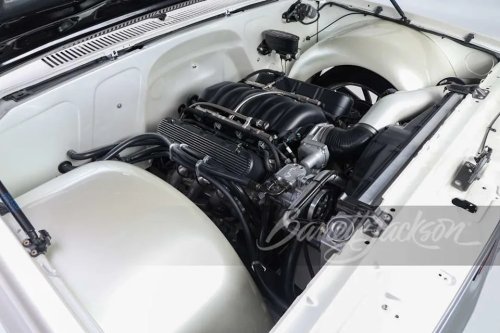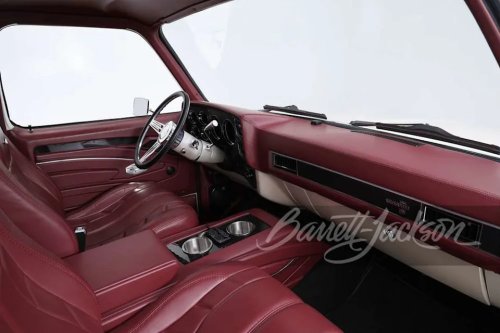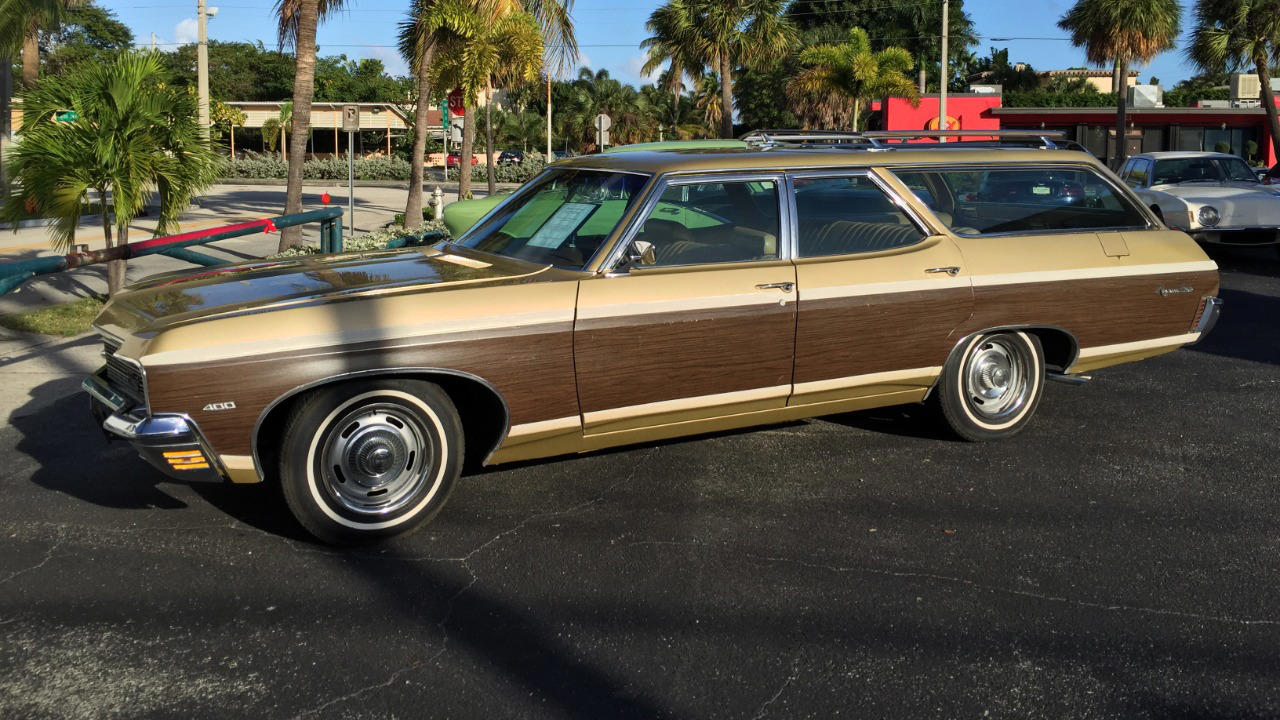



















Mechanics warn the 1970 Chevrolet Kingswood Estate’s size makes everything more complicatedThe 1970 Chevrolet Kingswood Estate was built for families that needed space, power, and presence, and it delivered all three in excess. More than half a century later, that same scale is what keeps mechanics muttering under their breath as they wrestle with rusted bolts deep inside its vast frame. The big wagon has become a cult favorite, but every inch of extra sheet metal and wheelbase turns straightforward jobs into all-day projects in a modern shop. From engine swaps to simple brake service, technicians say the Kingswood Estate’s footprint complicates everything. The car’s appeal as a sleeper muscle wagon and nostalgia machine keeps it on lifts, yet its size, weight, and old-school construction demand patience that many flat-rate systems do not reward. The flagship wagon that refused to be small The Kingswood name signaled Chevrolet’s top-tier family hauler, and in 1970 the Kingswood Estate sat at the peak of that lineup. Built on the same platform as the Impala, it slotted above the Bel Air-based Townsman and carried the sort of options list that made it a genuine flagship. As one enthusiast guide notes, the 1970 model is cataloged alongside other full-size Chevrolets in a detailed Chevrolet Kingswood Catalog, underscoring how seriously the company took its big wagon. Period advertising leaned into that scale, targeting buyers who wanted nine-passenger capacity, a long roof for cargo, and the same comfort as a full-size sedan. Its Impala roots meant a broad track and substantial overhangs, which created a stable highway cruiser. For modern mechanics, that same footprint means more car to lift, more exhaust to drop, and more interior to disassemble before even reaching the components that need attention. Muscle under the hood, headaches in the bay The Kingswood Estate’s reputation as a secret performance car rests on its big-block options. One period-correct configuration paired a 454 cubic inch V8 with output quoted at 345-hp and a stout 500 lb-ft of torque. As one analysis of the nine-passenger wagon’s muscle credentials explains, that 454 package turned a family hauler into a genuine sleeper with 345-hp, 454, 500 figures that would not embarrass many contemporary muscle cars. Another report on a junkyard find highlights how even discarded Kingswoods hide serious hardware. A 1970 example discovered in a yard carried a big-block that, in entry form, was rated at 345 horses, while the higher-spec Turbo-Jet variant pushed output to an impressive 390 horsepower. That same source points out that the 345, 390 numbers were possible thanks to the Turbo Jet branding Chevrolet used for its most potent big-blocks. For mechanics, those engines are a double-edged sword. The power and torque make the Kingswood Estate desirable, which keeps them in circulation. At the same time, servicing a big-block in such a long engine bay often means leaning far over the fenders or climbing into the bay itself. Swapping a cam or even changing exhaust manifolds can require removing accessories and brackets that span the width of the car, all while working around decades of heat cycles and corrosion. Size, weight, and the problem of access Modern technicians who specialize in classic cars describe a familiar set of complaints when a Kingswood Estate rolls in. The car is large, heavy, and unapologetically old-school, which makes jobs that are routine on smaller vehicles more involved. A recent overview of classic-car repair challenges notes that aging vehicles often suffer from hard starting, hesitation during acceleration, rough idling, misfires, and a noticeable drop in fuel efficiency. The guide frames these issues in the second person, warning that may experience difficulty with basic drivability that then demands extensive diagnostic time. On a Kingswood Estate, simply getting to the parts that cause those problems can be a project. Spark plugs on a big-block sit low and wide, tucked behind thick frame rails and bulky steering components. Fuel lines and vapor hoses snake the length of the car. Even a fuel tank replacement involves dealing with a massive rear overhang and a tank that is both physically large and often rusted in place. Lift access is its own issue. Some two-post lifts struggle with the wagon’s long wheelbase and weight distribution, especially when the car is loaded with interior trim or aftermarket stereo gear. Mechanics often resort to four-post lifts or drive-on ramps, which limit underbody access and slow down tasks like exhaust or transmission work. Rust, bodywork, and the tyranny of long panels Beyond mechanical service, the Kingswood Estate presents a bodywork challenge. The long roof, quarter panels, and tailgate offer many square feet of steel for rust to attack. Repairing those surfaces requires patience and skill, especially when trying to achieve straight lines over such a distance. Videos documenting restoration work on similar 1970 Chevrolet bodies show how even smaller panels demand careful fitting. One example of a 1970 Chevelle project walks through achieving a consistent panel gap, describing how the gap at the bottom sits at about 3/16 of an inch and how the builder “just tossed those on” to get a baseline, only to discover that the bottom is “pretty straight” but still needs fine tuning. The narration in that clip, recorded in Jan, emphasizes that Jan 8, 2025 or not, sheet metal from this era rarely lines up perfectly without significant effort. Translate that to a Kingswood Estate and the task scales up dramatically. Long quarter panels can oil-can, roof skins can sag, and the tailgate must align with both rear quarters and the bumper. Every adjustment at one end of the car can ripple through body lines that run the entire length of the wagon. For collision shops used to unibody crossovers with modular replacement panels, the Kingswood’s old-fashioned body-on-frame construction and full-length steel can be a rude awakening. Inside the cabin: three rows, more problems The Kingswood Estate’s interior was a selling point for families, with three rows of seating and generous cargo space. For technicians, that layout means more interior to remove before reaching wiring, HVAC components, or rear suspension mounts. Owners who share their experiences in enthusiast groups often mention both the charm and the hassle of such expansive cabins. In a discussion comparing the 1970 Kingswood Estate to a 1971 alternative, one member named Cary Driscoll described a different 1970s car, That Gremlin, as “the worst car I and my parents have ever owned in our 70…” years of combined driving. The comment, posted in Jan, appears in a thread where Cary Driscoll That becomes shorthand for a difficult ownership experience, and it reflects how expectations for comfort and reliability have changed since these big wagons were new. On the Kingswood Estate, removing trim to access wiring or rear HVAC ducting can involve dozens of clips, long runs of brittle plastic, and seats that weigh far more than modern equivalents. Third-row hardware is often rusted, and the folding mechanisms can seize, adding yet another hurdle before any actual repair work begins. Steering, suspension, and the weight of nostalgia The wagon’s bulk also shows up in its steering and suspension. Full-size Chevrolets of this era used substantial control arms, coil springs, and steering linkages designed to carry heavy loads. Over decades, bushings deteriorate and springs sag, especially on cars that spent years hauling trailers or full families. Replacing those components is labor intensive. Springs must be compressed carefully due to the car’s weight, and steering components are often buried behind engine crossmembers and under thick layers of grime. The sheer length of the car means that alignments require more time, since small adjustments at one end can have amplified effects on the other. Some modern collectors further complicate the equation by modifying their Kingswood Estates for performance or off-road style. One enthusiast build described as LS powered showcases how an updated drivetrain can transform the big wagon into a more modern performer, with the project framed as a tribute to The Flagship Chevrolet Wagon and its Impala and Bel Air roots. The write-up notes that the Chevrolet Kingswood Impala lineage makes the car an appealing canvas for swaps, but every added horsepower increases the strain on steering, brakes, and suspension that were never designed for contemporary performance tires and highway speeds. How size affects basic service work Even routine maintenance tasks scale up on a Kingswood Estate. Oil changes require more fluid and often involve longer skid plates or splash shields. Brake jobs mean dealing with larger drums or discs and heavier wheels. A simple exhaust repair can stretch from the engine bay to the rear bumper, with multiple hangers and joints to manage. Technicians also point to the time it takes just to move the car around the shop. The Kingswood’s length can make it awkward to maneuver on crowded lots or into tight service bays. Once inside, the car may occupy more than one work space, especially in older facilities built around compact sedans. The electrical system adds another layer. Long wiring runs increase the chances of breaks, splices, and previous-owner modifications. Diagnosing a simple lighting issue might involve tracing circuits from the dashboard all the way to the tailgate, removing panels along the way and documenting each change to avoid future gremlins. Mechanics, memories, and mixed feelings Not every mechanic dreads seeing a Kingswood Estate. Many grew up around similar cars and appreciate the straightforward engineering behind the bulk. Yet even fans admit that the size turns every job into a commitment. In social media groups dedicated to these wagons, owners trade stories about family history and shop experiences. One thread in a Kingswood-focused community features a conversation where Howie Loso asks Lawrence Stewart what his father disliked about a particular Chevy. Stewart replies that his dad had been a Chevy man for a long time but still had reservations about that specific car, a remark preserved in a post where Nov Howie Loso appear together. The exchange captures a tension familiar to many mechanics: deep brand loyalty can coexist with frustration over the quirks of individual models. Video creators echo that mix of affection and exasperation. In one junkyard walk-through, a host named Stevie tours a 1970 Chevrolet Kingswood Est at Berneston Autoreking in Bernardtown Massachusetts, pausing to point out both the car’s imposing presence and the work it would take to save it. The clip, which shows Stevie Berneston Autoreking in a single frame, underlines how much metal and mechanical complexity any restorer must tackle. Scale in miniature and the collector’s mindset The Kingswood Estate’s appeal even extends to die-cast replicas, which offer a clue to how enthusiasts romanticize the wagon’s bulk. A video review of a 1:64-scale model from Auto World, filmed on a Wednesday in West Virginia, shows a collector admiring the casting’s proportions and long roofline. The host describes receiving “beautiful new castings from Auto World” and holds up the tiny wagon as a faithful representation of the full-size car that once dominated American driveways. That clip, where Wednesday West Virginia are mentioned together, illustrates how the Kingswood’s size becomes charming when shrunk to fit a display case. More from Fast Lane Only Unboxing the WWII Jeep in a Crate 15 rare Chevys collectors are quietly buying 10 underrated V8s still worth hunting down Police notice this before you even roll window down