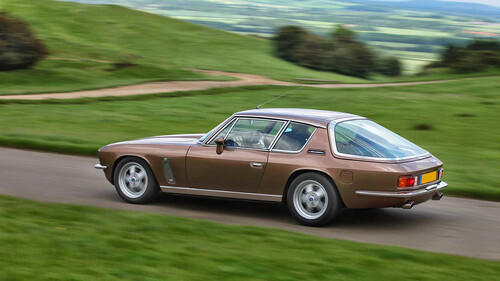
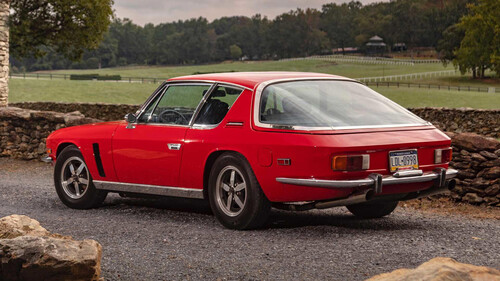
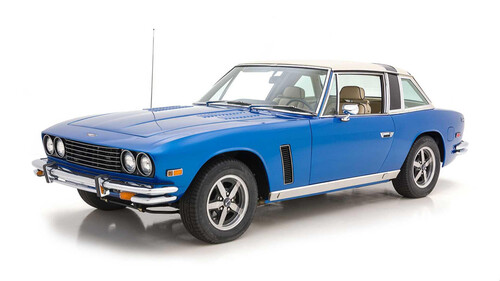
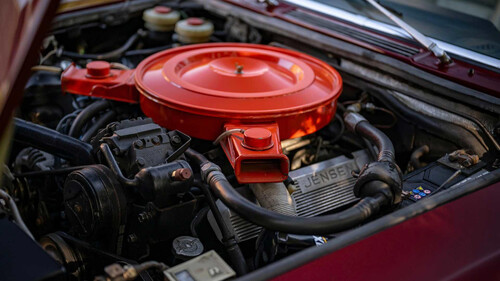
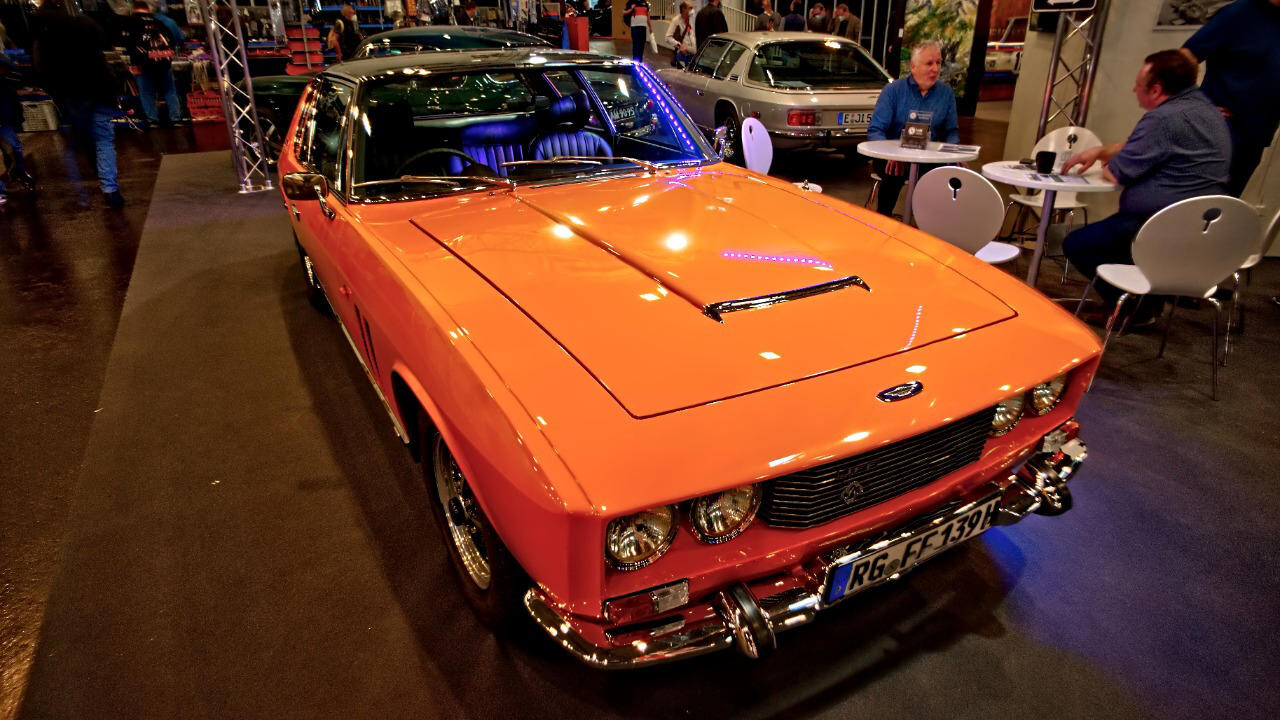
Not built for everyone the 1969 Jensen Interceptor blended power and eleganceThe 1969 Jensen Interceptor did not try to please everyone. It was unapologetically extravagant, unusually powerful for a British grand tourer, and built in numbers too small to ever qualify as mainstream. That mix of Italian style, American muscle and British coachbuilding created a car that blended power and elegance in a way few rivals attempted. Today the Interceptor stands as a reminder that some of the most memorable cars are the ones that sit just outside the mainstream, hand built for drivers who wanted glamour, speed and individuality more than practicality or mass approval. A British grand tourer with a global passport The Jensen Interceptor was produced as a grand touring car, hand built at the Kelvin Way Factory in West Bromwich, near Birmingham, Eng, and it carried that sense of artisanal construction in every panel and stitch. According to period histories, the car replaced the earlier CV8 and was intended as a more modern, more glamorous flagship for Jensen. From the outset, its design and engineering were international. The body shape came from Italian stylists, the powertrain relied on a large American V8, and final assembly took place in Britain. That mix of influences gave the Interceptor a character that was neither typical British sports car nor traditional American muscle. It felt more like a transatlantic express built for long distances and high speeds rather than tight back roads. Within the car community, the Interceptor is often treated as a connoisseur’s choice rather than a household name. One enthusiast video on cars that stand the test of time notes that the models most people remember tend to come from big manufacturers with huge marketing budgets. The Jensen Interceptor came from a small company and never sold in mass volumes, yet its blend of luxury and performance has kept it firmly in enthusiast memory. From Earls Court to cult classic The Interceptor story began in the mid 1960s when Jensen wanted a more stylish, internationally appealing grand tourer. The car was first shown in London at the October Earls Court Motor Show, where the new shape and upscale positioning marked a clear break from the more idiosyncratic CV8. Period accounts describe a model life of roughly three years for the first series, before later updates superseded the original design. Specialist histories describe how The Jensen Interceptor made its debut in 1966, replacing the outgoing GT and setting a new direction for the brand. One retrospective on History of the calls it a Timeless British Classic and traces how the model evolved through several series while keeping the same basic recipe of big engine, rear wheel drive and lavish interior. Within the Interceptor family, the 1969 cars sit at an interesting crossroads. They capture the original Mk I character, before later revisions altered details of the styling and cabin, yet they also benefit from incremental updates that Jensen introduced as production experience grew. Club histories note that there are many subtle differences on the early cars due to constant updating for production purposes, and detailed records of changes became a point of pride for owners who track originality. Italian design, American muscle, British spirit The most striking thing about a 1969 Interceptor is still the way it looks. The long bonnet, muscular haunches and distinctive wraparound rear glass give the car a presence that is more Mediterranean GT than traditional British coupe. Enthusiast groups describe it as a case where Italian design, American muscle and British spirit came together in a single package, and that description fits the 1969 Mk I particularly well. One social post that highlights the 1969 Jensen Interceptor Mk I describes it as a British grand tourer that combines luxury, power and style, and emphasizes that the car is powered by a large American V8. The same update, shared in Oct, frames the Interceptor as British elegance with American muscle, a phrase that captures how the car refused to choose between refinement and brute force. The reference to Oct and to the Jensen Interceptor as British reinforces how strongly the car is tied to its home market identity, even while it borrows heavily from overseas engineering. Another enthusiast description puts it more poetically, stating that when Italian design, American muscle and British spirit come together, a legend is born, the Jensen Interceptor Mk1. That sentiment, shared in Feb, underlines how the car’s appeal rests on the tension between its different national influences rather than any single tradition. Hand built at Kelvin Way Factory Unlike volume GTs from larger manufacturers, the Interceptor was not stamped out in anonymous plants. It was hand built at the Kelvin Way Factory in West Bromwich, near Birmingham, Eng, by workers who treated each car as an individual project. The small scale and craft focus meant that no two cars were exactly alike, and that quality could vary, but it also gave the Interceptor a sense of occasion that mass produced rivals struggled to match. Historical overviews of the Jensen Interceptor emphasize this point, noting that the company’s roots were in coachbuilding rather than high volume manufacturing. That heritage shows in the way the doors close with a heavy clunk, the way the dashboard is laid out more like a bespoke piece of furniture, and the way trim details differ subtly between early and late 1969 examples as the factory kept revising parts. Club documents, such as the history of the Mk 1 Interceptor, explain that there were many subtle differences on the early cars due to constant updating for production purposes. This ongoing tweaking reflected both Jensen’s desire to improve the car and the realities of sourcing parts in relatively small quantities. For collectors today, those small changes are part of the fascination, since they allow experts to date a car and track its life story through specific features. Performance that matched the looks For all its elegance, the Interceptor would not have earned its reputation without serious speed. Period performance figures show that a 1969 Interceptor Series 1 was an extremely fast car for the period. One respected dealer that has handled a 1969 example reports that 0 to 60 m came up in just 6.4 seconds, which was quicker than the E-Type and Aston Martin DBS. That comparison matters, because it places the Jensen in direct competition with two of the era’s most celebrated sports and GT cars, and shows that the hand built British outsider could more than hold its own. Later technical summaries of the Jensen Interceptor II, covering 1969 to 1971, list detailed performance, dimensions and technical specifications. These references confirm that the car’s combination of American V8 torque and relatively sleek fastback body gave it strong acceleration and a high top speed, particularly in the context of late 1960s traffic and road conditions. Another period reference, describing a 1969 Interceptor tested in period, notes that The Motor recorded a top speed of 140 mph with 100 mph arriving in 19 seconds, impressive when driving in four wheel drive luxury. That specific figure applies to a related all wheel drive variant, but it illustrates how the Interceptor family delivered serious pace while still offering a level of comfort and refinement that encouraged long distance use. Luxury cabin and long distance comfort Inside, the 1969 Interceptor presented itself as a luxury object first and a sports car second. Leather seats, deep carpets and a full set of instruments created an environment that felt closer to a high end saloon than a stripped out racer. Buyers were not simply purchasing a fast car, they were buying a way to cross countries at speed without arriving exhausted. Enthusiast retrospectives describe how the Interceptor combined European craftsmanship with American V8 muscle, making it a unique choice for drivers who wanted both comfort and performance. One community post from Feb states that the car was Built by Jensen Motors and was known for its blend of European and American qualities. That blend is particularly evident in the cabin, where British trim work and Italian style meet American inspired convenience features. The Interceptor’s grand touring focus also influenced its driving position and ergonomics. Period testers often commented on the commanding view out through the large glass area, including the distinctive wraparound rear window, and on the sense that the car was designed for high speed cruising on motorways and continental autoroutes rather than tight city streets. Models, specs and the place of 1969 Within the broader Interceptor range, the 1969 cars sit among the early series that many enthusiasts consider the purest expression of the original concept. A detailed Jensen Interceptor Overview explains that the Interceptor was launched in the mid 1960s and outlines the different series, from the initial Mk I through later updates. The guide highlights how the name Interceptor itself has become one of the most evocative in classic car circles, in part because it evokes speed and drama before anyone even sees the car. Buyer oriented material notes that the early Mk I cars, including those built in 1969, have their own appeal compared with later versions. Some prefer the cleaner original styling and the way the early interiors were trimmed, while others value the mechanical updates that arrived with the Mk II and Mk III. For collectors, the choice often comes down to whether they want the earliest expression of the design or a slightly more developed version with incremental improvements. Market analysis from valuation tools that track Jensen models points out that the brand lived a relatively long life comparatively under the radar, with the Interceptor sitting alongside other bespoke GTs like the 541R and the CV8. That context helps explain why 1969 cars can still feel like discoveries, even to enthusiasts who know mainstream British classics inside out. Why the Interceptor still matters The Interceptor’s enduring appeal is not just about rarity or performance figures. It also reflects a certain attitude toward car building that has largely disappeared. The car was conceived as a luxurious express that could cross borders with ease, built by a small company willing to mix Italian styling, American engines and British craftsmanship without worrying too much about purist definitions. Modern enthusiasts often celebrate the Interceptor as a symbol of that more experimental era. One Facebook feature on the 1969 Jensen Interceptor leans heavily into the idea of British elegance with American muscle, and the response from readers suggests that combination still resonates. Another community group post from Feb, which states Built by Jensen Motors and highlights the car’s European and American influences, shows how owners and fans continue to frame the Interceptor as a bridge between cultures. Broader classic car commentary, including the video on cars that stand the test of time, reinforces the idea that some of the most interesting cars come from outside the mainstream. The Interceptor fits that pattern perfectly. It was never a mass market product, yet it has secured a place in collective memory because it took risks with design and specification that larger manufacturers might have avoided. More from Fast Lane Only Unboxing the WWII Jeep in a Crate 15 rare Chevys collectors are quietly buying 10 underrated V8s still worth hunting down Police notice this before you even roll window down