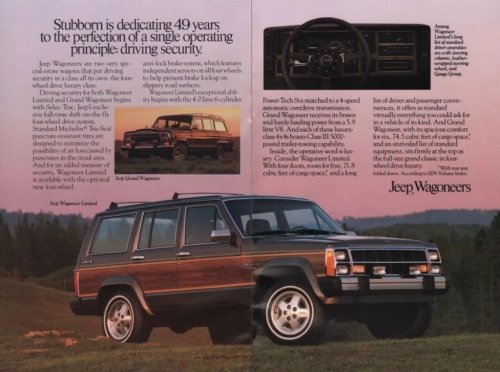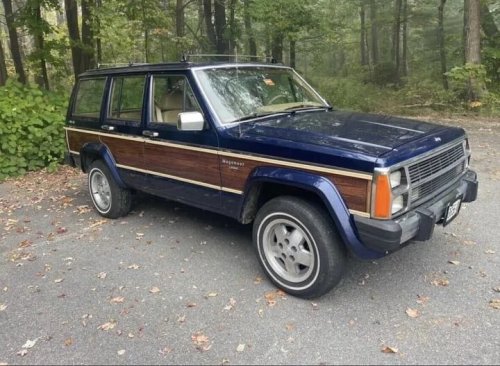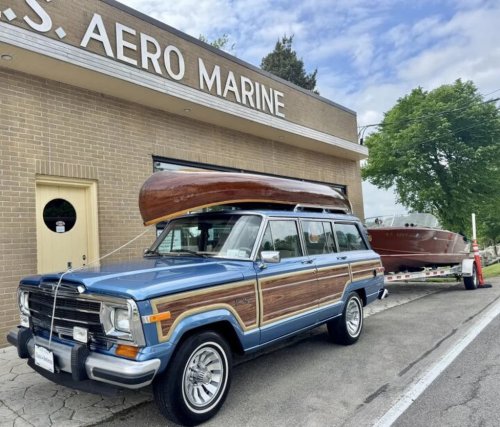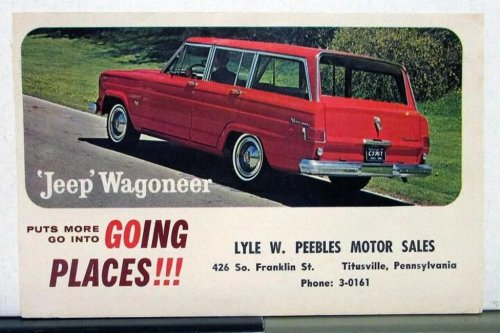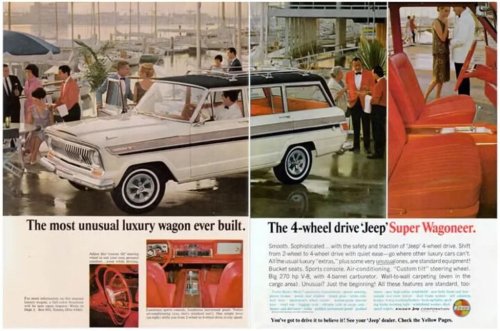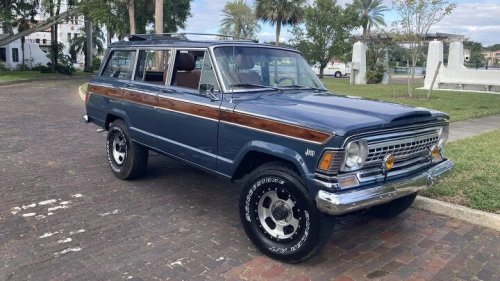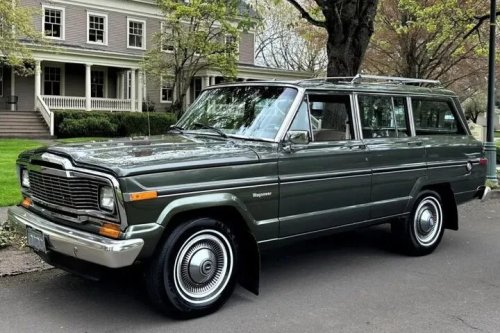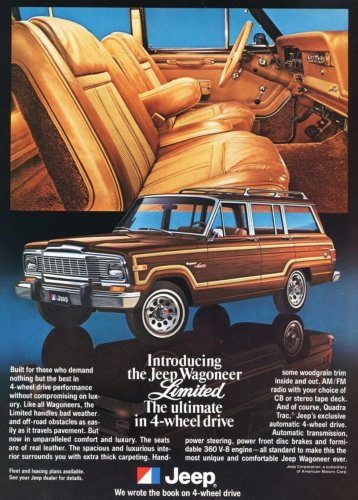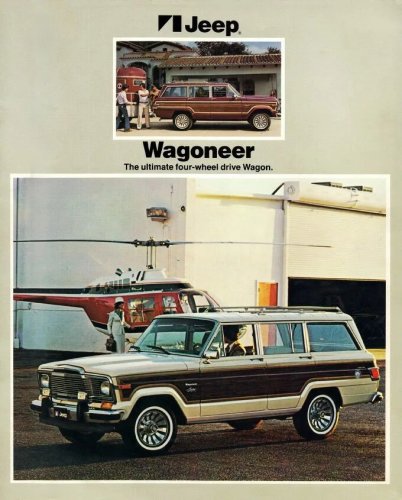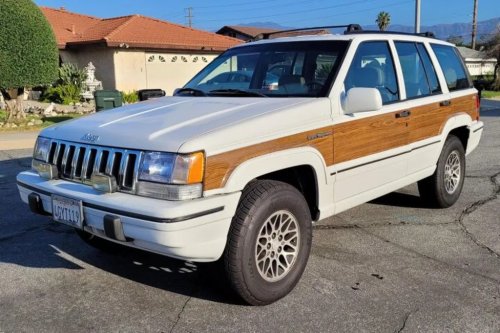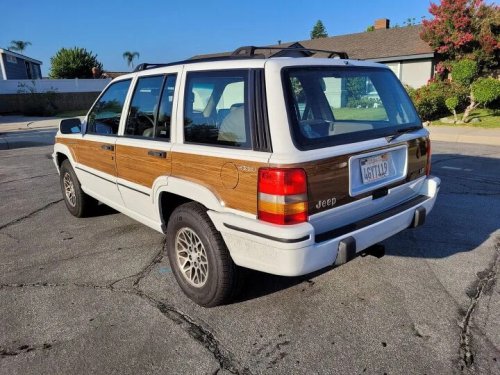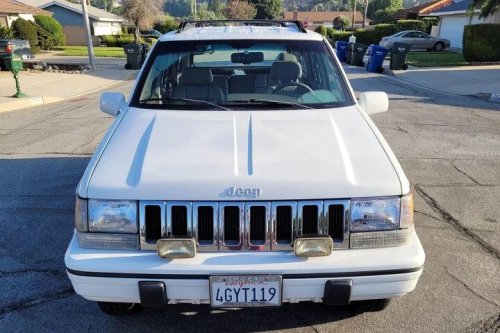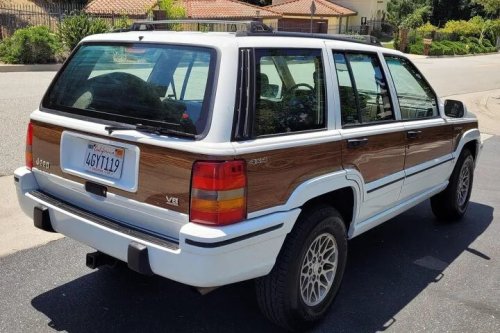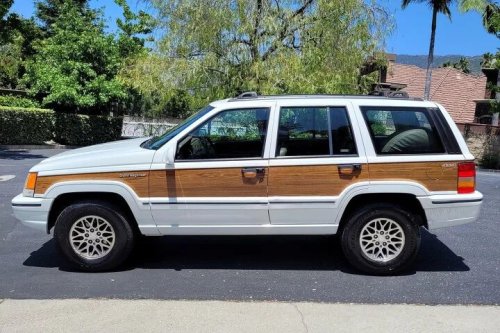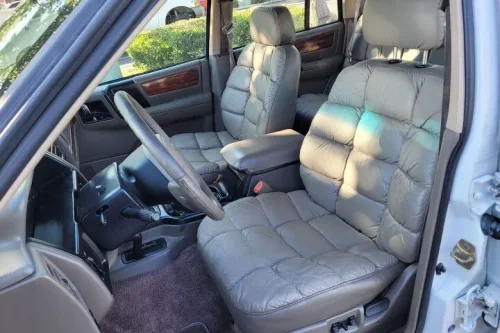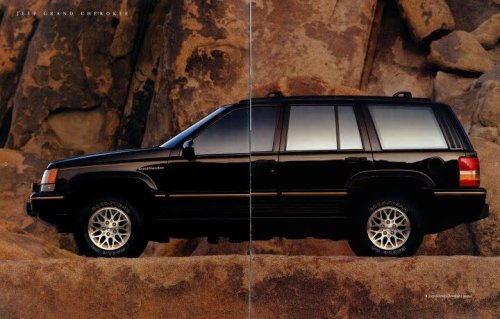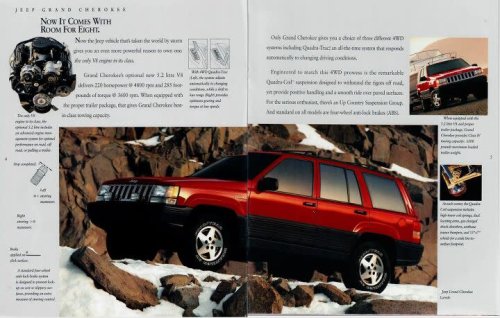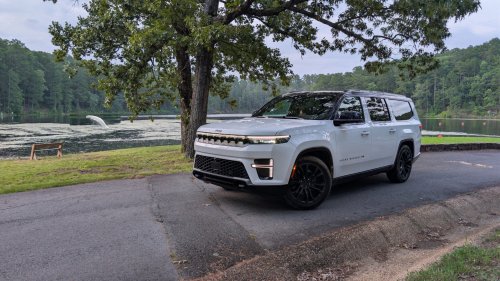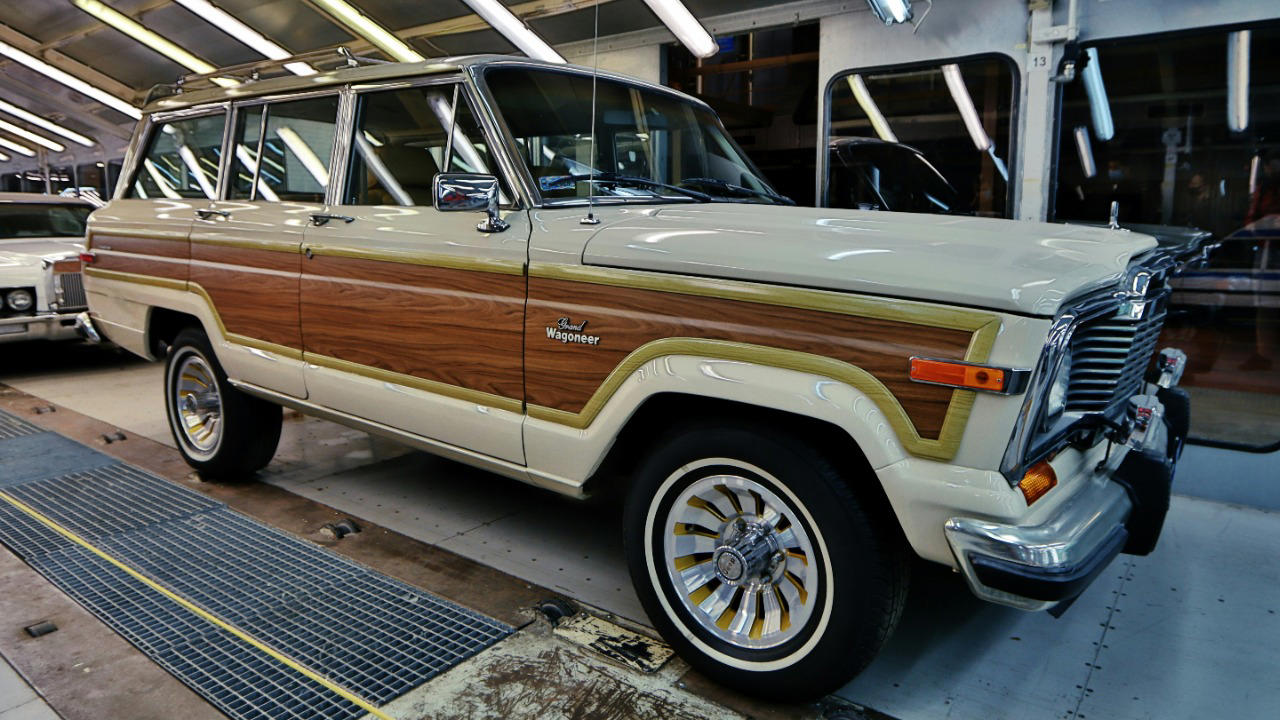



















The Wagoneer name carries so much weight in SUV history that even small changes in trim or engine can take on a life of their own in enthusiast lore. That is how the phrase “Wagoneer Custom 401” has circulated in classifieds and forums, often treated as if it were a formal factory model. I set out to pin down when such a configuration was actually introduced and what it commands on the market today, and the record shows a more nuanced story: a real 401 powered Wagoneer era, but no verified evidence of a distinct “Custom 401” badge or package. Instead of a single official trim, what emerges is a combination of the Wagoneer’s luxury evolution, the arrival of the 401 cubic inch V8, and the way owners and sellers later blended those elements into shorthand. Understanding when the 401 engine appeared, how it fit into the broader Wagoneer lineup, and how collectors now value those trucks is the key to decoding what people mean when they talk about a “Wagoneer Custom 401.” How the Wagoneer became the template for luxury SUVs Any discussion of a high spec Wagoneer has to start with the truck’s original mission. The Jeep Wagoneer arrived as a luxury 4×4 sport utility vehicle (SUV) long before that term was common, marketed under the Jeep brand from the 1963 to 1991 model years. It was positioned as a family friendly wagon with genuine off road capability, which meant that even base models were more comfortable and better appointed than the work focused trucks that came before it. The company itself highlights how the 1960s introduced the Jeep Wagoneer in 1962, describing it as an instant classic designed by Brooks Stevens and presenting it as one of the first luxury 4×4 SUVs with four wheel drive (4WD). That positioning matters when people later talk about “Custom” Wagoneers, because the base vehicle was already marketed as upscale. What many enthusiasts now call “Custom” is often a combination of period options, dealer add ons, and later restorations layered on top of a platform that was conceived from the start as a DESIGN CLASSIC rather than a bare bones utility rig. The SJ platform and the path to bigger V8 power pegazem/Unsplash The Wagoneer that most collectors think of when they picture a 401 powered truck sits on the SJ platform. Together with the Gladiator, the Wagoneer SJ introduced a more advanced chassis and powertrain mix, including an overhead cam straight six engine and off road hardware that helped define the modern SUV template. That shared architecture made it straightforward for Jeep to slot in progressively larger V8 engines as buyers demanded more power and towing capacity. By the early 1970s, the SJ line was offering multiple V8 options alongside six cylinder engines, and this is where the seeds of the “401” legend were planted. The platform’s ability to accept different drivetrains meant that a Wagoneer ordered with a big displacement V8 could feel like a very different vehicle from a six cylinder truck, even if the body looked similar. When owners later combined those high output engines with plush interiors and woodgrain trim, the result felt custom even if the factory paperwork simply listed a series of option codes. What the record actually shows about the 401 V8 The heart of the “Custom 401” idea is the 401 cubic inch V8, which was part of the broader AMC V8 family. AMC, also known as American Motors Corporation, produced a series of these V8 engines from the mid 1950s, and the 401 variant is documented as being available from late 1973 through 1974 in certain Jeep applications. That timeline lines up with the period when Wagoneer buyers could order the largest displacement engine in the catalog, but the available sources do not identify any specific “Custom 401” trim or badge tied to that motor. Later in the decade, the company leaned more heavily on the slightly smaller 360 cubic inch V8, which is described as the last V 8 from AMC before Chrysler took over the show in 1987 and notes that you could find this powerplant in Jeep models until the end of 1978. That shift reinforces the idea that the 401 era was relatively brief, which helps explain why trucks equipped with that engine have become so prized. However, the documentation still points to the 401 as an engine option within the broader AMC lineup, not as the defining feature of a factory labeled “Custom 401” Wagoneer. Sorting fact from myth: was there a factory “Wagoneer Custom 401”? When I look for hard evidence of a specific “Wagoneer Custom 401” model, the trail goes cold. The drivetrain records that enthusiasts rely on, such as the FSJ drivetrain database, focus on engines like the 350 and list which combinations appeared in which years, but they do not identify a distinct Custom 401 trim. That database even notes that the 1972 AMC factory shop manual does NOT list or show the 350 V8 and Nor is it listed in the VIN code breakdown, which shows how carefully these records track engine and trim combinations. If a dedicated “Custom 401” package had existed, it would likely appear in similar documentation. The absence of that label in factory style references, combined with the way AMC and Jeep described their engines and trims, leads me to a cautious conclusion: “Wagoneer Custom 401” appears to be enthusiast shorthand rather than an official model name. In practice, it usually refers to a Wagoneer SJ ordered with the 401 V8 and a high level of interior and exterior options, sometimes including woodgrain, upgraded upholstery, and towing equipment. Because the sources at hand do not verify a specific Custom 401 badge or package, any claim that such a model was formally introduced by the factory must be treated as unverified based on available sources. How the Grand Wagoneer and later models shaped the legend The story does not stop with the early and mid 1970s. As the lineup evolved, Jeep leaned even harder into luxury, culminating in the Jeep Grand Wagoneer that many people now picture when they think of a fully loaded wood sided SUV. A detailed enthusiast post from Jun 22, 2022 describes a Jeep Grand Wagoneer as a classic SUV known for its distinctive wood paneling on the sides, underscoring how visual cues and comfort features became central to the brand’s identity. That aesthetic, layered on top of V8 power, helped cement the idea that a top spec Wagoneer was something special, even if the exact trim names shifted over time. Later, the Wagoneer and Cherokee names were applied to a new, much smaller and more fuel efficient unibody platform, and The Wagoneer and Cherokee branding was repositioned for 1985 and beyond. That shift shows how flexible the nameplates became, which in turn helps explain why enthusiasts sometimes reach back to earlier, more powerful configurations and give them informal labels like “Custom 401” to distinguish them from later, smaller engined or unibody models. The legend of a big engine, wood sided, fully loaded Wagoneer owes as much to these later reinterpretations as it does to any single factory brochure. Tracing early Wagoneer history through community records Because official documentation on specific option bundles can be patchy, community archives and enthusiast groups play a big role in reconstructing Wagoneer history. One detailed discussion of Jeep Wagoneer longevity and design history notes that the vehicle was introduced in November 1962 for the 1963 model year as a successor to the Willys Jeep Station Wagon, and goes on to describe specific visual cues like bumpers and distinctive wheel design. That kind of granular observation is exactly what fuels debates over which combinations of trim and engine count as “original” or “correct” for a given year. Those same community spaces are where phrases like “Custom 401” tend to surface, often attached to trucks that mix period correct options with later upgrades. When a seller lists a Wagoneer with a 401 V8, woodgrain sides, and a refreshed interior, it is tempting to give it a catchy label, especially when trying to stand out in a crowded marketplace. Yet the historical record assembled by enthusiasts and factory style references alike still stops short of confirming that Jeep itself ever sold a formally named Wagoneer Custom 401, which is why I treat that phrase as descriptive slang rather than a documented trim. What “Custom 401” Wagoneers actually sell for today Without a factory badge to anchor prices, the modern market for what people call “Custom 401” Wagoneers is really the market for well preserved or tastefully modified 401 powered SJ trucks. Values hinge on three main factors: the presence of a documented 401 engine, the overall condition of the body and frame, and the quality of any customization. A truck with a verified 401 from the late 1973 through 1974 window, a straight body, and a clean interior will typically command a premium over a similar Wagoneer with a smaller V8 or six cylinder, even if both are restored to a high standard. Unverified based on available sources, I cannot assign specific dollar figures, but the pattern is clear from how often sellers highlight the engine code in their listings. On the other end of the spectrum, heavily modified builds that swap in modern drivetrains or radically altered suspensions can be polarizing. Some buyers are willing to pay more for a restomod that drives like a contemporary SUV while keeping the classic wood sided look, while others insist on period correct details down to the wheel design and bumper style described in enthusiast histories. In both cases, the phrase “Custom 401” tends to function as marketing shorthand, signaling that the truck aims to deliver the kind of power and luxury that defined the most desirable Wagoneers, even if the exact configuration never appeared in a factory order guide. More from Fast Lane Only: Unboxing the WWII Jeep in a Crate The Fastest Farm Truck Ever Built 10 Old Trucks That Were Built Like Tanks 12 Classic muscle cars still within reach for budget buyers *Created with AI assistance and editor review.