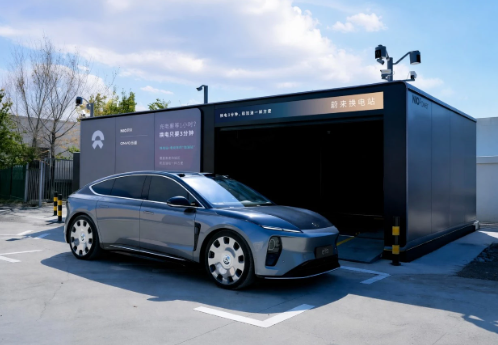
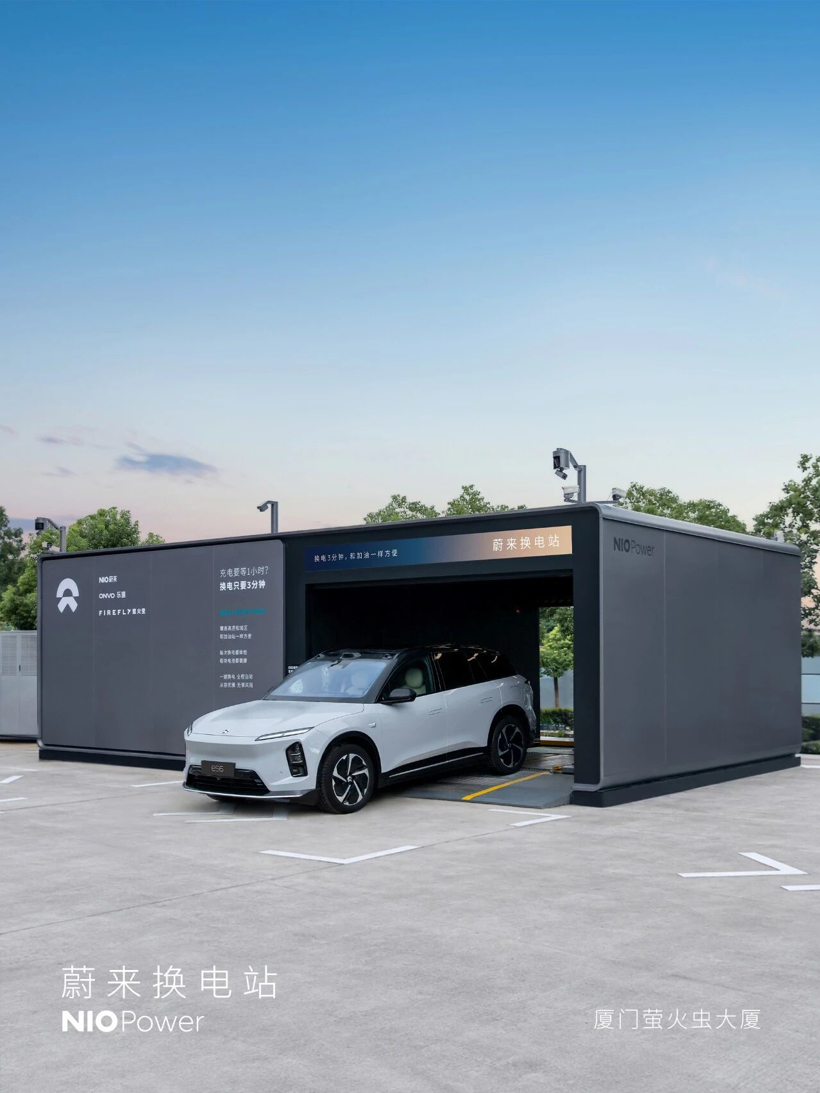
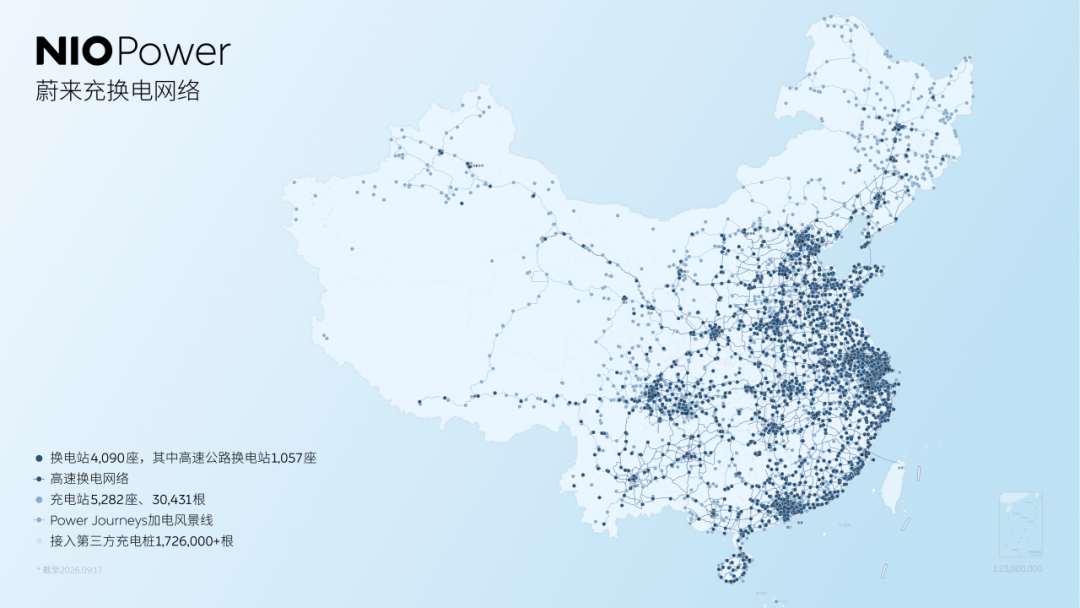
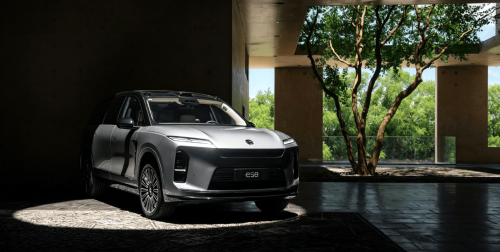
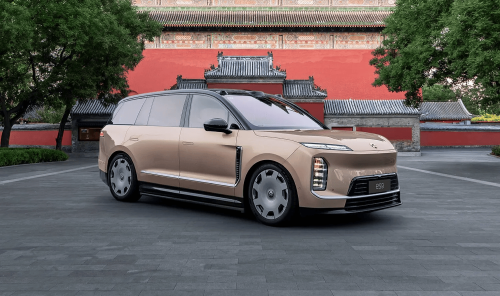
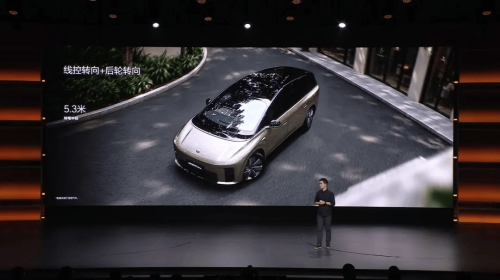
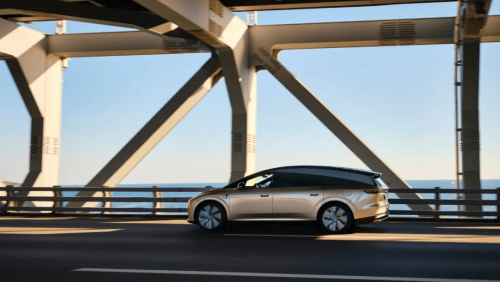
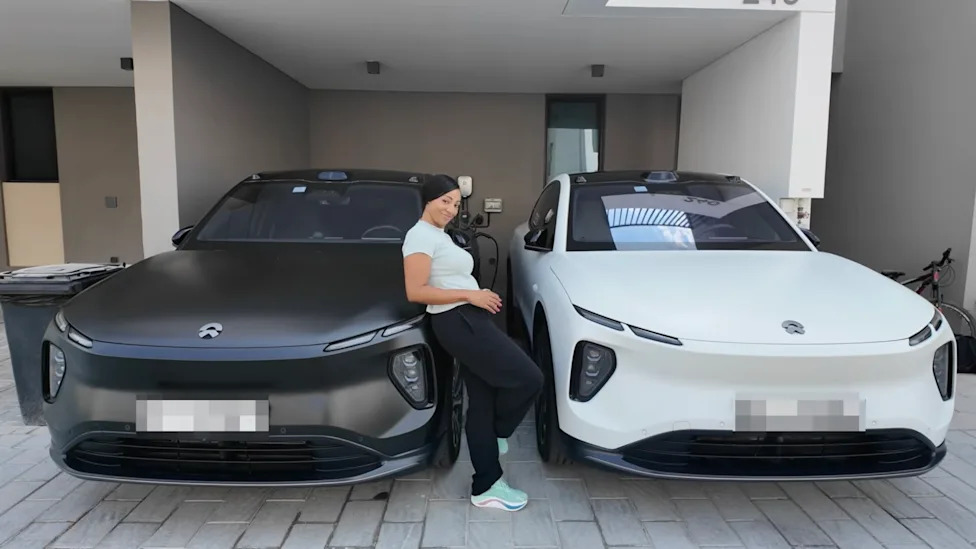
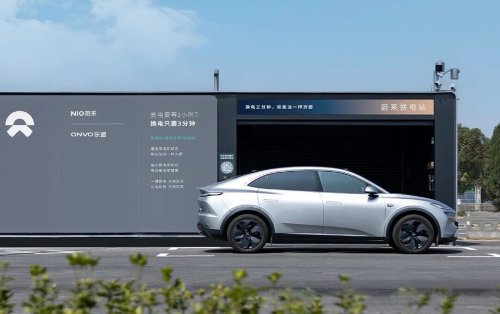
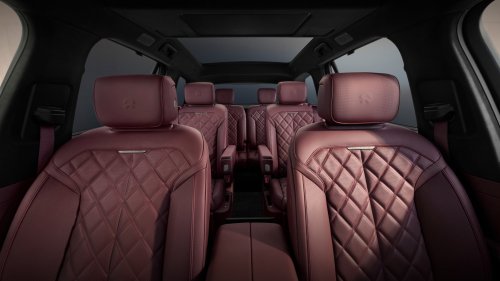
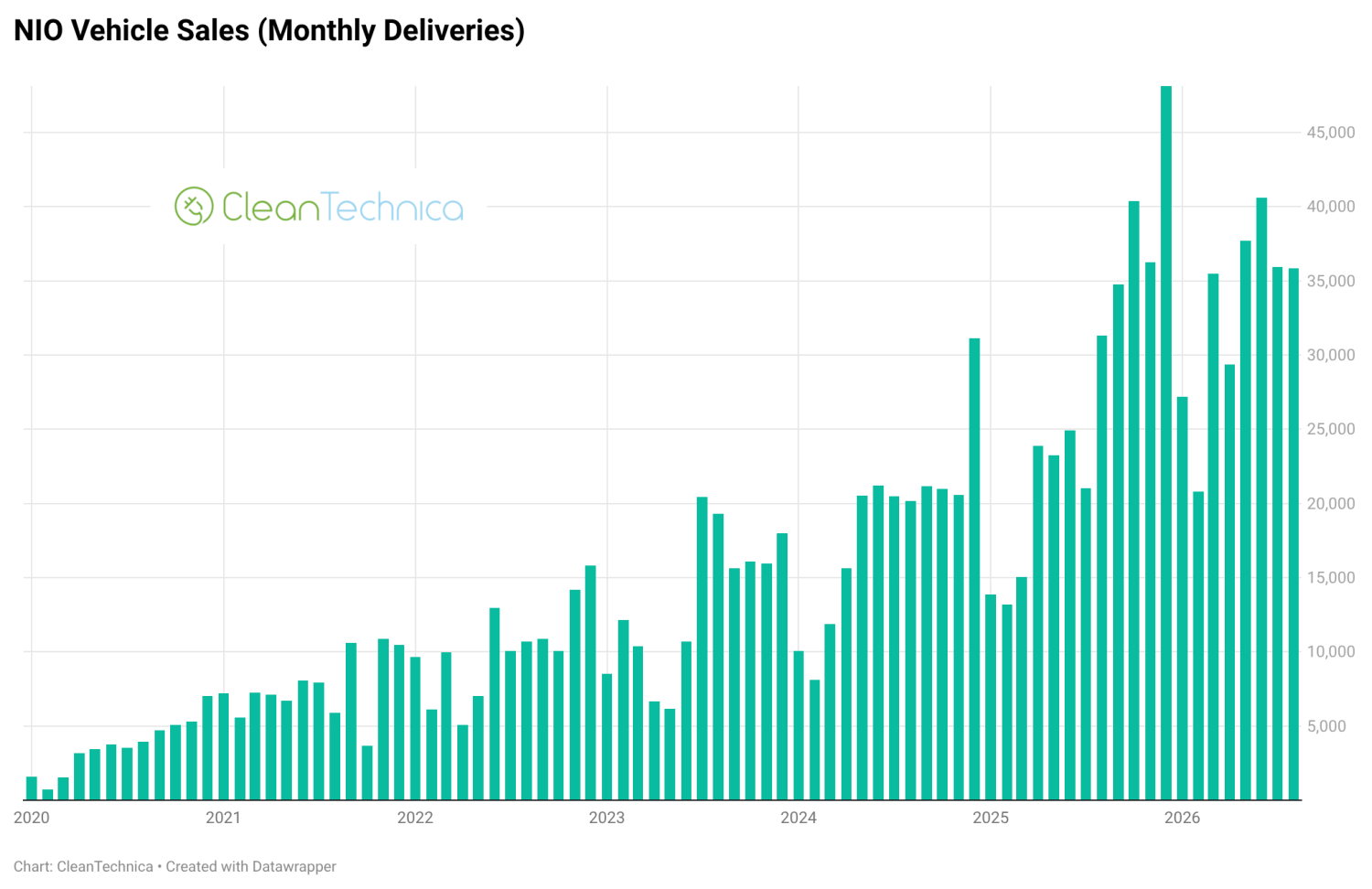
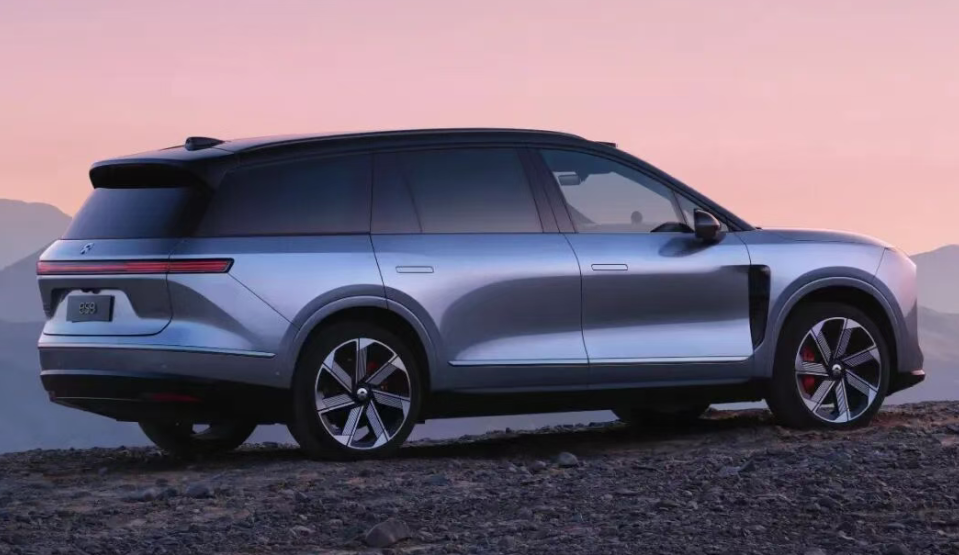
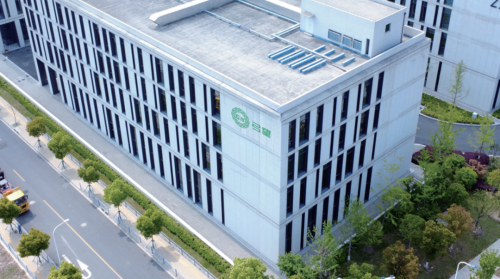
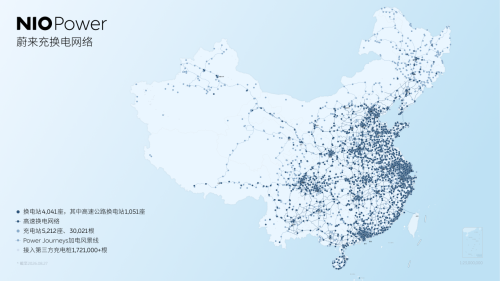
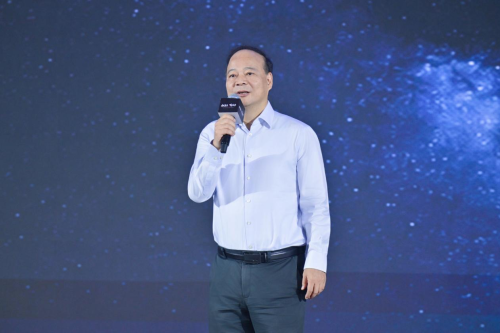
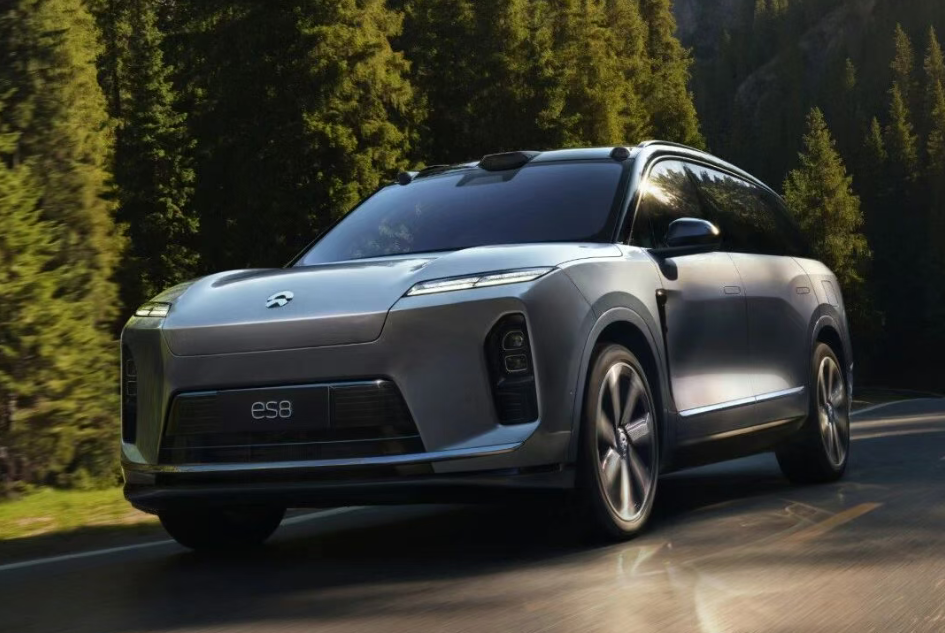
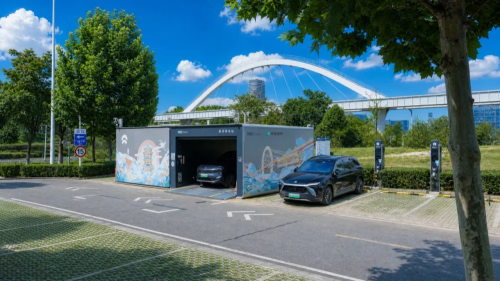
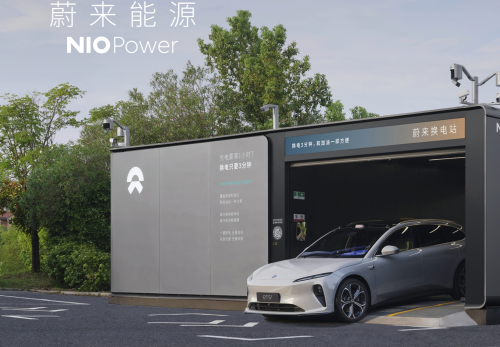
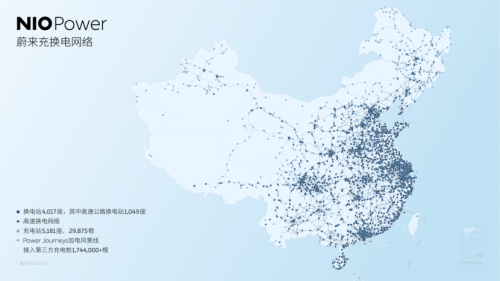
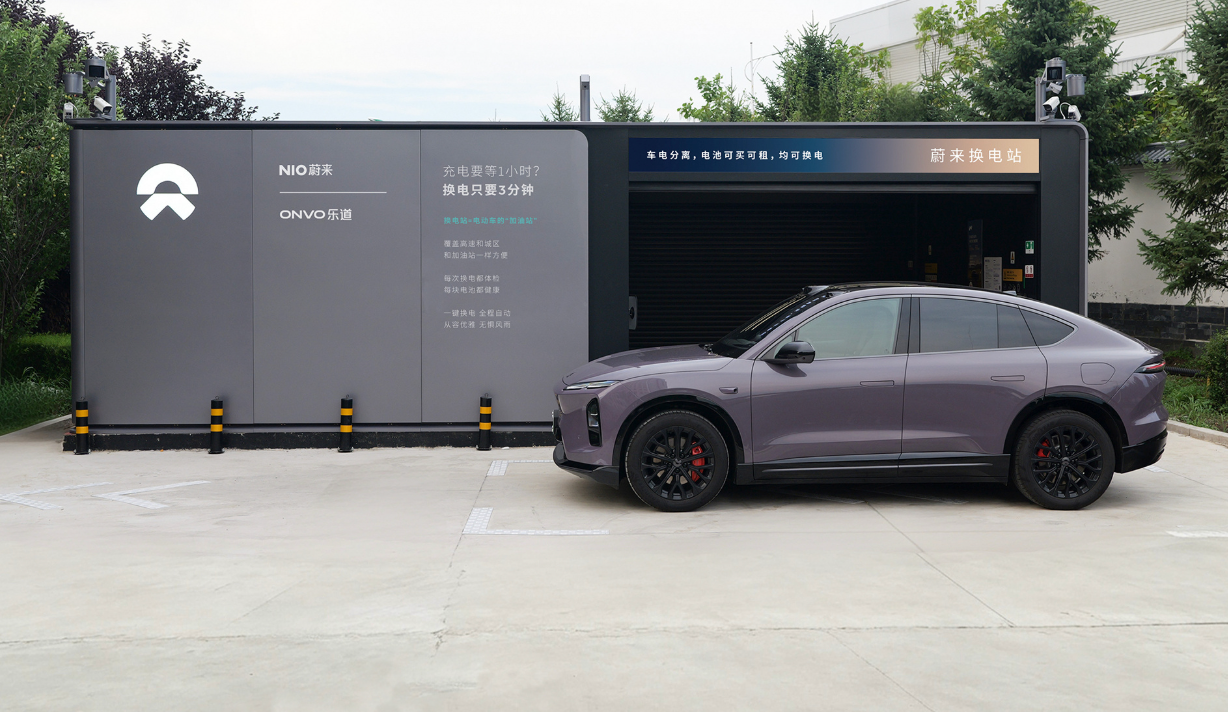
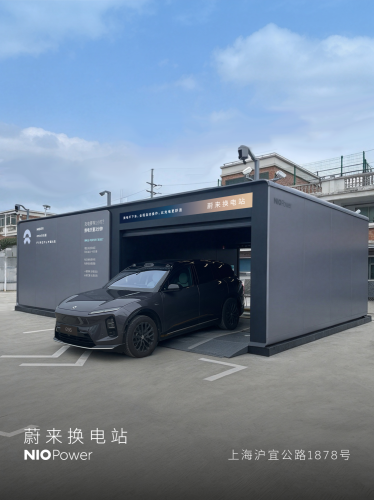
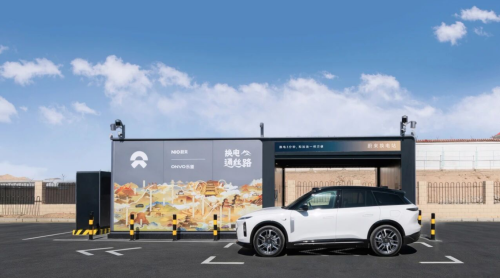
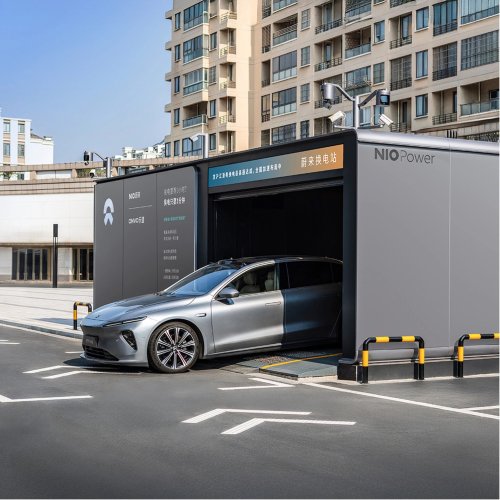
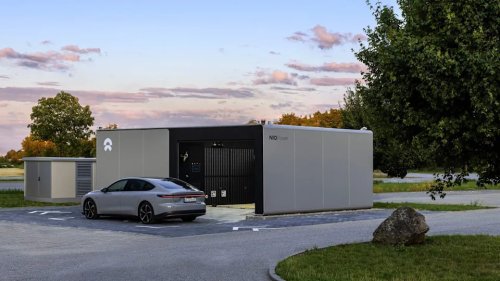
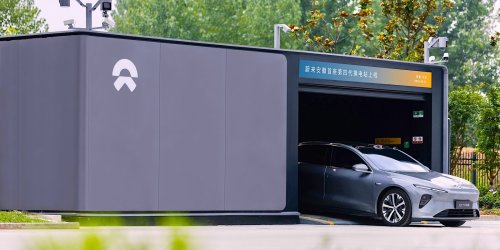
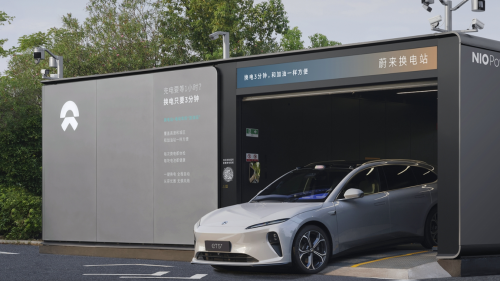
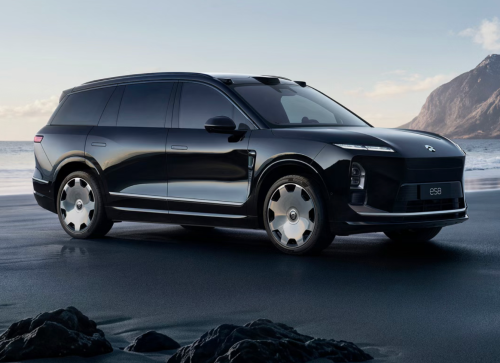
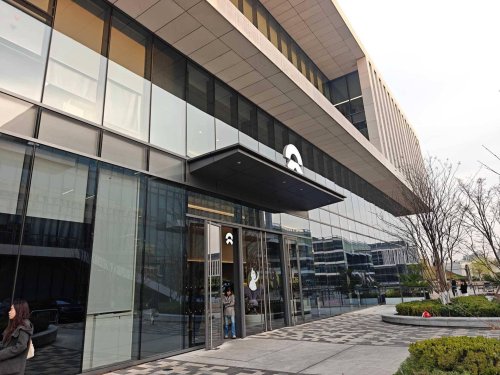
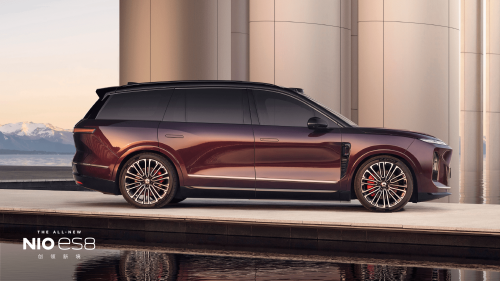
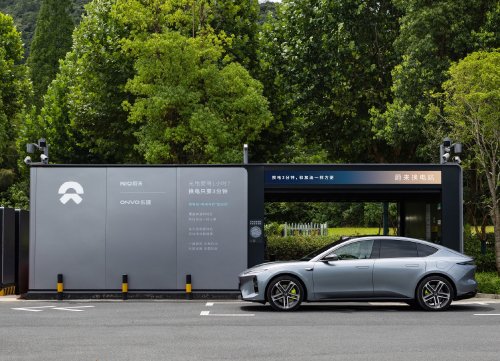
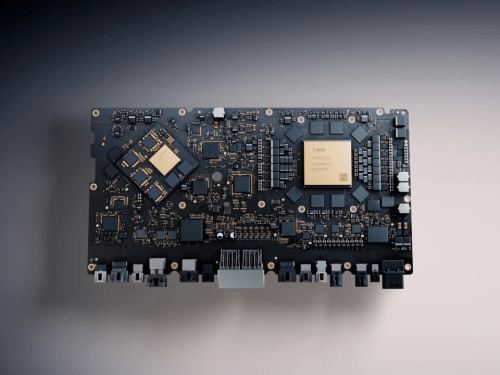
NIO plans to cover a target market 2-3 times larger than last year’s in 2026. On March 11, ChinaEVHome was invited to visit NIO’s Shanghai Caohejing headquarters. This small-scale, in-depth communication session covered a lot of ground, focusing not only on a review of the full-year 2025 financial report but also, more importantly, on the plans for 2026. NIO CEO William Li and President Qin Lihong both attended the meeting and provided direct responses to many of the operational details that have recently garnered the most attention. We have summarized and organized the key information from the communication session for you below. NIO Shanghai Caohejing Headquarters Let’s start with a brief review of the key performance metrics for the fourth quarter of 2025 and the full year: Profitability: Non-GAAP operating profit reached 1.25 billion RMB, with GAAP operating profit at 810 million RMB. Deliveries: Q4 deliveries were 124,800 vehicles, a year-over-year increase of 71.7%; full-year deliveries exceeded 326,000 vehicles, up 46.9% year-over-year. Gross Margin: Q4 comprehensive gross margin reached 17.5%, with vehicle gross margin at 18.1%, both hitting new highs since 2022. Cash Flow: Achieved positive free cash flow for two consecutive quarters, turned full-year operating cash flow positive, and Q4 cash reserves increased by nearly 10 billion RMB compared to Q3. NIO All-New ES8 in M42 Nebula Red Regarding the drivers of profitability, William Li and Qin Lihong attributed it to two factors: the logical closed loop of the business model and the extreme improvement in internal operational efficiency. Li emphasized that behind the profitability, the more noteworthy achievement is the historic breakthrough in the “service and community business based on user base.” In 2025, revenue from non-vehicle businesses, including after-sales service, NIO Life, and financial insurance, exceeded 10 billion RMB, accounting for 12% of total revenue. This segment has been profitable for three consecutive quarters, sufficient to cover losses from the battery swapping business and achieve a surplus. This means that NIO’s business model has been financially validated. Strategic Resolve Facing an increasingly involuted automotive market, William Li believes the essence of industry competition lies in the contest of systemic capabilities and operational management skills. NIO’s core competitiveness stems from its long-adhered-to pure electric technology roadmap and its swappable, upgradeable battery swapping system. He pointed out that the growth of the NEV market in 2025 was driven by pure electric vehicles. The penetration rate of premium pure electric vehicles priced above 300,000 RMB doubled from 14% to 27%. Pure electric aligns with technological trends, and NIO’s commitment to focusing solely on pure electric can significantly enhance the efficiency of R&D, sales, and services. Responding to external discussions about ultra-fast charging technologies (like BYD’s Flash Charging) impacting battery swapping, Li stated that the two solve different problems and are not contradictory. During the meeting, Li elaborated deeply on the core logic of “different lifespans for vehicle and battery”: as a high-value electrochemical product, the fundamental issue is the mismatch between battery lifespan and vehicle lifespan. The battery swapping model allows the battery to be operated professionally as an independent asset, maximizing its full lifecycle value. He further revealed that NIO’s long-life batteries, with 85% health after 15 years, are expected to enter mass production between the second half of 2027 and 2028, which will lead to further reductions in monthly battery rental fees. NIO Battery Swap Station Product Planning Regarding product planning for 2026, William Li stated that three all-new models will be launched this year, aiming to cover a target market 2-3 times larger than last year’s. Simultaneously, NIO will continue to focus on the large five-seater SUV market. Li predicts that due to changes in family structures and demographics, the large five-seater SUV market will explode this year. In addition to the known NIO ES9 and ONVO L80, there will be another large five-seater model based on the same platform as the all-new ES8. Currently, this model is referred to as ES7, but it hasn’t been officially named yet. On the technology front, the second-generation Shenji NX chip is currently under development. Li revealed that the second chip in the series boasts computing power equivalent to three Orin chips but at a lower cost. This chip successfully taped out several months ago and is currently in the mass production stage. Regarding overseas market plans, the company officially stated that in the short term, it will remain focused on the Chinese market. Overseas efforts will prioritize laying the groundwork and building networks, without pursuing short-term scale or margins. Li added that overseas factory construction requires sufficient sales volume for support in the short term, and there are currently no such plans. The priority is to focus on the domestic market and product rollout. NIO Self-Developed Shengji Chip 2026 Target: Full-Year Profitability For 2026, NIO has set the goal of achieving full-year profitability on a Non-GAAP basis. William Li believes the path to profitability is replicable, which involves maintaining a healthy sales mix of high-margin models and continuously deepening the efficiency gains from the ” company-wide operational efficiency” initiative. Li admitted that intense industry competition and rising costs of raw materials (copper, lithium) and memory chips are the main pressures. He estimates that price hikes for memory and raw materials could increase per-vehicle costs by 6,000 to 10,000 RMB. However, these costs are currently within the company’s absorption capabilities and do not need to be passed on to consumers. Despite achieving profitability, Li reiterated that NIO will maintain a startup mentality for the considerable future. It will not deliberately pursue profit maximization but will prioritize sales volume and user growth. He expressed confidence that with an annual sales growth target of 40%-50%, the company’s competitiveness and operating results will reach new heights.



















 +17 others