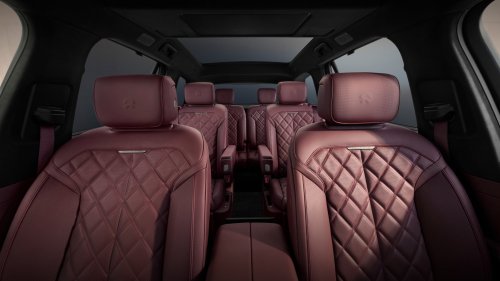
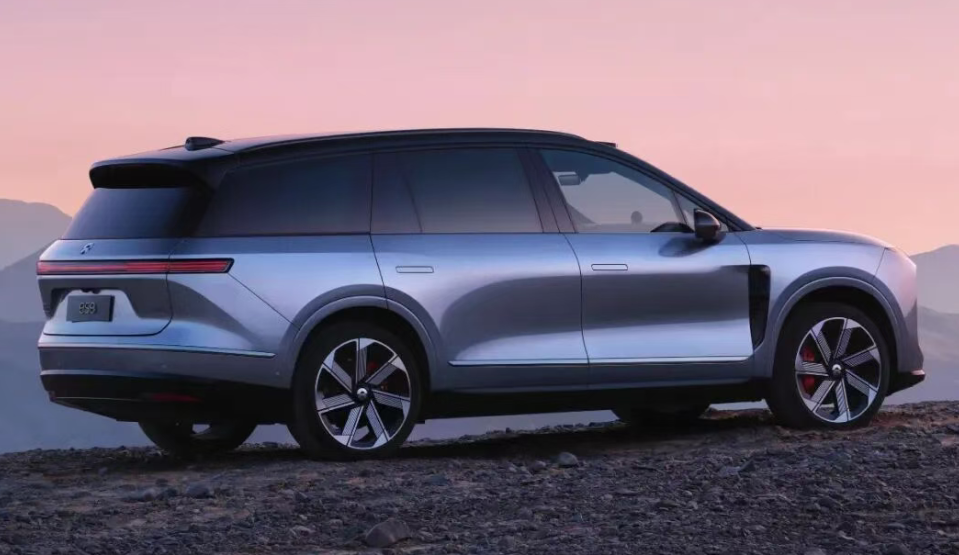
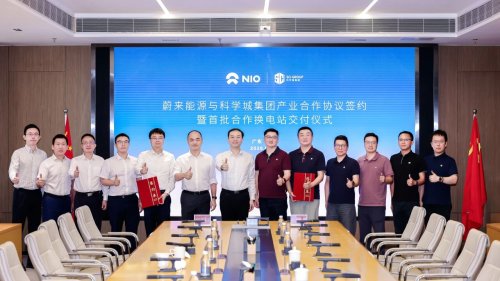
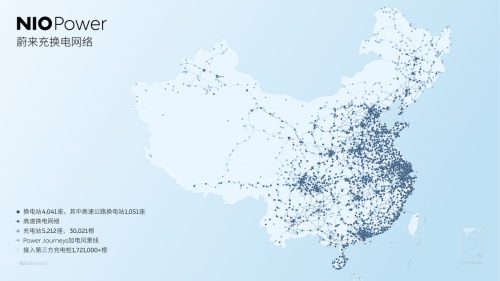
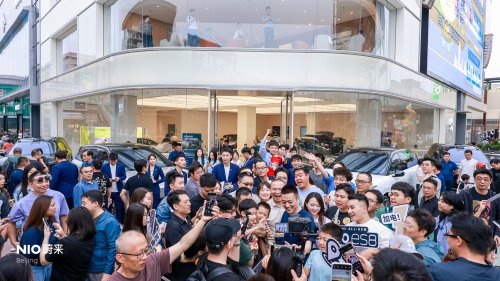
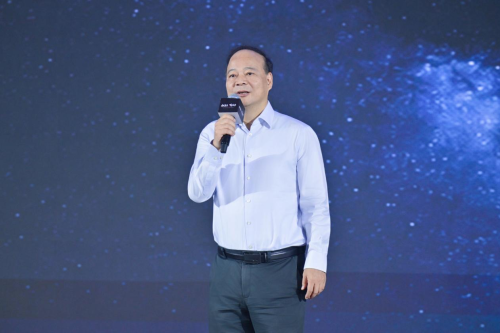
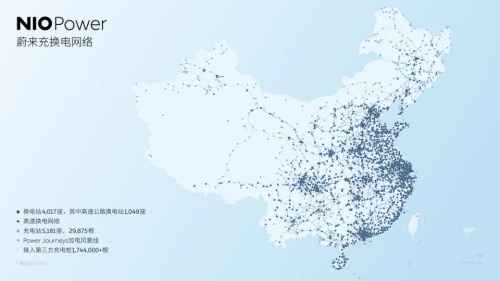
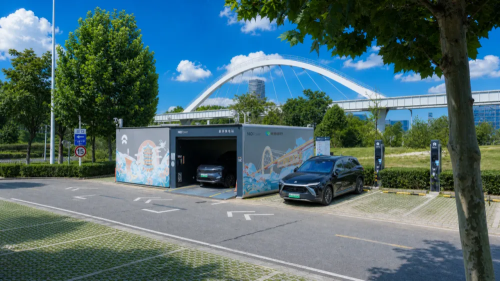
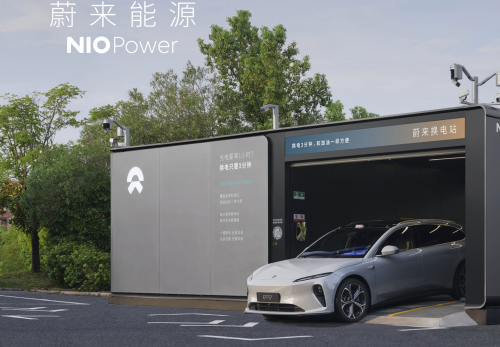
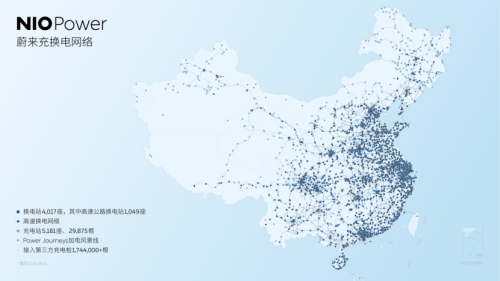
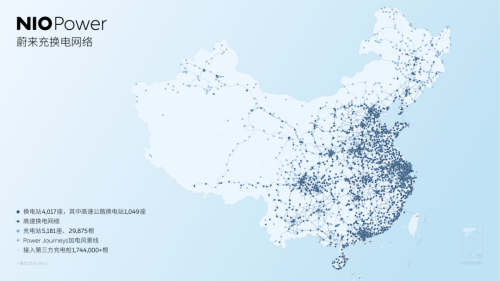
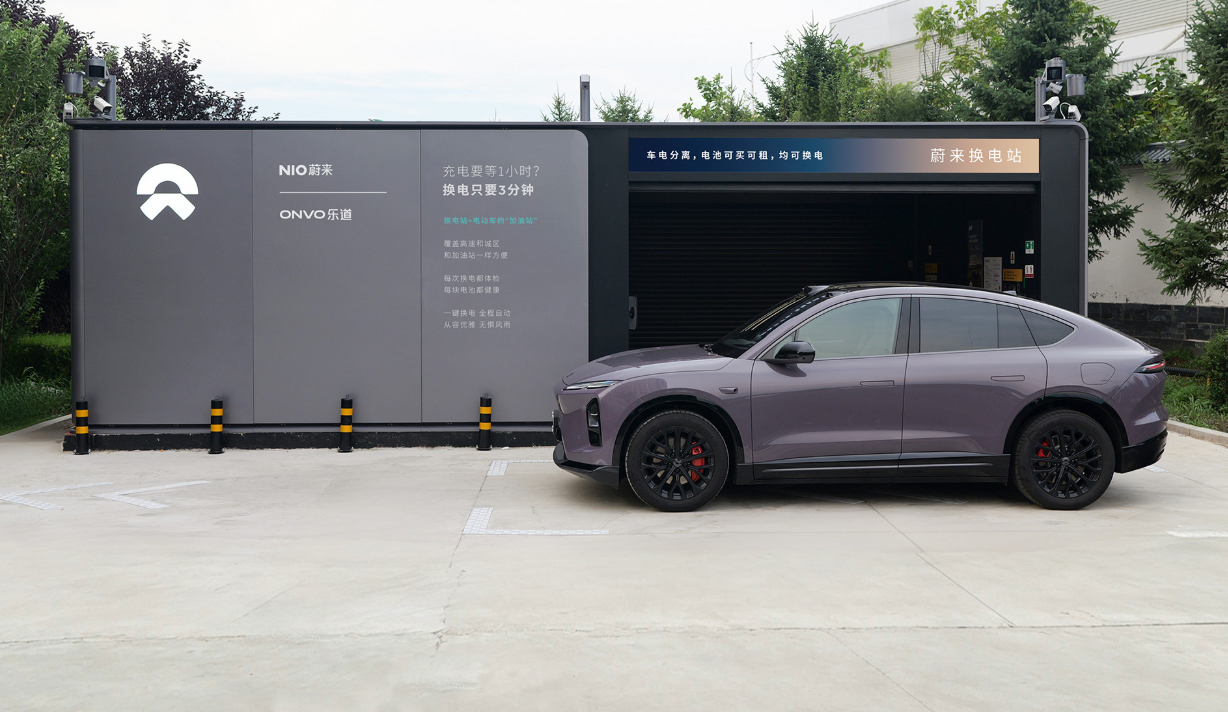
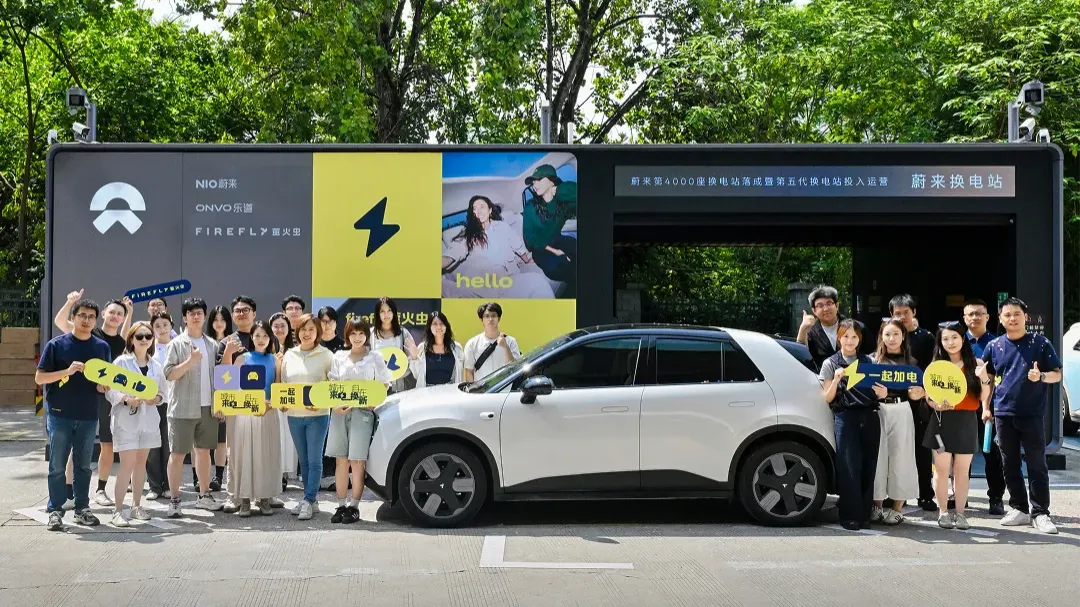
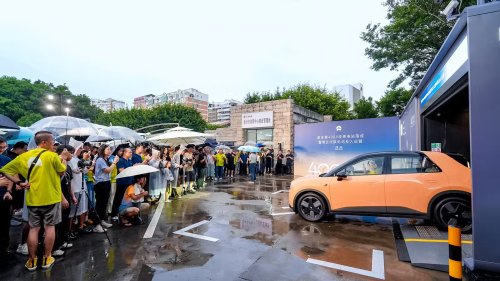
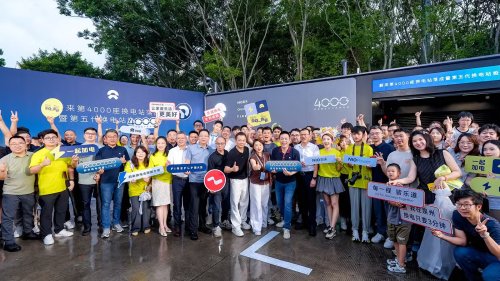
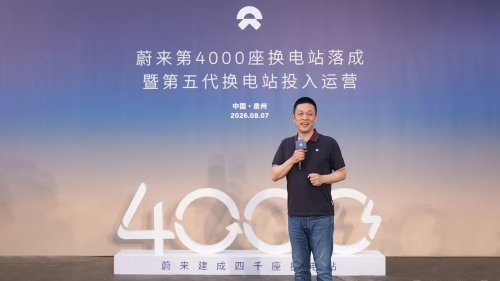
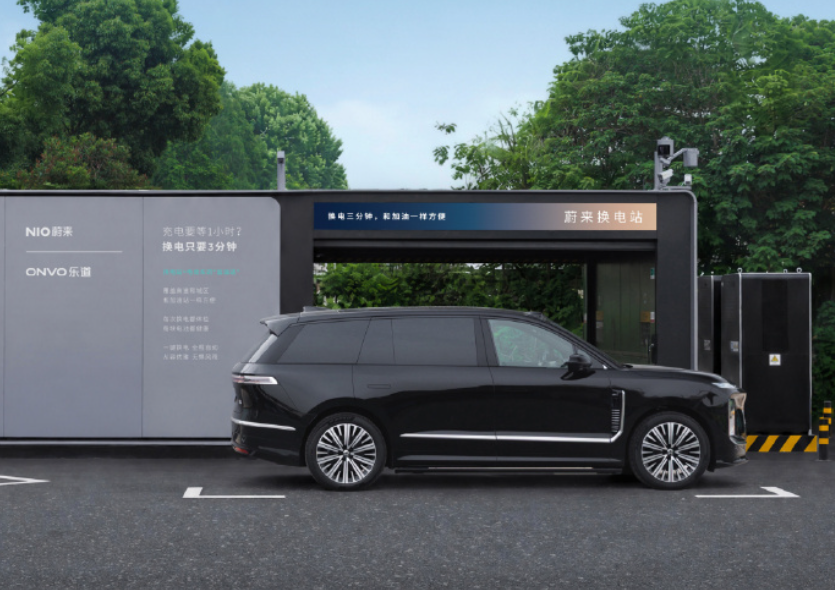
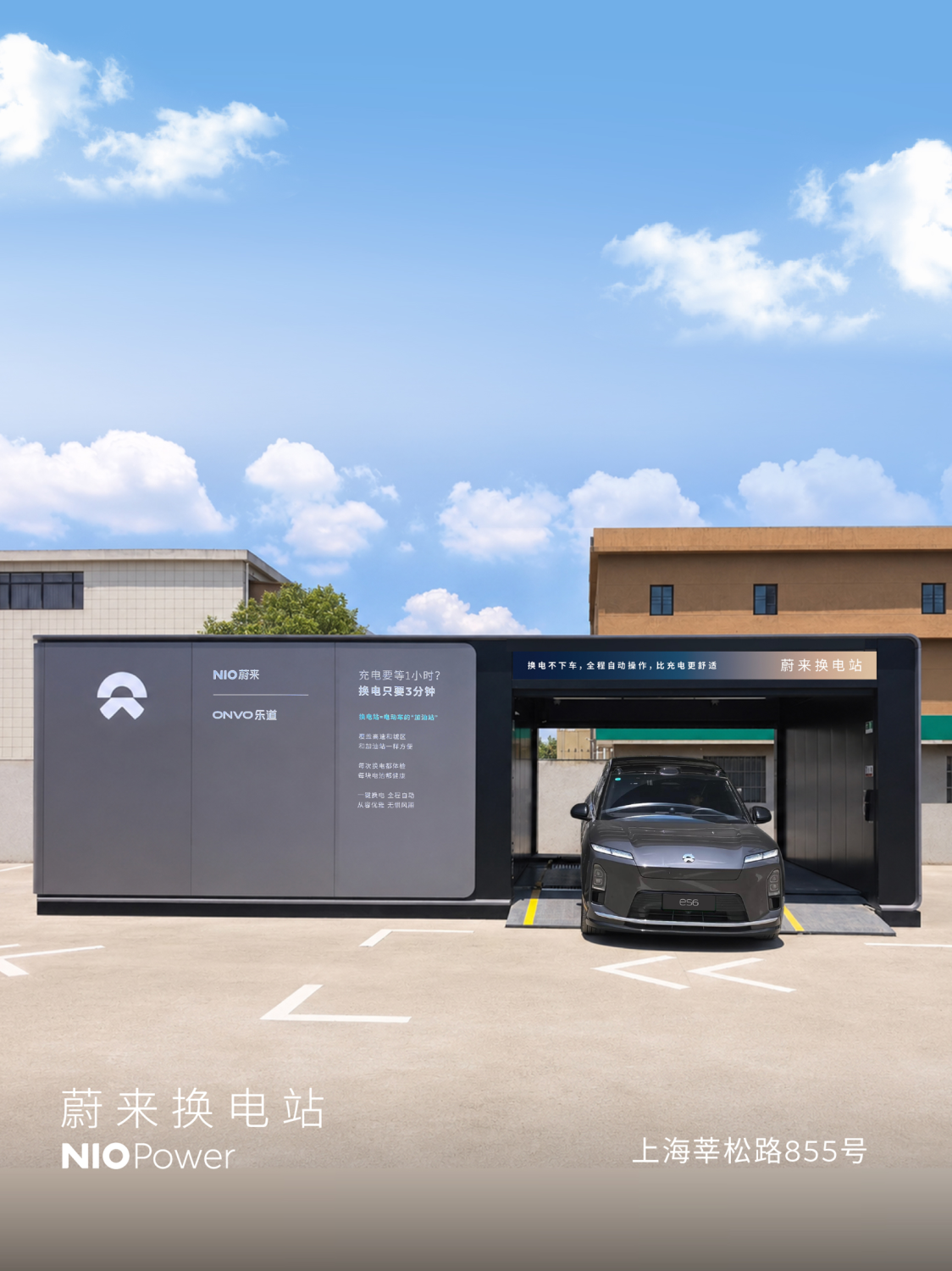
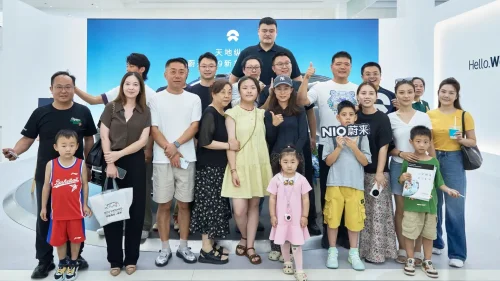
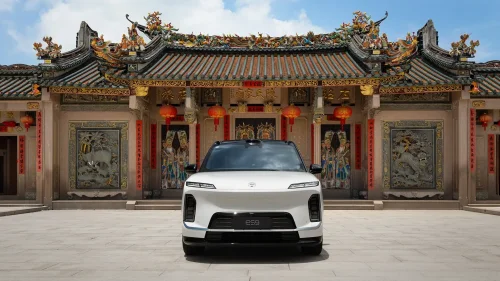
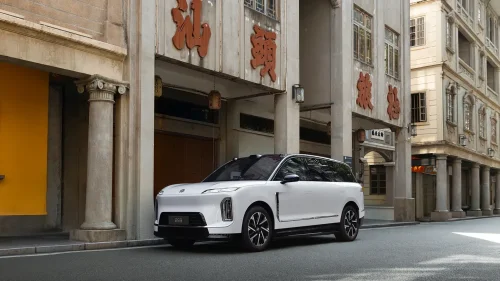
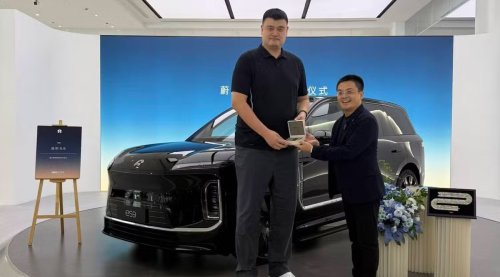
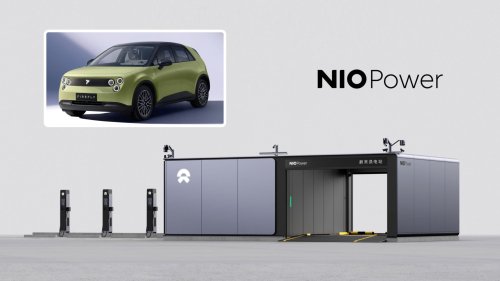
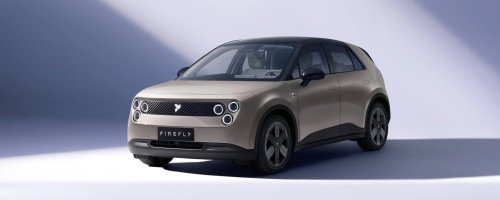
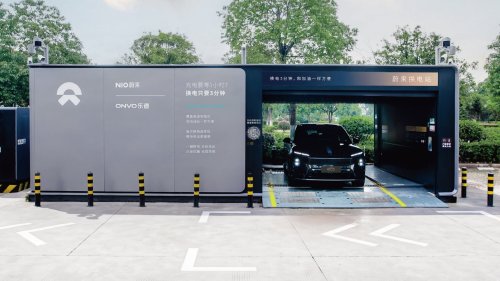
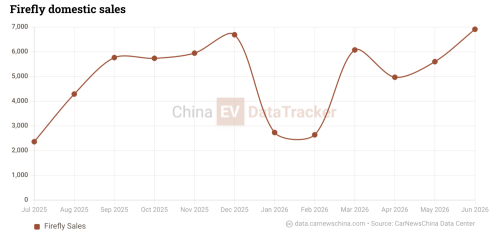
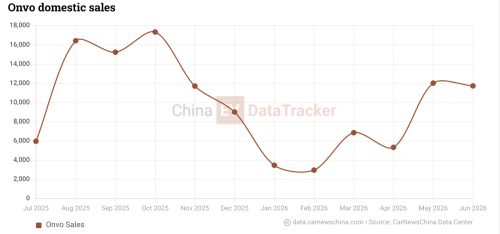
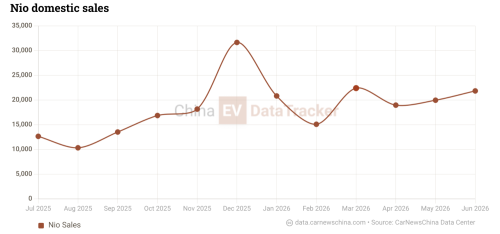
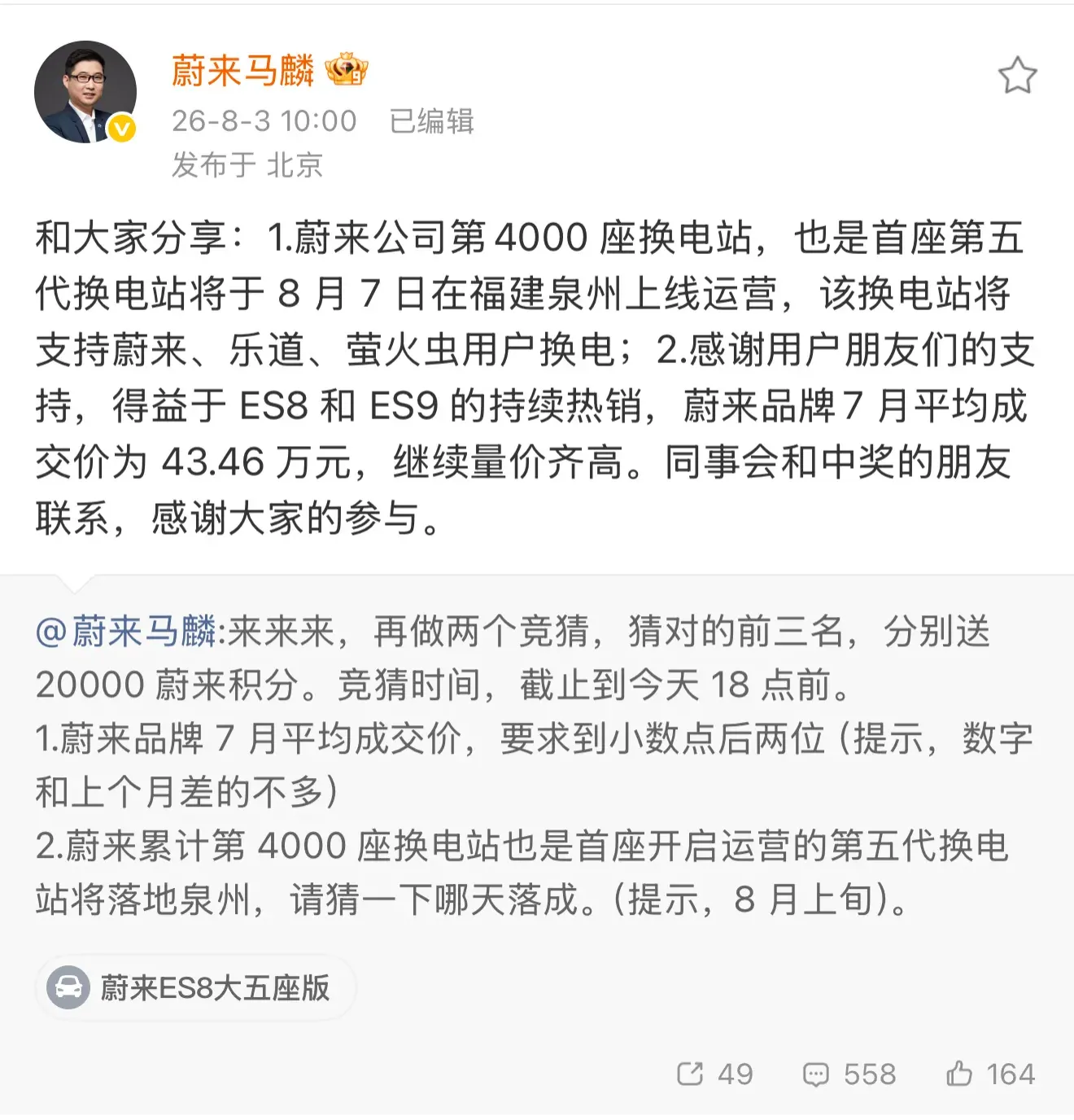
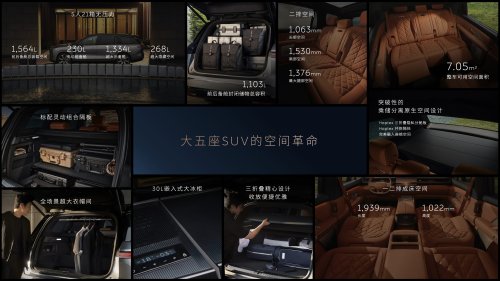
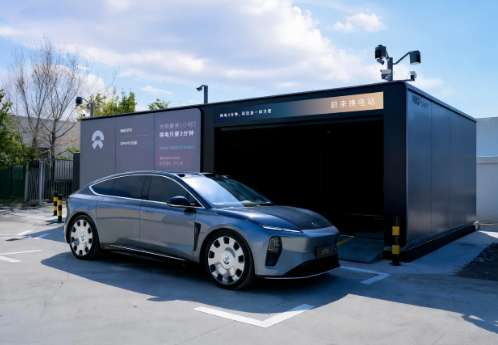
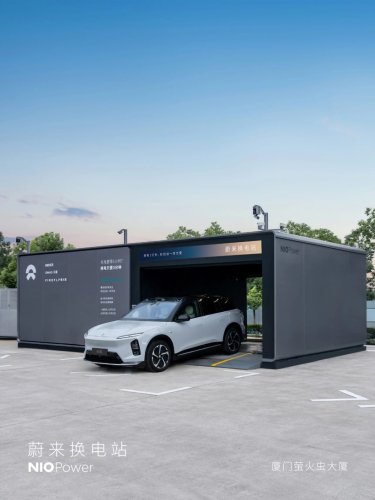
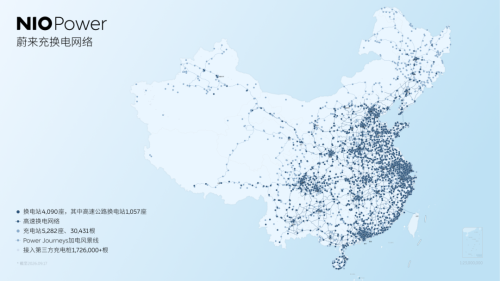
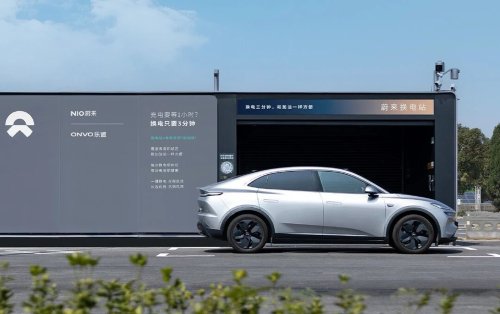
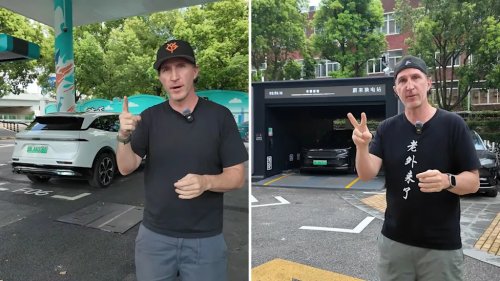
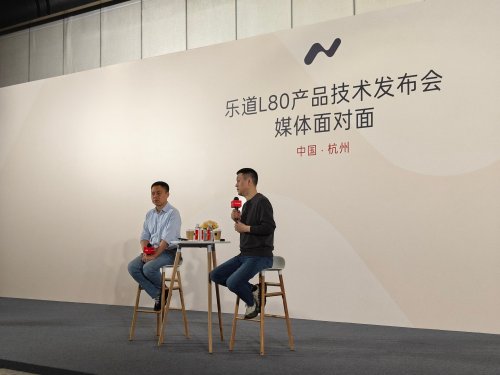
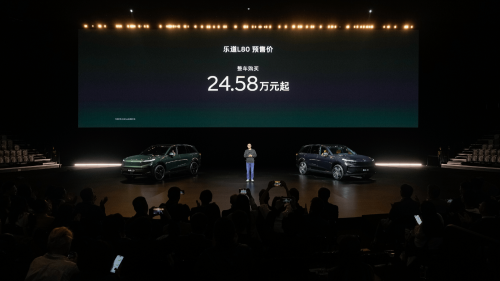
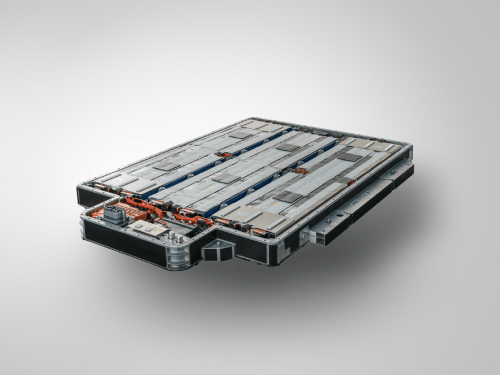
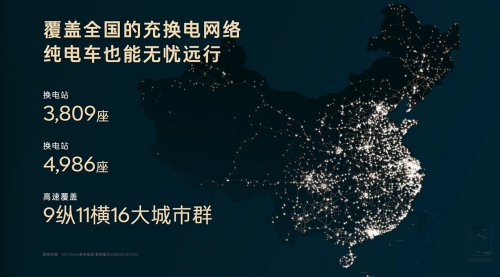
The day after the ONVO L80 launch, NIO held a small-scale media communication meeting in Hangzhou. The meeting was attended by William Li, CEO of NIO, and Shenfei, President of ONVO. They addressed key topics of public concern, including the new car’s pricing, technology roadmap, and the deployment of fifth-generation battery swap stations. ChinaEV Home participated in the entire communication session and has now compiled the core takeaways from the event as follows. NIO CEO William Li and the president of ONVO Shenfei attended the communication meeting. ONVO L80 Order Performance Exceeds Expectations Last night, ONVO officially launched its third model, the L80. The pre-sale price for the vehicle with battery purchase is 245,800 RMB(~$ 35966), and 159,800 RMB (~$ 23382)under the BaaS plan. This is 34,100 RMB(~$ 4989) lower than the ONVO L90’s pre-sale price of 279,900 RMB (~$ 40956, with battery) and 193,900 RMB (~$ 28372, BaaS). This pricing places the L80 squarely in the highly competitive 200k–300k RMB(~$ 29k-44k) segment. Regarding the logic behind this pricing, William Li shared multiple considerations. First, cost pressures are significant. This year, raw materials such as memory chips, lithium, aluminum, as well as oil, plastic pellets, and rubber — affected by the international situation — have all seen price increases. Overall costs have risen notably, and the pricing has fully accounted for these increases. At the same time, the new car’s pricing retains some gross margin, though it has been more impacted compared to before, with cost accounting being extremely meticulous. The ONVO L80 starts at 245,800 RMB (full vehicle purchase). On the price difference between the L80 and the ONVO L90, he explained that the difference mainly follows the industry norm for five-seat and six-seat models from the same series, which is about 15,000 to 20,000 RMB, and was determined largely from a market perspective. Regarding the pre-order data that everyone cares about most, NIO’s official figures are still not precise. However, William Li revealed that the first-day order performance of the ONVO L80 is better than that of the L90 at the same stage after its launch. During the launch event, William Li also frankly admitted that the biggest challenge ONVO currently faces is insufficient brand awareness. Official order data shows that the proportion of users from outside the existing NIO/ONVO customer base remains low. He noted, ONVO’s current brand awareness is equivalent to where NIO was at the end of 2019 and the beginning of 2020. Nevertheless, William Li expressed confidence in the continued growth of L80 orders. After test drives begin on May 1st, he expects further conversion improvements. Technology Path: Sticking with Ternary Lithium Batteries Regarding the industry’s general shift toward lithium iron phosphate (LFP) batteries, Shenfei explained that ONVO still chooses ternary lithium batteries, with the core reason being the compatibility advantage offered by the battery swap system. He pointed out that although ternary lithium batteries have higher costs, the long-term cost difference is not significant due to R&D investments in battery longevity. Meanwhile, they provide more direct value to users in terms of weight, volume, and performance. Additionally, he said that simply ‘increasing battery capacity’ to extend range is inadvisable, as it brings issues related to space and weight. Overall, this strategy reflects a systematic trade-off made from the very beginning of vehicle design. Battery pack. Battery Swap Stations and Channel Deployment On the battery swap business, NIO revealed that seven automakers have so far signed framework cooperation agreements, though their progress varies. Regarding longer-term energy network planning, William Li stated that in the short term, the focus remains on developing its own business, including battery swap network construction, in-house vehicle sales, user services, and battery technology. From a long-term strategy perspective, NIO remains open and welcomes third parties to join, provided their strategies align with NIO’s own. On the technology front, the fifth-generation battery swap station, which will begin deployment in the third quarter, will be compatible with all three NIO brands: NIO, ONVO, and Firefly. Moreover, the entry barrier for third parties is not high, but they need to make proper plans regarding battery packs and system integration. NIO has built 3,809 battery swap stations to date. Regarding channel and network layout, the NIO executive team revealed during the meeting that the push into lower-tier markets began in the second half of 2024. Starting this year, they will launch ‘SKY stores’ shared by the three brands (NIO/ONVO/Firefly) to improve coverage efficiency. From the second half of this year, they will accelerate expansion to prefecture-level cities and counties. Robotics Business Regarding the trend of automakers entering the humanoid robot space, William Li said: In the long run, automobiles and robots share a high degree of overlap in technology stacks, so entering this field is a natural extension. However, he noted that the key for the industry at present lies in breakthroughs in world models and reinforcement learning, and the field is still in the exploratory stage. NIO’s current strategy is to prioritize its main business of smart EVs while making capital allocations in related fields. The overall strategy can be summarized as: observe and learn first, then choose the right time to enter.



















 +36 others