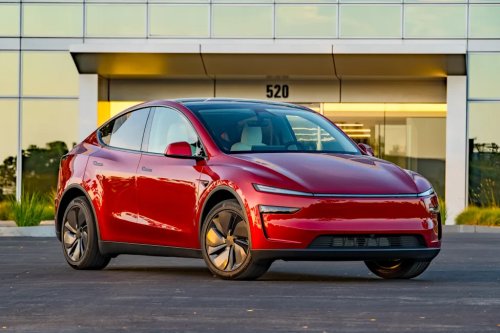
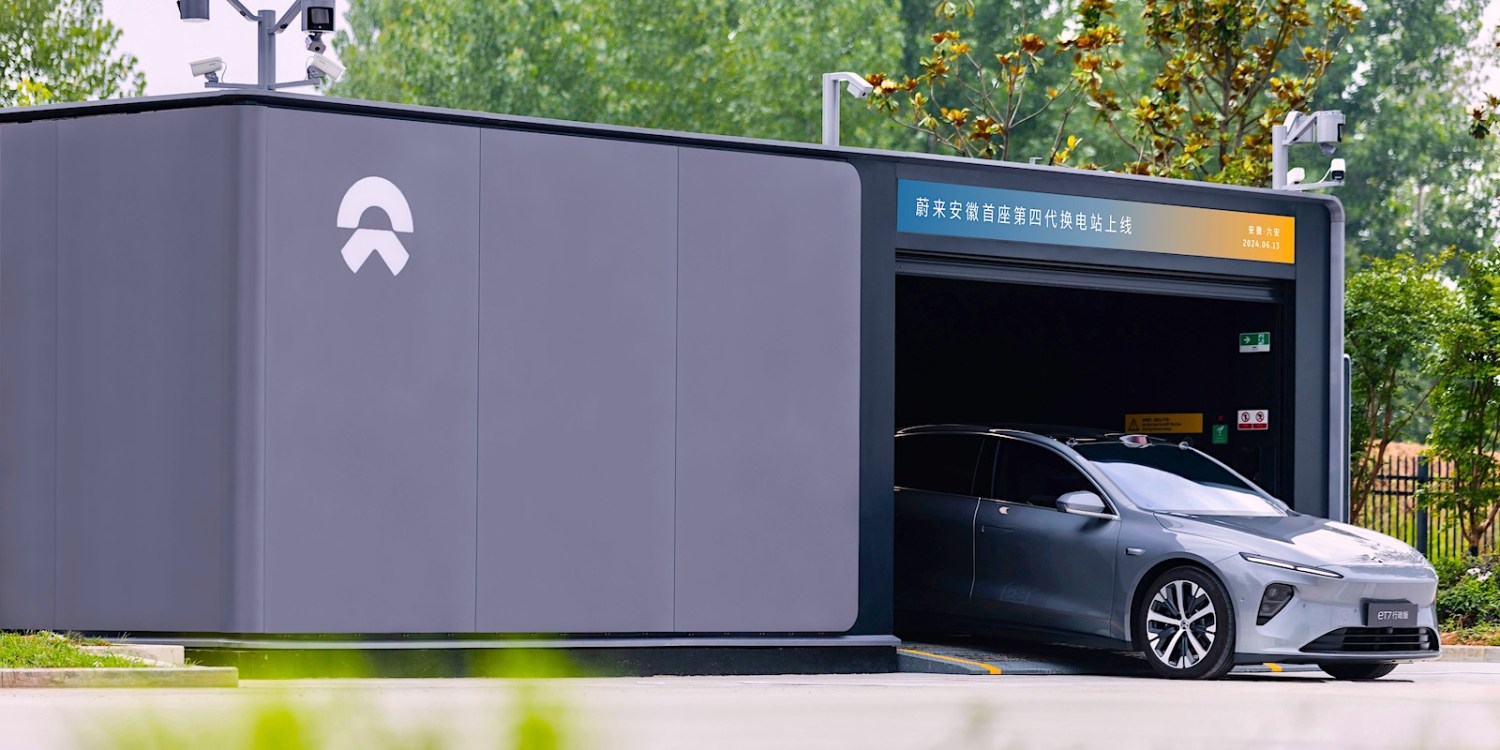
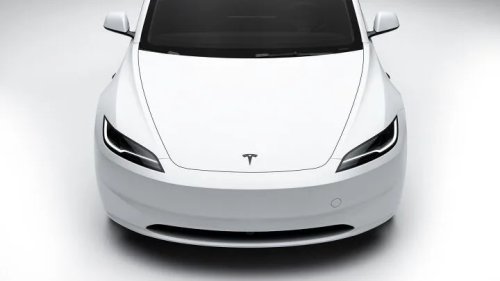
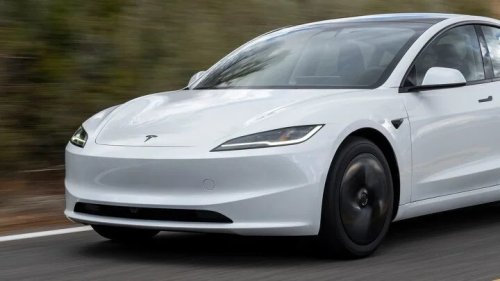
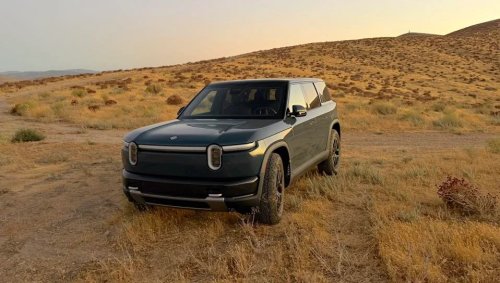
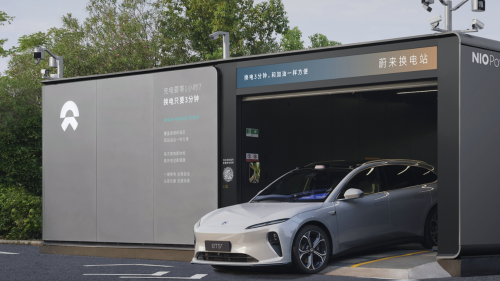
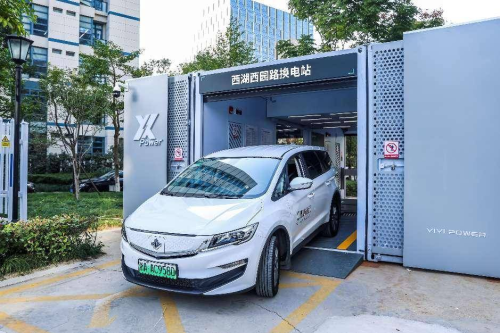
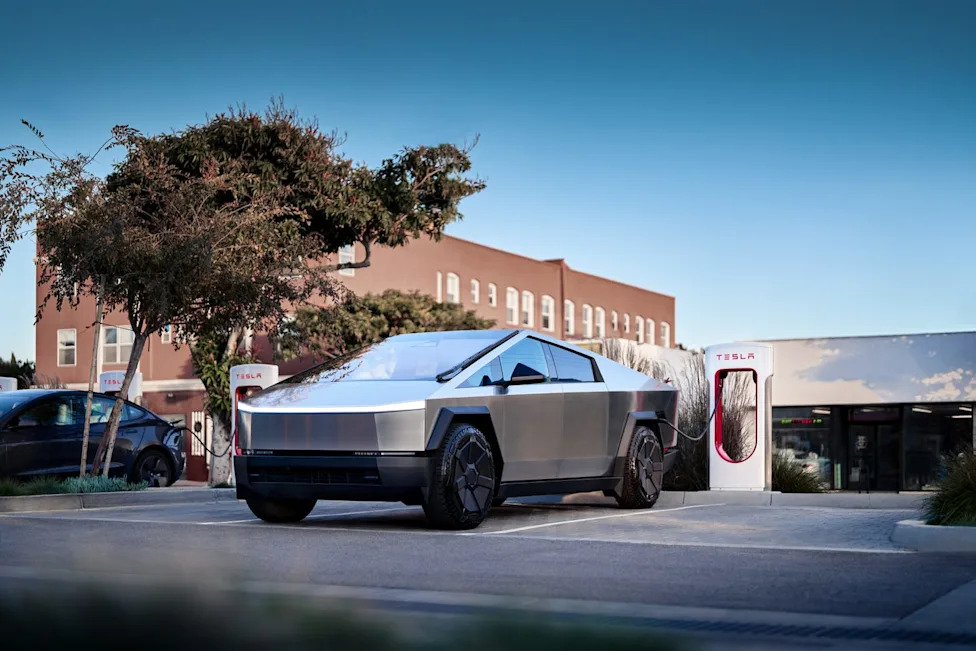
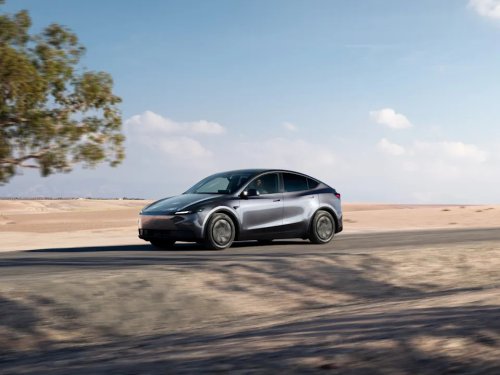
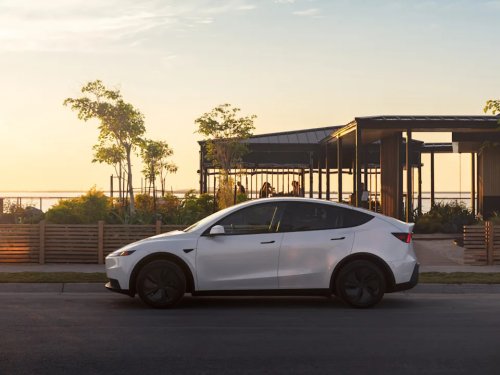
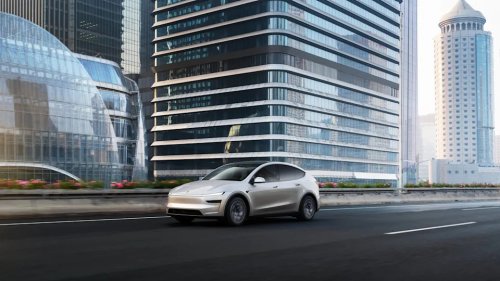
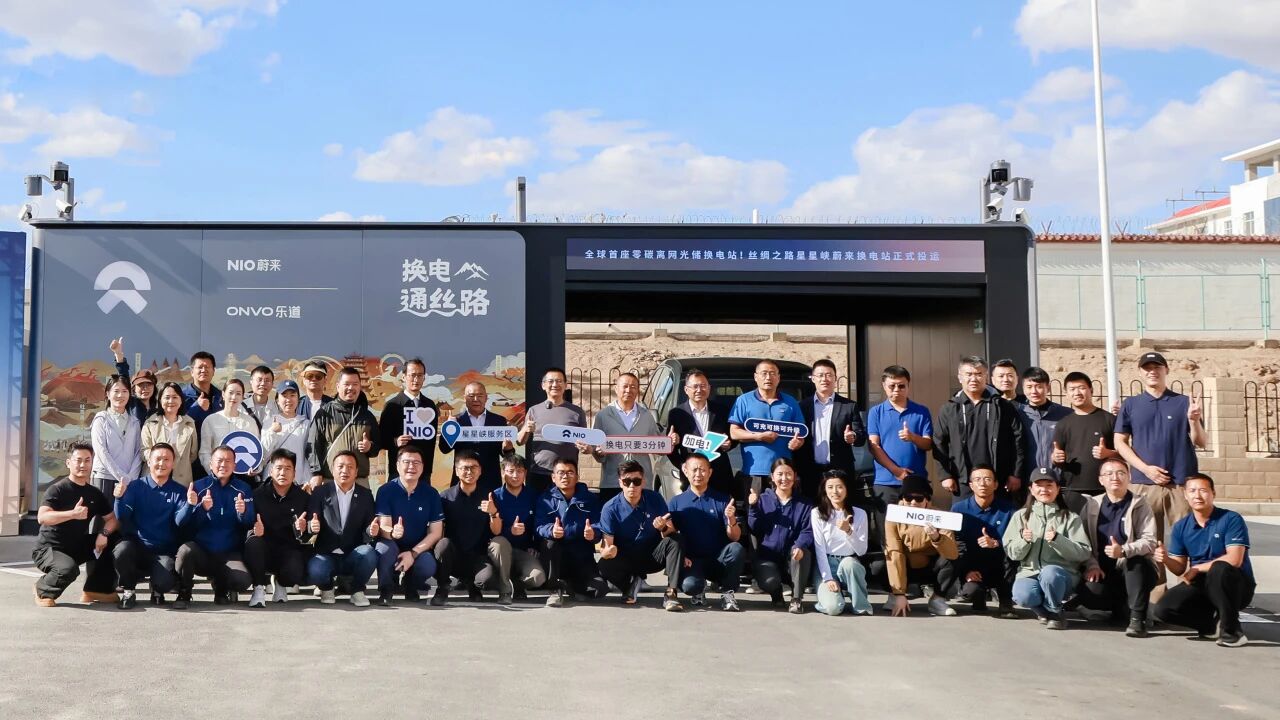
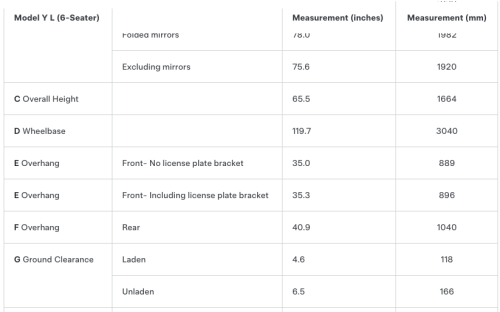
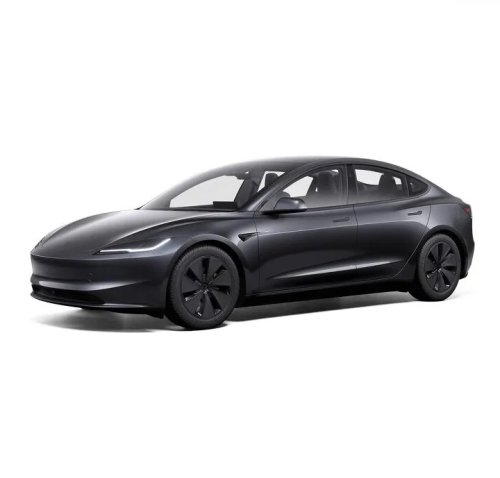
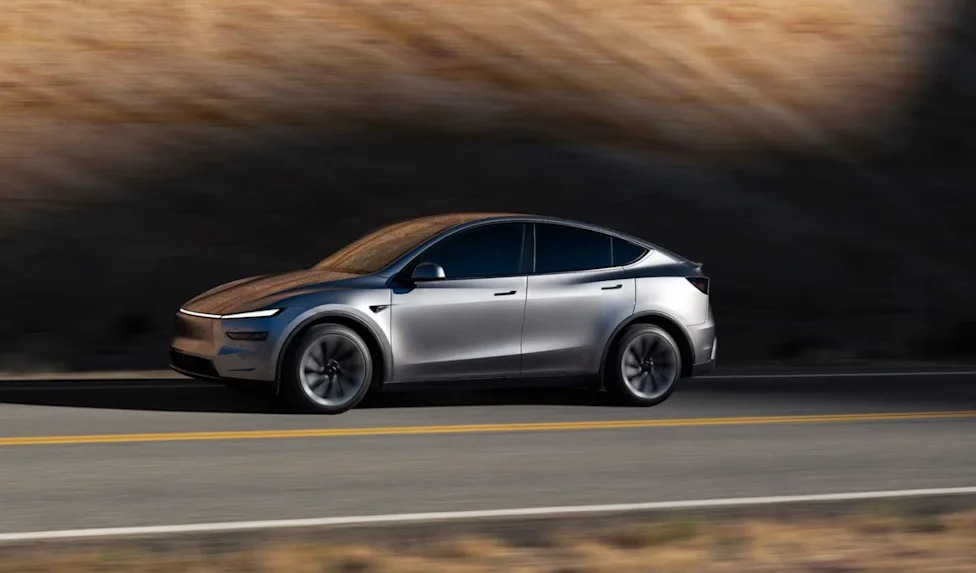
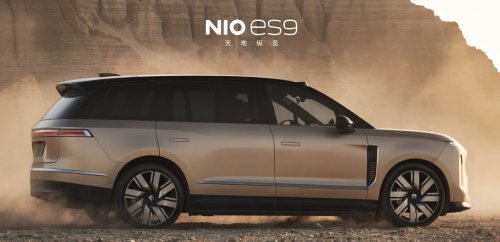
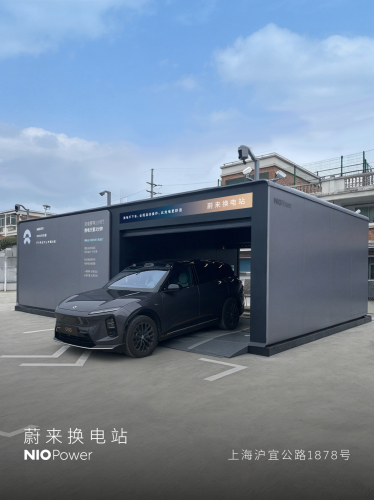
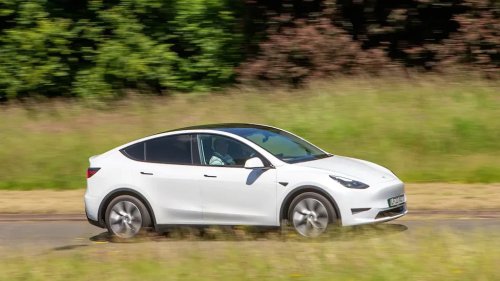
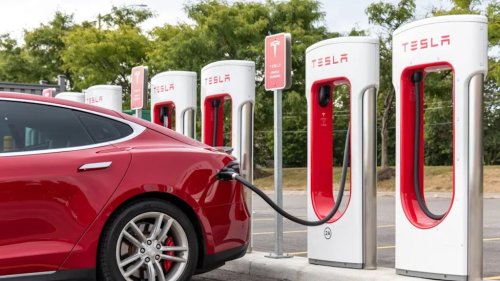
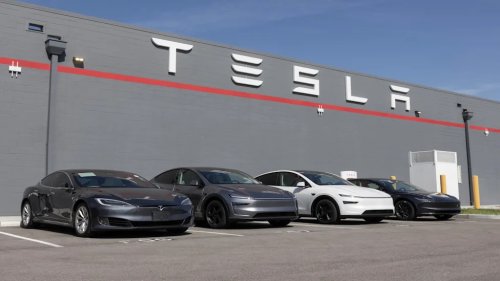
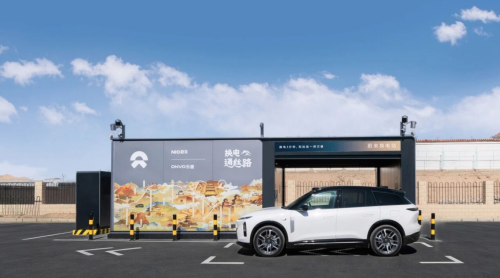
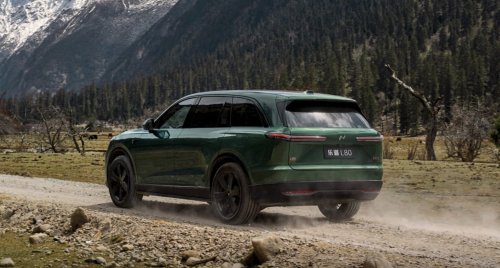
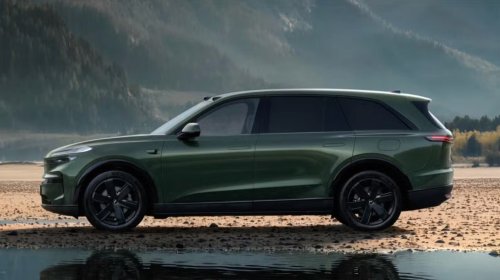
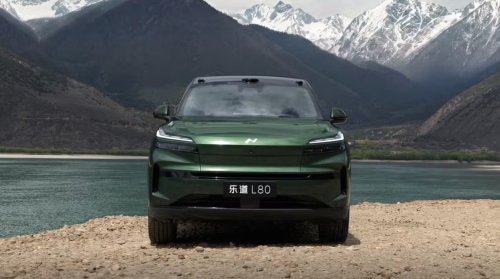
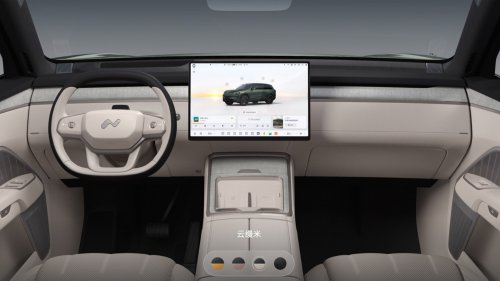
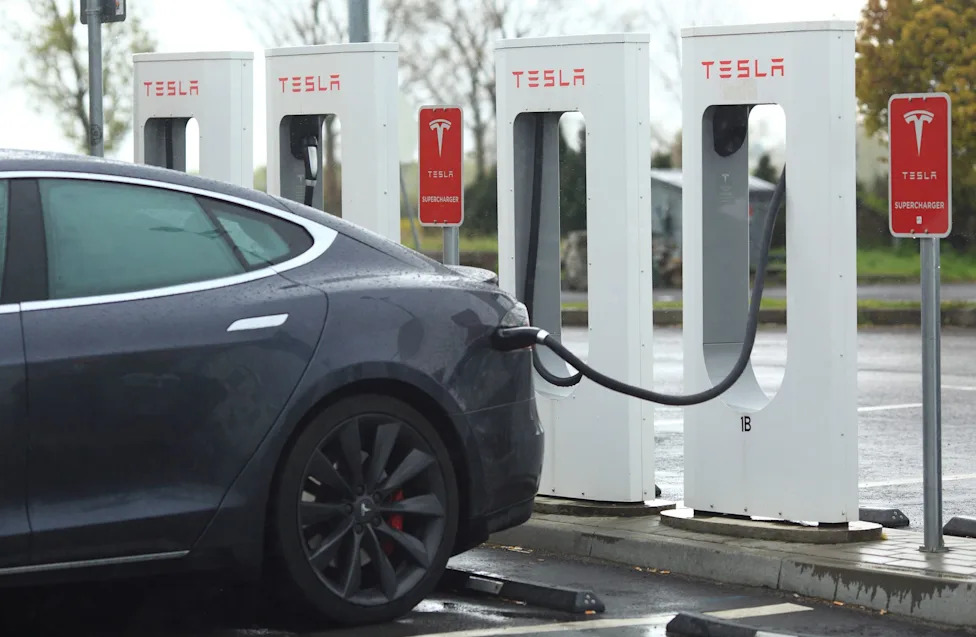
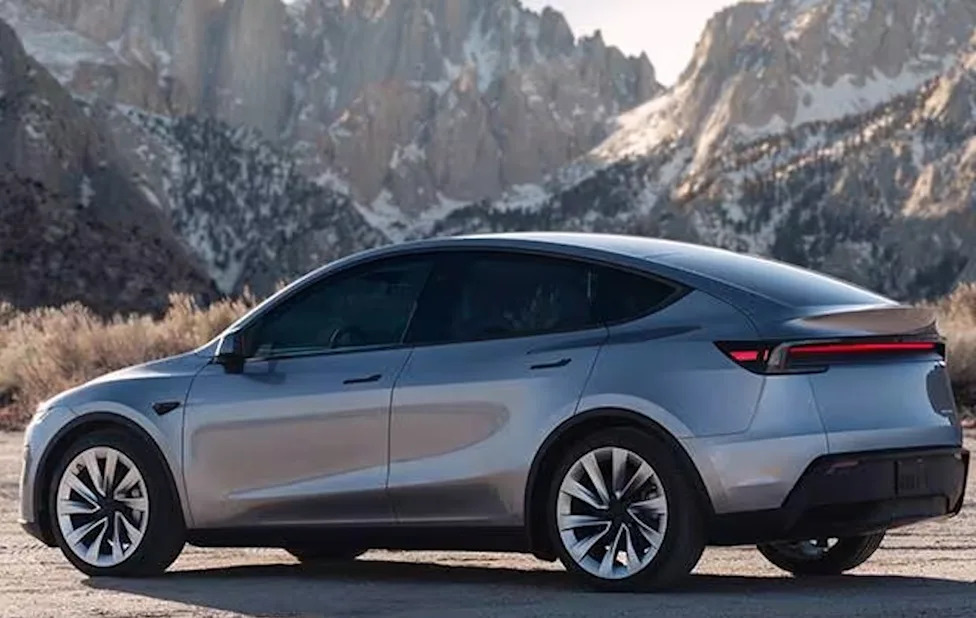
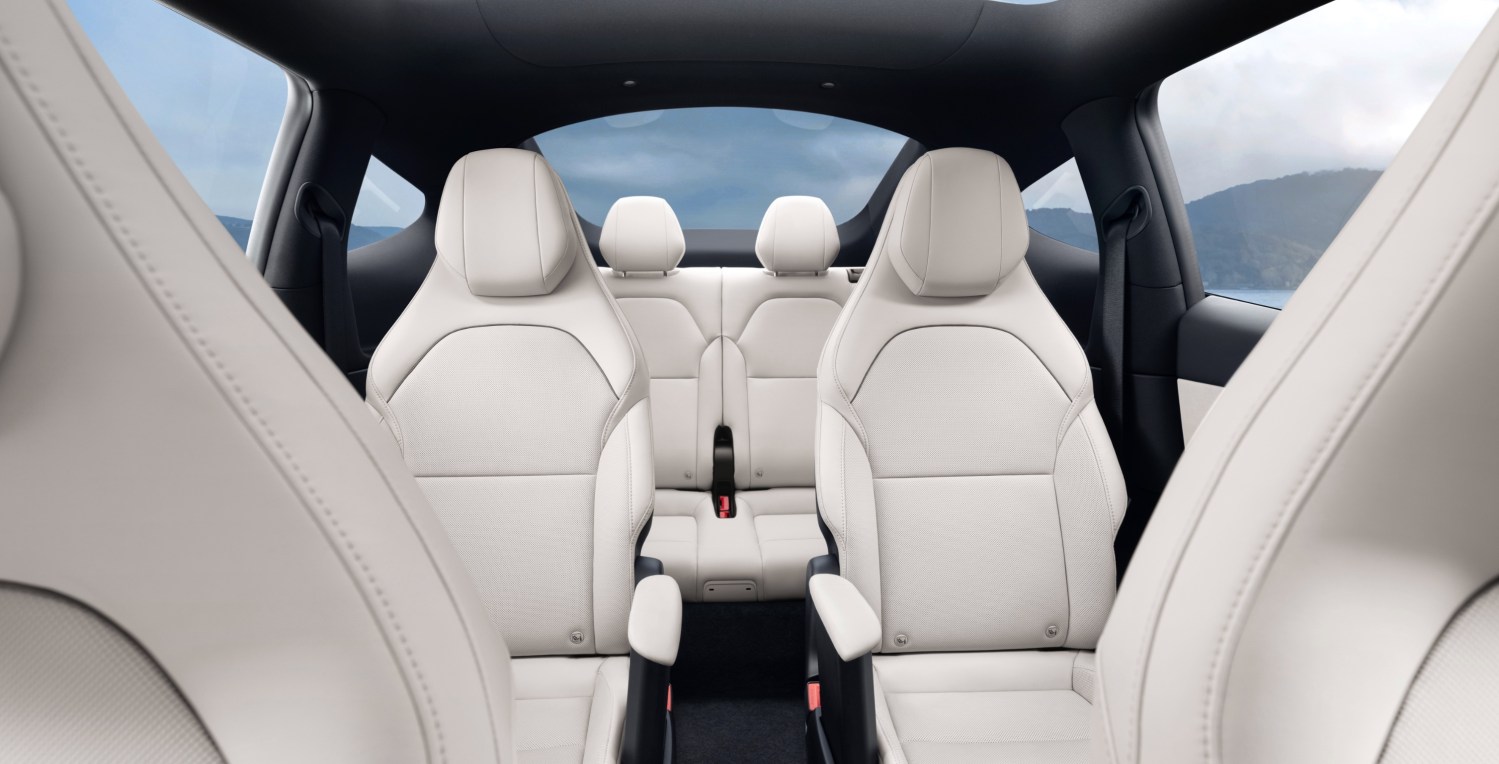
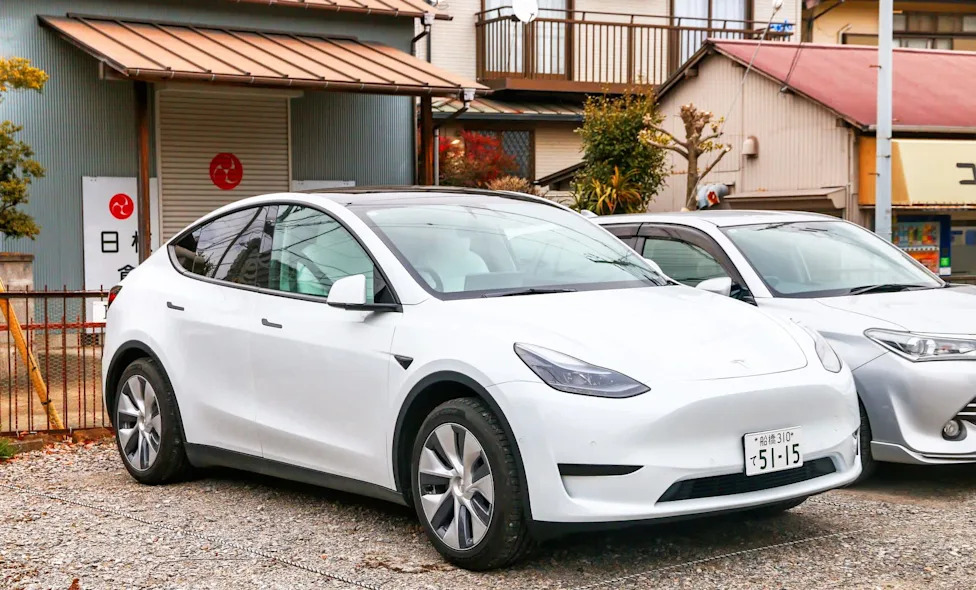
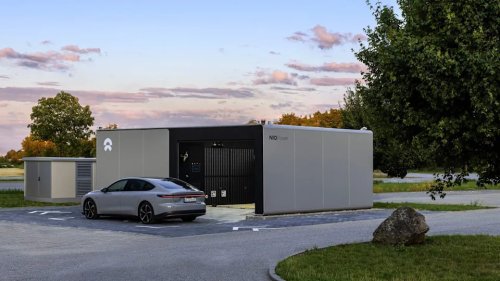
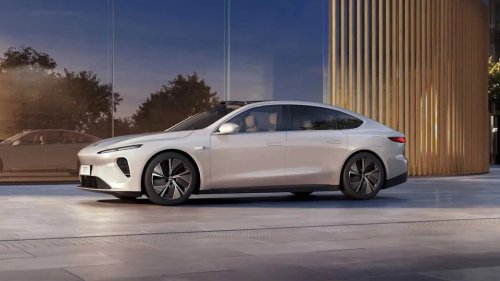
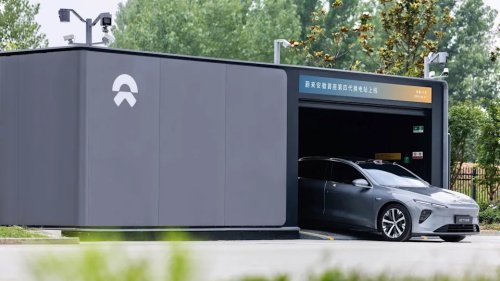
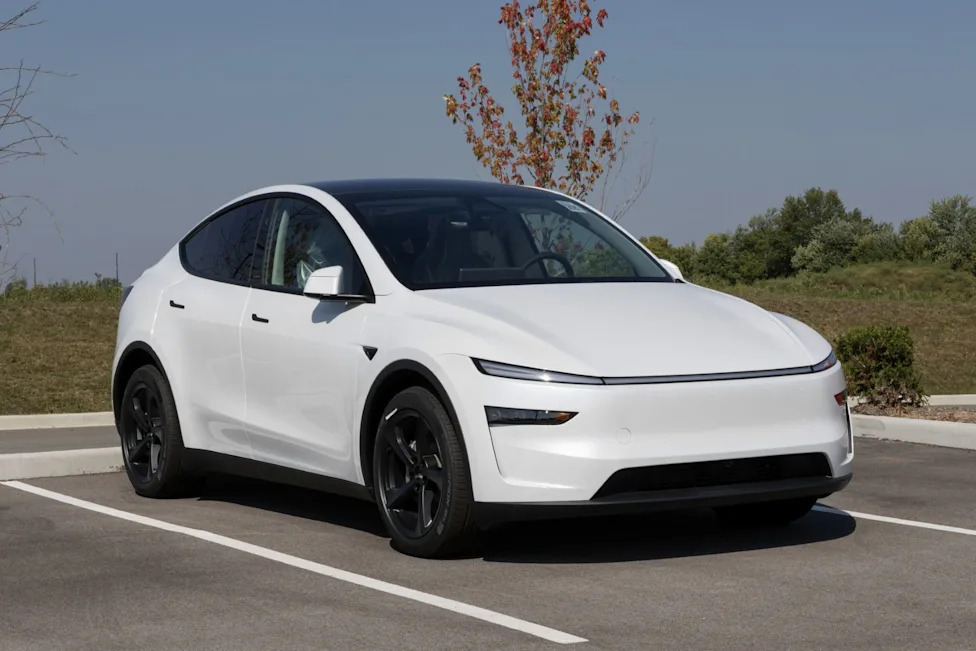
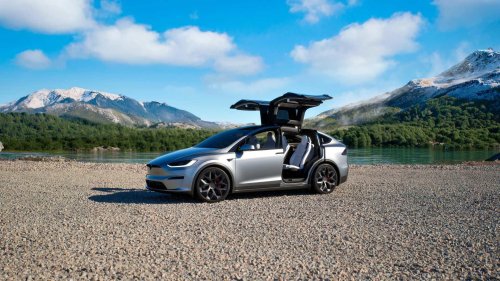
Nio’s budget sub-brand Onvo officially launched the L80, a five-seat electric SUV priced from 245,800 yuan (~$36,020), undercutting Tesla’s Model Y by 17,700 yuan (~$2,400) in China. The L80 opens pre-orders immediately, with first deliveries scheduled for May 15 — adding another aggressive competitor to the most contested EV segment in the world’s largest auto market. Onvo L80: A five-seat version of the L90 The L80 is essentially a two-row, five-seat variant of the Onvo L90 three-row SUV that launched last year. The two vehicles share Nio’s NT 3.0 platform, the same 900-volt high-voltage architecture, and most of their components — only the seating layout and cargo configuration differ. That shared platform strategy is working. Since Onvo debuted with the smaller L60 in September 2024 at just $21,200, the sub-brand has racked up strong sales numbers. The L60 delivered over 20,000 units in its first 100 days, and the L90 expanded the lineup into the larger three-row segment. The L80 now fills the gap for buyers who want the L90’s size without the third row — and at a lower price point. Advertisement - scroll for more content The L80 measures 5,145 mm long, 1,998 mm wide, and 1,786 mm tall, with a 3,110 mm wheelbase. With the rear seats folded, Onvo claims up to 2,840 liters of total cargo space — which it says is the largest of any five-seat SUV in China. Specs and powertrain The rear-wheel-drive L80 features a single 340 kW motor with a 0-100 km/h time of 5.9 seconds. The all-wheel-drive version adds a 100 kW front motor for a combined 440 kW output, cutting the sprint to 4.7 seconds. The L80 is expected to share the L90’s 85 kWh battery, which delivers up to 605 km of CLTC range in the L90. Exact range figures for the L80 haven’t been confirmed yet, but with five seats instead of six and potentially less weight, the numbers should be comparable or slightly better. Like all Nio-family vehicles, the L80 supports battery swapping at Nio’s network of swap stations — a key differentiator that no other major automaker offers at scale. That means a full “recharge” in under three minutes. On the assisted driving front, Onvo is offering two configurations. The flagship version pairs Nio’s in-house Shenji NX9031 chip with LiDAR and 30 sensors, running the company’s second-generation “World Model” autonomous driving software. A pure-vision version running on Nvidia’s Orin X chip is available at a lower price point. Both systems support Onvo’s “Coconut” and “Coconut+” assisted driving packages. How it stacks up against the Model Y The pricing is the headline. At 245,800 yuan, the L80 starts 17,700 yuan below Tesla’s Model Y, which opens at 263,500 yuan in China. That’s a meaningful gap in a market where consumers are extremely price-sensitive and domestic brands are waging an all-out price war. Tesla’s Model Y remains the best-selling single EV model in China — it topped the country’s new energy vehicle sales rankings in March 2026 with 39,827 units, outselling every electric, hybrid, and ICE model. But Tesla achieved that dominance at a premium price point. The Model Y is the only vehicle in China’s top 10 best-sellers priced above 200,000 yuan. That premium positioning creates an opening for competitors like Onvo. The L80 offers a larger vehicle (5,145 mm vs. the Model Y’s ~4,750 mm), 900-volt architecture that the Model Y still lacks, battery swap capability, and available LiDAR-equipped autonomous driving — all for $2,400 less. The tradeoff is brand cachet and charging network. Tesla’s Supercharger network remains the gold standard, and the Model Y benefits from stronger resale values and global brand recognition. But in China specifically, those advantages are eroding as domestic brands rapidly expand their own infrastructure. Electrek’s Take Onvo is executing exactly the playbook that makes Chinese automakers so dangerous to incumbents. Take a proven platform, share components across multiple models to drive costs down, and undercut the segment leader on price while matching or exceeding it on specs. The L80 is the third Onvo model in under two years, and each one targets a slightly different slice of the market. The L60 goes after budget-conscious buyers at $21,000. The L90 competes in the three-row family SUV segment, a growing segment in Chin. Now the L80 takes direct aim at the Model Y’s core buyer: someone who wants a spacious five-seat SUV with solid range and tech. We don’t think the L80 will dethrone the Model Y as China’s best-selling EV anytime soon — Tesla’s brand power is still formidable in that market. But it doesn’t need to. The world’s most competitive EV market is getting even more competitive by the day. Stay up to date with the latest content by subscribing to Electrek on Google News. You’re reading Electrek— experts who break news about Tesla, electric vehicles, and green energy, day after day. Be sure to check out our homepage for all the latest news, and follow Electrek on Twitter, Facebook, and LinkedIn to stay in the loop. Don’t know where to start? Check out our YouTube channel for the latest reviews.



















 +72 others


![Tesla, Battery, Not sold on Tesla Powerwall? There are great battery alternatives out there [update]](https://cdn.topcarnews.net/thumb/id/aHR0cHM6Ly9pMC53cC5jb20vZWxlY3Ry-ZWsuY28vd3AtY29udGVudC91cGxvYWRz-L3NpdGVzLzMvMjAyNi8wNy9ob21lLXNv-bGFyLWJhdHRlcnkucG5nP3c9MTUwMCZh-bXA7cXVhbGl0eT04MiZhbXA7c3RyaXA9-YWxsJmFtcDtzc2w9MQ/18e81f395a77dbb42269ab5e106fea41.png?t=20261007&post_id=68280)
![Tesla, Battery, Not sold on Tesla Powerwall? There are great battery alternatives out there [update]](https://cdn.topcarnews.net/thumb/id/aHR0cHM6Ly9lbGVjdHJlay5jby93cC1j-b250ZW50L3VwbG9hZHMvc2l0ZXMvMy8y-MDI2LzA4L3NvbGl4LXgxLWNvcHkuanBn/a9fe4985234387a08124ce5984c09772.jpg?t=20261007&post_id=68280)
![Tesla, Battery, Not sold on Tesla Powerwall? There are great battery alternatives out there [update]](https://cdn.topcarnews.net/thumb/id/aHR0cHM6Ly9lbGVjdHJlay5jby93cC1j-b250ZW50L3VwbG9hZHMvc2l0ZXMvMy8y-MDI2LzA4L2JsdWV0dGlfRVA4MDAtY29w-eS5qcGc/2d9344a919e78ef6ada1803d9a030ce2.jpg?t=20261007&post_id=68280)
![Tesla, Battery, Not sold on Tesla Powerwall? There are great battery alternatives out there [update]](https://cdn.topcarnews.net/thumb/id/aHR0cHM6Ly9lbGVjdHJlay5jby93cC1j-b250ZW50L3VwbG9hZHMvc2l0ZXMvMy8y-MDI2LzA4L0Vjb0Zsb3ctREVMVEEtUHJv-LVVsdHJhLmpwZw/eff5ecb316465dcf28dd74e9eb1b324c.jpg?t=20261007&post_id=68280)
![Tesla, Battery, Not sold on Tesla Powerwall? There are great battery alternatives out there [update]](https://cdn.topcarnews.net/thumb/id/aHR0cHM6Ly9lbGVjdHJlay5jby93cC1j-b250ZW50L3VwbG9hZHMvc2l0ZXMvMy8y-MDI1LzEwL2dhcmFnZV9iYXR0ZXJ5XzVf-c3lzdGVtX2NvbnRyb2xsZXJfM19VUy0x-LmpwZw/116b4706c7e7c77633518a677e92bdc3.jpg?t=20261007&post_id=68280)
![Tesla, Battery, Not sold on Tesla Powerwall? There are great battery alternatives out there [update]](https://cdn.topcarnews.net/thumb/id/aHR0cHM6Ly9lbGVjdHJlay5jby93cC1j-b250ZW50L3VwbG9hZHMvc2l0ZXMvMy8y-MDI2LzAyL2dtLWVuZXJneS0xLTUud2Vi-cA/f6c358bbb69cf5917e5d0d7d5cb1c03d.webp?t=20261007&post_id=68280)