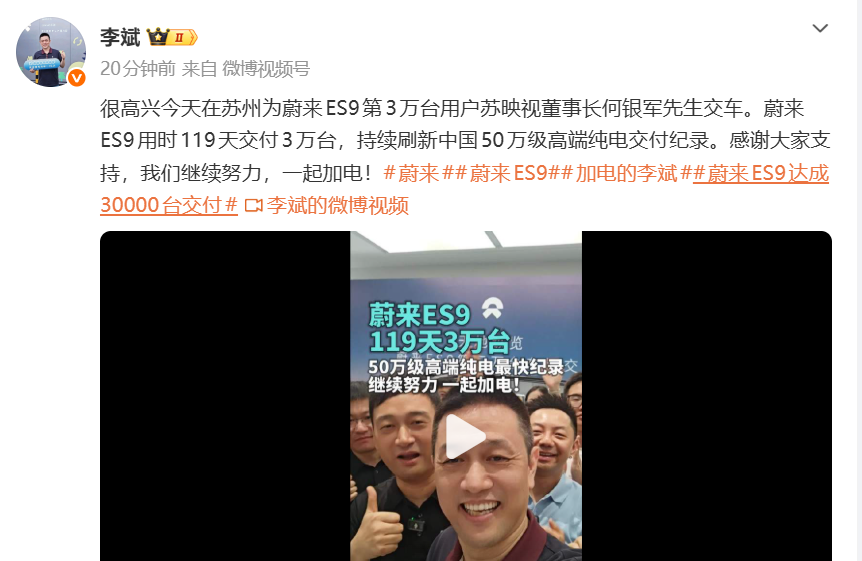
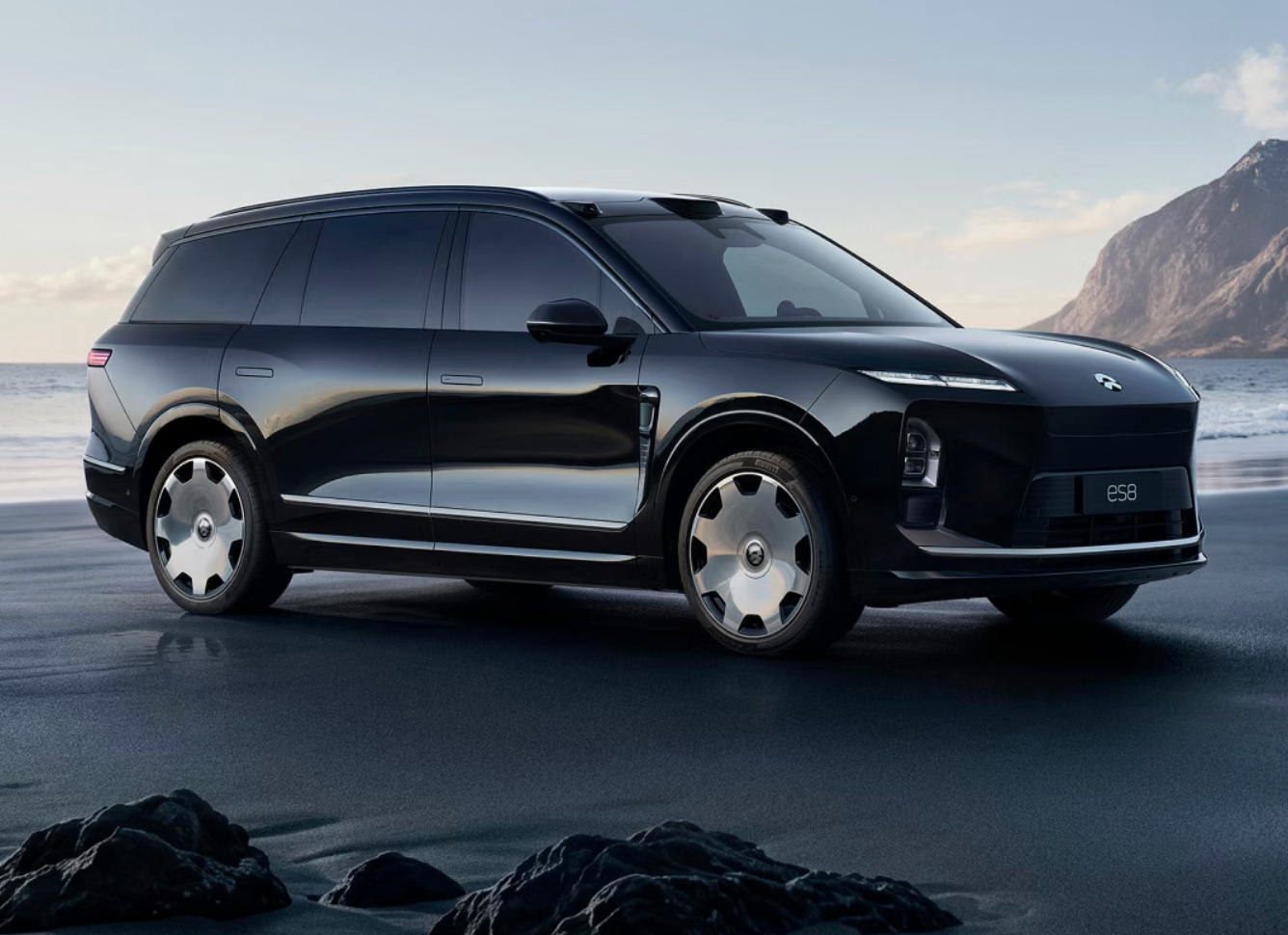
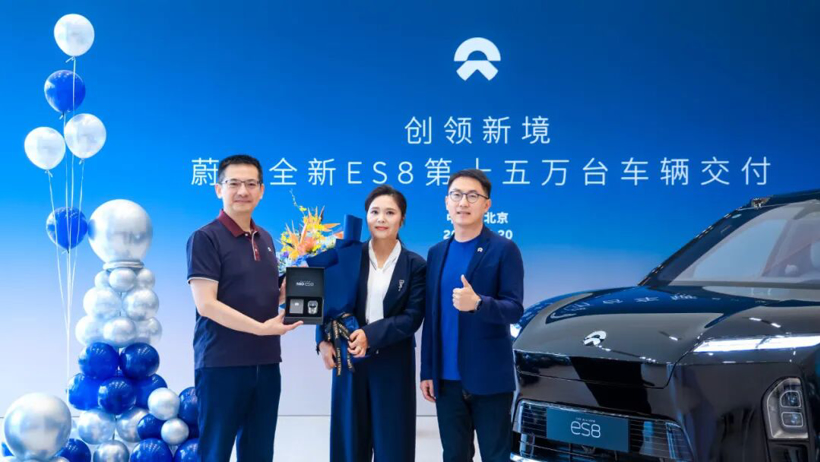
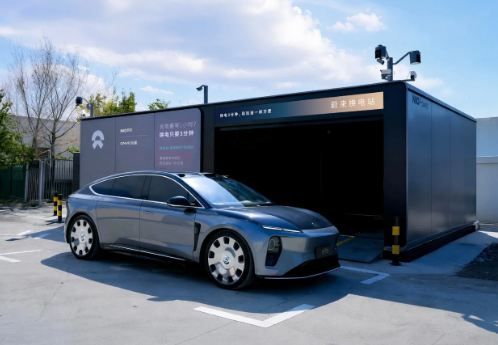
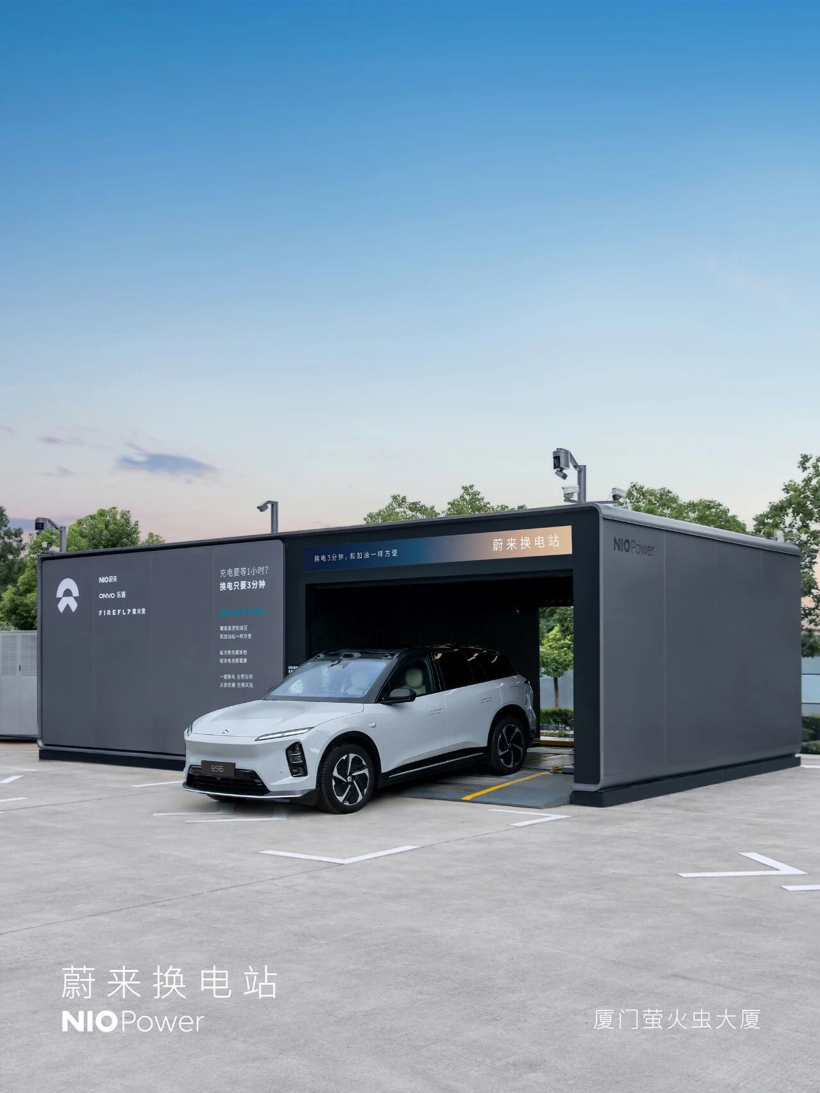
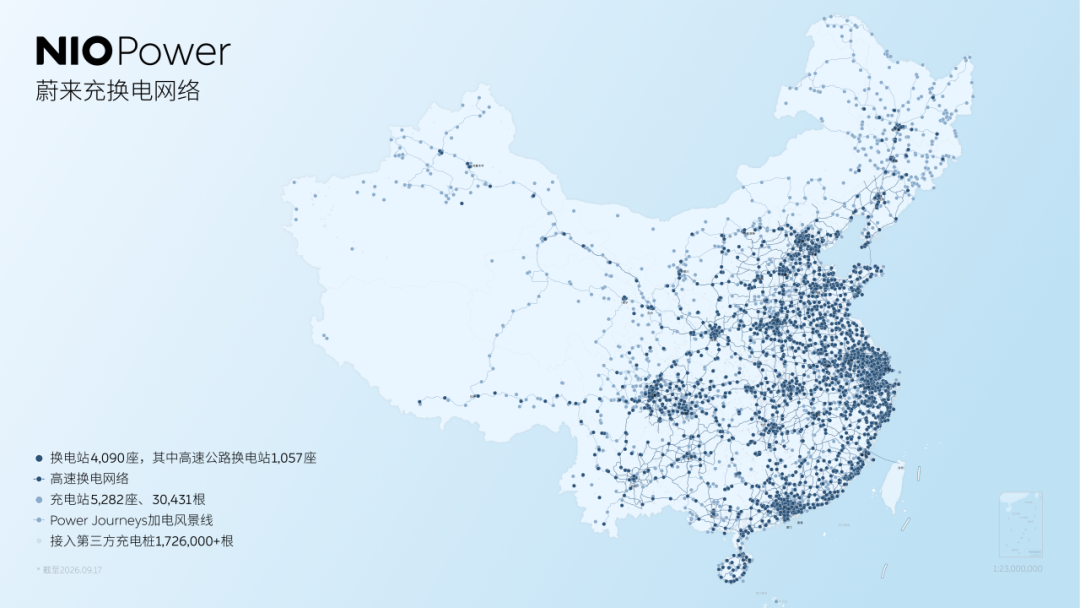
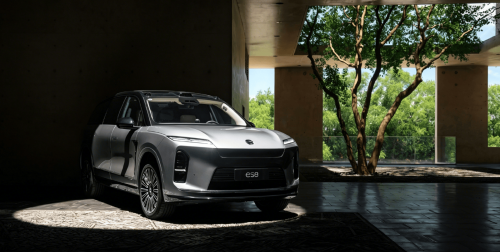
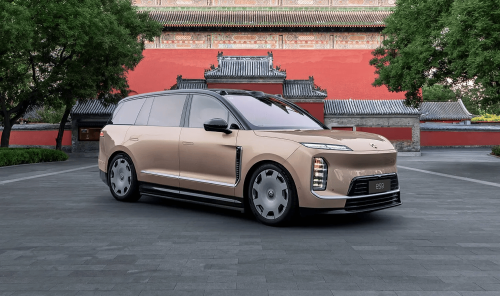
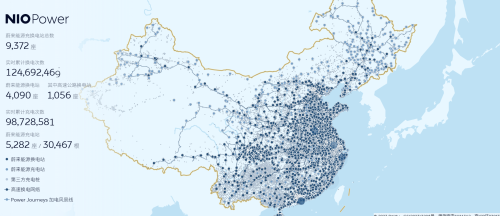
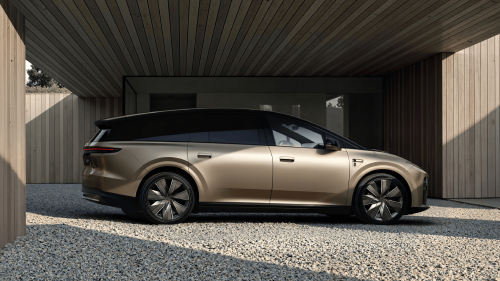
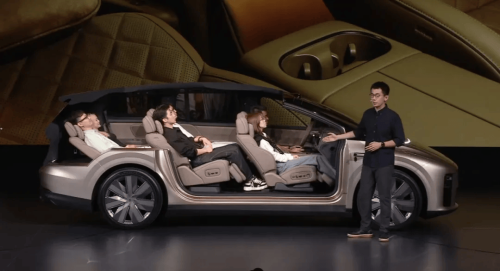
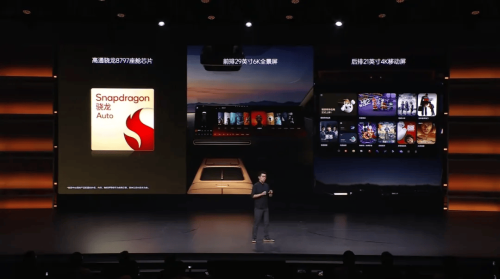
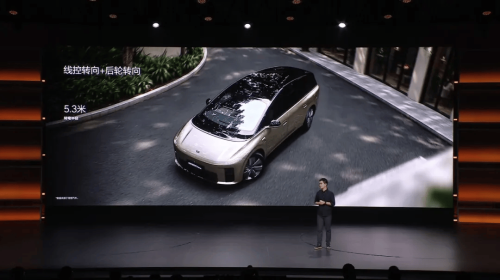
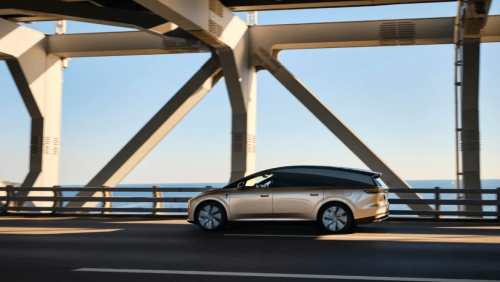
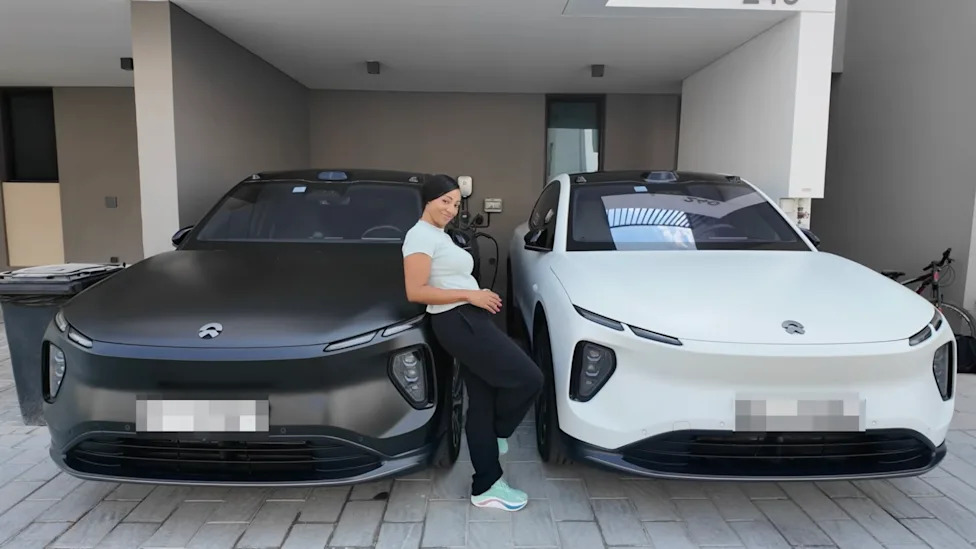
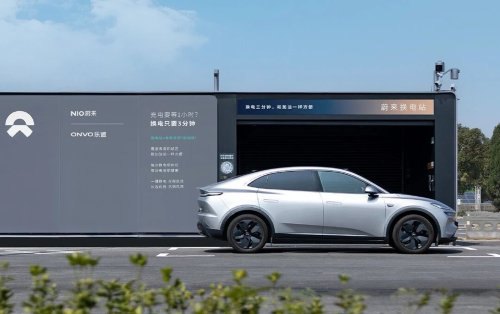
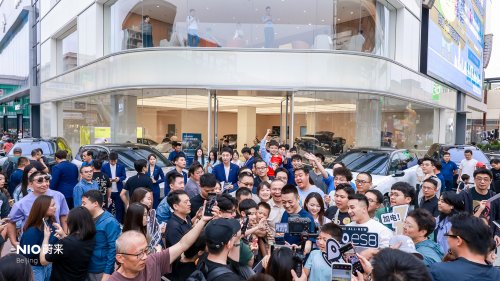
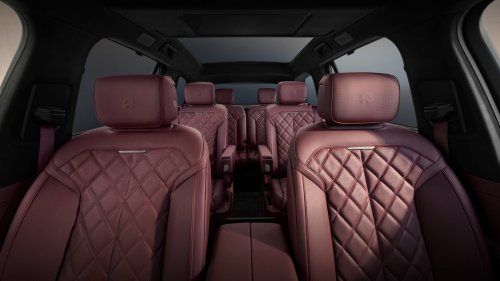
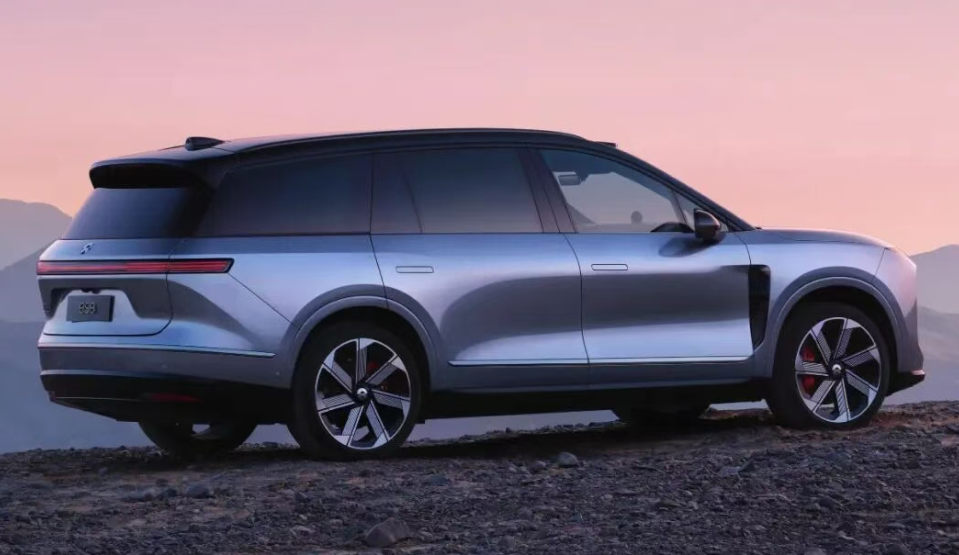
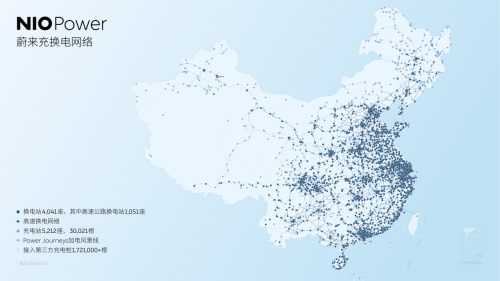
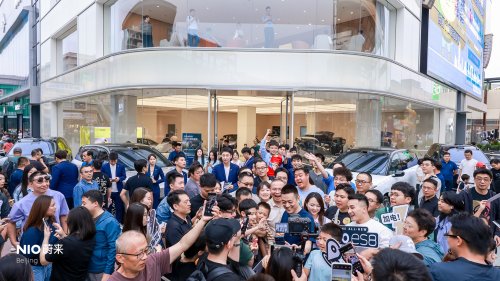
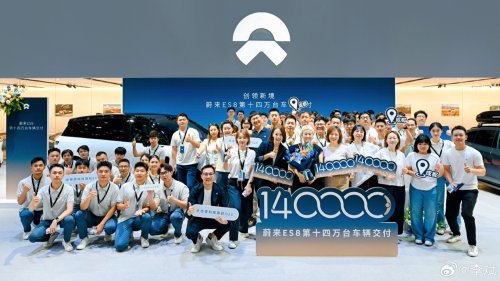
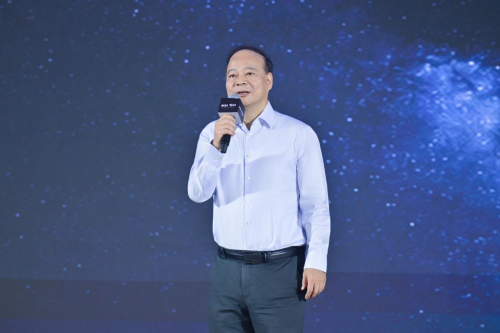
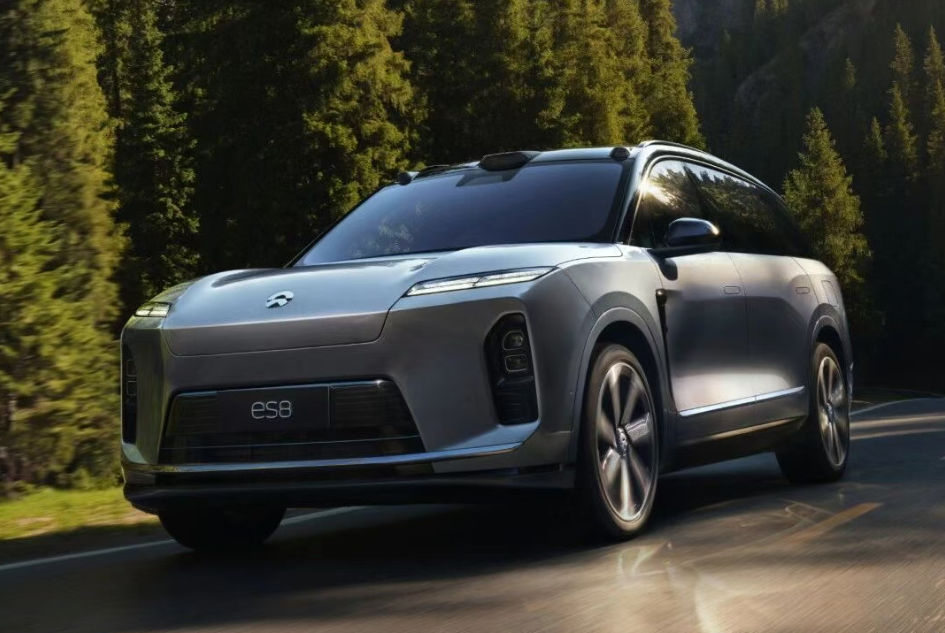
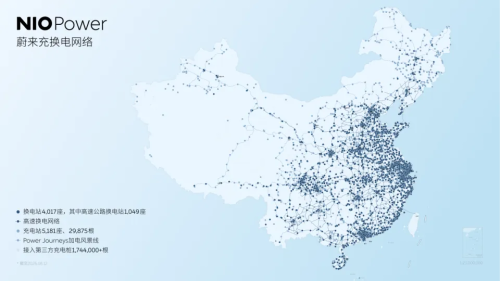
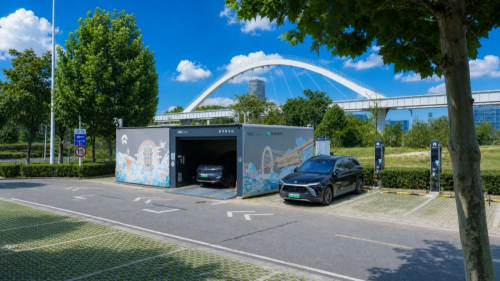
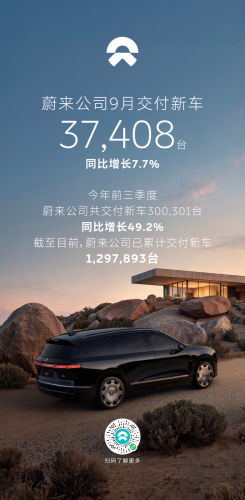
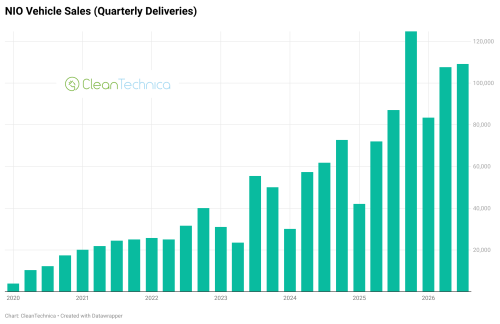
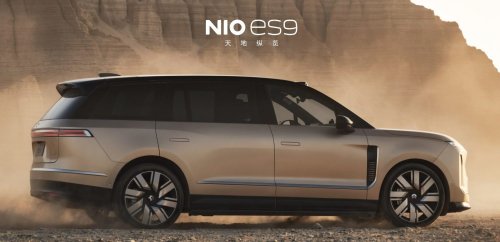
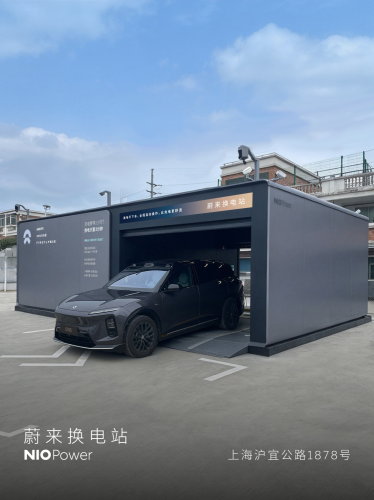
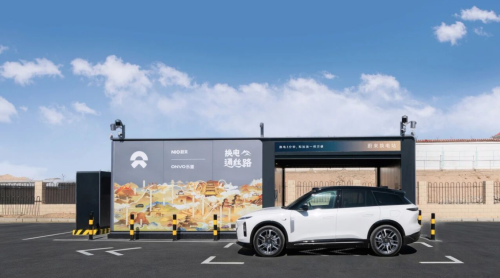
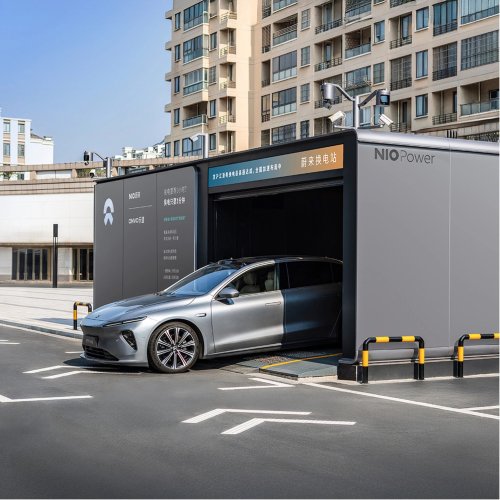
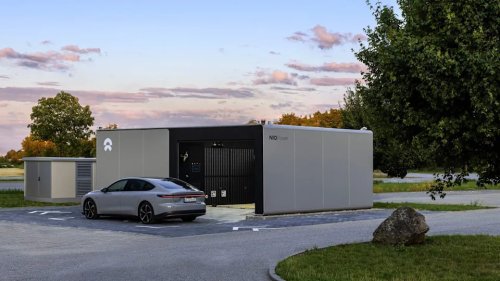
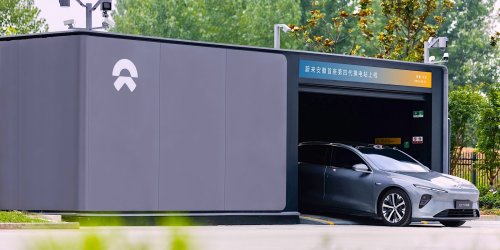
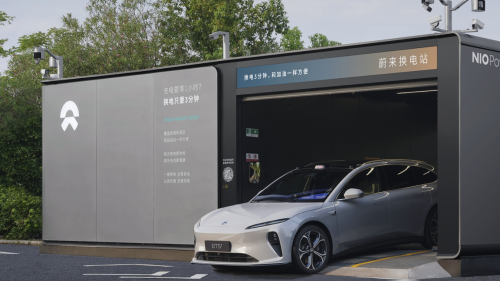
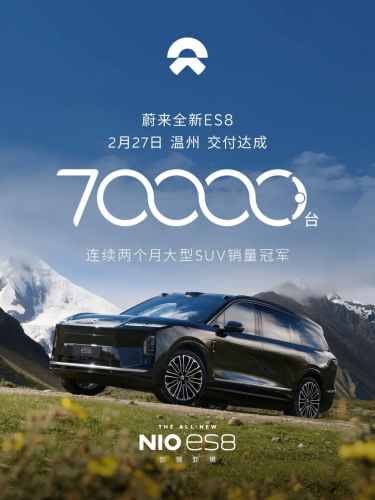
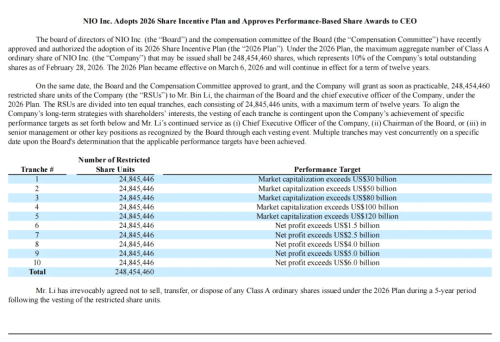
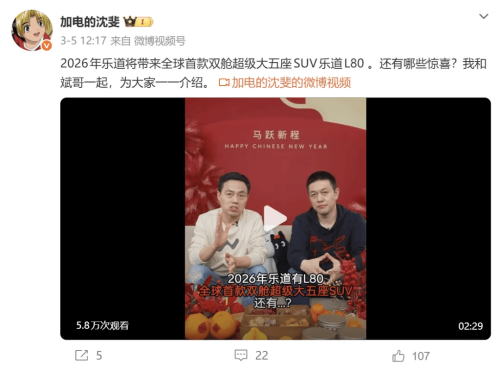
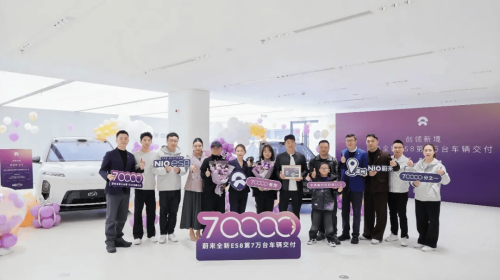
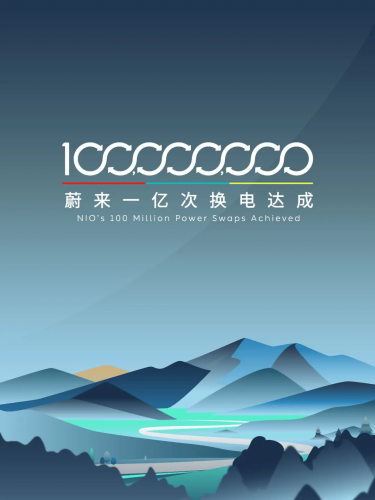
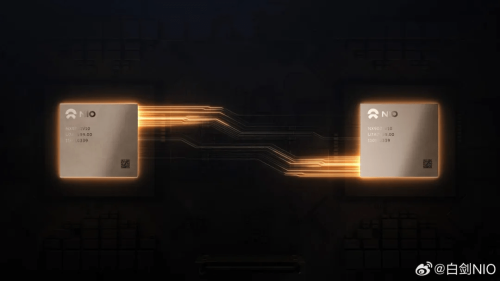
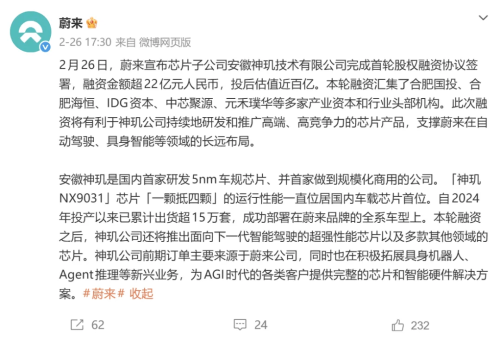
NIO Inc. achieved its first net and operating profits in Q4 2025, marking a significant turnaround after years of losses amid increasing competition. In its 11th year since founding, NIO Inc. reported its first earnings with both net profit and operating profit in positive territory. In the fourth quarter of 2025, NIO recorded operating profit of RMB 1.27 billion ($184.66 million) and net profit of RMB 282.7 million ($41.11 million). It marked the company’s first net profit and a sharp improvement from the net loss of RMB 3.481 billion ($506.38 million) in the third quarter. For NIO—long positioned as a pioneer in premium pure electric vehicles, battery-swap business models and community-driven user operations—the significance of profitability goes far beyond the numbers themselves. The phrase once repeated by CEO William Li—“as soon as this year, at the latest next year”—has now become shorthand among supporters to describe the long-awaited moment when the company finally turned profitable. Yet despite the milestone, Li himself appeared far from relaxed in tone. On the one hand, the fourth quarter of 2025 has already passed and the results are set. On the other hand, the competitive landscape in 2026 remains uncertain, with NIO—like all automakers—still running what Li describes as a “marathon through mud.” Beyond the strong financial report, Li also outlined NIO’s strategy for 2026, including the new ES9, the ONVO L80, a new Shenji chip, and sales targets for the coming year. After achieving profitability, the question becomes how NIO plans to strengthen its competitive position. Tonight’s discussion focuses on Li and NIO’s next phase. In its 11th year since founding, NIO Inc. reported its first earnings with both net profit and operating profit in positive territory. In the fourth quarter of 2025, NIO recorded operating profit of RMB 1.27 billion ($184.66 million) and net profit of RMB 282.7 million ($41.11 million). It marked the company’s first net profit and a sharp improvement from the net loss of RMB 3.481 billion ($506.38 million) in the third quarter. For NIO—long positioned as a pioneer in premium pure electric vehicles, battery-swap business models and community-driven user operations—the significance of profitability goes far beyond the numbers themselves. The phrase once repeated by William Li—“as soon as this year, at the latest next year”—has now become shorthand among supporters to describe the moment when the company finally turned profitable. Yet despite the milestone, Li himself did not appear relaxed in tone. On the one hand, the fourth quarter of 2025 has already passed and the results are set. On the other hand, the competitive landscape in 2026 remains fluid, with NIO—like all automakers—still running what he described as a “marathon through mud.” Beyond the strong financial report, Li also outlined NIO’s strategy for 2026, including the new ES9, the ONVO L80, a new Shenji chip, and sales targets for the coming year. After achieving profitability, the question becomes how NIO plans to strengthen its competitive position. Tonight’s discussion focuses on Li and NIO’s next phase. The third profitable EV startup After eleven years, NIO has finally entered its profitable era. According to its 2025 Q4 earnings report, the company posted net profit of RMB 282.7 million ($41.11 million) and adjusted operating profit of RMB 1.2513 billion ($182.10 million). In Q3, NIO was still reporting a net loss of RMB 3.4805 billion ($506.31 million) and an operating loss of RMB 3.5215 billion ($512.28 million). Both key profitability indicators turning positive marks a milestone for the company. Looking back, Li has effectively delivered on a promise he made six years ago when asked who had the toughest year in 2019. His reply—“NIO will not lose money forever. As long as we survive, we will eventually become profitable”—sparked widespread discussion at the time. Another implication is that NIO, with net profit of RMB 282.7 million ($41.11 million), has become the third profitable Chinese EV startup after Leapmotor and Li Auto. By comparison, NIO’s first profitable quarter exceeded Li Auto’s initial profit of RMB 107.5 million ($15.64 million) in Q4 2020 and Leapmotor’s RMB 80 million ($11.63 million) in Q4 2024. Looking at NIO’s product lineup, the new ES8—with higher margins—was a key contributor. NIO CFO Steven Feng Yu previously disclosed during the Q3 2025 earnings call that the new ES8 carries a gross margin of about 20%, higher than the 15–20% margins of the “5566” models (ET5, ET5T, ES6, and EC6) and the ONVO L90. NIO’s new ES8 hit the milestone of 70,000 deliveries Deliveries of the new ES8 began on September 21 last year. In December alone it delivered 22,256 units, bringing total deliveries to more than 70,000 units so far. With ES8 volumes ramping up, NIO reported a quarterly overall gross margin of 17.5% in Q4 2025, including a vehicle gross margin of 18.1%. At the annual level, NIO achieved an overall gross margin of 13.6%, up significantly from 9.9% in 2024. Organizational reforms over the past year—especially the CBU (Cell Business Unit) structure—played a key role in improving efficiency and reducing costs. In Q4 2025, NIO’s selling, general and administrative expenses totaled RMB 3.5374 billion ($514.76 million), down 27.5% year-on-year and 15.5% quarter-on-quarter. R&D expenses fell 44.3% year-on-year to RMB 2.026 billion ($294.64 million), also declining 15.3% sequentially. This indicates that the CBU structure introduced in 2025 continues to deliver operational improvements. As a result, SG&A expenses as a percentage of cost of sales dropped from 39.6% in Q1 2025 to 23.2% in Q2, 22.3% in Q3 and 12.4% in Q4. Although NIO did not fully meet its earlier goal of reducing quarterly SG&A to 10% of sales costs, the sharp reduction in expense ratios significantly improved the company’s financial performance. William Li’s new compensation plan Alongside its first profitable earnings report, NIO also filed a new executive compensation plan with the SEC, which took effect on March 6 and will remain valid for 12 years. Under the plan, NIO’s board will grant William Li 248,454,460 restricted stock units (RSUs), equivalent to about 10% of the company’s outstanding shares as of February 28 this year. NIO’s incentive plan for CEO William Li The nearly 250 million shares will be divided into ten tranches, each tied to a specific milestone. As long as Li continues serving as CEO, chairman or in another board-approved management role, each milestone achieved in the U.S. market will unlock 10% of the RSUs. The ten targets fall into two categories: NIO’s market capitalization reaching $30 billion, $50 billion, $80 billion, $100 billion and $120 billion. Annual net profit reaching $1.5 billion, $2.5 billion, $4 billion, $5 billion and $6 billion. If NIO eventually reaches a $120 billion valuation and $6 billion in annual net profit, Li will receive the full RSU allocation. Assuming the company’s outstanding shares remain unchanged, the RSUs would be worth about $12 billion. Another condition is that the shares cannot be sold within five years after full vesting. Similar incentive plans exist among the CEOs of China’s major EV startups. In March last year, Xpeng announced a new compensation plan for CEO He Xiaopeng. One-third of the RSU package will vest each time the company maintains share prices of HKD 250 ($32.09), HKD 500 ($64.17) and HKD 750 ($96.26) for 30 consecutive trading days. He Xiaopeng’s plan includes 28.51 million RSUs. Based on the outstanding share count when the plan was announced, the package could exceed HKD 20 billion ($2.57 billion) if all targets are met. Meanwhile, filings from Li Auto show that since 2021, CEO Li Xiang receives 18.09 million shares each time the company achieves annual delivery milestones of 500,000, 1 million, 1.5 million, 2 million, 2.5 million and 3 million vehicles. So far, Li Xiang has achieved the first milestone. However, the compensation plan requires him to personally purchase the shares at an ADS price of $29.26 to unlock the incentive. Compared with peers, William Li’s compensation plan carries the largest potential value among EV startups and also the most demanding conditions, requiring simultaneous growth in scale and profitability. At the same time, Li’s shareholding in NIO is relatively lower among the three companies. Excluding unvested RSUs, the latest disclosed stakes are: William Li 7.9%, He Xiaopeng 18.8%, and Li Xiang 21.9%. The plan implies that the business targets NIO must achieve would rank among the most ambitious in China’s automotive history. The question is where that confidence comes from. Large SUVs leading the charge From a product perspective, 2026 will likely be a breakout year for NIO’s large vehicles and a major product refresh cycle. At the center is the ES9 flagship SUV. The ES9 will debut on April 9. Li said it will have a clear positioning relative to the ET9: “ET9 is our executive flagship and most premium product, while ES9 will be a technology-focused executive flagship SUV.” This suggests the ES9 will be priced between the ES8 and ET9, likely in the RMB 450,000–700,000 ($65,430–$101,780) range, placing it in direct competition with models such as AITO M9 and Zeekr 9X. In addition, NIO will launch a new-generation ES7 this year, continuing as a large five-seat SUV and potentially approaching the size of the third-generation ES8. Following the same strategy, the large five-seat lineup will also include the ONVO L80, previously described by ONVO president Shen Fei as a “dual-cabin super large five-seat SUV.” ONVO L80 Combined with the lidar version of the L90, NIO will have five large vehicles on sale simultaneously this year, covering price points from RMB 250,000 to RMB 700,000 ($36,350–$101,780). Li also revealed that the “5566” lineup will receive 2026 model-year updates, while the L60 continues to rank among the top three in its segment. With large vehicles leading the portfolio, Li said NIO aims for 40–50% sales growth in 2026. Based on 326,000 deliveries in 2025, the target for 2026 would be 450,000–500,000 vehicles. NIO’s new ES8 hit the milestone of 70,000 deliveries As of 2025, only Geely, BYD and Tesla have delivered more than 500,000 pure electric vehicles annually in China. Li emphasized that even during the traditional off-season of January and February, NIO still recorded 90% year-on-year growth, reinforcing confidence in the annual target. Larger vehicles also tend to bring stronger profitability. CFO Steven Feng Yu noted that larger models generally achieve better vehicle gross margins and offer stronger resilience against market volatility. Li added that in the second half of last year, sales of full-electric large three-row SUVs grew 350% year-on-year, while extended-range models declined by 6%. He also said the third-generation ES8 achieved gross margins exceeding 20% in Q4, approaching 25%. With large vehicles as the main driver, NIO aims to achieve positive operating profit for the full year of 2026, compared with an operating loss of RMB 14 billion ($2.04 billion) in 2025. Beyond products, Li also disclosed additional service metrics. For example, NIO plans to add another 1,000 battery swap stations in 2026, maintaining a pace of about 1,000 stations per year. The network currently includes more than 3,815 swap stations and 28,000 charging piles. NIO’s 100 million power swaps achieved This extensive charging and swapping network, along with NIO’s community ecosystem, has created another revenue stream. In 2025, revenue from services and community-related businesses exceeded RMB 10 billion ($1.45 billion). According to Li, this achievement means that although the early rollout of battery swap stations generated operational losses, profits from other businesses have already offset those losses. As vehicle ownership continues to grow in 2026, overall revenue will increase further. Battery swapping and community-driven services remain NIO’s unique competitive moat, though the company’s advantages may extend beyond these areas. A second Shenji chip During the earnings call, Li also revealed more details about NIO’s second Shenji chip. The new chip will also use a 5-nanometer automotive-grade process and has already completed tape-out, though its performance will be slightly lower than the NX9031, roughly equivalent to three Orin X chips. This means “Shenji II” will effectively be a smaller variant of the flagship chip, with performance about 25% lower than NX9031. NIO’s Shenji II”chip This approach is common in the semiconductor industry: a high-performance flagship chip is designed first, and chips with partially disabled transistors are then sold as lower-cost mid-range models. In the graphics card industry, for example, the RTX5090D is derived from the full RTX5090 by disabling certain circuits. Li described the smaller Shenji chip as “significantly lower in cost,” “a strong edge-side inference chip,” and potentially useful in embodied robotics. More importantly, Li revealed that several industry customers have already expressed strong interest and conducted early tests. He added that “it’s not yet convenient to disclose which vehicle models or external clients will use it.” This suggests the chip could reach commercialization sooner than expected and may find applications beyond vehicles. On February 26 this year, NIO’s chip subsidiary Anhui Shenji Technology Co., Ltd. completed its first funding round of RMB 2.257 billion ($328.25 million), valuing the company at more than RMB 8 billion ($1.16 billion). NIO’s chip subsidiary completed its first round of funding Investors include state-backed funds such as Hefei Investment Holdings and Hefei Haiheng, as well as industrial and venture investors including IDG Capital, SMIC JuYuan and Oriza Hua. Li also hinted at another development: “We’ve already started work on the next generation of chips.” For automotive chips built on a 5-nanometer process, many manufacturers are now moving toward 3-nanometer nodes. For example, the Deepal L06 debuted MediaTek’s 3-nanometer cockpit chip. Elon Musk’s next-generation AI5 chip is also expected to use a 3-nanometer process, targeting ten times the computing power of AI4—around 3,600 TOPS. NIO’s first-generation Shenji chip already delivers 1,000 TOPS. How powerful the second generation will be—and whether it can rival solutions from Tesla, Huawei or Nvidia—remains to be seen. For NIO, this technological foundation may ultimately matter more than short-term profitability. After profitability Six years ago, in September 2020, NIO co-founder Qin Lihong said: “We are 12 years behind Tesla. It’s like comparing strength with a five-year-old child—you should compare how strong we were at age five versus how strong they were at age five.” If the market judged NIO strictly by Tesla’s timeline, profitability even in 2027 might have seemed reasonable. But public opinion rarely shows patience for long journeys. Autonomous driving, charging speed and driving range—every measurable metric has been pushed rapidly into competition. Through setbacks, NIO has learned to face reality while maintaining stability in difficult conditions. In August 2025, the company implemented a major restructuring of its battery pricing system. On the opening day of the Chengdu Auto Show, Qin Lihong announced the new pricing strategy while Li addressed user concerns from the company’s Shanghai headquarters. That evening, Li delivered a firm message in a calm tone: “Running NIO well and keeping the company alive is our greatest responsibility to our 800,000 users.” Looking back from the moment of profitability, many such difficult moments now appear as stories of perseverance. But before profits finally arrived, NIO endured years of pressure. In its 11th year, that pressure has finally been transformed into net profit—representing a victory for innovation in China’s automotive business models. After turning profitable, NIO will face even greater expectations. Competition in the new-energy vehicle market is far from settled, and the next quarter will show how far the company can go.



















 +50 others