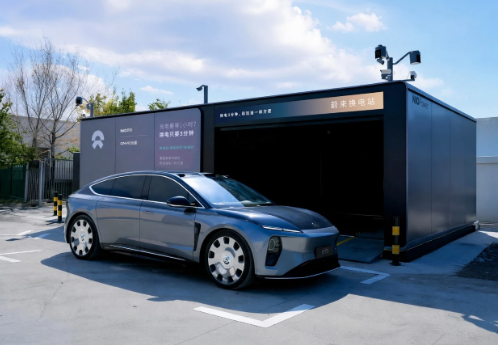
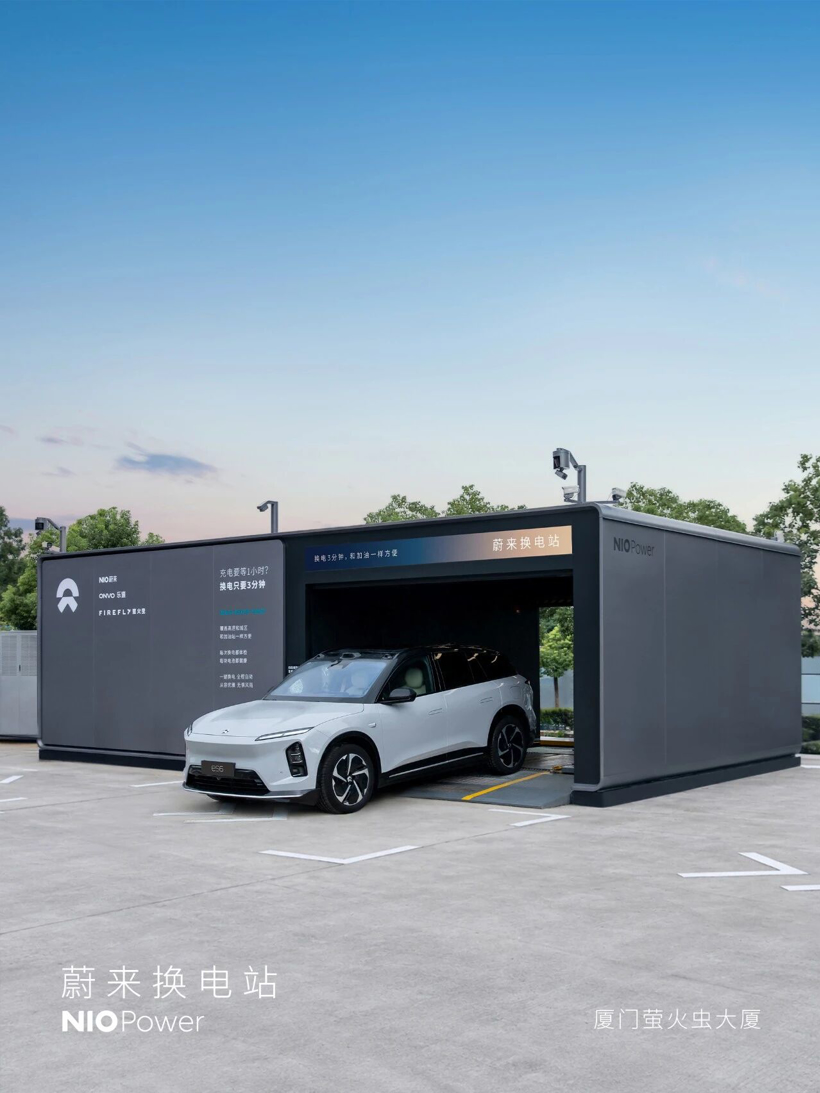
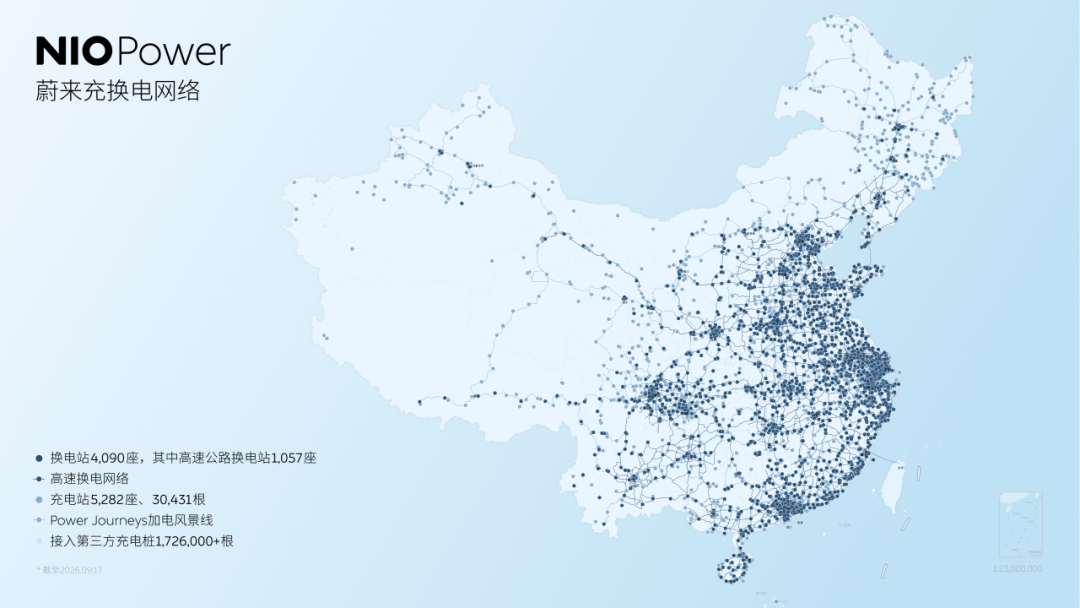
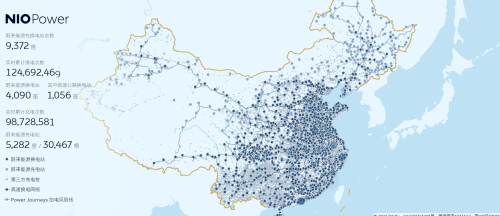
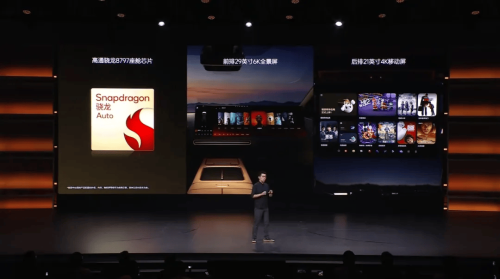
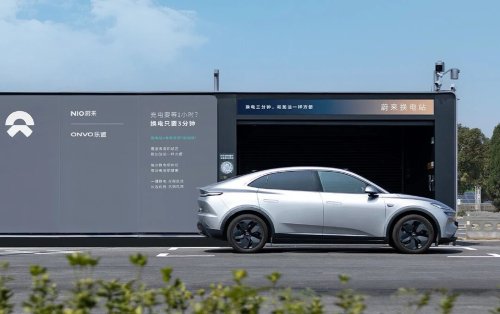
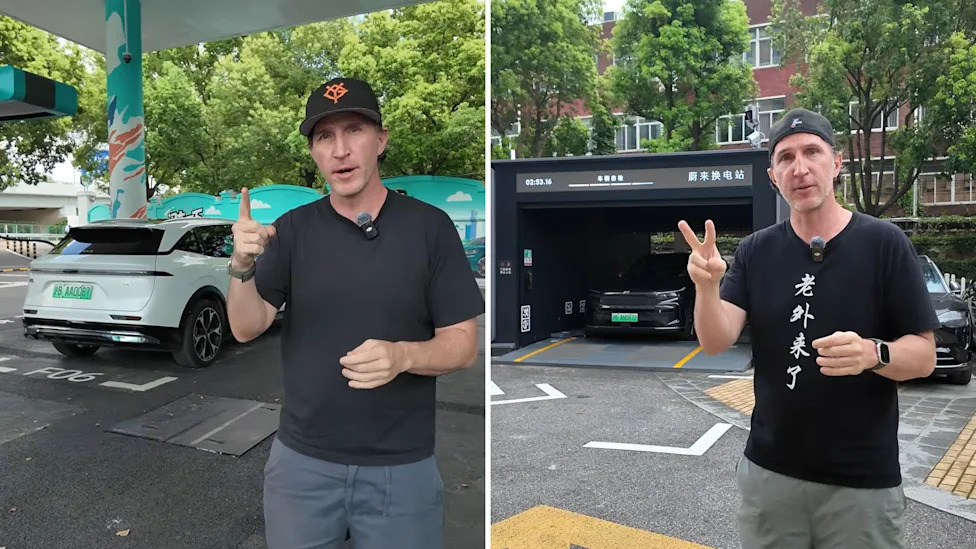
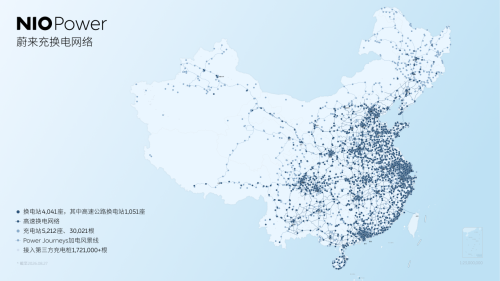
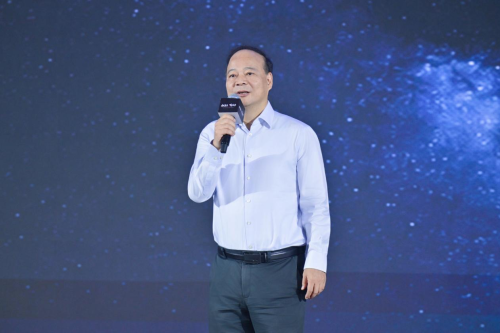
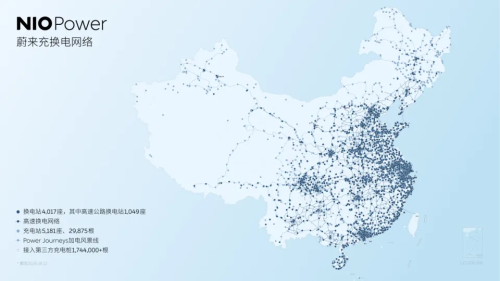
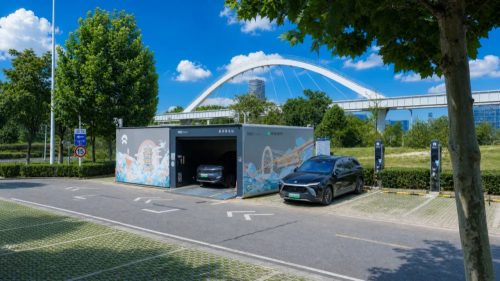
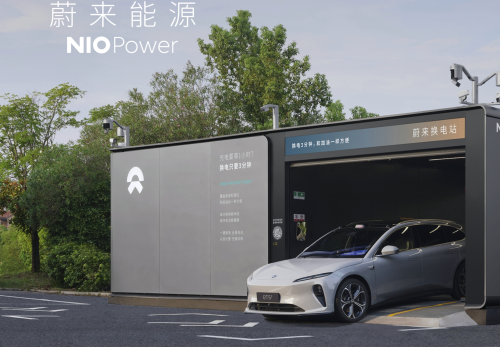
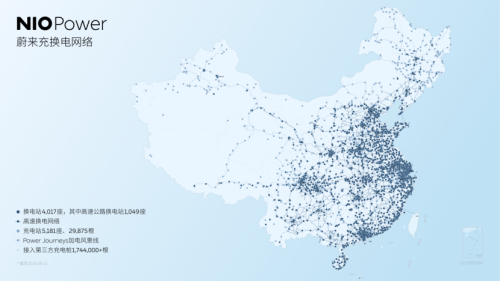
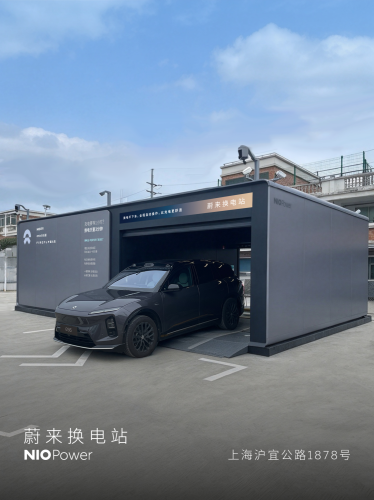
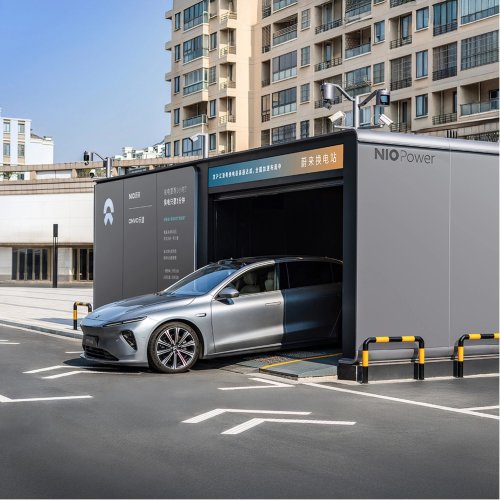
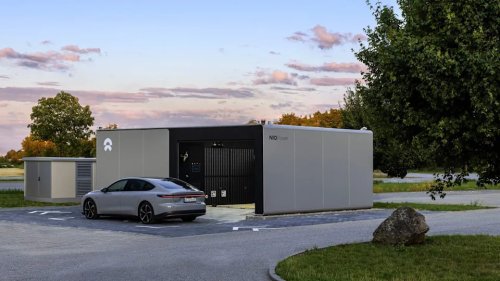
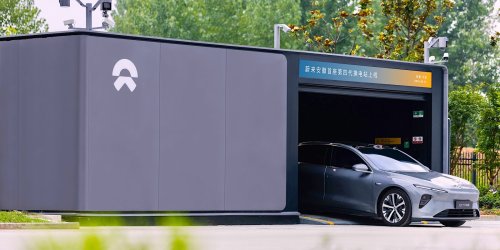
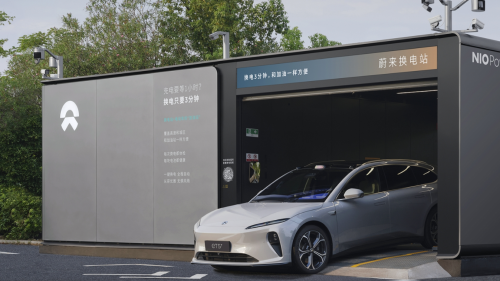
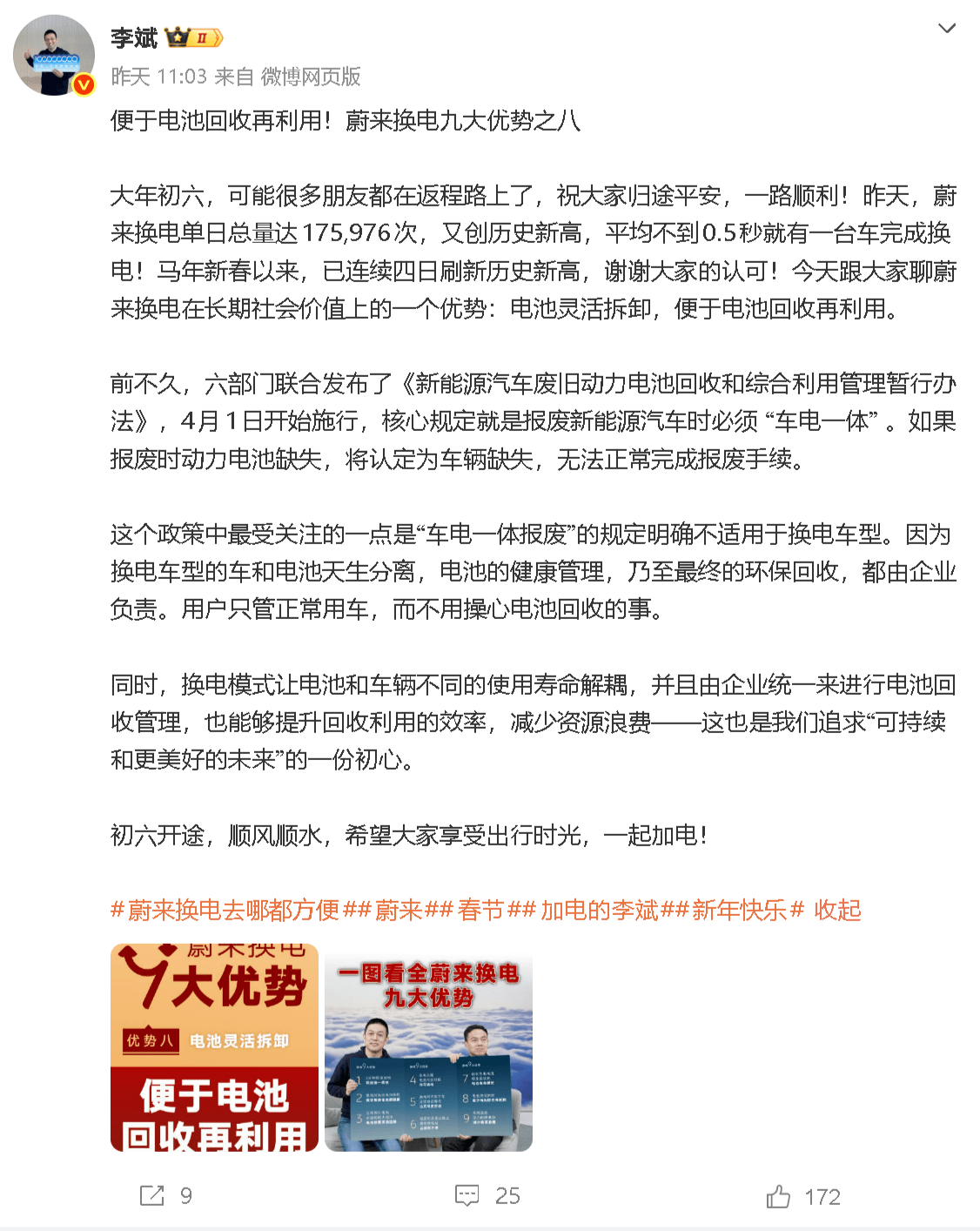
NIO has built over 8,600 charging and swapping stations nationwide, including more than 3,700 battery swap stations and 1,000 along expressways. This morning, NIO released its national battery swap station service data for February 22. The data shows that yesterday, NIO’s nationwide battery swap stations completed a total of 177,627 swaps in a single day, once again setting a new historical record. This marks the fifth consecutive day during the Spring Festival holiday that the daily swap peak has been refreshed. Previously, on February 18 (the second day of the Chinese New Year), NIO had reached 158,290 daily swaps, setting a new record at the time. Then on February 19 (the third day), the figure was refreshed to 165,898. Official data indicates that currently, a swap is completed on average in less than 0.5 seconds, a level of efficiency that stands out particularly against the backdrop of the peak travel periods for both returning home and heading back after the Spring Festival. NIO Battery Swap Volume Hits Record High for 5 Consecutive Days Supporting this massive service capability is NIO’s charging and swapping network. To date, over 8,600 NIO charging and swapping stations have been built nationwide, including more than 3,700 battery swap stations and over 1,000 swap stations along expressways. 9 Key Advantages of NIO Battery Swap (Visualized) Amid the record-breaking swap service figures, NIO CEO William Li issued a statement, once again systematically elaborating on the advantages of the battery swap model in terms of environmental protection and resource recycling. Li mentioned the “Interim Measures for the Management of Recycling and Comprehensive Utilization of Waste Power Batteries for New Energy Vehicles” jointly issued by six government departments. He emphasized that the most noteworthy point in this policy is that the regulation on “integrated scrapping of vehicle and battery” explicitly does not apply to battery-swappable models. Li stated that the swap model decouples the different lifespans of batteries and vehicles, thereby solving the common industry problem where EV battery life is shorter than vehicle body life. From the perspective of recycling efficiency, having enterprises uniformly manage battery recycling can significantly improve efficiency and reduce resource waste. This means that when a NIO vehicle reaches its scrappage standard, the owner only needs to hand over the body to a qualified dismantling company, while the battery, whose ownership belongs to the enterprise, will be uniformly recycled and tested by NIO. Batteries with remaining capacity value can be reassembled for echelon utilization scenarios such as energy storage; those with severe degradation will undergo professional dismantling to extract precious metals. Li Explains Resource Efficiency of Battery Swap Model On February 6, 2026, NIO had just reached the milestone of 100 million cumulative battery swaps. According to NIO, the 100 million swaps have saved users a total of over 83.41 million hours of charging time, averaging more than 88 hours per person; compared to fuel vehicles, they have cumulatively reduced vehicle usage costs by over 26.3 billion yuan, averaging savings of over 27,000 yuan per person. Since first launching its swap service in May 2018, NIO has achieved this goal in 2,819 days, during which it has invested over 18 billion yuan in infrastructure and applied for more than 2,100 swap-related patents.




















 +10 others