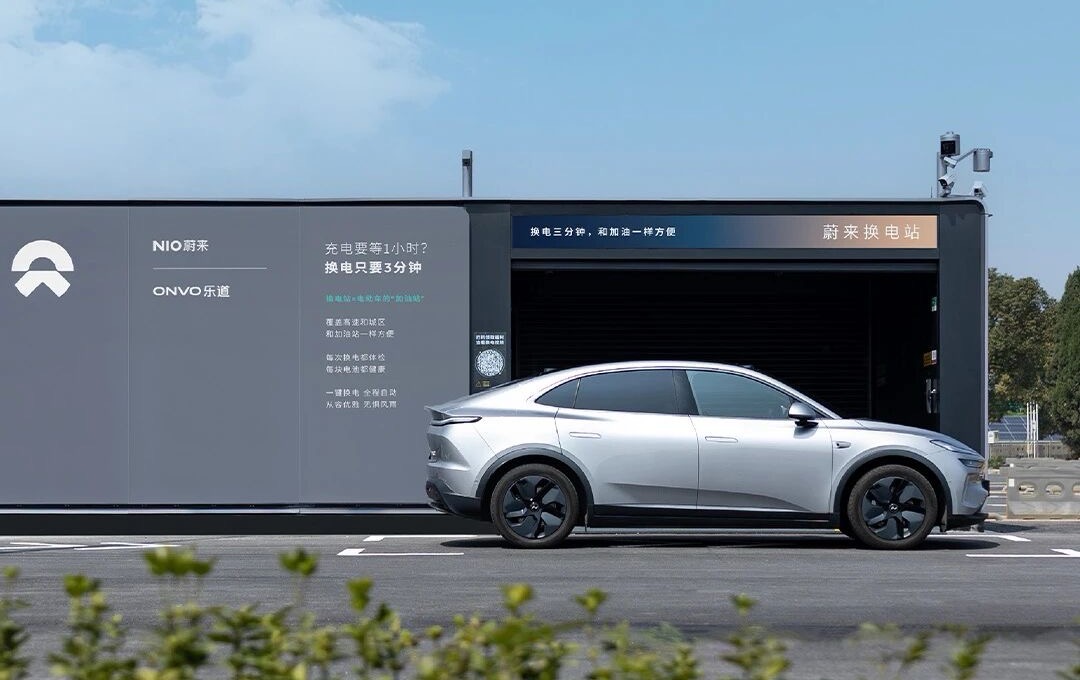
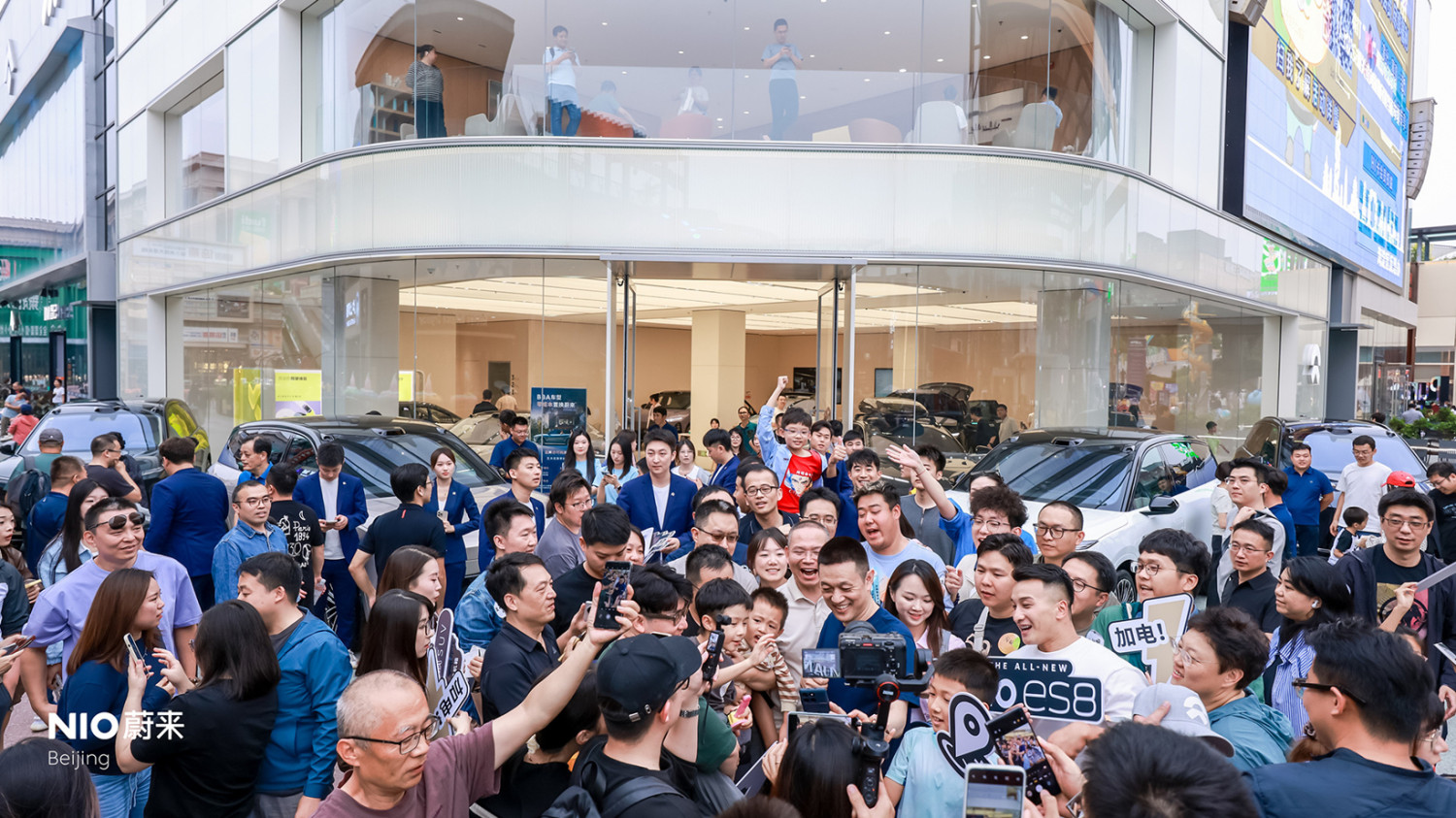
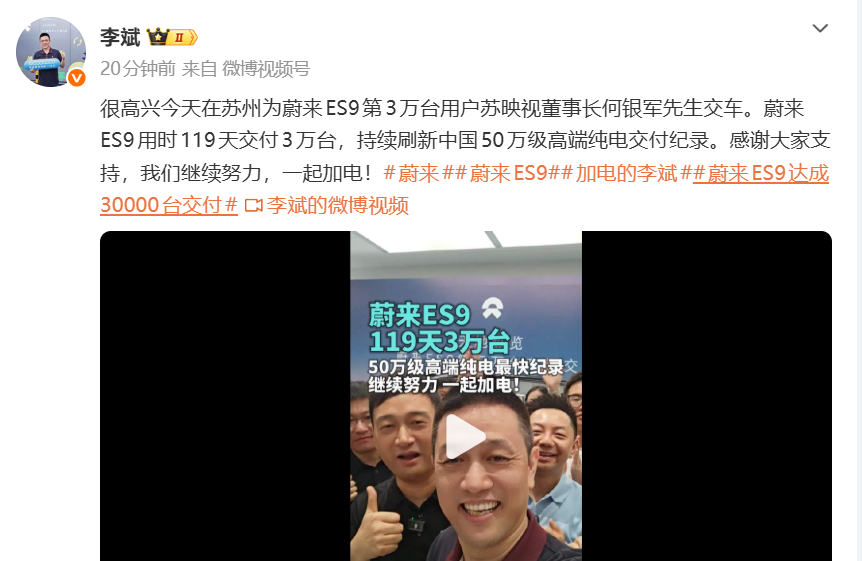
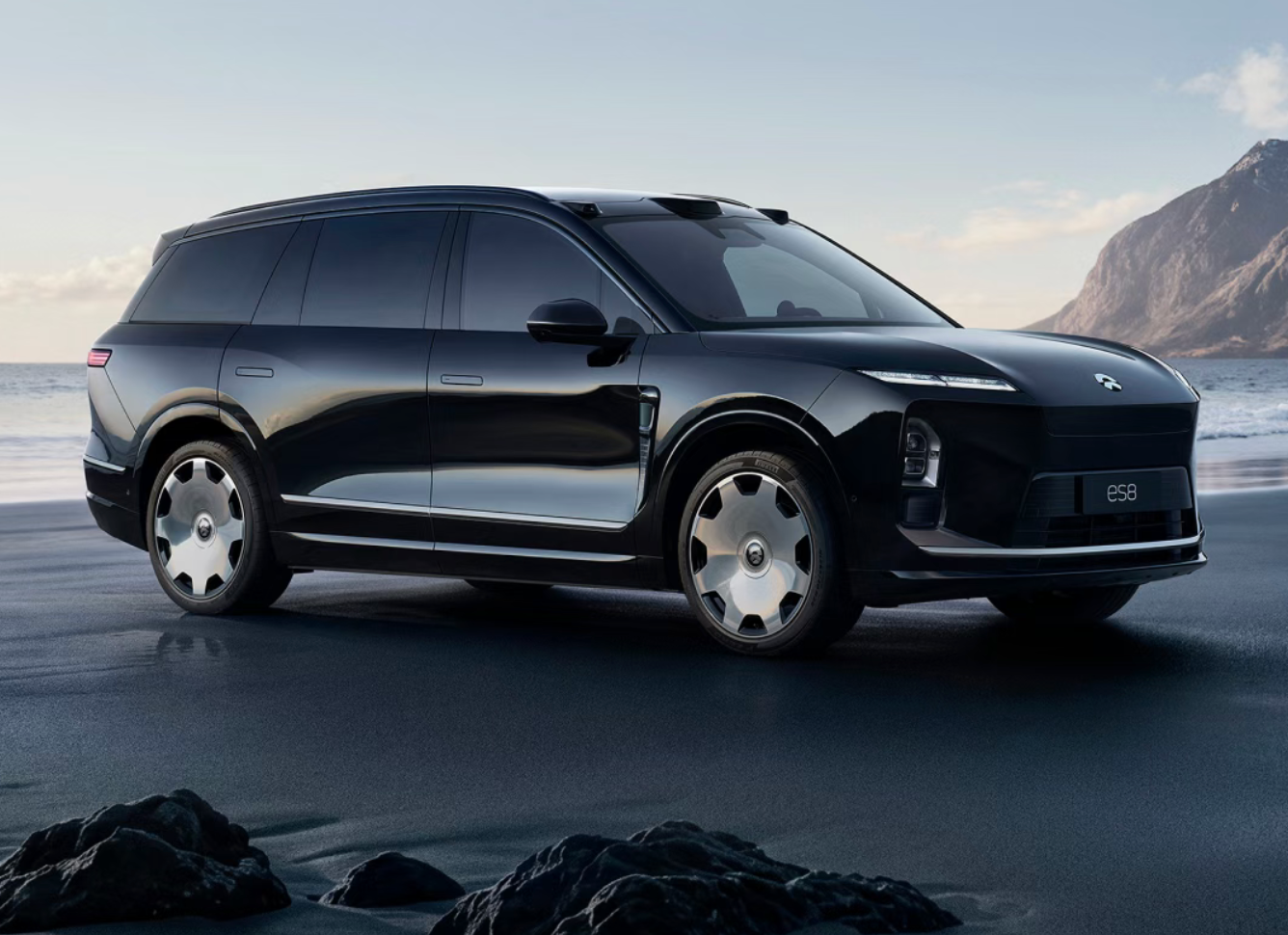
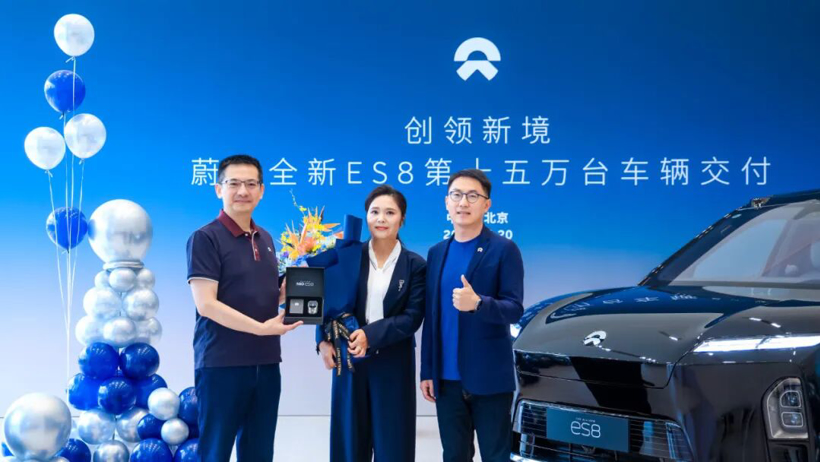
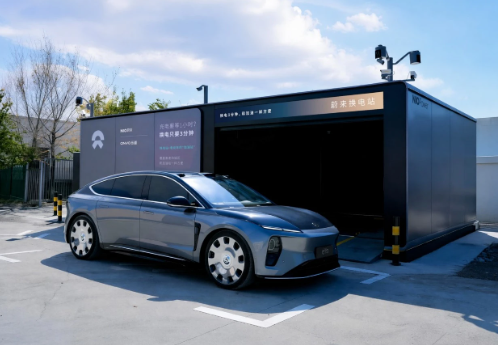
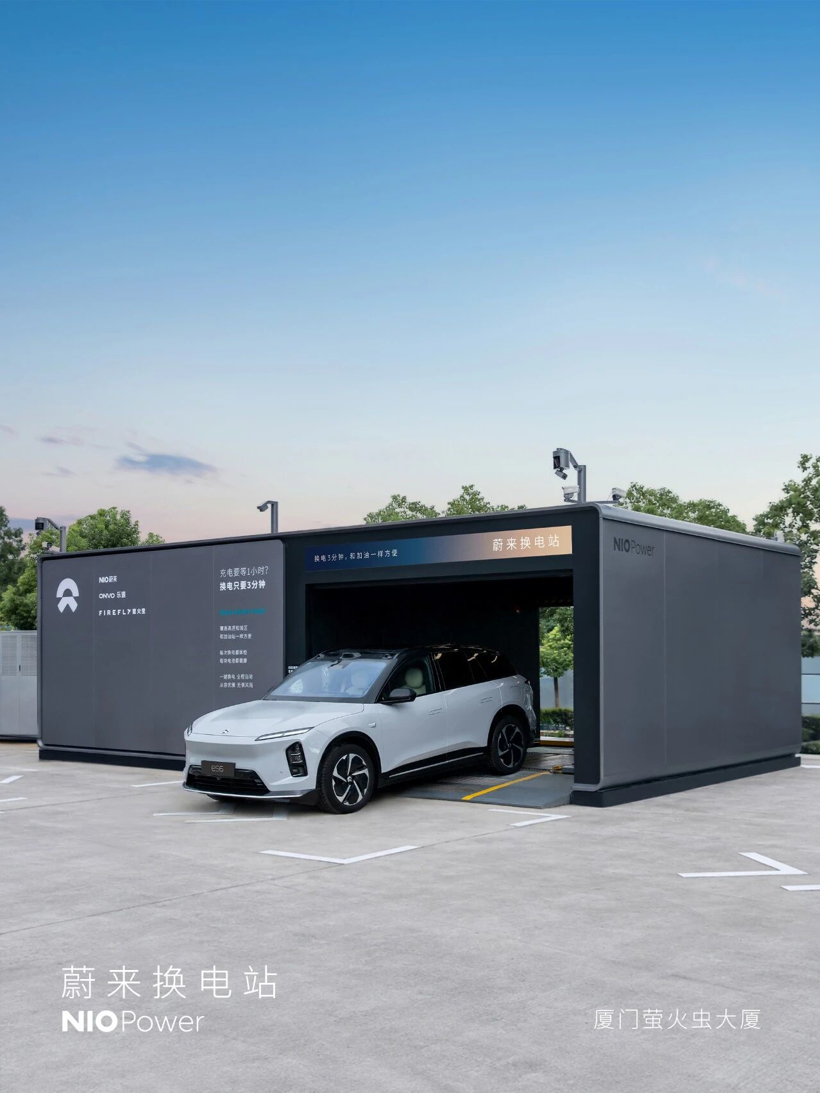
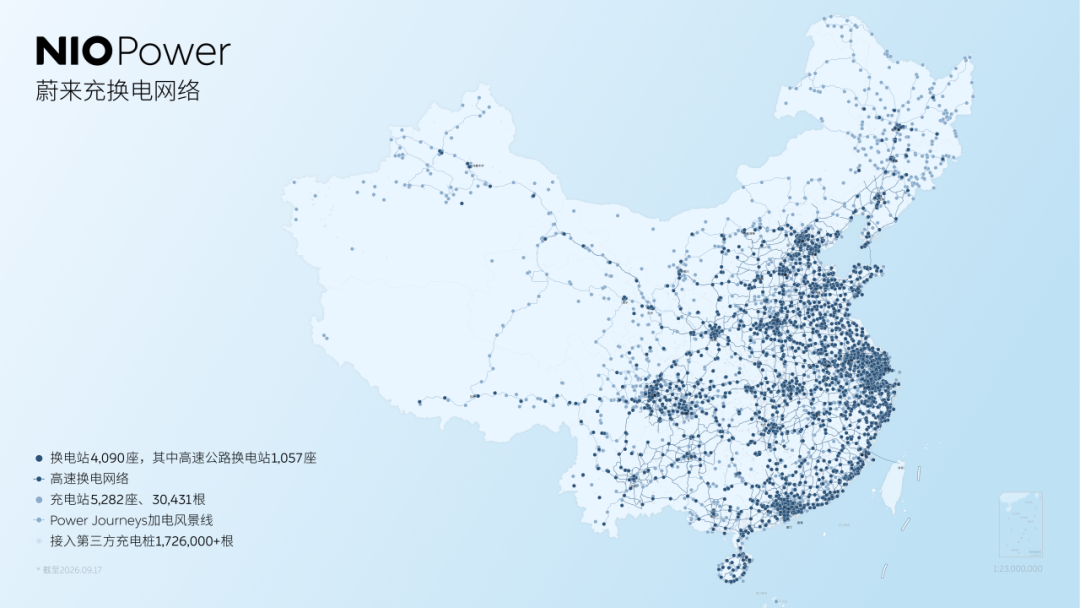
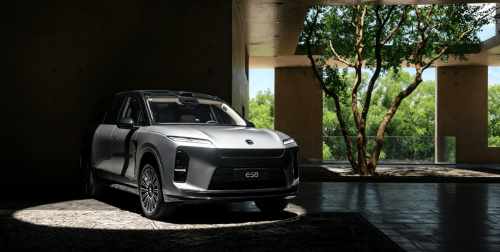
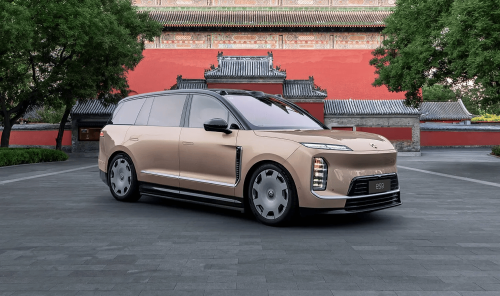
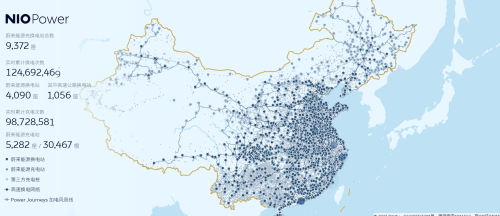
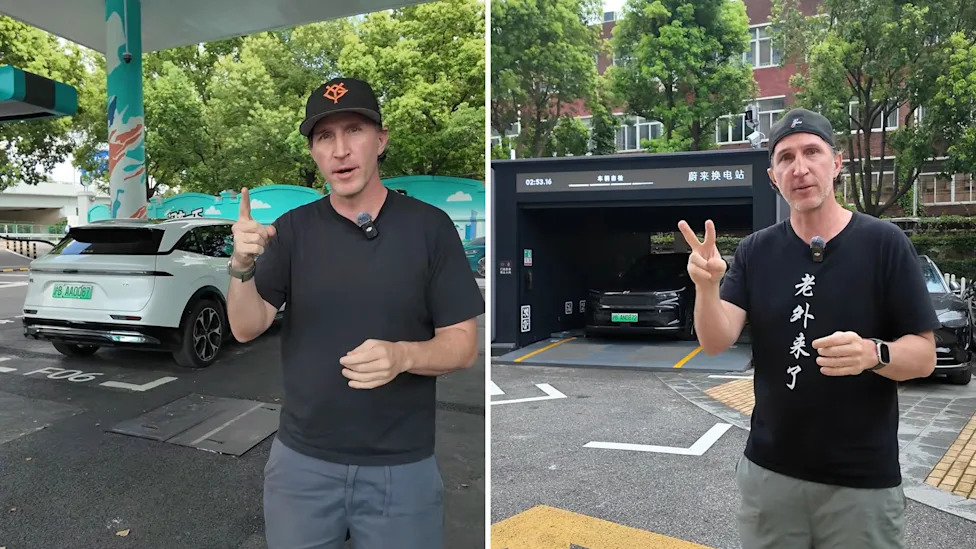
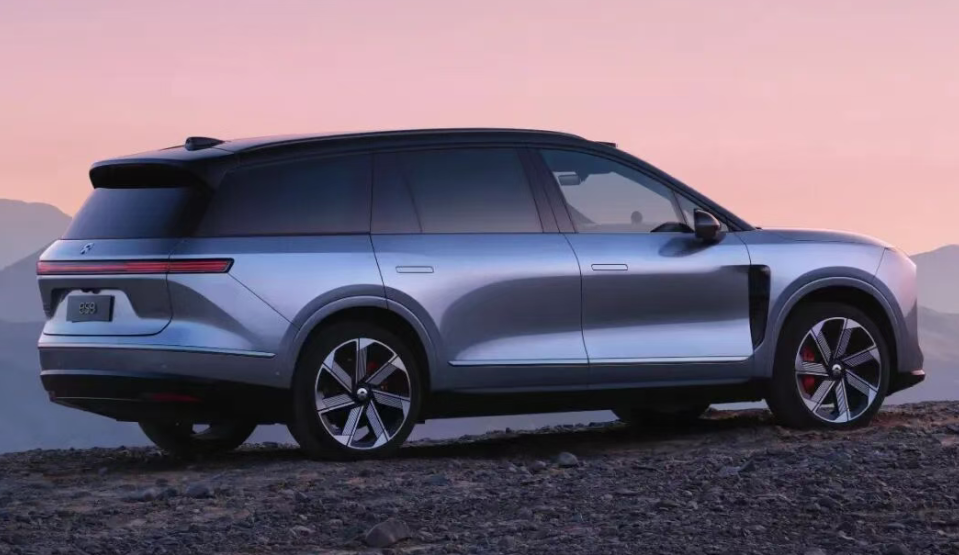
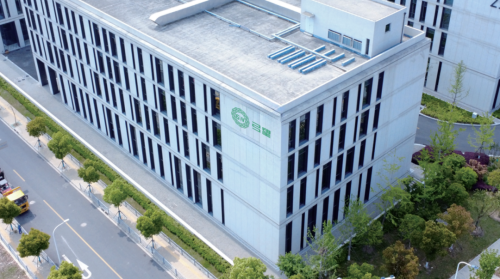
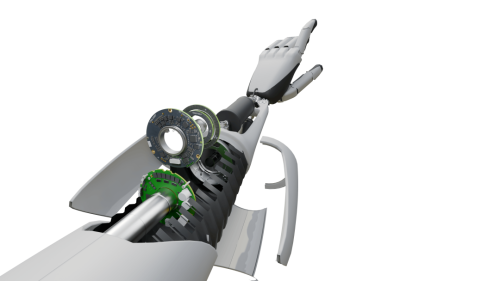
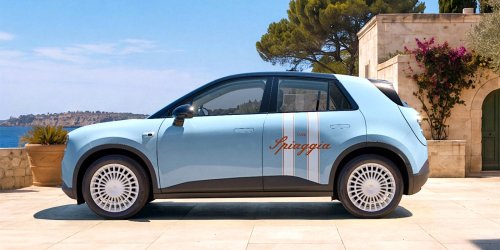
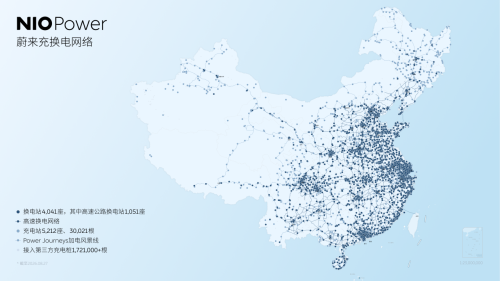
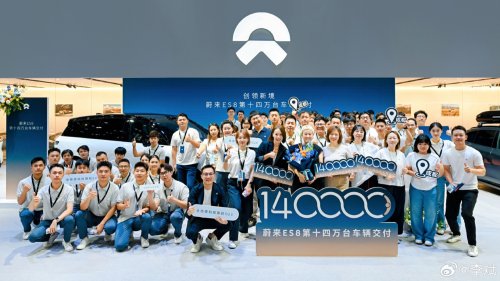
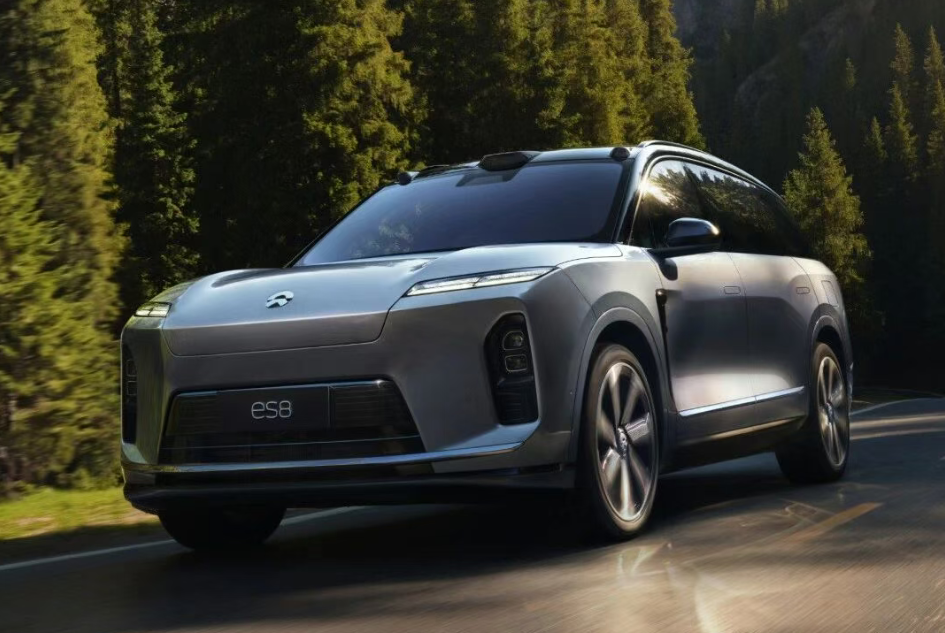
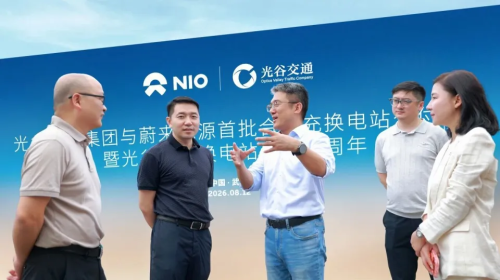
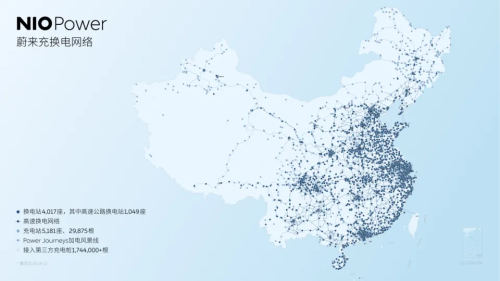
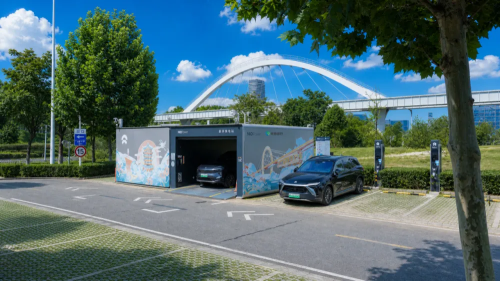
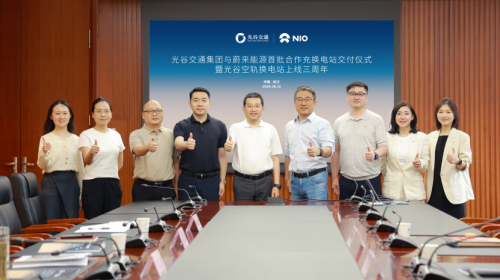
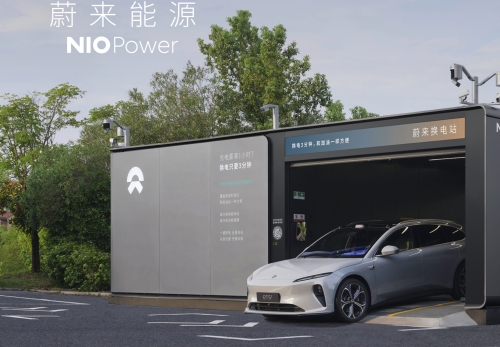
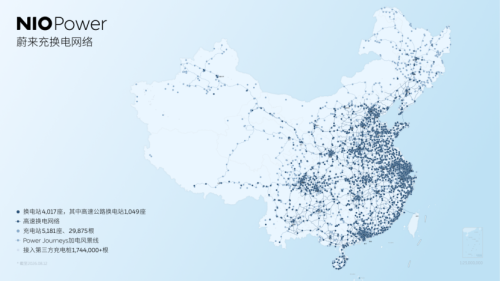
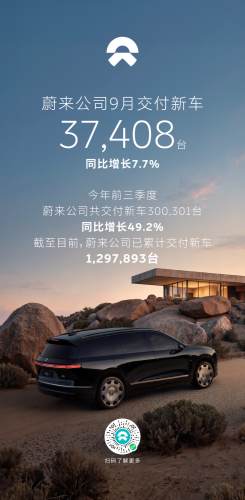
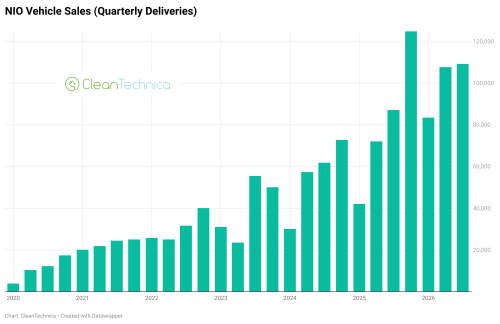
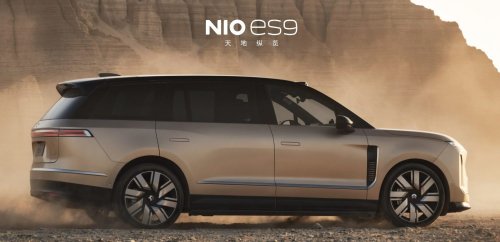
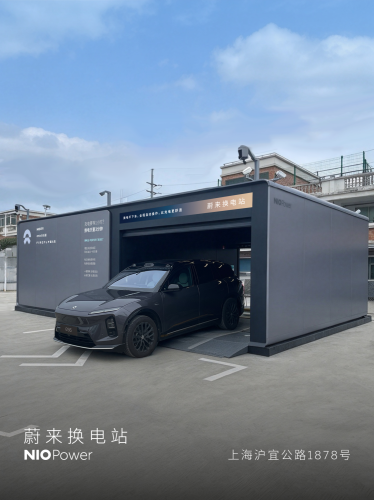
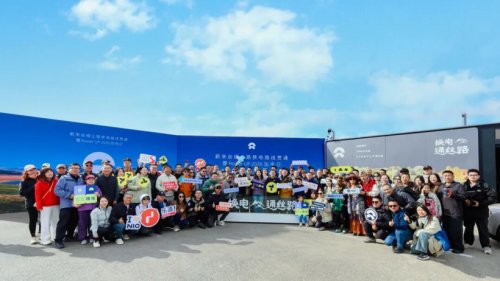
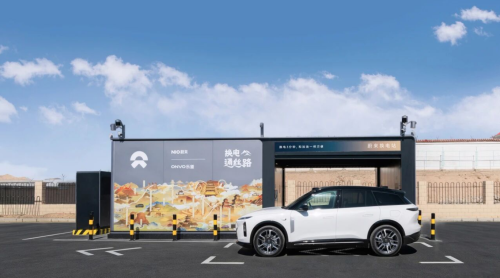
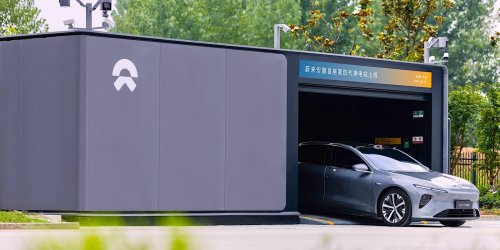
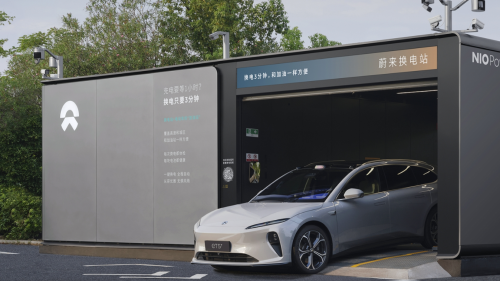
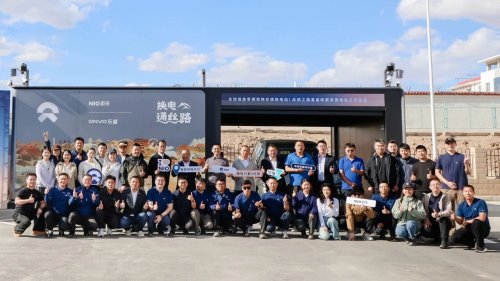
Gasgoo Munich- "The full-electric era is coming."NIO founder William Li is saying it. President Qin Lihong is saying it. ONVO President Shen Fei is saying it too.This isn't a probe or a wait-and-see approach, but a near-certain judgment—firm in tone, grounded in data, and airtight in logic.When the founder, president, and sub-brand president repeatedly hammer home the same view across different forums, it ceases to be a personal opinion. It becomes a strategic consensus for the entire enterprise.NIO's growing stability in 2026 may well stem from this: the path it bet on eight years ago is finally lighting up.More importantly, as the industry rushes to secure sales with range-extended and plug-in hybrid powertrains, NIO remains a rarity among top new-energy players. It avoids range extenders and plug-in hybrids entirely, sticking to a full-electric lineup with battery swapping as its core charging solution.So, to what extent is NIO's stability a gift from the trend, and how much is the payoff of its own capabilities?The full-electric powertrain turning point is here, but battery swapping economics remain a testAny judgment without data backing is just a slogan. Yet 2026 auto market data is providing the most powerful footnote to the claim that "the full-electric era is coming."According to retail data from the China Passenger Car Association (CPCA) for August 2026, the penetration rate of new-energy vehicles reached 65.2%. full-electrics accounted for 45.3%—the only powertrain category to post positive year-on-year growth among the four major types. Internal combustion engine sales plummeted 45%, while range-extended and plug-in hybrids also slipped. In August, monthly full-electric sales hit 8.6 times that of range-extended vehicles.This structural shift is unfolding even as the sector faces broad pressure.From January to August 2026, cumulative domestic passenger vehicle retail sales totaled 11.72 million units, down 20.8% year on year. In the first half, average profit margins for automakers were squeezed to around 1.5%.That full-electric vehicles became the sole growth category against the current is the standout signal of the 2026 market.However, most leading automakers do not subscribe to the "full-electric only" theory. Li Auto has shifted from range extension to a dual-strategy of "range-extended plus full-electric." BYD is advancing on both plug-in hybrid and full-electric fronts. XPENG launched range-extended products in late 2025, and Xiaomi introduced its "Pengcheng" range-extended series in 2026.Within the full-electric camp, Tesla, like NIO, is sticking to the full-electric route.Image source: NIOIt is worth noting that NIO's "uniqueness" is both a differentiator and a concentration of strategic risk.In an internal all-hands speech on September 8, William Li offered a clearer forecast:New-energy penetration is likely to breach 70% in the fourth quarter, with monthly full-electric penetration having a shot at exceeding 50% before year-end. By 2030, 90% of new car sales will be new-energy vehicles, and within that, 90% will be full-electric.Qin Lihong, meanwhile, judges that the full-electric share will break 50% in about a year, adding that "the range-extended dividend is fading."These forecasts represent the view of NIO's management, though differing voices remain within the industry.Still, structural changes in niche markets are even more drastic. In an August media interview, Qin Lihong noted that in the large five-seat SUV market, the sales ratio of full-electric to range-extended vehicles has flipped from 1:23 in the first quarter of 2025 to 8:1 in June 2026. In the large three-row SUV market, full-electric sales have surpassed range-extended sales for 11 consecutive months.If sticking to full-electric is NIO's strategic choice, then battery swapping is its deepest moat. Today, however, the economics of that moat remain to be proven.Recently, on August 7, NIO's 4,000th battery swap station—also its first fifth-generation site—opened in Quanzhou, Fujian. The first batch of fifth-generation stations went live in seven cities including Beijing, Shanghai, and Guangzhou, with FIREFLY officially joining the swap network. That day, total swap services surpassed 120 million, with cumulative swapped electricity reaching 6.35 billion kWh.Notably, the fifth-generation station supports wheelbases up to 3.5 meters, enabling compatibility across the full lineups of NIO, ONVO, and FIREFLY.As of August 7, NIO had deployed 9,166 charging and battery swapping stations nationwide, including 4,006 swap stations and 5,160 charging stations. Highway swap stations totaled 1,049, knitting together a "9 vertical, 11 horizontal, 16 major urban clusters" highway swap network.Additionally, NIO is advancing its "county-to-county" battery swap network coverage, achieving this in 9 provincial-level regions by May 2026.The economics of battery swapping need to be viewed from two angles:NIO emphasizes that swapping can generate revenue through the spread between peak and off-peak electricity prices.Shen Fei stated that in regions like Zhejiang, the profit spread is about 1.2 yuan per kWh per battery, translating to roughly 20,000 yuan in annual profit per battery pack. Swapped electricity volume was over 2 billion kWh last year and will exceed 3 billion kWh this year. Construction costs for the fifth-generation station have dropped to the million-yuan level, while operating costs have fallen by about 30%, pushing the break-even point down from 60–70 swaps to around 45.However, third-party statistics show the national daily average per station is around 28 swaps—a significant gap from the static break-even point of 45 for the fifth-generation station.Industry calculations indicate that over 80% of swap stations have not yet reached profitability, with only those in core urban areas of first-tier cities and major highway hubs meeting the target.NIO has previously acknowledged on earnings calls that its station layout was loss-making and required subsidies from profits in services and community operations.Another variable not to be ignored is the competition from ultra-fast charging. With the proliferation of 800V high-voltage platforms and the mass production of 4C/5C ultra-fast charging batteries, the time gap between charging and swapping has narrowed from hours to minutes. Swapping's "speed" is shifting from an exclusive advantage to a relative one.Ultimately, the economics of the swapping model depend on fleet size and station utilization—a challenge NIO must still face.Three brands ramp up, R&D pulls back: The other side of growthOn the product and market front, NIO's three brands now span the 100,000 to 700,000 yuan price range.The NIO brand focuses on the premium market above 300,000 yuan, ranking first in the segment above 400,000 yuan in the first half of 2026, with an average selling price exceeding 430,000 yuan in July. Since its launch in late September 2025, the all-new ES8 has delivered over 140,000 units in about 11 months. The ES9 has topped sales in the 500,000-yuan full-electric class for three consecutive months.ONVO targets the mainstream family market between 150,000 and 300,000 yuan. With an average transaction price of around 240,000 yuan, it has approached 200,000 deliveries in less than two years.FIREFLY holds roughly 70% of the premium small car market, leading its segment in market share for 15 consecutive months.From January to August 2026, NIO Inc. delivered 262,893 vehicles cumulatively, a 57.9% year-on-year increase, with all three brands hitting record highs. First-half revenue reached 57.67 billion yuan, up 85.8%, ranking third in domestic sales revenue among Chinese brands, behind only BYD and Geely.Full price-range coverage means head-to-head competition with BYD, Tesla, Li Auto, and Xiaomi across multiple segments. The 150,000 to 300,000 yuan bracket occupied by ONVO is the largest single market, with total sales approaching 10 million units, and also the most fiercely contested price band. The premium market, meanwhile, faces sustained counterattacks from German luxury brands (BBA) and domestic automakers.Multi-brand synergies are the primary driver of NIO's growth in 2026, but whether each brand can hold its ground in its respective price band remains to be seen.Technologically, the ES9, launched in May 2026, features the "Cedar" intelligent system, the world's first 5nm automotive-grade flagship smart-driving chip "Shenji NX9031," and the vehicle-wide operating system "SkyOS." The ES8 large five-seat version, launched in July, is built on a global 900V high-voltage architecture and comes standard with a 102 kWh battery.Image source: NIOFull-stack self-development brings direct cost reductions: mass production of the Shenji chip lowered smart-driving hardware costs per vehicle by about 10,000 yuan.Another noteworthy aspect is the contraction in R&D spending: NIO's R&D expenses have been compressed from roughly 10.6 billion yuan in 2025 to a range of 2 billion to 2.5 billion yuan per quarter. Li claims this spending efficiency matches or exceeds the results of peers spending 30 billion to 40 billion yuan.Amid a price war and profit pressure, this can be understood as "trading efficiency for profit," but the impact of reduced R&D on long-term technological leadership remains a variable the industry is watching closely.Regarding the second growth curve, NIO's services and community business broke the 10 billion yuan revenue mark for the first time in 2025, reaching 5.8 billion yuan in the first half of 2026. It has been profitable for multiple quarters, with profits sufficient to cover infrastructure investment. In smart-driving subscriptions, nearly 20% of used-car users are paying for the assisted driving system.Such "installed-base businesses" rely on cumulative user scale. While currently limited in volume, their growth elasticity requires continued observation.Profit quality and the final lap: Where is NIO now?In the fourth quarter of 2025, NIO achieved its first quarterly operating profit. At the time, doubts lingered: was this a one-time financial sleight of hand, or a genuine turning point?The following two quarters provided the answer. In Q1 2026, vehicle gross margin hit 18.8% and overall gross margin 19%—both four-year highs. In Q2, total revenue reached 32.14 billion yuan, up 69.1% year on year, with deliveries of 107,658 vehicles, up 49.4%. Automotive gross margin held steady at 18.5%.With three consecutive profitable quarters and sustained positive operating cash flow, cash reserves have rebounded from 45.9 billion yuan at the end of 2025 to 56.7 billion yuan.It is reported that NIO's profit improvement stems mainly from higher margins and cost control, though rising raw material and memory chip costs, along with the industry price war, remain persistent operational pressures.What cannot be ignored is that behind this profit improvement lies a shift in NIO's internal operations.Image source: NIOLi has demanded the entire staff move from "storytelling" back to "number-crunching." He shared a specific detail: a research project that industry standards would have funded with 30 million yuan was initially proposed at 20 million yuan. After his personal intervention, it was achieved for just 2 million yuan. This is "100-million-fold cost thinking"—any single yuan saved, multiplied by an expected scale of one million vehicles, is enough to sway decisions. The fully implemented CBU mechanism splits the company into independently accountable business units, each with clear ROI metrics.Strategically, Li has defined the next three years as "focusing on the core business, the high-end, and core markets." He stated that there will be significant new model launches next year, the swap network will continue its "county-to-county" expansion, and areas like embodied intelligence will be pursued via strategic investment rather than becoming core businesses.In face-to-face exchanges, he summed up the keywords for the next three years: persist in full-electric, persist in battery swapping, and persist in the CBU mechanism.At the industry level, Li judges that the Chinese auto sector has entered "the cruelest phase of the finals," predicting that only about 8 automakers will survive stably in the next 3 to 5 years.This judgment finds both resonance and disagreement within the industry. Players like BYD, Geely, Tesla, the Huawei alliance, and Xiaomi vary vastly in scale and resources, meaning the final landscape is far from settled.Cao Guangping, partner at Chufu Consulting, said in an interview with Gasgoo that NIO is one of the few top automakers sticking exclusively to full-electric—and arguably the only one championing battery swapping. Objectively, it needs the judgment that "full-electric is here" to be true, just as it needs battery costs to keep falling and swap scale effects to amplify. The endgame for swapping still depends on cost, efficiency, and fleet size.Overall, for NIO, there are three key variables for the coming years: whether per-station utilization can cross the break-even line as the installed base grows; whether the three brands can withstand the pincer attack from BYD, Li Auto, Tesla, and Xiaomi in their respective price bands; and whether technological and product leadership can endure after R&D cuts.Conclusion: The route is verified, the model awaits proofNIO's "stability" is not conservatism, but composure born of clarity. It hasn't wavered between trends; instead, it has spent eight years turning a difficult but correct path into its own barrier to entry.Objectively, "the right route" doesn't equal "a working model." The economics of swapping, the market share of multiple brands amid fierce competition, and the sustainability of profits are all subjects NIO must continue to prove in the coming quarters.The industry's endgame has not arrived. NIO's stability is a phase-specific achievement; it stands on a trend that favors it, but whether it can survive the final lap depends on its ability to keep answering these unanswered questions with data.The full-electric era is coming. NIO is already standing there.