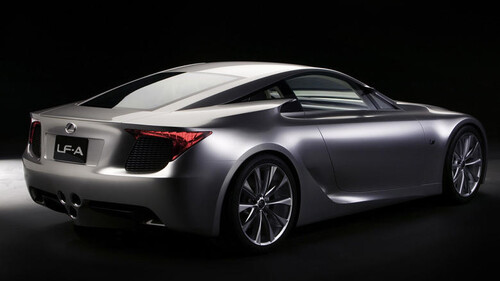
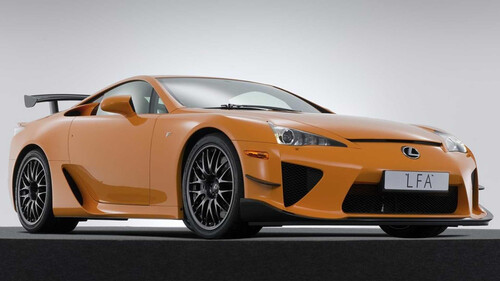
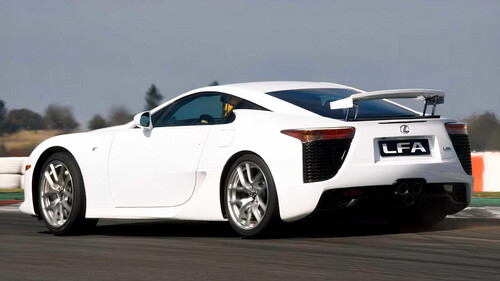
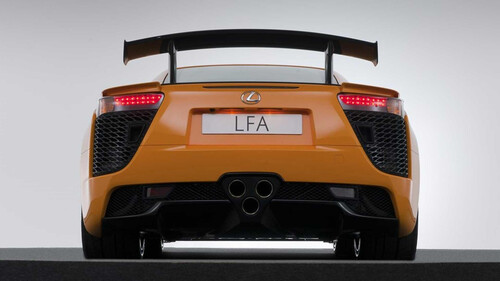
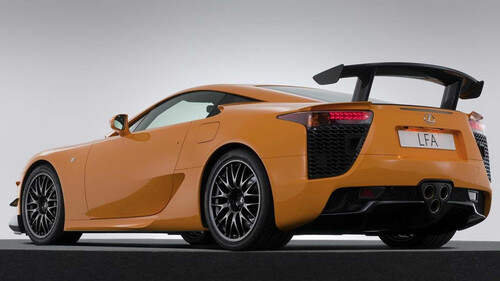
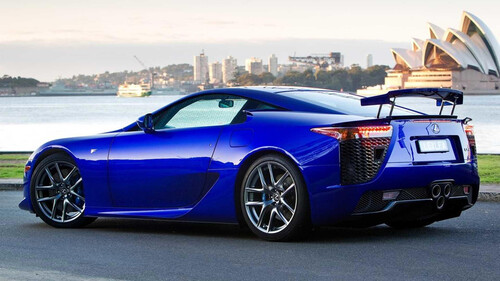
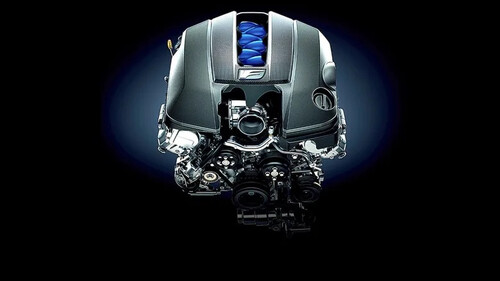
The engine inside the Lexus LFA that sounds like nothing else on earthThe Lexus LFA is not just a supercar; it is a symphony on wheels, renowned for its unparalleled engine sound. At the heart of this masterpiece lies a 4.8-liter V10 engine that captivates automotive enthusiasts and casual drivers alike with its distinctive auditory profile. Every time I hear that engine roar, I am reminded of the meticulous engineering that brought this vehicle to life and the passion that fuels its legacy. The Genesis of the LFA The Lexus LFA was born out of a vision to create a supercar that combined luxury with unbridled performance. Its development began in the early 2000s, spearheaded by a small group of dedicated engineers at Toyota who sought to elevate the Lexus brand beyond its traditional luxury roots. This initiative was not merely about building a fast car; it was about crafting an experience that would resonate with car enthusiasts around the world. To achieve this ambitious goal, Toyota enlisted the expertise of notable figures from the motorsport community, including former Formula 1 engineers. Their insights were crucial during the design and testing phases, allowing the team to address key challenges such as weight distribution and aerodynamics. The LFA’s development story is filled with milestones, from initial concept sketches to the final production model, reflecting a relentless pursuit of perfection. The Heart of the LFA: Engine Specifications At the core of the LFA is a robust 4.8-liter V10 engine, an engineering marvel that delivers exceptional performance. This powerhouse produces an impressive 552 horsepower at 8,700 RPM and 354 lb-ft of torque. The engine’s high-revving nature is one of its most remarkable features, allowing it to reach a staggering redline of 9,000 RPM. This specification not only positions the LFA as a formidable competitor in the supercar segment but also sets it apart from more conventional engines. When comparing the LFA’s engine to others in its class, such as the Ferrari 458’s 4.5-liter V8 or the Lamborghini Gallardo’s 5.2-liter V10, it becomes evident that the LFA’s engineering is unique. While many supercars focus on raw power, the LFA strikes a balance between performance and sound quality, making it a standout in the realm of high-performance vehicles. The Unique Sound Profile The sound of the LFA’s engine is nothing short of mesmerizing. It has a distinctive pitch that can only be described as a harmonious blend of high-frequency wails and deep growls. This complex sound profile is a product of the engine’s unique configuration and tuning, resulting in an audio experience that captivates enthusiasts and casual observers alike. When I first heard the LFA on the track, the sound reverberated through my chest, creating an emotional connection that is hard to forget. Several factors contribute to this remarkable auditory signature. The engine’s design includes a bespoke exhaust system that utilizes lightweight materials to reduce weight without compromising sound quality. The tuning of the intake and exhaust systems is also critical, allowing the engine to produce a sound that is both aggressive and refined. When compared to other iconic engines, such as the throaty V8s and distinctive flat-sixes, the LFA’s sound stands alone as a true testament to engineering prowess. For those who appreciate automotive sound, the LFA is a masterpiece worth experiencing firsthand. Engineering Marvel: The Technology Behind the Sound One key aspect of the LFA’s audio excellence lies in its innovative exhaust design. Engineers employed advanced technology and high-grade materials to create an exhaust system that minimizes back pressure while maximizing sound quality. This approach not only enhances the engine’s performance but also ensures that the sound produced is nothing short of extraordinary. The use of titanium in the exhaust system is particularly notable, as it helps to keep the weight down while amplifying the engine’s signature roar. Additionally, the tuning of the engine’s intake system plays a vital role in shaping its sound. The intake manifold is meticulously engineered to optimize airflow, allowing the engine to breathe freely at high RPMs. This engineering philosophy is encapsulated in the LFA’s mantra of “no compromises,” which reflects Toyota’s commitment to pushing the boundaries of what is possible in automotive design. By focusing on every detail, from materials to design, the LFA achieves a level of sound quality that is rarely matched in the automotive world. Driving Experience: Sound as a Feature The LFA’s engine sound is not merely an auditory experience; it plays a crucial role in the overall driving experience. As I sat behind the wheel, I found that the engine’s symphony heightened my senses and made every drive feel like an event. It is this unique audio feedback that enhances the connection between the driver and the machine, turning a simple journey into a thrilling adventure. User testimonials echo this sentiment, with many drivers praising the emotional connection established through the engine’s sound. Reviews consistently highlight how the LFA’s auditory feedback enhances the driving experience, making it a car that is not just about speed but also about the joy of driving itself. Enthusiasts often describe the LFA as a car that allows them to feel every rev, every acceleration, and every shift as if they were part of the machine. This immersive experience is one of the many reasons the LFA has secured a special place in automotive history. The LFA’s Place in Automotive Culture The impact of the LFA on car enthusiasts and the supercar community cannot be overstated. It has become a symbol of what can be achieved when passion meets engineering excellence. Its unique blend of luxury and performance has garnered it a devoted following, and many consider it one of the best supercars ever made. The LFA has not only inspired a loyal fan base but has also influenced the design and engineering of subsequent Lexus models. Recognition for the LFA extends beyond the enthusiast community, as it has received numerous awards for its engineering excellence. From accolades for its innovative design to recognition for its performance, the LFA has consistently stood out in automotive circles. Its legacy is further solidified by its role in shaping Lexus and Toyota’s future models, as the principles and philosophies honed during the LFA’s development continue to inform their approach to performance and sound engineering. Comparative Analysis: LFA vs. Competitors When evaluating the LFA’s engine sound in comparison to its competitors, it’s essential to consider how it stacks up against other high-performance vehicles. Competing supercars such as the McLaren MP4-12C and the Porsche 911 GT3 are known for their impressive engine notes, yet the LFA’s sound remains distinct and unparalleled. The combination of its high-revving V10 and its meticulously engineered exhaust system sets it apart from rivals. Notable competitors like the Ferrari 488 GTB and the Lamborghini Huracán boast their own unique engine characteristics, but many enthusiasts agree that the LFA offers a more harmonious and engaging sound experience. Consumer preferences often lean towards the emotional connection established through sound when making purchasing decisions, which speaks volumes about the LFA’s lasting appeal. Collector’s Item: Value and Rarity The Lexus LFA is not only a marvel of engineering but also a coveted collector’s item. With only 500 units produced between 2010 and 2012, its rarity significantly influences its current market value. As of now, prices for the LFA can range from $400,000 to over $600,000, depending on condition, mileage, and provenance. The limited production run makes the LFA a highly desirable vehicle for collectors who appreciate both its performance and its unique sound. Factors affecting the LFA’s pricing include its historical significance, engineering excellence, and the emotional connection it fosters among enthusiasts. As the years go by, predictions suggest that the value of the LFA will continue to appreciate, especially as the automotive landscape evolves and more drivers seek out vehicles that offer a genuine connection to the driving experience. Its status in automotive history is secure, making it a worthy investment for any collector. The Legacy of the LFA Engine Sound The legacy of the LFA’s engine sound extends beyond its production years. It has influenced the design of subsequent Lexus engines, with engineers seeking to replicate its unique auditory experience in newer models. As manufacturers increasingly prioritize sound engineering, the LFA serves as a benchmark for what can be achieved when performance and audio are thoughtfully integrated. The LFA has also left an indelible mark on car culture, inspiring a generation of enthusiasts and engineers alike. Its pursuit of the perfect engine sound has sparked discussions about the importance of auditory feedback in performance vehicles, leading to innovations across the industry. The LFA’s engine sound is not just a fleeting memory; it continues to inspire and shape the future of automotive design, ensuring that its influence will be felt for years to come. More from Fast Lane Only Unboxing the WWII Jeep in a Crate 15 rare Chevys collectors are quietly buying 10 underrated V8s still worth hunting down Police notice this before you even roll window down *Research for this article included AI assistance, with all final content reviewed by human editors. The post The engine inside the Lexus LFA that sounds like nothing else on earth appeared first on FAST LANE ONLY.