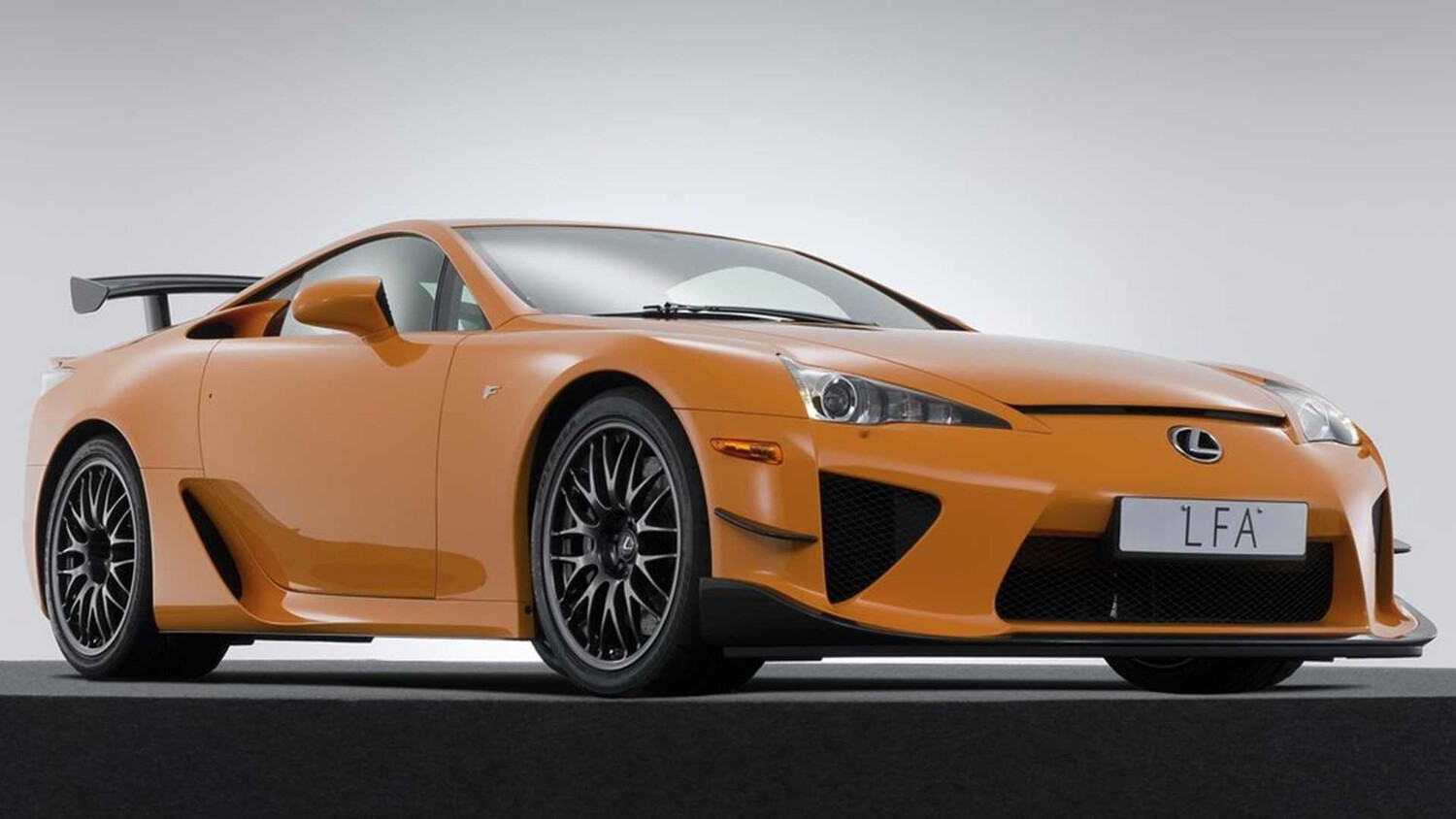
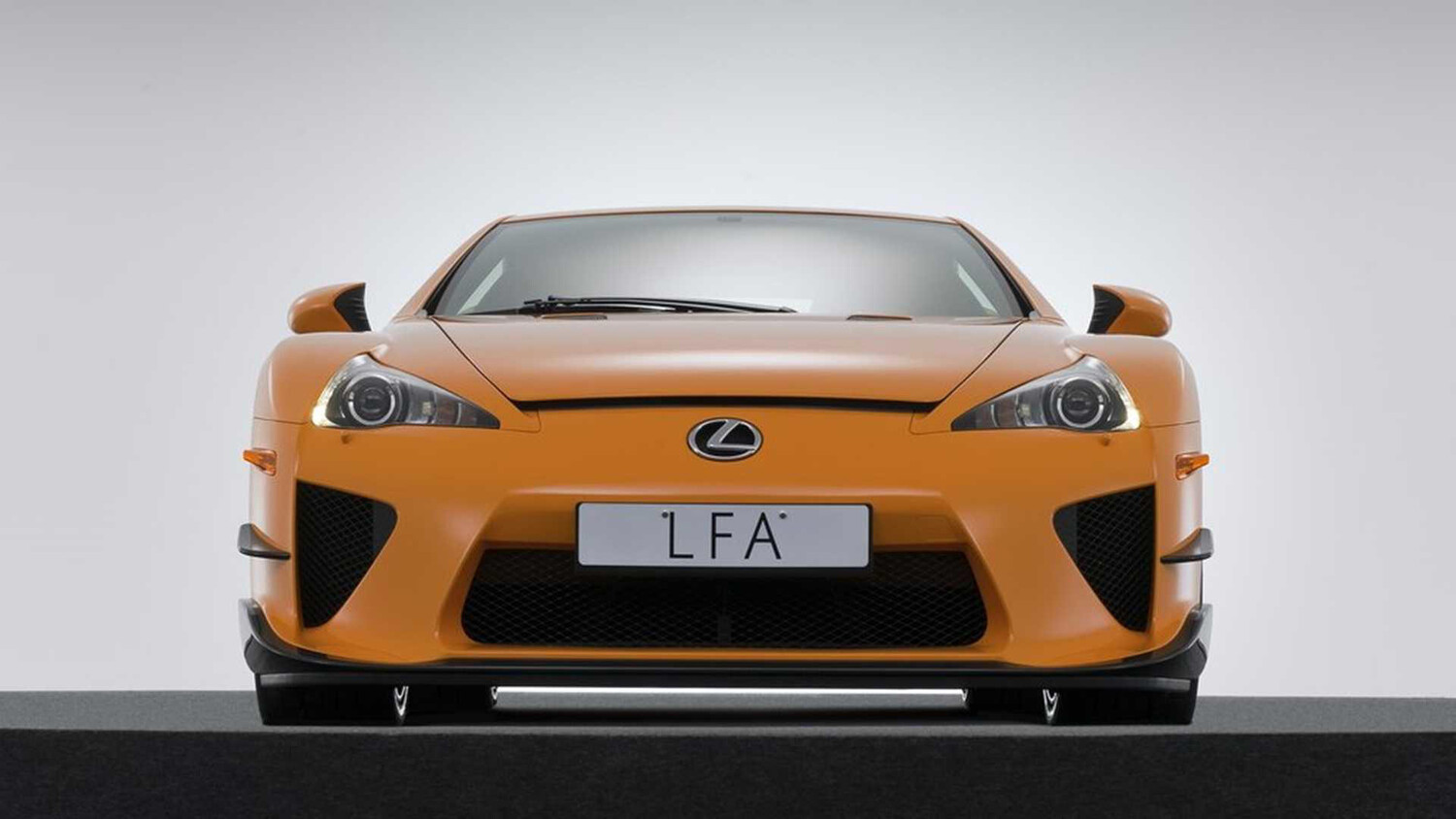
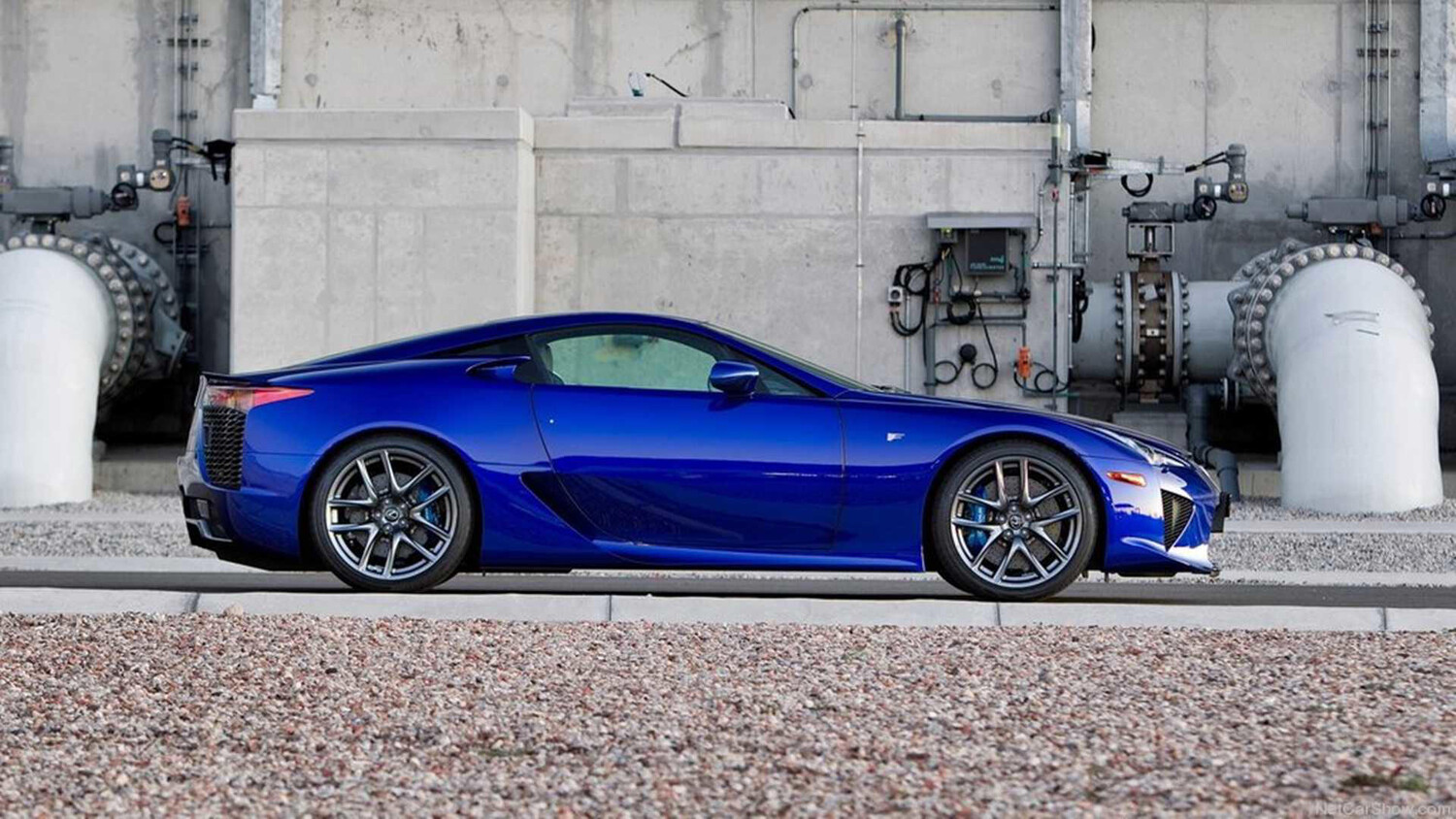
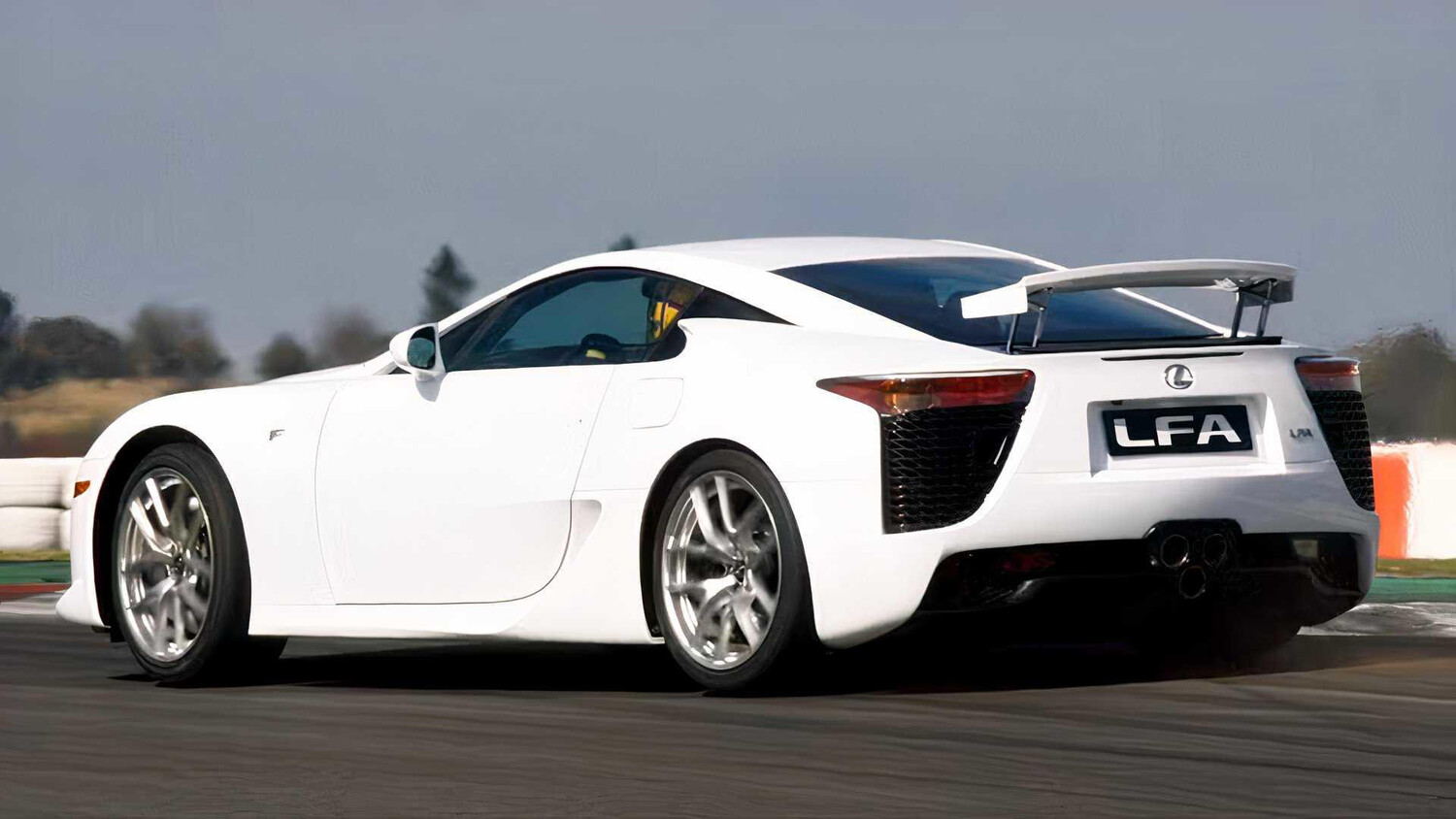
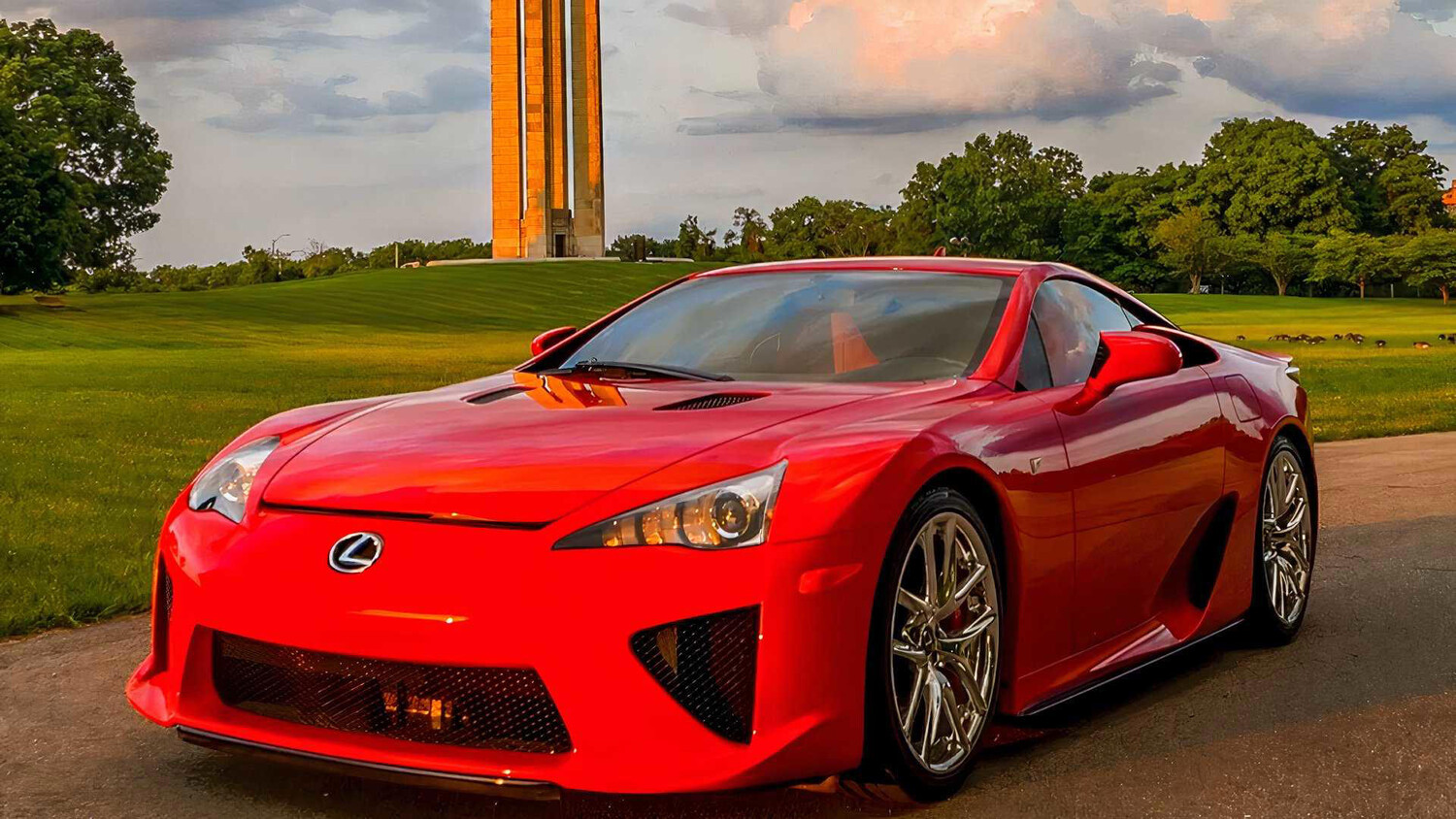
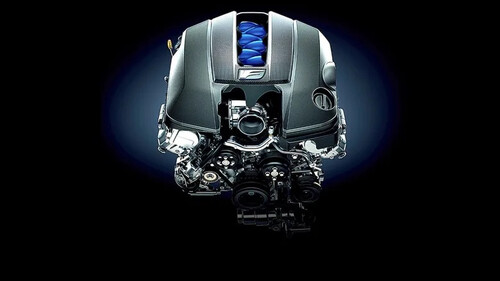
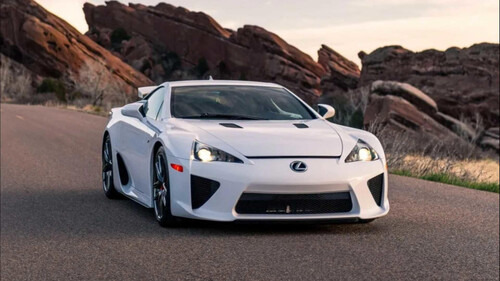
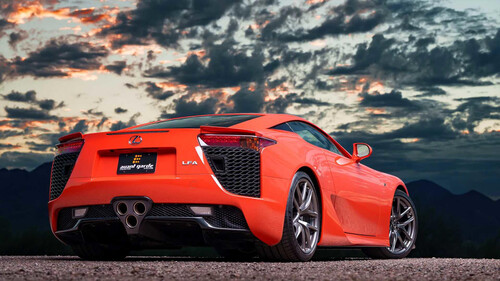
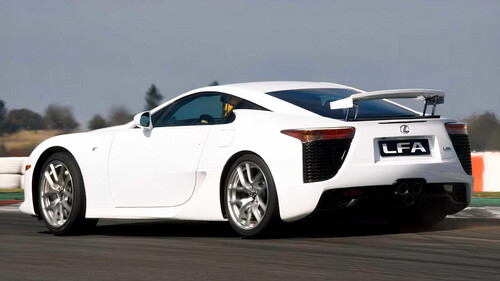
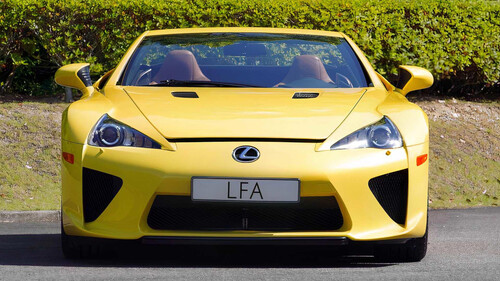
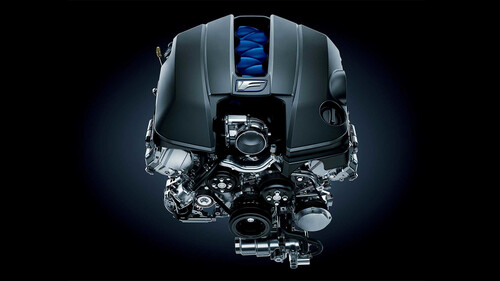
The automotive world is no stranger to cars that have turned into financial disasters for manufacturers. Ever since cars became popular, many manufacturers have tried new things and failed along the way. For the few unlucky ones, such automotive disasters have even shut the company down for good. Some of the most popular such automotive disasters include the Ford Pinto, Fisker Karma, Volkswagen Phaeton, and many more.Usually, such cars are either forgotten entirely or cherished by the few enthusiasts who like their collections quirky and unique. But a few cars turn into a collector’s dreams over time. The car in question here is among the latter. It was a flop when new, but has now turned into a collectible that demands nearly $1 million in the used market. Here’s its story. The Birth Of The Legendary Lexus Supercar LexusWhen a Lexus engineer, Haruhiko Tanahashi, mentioned his idea of a Lexus sports car to Toyota’s legendary chief engineer and chief test driver, Hiromu Naruse, the experienced engineer suggested they take this concept to one of his star pupils, Akio Toyoda, the grandson of Toyota’s founder. Toyoda, at the time, ran the company’s Chinese operations and had worked with Naruse learning the trade.LexusAkio Toyoda liked the idea, and the three men tested various sports cars on a track to understand what made customers line up for them. They soon realized that there was no point creating a supercar like those; they had to create a car that would have a positive influence on the Lexus brand. Being Toyota's director of operations in China, however, Toyoda had no influence on the board.LexusEven in preliminary management meetings, the idea of a Lexus supercar was shot down. The project would cost too much and heavily outweigh the benefits. This did not stop Toyoda from preparing a detailed presentation for a top-level meeting with 100 attendees. Famously ending his presentation with, “I am just a divisional manager, but I think it is worth it.” Of course, there was a lot of pushback, but against seemingly impossible odds, the board greenlit the project, but on one condition: the supercar had to be limited to 500 units only. Thus, The Lexus LFA Was Born LexusAfter nearly a decade in development, the Lexus LFA was launched in 2010, and it was a technical tour de force. It featured a brand new hand-built V10 engine developed in partnership with Yamaha Motor Company. The car used carbon fiber reinforced polymer, which made up 65 percent of the LFA’s body mass, along with other lightweight materials. Add to that a bunch of F1 tech of the era and a refined and sophisticated design, and the LFA was a breath of fresh air.Bring A TrailerSitting at the top of the automotive food chain, supercars are unashamedly brash and self-assertive. At its core, Lexus as a brand isn’t that, and the LFA reflected that philosophy. Despite brimming with technical brilliance and hand assembly, the LFA was more subtle than the shouty supercars of the era. Unfortunately for Lexus at the time, the LFA was met with skepticism from reviewers and customers. The supercar that cost millions to develop had nowhere to go. Carte Blanche Development And Unsold Inventory LexusThe Lexus LFA project started with carte blanche. Toyota’s aim was to develop a halo car for the Lexus brand that connected with the owner more than any Lexus had before. To that end, the development lasted for nearly a decade. Between 2010 and 2012, Lexus built 500 units as planned, which made it an extremely exclusive car from the then-largest carmaker in the world. Being a tech showpiece, Lexus did not expect profit, but once the LFA arrived at the dealerships, there wasn’t much interest in it. The LFA Was An Expensive Car LexusSeveral factors contributed to this apparent lack of interest, starting with the car’s price tag. Starting at $375k, the Lexus LFA was an expensive supercar. In contrast, a brand-new and highly aspirational Ferrari 458 went for just $230k, which was considerably less than the LFA. The Ferrari supercar had also created a lot of hype at the time, which was hard to match for the unknown Lexus sports car. Generations Behind The Competition LexusThe Lexus LFA’s 10-year development cycle meant that when the LFA hit the market, it was already seemingly outdated. Its American rival, the Chevrolet Corvette ZR1, produced 638 horsepower and had a starting price of just $109k. The LFA also used some outdated tech, like a single-clutch automated manual transmission, which felt clunky compared to newer dual-clutch systems used by its competitors. No One Wanted The Unknown Lexus Sports Car LexusAnother problem with the LFA was brand perception. A Ferrari 458 is a thoroughbred Ferrari, and any enthusiast would know what it’s about. On the other hand, a two-door sports car from a Japanese manufacturer that’s known for selling high-end luxury cars didn’t exactly scream aspiration. For many potential buyers, this brand perception was a difficult barrier to cross. Brand New Lexus LFAs Were Still Selling Years Later Bring A TrailerAs exclusive and amazing as the LFA looked at first, it fell flat in front of its rivals, which were more powerful, cheaper, and had more aspirational charm to them. As a result, the Lexus supercar gathered dust on showroom floors. And even though the production ended in 2012 after just 500 units, many LFAs were still reported as being sold brand-new years later.Lexus For example, Lexus’ US arm reported selling three brand-new LFAs in 2019, one more than it sold the previous year. One of the last Lexus LFAs was sold back in 2023 in Australia. According to the Australian magazine Drive, a Toyota dealer owner had to personally buy an unsold LFA and report it as sold to meet a deadline.Bring A TrailerThe entire Lexus LFA project is rumored to have cost approximately $800 million over ten years, and Toyota sold each and every LFA at a loss. Each LFA cost around $750k to build, which was way more than the original sticker price of a brand-new LFA. While Lexus did not expect much profit from the exclusive halo sports car, it certainly hoped it would be a success. That wasn’t the case. The LFA was a sales flop. The Best Car Jeremy Clarkson’s Ever Driven Bring A TrailerThere’s no denying that, with Toyota’s blessings and carte blanche, the Lexus LFA had all the makings of an iconic sports car. If it were another car and another manufacturer, the development would’ve stopped the moment the higher-ups realized it would turn into a massive loss eventually. So, why didn’t Toyota nip the Lexus LFA in the bud despite knowing it was spending more than it would ever recover? One simple answer: the Lexus LFA was a statement. Screaming V10 Co-Developed With Yamaha Bring A TrailerAt the heart of the LFA sat a 4.8-liter V10, codenamed 1LR-GUE, which was co-developed with Yamaha Motor Company. The engine produced 553 horsepower at 8,700 RPM and 354 pound-feet of torque at 6,800 RPM. This engine was a masterpiece, with the size of a V8 and the weight of a V6 engine. And it could rev hard, going from idle to 9,000 RPM in just 0.6 seconds. Toyota also had to develop a new TFT LCD rev counter just to keep up with the engine’s revs. This engine was mated to a six-speed automated manual produced by Toyota’s subsidiary Aisin. Best Sounding Car Ever Made Yamaha’s Center for Advanced Sound Technologies had a hand in how this free-revving engine sounds. The LFA was designed to offer a natural aural experience, with induction sounds channeled into the cabin via sound passages. The V10 engine mounts were designed to ensure no vibrations or mechanical sounds spoiled the engine’s symphony. Even the exhaust was tuned for aural pleasure with equal-length exhaust manifold runners and titanium dual-stage rear silencers. The result was a fabulous exhaust note that earned the LFA the title of the best-sounding car ever made. Carbon Fiber-Reinforced Polymer Tub Gave It Exceptional Handling LexusThe LFA was underpinned with a carbon fiber-reinforced polymer tub with bolt-on aluminum subframes, which was the most remarkable attribute of the LFA. Toyota had to develop a new manufacturing process to make the tub, and the fibers used to construct it were woven together by one of the only two laser-monitored looms in the world. The result was a near-perfect weight distribution, which reportedly gave the LFA nimble-beyond-belief handling, which was made better by the engine’s responsive character. The LFA was so good that Jeremy Clarkson from Top Gear declared it the best car he had ever driven! A Near-Million Dollar Collector’s Dream Bring A TrailerSoon enough, enthusiasts started taking notice of the Lexus LFA. Those who don’t bother about a $100k here or there started picking up the LFA, and more and more enthusiasts started buying into the LFA concept. In time, with word getting around that the LFA is indeed an amazing supercar, the limited production seemed not nearly enough for the demand. The once-unpopular Lexus LFA had turned into a highly sought-after collector’s item.Bring A TrailerA decade later, the LFA is considered a modern classic that makes its original $375k price tag seem like a bargain. Want one today? You’ll have to spend around $800k for the standard LFA. To get your hands on the even rarer Nürburgring Package model, you’d have to spend along the lines of $1.5 million. As much as the LFA was a flop when new, it has now come to present the zenith of automotive engineering of the time. Today, it stands as one of the most sought-after supercars of that era.Source: Toyota, Hagerty, Top Gear, Drive