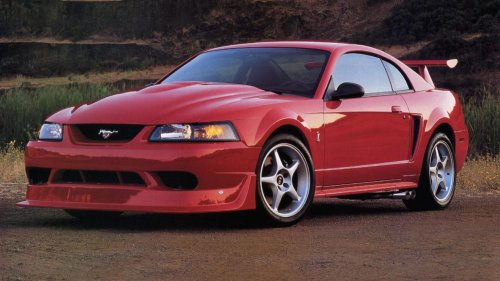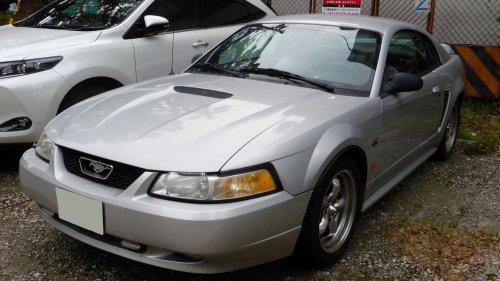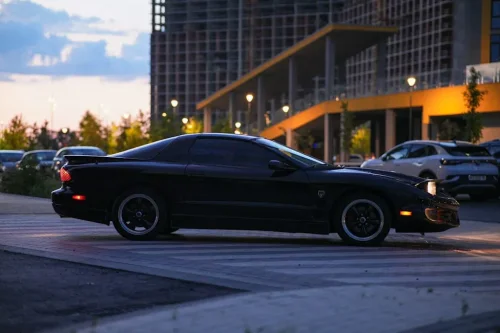
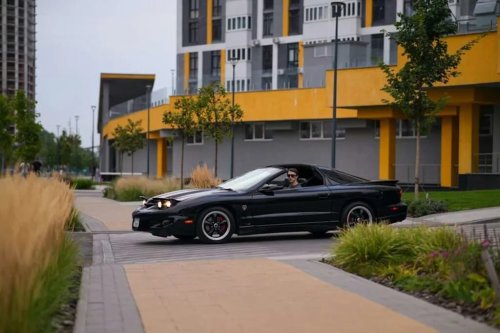
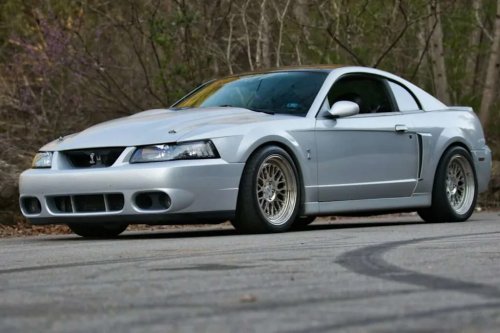




















The Most Undervalued Collector Cars In Today's MarketUnfortunately, the market rarely sends out invitations before values move. By the time a vehicle is appearing on magazine covers, generating bidding wars, and making headlines for record-breaking sales, much of the easy upside has already disappeared.The better opportunities are often found in vehicles that enthusiasts recognize but the broader market has yet to fully embrace.That doesn't mean every overlooked vehicle is destined to become a blue-chip collectible. Market timing, demographics, production numbers, and enthusiast demand all matter. However, several segments stand out today because they offer something increasingly difficult to find in the collector market: strong enthusiast support, historical significance, and relative affordability.AdvertisementAdvertisementHere are five collector vehicles that may still be undervalued compared to their long-term potential.Fourth-Generation Pontiac Trans Am (1993-2002)A black car driving down a street next to tall buildingsFor years, fourth-generation F-body cars lived in the shadow of their predecessors.First-generation Camaros and Firebirds became icons. Second-generation Trans Ams benefited from movie and television exposure. Even third-generation cars have developed a dedicated following.Meanwhile, fourth-generation Trans Ams often remained surprisingly affordable despite offering serious performance.That may be starting to change.The final years of Pontiac performance represent an important chapter in American automotive history. Models equipped with the LS1 V8 delivered performance that rivaled much more expensive sports cars of the era, while special editions such as the WS6 added even more appeal.AdvertisementAdvertisementThese cars also benefit from strong aftermarket support and a growing nostalgia factor among Generation X and Millennial buyers who came of age during the 1990s and early 2000s.The market has certainly noticed low-mileage examples, but many well-preserved cars remain accessible compared to other performance vehicles offering similar horsepower and historical significance.GMT400 Chevrolet And GMC Trucks (1988-1998)Few segments have gained momentum as quickly as collectible trucks.For decades, pickup trucks were viewed primarily as work vehicles. Today, they're becoming a major part of the collector landscape.Among the most interesting examples are GMT400 Chevrolet and GMC pickups built between 1988 and 1998.AdvertisementAdvertisementThese trucks occupy a sweet spot between vintage simplicity and modern usability. They feature fuel injection, comfortable interiors, readily available parts, and drivability that makes them practical even by today's standards.Many enthusiasts grew up around these trucks, whether on farms, construction sites, or family driveways. That familiarity is beginning to translate into collector demand.Values have increased in recent years, but compared to early Broncos, square-body Chevrolets, and other established truck collectibles, GMT400s still appear to offer room for growth.The best examples remain relatively affordable, particularly when compared to restored muscle cars or vintage SUVs.Chevrolet Corvette C4 ZR-1 (1990-1995)The C4 ZR-1 has spent decades waiting for broader recognition.AdvertisementAdvertisementWhen Chevrolet introduced the ZR-1 for 1990, it represented a dramatic leap forward for Corvette performance. Developed with assistance from Lotus and powered by the advanced LT5 V8, the ZR-1 showcased technology and engineering that were years ahead of many competitors.Performance was impressive for the era. So was the price.Unfortunately, the ZR-1's technological achievements often became overshadowed by later Corvettes, particularly the C5 and C6 generations.Today, collectors have begun taking another look.The ZR-1 offers limited production numbers, unique engineering, genuine performance credentials, and an important place in Corvette history. Yet values frequently remain below those of many newer performance cars with far less historical significance.AdvertisementAdvertisementAs collectors increasingly recognize milestone vehicles that changed the direction of a model line, the C4 ZR-1 continues to look like one of the most overlooked Corvettes in the market.Ford Mustang SVT Cobra (SN95 Generation)Silver ford mustang parked on a paved roadFox Body Mustangs have received much of the collector attention in recent years.That focus may have created opportunities elsewhere.The SN95-generation Mustang Cobra combines several factors that collectors often seek: limited production, factory performance upgrades, historical significance, and strong enthusiast support.These cars represent Ford's performance efforts during a period when the company was refining the Mustang for a new generation of buyers. Models equipped with the 4.6-liter modular V8 marked an important transition point for the brand.AdvertisementAdvertisementDespite that significance, many SN95 Cobras remain surprisingly affordable.Part of the reason may be timing. They occupy an awkward space between the beloved Fox Body and the later supercharged Terminator Cobra, which tends to attract more attention.Yet that same position could work in their favor.As prices continue rising for earlier and later performance Mustangs, more collectors may begin looking at the SN95 Cobra as an alternative that delivers authenticity, rarity, and performance without the premium pricing.Early Dodge Viper RT/10 (1992-1995)Dodge viper's hood with iconic racing stripes.Few vehicles better represent the analog performance era than the original Dodge Viper.AdvertisementAdvertisementNo traction control.No stability control.No airbags in the earliest examples.No electronic safety net.The Viper RT/10 was unapologetically raw, and that character has become increasingly appealing as modern performance cars grow more sophisticated and technology-dependent.Early Vipers also represent one of the purest expressions of American performance from the 1990s. The massive V10 engine, dramatic styling, and challenging driving dynamics created a vehicle unlike anything else on the road.Values have risen in recent years, but compared to many exotic sports cars of similar significance, early Vipers still appear relatively attainable.AdvertisementAdvertisementAs collectors continue gravitating toward analog driving experiences, the earliest RT/10 models may benefit from growing appreciation for vehicles that prioritize driver involvement over electronic intervention.The Bigger PictureThe collector car market rarely moves in a straight line.Some vehicles become valuable because they are rare. Others gain momentum because they define an era, represent a technological milestone, or capture the attention of a new generation of buyers.The five vehicles highlighted here share a common trait: each occupies a space where enthusiasm appears stronger than current market recognition.AdvertisementAdvertisementThat does not guarantee future appreciation. No vehicle is guaranteed to become more valuable.What these models do offer is a combination of historical significance, enthusiast support, and relative affordability that can be difficult to find in today's market.For collectors looking beyond the obvious choices, that combination may be worth paying attention to.Related ReadingThe Dodge Viper's Loudest Mistake Is Back, and It Explains Everything the Industry Ignored1992 Dodge Viper RT/10 No 100 Offered with Just 40 Miles is a Time CapsuleThe 1983 Corvette: The Ghost Year Chevy Never SoldTwo Pontiac Trans Ams Steal the Spotlight at Classic Car Auction Group's October SaleDepreciation and Market Comparison of the Pontiac Firebird vs Chevrolet Camaro: A ReportModern Collector's Guide: The Ford Mustang from 1965 to TodayJoin our Newsletter, follow our Instagram page, and follow us on Facebook.