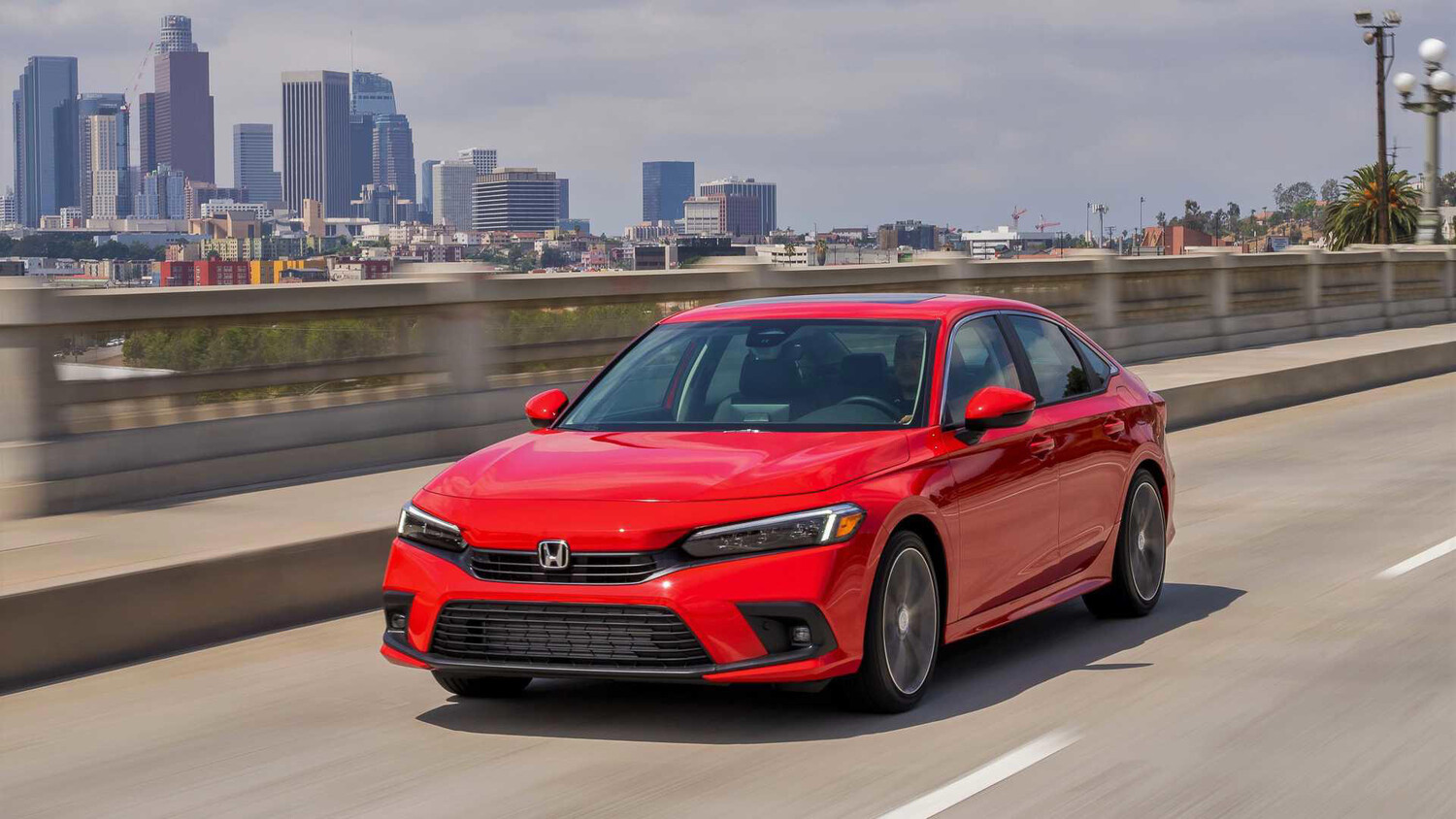
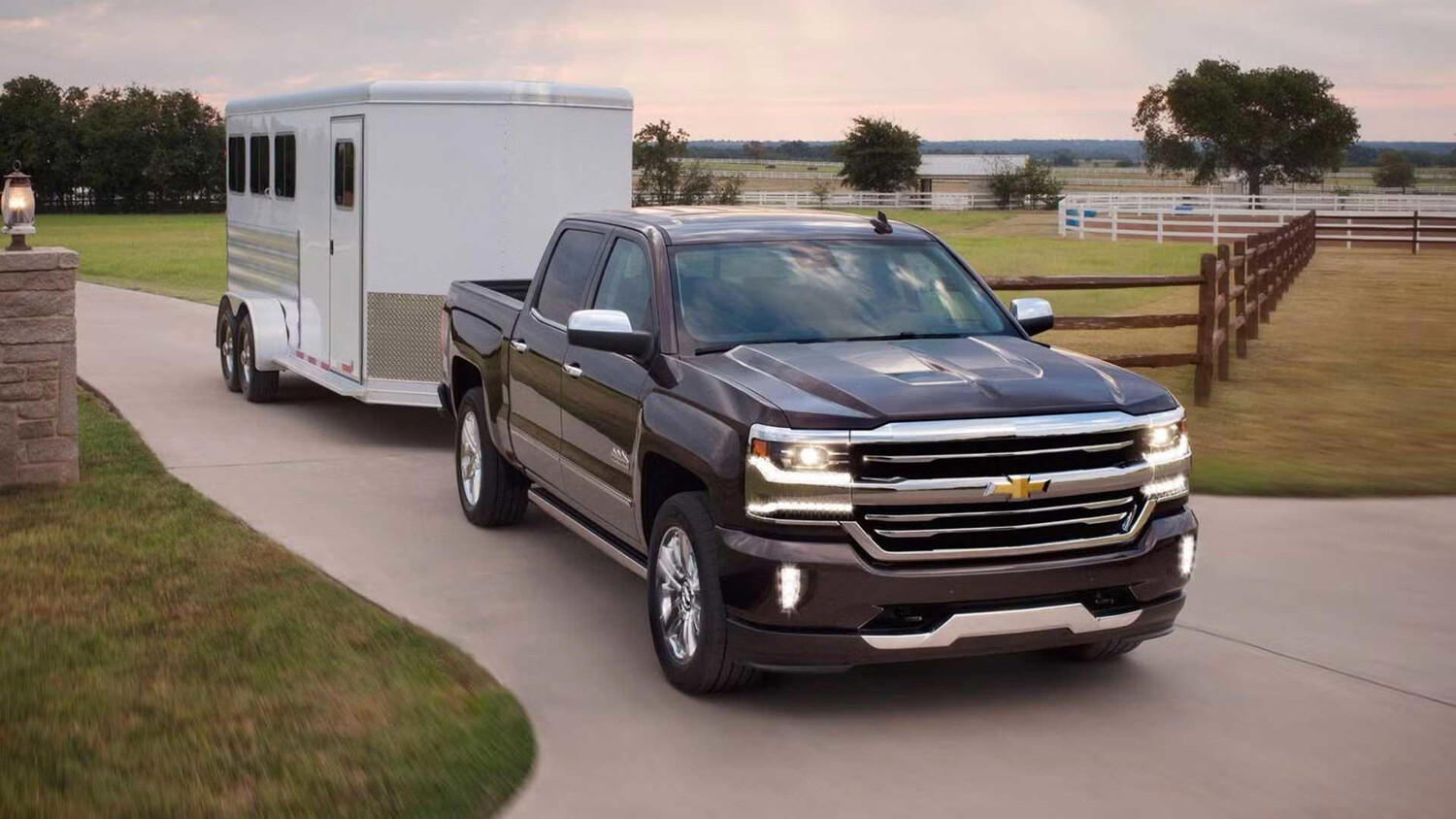
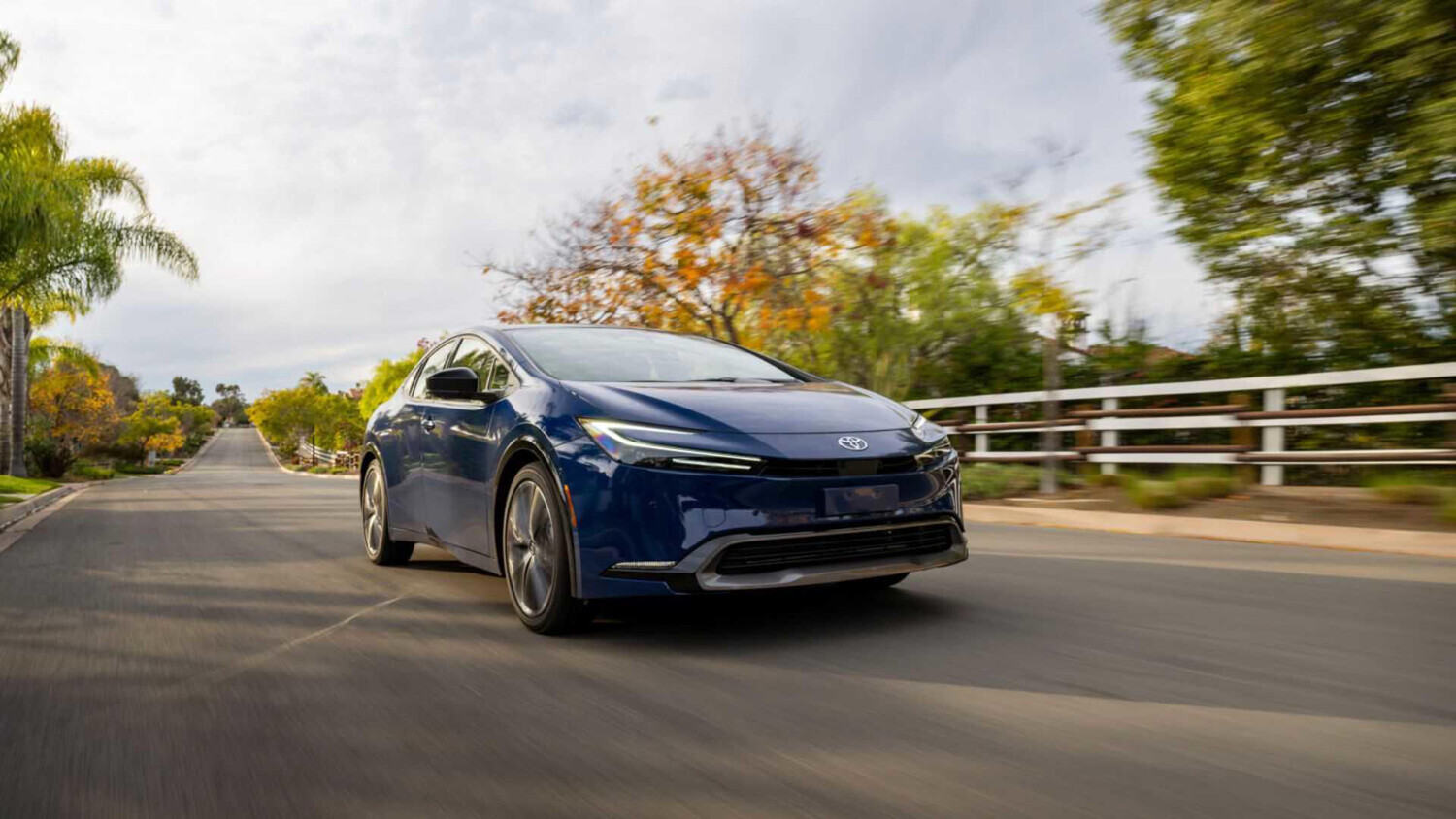
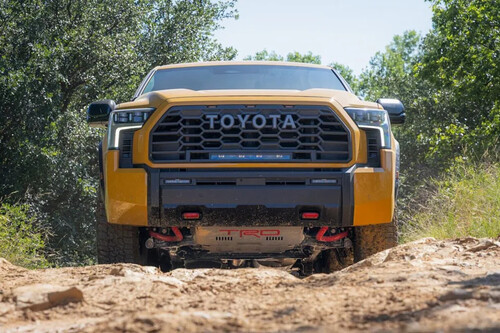
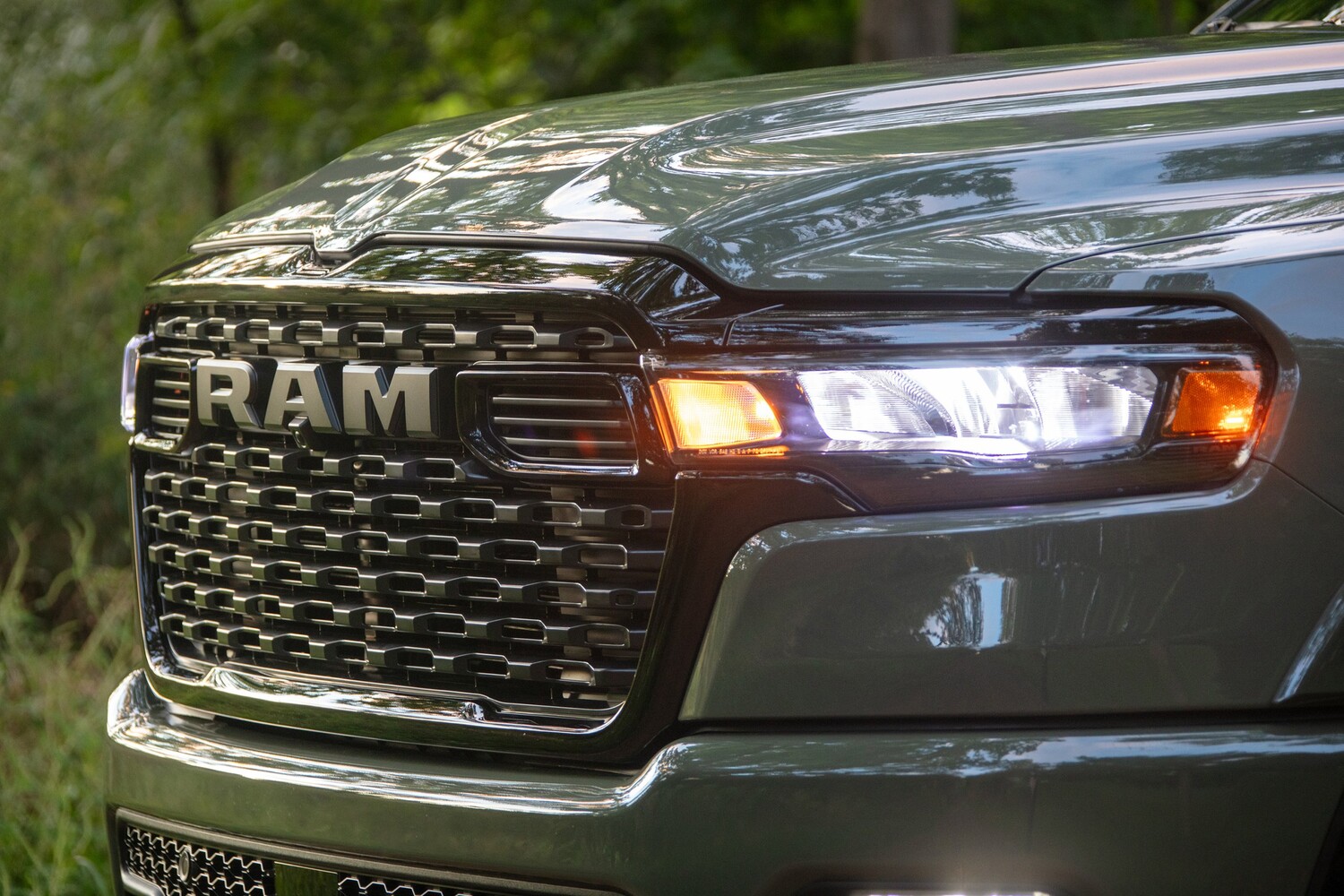
Modern automatic transmissions have done a lot of growing up in the past 20 years. From the early failures of the mass‑market dual‑clutch transmission in the Ford Focus to an era of Continuously Variable Transmission (CVT) hassles for owners of various Nissan, Chrysler, and Subaru products, the industry has moved into a period where automatic transmissions rarely register as trouble spots in the vehicles they serve. Today’s best transmissions are engineered and built with decades of expertise, calibration work, fine-tuning, and real‑world refinement behind them. Most can run for hundreds of thousands of miles without much second thought.Some automakers (and their suppliers) have produced exceptionally durable transmissions that have become industry benchmarks, while others struggled through well‑documented growing pains as they experimented with new technologies along the way. Below, we’re digging into the most proven, long‑lasting transmissions on the road today— and highlighting a few of the early missteps, challenges, and well-documented transmission failures that brought us here. If You're Looking For A Durable Transmission, Start With These Four HondaLet's start with Aisin transmissions, which cover a broad range of automatic transmission choices in modern vehicles for the purposes of this article. The Aisin brand sits within the Toyota Group, which holds a large minority stake in the company. Toyota and Aisin cooperate as corporate partners, though Aisin builds transmissions for numerous other applications, including hybrids, PHEVs, and industrial and heavy-duty applications. You'll even find an Aisin transmission in the previous-generation Toyota Tundra, and the current Ram 2500 HD with Cummins turbodiesel engine in its high-output configuration. With plenty of experience across consumer and industrial applications, Toyota / Aisin transmissions are widely recognized as a benchmark for reliability.Toyota Many Toyota and Mazda models run a six-speed Aisin automatic in a front-drive configuration that's noted for being highly durable. Supplying transmissions for global automakers whose products will be used in hard-working applications around the globe is, after all, serious business where durability is concerned.Another durable transmission worthy of mention is the Toyota eCVT, used in machinery like the Prius, RAV4 Hybrid, and Highlander Hybrid. This gearbox is considered 'bulletproof' because it uses electric motors and planetary gears, instead of belts and pulleys like a conventional CVT. That significantly reduces the number of wearable parts within the transmission, as well as sources of heat and friction that contribute to transmission wear over time. Toyota models running this transmission are commonly used as taxi cabs, and are widely known to achieve 300,000 to 500,000 miles on the original gearbox. Toyota has been refining its eCVT since 1997. That's nearly 30 years of debugging.There's also the ZF eight-Speed Automatic, which is world-renowned for durability in various applications. This gold-standard transmission was widely deployed across a wide range of trucks, SUVs, sedans, and performance models from dozens of automakers. Many of these selected the ZF eight-Speed Automatic for its wide range of power-handling capabilities, thermal stability, and reduced pumping and drag losses that help improve fuel efficiency. You'll find this gearbox in machinery from the Chrysler 300 to the BMW 3 Series to the Ram 1500.This is one of the most well-regarded and important transmissions of the past 20 years, offering a legendary blend of durability and performance after debuting in the 2008 BMW 760 Li, complete with a V12 engine. At the time, the ZF gearbox was lighter and more efficient than the six-speed unit it replaced.Honda USAHonda's last decade of CVT transmissions from cars like the Civic and CR-V are also widely regarded as highly durable. Unlike earlier generation CVTs from competitors like Dodge, Nissan, and Subaru, Honda's CVT didn't suffer widespread early teething issues, and used a Honda-specific hardware arrangement and fluid to help keep friction, heat, and launch load levels to a minimum. Both the Civic and CR-V are among the most reliable vehicles in their segments, and both use this transmission. Transmission software was tweaked from 2016 to improve durability with revised operating parameters. A traditional torque converter helps ensure smooth operation while reducing strain on the internal steel belt in the name of durability. Some Problematic Automatics Led Us Here FordThat wasn't always the case. In the early to mid 2000s, automakers began rapidly incorporating new technologies and features into their engines as customers and governments demanded improved emissions and fuel efficiency. Though a new generation of engines tended to take the most credit for the improvements, these were often supported by new, never-before-seen transmission offerings intended to support the latest engines and trim away even further from fuel use and emissions. Sometimes, new fuel-saving technologies introduce more problems than they solve.Chevrolet In various well-documented cases, these transmissions were pain points for customers. A few examples include the GM 8L90, an eight-speed automatic used in models like the Chevrolet Corvette and Cadillac Escalade that featured an advanced design but was commonly noted for rough shifting and a torque-converter 'shudder' that affected the drive, resulting from faulty torque converters and transmission fluid issues that caused headaches for many owners. Some owners called this the 'Chevy Shake', and in 2023, a US district judge granted class action certification to a lawsuit accusing the automaker of knowingly selling 800,000 faulty transmissions without telling customers.Stellantis There was also the ZF nine-speed automatic, which was first seen in the 2014 Jeep Cherokee. This complex and compact new fuel-saving transmission was engineered by ZF, though calibration and software issues caused plenty of trouble for early owners. This new transmission would eventually roll out for use in a wide range of models across various automakers, each of which required its own software program. Early calibration and integration issues would result in hard shifting, gear hunting, and abrupt operation– especially for owners of Chrysler and Jeep models of the day. These widespread early issues were largely software-related, though it took many owners multiple attempts to achieve a smooth and reliable experience. Anecdotally, an Acura engineer once told your writer that extensive software calibration was required to integrate this transmission within the first-generation TLX (2015), while achieving the brand's targeted noise and refinement levels.Ford PowerShift transmission (Source: CarAraC/YouTube) We can't forget the Ford 'PowerShift' dual-clutch transmission, either. Initially intended to bring improved performance and economy to Fiesta and Focus shoppers, this type of automatic transmission had roots in the world of sporty performance cars and was noted for quicker shifting while using less fuel. Without a torque converter, the PowerShift transmission felt unusual to many drivers not familiar with the DCT. By the time Ford scrapped this transmission, it had earned a reputation as one of the most problematic automatics ever installed in a high-volume car. This transmission didn't stand up well to the heat and strain of stop-and-go driving, and could suffer from internal fluid leaks that ruined its clutches, resulting in hesitation, hard shifting, and failure. After class action lawsuits, extended warranties, and multiple technical service bulletins, Ford eventually switched back to a conventional automatic. Drivers Have A Role To Play When It Comes To Transmission Durability Toyota Modern automatics are typically designed to go a hundred thousand miles or more without requiring any attention. Some are even rated as 'sealed' or 'lifetime' units that don't require any servicing or fluid changes for the life of the vehicle, with some caveats. Lower service costs help sell vehicles, though drivers have a role to play when it comes to enhancing the lifespan of their modern automatic.Though some transmissions are of the 'filled-for-life' design and require no regular maintenance during normal operation, others specify regular fluid and filter changes for severe use cases, which can include any application where the transmission is exposed to things like stop-and-go traffic, towing, use in cold weather, use in motorsports, or use in dusty climates. Your owner's manual has the full scoop on what inspections, servicing, fluid, and filters your transmission requires (if applicable), and how often to change them.You can't over-change transmission fluid, and many owners associate regular, consistent transmission fluid and filter changes with a longer and more reliable life, even on transmissions rated as 'service-free'. Translation? You might not need to change your transmission fluid and filter, but doing so anyway is widely associated with a longer and more trouble-free life from this expensive piece of hardware in many applications.BMW Just remember, it's likely the transmission in your vehicle requires a very specific fluid draining and refill procedure, and the use of a very specific fluid. Use of the wrong fluid or procedures can cause extensive damage that's not covered by warranty, so most drivers are best to have their transmission serviced solely by their vehicle's dealer. Transmission Trouble Signs When Shopping For A Used Car KiaIf you're test-driving a used car, paying extra attention to a few areas can help reveal potential transmission trouble before you fork over your hard-earned cash. First, confirm that the vehicle hasn't been pre-warmed before your arrival. Sometimes, transmission trouble is easier to feel or hear when the engine and gearbox are cold, so you'll want to ensure you're test-driving the vehicle from a dead-cold state.Accelerate lightly, moderately, and at full throttle through a few gears where appropriate. Take any slamming, lurching, clumsy shifting, or generally abrupt behavior as a sign to have the vehicle you're considering seen by a technician before you buy. These could be signs of serious mechanical trouble, the need for a simple software update, or something else.BMW Finally, spend a few minutes driving at steady speeds while lightly modulating the throttle. A healthy automatic should feel consistent and predictable as it shifts up and down, responding to small changes in pedal input. Take note of the vehicle's drive mode here, if applicable, as this can affect shift patterns and feel. If the transmission seems to 'hunt' between gears, hesitates to shift in either direction, or flares the revs before engaging, proceed with caution. Ditto if the transmission feels like it's slipping under load, or if it emits a low vibration that feels and sounds like driving over rumble strips.Sources: GM, BMW, Toyota.