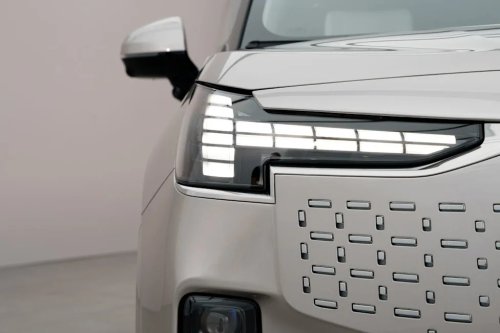
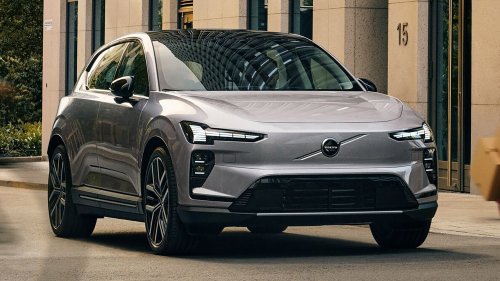
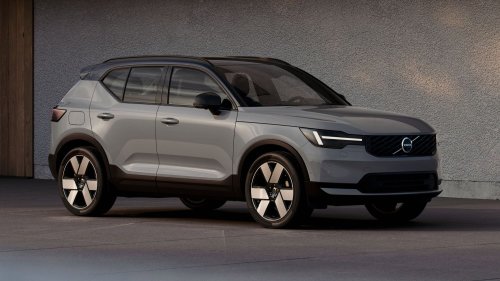
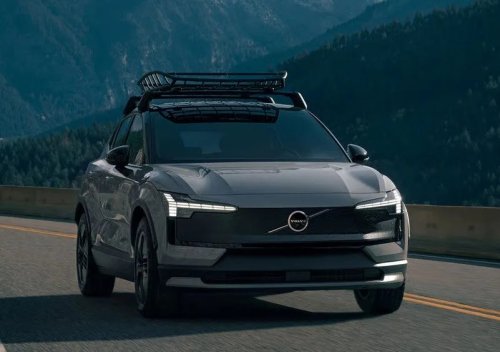
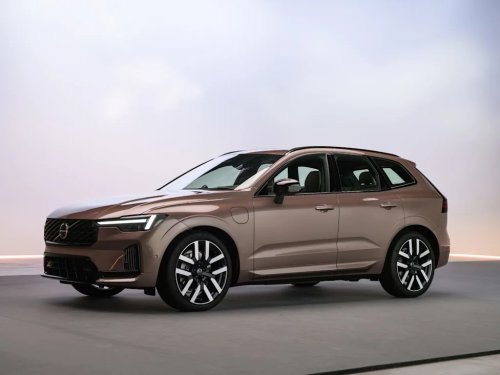
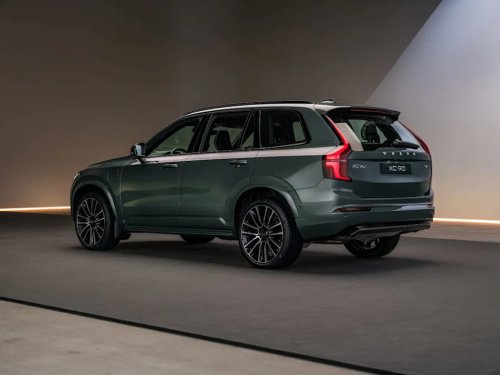
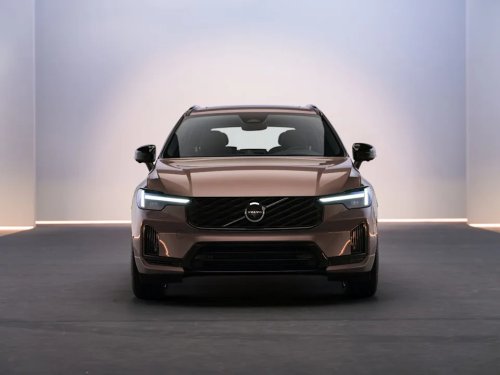
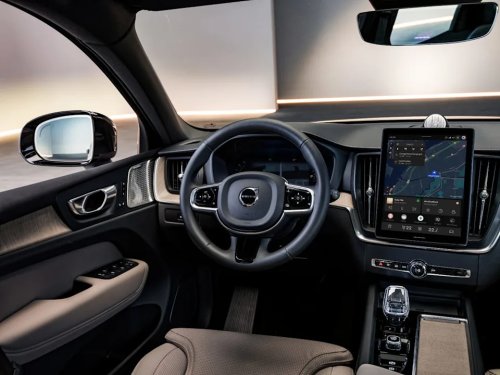
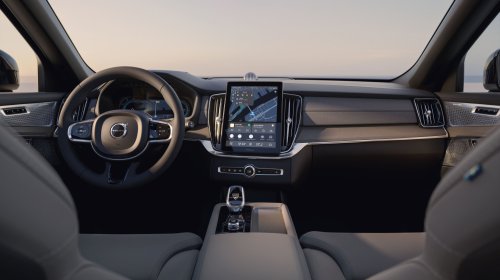
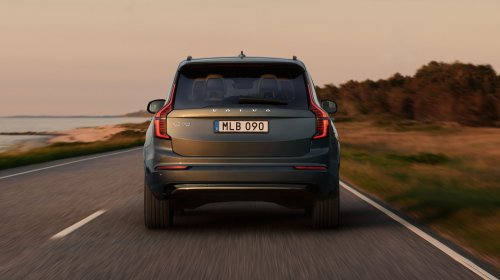
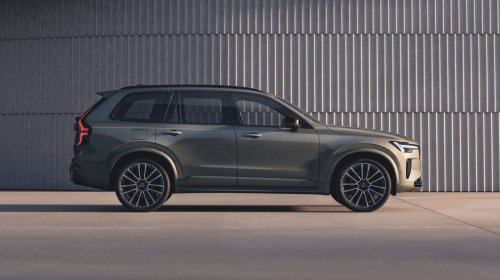
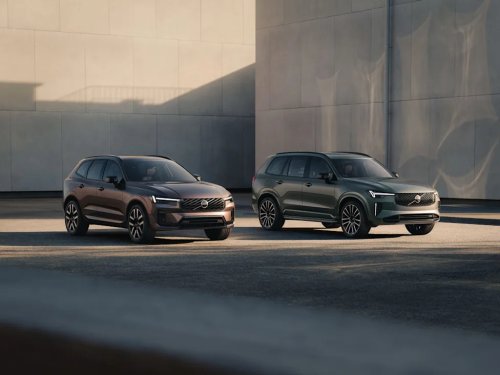
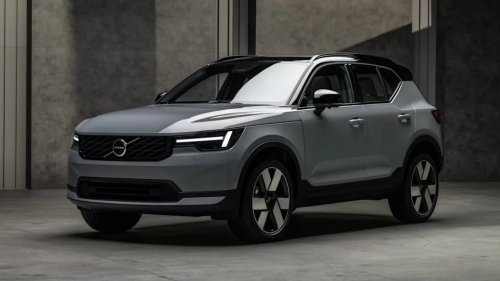
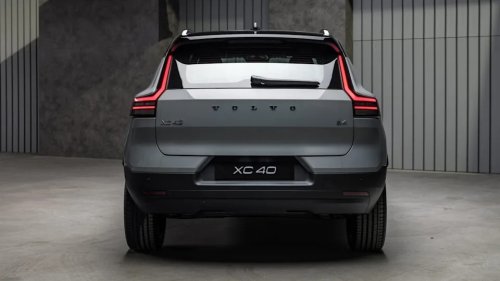
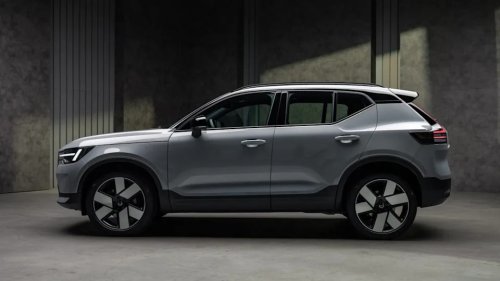
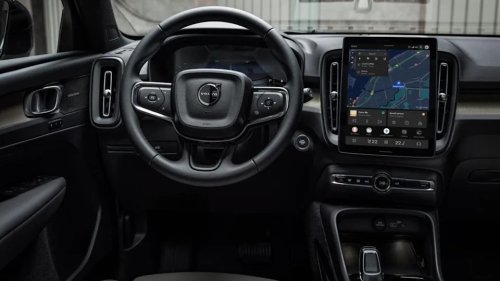
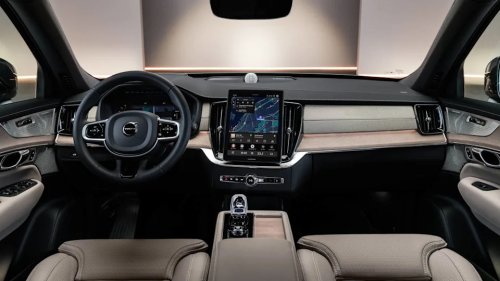
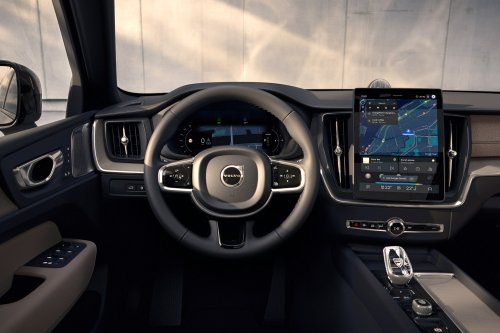
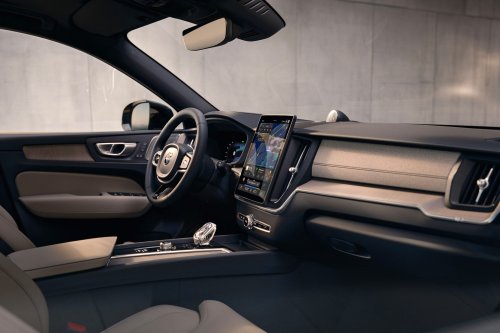
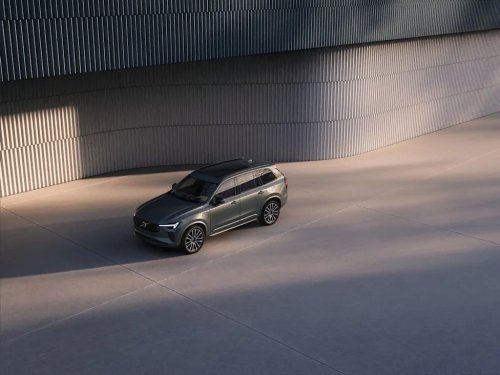
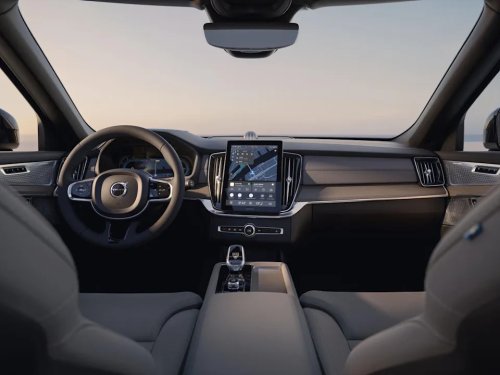
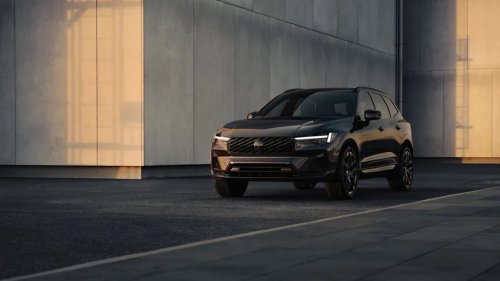
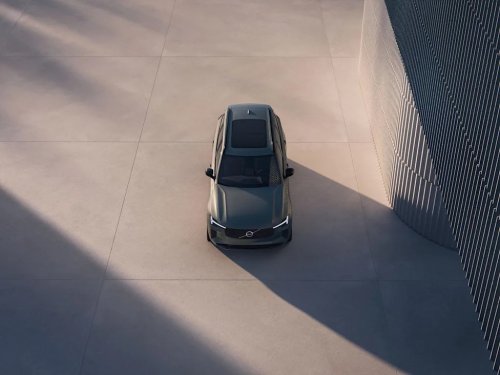
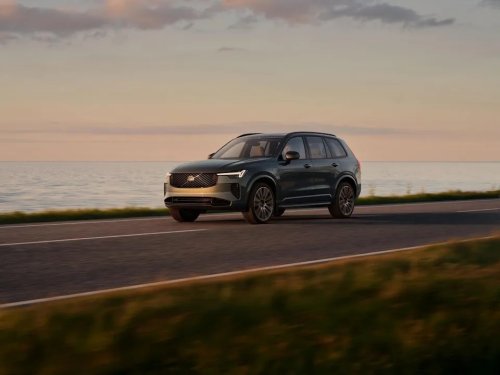
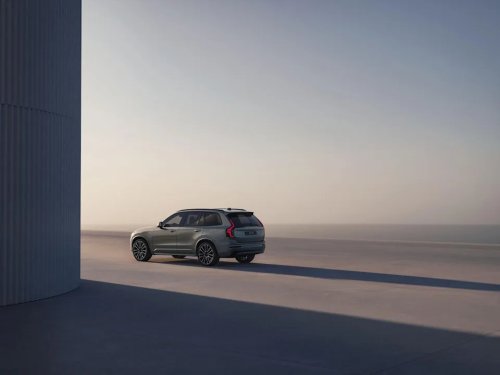
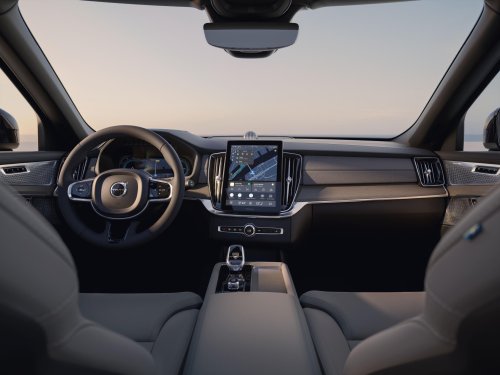
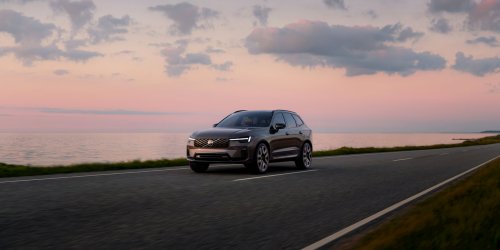
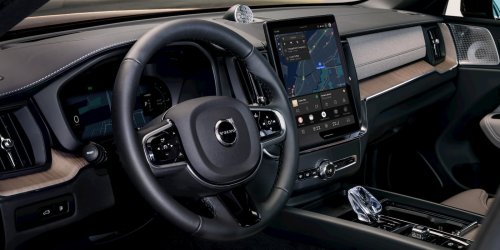
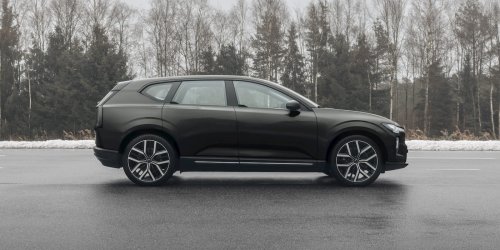
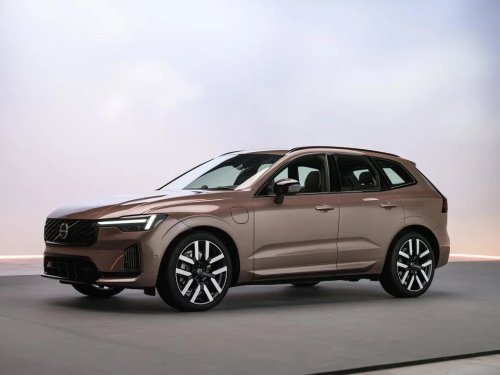
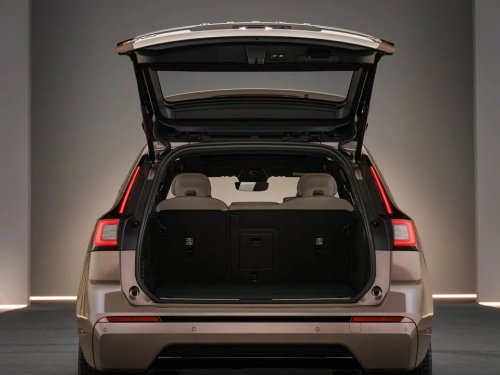
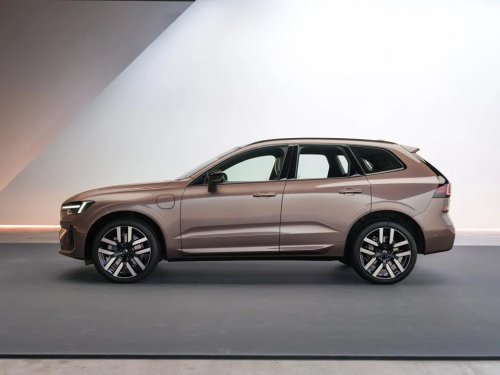
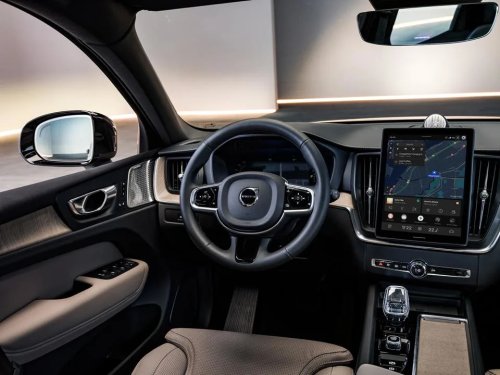
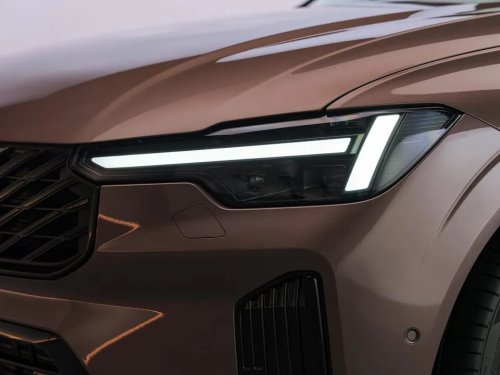
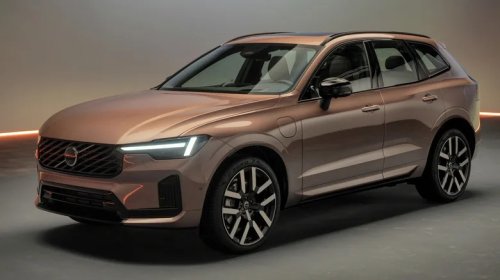
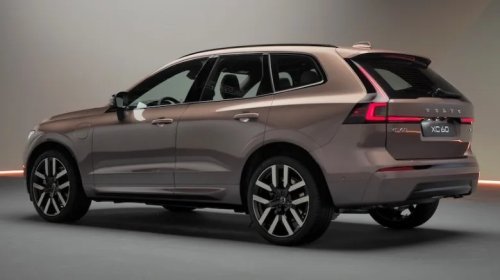
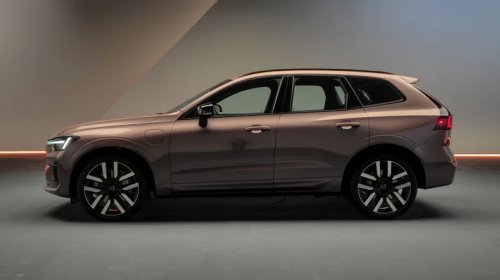
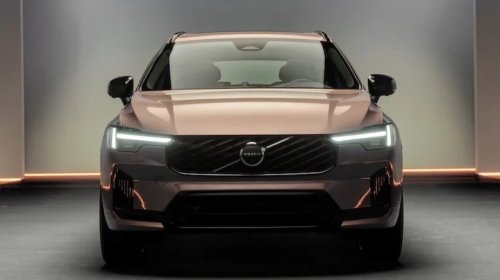
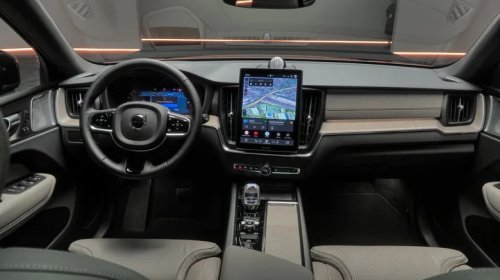
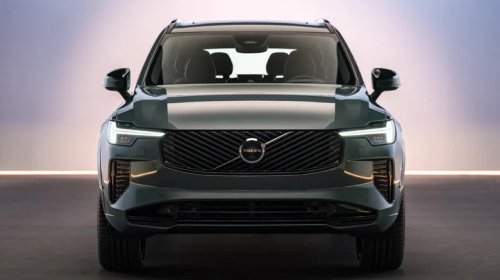
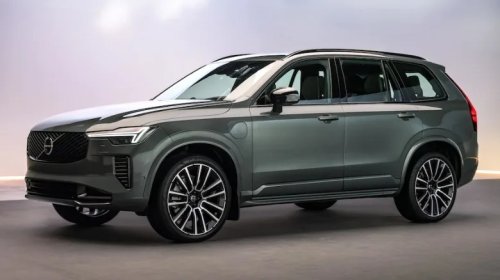
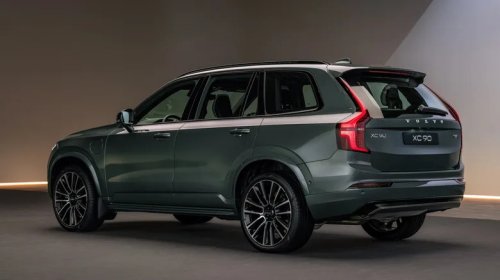
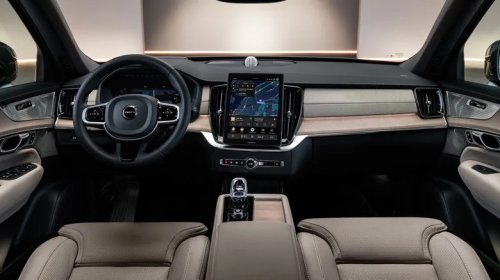
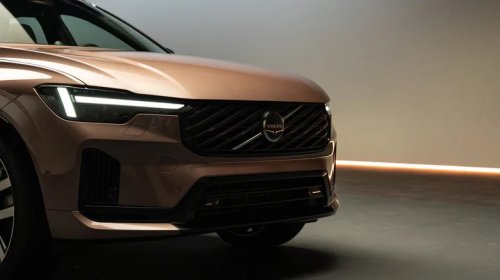
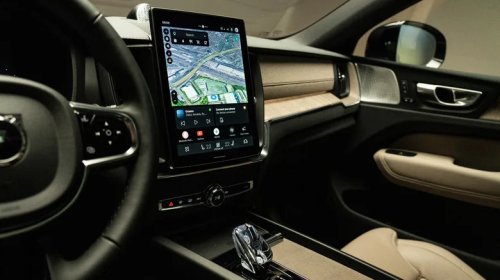
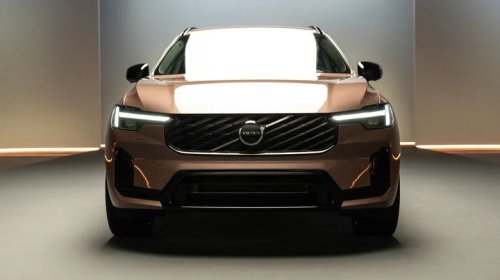
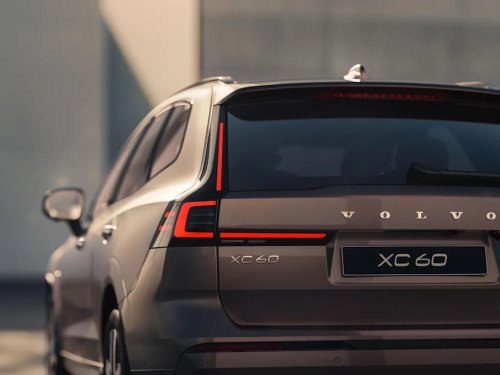
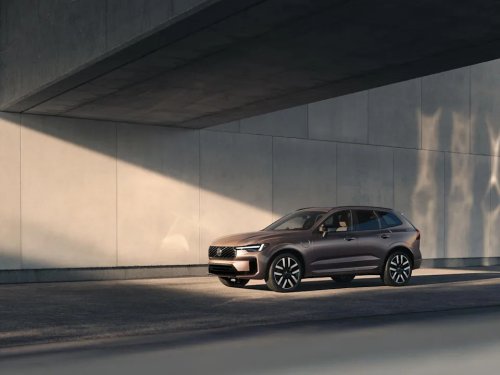
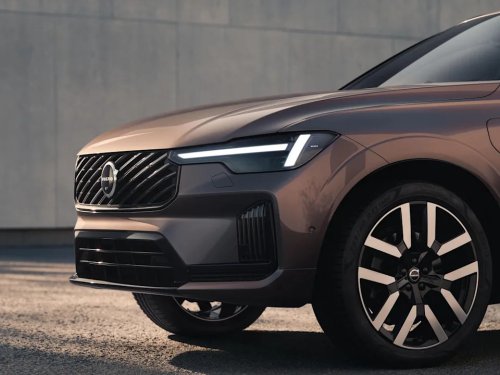
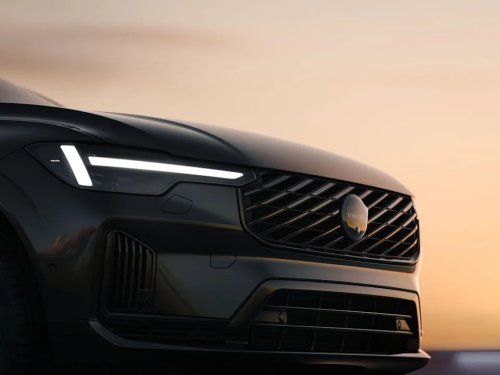
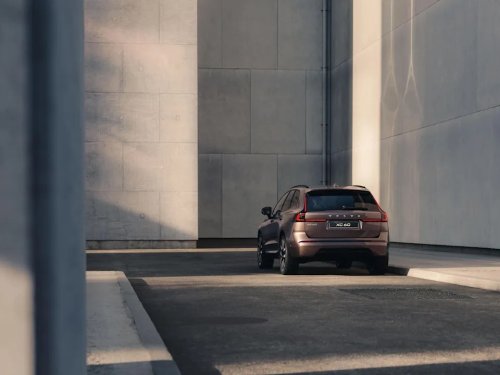
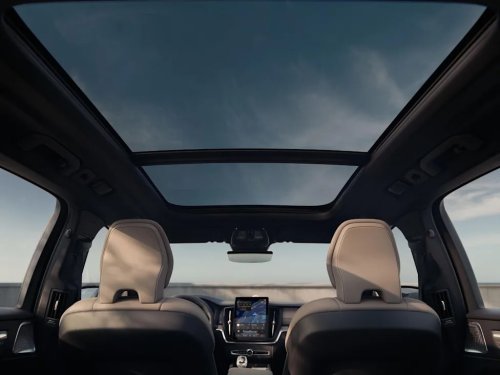
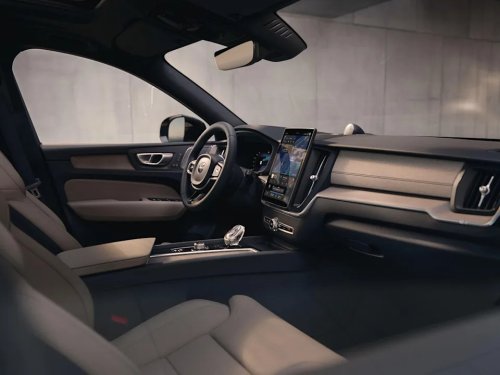
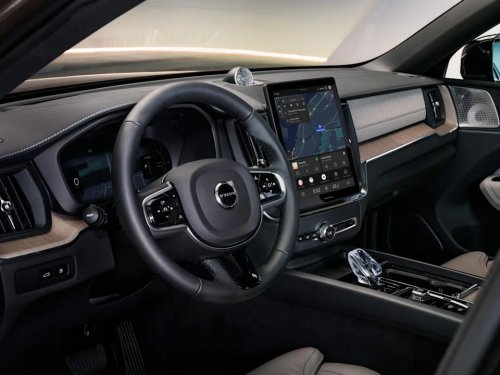
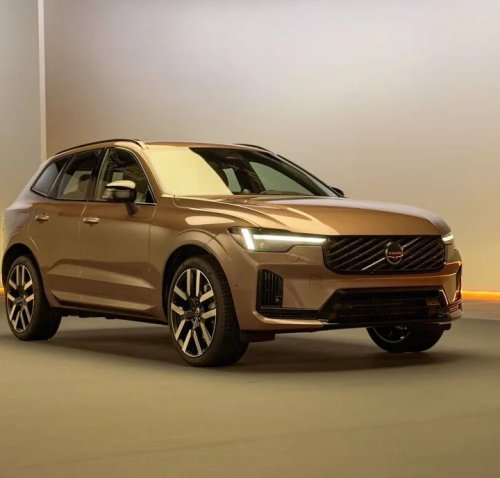
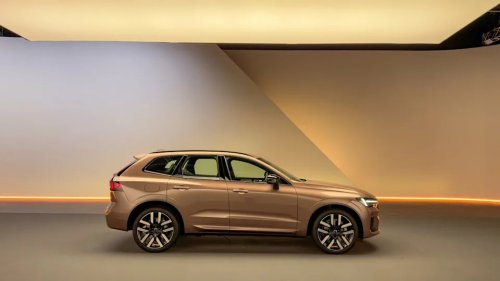
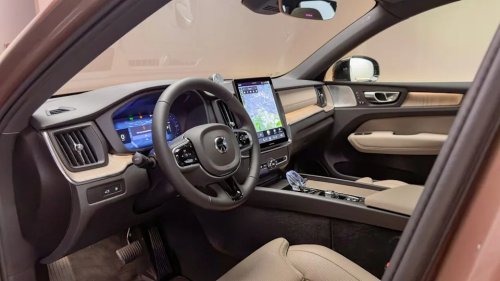
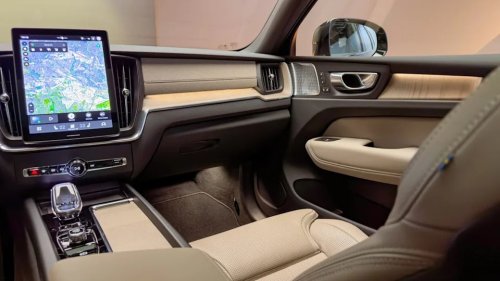
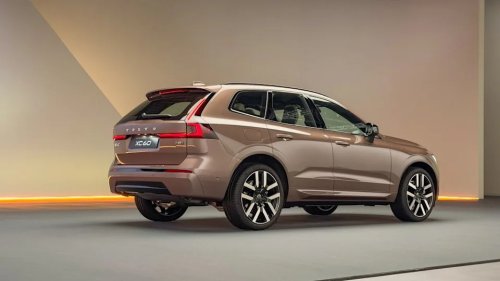
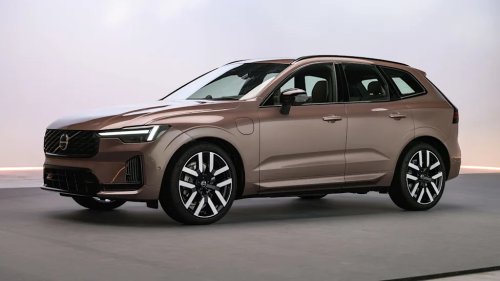
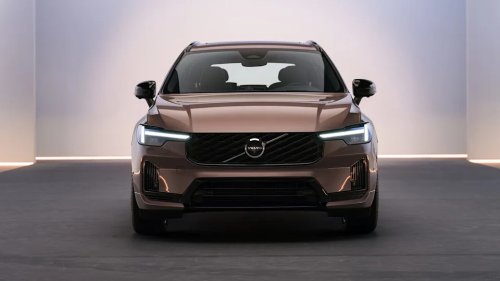
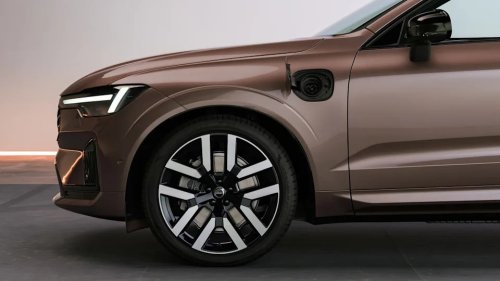
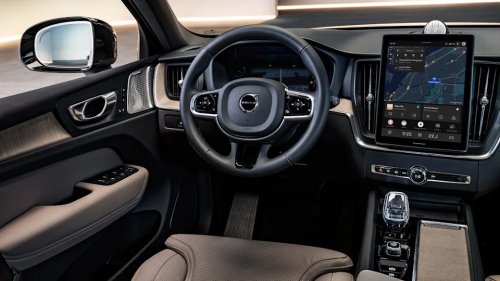
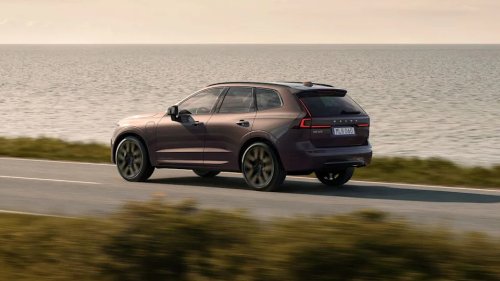
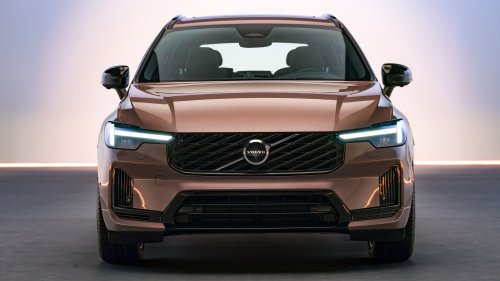
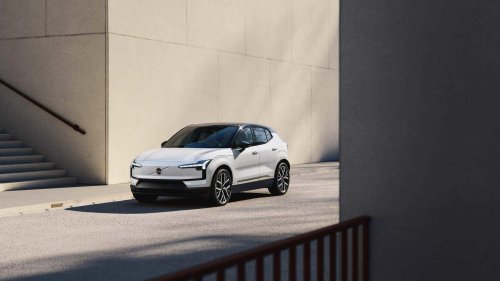
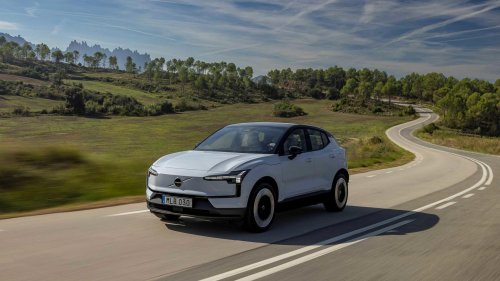
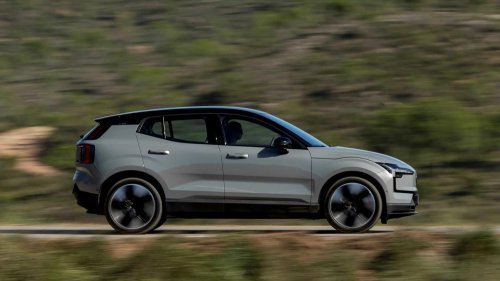
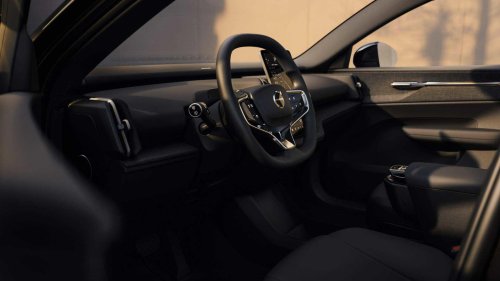
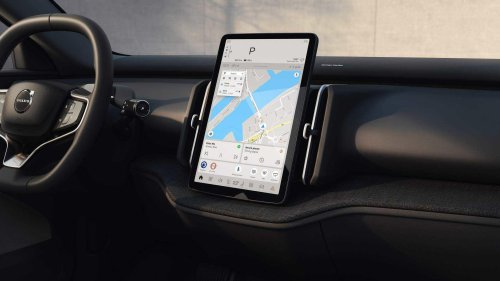
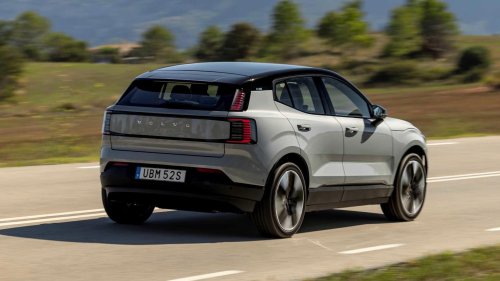
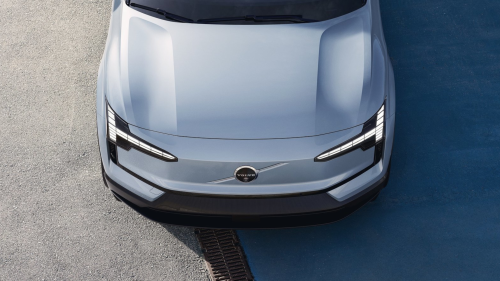
Staggeringly, less than two years after its arrival in the United States, Volvo’s smallest model – the all-electric EX30 – will no longer be available to US consumers after 2026. North American fans can at least rejoice, since the diminutive EV will still be sold in Canada and Mexico, as well as its home base in Europe. Undoubtedly for Volvo though, this decision, while understandable, will be no less frustrating, given the big plans the Swedish brand originally had for its smallest model. BIG Goals For A Small Car VolvoHeading into 2025, as part of some already ambitious self-sufficiency goals, Volvo’s objective was for half of its global sales to come from electrified models, come the year’s end. This was far easier said than done, of course, given that the EV segment’s growth, despite increasingly tight emissions regulations forcing the issue and huge manufacturer influx, was slow: though higher than the year before, less than 20% of brand-new models sold in Europe last year were battery-electric. On top of that, with Volvo’s EV lineup in 2024 ranging from the premium, mid-sized XC40 Recharge – now the EX40 – to the flagship, $77,990-plus EX90, a new, and, crucially, more affordable model was needed to attract a wider, and hopefully younger, audience. Enter the Volvo EX30.Among the first, bespoke BEV from Volvo, the EX30 was one of the first Volvos designed exclusively for electric propulsion – the C40 Recharge just beat it to the electrified punch – and, notably, was also the smallest model Volvo had produced in decades. Indeed, even Volvo’s petite C30 hatchback dwarfed the scarcely 14-feet-long EX30, with only the electric Jeep Avenger 4xe undercutting that. And even then, by only a few inches. It was a headline grabber that, Volvo felt, could attract young customers who’d either never owned a Volvo before, or, given the brand’s ‘serious’ reputation, even considered one. Power Options Were Surprisingly Large VolvoFittingly, the entry-level, ‘affordable” EX30 features a single, 268-horsepower electric motor, twinned with a 69-kilowatt-hour battery that also sends 253 pound-feet of torque to the rear axle. And even this simple EX30 is surprisingly nippy, capable as it is of zero to 60 mph in just 5.1 seconds. The Twin Motor option, meanwhile, which fits a second motor to the front axle and ups power and torque to 422 hp and 400 lb ft, respectively, is even sprightlier, with 60 mph from standstill done in just 3.4 seconds. Not only then is the EX30 the smallest Volvo seen in decades, it’s also, counter-intuitively, one of the quickest too. Another strong selling point for its target audience.Volvo hasn’t ventured too far outside its highly-respected comfort zone, however. A 422 hp Cross Country option, with increased ground clearance and snazzy black detailing, was introduced for the 2026 model year, while the Single Motor Extended Range Plus model hikes its RWD counterpart’s electric range to an estimated, and impressively competitive, 261 miles. Not bad for a compact model tipping the scales at 3,900-plus pounds.VolvoAdding yet further to the allure is the exterior styling. Built atop a flexible, Sustainable Experience Architecture (SEA) platform – the likes of which you’d also find beneath the Polestar 4 and, oddly, the Lotus Eletre – the bodywork is Volvo practical, true, but incorporates chic touches like razor thing headlamps and a heavily raked windshield. Those Shuriken-esque wheels only just missed out on this very specific Hall of Fame too. Tellingly, up to 60% of the aluminum-steel-plastic bodywork comes from recycled materials. The Cabin Design Was Minimalist, To An Absolute Fault… VolvoWhere things, arguably, start to go wrong for the EX30, however, is the cabin, which, even for the very-Scandinavian Volvo, was alarmingly minimalist. The multi-function steering wheel, for example, has just nine controls for the adaptive cruise control and media center, plus switchgear for the indicators and the windscreen wipers, and the transmission control (P,R,N,D). There is no driver cluster, however. No center console, to speak of, and only limited storage cubbies. Even the switches for the windows have been relocated off the doors and onto the center armrests.VolvoThe most damning facet, however, is the12.3-inch infotainment touchscreen, which does, well, pretty much everything else. While, on paper, that does sound modern and blissfully straightforward – again, a younger, ‘trendy’ audience would surely approve, right? – in practice, it is aggravatingly awkward. To select the windscreen wiper speeds, for example, requires rooting through several sub-menus, presumably whilst you’re also trying to look through an increasingly rain-slick windshield. Ditto the fog-lights, which can only be activated through the infotainment screen. Even the speedometer and trip computers, normally – logically – located in front of the driver have been relocated to the top of the dash-mounted infotainment screen. A bold design choice, certainly, but, as Volvo quickly discovered, neither a popular nor particularly user-friendly one. …And This Made An Otherwise Fine Ride Frustrating VolvoWere all that not irksome enough, matters are made worse by Volvo’s – yes, VOLVO’s – traditionally benchmark driver assist system. Which, ironically, often distracts the driver rather than aids them. Drivers looking at their newly-relocated speedometer, for example, or casually scanning the SatNav, are reminded by the driver monitoring system to keep their eyes on the road (some critics early on even reported that the system chimed in when they glanced up for too long at the rear-view mirror). Happily, the overly sensitive ‘voice’ has been toned down via over-the-air upgrades, while standard ADAS functions like Lane Keep and Pilot Assist work with typical Volvo aplomb. If the driver monitor nagging becomes too much, however, many drivers’ only option is to dive deep into sub-menus and turn the system off altogether before starting their journey. Which they will have to do. Every. Single. Time.Mercifully for Volvo, the ride quality, despite some intrusive road noise from even the smallest 19-inch alloy wheels – this is still an affordable, compact model, in fairness – is impressively well-damped. Visibility is good all-round, and, despite the compact proportions, there’s plenty of head and legroom in the front. Nicely-weighted steering and only moderate body roll to contend with – the SEA platform keeps much of that 3,900-plus lb weight as possible low – the EX30 might even be called fun to drive, thanks to the immediacy of the electric motor(s) and slightly darting front end. Why The EX30 Was Discontinued VolvoUnfortunately, while the EX30 had potential, circumstances meant its US tenure has been far too short-lived. General customer apathy to the encroaching EV sector – the ‘shoving down our throats’ brigade is still in strong voice – meant sales for the EX30 were way down on Volvo’s estimates. Moreover, the current US administration’s decision to officially can federal EV tax credits on sales of brand-new EV vehicles in 2025 has since led to an immediate hike in MSRPs, and, unsurprisingly, a considerable drop in EV demand. Couple that with the government’s fluctuating tariffs on non-US-made vehicles being imported, plus market dominance from the American-built Tesla, from which you can buy a compact Model 3 from just $36,990 today, and the Swedish-built EX30 never stood a chance.The compact EV isn’t quite done yet though, as limited stock is still available through official dealerships at least until the end of the year. Indeed, prices for the entry-level EX30 Single Motor start from $42,869 – add on another $6,000 for the Twin-Motor Performance all-wheel drive upgrade, or $7,700 for the top-spec Ultra trim – while the range-topping Cross Country is available from $52,069. And even then, dealers, keen to shift stock that won’t be replenished, will probably strike a deal. Some US customers anyway, with time temporarily on their side, will get to experience Volvo’s smallest car and its big expectations, at least.Source: Volvo.



















 +34 others