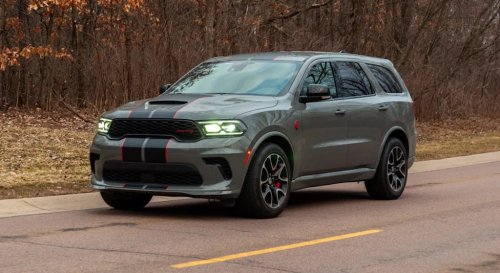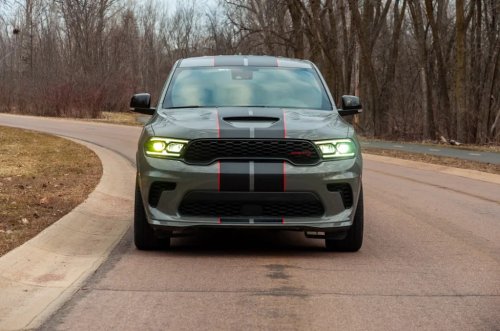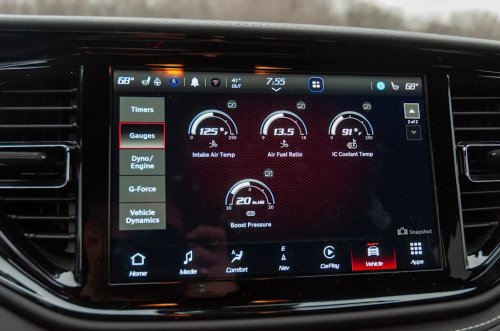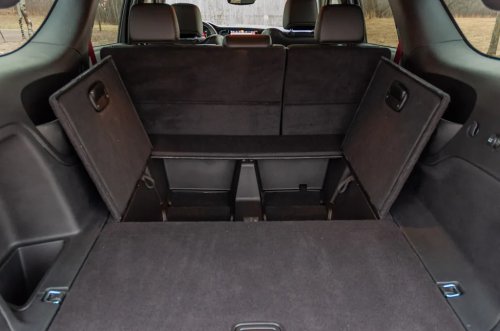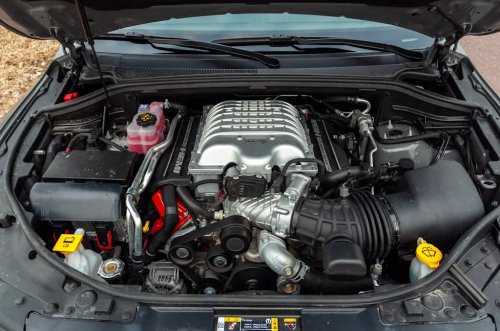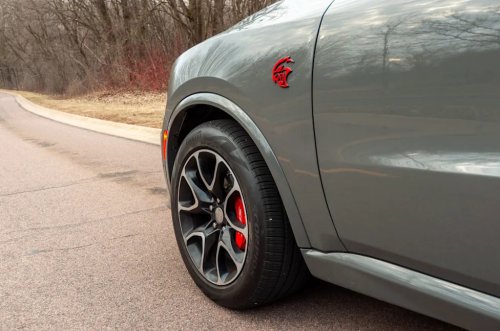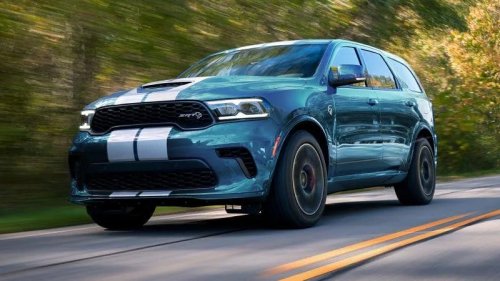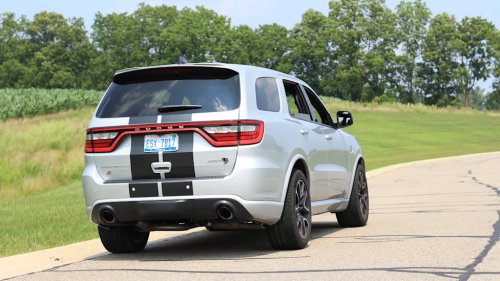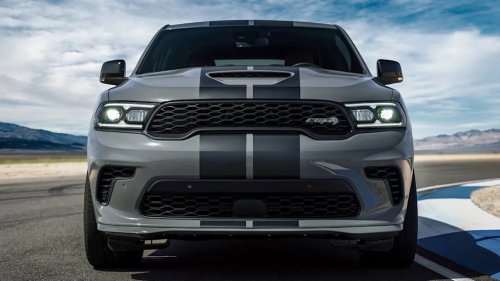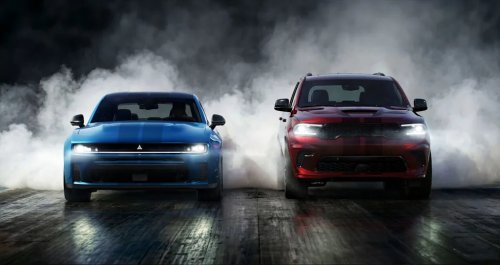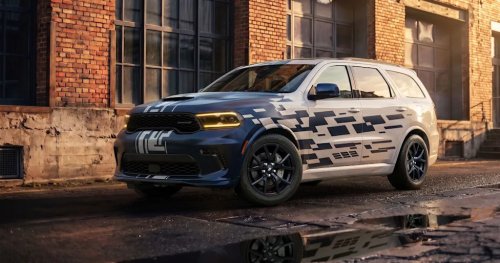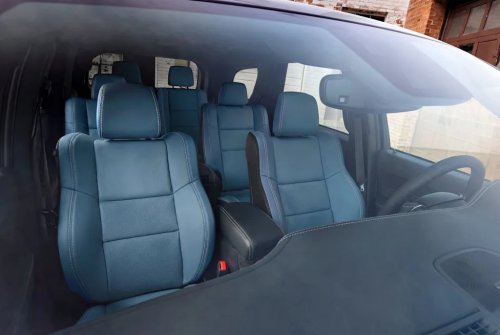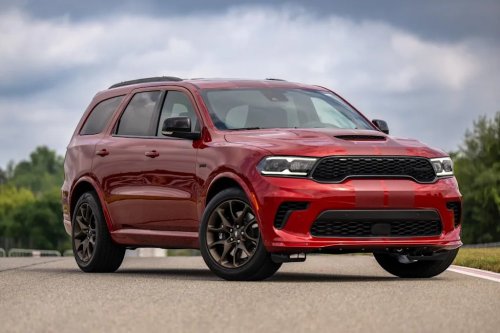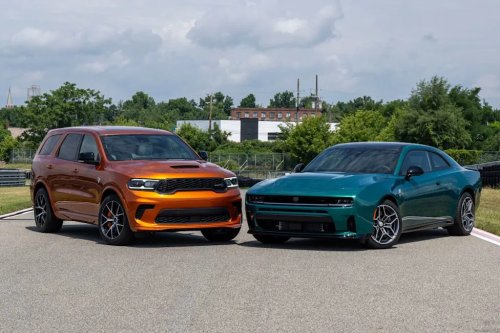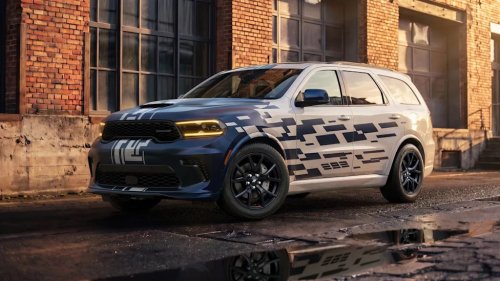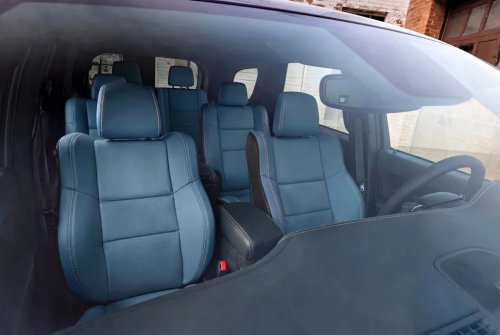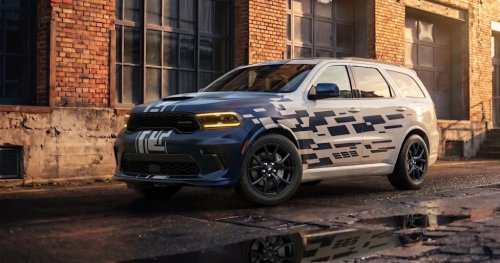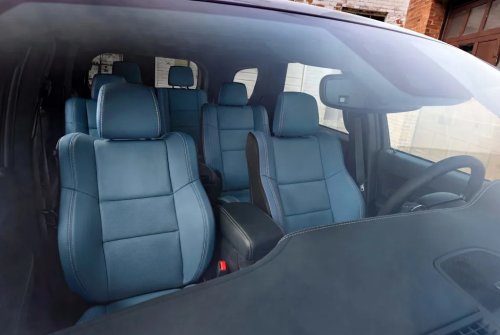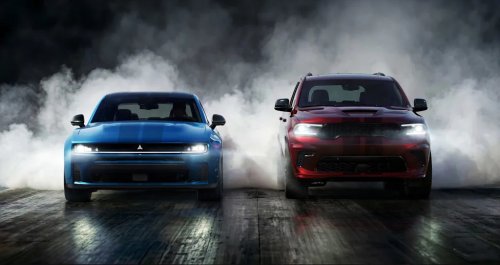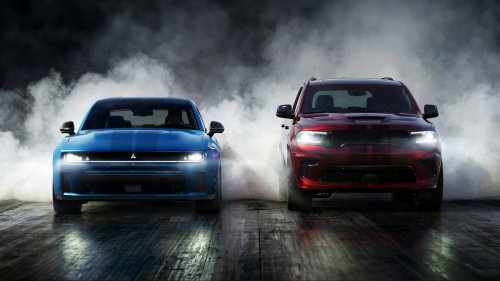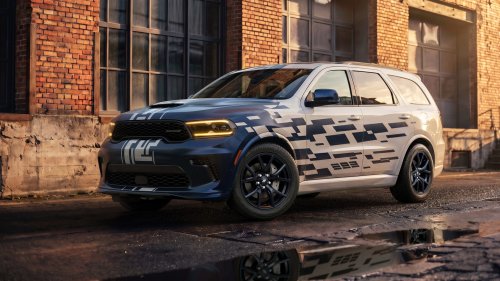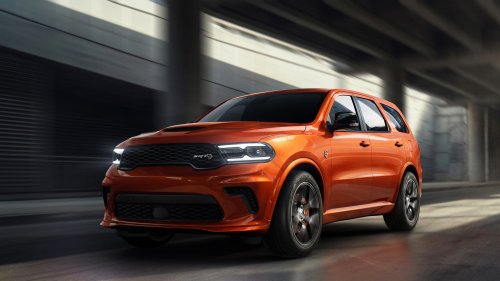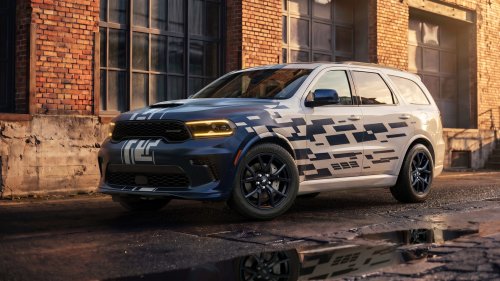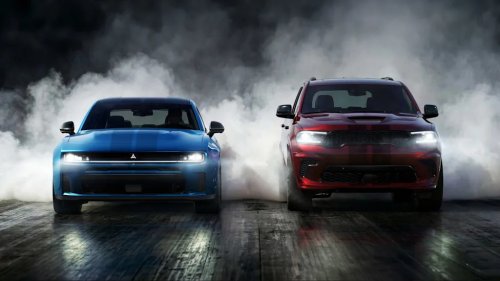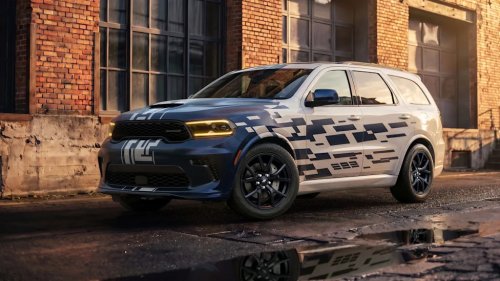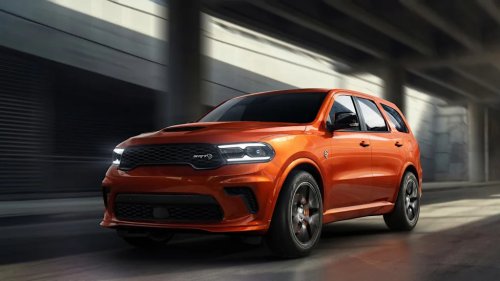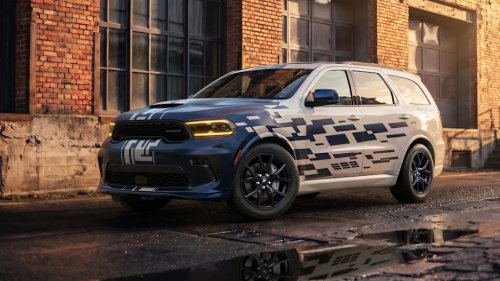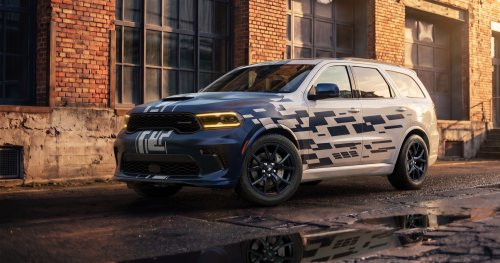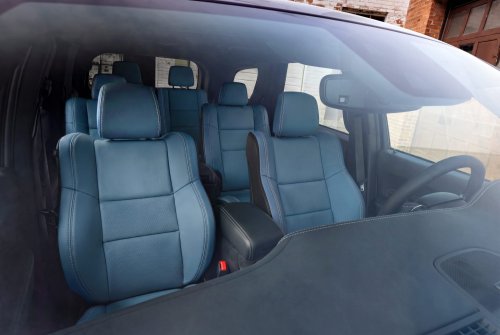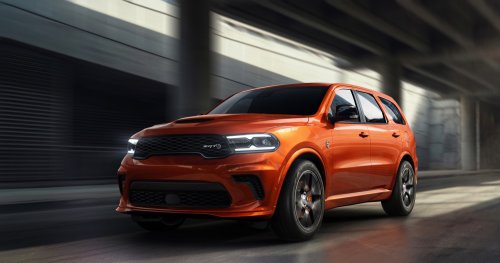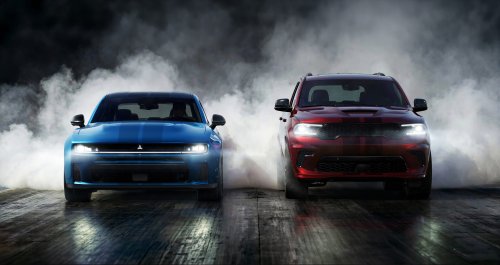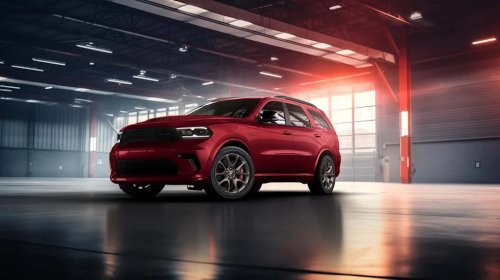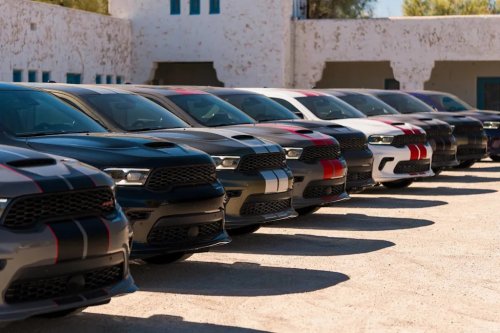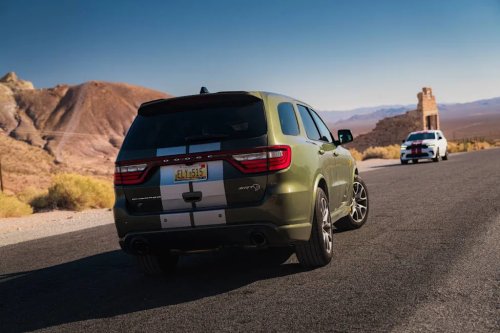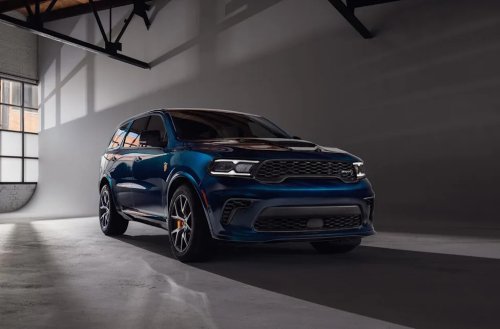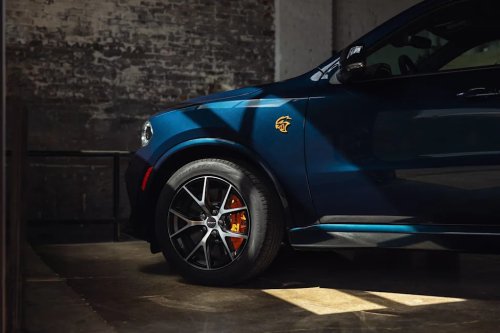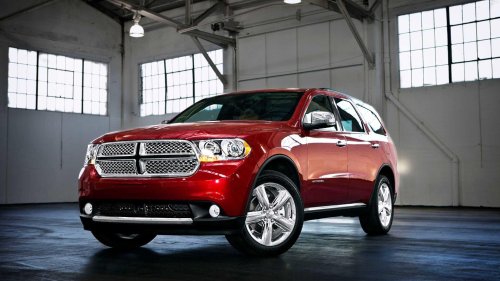
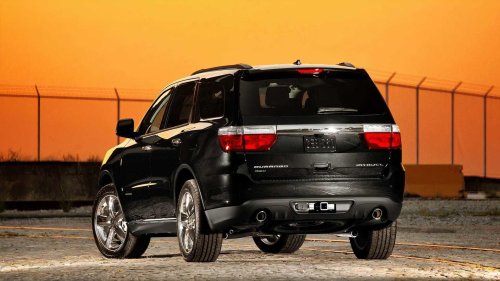
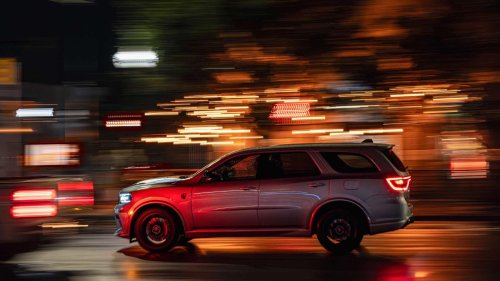
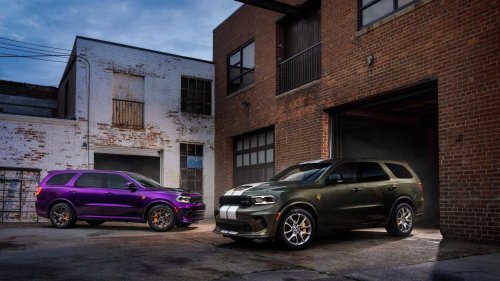
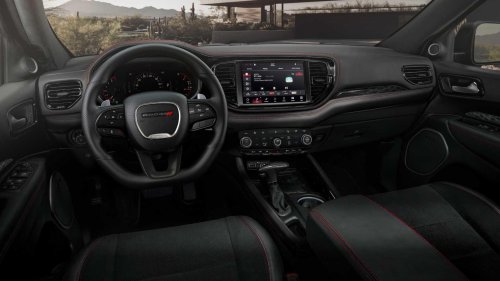
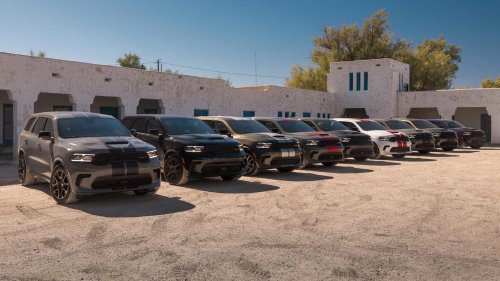























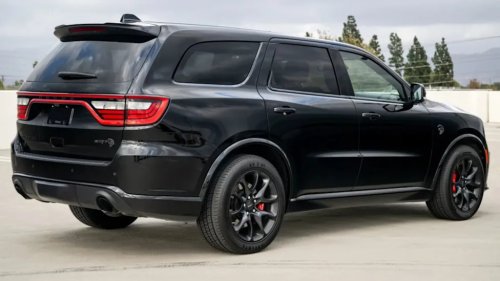
The Nissan GT-R finally took its curtain call after the 2024 model year in the US, closing out a 15-year run that, in modern automotive terms, borders on the prehistoric. But while the GT-R fades into legend, another machine soldiers on and is even poised to outlast it – and unlike Nissan’s halo car, whose sales sputtered for most of its life, this one is selling better now than ever.First introduced for the 2011 model year, the current third-generation Dodge Durango is now deep into its 15th year on the market, with no full redesign in sight. And why would Dodge rush it? The big three-row SUV just posted its strongest sales yet, proving that even in an era of constant reinvention, there’s still plenty of life left in a well-aged formula. A Muscle Car For Big Families Stellantis Key Facts To Know Shares a platform with the previous-generation Jeep Grand Cherokee Offers three different V8 options Was the most powerful SUV in production at one point The Dodge Durango nameplate was introduced for the 1998 model year as an SUV counterpart to the Dodge Dakota midsize pickup truck. It effectively replaced the veritably ancient Dodge Ramcharger and didn’t hide its truck-based roots, with Dodge marketing it as a rugged family hauler.A second generation arrived for 2004, still sharing a body-on-frame platform with the Dakota, though both the exterior design and interior comfort were moving toward crossover sensibilities. Chrysler also experimented with a lightly refreshed version called the Aspen, though both the Aspen and the second-generation Durango were cut after 2009.After rumors suggested the Durango might be retired during Chrysler’s bankruptcy amid the global financial crisis – the Aspen did receive the axe – a new third-generation Durango finally launched for 2011. It switched to a more car-like unibody construction, sharing a platform with the previous-generation Jeep Grand Cherokee.This generation also marked a shift toward on-road performance, as Dodge was increasingly positioned as the brand for muscle cars after its Ram nameplate was split off to become a standalone brand for pickup trucks and commercial vehicles around 2009.Dodge Sleeker and more modern, the 2011 Durango’s design wrapped what Dodge pitched as a performance-tuned setup into a three-row SUV, helping it stand apart from the two-row Grand Cherokee. Chrysler had already tested the concept of a performance SUV successfully with the Grand Cherokee SRT8, powered by a 6.1-liter V8, and the Durango offered similar fun-to-drive ability without the Jeep’s steep price tag.Buyers could opt for the base Durango with the 3.6-liter V6, rated at 290 horsepower and 260 lb-ft of torque, with an MSRP of $29,195, making it accessible to families on tighter budgets. Upgrading to the 5.7-liter V8, rated at 360 hp and 390 lb-ft, only required stretching to an MSRP of $34,690. That ethos of affordable performance endures today, as the 2026 Durango with the 5.7-liter V8 remains one of the most accessible ways to get V8 power, carrying a $44,270 MSRP.Dodge The Durango formula has remained largely unchanged over the years, but sales have steadily climbed as the SUV has ridden the wave of consumer demand, especially for affordable three-row models. In 2025, Durango sales reached 81,167 units in the US, the highest level since this generation launched. Even during the height of the pandemic in 2020, it still managed 57,828 sales, which was higher than the 51,697 units sold in its first year.Dodge has introduced updates to keep the Durango fresh. A 2014 facelift brought new fascias and revised light signatures for a modern appearance. The 2021 model year saw major technology updates, including larger touchscreens and a completely modern Uconnect infotainment system.The biggest shake-up, however, was the introduction of the Durango SRT flagship for 2018, initially powered by a 6.4-liter V8 rated at 475 hp and 470 lb-ft. That was later eclipsed by the Durango SRT Hellcat, which packed a supercharged 6.2-liter V8 good for 710 hp and 645 lb-ft, cementing the Durango’s place as one of the most extreme muscle SUVs on the market. What's New For 2026 Dodge Dodge has continued to refine the Durango, including ensuring it meets the latest regulatory standards to remain on sale in as many states as possible. With the launch of the 2026 lineup, models equipped with the 6.4‑liter V8 and supercharged 6.2‑liter V8 initially ran afoul of California and other CARB-aligned emissions rules. That temporarily made the most desirable trims unavailable in 18 states – or 19, counting Washington, DC – representing more than a third of the US market. Dodge, however, pushed forward and brought those V8 variants into full compliance late last year, restoring availability nationwide.Other updates for 2026 include the Blacktop Redline appearance and interior package on select trims, which adds stealthy exterior accents, larger wheels, and upgraded interior touches. The Tow ‘N Go package is also available, depending on trim, boosting towing capacity up to 8,700 lbs and adding enhancements such as Brembo brakes, adaptive suspension damping, a sports exhaust, and more. New paint finishes, including Triple Nickel and B5 Blue, as well as a carbon-fiber-inspired stripe pattern, round out the cosmetic updates.Stellantis For the Durango SRT Hellcat, the Jailbreak option returns, letting buyers fully customize their flagship SUV. Options include six wheel designs, eight paint finishes, six badge colors, five seat colors, and four brake-caliper colors, giving the Hellcat a highly personalized appearance.The Durango R/T with the 6.4‑liter V8 will see late availability for 2026, with orders opening in the first half of the year. Dodge has confirmed that this trim will carry an MSRP under $50,000 when it arrives, offering a potent V8 option without breaking the bank. The Future Of The Durango Stellantis Dodge has plans to launch a next-generation Durango, but it isn't showing up for a few years. During a broader announcement last fall outlining a $13 billion US investment push, parent company Stellantis confirmed that a next-generation Durango will be built at the Detroit Assembly Complex alongside the Jeep Grand Cherokee. Production is slated to begin in 2029, which points to the new Durango arriving as a 2030 model. The company plans to invest about $130 million into the plant to get it ready.That timeline underscores a notable delay, one that will stretch the current Durango’s lifespan to an almost absurd 18 years. Originally pegged for a 2026 debut, according to a 2023 UAW document, the next Durango seems to have been caught in Stellantis’ shifting strategy. At one point, rumors suggested the rugged three-row might be replaced by a smaller electric SUV called the Stealth. But with EV demand cooling and US emissions rules loosening, the recalibration makes sense. Expect Dodge to double down on what works: a big, brawny SUV with attitude – and yes, likely V8 power still rumbling under the hood. Sticking With A Winning Formula Dodge If anything, the Durango’s long run proves Dodge has been playing the game better than it gets credit for. By sticking to a simple recipe – muscle-car attitude, real V8 power, and family-friendly practicality – it’s carved out a niche no rival has truly matched. With demand still strong and a next-gen model on the horizon, Dodge isn’t behind the curve with the Durango. In fact, it’s right where its buyers want it.Sources: Dodge