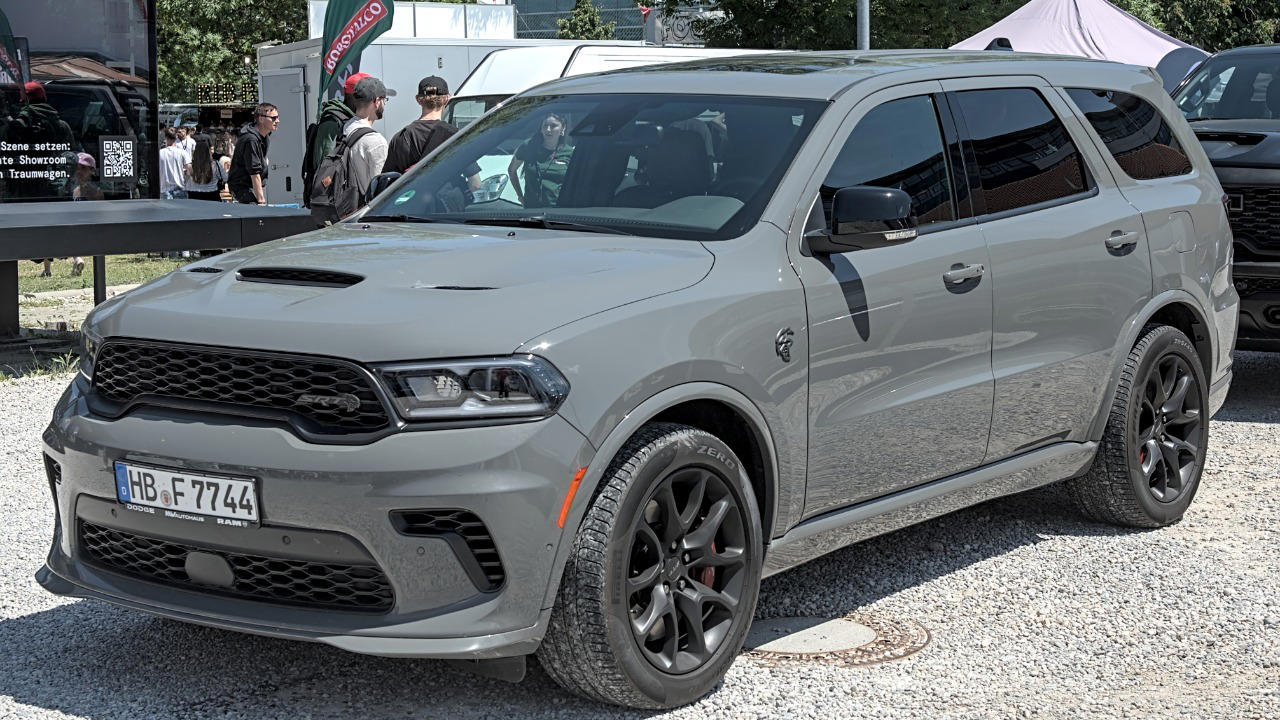
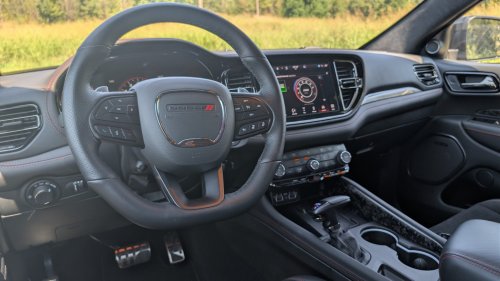
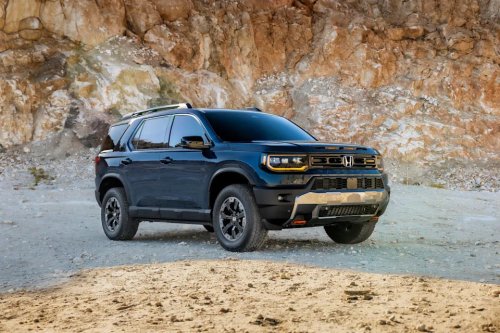
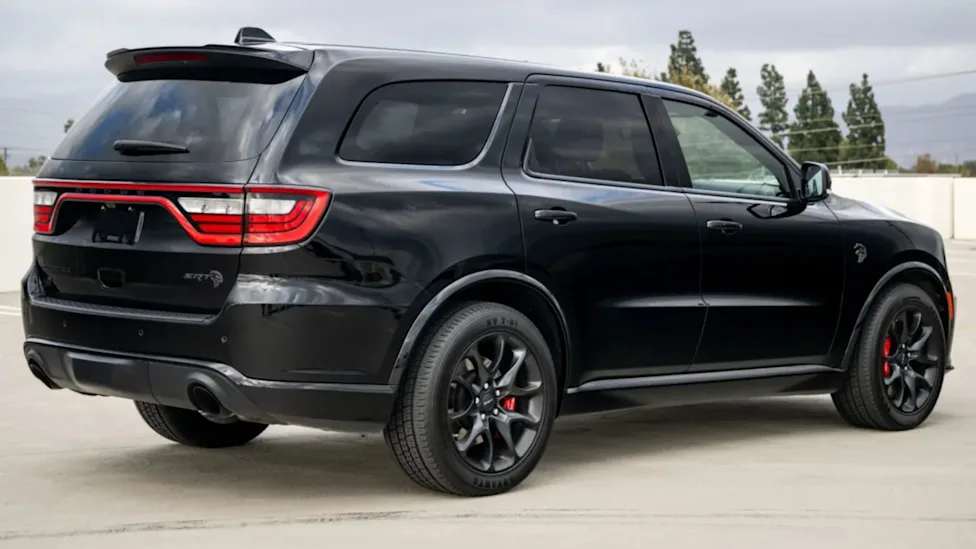
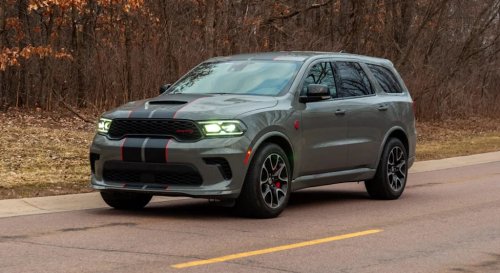
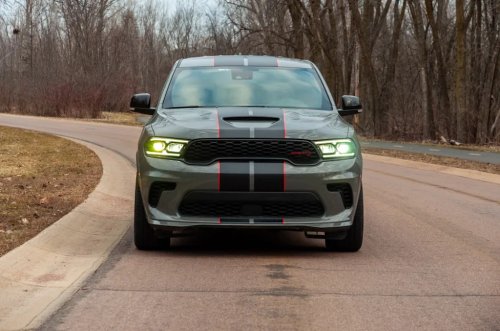
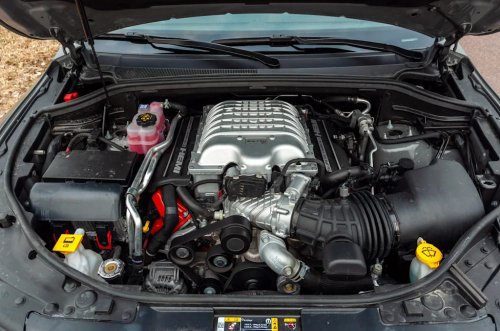
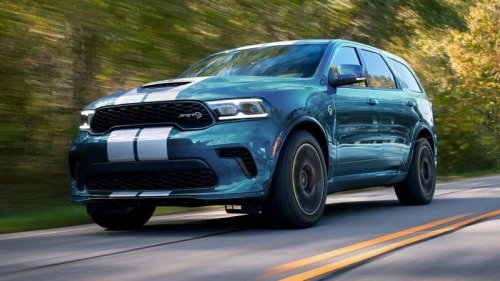
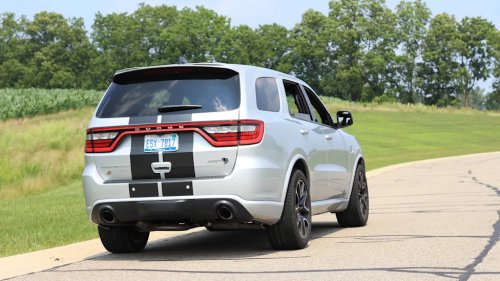
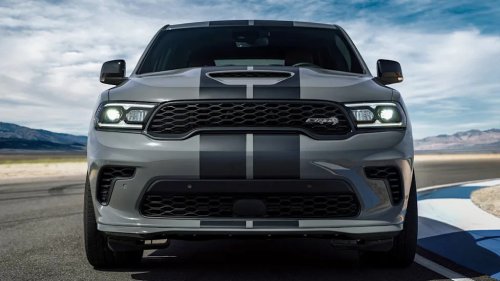
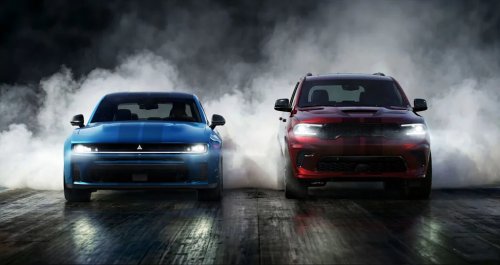
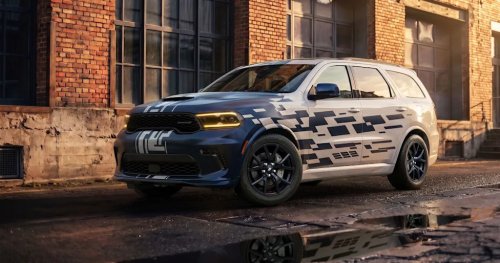
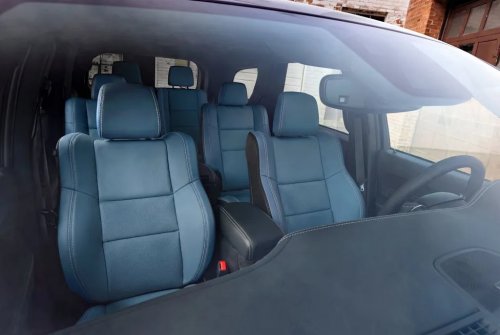
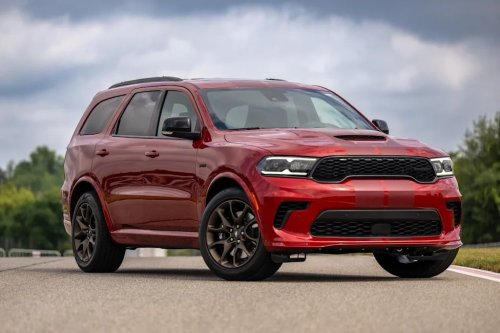
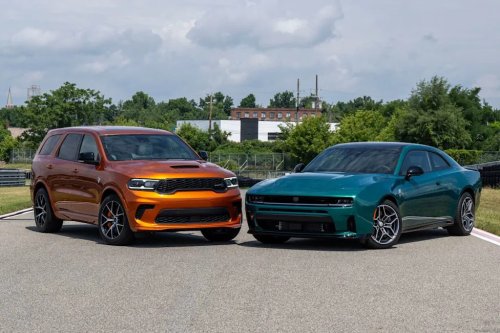
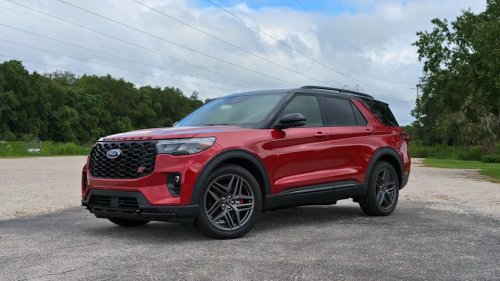
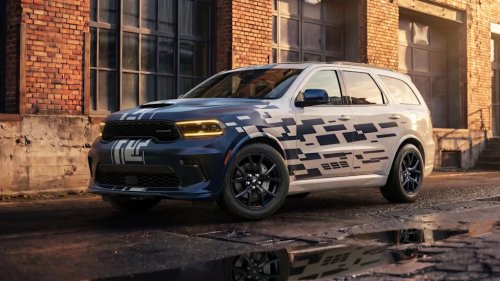
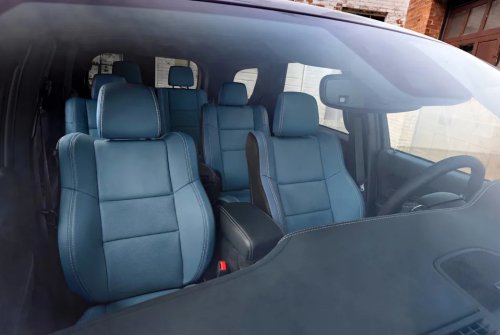
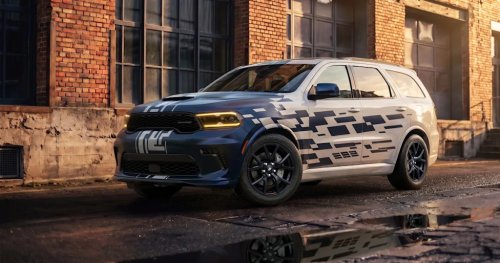
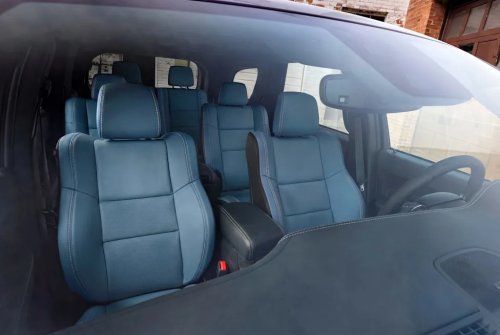
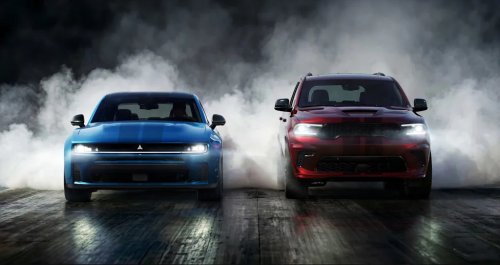
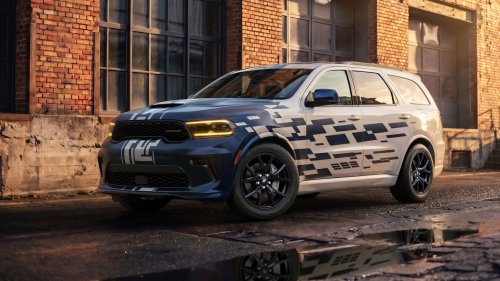
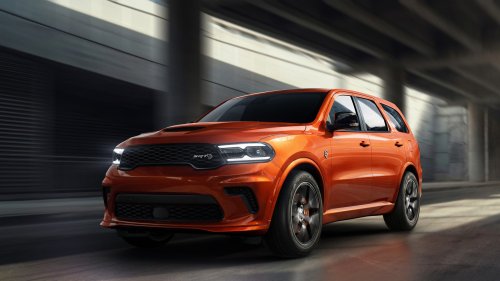
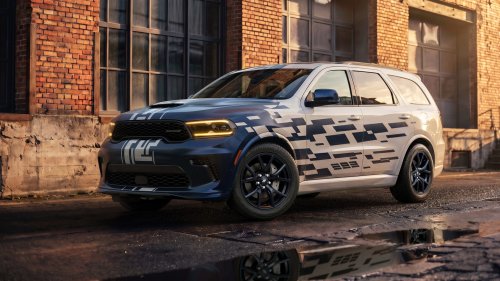
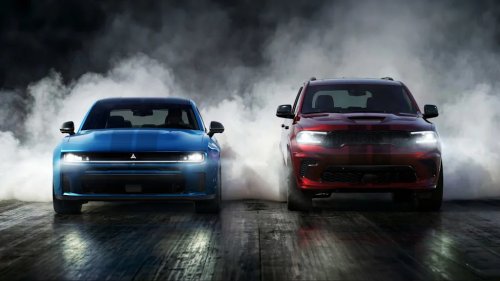
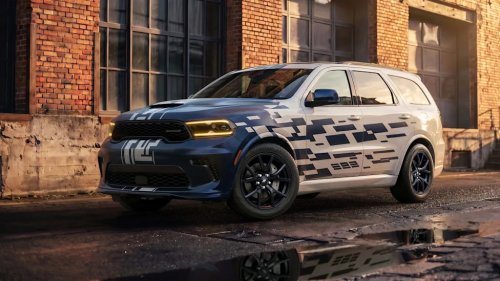
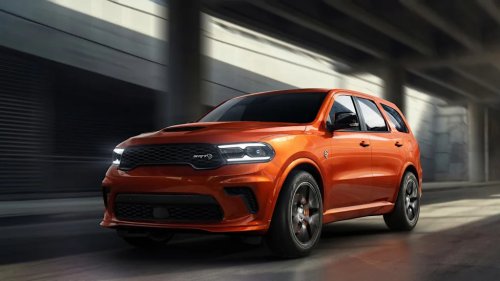
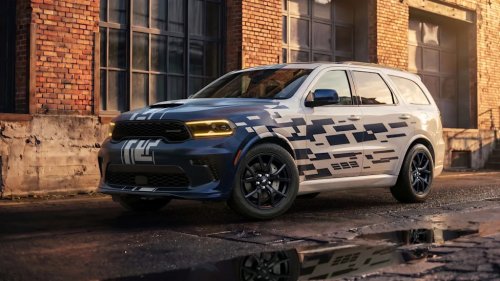
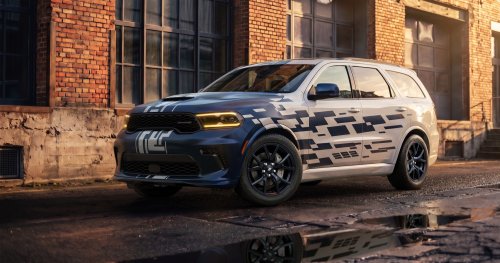
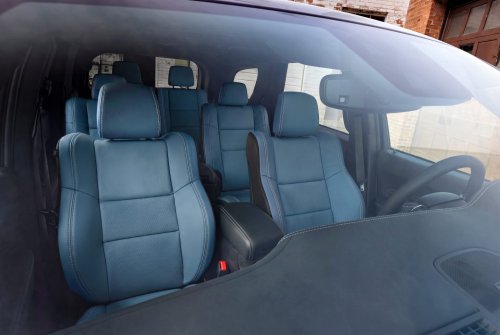
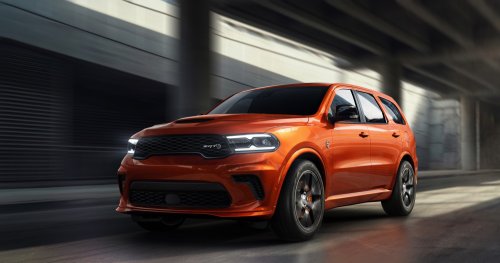
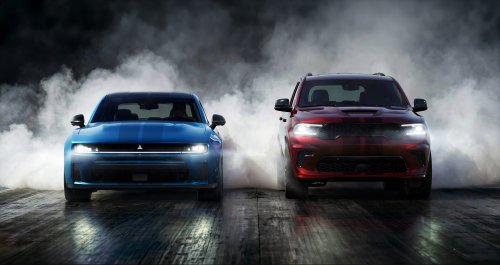
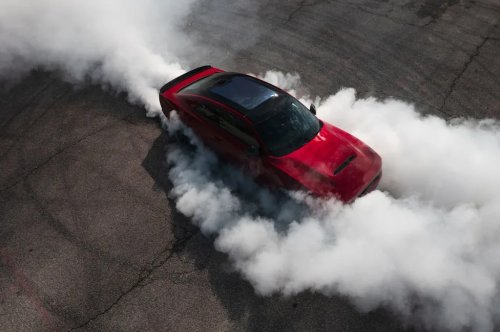
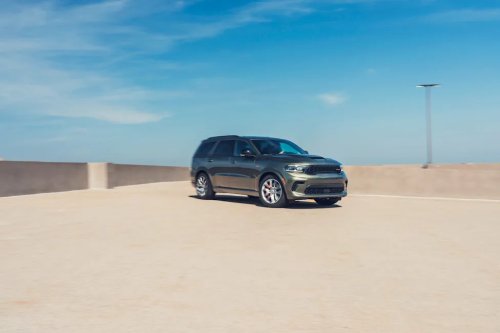
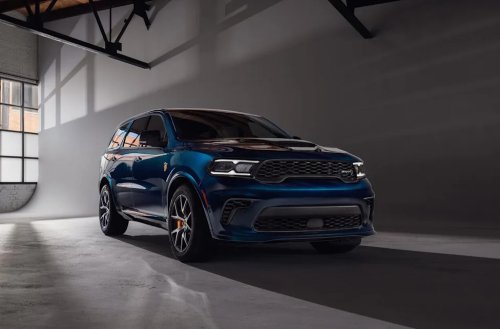
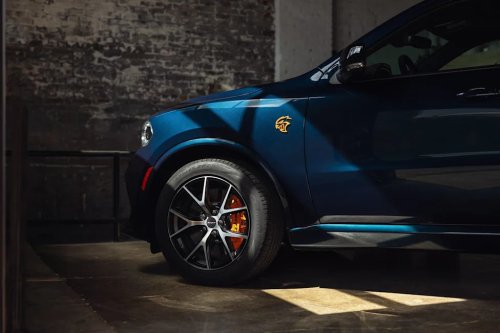
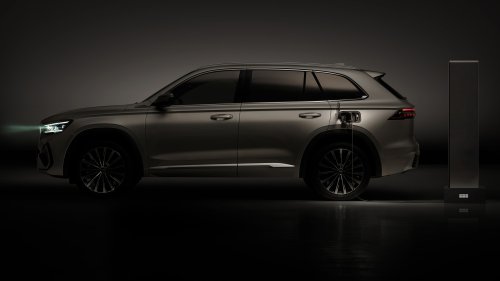
Why the Dodge Durango still divides SUV shoppersThe Dodge Durango has become one of the most polarizing three-row SUVs on sale, admired by drivers who crave power and presence and dismissed by others who see it as an aging throwback. The combination of V8 performance, family practicality, and traditional driving feel results in strong opinions among shoppers. That tension between muscle personality and modern expectations is exactly why the Durango continues to split opinion in the SUV aisle. Muscle SUV or family hauler? At its core, the Durango is a midsize SUV that tries to be two vehicles at once: a serious family hauler and a performance machine. Recent models are three-row SUVs seating up to seven, with cabins and cargo areas designed for families requiring space for passengers, luggage, and long journeys. Yet the same vehicles are also marketed as muscle SUVs with powerful engines and aggressive styling. That dual identity appeals to drivers who do not want to surrender performance when they outgrow a two-door coupe, but it can feel like a compromise to shoppers who prioritize quiet comfort and efficiency above all else. Reviewers who focus on practicality point to the Durango’s seating flexibility and towing strength as genuine assets, noting that the three-row layout and available configurations are meant for families that need more than just a school-run shuttle. Analyses of the current Dodge Durango Review describe a midsize SUV with up to seven seats that is designed for people who want to tow and carry passengers at the same time, even if the interior does not feel as modern or as efficient as some rivals. That blend of utility and attitude is exactly what some buyers love and others reject, and it sets the stage for the Durango’s divisive reputation. Performance thrills and efficiency trade-offs Enthusiasts are drawn to the Durango because it offers performance that most family SUVs simply do not attempt. The lineup includes variants such as the Dodge Durango SRT Hellcat, which is described as being powered by a 6.2-liter supercharged Hemi V8 that turns a three-row SUV into a rare high-horsepower animal in the modern car market. Higher trims like the Durango R/T 392 and Durango Hellcat are singled out as the two versions that carry more potent V8 powertrains, with the figure 392 used to identify one of the most performance-focused configurations and to signal that this is not a typical grocery-getter. Compared with rivals such as the Chevrolet Tahoe, the 2026 Dodge Durango offers significantly higher performance, positioning itself as a top choice for enthusiasts seeking power. Those same strengths, however, create clear downsides for shoppers who are not chasing lap times. Long-running critiques of the Durango highlight that Cons Fuel economy is not among the Durango strengths, with the V6 trailing midsize-crossover SUVs and the V8 losing the fuel-efficiency contest to alternatives such as the Ford Explorer and Nissan Pathfinder. Social media commentary on recent models has described the 2024 Durango as making up for its fuel-thirsty engines and disappointing third row with impressive towing figures and brash styling, a trade that some households welcome and others view as outdated. The contrast is even sharper when the Durango is set against softer, more efficiency-minded rivals like the Honda Pilot, whose 3.5L V6 is listed at 285 horsepower and praised for smooth and quiet manners in Honda Pilot comparisons, which underscores how far the Durango sits from the segment’s fuel-conscious mainstream. Old-school platform in a new-SUV world The Durango’s age and underlying platform represent another point of division among buyers. Analysts have described the Durango as the oldest brand-new SUV on sale in 2026, noting that this large, practical family SUV with seating capacity for up to seven people has stayed in production long enough to feel like a throwback among fresher crossovers. A separate review of a 2021 model even called it a dinosaur that some drivers adore, while conceding that it may not offer the same peace of mind as a Toyota Highlander when it comes to construction and dependability. For shoppers who value proven hardware and a traditional driving feel, that long-running platform is reassuring; for others who want the latest crash structures, hybrid systems, and infotainment layouts, it looks like a red flag. Dealership comparisons lean into that contrast by framing the Durango as a rebel among family vehicles. One overview asks, in effect, Who says a family vehicle has to be boring, before positioning the Durango against rivals like the Chevrolet Traverse and Ford Explorer and arguing that its performance and styling make it stand out from the crowd. That same comparison, hosted on a page that invites shoppers to Compare Dodge Durango models with the competition, highlights how much of the Durango pitch depends on rejecting the segment’s shift toward softer, more anonymous crossovers. Buyers viewing an SUV as a practical appliance may find the Durango brash and outdated, while those valuing personality regard its character as a primary appeal. Sales success, cult following, and lingering doubts Despite its age and compromises, the Durango has recently delivered some of its strongest sales in decades. Corporate figures from Stellantis, which oversees Dodge, show that the Dodge Durango has recorded its best annual sales in 20 years, even as some other models under the same umbrella have struggled. A commentator in a popular video argued that the three-row, seven-seat Durango SUV is pivotal to Dodge’s continued relevance, suggesting it carries the brand forward. That passionate defense, shared through a clip of a Dodge Durango rant, captures how fiercely loyal some owners and reviewers have become to this vehicle, seeing it as a last stand for traditional American muscle in a family-friendly wrapper. More from Fast Lane Only Unboxing the WWII Jeep in a Crate 15 rare Chevys collectors are quietly buying 10 underrated V8s still worth hunting down Police notice this before you even roll window down