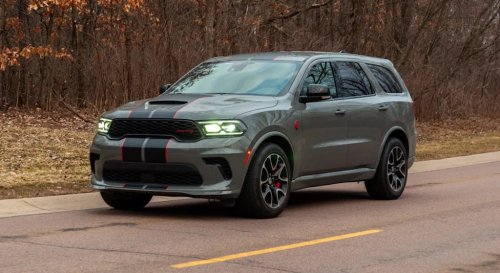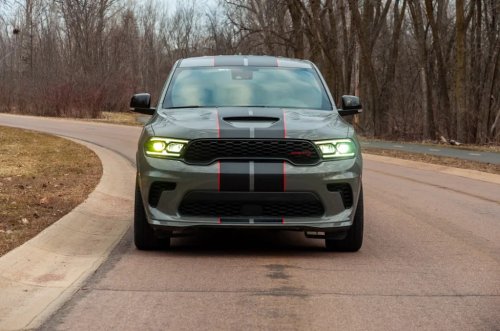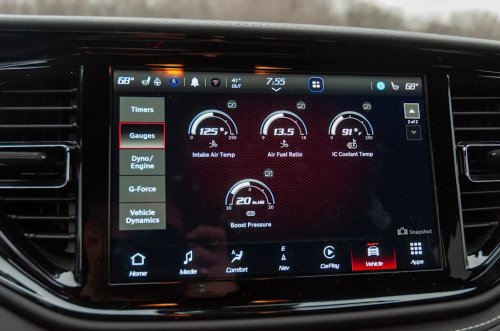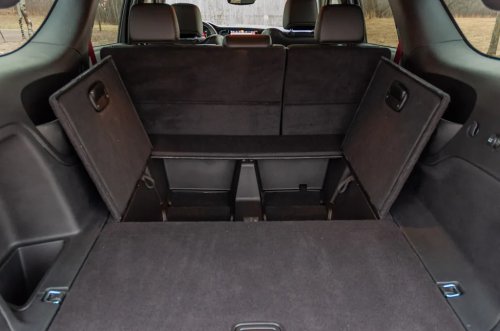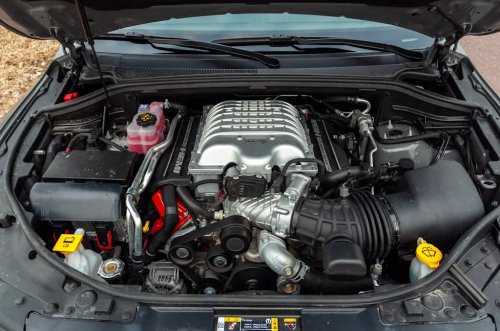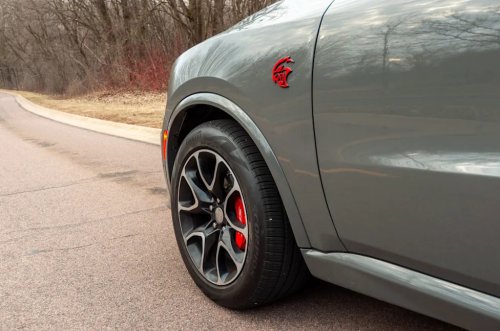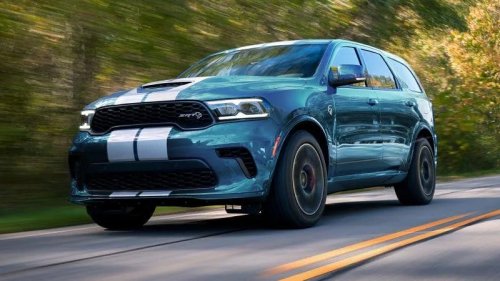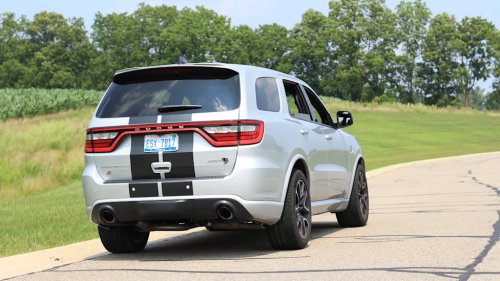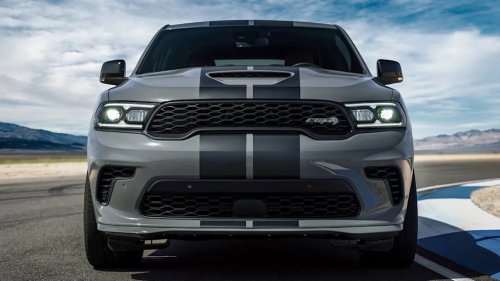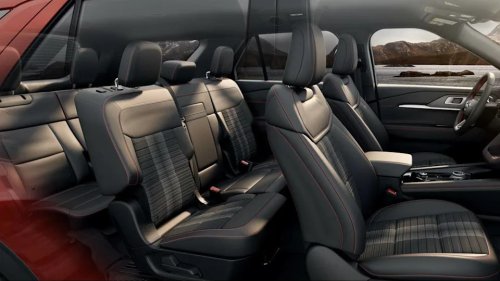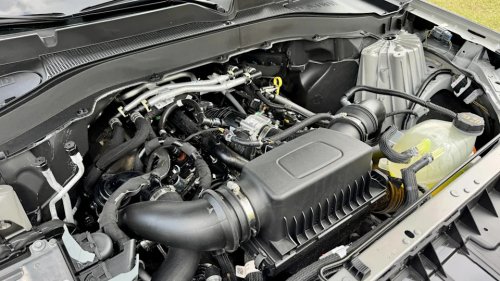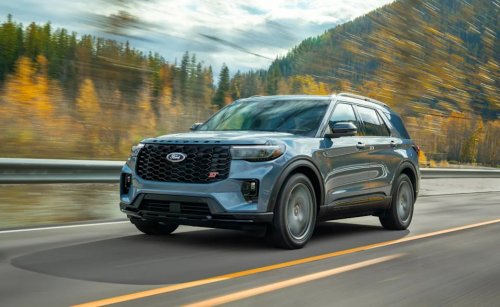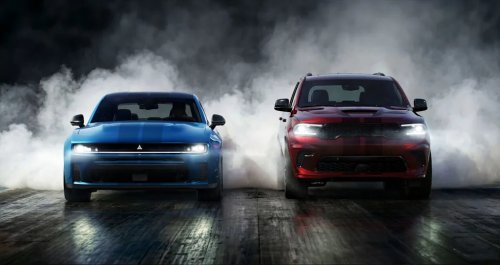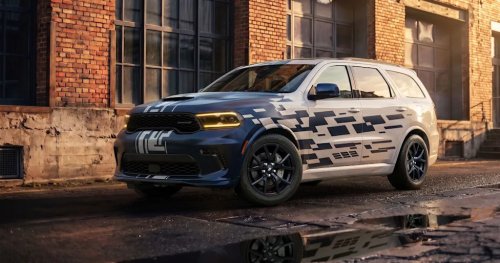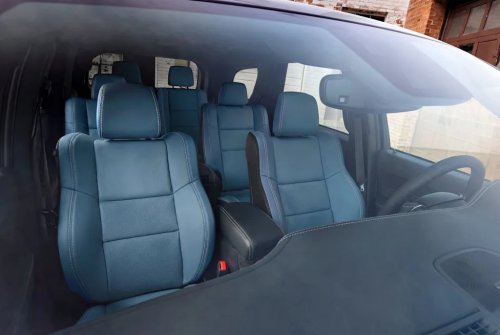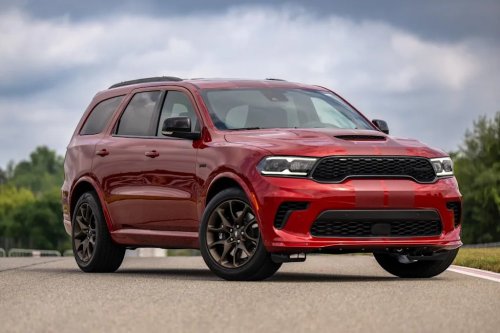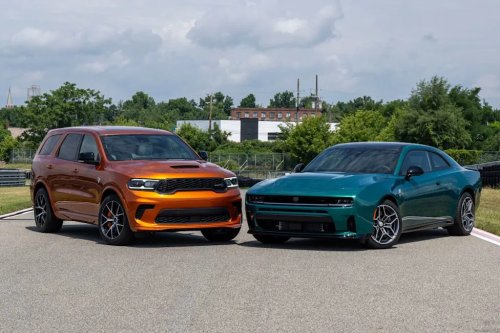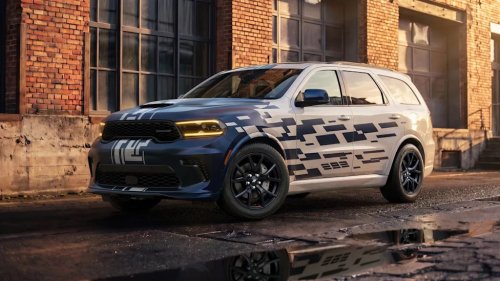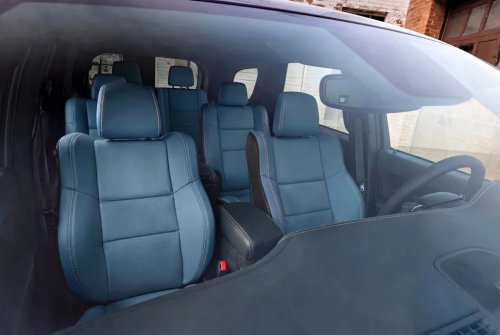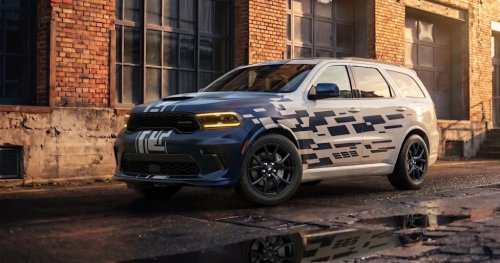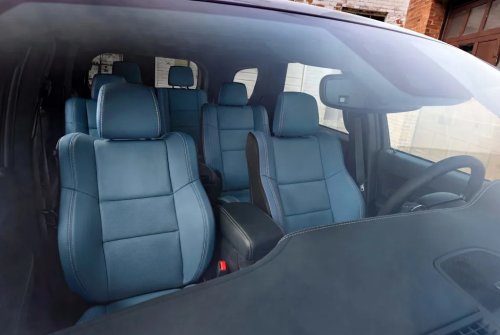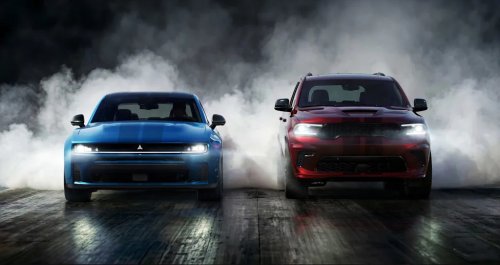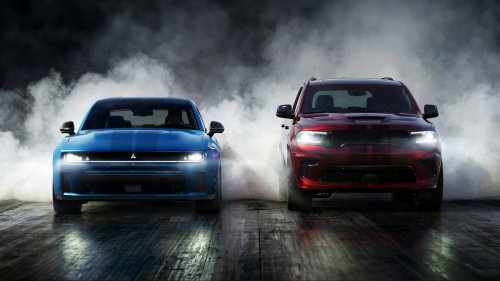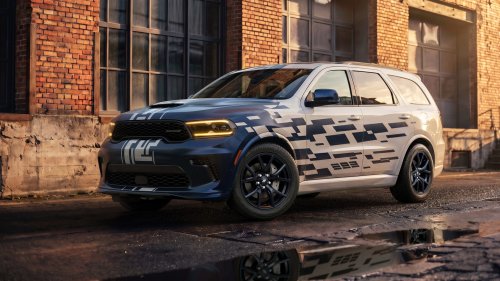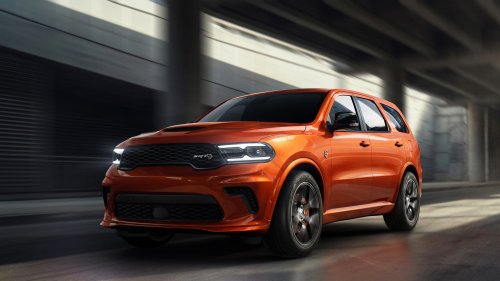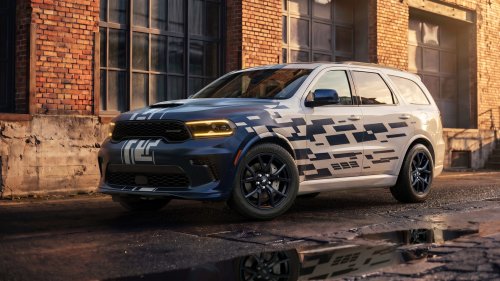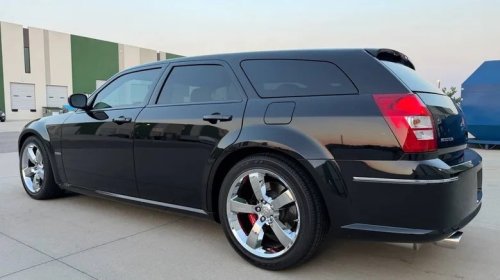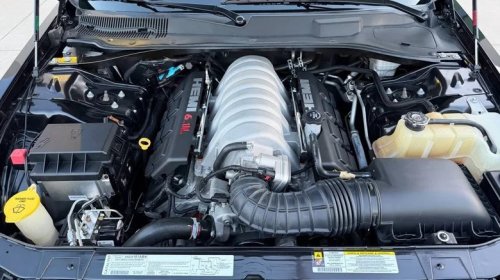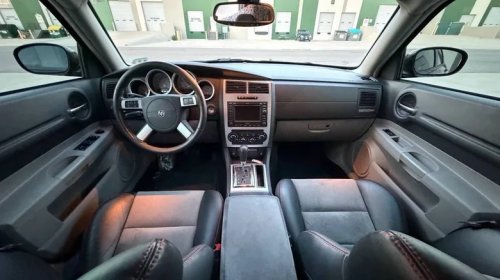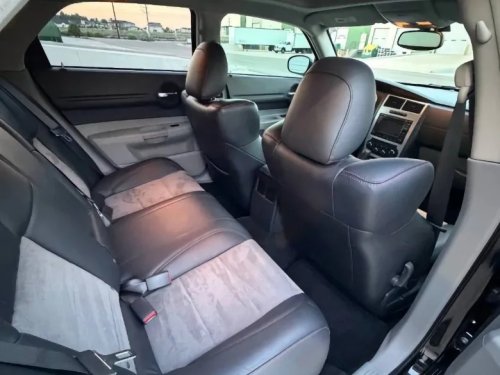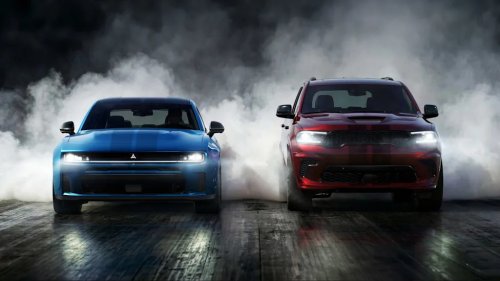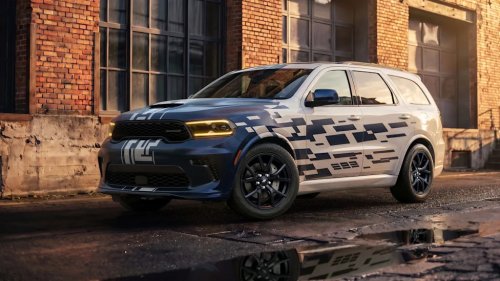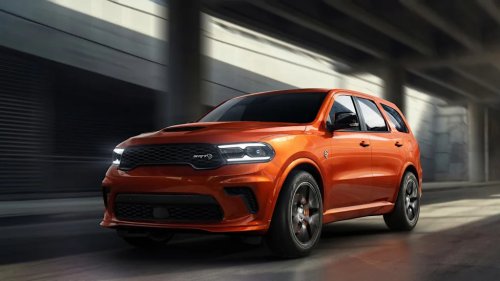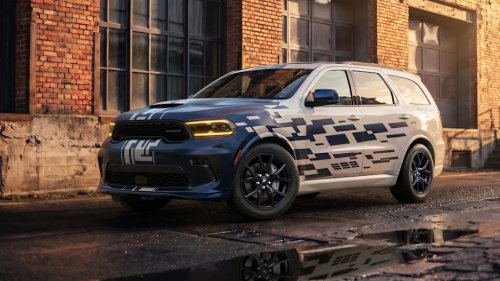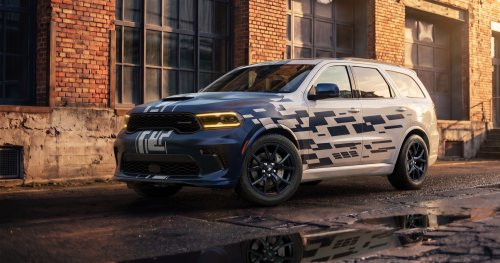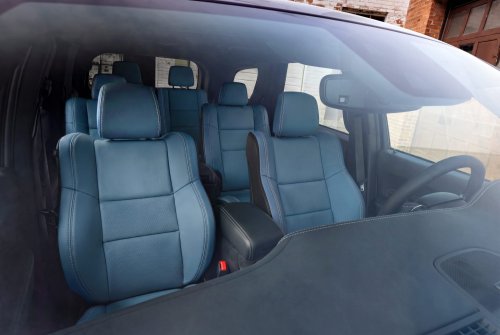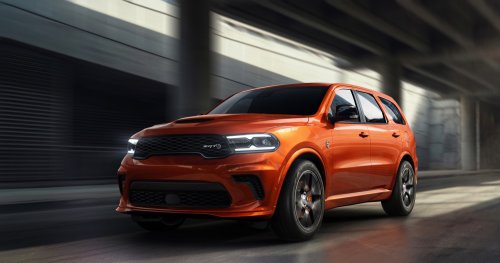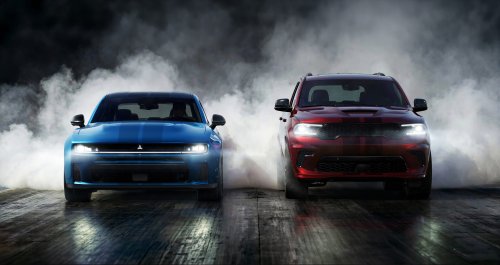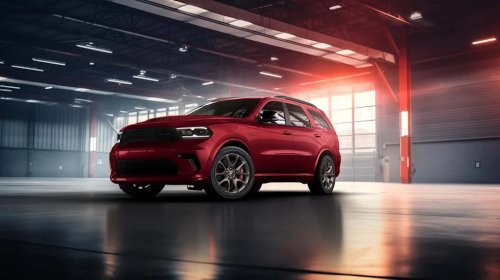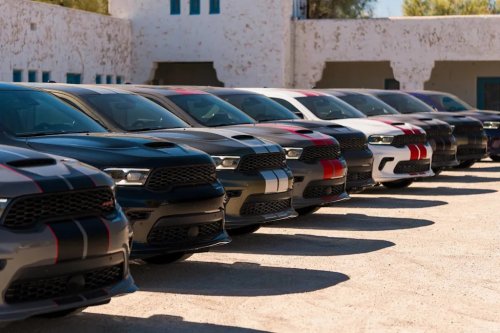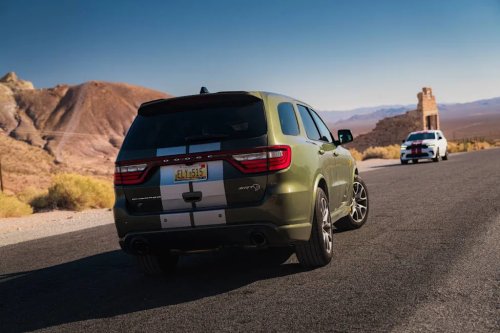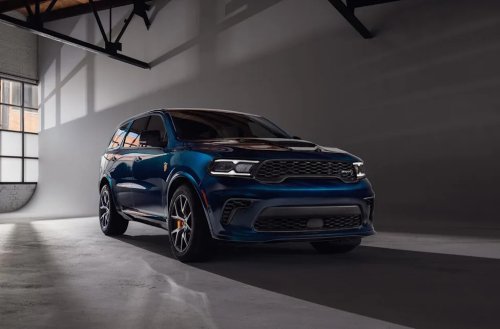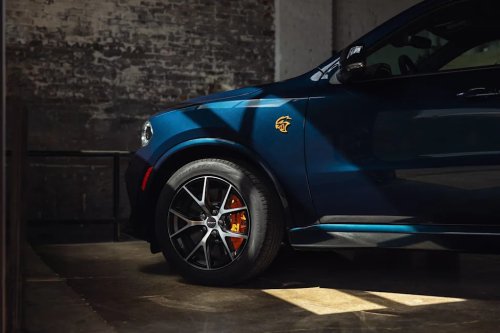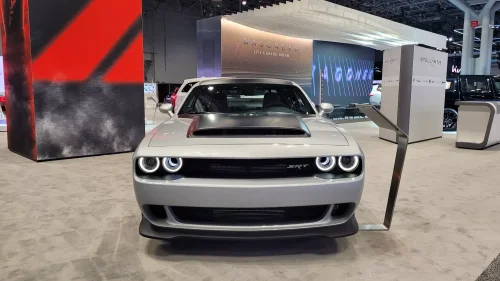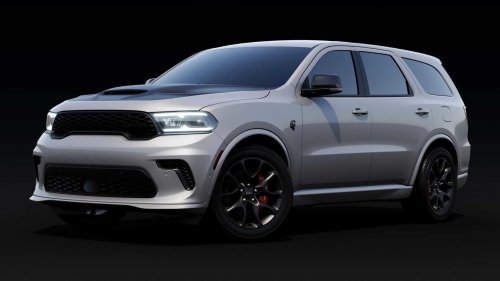
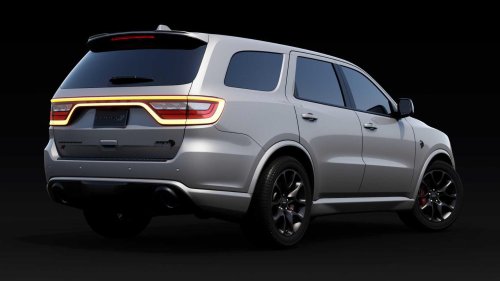
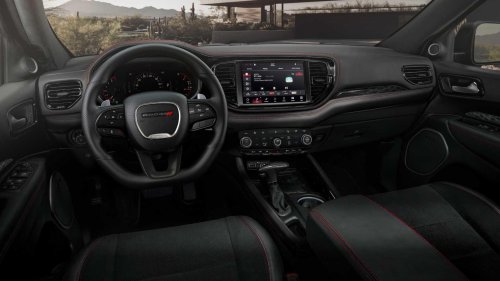
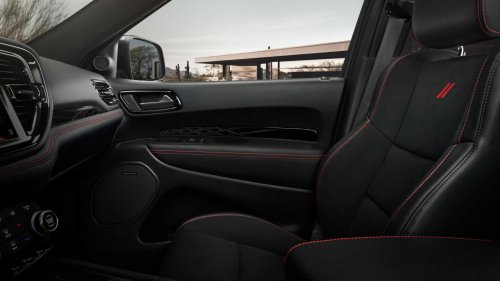
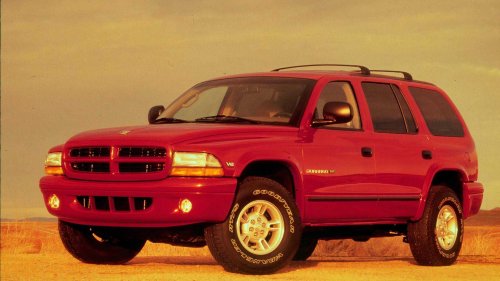
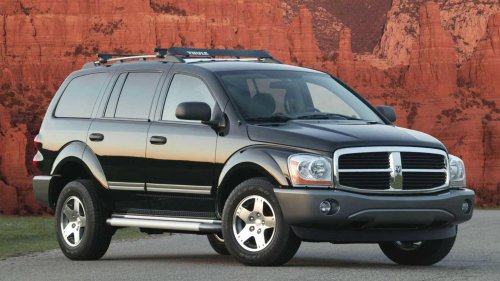
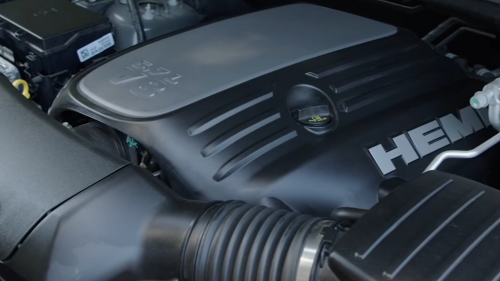























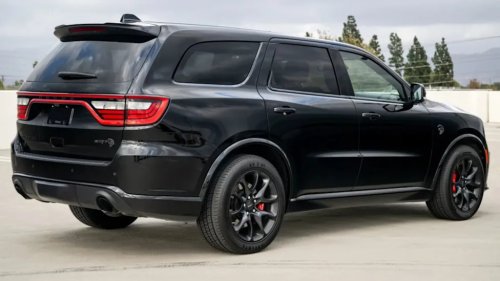
It’s no secret that V8 engines are far less common than they used to be, not just on the American automotive market but all over the world. As electrification and the push for downsizing have made automakers abandon this engine type, models equipped with one are becoming increasingly hard to find. As of this year, the Dodge Durango is the only mainstream vehicle in the midsize SUV category that offers a V8 – models such as the BMW X5 M and Mercedes-AMG GLE 63 carry prices that put them far out of the mainstream.The Durango is a dinosaur of the automotive world that has been around in its present, third-generation form for a decade and a half. The model shows no signs of slowing down or disappearing despite its age. We are taking a closer look at what the 2026 model has to offer, the Durango’s wider history, and the core reasons behind the gradual disappearance of the V8 from American roads. The 2026 Dodge Durango: Last Of Its Kind DodgeThe Dodge Durango was due to be discontinued after the 2009 model year, as the second generation was wrapping up. However, just a year later, Dodge backtracked on its decision and brought the SUV back for a third generation. The midsize SUV has been in its third generation ever since the 2011 model year, making it the oldest new SUV on sale in 2026. The third-gen Durango is assembled at the same plant as another Stellantis model, the Jeep Grand Cherokee, with which it shares severalcomponents.An aggressive, squared-off silhouette marks the Durango's character. It's part practical family SUV, part muscle car, making the SUV one of a kind. The model received a facelift in 2014, which included a modernized design, new taillights, an updated interior, and a new transmission.New for the 2026 model, the Durango GT trim level is available with a standard 5.7-liter Hemi V8 making 360 horsepower and 390 pound-feet of torque. The powerplant can get the SUV to 60 miles per hour in 6.2 seconds. Plus, Dodge touts that the $43,675 (before $1,995 destination) price makes the model the most affordable V8-powered, all-wheel drive vehicle currently available in the US.While the V8-powered options (including two naturally aspirated units and a supercharged one, ranging from 5.7 to 6.4 liters) are the most interesting, a 3.6-liter V6 is also available, producing 295 hp. The V8 vehicles, meanwhile, produce between 360 and 710 hp. Although the transmission lineup for the third-gen Durango has included a wide variety of options over the years, the only one currently available is an eight-speed automatic.Dodge There's also the updated 2026 Durango R/T that now gets the 392 6.4-liter Hemi V8, making 475 hp and 470 lb-ft. The upgrade is 115 hp more than the previous 5.7-liter V8-powered R/T grade.At the very top of the power output ranking sits the SRT Hellcat model, whose 6.2-liter supercharged Hemi V8 makes it a veritable rarity in today’s automotive world. This version of the Durango, which takes its name from the legendary “Street and Racing Technology” performance brand, focuses on raw power and speed, taking the “muscle SUV” aspect a step further.Prices start at $38,995 for the entry-level GT model, then go up to $43,675 for the GT V8, $47,275 for the GT Plus V8, $50,275 for the GT Premium V8, and $49,995 for the R/T 392 Launch Edition. The SRT Hellcat versions are far more expensive, with the base model costing $79,995 and the Jailbreak topping the range at $80,990.Over its long lifespan, the Durango has been available in 14 trim levels and several powertrain options. As the V8 engine has gradually disappeared from more and more models, it is now the only new midsize SUV on the mainstream market with this engine type. The 2026 Durango's Interior And Tech Stellantis Although the Durango has been around in its present form for a while, it has received some updates over the years. As a result, the interior does not look or feel overly dated. There are three rows of seats, seating up to seven passengers or six with the optional second-row captain’s chairs.Both the front seats and the second row are spacious enough to accommodate adult passengers on longer journeys comfortably. In contrast, the third row is a slightly tighter squeeze and better suited to children. The rear seats also fold down to increase cargo capacity.Dodge As of last year, a 10.1-inch touchscreen became the default point of access to the Durango’s infotainment system. The system in question is, of course, Stellantis’ own Uconnect, with Apple CarPlay and Android Auto connectivity included as part of the package. Bluetooth connectivity is also included. A six-speaker sound system is offered as standard, but there are two upgrade options for those who want enhanced audio quality for their road-trip soundtrack. These are a 10-speaker Alpine stereo and a 20-speaker Harman Kardon stereo. What Came Before: The Durango's Earlier Generations Dodge Although the Durango’s current generation has been around a very long time, the model’s overall history stretches back even further. The Durango was first introduced for the 1998 model year, as a successor to the Ramcharger, which had gone out of production five years earlier. The Ramcharger name was later revived for an unrelated model, a hybrid variant of the Ram 1500 truck.The first-gen Durango was based on the Dodge Dakota pickup truck. The two models shared several interior and exterior components, including the instrument panel, the front end, and the front seats. Dodge originally planned to build the Durango with a rear-facing third row inspired by vintage station wagons; however, this feature did not make it into the final design, which had a more traditional layout.While a 3.9-liter V6 engine initially powered the Durango, it lasted only one year and was discontinued after 1999. The subsequent lineup consisted entirely of V8s, including 4.7-, 5.2-, and 5.9-liter models. A four-speed and five-speed automatic transmission were available. 1999 also saw the arrival of a rear-wheel-drive version, as the vehicle had previously only been available with a 4WD drivetrain.Dodge The second-generation Durango was introduced at the 2003 Detroit Auto Show and went on sale for the 2004 model year. Like its predecessor, this model also had a great deal in common with the Dakota pickup truck and the Ram, which was still being sold under the Dodge brand at the time. The addition of a third-row bench seat expanded the Durango’s passenger capacity to up to eight people, while the interior got a refreshed design and updated tech features.The engine lineup expanded to include a V6 and three V8s; the most powerful was a 5.7-liter Hemi V8, producing 360 hp. The transmission lineup included three automatic options: a four-speed, a five-speed, and a CVT. A hybrid version of the model was introduced in 2009 but was unsuccessful and quickly discontinued, with around 800 units built. The second generation of the model ended that same year, with the Durango going on a brief hiatus before the nameplate’s return for 2011. Why Is The V8 Engine Disappearing From American SUVs? CHP The reasons why the Durango is the last midsize SUV with a V8 engine on board are numerous and complex, although if you’re a car enthusiast, it’s probably not too hard to hazard a guess. The main culprits are downsizing, electrification, and increased awareness of carbon emissions, all of which have pushed the V8 out of not just SUVs, but the automotive world in general.Emissions: Increasingly stringent emissions regulations have pushed V8 engines out of the market, with automakers favoring less-polluting engines instead.Downsizing: Automakers can now produce similar or higher power outputs with smaller turbocharged engines. As a result, the need for large V8s has decreased considerably.Electrification/hybridization: Today’s automotive world is all about electric and hybrid power. The addition of one or more electric motors makes larger engines such as V8s unnecessary.Dimensions and manufacturing costs: Not only are V8 engines bulkier and heavier, but they are also more expensive to produce, both factors that play against them when automakers have to make long-term decisions about their lineup.Sources: Dodge