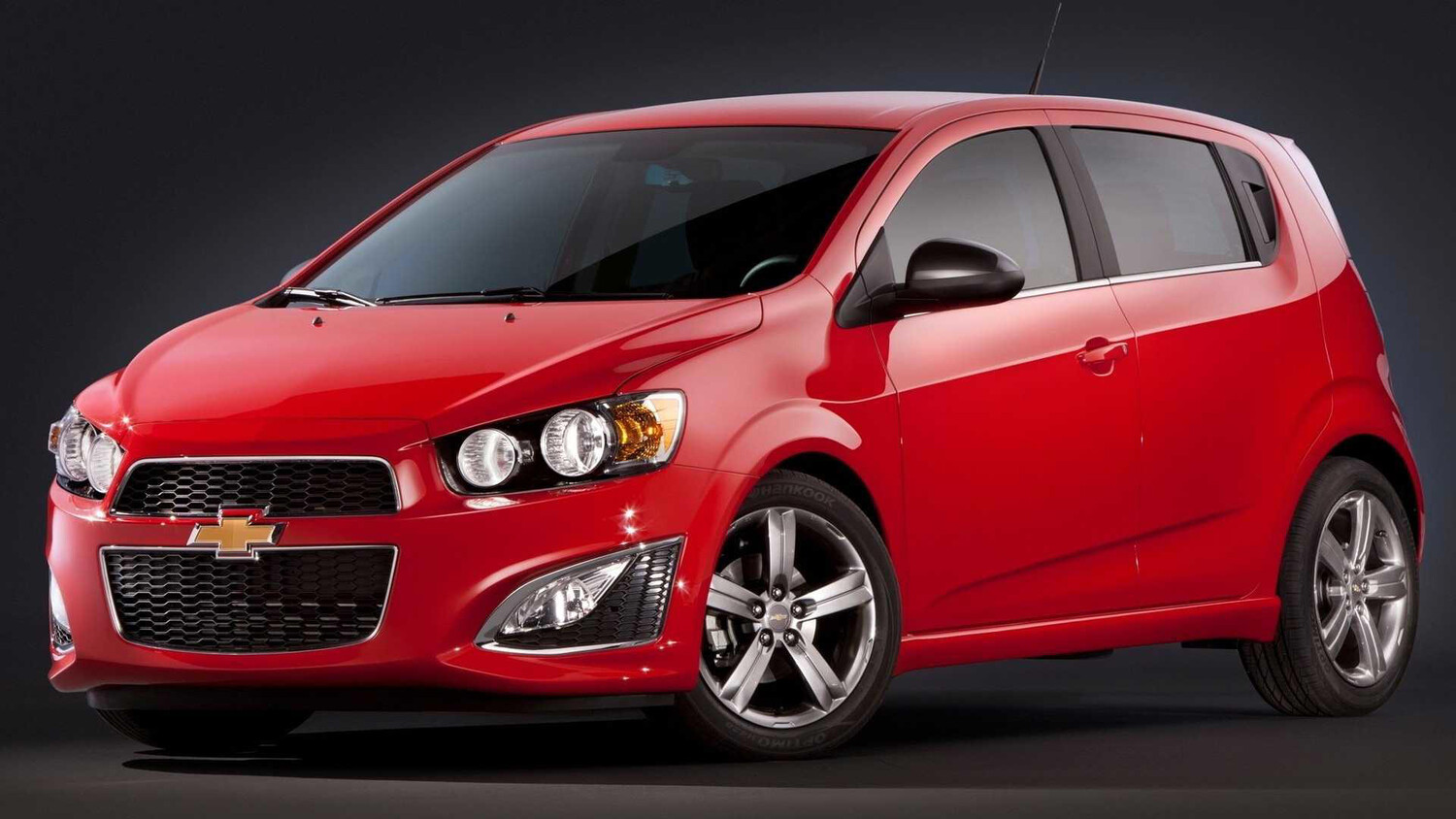
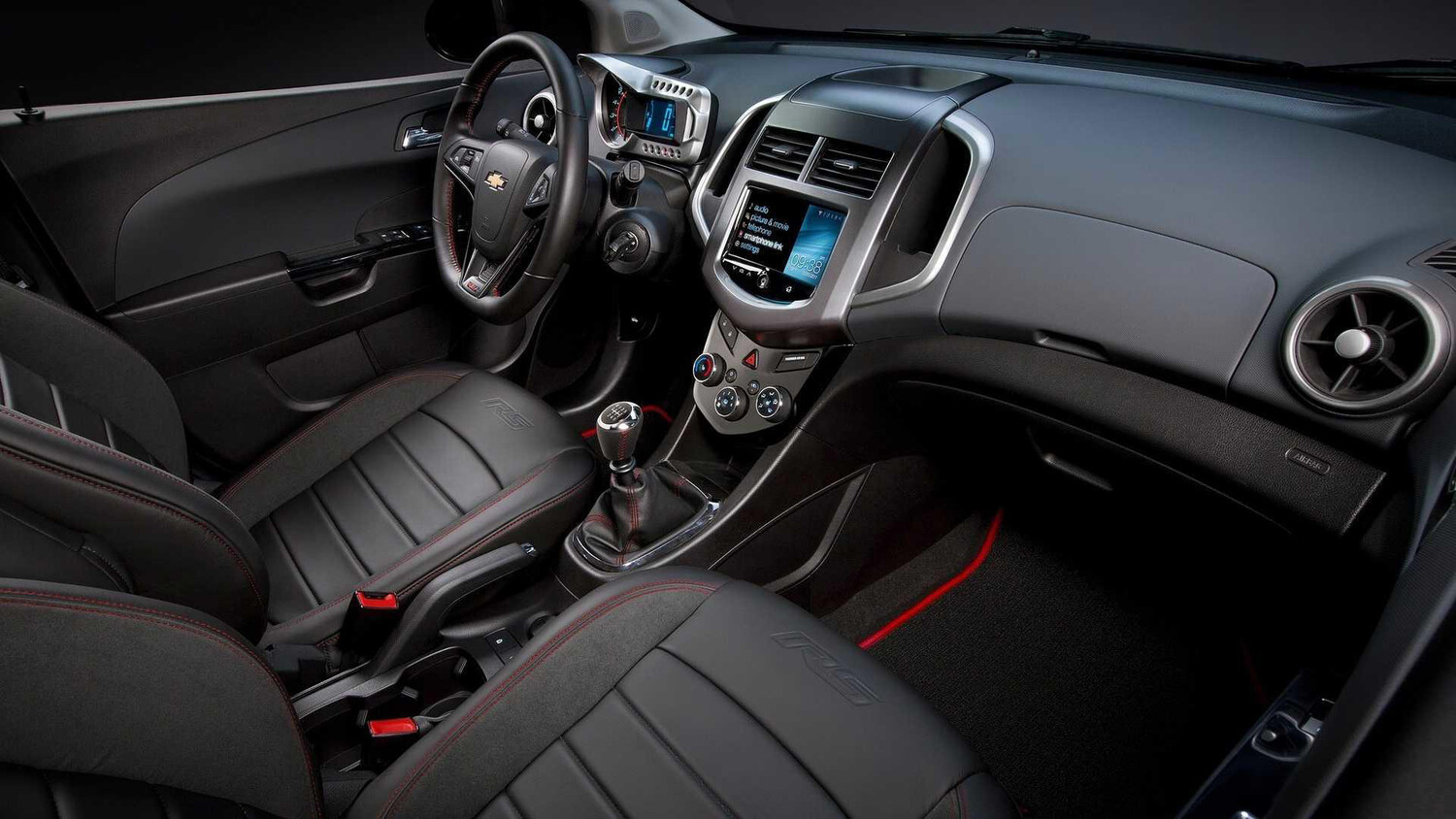
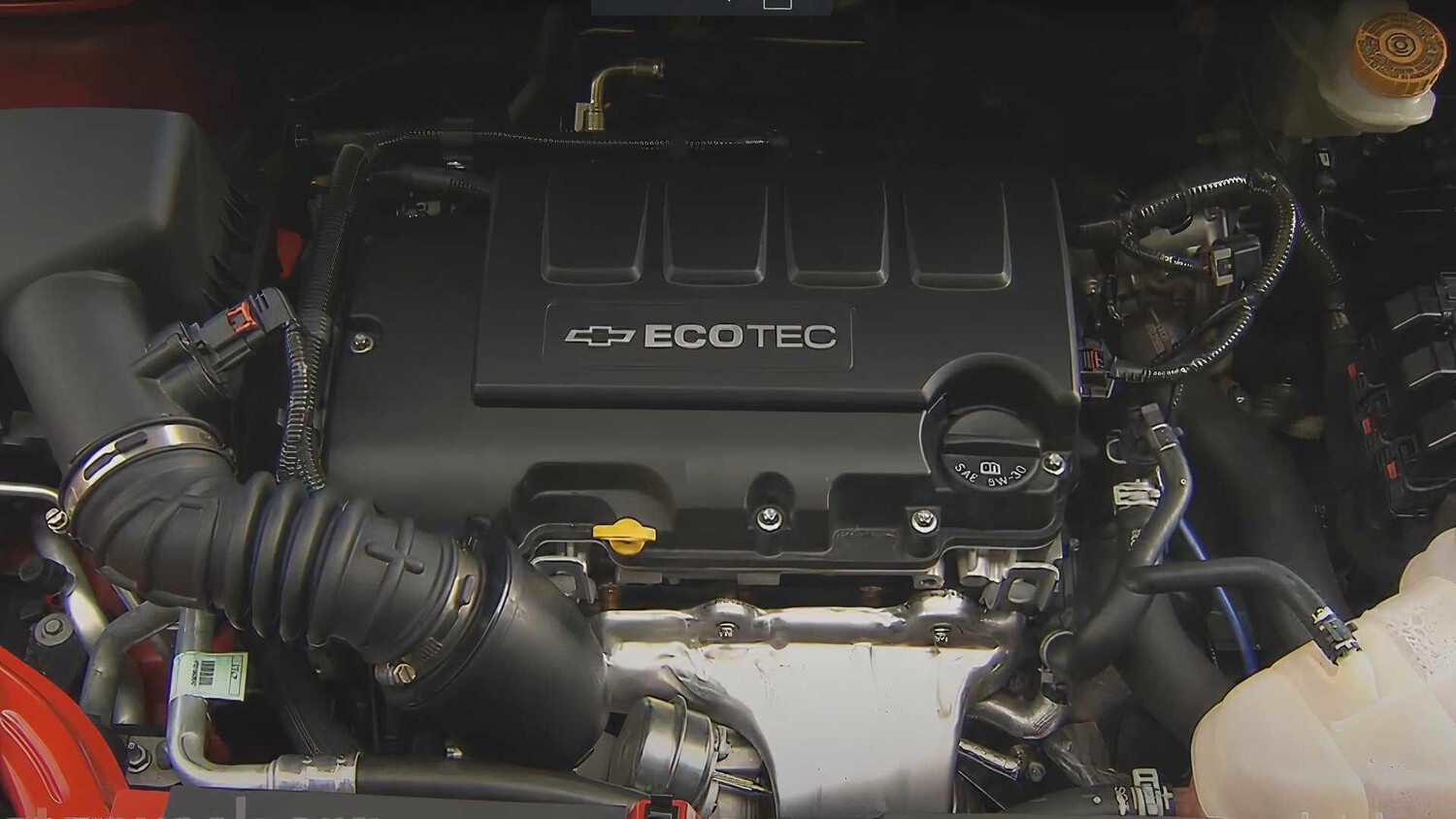
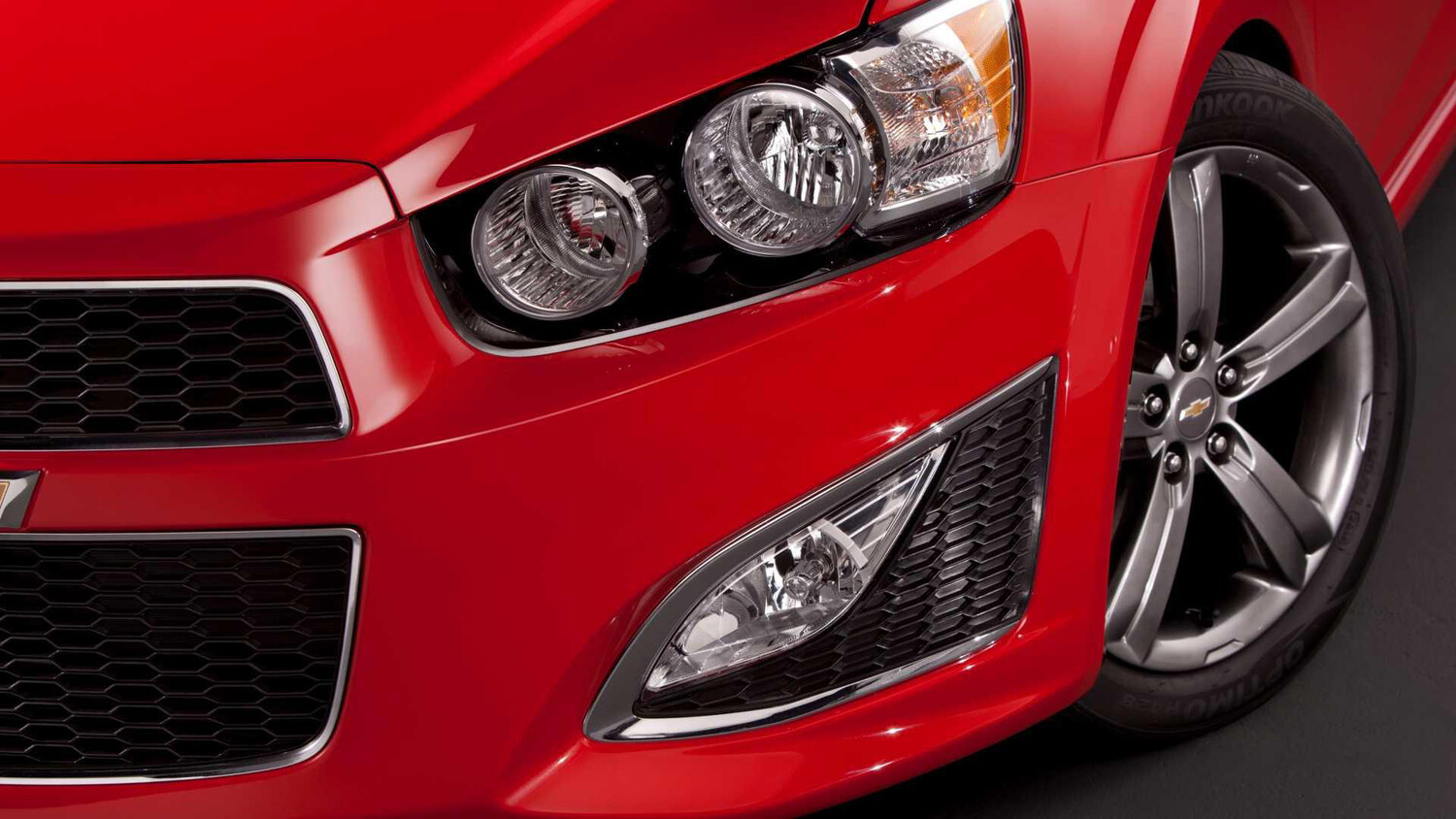
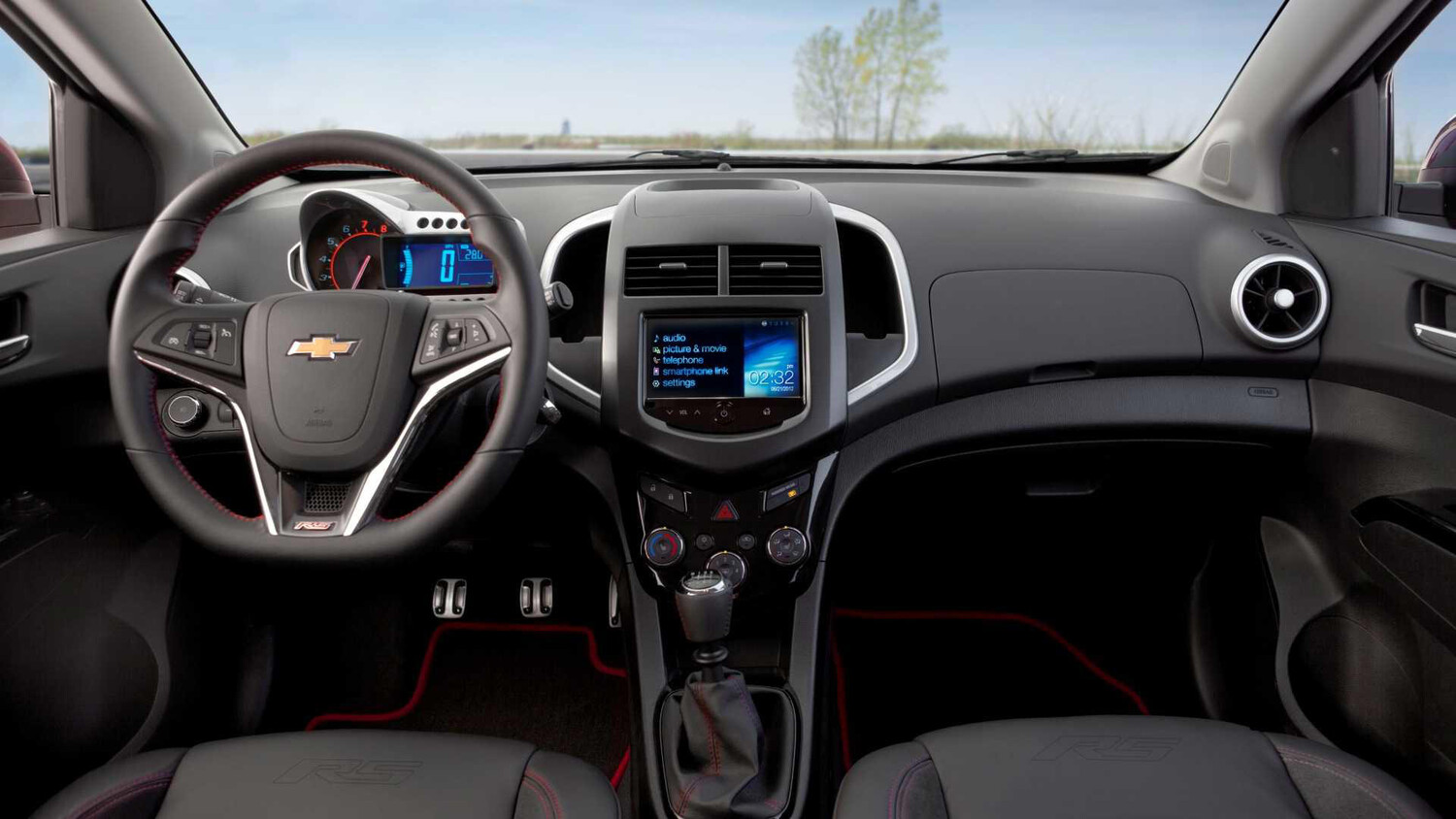
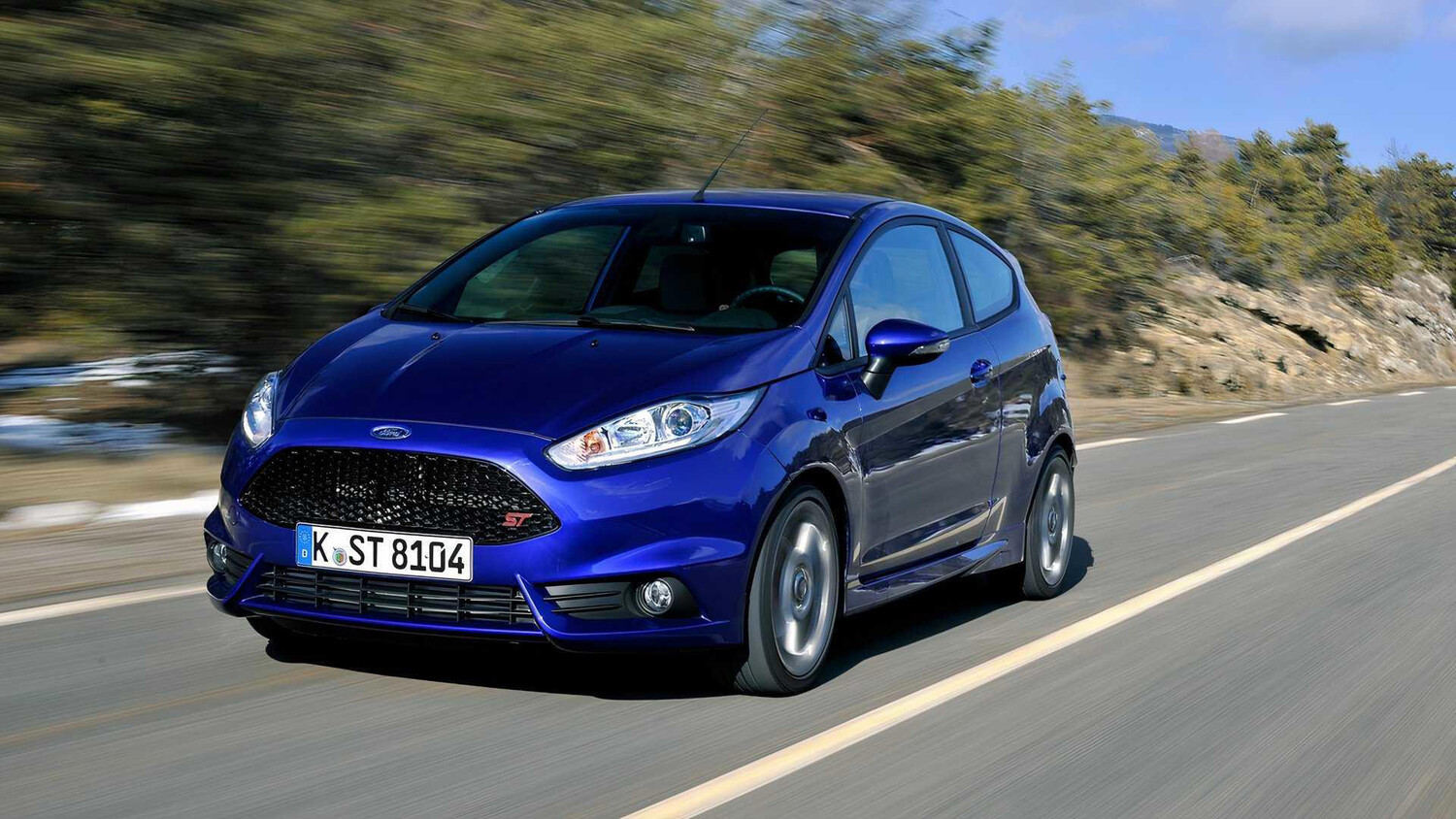
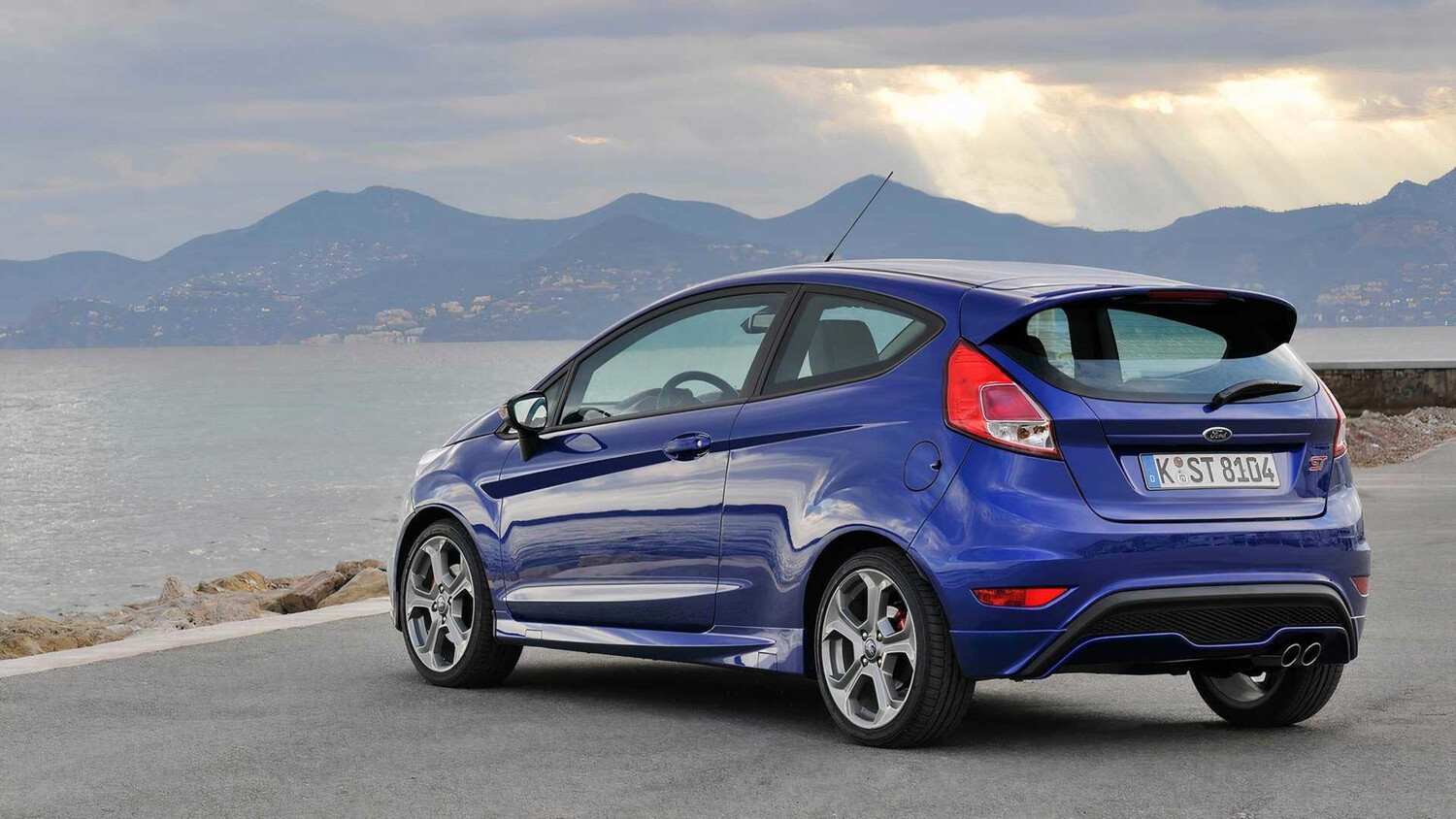
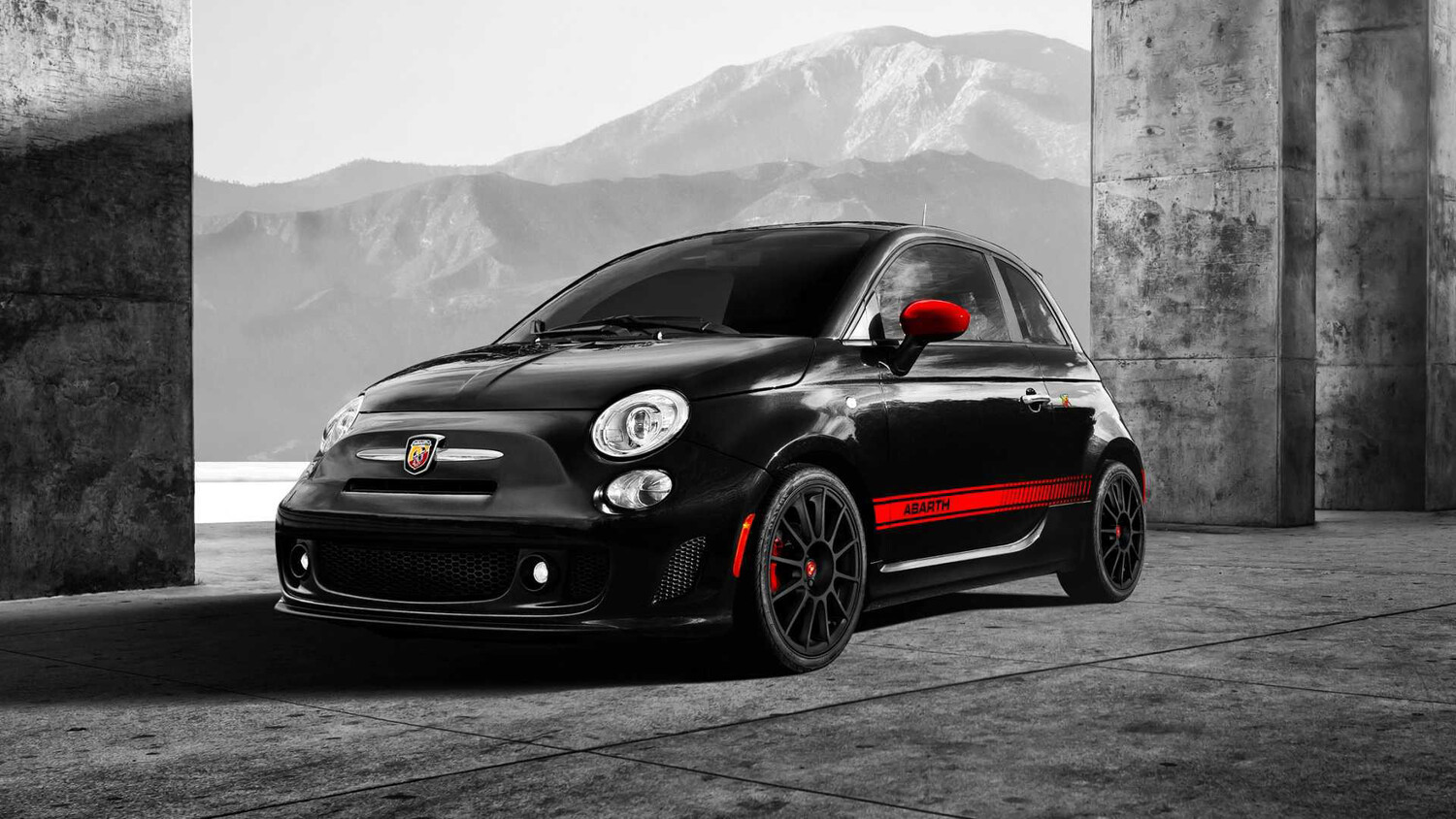
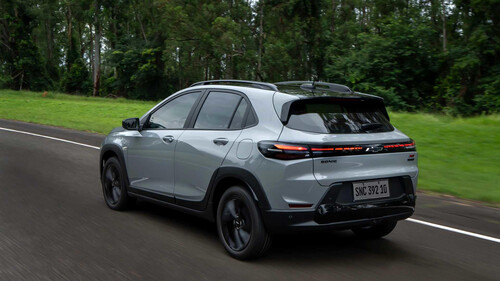
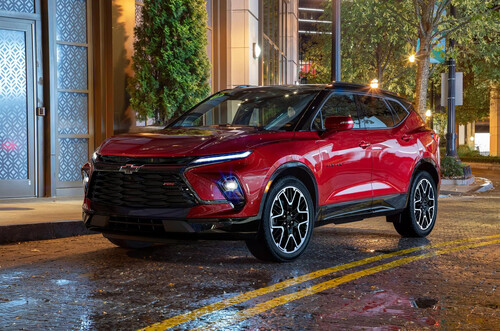
Just over a decade ago, the hot hatch wars were alive and well in the United States. Compared to today's exceedingly hostile market for hatchbacks of any kind, the 2000s and early-mid-2010s were the renaissance years for the US-bound hot hatchback. Several automakers were in on it, including Ford - which carved itself quite a large slice of the market with the Focus ST and Fiesta ST - Fiat, with the Abarth 500, and Mazda, with the Mazdaspeed 3.Chevrolet also got in on the hot US-market hot hatch dogpile, although with a hatchback that many forget about these days. It was called the Sonic RS, the hottest version of Chevy's now-defunct hatchback/sedan model, the Sonic. Before becoming just another trim package, the Sonic RS was a standalone model for a few years, targeting a niche market of subcompact hatchback buyers who didn't want the full hot hatch experience of a Fiesta ST. The Sonic RS was more of a warm hatch and a decade on, they can be had for a steal. An (Attempted) Thorn In Ford's Side ChevroletBefore the Sonic came to be, Chevrolet marketed a small hatchback in the States called the Aveo, a cheap-and-cheerful little hatchback with a bargain-basement starting price and a build quality to match. Once the Aveo entered its second generation, it was then coined the Sonic for the majority of worldwide markets, save for Europe, which continued to use the Aveo namesake. The Sonic then entered the fold in 2011 using styling cues taken from the Chevy Aveo RS concept that debuted in 2010.ChevroletDue to Chevrolet's lack of any performance-oriented vehicle that wasn't a sports car, muscle car, or pickup truck, GM decided to begin production of a hot version of the Sonic, coined the Sonic RS. Instead of being just another trim package, the Sonic RS was positioned as a standalone model, featuring changes to its styling both inside and out with a different front and rear fascia, wheels, a hotter power plant, and a specially trimmed interior. The Sonic RS And Its Disappointing Engine YT: MotorWeekAt the Sonic RS's heart lies a turbocharged inline-four belonging to GM's Ecotec family of engines. Originally developed by then-GM-owned German brand Opel, the 1.4T used in the Sonic RS was of an older generation. At around the same time, Opel was prepping a new version with direct injection that vastly elevated the experience, but Chevrolet, being the budget-oriented brand in GM's roster, got the older engine. On paper, its outputs were OK; not set-your-hair-on-fire good, but enough in a subcompact hatchback to make you think this would be a fun car to drive. It produced 138 horsepower and 148 lb-ft of torque, driving the front wheels through a six-speed manual transmission.Chevrolet The Fiesta ST would only arrive a year after the Sonic RS with close to 200 hp for only $1,000 more, give or take a few bucks. This meant the Sonic RS wasn't a true junior hot hatchback, occupying a realm of lukewarm performance cars that stuck to the original ethos of the hot hatchback: enough power to have fun with without killing you at a price affordable to most young drivers.And that old-school philosophy was present in the way it drove, too, as the Sonic RS arrived on the scene feeling like a decade-old hot hatch despite being brand new. Short gearing was at odds with the turbo torque, and while it made the Sonic RS feel quick (you were rowing through the gears at a rapid rate), it wasn't all that quick. It also fell a little short in the chassis department, with the stiff torsion beam rear axle uncompliant on bumpy, twisty tarmac.ChevroletWhile other driver's cars of the era were engineered with finesse in mind, rewarding smooth inputs with immense point-to-point pace, the Sonic RS was the kind of car that needed to be grabbed by the scruff of its neck and wrung out to get even moderate speed. The rear end was jittery on uneven surfaces, with dampers that couldn't keep up with what the road surface was doing, but a front end with some relatively impressive grip meant if you were firm enough with your inputs and played with the brakes and throttle accordingly, you could get neat little moments of mid-corner oversteer to tighten your line.Chevrolet "Driven against its contemporaries, the Sonic RS fell flat, both in outright straight-line performance and when the road got twisty," says CarBuzz Managing Editor, Roger Biermann. "The slow steering and jittery rear end made the Sonic RS a car that was tough to drive fast with any fluency. Around any set of twists and turns, the Sonic RS needed to be hurled about to make it feel anything more than ordinary, driven at eleven-tenths for it to live up to its hot hatch promise.""It's a decidedly old-school sort of hatch, one that can cock an inside rear wheel when hurled around a corner, but one that ultimately failed to deliver true performance comparable to its rivals and lacked poise when driven at or close to its limits."In hindsight, it carries more allure, as modern performance cars have become anesthetized experiences, making the Sonic RS feel more impressive now than it did back then. But it only truly becomes an alluring prospect when you factor in how values have fallen in the 12 years since it first launched. Competition Was Fierce The hot hatch market was alive and well a dozen years ago, and while today it's only compact hatches that care about performance - even then in dwindling numbers - subcompact entries were pretty common around 2013. The Sonic RS's biggest challenger arrived a year later in the Fiesta ST, but the Fiat 500 Abarth and Mini Cooper also presented viable alternatives in the US market. Elsewhere in the world, there were even more options, with quirky Japanese performance hatchbacks like the Suzuki Swift Sport providing the toughest match for the Sonic RS at a comparable price point. 2014 Ford Fiesta STFordAfter the Focus ST debuted in 2010 at the Paris Motor Show and set the tone for Ford's performance hatchbacks of the next decade, the Fiesta ST arrived in 2014, distilling the bigger hatchback's recipe into a smaller, arguably better package. Hailed among CarBuzz staffers as one of the best Ford hot hatchbacks of all time, it was an eager puppy of a thing straining at the leash, cocking a wheel at every corner, and delivering all the whooshy turbo noises and induction sound you could dream of. With one of the most playful chassis of any car from this century, it was as fun at six-tenths as it was at eleven, and as enjoyable on a racetrack as it was on a mountain pass.Ford With 197 hp from its 1.6-liter turbo four-cylinder and a lovely snickety six-speed manual, the Fiesta ST became the definitive FWD hot hatch of the era. It may have been more expensive than the Sonic RS, but it more than made up for that with fun out the wazoo. But that competency and fun factor mean the Fiesta ST has held its value, and today, you're looking at average prices approximately $2,000-$4,000 more than the Sonic RS. 2013 Fiat 500 Abarth Fiat Pure pantomime, that's the best way to describe the Fiat 500 Abarth. The Fiat 500 was arguably not the best platform to start with for a performance hatchback, with the seating potion too high and the dah-mounted manual shifter being awkwardly positioned, but it was impossible to drive a Fiat 500 Abarth without laughing at the hit of turbo toque and pops and bangs on upshift emanating from the very boost-dependent 1.4-liter turbo four-cylinder. Smaller than the Sonic RS, the Abarth only had two doors and the back seat was all but unusable for anyone with legs, but with 160 hp and 170 lb-ft of torque to the front wheels, it was hilarious fun.Fiat But fun doesn't always mean capable, and the Abarth relied on its fun factor for you to overlook awkward seating, suspension with too little travel and way too much wheel hop, and gear ratios that did not work with the boost curve of the motor. That short wheelbase also meant that lift-off oversteer was a clear and present danger, and unsuspecting drivers could quickly find themselves facing the wrong way if they weren't waiting to catch it.Despite being smaller and less practical than the Chev, the Abarth was also more expensive by nearly $2,000, and several years down the line, it's a cute, but ultimately less compelling buy.Sources: Chevrolet