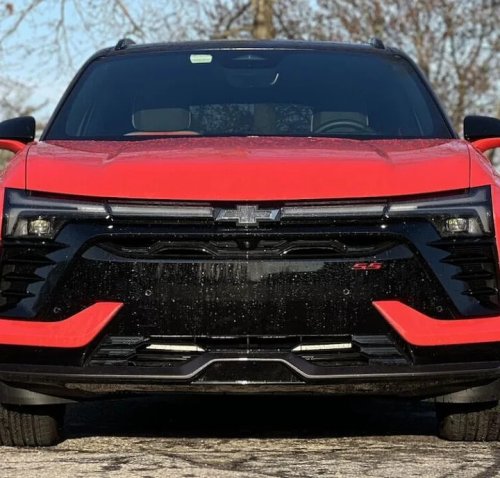
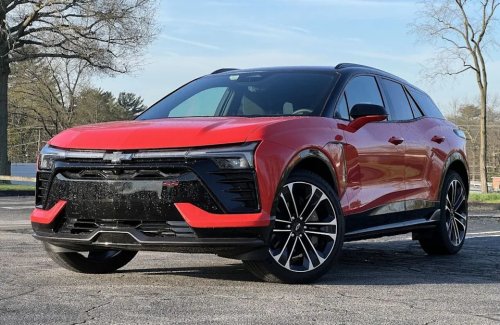
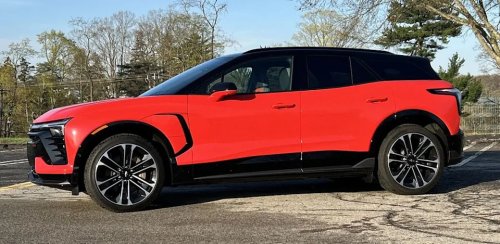
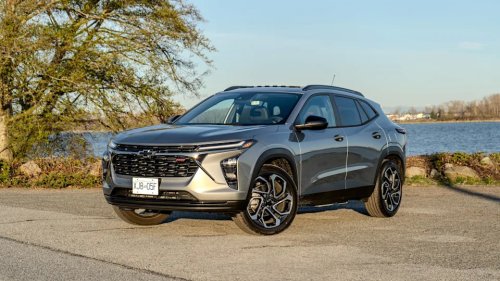
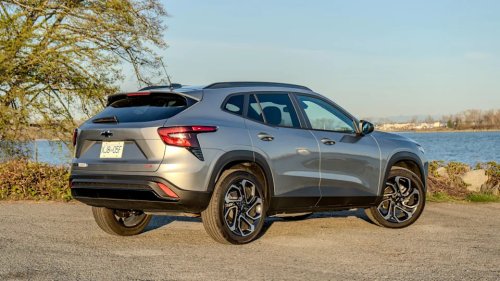
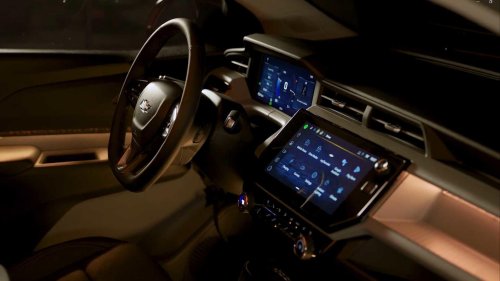
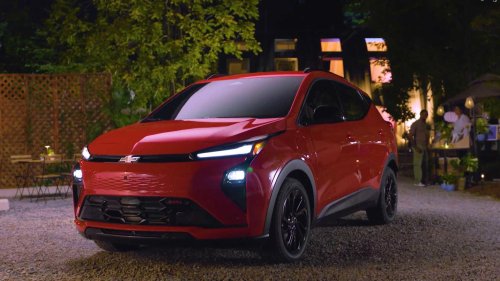
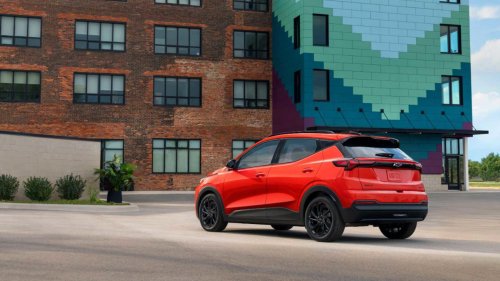
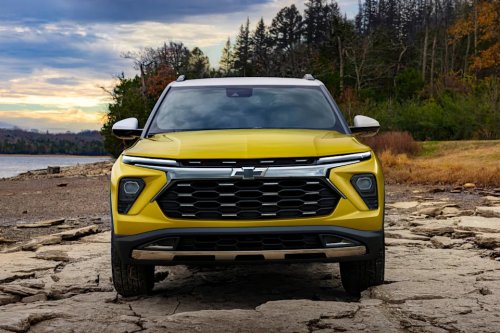
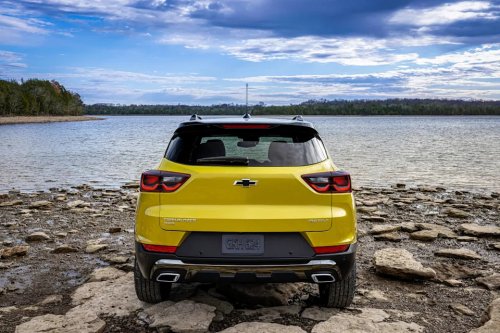
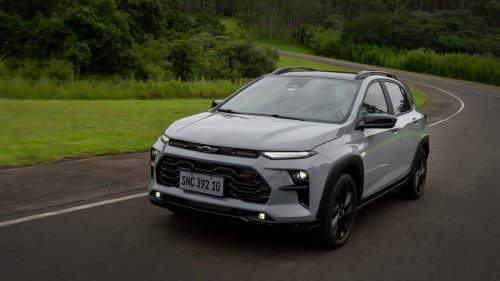
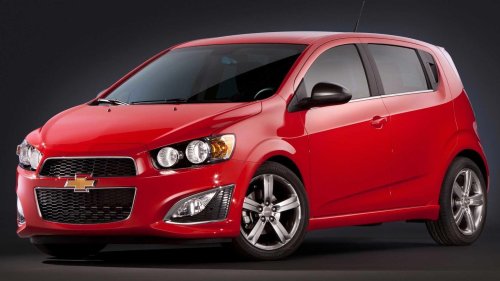
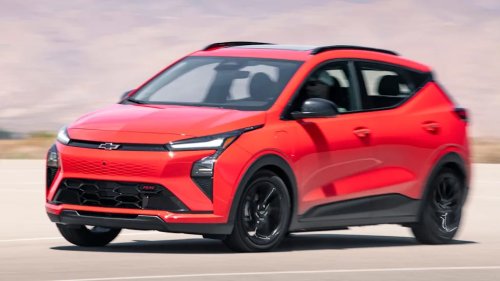
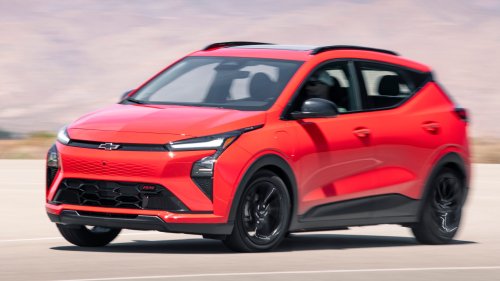
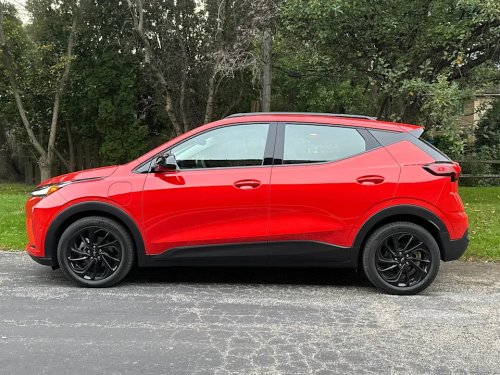
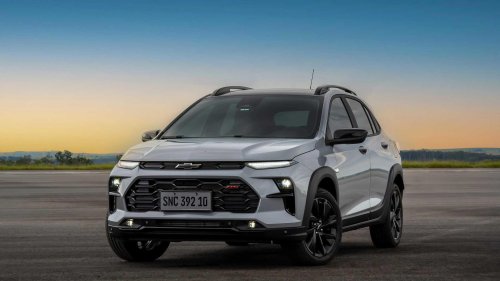
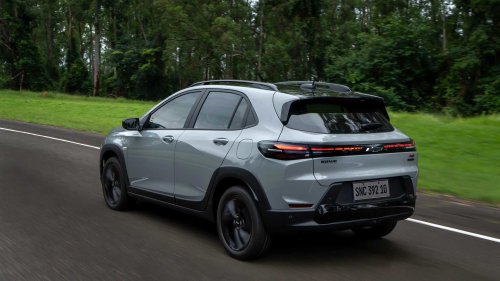
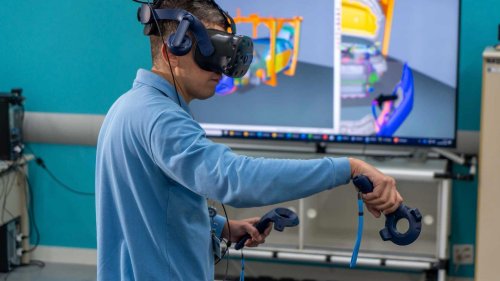
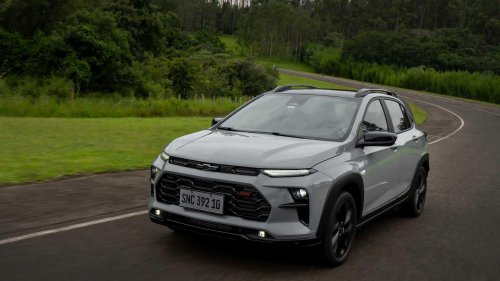
The Chevrolet Sonic is back. Well, the name is back, as it is now a compact crossover that Chevrolet says was developed entirely in a virtual environment and "born from a process driven by artificial intelligence." That process, translated from Portuguese, "optimizes the joint work of engineers and designers from the initial stages, refining body proportions and surfaces in an integrated way."ChevroletWhile it would be easy to criticize Chevrolet for using AI so heavily in the design process, it does have some benefits as we recently learned. Moreover, with this new Sonic, Chevy may have solved an age-old problem in the world of automotive design. Engineers Versus Designers The age-old problem with developing a car is engineers versus designers. A massively oversimplified example is how a design team may have a beautiful front-end design it's in love with, but the engineers do the math and come back explaining the grille needs to be bigger to get enough airflow over the radiator to cool the engine, and the door pillars need to be thicker so it will pass rollover crash testing. According to Chevrolet, the "method allows structural and aesthetic decisions to evolve with greater precision."ChevroletThe new Sonic's initial design references the Chevrolet Equinox EV and "adopts the latest language from Chevrolet's global SUVs." It's all there in the details, particularly the headlights, but in terms of overall shape, it falls into the correct shape and size to satisfy safety regulations, fit four passengers with reasonable comfort, and allow some cargo space. But the real test isn't the technology. It's whether this AI-driven approach can capture what South American buyers actually want. A New Consumer Profile ChevroletAccording to Chevrolet, the new "Sonic was designed in South America and created to keep up with the new needs of the local market." It talks about a "code of belonging" and "imposing attitude," and how the new Chevrolet Sonic has the "silhouette of a coupe SUV." Indeed, Chevrolet refers to it as an SUV coupe, but that's a marketing term too far. A slightly sloped rear roof and window does not make a vehicle a coupe."Sonic proved to be a strategic car for Chevrolet, with the potential both to win loyal customers on the rise and to attract a new audience profile for the brand, something fundamental to the company's growth plan. For this group, the car is no longer just a means of transport and begins to function as a code of belonging, in which the silhouette of a coupe SUV, the most imposing attitude and the richness of details of the product take on a central role."– Gustavo Aguiar, marketing director of GM South America.Chevrolet Indeed, a lot of work appears to have gone into the perception of width, particularly with how the three-dimensional taillights stick out from the body and connect with a horizontal light bar across the tailgate. The same sort of thing happens at the front, with the remarkably slim headlights sitting outside a long, equally thin (what looks like a fake) air intake above the actual grille.We wax poetic about the design because, for now at least, GM isn't talking about the powertrain. It will likely be the 1.2-liter three-cylinder engine with a 48-volt mild-hybrid assist flex-fuel system that GM has been rolling out in South America. However, while talking about badge design, the press release mentions the emblems for the "Turbo" engine are black. So there could be some additional surprises in the mix.Brazil's most popular car segment is compact crossover, so the Sonic will have plenty of competition. It should sit in Chevy's lineup between the Onix Activ and Tracker. Will Sonic make any kind of return to US shores? If the nameplate comes back, it likely wouldn't be on this particular vehicle.



















 +43 others