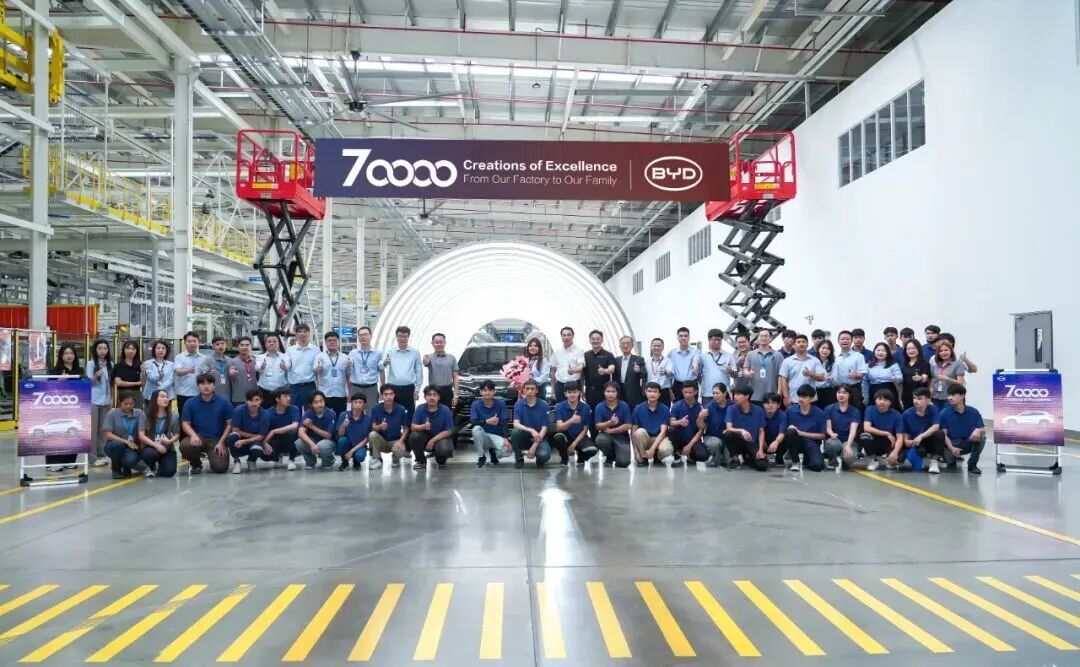
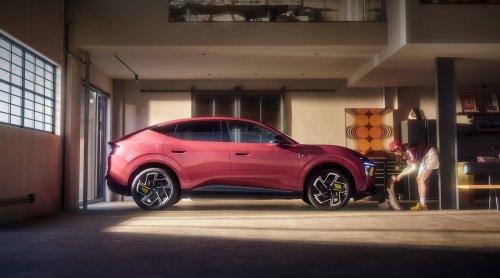
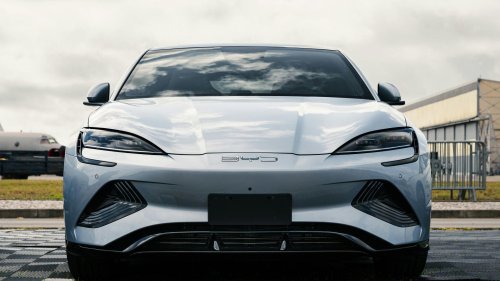
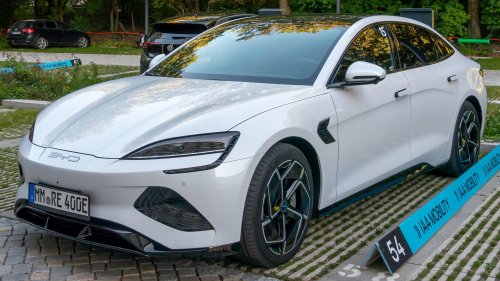
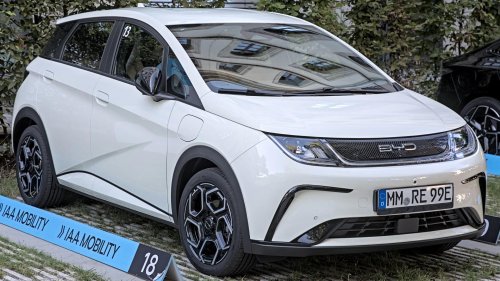
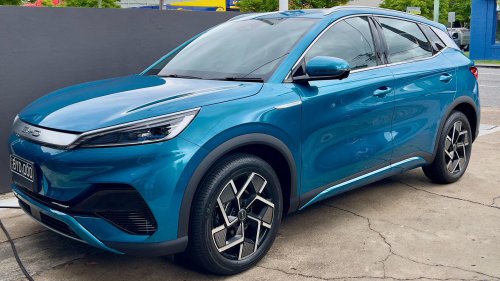
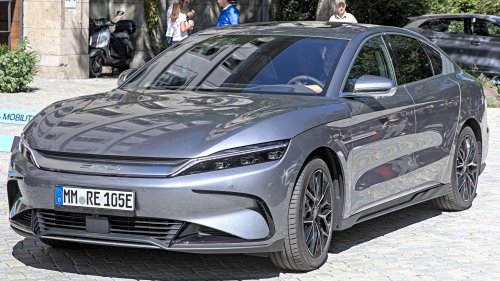
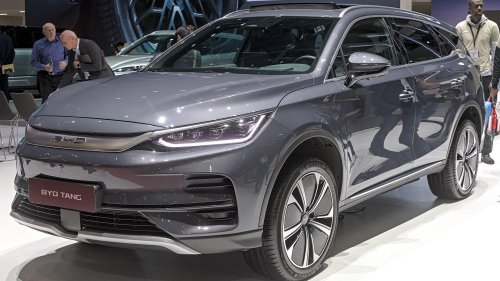
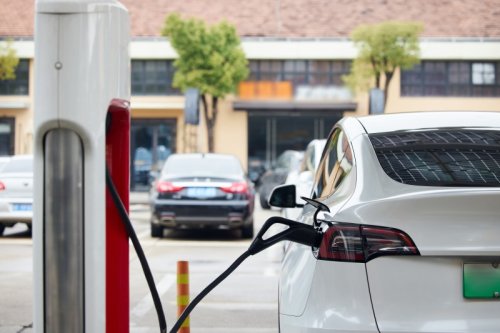
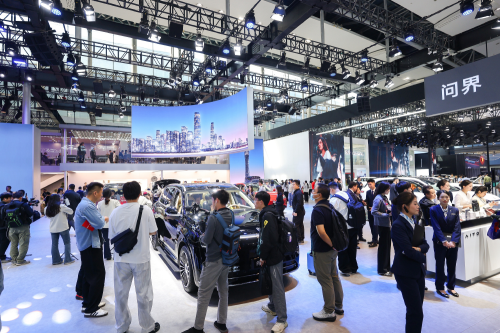
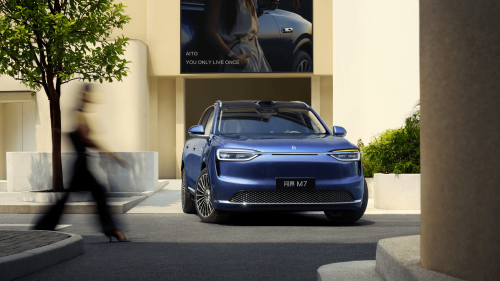
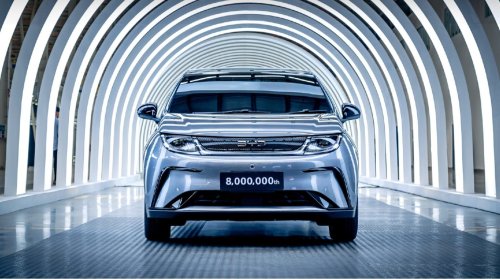
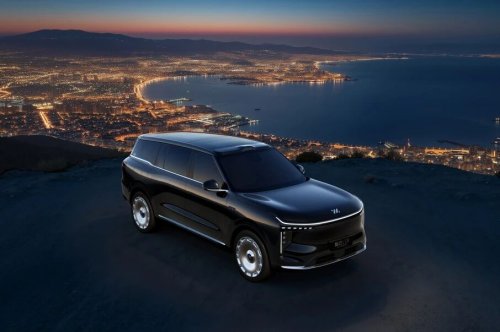
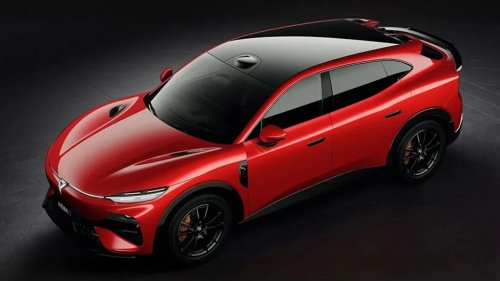
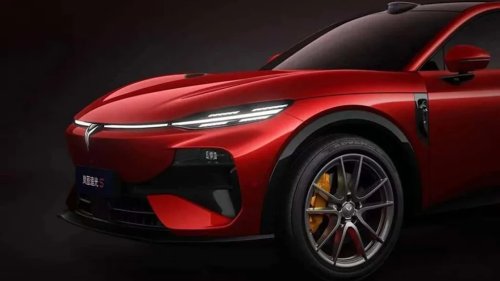
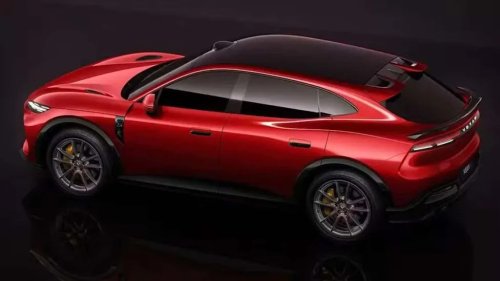
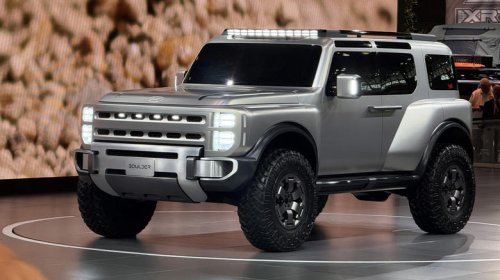
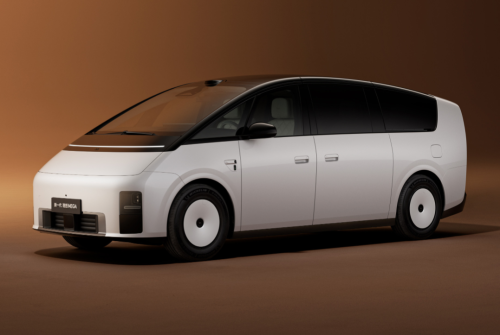
Gasgoo Munich- Recently, headlines across major media outlets were dominated by news that Thailand’s prime minister had switched to a Chinese electric vehicle. This seemingly lighthearted anecdote reflects a deeper shift: Chinese EVs are reshaping the Thai auto market with undeniable force.Electric Vehicles: Thailand’s New Growth EngineDriven by a mix of EV3.0 policy incentives, interest rate cuts by the Bank of Thailand, structural benefits from electrification, and strong momentum from Chinese brands, Thailand’s auto market delivered better-than-expected growth in 2025.Early this year, Surapong Paisitpattanapong, spokesperson for the Federation of Thai Industries (FTI) automotive industry group, told a press conference. He stated that total vehicle sales in Thailand reached 621,166 units last year, an 8.5% increase from 2024.Image source: BYDBehind that 8% surprise gain, new energy vehicles were the core driver.Electrified models accounted for 276,700 sales, capturing 45% of the total. Within that segment, pure electric vehicles took the lead, becoming the primary engine for market expansion: pure EV sales surged 80% to 120,000 units.In short, Thailand’s auto sales climbed to their highest point in two years in 2025, driven entirely by demand for electric vehicles.The FTI forecasts that Thailand’s auto sales could grow further to 640,000 to 650,000 units in 2026, representing a year-on-year increase of 3% to 5%.Significantly, the dominant force behind this growth — electric vehicles — is no longer Japanese brands, but Chinese ones. As one rises and the other falls, the once "impregnable fortress" of Japanese automakers in Thailand is showing clear cracks.Historically, prior to 2022, Japanese brands held a stable roughly 85% share of the Thai market. In 2023, that share dipped below 80% for the first time to 78.0%, and by 2025, it had fallen further to 69.3%. While Toyota, Isuzu, and Honda remain firmly in the top three, their combined share slipped 5 percentage points from 2024. The cracks in the Japanese stronghold are widening fast.In stark contrast to the Japanese decline, Chinese brands have risen aggressively over the past five years, overtaking American rivals to chase down the Japanese leaders. Their market share jumped from 4.0% in 2021 to 21.5% in 2025, propelling them firmly into second place.Chinese brands now dominate Thailand’s new energy sector. They achieved this by capitalizing on policy windows, leveraging a first-mover advantage in electrification, coordinating full supply chain exports, and offering competitive pricing and smart features. Chinese NEVs have become the top choice for Thai consumers.Chinese Automakers Press the AdvantageIn 2025, five Chinese automakers — BYD, MG, Great Wall Motor, Changan, and GAC — secured spots in the top ten for annual sales, claiming half of the rankings.Sales figures are just the result; the more critical question is how Chinese brands will deepen their roots in the Thai market moving forward. The recent Bangkok Motor Show offered some answers, with several Chinese automakers unveiling new roadmaps and launching a fresh offensive.GAC announced a full-scale strategic upgrade dubbed "Thailand Action 2.0" and launched GAC CARE, its first overseas service brand, aiming to build a greener, smarter, and more reliable sustainable mobility future for Thai consumers.Thai Prime Minister Anutin Charnvirakul visited the GAC booth, expressing strong appreciation and support for GAC’s presence and actions in the Thai market.Great Wall Motor’s ORA brand unveiled its ORA 5 family series in Bangkok. Furthermore, GWM announced plans to invest an additional 10 billion Thai baht (approximately 2.128 billion yuan) in Thailand by 2026, setting a target for 40% annual sales growth in the country.Image source: AvatrChangan’s Qiyuan brand made its overseas debut at the Bangkok show, with the Q05 arriving in Thailand under a new identity, marking the global model’s entry into Southeast Asia. Meanwhile, Avatr held an official delivery ceremony for the Avatr 07 in Bangkok, handing over new vehicles to the first batch of over 100 Thai owners.Notably, the Q05’s journey in Thailand relies on the localized production system at Changan’s Rayong plant. This factory, Changan’s first overseas new energy vehicle facility, involved an investment of over 10 billion baht. It has an initial annual capacity of 100,000 units, expandable to 200,000 in the future.To date, Changan has established over 40 brand experience centers in Thailand, covering major cities like Bangkok, Chiang Mai, and Phuket, providing users with full lifecycle services from purchase to after-sales.In fact, shifting from complete vehicle exports to localized production has become a shared strategy among Chinese brands deepening their presence in Thailand. Major players including BYD, Great Wall Motor, Changan, and AION have built or are building production bases in the country. These bases have a total planned annual capacity exceeding 600,000 units. These are concentrated in traditional automotive industrial hubs like Rayong and Chonburi provinces.Additionally, new challengers are actively exploring the Thai market. NIO’s smart premium small car brand, firefly, appeared at the Bangkok show with an independent booth, officially launching the Thai right-hand-drive version priced at 799,000 baht (approximately 169,200 yuan). XPENG also released the Thai versions of its all-new G6 and X9 models.Conclusion:The rise of Chinese brands in Thailand is no longer a future prospect; it is a reality unfolding now. From exporting complete vehicles to local manufacturing, from product competition to service ecosystem construction, Chinese EVs are reshaping the landscape of the Thai auto market in every dimension.